







Toxicité du Poisson - La Viande la Plus Toxique
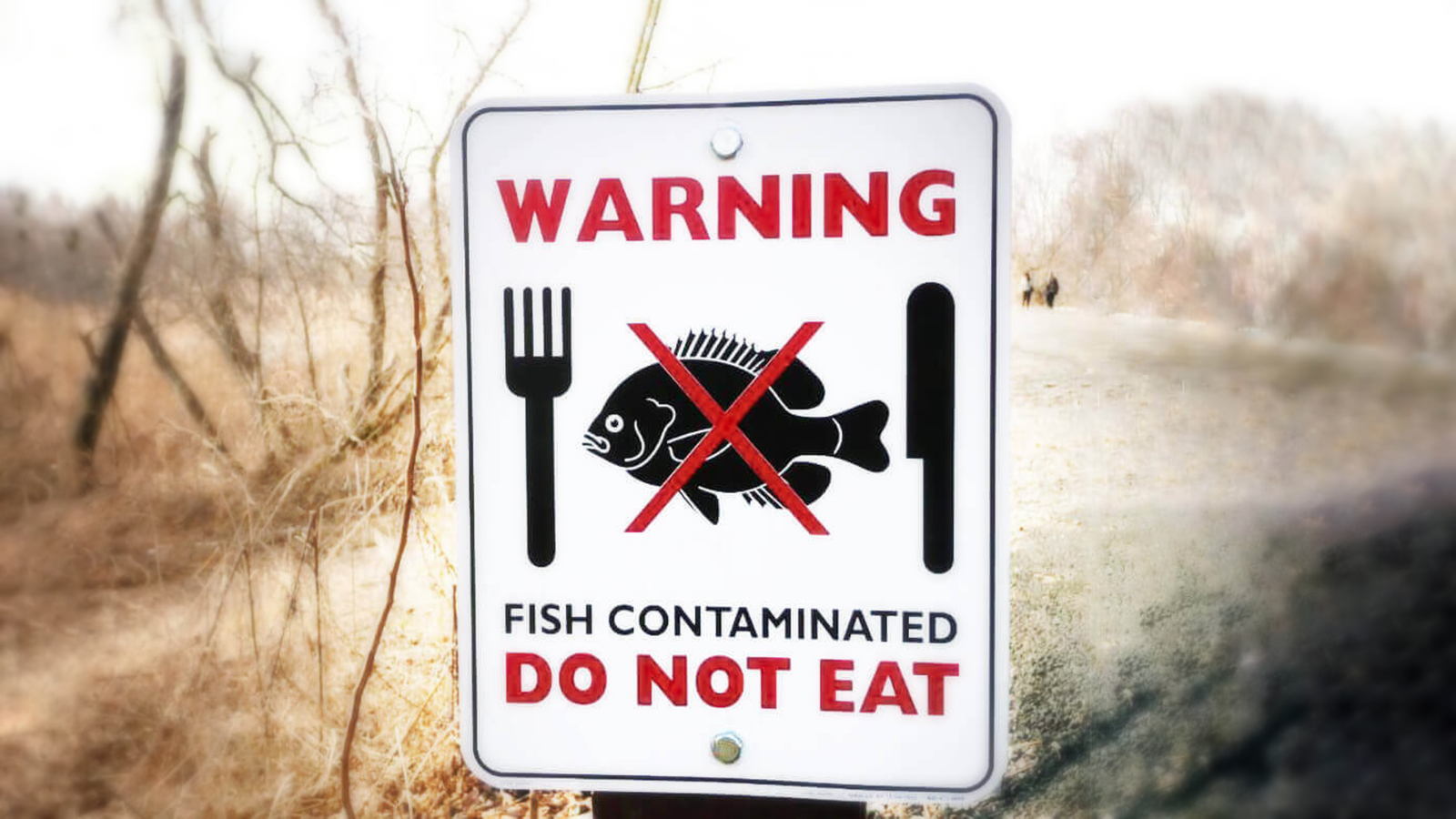
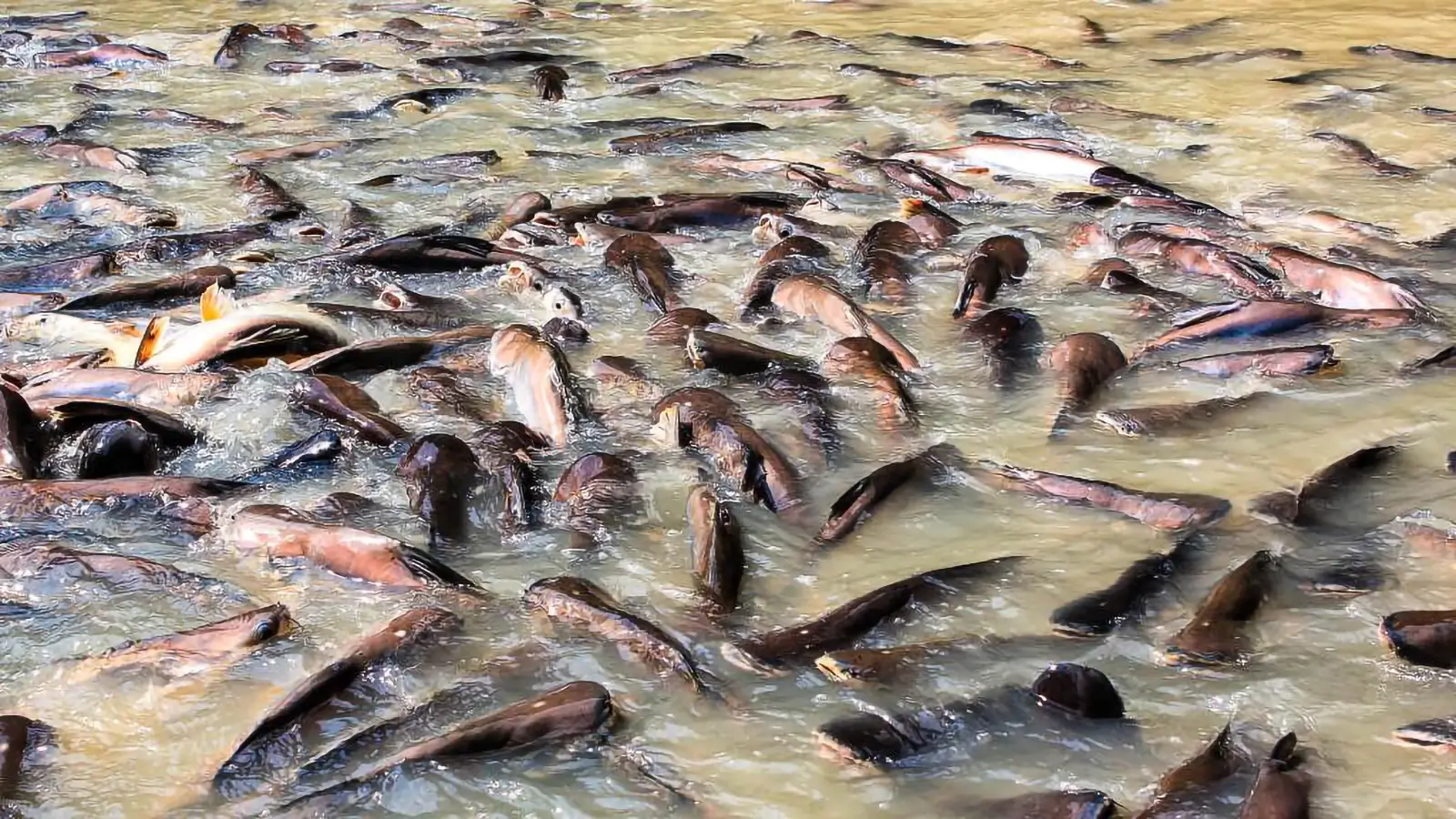
La pollution est emportée et finira par se retrouver dans l'océan et les algues filtrent l'eau en déclenchant le processus de bioaccumulation. La toxicité des poissons est une grande préoccupation.
Milos Pokimica
Écrit par : Milos Pokimica
Examiné Médicalement Par : Dr. Xiùying Wáng, M.D.
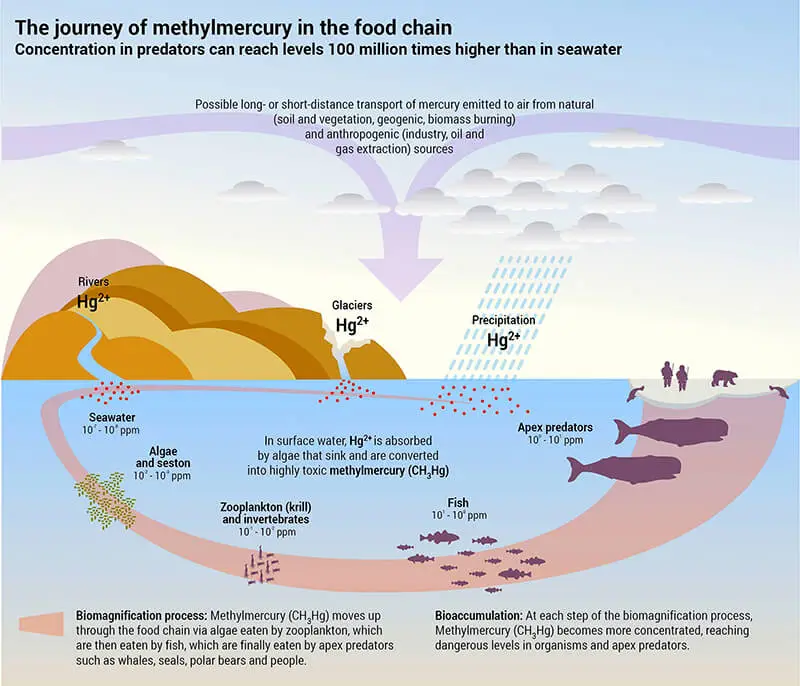
Mis à jour le 9 juin 2023La plupart des polluants sont emportés par les eaux et finissent par se retrouver dans l'océan. Si le polluant est persistant, il restera dans l'océan, créant une situation où la toxicité pour les poissons est très préoccupante. La concentration dans l'océan sera faible, mais le plancton et les algues filtreront l'eau et la bioaccumulation commencera..
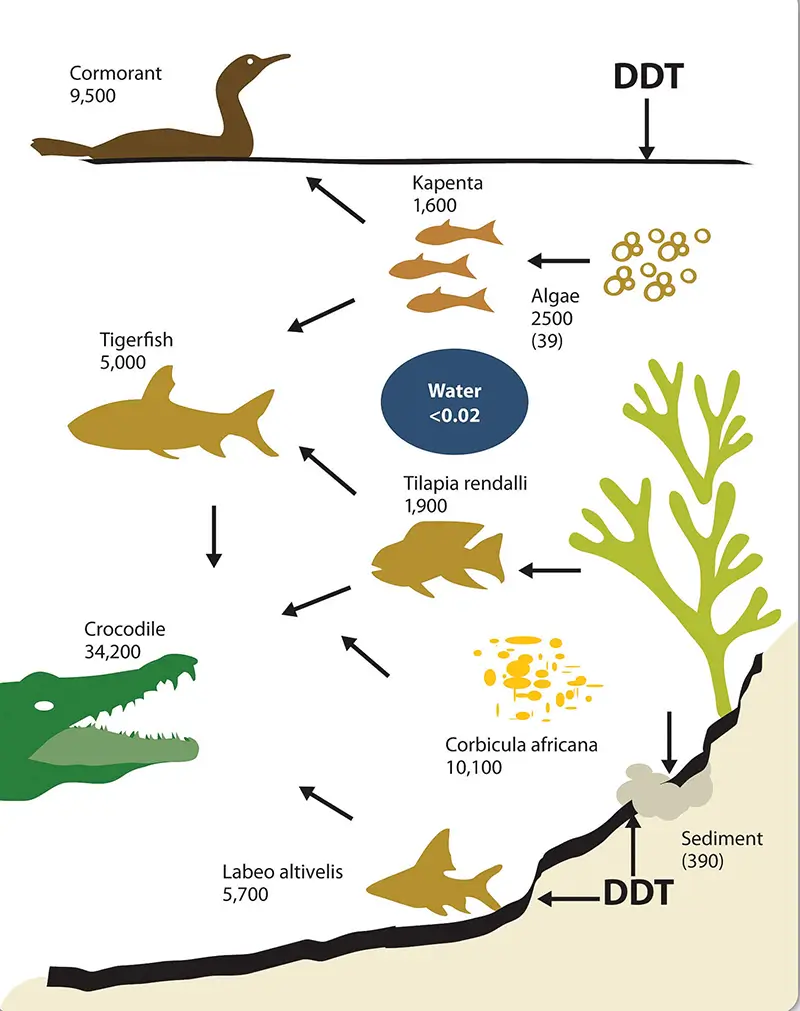
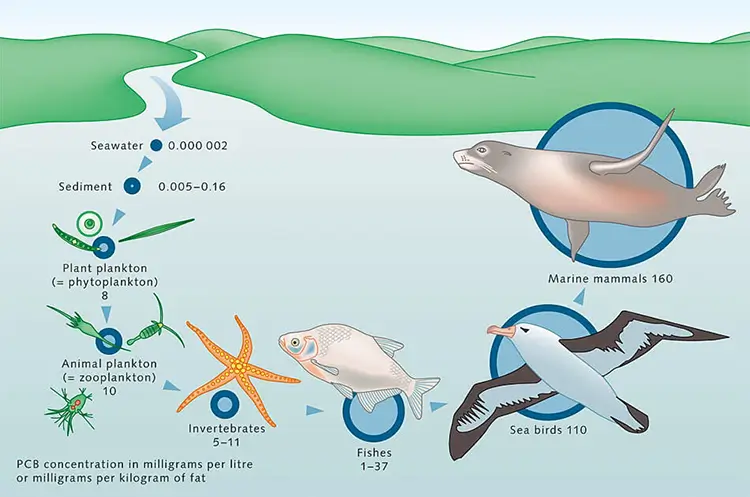
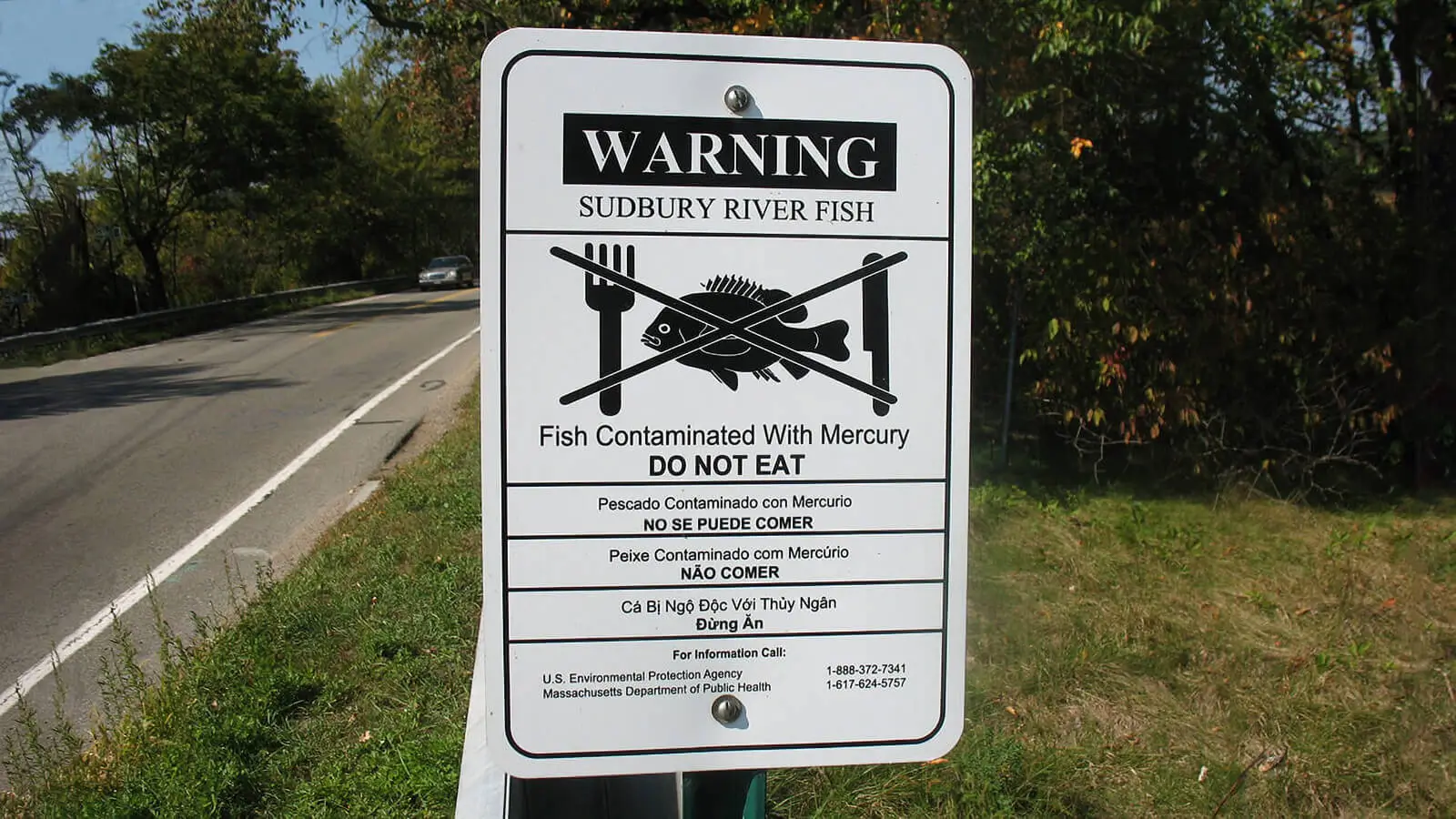
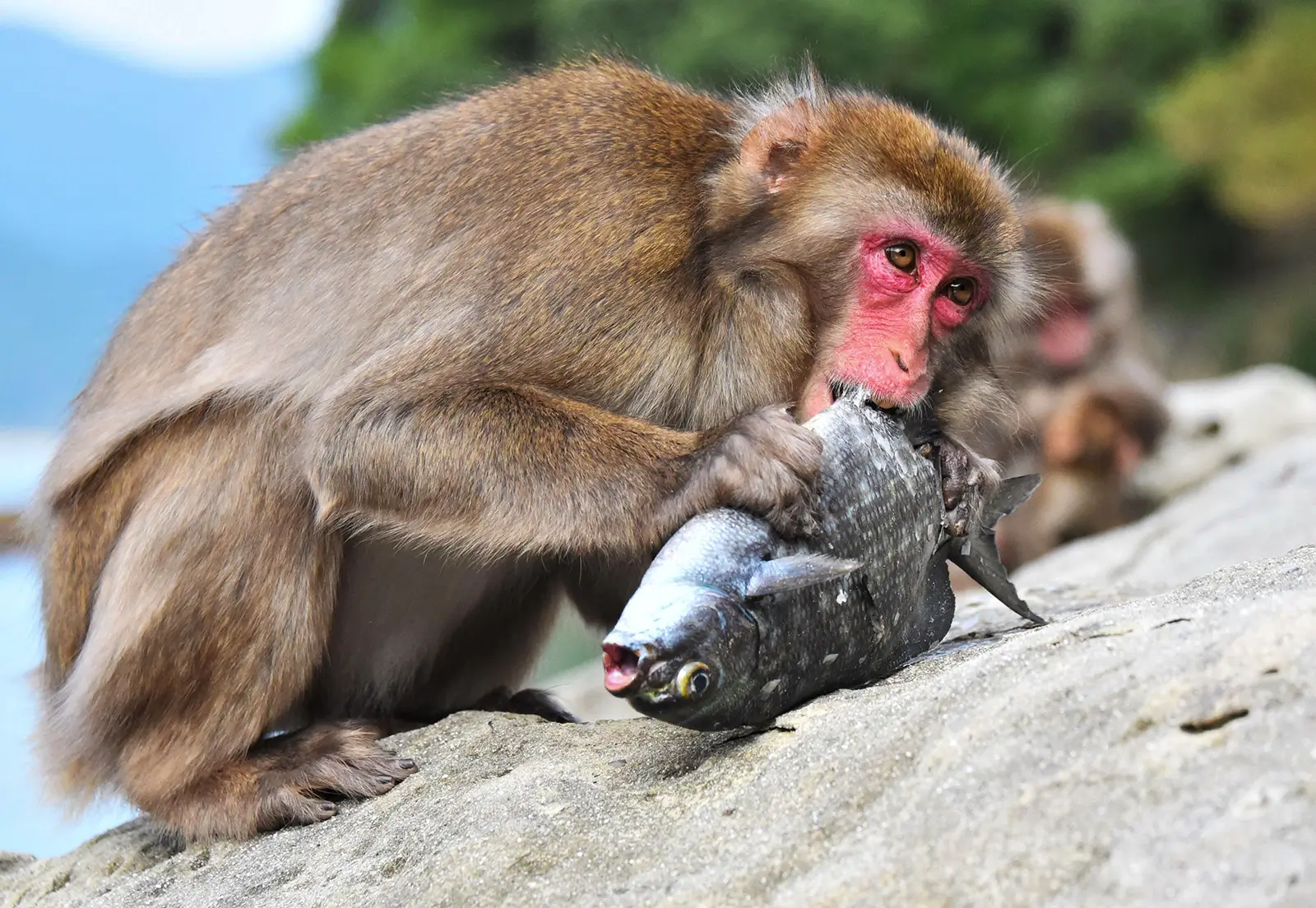
Lorsque les organismes supérieurs se nourrissent de ces micro-organismes, ils consomment également toutes les toxines filtrées de l'eau de mer et, à mesure que l'on remonte la chaîne alimentaire, la concentration des toxines environnementales augmente. Le résultat final est que, bien que les niveaux de polluants soient minuscules lorsqu'ils sont mesurés directement dans l'eau de mer, lorsqu'ils sont mesurés dans les poissons prédateurs supérieurs, dans certains cas, les niveaux sont gravement toxiques. Manger ces types de poissons sera sévèrement pro-inflammatoire, neurotoxique, pro-cancéreux et toxique en général. La pollution est aujourd'hui si importante que, même si l'on fait abstraction de tous les autres effets néfastes de la consommation de viande que j'ai analysés dans d'autres articles, livres et sujets, la seule pollution d'origine humaine est une raison suffisante pour ne jamais toucher quoi que ce soit qui sorte de l'océan, en particulier si vous êtes enceinte ou si vous êtes un enfant. Le poisson est tout sauf une source de viande saine. Le poisson d'élevage est, si vous pouvez le croire, encore pire en raison des conditions dans les aquariums et des palettes de nourriture qui sont utilisées comme nourriture pour les poissons. Il est très peu probable que vous puissiez trouver des poisson d'élevage sur une base économiquement et écologiquement durable et même dans ce cas, l'état de ces aquariums sera rempli de bactéries et sera rempli de pollution.
Les scientifiques de l'étude que j'ai déjà mentionnée sur la consommation de poisson, le méthylmercure et le développement neurologique de l'enfant (Oken et al., 2008) dans l'article sur la consommation de poisson et le mercure comprenait également un avertissement concernant la consommation d'acide docosahexaénoïque (DHA) en conclusion. L'oméga-3 ou chimiquement l'acide docosahexaénoïque (DHA) est un acide gras qui joue un rôle en tant que composant structurel du cortex cérébral principalement mais aussi de l'ensemble du cerveau humain, de la rétine et de la peau. Signification Si vous éliminez le poisson de votre alimentation, vous devez trouver une autre source d'acides gras oméga-3 qui ne proviennent pas du poisson. Ils savent que les gens croient que manger du poisson est une habitude saine en raison des acides gras oméga 3, et ils doivent donc trouver une autre source. Ils ont raison, nous avons besoin d'acides gras oméga 3 et les gens ne tiendront pas compte de tous mes conseils parce qu'ils aiment manger de la viande, premièrement, et deuxièmement, ils ont juste besoin d'une excuse, et troisièmement, ils pensent que le poisson est un choix plus sain parce qu'il n'a pas le niveau de graisses saturées du porc et qu'il contient des acides gras oméga 3 dont nous avons besoin pour notre cerveau.
Cependant, d'où les poissons ont-ils obtenu les oméga 3 en premier lieu, je me demande ? Les suppléments comme l'huile de poisson sont également fortement pollués. L'Amérique consomme plus de 200000 tonnes d'huile de poisson par an. Ils concentrent les oméga 3 mais aussi tous les polluants du poisson, pas seulement le mercure mais les PCB et les insecticides, et tous les autres. La distillation moléculaire n'est pas différente. C'est juste une autre arnaque. La distillation moléculaire de l'huile de poisson ne peut éliminer qu'une partie des toxines, mais la plupart restent. Il a un nom fantaisiste, mais jusqu'à présent, il n'est utile que pour les contaminants organiques plus légers (Hoh et al., 2009).
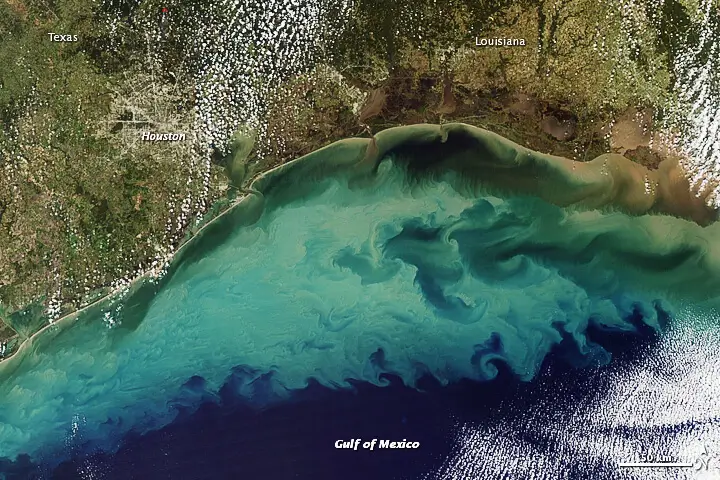
La seule solution possible pour la toxicité des poissons et la toxicité, en général, est de descendre plus bas dans la chaîne alimentaire. L'huile de krill devrait être plus pure que l'huile de poisson. Le krill a un taux de mortalité élevé, vit peu longtemps et se situe en bas de la chaîne alimentaire, de sorte qu'il ne contiendrait pas autant de polluants. La meilleure solution est de passer aux légumes de mer sans supplémentation, notamment parce qu'en mangeant des légumes de mer dans une salade, on peut obtenir plus d'autres minéraux comme l'iode et de substances phytochimiques qu'en prenant des suppléments de DHA à base d'algues ou de krill. Nos océans sont aujourd'hui tellement pollués que même les organismes à faible concentration peuvent être contaminés. Surtout après la prolifération des algues et de toutes les neurotoxines que cette forme d'algue peut créer.
La grande variété de polluants chimiques est préoccupante. Même les ours polaires ont maintenant des lésions rénales, une densité minérale osseuse réduite, une stéatose hépatique et une inflammation chronique due à la toxicité des poissons (Sonne et al., 2005). Les dauphins aussi (Vetter et al., 2001).
Les composés organohalogénés sont les congénères des PCB, le DDT et ses métabolites, les composés liés au chlordane, etc. Les effets des POP (polluants organiques persistants, parfois appelés "produits chimiques à vie") sur la santé humaine et sur l'environnement sont réels, et même si nous pensons que nous pouvons les ignorer, la situation n'est pas la même. La communauté internationale a fait part de son intention de restreindre la production lors de la convention de Stockholm sur les polluants organiques persistants en 2001. En réalité, nous ne pouvons pas le faire. Ils constituent un élément essentiel de l'agriculture moderne et de différents types d'industries. Tout ne peut pas être recyclé et purifié. Les POP peuvent également s'évaporer et se retrouver dans l'atmosphère. Comme ils résistent aux réactions de décomposition dans l'air et qu'ils sont stables, ils peuvent parcourir de longues distances. Ils retombent ensuite et se redéposent. Il en résulte une accumulation de POP dans des zones éloignées de l'endroit où ils ont été utilisés ou émis. Ils peuvent atteindre l'Antarctique et le cercle arctique. Nous n'avons plus une vie propre parce qu'il n'y a plus de moyen naturel de produire de la nourriture biologique pour des milliards de personnes sur la planète.
Certains des POP les plus connus sont par exemple les polychlorobiphényles (PCB), les dioxines et le dichlorodiphényltrichloroéthane (DDT). Les PCB sont utilisés dans les plastiques, comme additifs dans les peintures, dans les transformateurs électriques et les condensateurs, dans le papier autocopiant et comme fluides d'échange thermique. Il n'y a donc pas de plastique ni d'électronique sans PCB. Les PCB sont toxiques pour les poissons à des doses élevées, et corrélés à l'échec du frai à des doses faibles. Chez l'homme, les PCB sont associés à la suppression du système immunitaire et à la stérilité, et la plupart des expositions proviennent de l'alimentation. Aujourd'hui, un couple sur six éprouve des difficultés à concevoir un enfant. Le nombre de couples qui ont recours à des méthodes thérapeutiques en raison du problème de la conception naturelle a augmenté de façon spectaculaire après la Seconde Guerre mondiale. Le nombre de couples stériles (15%) est plus important que par le passé, par exemple il y a 100 ans. Le nombre de spermatozoïdes chez l'homme moyen a diminué de près de moitié au cours des 60 dernières années. La fertilité est plus faible chez tous les hommes et toutes les femmes, ce qui fait qu'un couple sur six est stérile. De nombreux experts attribuent cette baisse à l'augmentation des produits chimiques environnementaux qui ont de faibles effets sur les œstrogènes, tels que le DDT et les PCB. Une augmentation des niveaux d'œstrogènes dans l'approvisionnement général en eau, due à l'utilisation de pilules contraceptives orales, a également été mise en cause. Il existe de nombreux produits chimiques dans le monde d'aujourd'hui.
Dans cette étude (Rozati et al., 2002) ils ont mesuré la corrélation entre le nombre de spermatozoïdes et les œstrogènes environnementaux. Lorsqu'ils parlent d'œstrogènes environnementaux, ils ne parlent pas de phytoestrogènes fabriqués par les plantes, mais de xénoestrogènes, de pesticides comme le PCP, le DDT ou le BPA à partir de plastique, etc. La plupart d'entre eux ont été trouvés dans les poissons. Les mangeurs de poisson urbains ont les niveaux moyens de PE et de PCB les plus élevés. Chez les hommes infertiles, le nombre total de spermatozoïdes mobiles est corrélé à leur exposition aux xénoestrogènes. Ils ont également trouvé des corrélations substantielles entre les niveaux de PCB et le volume, la motilité, la vitalité et la capacité d'osmorégulation de l'éjaculat. Des niveaux plus élevés de PCB étaient associés à des dommages au sperme. Le nombre de spermatozoïdes était de l'ordre de 10 (mobilité moyenne) nombre de mobiles vivants en millions pour les mangeurs de poisson et supérieur à 80 pour les végétariens. Environ huit fois la différence.
Si la toxicité des poissons ne vous rend pas stérile en abaissant le nombre de spermatozoïdes, cela entraînera une réduction de la testostérone et d'autres pro-œstrogènes des maladies à la fois chez les hommes et chez les femmes comme le cancer du sein, la ménopause précoce, l'endométriose et les problèmes d'hormones thyroïdiennes. De nombreux pesticides agissent de la même manière et ont un potentiel de perturbation endocrinienne. Par exemple, nous savons que l'hypospadias, une anomalie congénitale du pénis où l'ouverture n'est pas à l'extrémité mais de l'autre côté du pénis est causée par le fongicide Vinclozolin (Vilela et al., 2007). Pensez-vous toujours que manger du saumon sauvage est bon pour la santé ?

La dioxine est un polluant industriel de l'histoire de l'agent orange. Les dioxines sont également un sous-produit de la combustion à haute température. Elles sont émises lors de la combustion de déchets dangereux, de déchets hospitaliers et de déchets municipaux. La combustion conventionnelle en produit également, comme les émissions des automobiles, le charbon, le bois et la tourbe. Ils se retrouvent dans l'air, puis sont entraînés par la pluie et finissent dans les océans. Allons-nous cesser de conduire nos voitures ? Nous avons supprimé le plomb de l'essence, mais il ne s'agit que de plomb. Il est scientifiquement prouvé que les dioxines sont cancérigènes pour l'homme et qu'elles sont également liées à des troubles immunitaires et enzymatiques. Dans des études de laboratoire, elles ont également été associées à une augmentation des handicaps congénitaux et de la mortinatalité. Les effets néfastes sur la santé peuvent inclure une baisse de la testostérone, une ménopause précoce, l'endométriose, des maladies cardiovasculaires, une altération des réponses immunitaires, des irrégularités au niveau des hormones thyroïdiennes, des altérations du diabète et du métabolisme, ainsi que des anomalies au niveau de la peau, des dents et des ongles. Pendant la grossesse, l'exposition peut entraîner une altération du développement de la thyroïde, du système immunitaire, du cerveau et des organes reproducteurs. Les aliments d'origine animale, non seulement le poisson mais aussi toute la viande et les produits laitiers, constituent la principale source d'exposition humaine aux dioxines. L'EPA a commencé à tester les niveaux de dioxines chez les Américains en 1982. "Ce n'est qu'en 2012, après trois décennies de retard, qu'elle a publié de nouvelles lignes directrices fixant des limites à l'exposition sans danger des consommateurs américains. L'industrie a réagi en exerçant des pressions politiques sur la Maison Blanche. L'American Meat Institute, le National Chicken Council et d'autres groupes industriels ont fait pression sur les hommes politiques qu'ils influencent avec ces nouvelles lignes directrices pour leurs produits :
"Pourrait arbitrairement être classé comme impropre à la consommation."
Ils ont utilisé des mots arbitrairement sans tenir compte du fait que la classification est basée sur des niveaux de dioxine scientifiquement dissuasifs trouvés dans différents produits alimentaires. Dans leur esprit, avertir les consommateurs du risque pourrait :
"Faire peur aux gens" et "Avoir un impact économique négatif significatif sur tous les producteurs alimentaires américains".
Cependant, ce n'est pas non plus la vérité. Selon la FDA, plus de 95 % de l'exposition aux dioxines provient de l'apport alimentaire de graisses animales, et non de tous les aliments.
Le nombre de produits chimiques toxiques auxquels nous sommes aujourd'hui exposés par milliers. La plupart d'entre eux sont secrets. Nous ne disposons pas de recherches sur leurs effets et personne n'en parle. Depuis 2001, la liste de la convention de Stockholm a été élargie pour inclure les hydrocarbures aromatiques polycycliques (HAP), ou du moins certains des plus dangereux, ainsi que les retardateurs de flamme bromés et d'autres composés. De plus, tout cela n'est que ce qui est testé. Nous devons comprendre que personne ne financera la recherche sur la toxicité des différents produits chimiques, principalement à long terme, parce que ce n'est pas ce qui augmentera les profits. Au contraire, cela rendra les affaires plus coûteuses. Toutes ces toxines et tous ces polluants, ou du moins la plupart d'entre eux, finiront dans les océans et dans les poissons, certains seront directement pulvérisés sur les produits et d'autres seront consommés par les animaux dans les fermes par le biais des aliments pour animaux qui sont également pulvérisés.
Ma suggestion est de ne rien manger qui sort de la mer si c'est pas au bas d'une chaîne alimentaire. Le saumon sauvage est tout sauf un repas bon pour la santé. Il s'agit d'une arnaque promotionnelle. Il existe d'autres façons d'obtenir vos acides gras oméga-3. Le poisson d'élevage est encore pire et ce sera le sujet d'un autre article.
Références :
- Oken, E., & Bellinger, DC (2008). Consommation de poisson, méthylmercure et développement neurologique de l'enfant. Opinion actuelle en pédiatrie, 20(2), 178–183. https://doi.org/10.1097/MOP.0b013e3282f5614c
- Hoh, E., Lehotay, SJ, Pangallo, KC, Mastovska, K., Ngo, HL, Reddy, CM et Vetter, W. (2009). Quantification simultanée de plusieurs classes de composés organohalogénés dans les huiles de poisson avec introduction directe d'échantillons, chromatographie en phase gazeuse bidimensionnelle complète et spectrométrie de masse à temps de vol. Journal of agricultural and food chemistry, 57(7), 2653–2660. https://doi.org/10.1021/jf900462p
- Sonne, C., Dietz, R., Leifsson, PS, Born, EW, Letcher, RJ, Kirkegaard, M., Muir, DC, Riget, FF et Hyldstrup, L. (2005). Les contaminants organohalogénés contribuent-ils à l'histopathologie du foie des ours polaires de l'Est du Groenland (Ursus maritimus) ?. Perspectives de la santé environnementale, 113(11), 1569-1574. https://doi.org/10.1289/ehp.8038
- Vetter, W., Scholz, E., Gaus, C., Müller, J. et Haynes, DR (2001). Composés organohalogénés anthropiques et naturels dans la graisse des dauphins et des dugongs (Dugong dugon) du nord-est de l'Australie. Archives de la contamination environnementale et de la toxicologie, 41(2), 221–231. https://doi.org/10.1007/s002440010241
- Rozati, R., Reddy, PP, Reddanna, P. et Mujtaba, R. (2002). Rôle des oestrogènes environnementaux dans la détérioration du facteur masculin de la fertilité. Fertilité et stérilité, 78(6), 1187–1194. https://doi.org/10.1016/s0015-0282(02)04389-3
- Vilela, ML, Willingham, E., Buckley, J., Liu, BC, Agras, K., Shiroyanagi, Y. et Baskin, LS (2007). Perturbateurs endocriniens et hypospadias : rôle de la génistéine et du fongicide vinclozolin. Urologie, 70(3), 618–621. https://doi.org/10.1016/j.urology.2007.05.004
Articles Similaires






Vous avez des questions sur la nutrition et la santé ?
Je serais ravie d'entendre vos commentaires et d'y répondre dans mon prochain message. J'apprécie votre contribution et votre opinion et j'espère avoir bientôt de vos nouvelles. Je vous invite également à nous suivre sur Facebook, Instagram et Pinterest pour plus de contenu sur l'alimentation, la nutrition et la santé. Vous pouvez y laisser un commentaire et entrer en contact avec d'autres passionnés de santé, partager vos conseils et expériences, et obtenir le soutien et les encouragements de notre équipe et de notre communauté.
J'espère que ce billet a été instructif et agréable pour vous et que vous êtes prêt à mettre en pratique les connaissances que vous avez acquises. Si vous avez trouvé ce billet utile, veuillez le partager à vos amis et à votre famille qui pourraient également en bénéficier. On ne sait jamais qui peut avoir besoin de conseils et de soutien dans son parcours de santé.
– Vous pourriez aussi aimer –

Régime Alimentaire Humain Optimal- Maladies Chroniques, Guerre des Régimes Alimentaires et Arguments des Végétaliens
Comment Arrêter les Caries Dentaires : Symptômes, Causes et Prévention
Causes du Diabète et Glucides Raffinés- L'argument Végétalien
Eau Alcaline - Avantages et Risques Pour la Santé
Consommation Optimale d'Antioxydants : Apports Recommandés en Unités ORAC

Pesticides Dans les Aliments, Exposition Dans le Régime Alimentaire Américain Standard- 80 % de Viande
Fluoration de l'Eau- Revue Scientifique

Inflammation et Alimentation- Argument Végétalien

Apprendre la Nutrition

Milos Pokimica est docteur en médecine naturelle, nutritionniste clinique, rédacteur en santé médicale et nutrition et conseiller en sciences nutritionnelles. Auteur de la série de livres Devenir vegetarien ? Examen des sciences, il exploite également le site Web de santé naturelle GoVeganWay.com
Avis de non-responsabilité médicale
GoVeganWay.com vous propose des critiques des dernières recherches liées à la nutrition et à la santé. Les informations fournies représentent l'opinion personnelle de l'auteur et ne sont pas destinées ni implicites à se substituer à un avis médical professionnel, un diagnostic ou un traitement. Les informations fournies sont à titre informatif uniquement et ne sont pas destinées à remplacer la consultation, le diagnostic et/ou le traitement médical d'un médecin qualifié ou d'un prestataire de soins de santé.NE JAMAIS IGNORER LES CONSEILS MÉDICAUX PROFESSIONNELS OU RETARDER LA RECHERCHE DE SOINS MÉDICAUX EN RAISON DE QUELQUE CHOSE QUE VOUS AVEZ LU OU ACCÉDÉ SUR GoVeganWay.com
N'APPLIQUEZ JAMAIS DE CHANGEMENTS AU STYLE DE VIE OU TOUT CHANGEMENT À LA SUITE DE QUELQUE CHOSE QUE VOUS AVEZ LU SUR GoVeganWay.com AVANT DE CONSULTER UN PRATICIEN MÉDICAL AGRÉÉ.
En cas d'urgence médicale, appelez immédiatement un médecin ou le 911. GoVeganWay.com ne recommande ni n'approuve aucun groupe, organisation, test, médecin, produit, procédure, opinion ou autre information spécifique pouvant être mentionné à l'intérieur.
Choix de l'éditeur -

Cancer Choix de l'éditeur Phytochimiques
Pouvoir Anticancéreux des Fruits et Légumes : Preuves in Vivo et Cliniques
Certains extraits végétaux rivalisent avec les principaux médicaments de chimiothérapie et ciblent en même temps plusieurs types différents de cellules cancéreuses.
Antioxydants Choix de l'éditeur ORAC
Les Huiles Essentielles en Tant Que Compléments Antioxydants : Règles et Stratégies
Les huiles essentielles de qualité alimentaire peuvent constituer une stratégie pratique et conviviale pour optimiser la valeur antioxydante et les scores ORAC de notre alimentation.
Antioxydants Choix de l'éditeur ORAC
Régime Riche en Antioxydants : Règles Rénérales et Stratégies
Il existe des stratégies simples et rentables pour optimiser la valeur antioxydante de notre alimentation.
Antioxydants Choix de l'éditeur ORAC
Comprendre les Valeurs ORAC : La Teneur en Antioxydants des Aliments
Lorsque votre principale source d'antioxydants est le café, vous savez que vous avez un sérieux problème.

Antioxydants Choix de l'éditeur ORAC
Avantages de l’Astaxanthine : L’Antioxydant Naturel le Plus Puissant au Monde
L'astaxanthine est l'antioxydant naturel et universel le plus puissant (soluble dans l'huile et dans l'eau) connu de la science. Il s'accumule dans les tissus et ne peut jamais se transformer en pro-oxydant.
Antioxydants Choix de l'éditeur ORAC Phytochimiques
Les Antioxydants : Comprendre les Bases
Il n'y a pas de composés phytochimiques ou d'antioxydants dans les produits d'origine animale. En moyenne, les aliments végétaux contiennent plus de 60 fois plus d'antioxydants que les aliments d'origine animale.
Choix de l'éditeur Régime végétalien
Les Carences en Nutriments Dans le Régime Végétalien : Stratégies de Prévention
Il existe neuf carences nutritionnelles courantes à l'échelle de la population qui affectent les personnes qui suivent un régime à base de plantes. Si elles ne sont pas corrigées à temps, certaines déficiences ont des conséquences terribles et incurables.
Choix de l'éditeur Régime optimal
Déficience en Micronutriments Dans le Régime Alimentaire Américain Standard : Stratégies d'Optimisation
Le profil nutritionnel de notre régime moderne à base de viande, de sucre et d'aliments transformés est totalement incongru avec notre évolution, ce qui entraîne de graves carences en micronutriments.
Choix de l'éditeur Phytochimiques
Photochimie : Comprendre les Bases
Chaque phytochimique qui existe a une action biologique dans le corps humain. Chacun parmi des millions de composés phytochimiques différents.
Choix de l'éditeur Lait Régime optimal
Lait et Produits Laitiers : Corrélations Avec les Risques Pour la Santé
Les associations connues avec le lait et la consommation de produits laitiers sont l'infertilité, le cancer de l'ovaire et du sein, la leucémie, le diabète de type 1, l'autisme, l'artériosclérose, la cataracte, la polyarthrite rhumatoïde, la sclérose en plaques, l'hyperactivité, la congestion, les boutons, etc.
Cancer Choix de l'éditeur Protéine
Protéine Complète : Signalisation de l'IGF-1 dans la Formation du Cancer
Lorsque vous mangez des protéines animales, vous avez quatre fois plus de chances de développer tous les types de cancer. Lorsque vous fumez, vous avez quatre fois plus de chances de développer un cancer du poumon.

Cancer Choix de l'éditeur Protéine
Anatomie du Cancer - Corrélations Entre Les Risques Pour la Santé
Environ 2 % des cancers sont considérés par la médecine comme purement causés par des facteurs génétiques. La même gamme que dans le règne animal. On ne vous a pas dit toute la vérité.
Milos Pokimica est rédacteur spécialisé dans la santé et la nutrition et conseiller en sciences nutritionnelles. Auteur d'une série de livres Devenir vegetarien ? Examen des sciences, il exploite également le site Web de santé naturelle GoVeganWay.com
Derniers Articles –

Restriction calorique Longévité
Comment Jeûner : Les Aliments de Jeûne Qui N'interrompent Pas L'Autophagie
L'autophagie. Vous êtes-vous déjà demandé ce qu'il advient des cellules de votre corps lorsqu'elles meurent ou sont endommagées ? S'accumulent-elles et créent-elles des problèmes, ou sont-elles éliminées d'une manière ou d'une autre ? La réponse est que votre corps...
Santé Dentaire La prévention
Sensibilité et Douleur des Dents aux Sucreries : Solution Rapide et Durable
L'huile essentielle de clou de girofle est une solution rapide et facile pour soulager la douleur. C'est un antioxydant puissant et un analgésique qui peut aider à lutter contre les maladies des gencives et les maux de dents.

Les haricots
Haricots Verts : Nutrition et Bienfaits Pour La Santé
Les haricots verts sont pauvres en calories et riches en composés naturels qui peuvent vous aider à contrôler votre glycémie, à réduire votre taux de cholestérol et à lutter contre les radicaux libres.
Régime alimentaire cru Régime végétalien
Peut-on Manger des Champignons Crus : Risques pour la Santé, Nutrition et Sécurité
Les champignons contiennent des toxines sensibles à la chaleur, comme l'hydrazine ou l'agaritine, et des parois cellulaires composées de chitine qui ne peuvent pas être digérées correctement par l'homme.
Régime végétalien
Les Poissons Sont-ils Des Animaux ? Une Perspective Culturelle
Dans certaines cultures, la viande de poisson n'est pas considérée comme de la viande et le poisson est autorisé même pendant le jeûne.

Santé Dentaire La prévention
Rince-bouche Naturel Fait Maison : Éprouvé, Plus Fort et Moins Toxique
Le bain de bouche naturel fait maison est plus puissant que la chlorhexidine, moins toxique et, s'il est avalé, il peut donner des nausées, mais il a aussi une valeur ORAC élevée.
Santé Dentaire La prévention
Comment Arrêter les Caries Dentaires : Symptômes, Causes et Prévention
La consommation de sucre est la principale cause des caries dentaires, associée à des carences en minéraux, notamment en magnésium, zinc, cuivre et oligo-éléments.
Antioxydants Superaliments
Amla : Avantages Prouvés, Nutrition et Signification Clinique
L'amla est l'un des antioxydants les plus puissants au monde, avec un score ORAC de 261 530. Il s'agit d'une riche source de substances phytochimiques qui ont de nombreux effets bénéfiques sur la santé.
Top Des Nouvelles Sur la Santé - ScienceDaily
- Hidden gut defect that may explain why IBD keeps coming backle septembre 20, 2026
Researchers have uncovered a hidden molecular warning sign of inflammatory bowel disease (IBD) that can linger even when patients feel well and appear to be in remission. By studying around 900 human gut biopsies and patient-derived mini-intestines, the team found that intestinal cells can remain unusually primed to die, creating a “smoldering” defect that may help drive future flare-ups.
- A deadly ebola relative is surging after years in the shadowsle septembre 20, 2026
A growing Bundibugyo virus outbreak is showing how a little-known relative of Ebola can become a major threat when diagnosis and treatment options are limited. Experts warn that preparing only for familiar pathogens could leave the world vulnerable when rare but deadly viruses suddenly reemerge.
- Scientists find that “perfect” systems may be surprisingly fragilele septembre 19, 2026
Complex systems may work better when their parts are not perfectly alike. Northwestern physicists found that carefully balanced variation, or “disorder,” can make networks such as power grids, ecosystems, neurons, and materials more stable. Even random differences sometimes improved stability compared with completely uniform systems. The discovery could help researchers design more resilient technologies and explain why natural systems are so rarely perfectly uniform.
- Scientists solve a 50-year mystery and discover a new human blood grouple septembre 19, 2026
Scientists have identified the genetic cause behind the mysterious AnWj blood group antigen, solving a puzzle that began in 1972 and establishing a new blood group system called MAL. The discovery could make it much easier to find extremely rare AnWj-negative patients and donors and protect them from potentially dangerous transfusion reactions.
- Scientists discover cells that cheat death and rebuild damaged tissuele septembre 18, 2026
Scientists discovered a population of cells that can start the process of programmed cell death, survive it, and then help rapidly rebuild damaged tissue. Their descendants become far more resistant to future damage, revealing a mechanism that could improve healing but may also help cancers return after treatment.
- These blood thinners may have an unexpected benefit for Alzheimer’s patientsle septembre 18, 2026
Newer blood thinners may do more than prevent strokes in people with Alzheimer’s disease and atrial fibrillation. Researchers found that patients taking NOACs experienced a slower decline in cognitive function than those using warfarin or no blood thinners. The effect was modest each year but could add up over time.
- Scientists restore a brain protein and reverse signs of aging in micele septembre 18, 2026
Scientists found that declining levels of the brain protein Menin may help drive aging, with lower levels in mice linked to inflammation, cognitive decline, weaker bones, and thinner skin. Restoring Menin reversed several age-related changes, while the amino acid D-serine improved cognition, hinting at a potentially intriguing new target for healthy aging.
PubMed, #régime-vegan –
- Diet, the Gut Microbiome, and Mental Health: Mechanistic Perspectivesle septembre 16, 2026
The microbiota-gut-brain axis (MGBA) represents a dynamic, bidirectional communication network linking the gut microbiome with central nervous system function through neural, immune, metabolic, and endocrine pathways. Emerging clinical, observational, and preclinical evidence suggests that special and restrictive dietary patterns-including Mediterranean, ketogenic, vegan, gluten-free, low-FODMAP, sugar-restricted, dairy-free diets, and intermittent fasting (IF)-can substantially modulate the […]
- Physiological Adaptation to Plant-Based Diets: A Homeostatic Framework for Sustained Dietary Changele septembre 15, 2026
Plant-based dietary patterns are typically discussed in terms of nutrients of concern-iron, creatine, indispensable amino acids, and rapidly fermented carbohydrates-based on the assumption that reduced dietary exposure necessarily translates into reduced physiological availability. This review examines physiological adaptation as an alternative framework, drawing on human intervention and observational evidence across five biological systems: iron homeostasis, endogenous biosynthesis of […]
- Restaurant-based NEW Soul intervention with meal provision improves weight loss among African American adults versus meal provision alonele septembre 11, 2026
CONCLUSIONS: Restaurants are viable partners in conducting implementation research. In this D&I trial implemented in community restaurants, African American adults lost weight. Future studies should focus on implementation outcomes and continued scale up of the program.
- When modeling shapes the message: Interpreting vegetarian and vegan dietary patterns in the dietary guidelines for Americansle septembre 10, 2026
The 2025-2030 Dietary Guidelines for Americans include vegetarian and vegan dietary patterns as potential options for meeting nutrient needs across the lifespan, while also identifying several nutrients of potential concern within these patterns. These conclusions have important implications for dietetic practice, public communication, and policy development. However, estimates of nutrient adequacy derived from food pattern modeling are inherently shaped by the assumptions used to construct…
- Omega-3 fatty acids in vegetarian and vegan diets: Translating evidence into practicele septembre 9, 2026
Vegetarian and vegan diets are consistently associated with reduced cardiometabolic risk, despite providing minimal amounts of long-chain omega-3 polyunsaturated fatty acids (n-3 PUFAs), key precursors of bioactive lipid mediators, raising questions about n-3 PUFA metabolism and requirements in plant-based populations. This review examines current evidence on the metabolic fate of alpha-linolenic acid (ALA), its conversion to eicosapentaenoic acid (EPA) and docosahexaenoic acid (DHA), and the…
Messages Aléatoires -
Diabète Lait
Lait A1 : Diabète, Autisme et Maladies Cardiaques
Des preuves épidémiologiques suggèrent que le lait A1 contenant la variante bêta-caséine a1 est un facteur de risque possible dans le développement du diabète de type 1 chez les enfants, de l'autisme et des maladies cardiaques chez les adultes.
Choix de l'éditeur Inflammation
Le Dilemme des Humains Omnivores- Consommation de Viande, Bactéries Probiotiques, Inflammation et Intestin
Les humains sont-ils omnivores au sens propre de l'anatomie ? Il existe une différence fondamentale dans le fonctionnement du tube digestif entre les plantes et les espèces carnivores.
Antioxydants Choix de l'éditeur ORAC Phytochimiques
Les Antioxydants : Comprendre les Bases
Il n'y a pas de composés phytochimiques ou d'antioxydants dans les produits d'origine animale. En moyenne, les aliments végétaux contiennent plus de 60 fois plus d'antioxydants que les aliments d'origine animale.
Choix de l'éditeur Régime paléo Régime végétalien
Taille du Cerveau, Intelligence et Consommation de Viande- L'argument Végétalien
La combinaison d'une certaine quantité de viande fourragée au régime à prédominance végétalienne n'est pas devenue une force pivot dans l'émergence de l'intelligence humaine et de la taille du cerveau.
Désintoxication Toxicité
Désintoxication - Une Revue Scientifique
Il existe des programmes de régime conçus pour aider à réduire l'inflammation et la toxicité globale du corps et à augmenter la désintoxication qui sont soutenus par la science.

Choix de l'éditeur Régime optimal
Carnisme- La Psychologie de la Consommation de Viande
Manger de la viande est la culture qui s'apprend. Les vrais carnivores mangeraient n'importe quelle viande, quelle qu'elle soit, y compris la charogne. Dans notre système, nous ne mangerions que quelques animaux que nous considérons comme de la nourriture.
Choix de l'éditeur Lait Régime optimal
Lait et Produits Laitiers : Corrélations Avec les Risques Pour la Santé
Les associations connues avec le lait et la consommation de produits laitiers sont l'infertilité, le cancer de l'ovaire et du sein, la leucémie, le diabète de type 1, l'autisme, l'artériosclérose, la cataracte, la polyarthrite rhumatoïde, la sclérose en plaques, l'hyperactivité, la congestion, les boutons, etc.

Choix de l'éditeur Obésité
Hyperphagie Boulimique - La Psychologie de la Faim
Dans la nature, il n'y a ni sucre raffiné ni graisse. Notre cerveau n'avait jamais été exposé à une combinaison des deux tout à la fois nous forçant à l'hyperphagie boulimique.

La pollution de l'air Cancer Toxicité
Expositions à la Pollution Atmosphérique - Risques Pour la Santé et Stratégies de Prévention
Rien qu'en Inde, environ un demi-million de personnes meurent chaque année à cause de la pollution de l'air. La pollution de l'air entraînant la mort n'est qu'une partie du problème global.
Santé Dentaire La prévention
Rince-bouche Naturel Fait Maison : Éprouvé, Plus Fort et Moins Toxique
Le bain de bouche naturel fait maison est plus puissant que la chlorhexidine, moins toxique et, s'il est avalé, il peut donner des nausées, mais il a aussi une valeur ORAC élevée.

Postes en Vedette -

Diabète Choix de l'éditeur
Causes du Diabète et Glucides Raffinés- L'argument Végétalien
Les gens pensent que les glucides raffinés sont associés à des pics d'insuline et sont l'une des causes du diabète. Ils ont raison. Cependant, ils ont également tort.
Choix de l'éditeur Régime optimal Protéine
Besoins en Protéines - Une Vérité Qui Dérange
Lorsque des études anthropologiques ont montré que les hominines vivaient en moyenne de 15 à 20 grammes de protéines par jour, il y a eu un soi-disant « grand fiasco des protéines » dans les années 1970.

Médecine allopathique Choix de l'éditeur
L'histoire de Big Pharma - IG Farben
La partie du monopole des Rockefeller sur les industries chimiques et médicales est entrée en vigueur après la Seconde Guerre mondiale. La coopération entre Standard Oil et IG Farben en a fait une réalité.

Médecine allopathique Cancer Choix de l'éditeur
Cancer, The Forbidden Cures-Rife Machine, Revue Historique
Le taux de récupération des patients atteints d'un cancer non traitable et déclarés en phase terminale en utilisant la technologie de résonance Rife Machine était de 100 %.
Choix de l'éditeur Lait Régime optimal
Lait et Produits Laitiers : Corrélations Avec les Risques Pour la Santé
Les associations connues avec le lait et la consommation de produits laitiers sont l'infertilité, le cancer de l'ovaire et du sein, la leucémie, le diabète de type 1, l'autisme, l'artériosclérose, la cataracte, la polyarthrite rhumatoïde, la sclérose en plaques, l'hyperactivité, la congestion, les boutons, etc.

Diabète Choix de l'éditeur Régime optimal
Sucre Raffiné : Comprendre les Risques
Les enfants consomment environ un cinquième de leurs besoins totaux en calories uniquement à partir de sucre raffiné. Si nous ajoutons à la liste des matières grasses et le reste des aliments transformés dépourvus de nutriments, cela devient un véritable cauchemar nutritionnel.
Diabète Choix de l'éditeur
Causes du Diabète et Graisses Saturées- L'argument Végétalien
À mesure que le niveau de graisse dans le sang augmente, la capacité du corps à éliminer les gouttes de sucre. L'une des causes du diabète est notre mauvaise adaptation à un apport important en matières grasses
Cancer Choix de l'éditeur Phytochimiques
Pouvoir Anticancéreux des Fruits et Légumes : Preuves in Vivo et Cliniques
Certains extraits végétaux rivalisent avec les principaux médicaments de chimiothérapie et ciblent en même temps plusieurs types différents de cellules cancéreuses.
Choix de l'éditeur Régime optimal
Déficience en Micronutriments Dans le Régime Alimentaire Américain Standard : Stratégies d'Optimisation
Le profil nutritionnel de notre régime moderne à base de viande, de sucre et d'aliments transformés est totalement incongru avec notre évolution, ce qui entraîne de graves carences en micronutriments.
Choix de l'éditeur Inflammation
Le Dilemme des Humains Omnivores- Consommation de Viande, Bactéries Probiotiques, Inflammation et Intestin
Les humains sont-ils omnivores au sens propre de l'anatomie ? Il existe une différence fondamentale dans le fonctionnement du tube digestif entre les plantes et les espèces carnivores.
Dernières Nouvelles de PubMed, #alimentation végétale –
- Rethinking Restrictive Diets in IBD: Toward an Inclusion-Focused Nutritional Paradigmpar Brandon Cunha le septembre 19, 2026
PURPOSE OF REVIEW: Patient-initiated elimination diets are widely adopted by those with inflammatory bowel disease (IBD), yet the evidence supporting their long-term use remains limited and their risks are increasingly recognized. Some common elimination diets utilized by patients include the specific carbohydrate diet (SCD), low-FODMAP diet, and gluten-free and dairy-free diets. This narrative review critically examines the role of self-initiated restrictive dietary strategies in IBD…
- No effect of acknowledging resistance or using autonomy-supportive language in vlogs on sustainable consumption intentions of emerging adultspar Thabo J van Woudenberg le septembre 19, 2026
CONCLUSION: We conclude that emerging adults experience vlogs with autonomy-supportive language more positively, but these messages do not enhance the intention to adopt a more sustainable diet.
- Plant-based proteins: Key sources and production methodspar Renganathan Senthil le septembre 19, 2026
The global protein crisis, which has been driven by the population explosion and environmental cost of traditional farming, requires novel and sustainable remedies. The chapter discusses how novel opportunities can be generated by the combination of two promising frontiers, like seaweed as an all-useful resource in the sea and green nanotechnology. The seaweed extracts that are abundant in bioactive compounds can be used as natural nanofactories in the production of metallic and metal oxide…
- Integrating Siddha dietary principles with alternative protein systems: A pathway toward sustainable and functional nutritionpar Chandrabose Yogeswari le septembre 19, 2026
The world food systems are facing the fundamental challenges that are being necessitated by climatic changes, increasing population count, protein demand and the escalating non-communicable diseases. Ecological nutrition approaches should therefore be concerned with ecological stability and functional health outcomes. The South Indian traditional medicine is Siddha medicine, an ancient system that provides a constitution-based dietary system that focuses on the three humours, i.e., Vatham,…
- Molecular properties of plant-based proteins for alternative proteinpar Anamika Das le septembre 19, 2026
Alternative proteins, or alt proteins, are proteins obtained from non-animal sources like plant sources, meat cultured in labs, and other sources like fungi and insects. These contain a variety of benefits and are gaining popularity worldwide. Some chronic diseases require a low-red-meat diet, which can be fulfilled through alternative proteins, providing similar benefits to those of animal-based proteins. This chapter deals with the sustainability aspect of using alternative proteins. A…
- Future of alternative proteins: Blurring the lines between animal- and plant-basedpar Periyasamy Vijayalakshmi le septembre 19, 2026
Rising global demand for sustainable, ethical and nutritious foods has driven major advances in alternative proteins. These innovations are at the intersection of plant and animal-derived products, which propels progress in food technology. This review reviews the emerging landscape of alternative proteins and examines how creativity in hybrid products, precision fermentation, and cultivated meat is transforming protein production, dissolving the long-standing boundaries between animal-based […]