


Хумано Месо или Хумани Мит? - Животињска Когниција
Нисмо најпаметнија врста ако научно меримо животињске когниције. Неокортексни део мозга дугоперастог пилота садржи више неурона него наш.
Милош Покимица
Написао/ла: Милош Покимица
Медицински прегледао: др Сјујинг Ванг
Updated јун 9, 2023Да ли сте икада размишљали о томе шта ваш пас мисли? Или како делфини уче да сарађују како би уловили рибу? Или да ли шимпанза може да научи знаковни језик? Област науке која истражује менталне способности животиња назива се животињска когниција, што је проучавање животињског ума, посебно начина на који размишљају и уче. Истражите не само шта животиње раде, већ и менталне процесе који су у основи њиховог понашања.
Когниција животиња је сложена тема. До 1960-их, термин животињска когниција се сматрао оксимороном јер се за животиње сматрало да су једноставни системи који једноставно реагују на различите стимулусе на еволутивно унапред програмиране, инваријанте. Међутим, како су истраживачи почели пажљиво да посматрају животиње у лабораторији и у дивљини, схватили су да овај поједностављени поглед не објашњава уочене обрасце понашања. Иако постоји онолико дефиниција животињске когниције колико и истраживача, већина научника се слаже да животињска когниција, као и њен људски пандан, у суштини укључује обраду информација: како субјект, у оквиру свог специфичног перцептивног система (слушног, визуелног, олфакторног, густаторног, соматосензорног), прима податке из света у којем насељава (укључујући податке од других јединки) и користи свој мозак за размножавање користећи своју специфичну неуробиологију. Током последњих неколико деценија, проучавање животињске когниције се проширило и обухватило запањујуће разнолик спектар врста, од инсеката до наших најближих рођака и нељудских примата, као и широк спектар техника.
The field can be subdivided into several subtopics. Researchers who specialize in comparative psychology, for example, examine a specific type of cognition, such as numerical competence, across various species, whereas researchers who specialize in cognitive ethology look at how a particular species’ evolutionary traits allow it to interact in various ways with one or more aspects of its environment. Because all studies involve various aspects of attention, categorization, memory, reasoning, and problem-solving, most researchers conduct studies that overlap a number of different subtopics, and sometimes answers to scientific questions can only be found by combining laboratory and field research. In every case, scientists conduct carefully controlled experiments or well-planned observational studies.
Данас имамо низ студија, али у не тако далекој прошлости чак је и термин животињска когниција био порицан до те мере да је чак и људско понашање код примата сматрано инстинктивним покретачем без интелигенције. Људи су били једина интелигентна врста, људи су били једина врста на планети Земљи која је имала душу, а Бог је створио своју слику у њима, људи су овде да владају, а све животиње без обзира на ниво интелигенције су ту само да буду извор хране. Ово мишљење и даље преовладава код већине популације, а један од митова који и даље постоји јесте да је све то зато што нам је некако развијен већи мозак у каменом добу када смо почели да једемо месо као додатни извор протеина и енергије који је омогућио нашем мозгу да расте.
Проблем са овим веровањем је што уопште не постоји посебна веза између величине мозга и интелигенције, и чак и ако постоји прича о животињској когницији, у стварности то заправо није прича о потрошњи меса или хуманој конзумацији меса. То је компликованије од тога.
Human adults have around 3 pounds of brain weight, dolphins have 3.5 pounds, an elephant is around 10.5, and sperm whales are around 17.2 pounds. Predators as a general rule tend to have a relatively larger brain than the animals they prey upon. Placental mammals also tend to have larger brains than marsupials such as the opossum. There is a formula known as the encephalization quotient for measuring the species’ brain size related to expectations based on its expected body size. Throughout the entire evolution of Homo sapiens, the prevailing trait was a steady increase in brain size. It is the truth that much of that size can be attributed to the corresponding increases in body size. Neanderthals, for instance, and many people do not know this used to have larger brains than modern Homo sapiens. What is more important than just the size is how the brain is wired and neuron count.
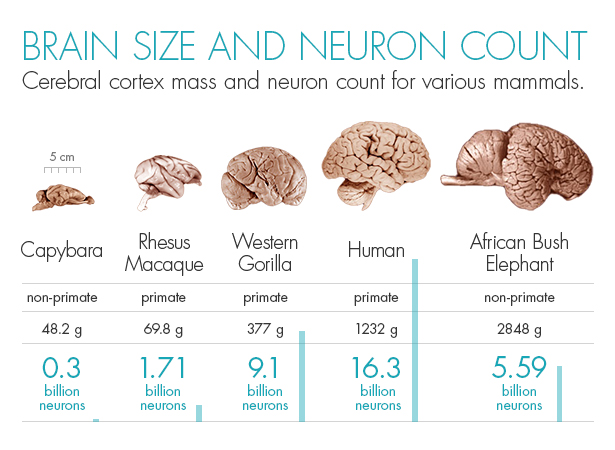
What is unique about the human brain is that the neuron count in one specific part of the brain called the cerebral cortex is much higher than in any other animal on the Earth. The human brain has 86 billion neurons if we count them all; 69 billion in the cerebellum; 16 billion in the cerebral cortex and 1 billion in the brain stem and its extensions into the core of the brain. The cerebellum orchestrates essential bodily functions and movement and is a primitive part of the brain, or let’s say an essential part. The cerebral cortex is the brain’s thick corona, the real deal. It is responsible for self-awareness, language, problem-solving, sophisticated mental talents, and abstract thought. If we want to measure the intelligence of the species, then we need to count neurons in the cerebral cortex. That is it. It is that simple. For example, the elephant brain is three times the size of our own and has 251 billion neurons in its cerebellum, which is needed to manage its massive trunk, but only 5.6 billion in its cortex. Also to be clear an elephant is considered to be a highly intelligent species. If we look at the great apes, we are the winner. We have 16 billion neurons in our cortex, but I only was referring to great apes. Homo sapiens appear to have the most significant number of cortical neurons of all species on Earth.
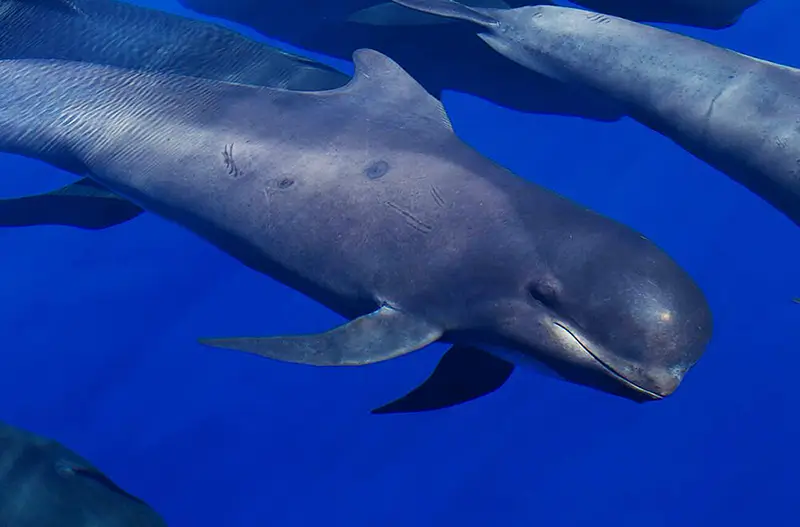
Ох, чекај. Управо сам лагао. Ми нисмо најпаметнији. Дугоперасти пилот кит јесте. Његов неокортексни део мозга садржи знатно више неурона и глијалних ћелија него неокортекс других врста са великим мозгом, укључујући људе (Мортенсен и др., 2014).
Ми смо врста која је интелигентнија од било које друге ако рачунамо само копнене животињске врсте, и имамо руке и ноге и говор тако да можемо да градимо технологију, али погодите шта, према овим мерењима, нисмо најинтелигентнија врста на Земљи. Дугопераји кит пилот јесте.
The highest number of neurons in the cerebral cortex is what makes species intelligent. Primates evolved a way to pack far more neurons into that area than other mammals did. The great apes are tiny compared to elephants and whales, yet their cortices are far denser. Orangutans and gorillas have 9 billion cortical neurons, and chimps have 6 billion. So by these measures, humans are 44% more intelligent than orangutans for example because we have 16 billion neurons and they have 9. So if the average IQ in humans is 100, the IQ of orangutans would be 56. Chimpanzees fall within the 35-50 range usually. Not bad at all. Even the small monkeys are very intelligent and more intelligent than their counterpart in size. When we need to think every time we need to eat, it forces the brain to develop foraging strategies. Let me give an example. In places like South Africa or India, there are a large number of urban monkeys. These wild animals came by their own will to the cities in search of food. In their view, we are just another monkey species. They are not afraid of us at all. They consider us to be non-frightening because we are slower than them and to no small extent weaker, and we have all those food laying around everywhere. For wild monkeys, it is easier to forage for food in the human environment. Stray dogs do it by sniffing food out, they use their noses, but monkeys use their brains to do the same. Because of the movies and culture average, North American is likely to think that monkeys are sweet and cute animals with whom they can have fun and are super cute when wearing human clothes. In real life, they are everything except cute. For example, they are known to roam neighborhoods in gangs. Baboon gangs run wild in parts of the world like Suburban South Africa. They travel in a flock of around 30, and all of them move following the leader but are so vast apart that it is difficult to stop them from sliding into built-up areas. They can cross walls and roofs at speed. Gangs always have a leader, and they go foraging for your stuff. Breaking and entering, aggressive behavior, and stealing. Regular thug life and it is not funny at all. They break into people’s houses to steal food, and break into cars, and they know how to open the doors or anything else in that manner. If they see you do it, they can do it too. They are very intelligent.

Let’s think about this. Small brain monkeys can see you use technology and then they can start to use it also for themselves. They learn by themselves how to open windows, how to open doors of cars and fridges and apartments, they can sneak behind your back and steal, and they can unzip zippers and so on.
Они нису само свесни себе, већ су свесни вашег начина размишљања, тако да могу да се ставе у вашу позицију и предвиде како ћете реаговати, како би могли да манипулишу вама. Не шалим се. Познати су по томе да се прикраду иза ваших леђа и краду ствари, а познати су и по томе да вас намамљују.
Један од њих ће се прикрасти испред вас и почеће да трчи, а када изађете напоље да га отерате, други мајмуни које нисте видели ући ће и украсти ствари док ви јурите тог једног. Ово није животињска когниција, то је потпуна когниција. А ако то није довољно, они ће вам једноставно физички отети ствари из руку. Ако имате проблем са тим, онда ће вас ошамарити право у лице. Не плаше нас се. И можемо рећи да је то довољно лоше, али има још тога. Када им је досадно, они ће се само дружити са људима и задовољавати се. Заменик градоначелника Њу Делхија је умро од напада мајмуна. Не директно, нису га напали, већ се спотакао са балкона док је покушавао да их отера из свог стана. Агресивни су и интелигентни. Према једној студији (Грејнџер и др., 2012), бабуни немају познат језик или било шта слично, али су били у стању да тачно разликују праве енглеске речи од бесмислених низова слова. Ако бабуни имају физичку способност да говоре, њихов ниво животињске когниције је такав да ће имати прави писани језик јер имају адекватну интелигенцију за то, јер је способност разликовања правих речи од неправих први корак у процесу читања.
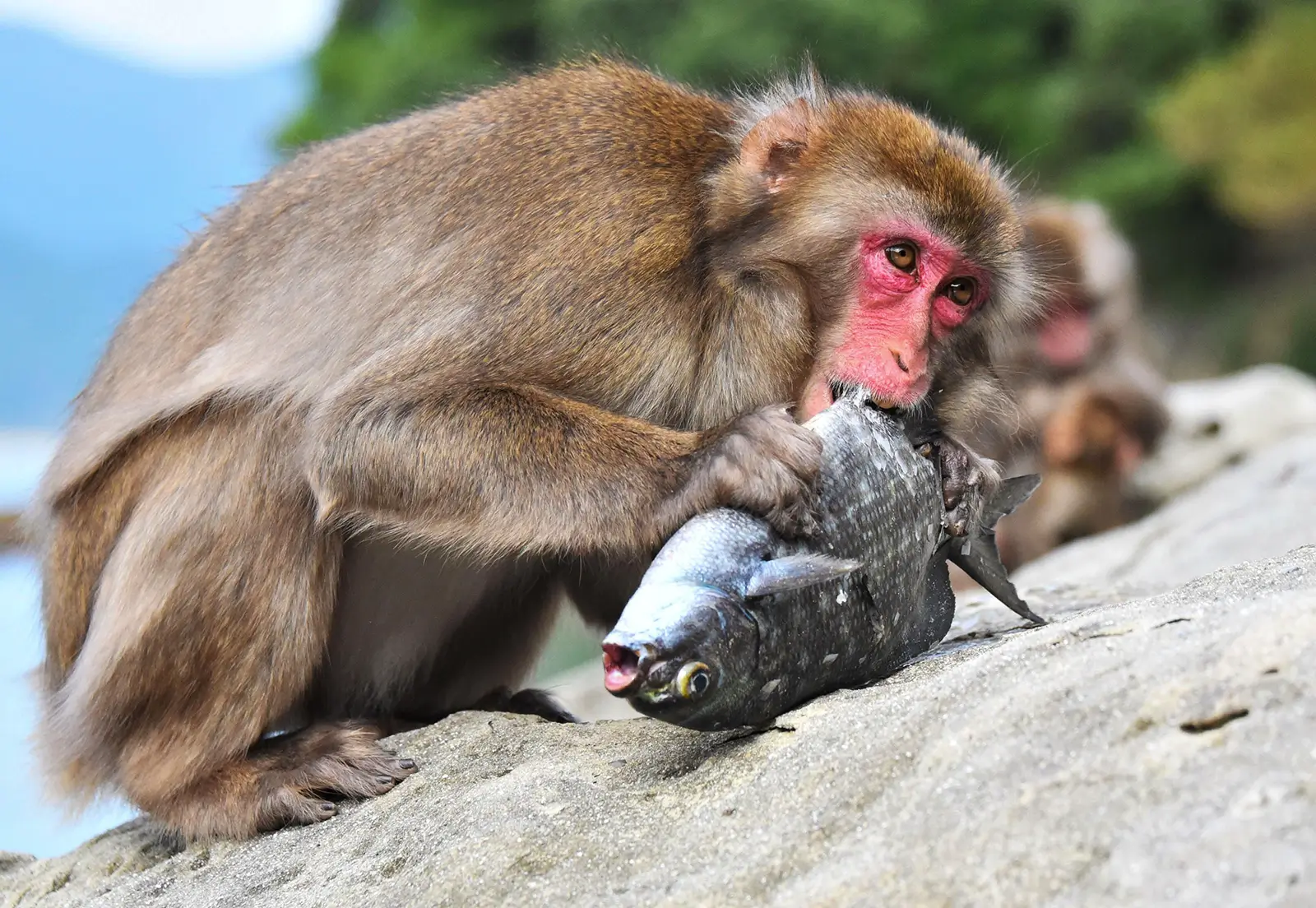
Let’s compare for example species of herbivorous monkeys with carnivorous species of the approximately same size. In the documentary “Animals Like Us” filmmakers documented the kidnapping of wild dog puppies by baboons and raising them in their own baboon tribe as members or pets. Baboons and dogs have similar sizes. The clip of the series which was filmed in a garbage dump near Ta’if, Saudi Arabia, shows a male baboon dragging a puppy away from its den as it screams for its mother. Stolen dogs grow up with the baboon species, like a family member or a member of a group. They were eating with them, sleeping, and moving together. The baboons will groom and play with them, and that is important. Baboons only play with family members. The relationship seems to benefit both the dog and the baboon. Domesticated feral dogs do the same job that they have in human society, and that is to guard the territory. They keep wild dog packs away from monkeys at night while they sleep and in return, they are treated with love and care just like humans would a family pet. Note that in this situation it is important to understand that dogs had more of an equal status in the tribe, they were not pets as monkeys did not feed them. Dogs are carnivores and would eat dump rats and other small animals and meat that they can find. They would not eat fruits and vegetables and other grains and other food in the dump yard of plant origins that baboons would eat. There was no direct competition for food thus they have a common tribe in a symbiotic relationship. Now, this video made a lot of controversies. People have a hard time accepting human-like behavior in animals because of our self-image. Was there an actual familiar bond happening between the baboons and dogs, again, we will not know until there’s real and scientific research done. There is one more video featuring a baboon manhandling a puppy that popped up. A Cornell student named Luke Seitz filmed it. He was on a bird research trip in Ethiopia when he recorded a similar situation of a baboon carrying a dog around “like a pet.” He also seemingly observed this behavior over a period of days, so it was not just a fluke.
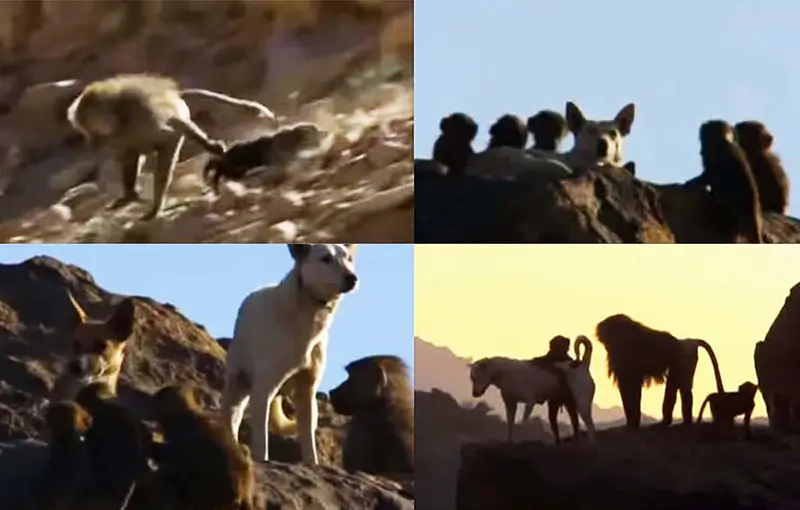
У другом случају на висоравни Гваса, у Етиопији, приматолог Вивек Венкатараман је посматрао изванредну сцену: вукови и мајмуни се лежерно мешају. У нормалним околностима, мајмуни су плен, али у овој ситуацији, вукови нису изгледали заинтересовани да једу бабуне. Бабуни, а посебно млади, лак су плен за вукове. У ствари, чинило се да чине све што могу да избегну било какву конфронтацију. Игнорисали су једни друге и проводили су сате лутајући кроз велика крда гелада тражећи глодаре. Пошто се не такмиче за примарни извор хране и напад на велику колонију мајмуна би резултирао ратом и лошим стварима које би се догодиле обема, они коегзистирају. Људи и дивље мачке имали су ову врсту договора. Припитомљавање дивљих мачака догодило се у исто време на Блиском истоку и у Египту. Дивље мачке су почеле да проводе много времена у људским селима. Било је присутно много пацова због акумулације залиха жита након припитомљавања дивљих биљака. Био је то исти симбиотски однос. Користили смо дивље мачке да смањимо број пацова; било нам је корисно да их толеришемо. Нисмо их директно хранили. Такође, пацови могу привући друге предаторе попут змија, а то може бити смртоносно. Стога смо толерисали дивље мачке, а дивље мачке су толерисале нас јер смо извор њиховог новог обиља хране и временом се догодило припитомљавање. Мајмуни су познати и по томе што усвајају људе.
Као дете од само пет година, Марина Чепмен је отета. Могући разлог је био тражење откупа, али када криминалци нису добили откуп, једноставно су је оставили у колумбијској џунгли. Око пет година као дете, живела је у дивљини. Каже да ју је прихватила група капуцин мајмуна. Познато је да ове врсте мајмуна прихватају малу децу у своје окружење. Научила је како да тражи храну опонашајући их. Каже да су је мајмуни научили како то да ради, али је у сваком случају преживела. Вратила се у људску цивилизацију када су је ловци покупили и продали борделу (у том тренутку није могла да говори људски језик). На крају је успела да побегне из бордела, живела је на улицама и на крају постала робиња мафијашке породице.
Хумано месо је само хумани мит. Без обзира да ли говоримо о пилићима или свињама или било којој другој животињи. Свиње су барем интелигентне као трогодишње људско дете, краве развијају дубоке и трајне везе са својом породицом и пријатељима, пилићи су у стању да разликују више од 100 различитих лица чланова своје врсте и имају 30 различитих звукова за сигнализирање различитих пражњева. Когниција животиња је опсежна тема.
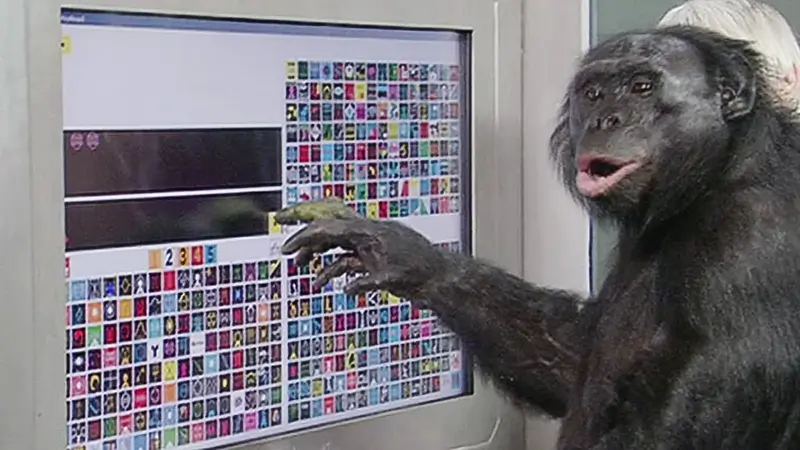
Од боноба Канзија до делфина Акеакамаија. Кензи је, на пример, научио више од 500 лексима. Још важније, био је у стању да повеже ове лексиграме како би представио облик кратких реченица. У студији спроведеној давне 1993. године, постигао је боље резултате од двогодишњег човека у одговарању на вербалне захтеве.
Акеакамаи и Финикс (Википедија), његов друг из територије, делфин, били су научени како да препознају речи. Акеакамаи је учио речима које су биле представљене различитим гестовима које су правиле руке људског дресера. Феникс је учио слушајући речи кроз компјутерски генерисане електронске звукове. Ови звуци су репродуковани кроз подводни звучник. Оба делфина су успешно научила појединачне речи, а на крају и низове речи или реченице. Импресивно је то што су делфини могли да разумеју упутства дата са различитим граматичким структурама и различитим редоследом речи. Разумели су разлику између инструкција попут „Однеси обруч до лопте“ и „Однеси лопту до обруча“. Када су правилно извели потребне радње, делфини су показали да разумеју елементе језика. Ово је интелигенција на нивоу људи. Још запањујуће, делфини су изгледа могли креативно да сарађују. Људски менаџери су тражили од делфина да заједно смисле сопствене трикове, користећи тандем и креирајући команде. Делфини су одговорили синхронизованим понашањем по свом избору, као што је роњење уназад или мрдање репом. Војске широм света су чак тренирале и експериментисале са делфинима са идејом да од њих створе војнике. Делфини се на нивоу когниције веома разликују од људи. Међутим, та чињеница је за нас небитна.
Когниција нема никакве везе са тим
Нисмо једина интелигентна врста и када погледамо бабуне и псе, једног биљоједа, другог месождера, бабуни су далеко паметнији. Штавише, сам пас је веома паметна животиња. Велика је догма у науци да је новоукључени извор меса, једнак неколико процената укупних калорија конзумираних у облику коштане сржи у исхрани раних хоминина, некако развио наш велики мозак и да је месо неопходно за нашу интелигенцију и да мора бити саставни део модерне исхране.
Истовремено, не желимо да признамо било који облик животињске когниције. Животињска когниција је тема која ће постајати све важнија како се неуронауке буду настављале. Животињска когниција је данас на нивоу научног схватања да антропоморфизам више није догматски термин и данас научници одбацују такав језик. Данас научници који се баве облашћу животињске когниције верују да све животиње, на пример, доживљавају емоције. Не само то, већ су емоције виталне за њихов опстанак. Животињска когниција ће у будућности играти улогу и у нашим сопственим перцепцијама и мораћемо да одговоримо на нека специфична питања.
Да ли ћемо дати људска права неким врстама животиња? Ако бисмо то урадили, какве би биле последице? Колико далеко треба да иде животињска когниција пре него што животињу сматрамо кандидатом за људска права? Да ли бисмо убиство вране сматрали убиством седмогодишњег људског детета и ако не, зашто не? Да ли бисмо престали са експериментима на приматима? Да ли би Јапанци престали да убијају и једу месо делфина? Да ли би људи били стављени у затвор ако муче и убијају животиње? Шта је са животињским врстама које сматрамо изворима хране?
Референце:
- Мортенсен, ХС, Паккенберг, Б., Дам, М., Диетз, Р., Сонне, Ц., Миккелсен, Б., & Ериксен, Н. (2014). Квантитативни односи у неокортексу делфинида. Границе у неуроанатомији, 8, 132. https://doi.org/10.3389/fnana.2014.00132
- Грејнџер, Ј., Дифо, С., Монтан, М., Циглер, ЈЦ и Фагот, Ј. (2012). Ортографска обрада код бабуна (Papio papio). Наука (Њујорк, Њујорк), 336(6078), 245–248. https://doi.org/10.1126/science.1218152
Повезани постови
Имате ли питања о исхрани и здрављу?
Волео бих да чујем ваше мишљење и да на њих одговорим у следећем посту. Ценим ваш допринос и мишљење и радујем се што ћу вас ускоро чути. Такође вас позивам да нас пратите на Фејсбуку, Инстаграму и Пинтересту за више садржаја о исхрани, исхрани и здрављу. Тамо можете оставити коментар и повезати се са другим ентузијастима за здравље, поделити своје савете и искуства и добити подршку и охрабрење од нашег тима и заједнице.
Надам се да вам је овај пост био информативан и пријатан и да сте спремни да примените сазнања која сте стекли. Ако вам је овај пост био од помоћи подели га са пријатељима и породицом којима би такође могло бити од користи. Никад се не зна коме би могло бити потребно вођство и подршка на њиховом здравственом путу.
– Можда ће вам се свидети и –
Улога Антиоксиданата код Депресије и Анксиозности: Недостајући Део
Предности Спирулине: Суперхрана Богата Фикоцијанином
Предности Теобромина: Јачање Мозга Без Анксиозности
Изложеност Акриламиду - Чипс, Помфрит и Рак

Кока-Кола Компанија - Историјски Преглед
Детоксикација и Токсичност Током Трудноће - Вегански Аргумент
Оптимална Људска Исхрана - Хроничне Болести, Дијететски Ратови и Вегански Аргумент

Прича о Великој Фарми - Иг Фарбен

Сазнајте више о исхрани

Милош Покимица је доктор природне медицине, клинички нутрициониста, писац о медицинском здрављу и исхрани и саветник за нутриционистичку науку. Аутор серије књига. Постаните Веган? Преглед Науке, он такође води веб страницу о природном здрављу GoVeganWay.com
Медицинска одрицање одговорности
GoVeganWay.com вам доноси прегледе најновијих истраживања везаних за исхрану и здравље. Информације које су дате представљају лично мишљење аутора и нису намењене нити се подразумевају као замена за професионални медицински савет, дијагнозу или лечење. Дате информације су само у информативне сврхе и нису намењене да служе као замена за консултације, дијагнозу и/или медицински третман квалификованог лекара или здравственог радника.НИКАДА НЕ ЗАНЕМАРУЈТЕ ПРОФЕСИОНАЛНИ МЕДИЦИНСКИ САВЕТИ ИЛИ НЕ ОДЛАЖИТЕ ТРАЖЕЊЕ МЕДИЦИНСКОГ ЛЕЧЕЊА ЗБОГ НЕЧЕГА ШТО СТЕ ПРОЧИТАЛИ НА ИЛИ ПРИСТУПИЛИ ПРЕКО GoVeganWay.com
НИКАДА НЕ ПРИМЕЊУЈТЕ ПРОМЕНЕ НАЧИНА ЖИВОТА ИЛИ БИЛО КАКВЕ ПРОМЕНЕ КАО ПОСЛЕДИЦУ НЕЧЕГА ШТО СТЕ ПРОЧИТАЛИ НА GoVeganWay.com ПРЕ НЕГО ШТО СЕ КОНСУЛТУЈЕТЕ СА ЛИЦЕНЦИРАНИМ ЛЕКАРЕМ.
У случају медицинске хитности, одмах позовите лекара или 911. GoVeganWay.com не препоручује нити подржава било које одређене групе, организације, тестове, лекаре, производе, процедуре, мишљења или друге информације које могу бити поменуте унутра.
Избор уредника –
Рак Избор уредника Фитохемикалије
Антиканцерогена Моћ Воћа и Поврћа: Ин Виво и Клинички Докази
Неки биљни екстракти могу се поредити са водећим лековима за хемотерапију, а истовремено циљају више различитих врста ћелија рака.
Антиоксиданси Избор уредника ORAC
Етерична Уља као Антиоксидативни Додаци: Правила и Стратегије
Етерична уља прехрамбене класе могу бити практична и потрошачима пријатна стратегија за оптимизацију антиоксидативне вредности и ORAC резултата наше исхране.
Антиоксиданси Избор уредника ORAC
Исхрана Богата Антиоксидансима: Општа Правила и Стратегије
Постоје једноставне и исплативе стратегије за оптимизацију антиоксидативне вредности наше исхране.
Антиоксиданси Избор уредника ORAC
Разумевање ORAC Вредности: Нивои Антиоксиданата у Храни
Када је ваш главни извор антиоксиданата кафа, знате да имате озбиљан проблем.
Антиоксиданси Избор уредника ORAC
Предности Астаксантина: Најмоћнијег Природног Антиоксиданса на Свету
Астаксантин је најмоћнији природни и универзални антиоксиданс (и уљани и водорастворљив) познат науци. Акумулира се у ткивима и никада се не може претворити у прооксиданс.
Антиоксиданси Избор уредника ORAC Фитохемикалије
Антиоксиданси: Разумевање Основа
У производима животињског порекла нема фитохемикалија нити антиоксиданата. У просеку, биљна храна садржи више од 60 пута више антиоксиданата него храна животињског порекла.

Избор уредника Веганска дијета
Недостаци Хранљивих Материја у Веганској Исхрани: Стратегије Превенције
Постоји девет уобичајених недостатака хранљивих материја на нивоу популације који погађају људе који једу биљну исхрану. Ако се не исправе на време, неки недостаци имају страшне и неизлечиве последице.
Избор уредника Оптимална дијета
Недостатак Нутријената у Стандардној Исхрани: Стратегије Оптимизације
Нутритивни профил наше модерне исхране засноване на месу, шећеру и прерађеној храни је потпуно неусклађен са нашом еволуцијом, што резултира озбиљним недостатком микронутријената.
Избор уредника Фитохемикалије
Фитохемикалије: Разумевање Основа
Свака фитохемикалија која постоји има биолошко дејство у људском телу. Свака од милиона различитих фитохемикалија.
Избор уредника Млеко Оптимална дијета
Млеко и Млечни Производи: Корелације Здравственог Ризика
Познате повезаности са конзумирањем млека и млечних производа су неплодност, рак јајника и дојке, леукемија, дијабетес типа 1, аутизам, артериосклероза, катаракта, реуматоидни артритис, мултипла склероза, хиперактивност, загушење, бубуљице и још много тога…
Рак Избор уредника Протеини
Комплетан Протеин: ИГФ-1 Сигнализација у Формирању Рака
Када једете животињске протеине, имате четири пута већу шансу да развијете све врсте рака. Када пушите, имате четири пута већу шансу да развијете рак плућа.

Рак Избор уредника Протеини
Анатомија Рака - Корелације Здравственог Ризика
Медицина сматра да је око 2% карцинома узроковано искључиво генетским факторима. Исти распон као и у животињском царству. Није вам речена цела истина.
[rank_math_breadcrumb]
Милош Покимица је писац о здрављу и исхрани и саветник за нутриционистичку науку. Аутор је серије књига. Постаните Веган? Преглед Науке, он такође води веб страницу о природном здрављу GoVeganWay.com
Најновији чланци –
Ограничење калорија Дуговечност
Како Постити: Храна за Пост Kоја Неће Прекинути Aутофагију
Аутофагија. Да ли сте се икада запитали шта се дешава са ћелијама у вашем телу када умру или се оштете? Да ли се само гомилају и стварају проблеме или се некако одлажу? Одговор је да ваше тело…

Здравље зуба Превенција
Осетљивост на Слаткише и Бол у Зубима: Брзо и Трајно Решење
Брзо и једноставно решење за ублажавање бола је етерично уље каранфилића, моћан антиоксиданс и средство против болова које може помоћи код болести десни и зубобоље.
Пасуљ
Зелени Пасуљ ( Боранија ): Нутритивне и Здравствене Користи
Зелени пасуљ ( Боранија ) има мало калорија и богат је једињењима која вам могу помоћи да контролишете шећер у крви, смањите холестерол и борите се против слободних радикала.
Исхрана са сировом храном Веганска дијета
Можете ли Јести Сирове Печурке: Здравствени Ризици, Исхрана и Безбедност
Печурке садрже токсине осетљиве на топлоту попут хидразина или агаритина и ћелијске зидове направљене од хитина које људи не могу добро сварити.
Веганска дијета
Да ли су Рибе Животиње? Културна Перспектива
У неким културама, рибље месо се не сматра месом, а риба је дозвољена чак и током поста.

Здравље зуба Превенција
Домаћа Природна Течност за Испирање Уста: Доказана, Јача и Мање Токсична
Домаћа природна течност за испирање уста је јача од хлорхексидина, мање токсична и ако се прогута може изазвати мучнину, али и висок нагли пораст ORAC вредности.
Здравље зуба Превенција
Како Зауставити Каријес: Симптоми, Узроци и Превенција
Конзумирање шећера је главни узрок каријеса и пропадања зуба, у комбинацији са недостатком минерала, посебно магнезијума, цинка, бакра и елемената у траговима.
Антиоксиданси Суперхрана
Амла: Доказане Користи, Исхрана и Клинички Значај
Амла (Индијски огрозд) је један од најмоћнијих антиоксиданата на свету са ORAC резултатом од 261.530. Богат је извор фитохемикалија које имају разне здравствене користи.
Најважније вести из здравља — ScienceDaily
- Without this protein, damaged muscle fills with fat and scar tissueon новембар 13, 2026
Researchers have uncovered a surprising hidden function of a protein that may hold the key to repairing damaged muscles and treating muscular dystrophy. Known for protecting chromosomes, TRF2 also helps muscle stem cells maintain their identity and regenerate injured tissue. When scientists removed the protein in mice, muscles struggled to repair themselves, and muscular dystrophy progressed dramatically faster.
- Animal vs. plant protein reveals a surprising testosterone divideon новембар 13, 2026
A surprising new study suggests that where men get their protein may be linked to their testosterone levels. Researchers studying more than 2,500 men found that higher animal protein intake, particularly from dairy, was associated with lower testosterone, while plant protein was linked to higher levels. The findings raise intriguing questions about how everyday food choices might relate to male hormone levels.
- A surprising brain difference may explain why some kids struggle with mathon новембар 12, 2026
Stanford researchers have discovered that children who struggle persistently with math may have underlying differences in how their brains manage problem-solving strategies. Children with developmental dyscalculia were slower to switch strategies, less responsive to changes in difficulty, and less able to improve their approach over time. Distinct patterns of brain activity were linked to these difficulties and could even predict certain math-related abilities.
- Crows can make decisions twice as fast as humans, scientists discoveron новембар 12, 2026
Crows may be even smarter than we thought, and their brains are astonishingly fast. Researchers at the University of Tübingen discovered that crows can make visual decisions twice as quickly as humans and monkeys, taking just 235 milliseconds on average to identify the direction of moving dots while maintaining remarkable accuracy.
- Colorectal cancer is rising again after 20 years, and scientists don’t know whyon новембар 12, 2026
Colorectal cancer is making an alarming comeback in the United States after more than 20 years of declining rates, and the increase is no longer limited to younger adults. A major new study found rising rates across nearly every age group under 70, including older Americans who have historically benefited most from cancer screening.
- AI-powered bionic eye breakthrough could help the blind see againon новембар 12, 2026
Scientists have developed an AI-powered approach that makes experimental bionic vision technology more precise, helping predict the flashes and shapes of light perceived by a blind man with a brain implant. By learning how an individual’s brain responds to electrical stimulation, the technology could bring researchers closer to restoring some degree of sight to people with blindness.
- Common forever chemicals linked to nearly double the rate of aggressive breast canceron новембар 12, 2026
An NIH study found that women with high levels of two common “forever chemicals” had up to 93% higher rates of an aggressive form of breast cancer. The discovery raises concerns about the potential health effects of persistent chemicals found in everyday products.
PubMed, #веганска-исхрана –
- Selenium Levels in Brazil Nuts: A Global Review of the Literatureon новембар 11, 2026
Brazil nuts (BN, Bertholletia excelsa, Lecythidaceae) are frequently recommended for increasing selenium intake. Many individuals residing in regions with low soil selenium values, particularly including vegetarians, have selenium intakes below the dietary reference values. A literature review of selenium levels in BN was conducted to estimate their average selenium content and the number of BN that could help individuals with low selenium intakes reach dietary reference values. Based on…
- Hospital food retail environment in Poznań, Poland: a one-day audit of protein sources, plant-based options, and cooking methodson новембар 7, 2026
CONCLUSIONS: Hospital retail food offerings in Poznań were predominantly characterised by animal-based food offerings. These findings provide baseline evidence on food availability within hospital retail settings and may inform future efforts to diversify meal offerings and increase the availability of plant-based options in healthcare institutions.
- Effects of vegetarian or vegan diets on cardiovascular metabolic health in patients with cardiovascular disease: a systematic review and meta-analysison новембар 5, 2026
CONCLUSIONS: Vegetarian or vegan diets, particularly low-fat vegan diets, may improve lipid profiles by reducing TC and LDL-C in patients with established CVD. No significant benefits were observed for blood pressure or triglycerides. These findings suggest that plant-based dietary interventions may serve as a complementary strategy for the management of cardiometabolic risk factors in CVD patients.
- Food literacy competencies and diet quality in youth adhering to vegan, lacto-ovo-vegetarian, pescatarian or omnivorous diets in Swedenon новембар 5, 2026
CONCLUSIONS: Youth, regardless of dietary practice, may need support to increase their food literacy competencies, including GNK, and consume higher quality diets that better align with the NNR2023 food-based dietary guidelines.
- Food and nutrition literacy, knowledge of potentially critical nutrients, and information sources among vegan women of reproductive age in Austria: A cross-sectional surveyon новембар 3, 2026
BackgroundPlant-based diets have become popular worldwide especially among women and younger people. Recommendations for well-balanced vegan diets are available, but the risk of nutrient deficiencies among strict vegans is of particular concern, especially among children and pregnant or breast-feeding women.ObjectivesThe aim of this study was to compare food and nutrition literacy, knowledge of selected potentially critical nutrients, and sources of nutritional information between a […]
Случајне објаве –
Дијабетес Избор уредника Оптимална дијета
Рафинисани Шећер: Разумевање Ризика
Деца конзумирају око једне петине својих укупних потреба за калоријама само из рафинисаног шећера. Ако на листу додамо масти и остатак прерађене хране лишене хранљивих материја, то постаје потпуна ноћна мора у погледу исхране.
Избор уредника Превенција Токсичност
Токсичност из Окружења- То је Само Ланац Исхране
Токсичност за животну средину је биоакумулација токсина. Организми су филтери. Али постоји још један, још гори процес који се зове биомагнификација у ланцу исхране.
Витамин Д
Недостатак Витамина Д - Стратегије Оптимизације
Са недостатком витамина Д патићемо од широког спектра здравствених проблема чак и ако немамо директно видљиву болест костију.
Пасуљ
Зелени Пасуљ ( Боранија ): Нутритивне и Здравствене Користи
Зелени пасуљ ( Боранија ) има мало калорија и богат је једињењима која вам могу помоћи да контролишете шећер у крви, смањите холестерол и борите се против слободних радикала.
Исхрана са сировом храном Веганска дијета
Можете ли Јести Сирове Печурке: Здравствени Ризици, Исхрана и Безбедност
Печурке садрже токсине осетљиве на топлоту попут хидразина или агаритина и ћелијске зидове направљене од хитина које људи не могу добро сварити.
Избор уредника Палео дијета Веганска дијета
Вегански Неандерталци? Истина о Правој Неандерталској Исхрани
Типичан приказ неандерталаца их приказује како убијају вунастог мамута. Међутим, зубна плоча говори другачију причу о неандерталској исхрани.
Веганска дијета
Да ли су Рибе Животиње? Културна Перспектива
У неким културама, рибље месо се не сматра месом, а риба је дозвољена чак и током поста.
Рак Избор уредника Протеини
Комплетан Протеин: ИГФ-1 Сигнализација у Формирању Рака
Када једете животињске протеине, имате четири пута већу шансу да развијете све врсте рака. Када пушите, имате четири пута већу шансу да развијете рак плућа.
Здравље зуба Превенција
Осетљивост на Слаткише и Бол у Зубима: Брзо и Трајно Решење
Брзо и једноставно решење за ублажавање бола је етерично уље каранфилића, моћан антиоксиданс и средство против болова које може помоћи код болести десни и зубобоље.
Антиоксиданси ORAC Фитохемикалије
Антиоксидативни Суплементи Наспрам Интегралних Намирница: Плаћање за Краћи Живот
Антиоксидативни суплементи не показују примећене здравствене користи исхране богате воћем и поврћем, док витамин Е, селен, бета-каротен и ликопен показују повећан ризик од рака.
Истакнути чланци –
Избор уредника Оптимална дијета Протеини
Потребе за Протеинима - Неугодна Истина
Када су антрополошке студије показале да хоминини живе у просеку са 15 до 20 грама протеина дневно, дошло је до такозваног „Великог протеинског фијаска“ седамдесетих година прошлог века.
Антиоксиданси Избор уредника ORAC Фитохемикалије
Антиоксиданси: Разумевање Основа
У производима животињског порекла нема фитохемикалија нити антиоксиданата. У просеку, биљна храна садржи више од 60 пута више антиоксиданата него храна животињског порекла.

Рак Избор уредника Токсичност
Пестициди у Храни, Изложеност у Стандардној Исхрани - 80% из Меса
Већину пестицида, а посебно тешких метала и других токсичних загађивача које добијамо, добијамо из меса. Више од 80 процената изложености пестицидима у стандардној америчкој исхрани долази од животињских производа, а не од воћа или поврћа.
Избор уредника Гојазност Оптимална дијета
Узрок Гојазности - Маладаптација или Зависност
Шта је узрок епидемије гојазности? За сав живот на Земљи, храна није избор. Најтеже за животиње у дивљини је да се угоје.

Алопатска медицина Рак Избор уредника
Рак, Забрањени Лекови - Рајфова Машина, Историјски Преглед
Стопа опоравка за пацијенте који имају неизлечив рак и који су проглашени терминално болеснима коришћењем резонантне технологије Рајфове машине била је 100%.
Дијабетес Избор уредника
Узроци Дијабетеса и Засићене Масти - Вегански Аргумент
Како се ниво масти у крвотоку повећава, способност тела да очисти шећер опада. Један од узрока дијабетеса је наша неадаптација на велики унос масти.
Избор уредника Фитохемикалије
Фитохемикалије: Разумевање Основа
Свака фитохемикалија која постоји има биолошко дејство у људском телу. Свака од милиона различитих фитохемикалија.

Дијабетес Избор уредника
Узроци Дијабетеса и Рафинисани Угљени Хидрати - Вегански Аргумент
Људи верују да су рафинисани угљени хидрати повезани са скоковима инсулина и да су један од узрока дијабетеса. У праву су. Међутим, такође греше.

Избор уредника Оптимална дијета Веганска дијета
Смернице СЗО за Исхрану - Нова Пирамида Исхране и Потискивање Науке
Смернице СЗО за исхрану препоручују исхрану са ниским садржајем засићених масти (животинских протеина), шећера и соли, а са високим садржајем воћа и поврћа као услов за сузбијање епидемијског пораста хроничних болести широм света.
Избор уредника Оптимална дијета
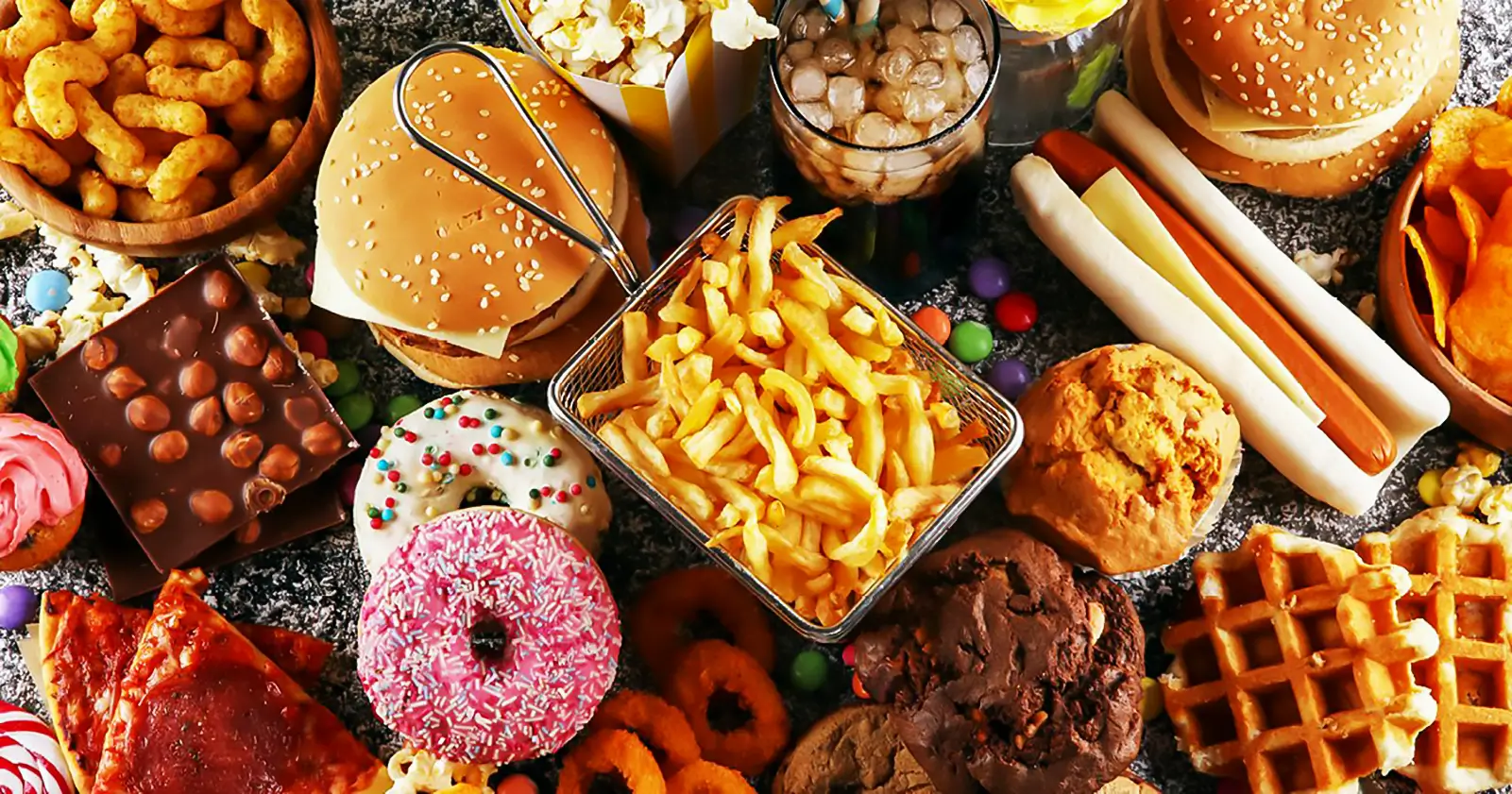
Прерађена Храна: Разумевање Ризика
Прерађена храна значи да се нешто из целе хране уклања, обично влакна, а нешто се додаје, обично масти, шећер, со и мононатријум глутамат.
Најновије са PubMed-а, #исхрана на бази биљака –
- Optimising Consumer Acceptance of Plant-Based Protein Foods: a Machine Learning and Response Surface Methodology Approachby Kritisha Sharma on новембар 12, 2026
Plant-based meat alternatives (PBMAs), an emerging category of plant-protein foods, offer the potential to support sustainable nutrition and dietary protein diversification. However, studies integrating the complementary perspectives of the Theory of Planned Behaviour (TPB) and the Value-Belief-Norm (VBN) theory to explain consumers’ cognitive, normative, value-driven motivation of PBMA purchase intention remain limited, particularly in developing economies such as India. Building on this…
- Effects of high-protein intake on renal function: a narrative mini reviewby Zacharias Raptopoulos on новембар 12, 2026
High-protein diets (HPDs) are increasingly used for weight management, metabolic health, physical performance, and healthy aging, yet their effects on renal function remain uncertain, particularly in individuals with chronic kidney disease (CKD). This narrative mini-review examines the relationship between high dietary protein intake and renal outcomes and critically evaluates the evidence underlying concerns regarding HPD-associated kidney injury. A narrative literature review was conducted…
- Selenium Levels in Brazil Nuts: A Global Review of the Literatureby Christian Koeder on новембар 11, 2026
Brazil nuts (BN, Bertholletia excelsa, Lecythidaceae) are frequently recommended for increasing selenium intake. Many individuals residing in regions with low soil selenium values, particularly including vegetarians, have selenium intakes below the dietary reference values. A literature review of selenium levels in BN was conducted to estimate their average selenium content and the number of BN that could help individuals with low selenium intakes reach dietary reference values. Based on…
- Evidence generation for diabetes prevention and treatment through the integration of clinical medicine, nutritional epidemiology, and behavioral scienceby Megu Y Baden on новембар 11, 2026
Diet and other lifestyle factors are central to diabetes prevention and management. Effective dietary and lifestyle support requires consideration of differences in pathophysiology, food culture, and living circumstances. This narrative review summarizes our research integrating clinical medicine, nutritional epidemiology, and behavioral science, with a particular focus on diet quality. Analyses of large US cohorts showed that higher-quality plant-based diets were associated with lower risks […]
- Diet Quality Versus Physical Activity and Cardiorespiratory Fitness for Longevity: A Review of Comparative Evidenceby Glenn A Gaesser on новембар 11, 2026
Poor diet quality and insufficient physical activity (PA) are major modifiable risk factors for chronic disease and a shortened lifespan. Public health priorities have historically emphasized dietary modification more than increasing PA, and this disproportionate emphasis persists in current initiatives. We searched PubMed for applicable articles to evaluate the relative associations of diet quality, PA, and cardiorespiratory fitness (CRF) with all-cause mortality (ACM). Evidence from…
- Effect of a lacto-vegetarian diet combined with 14-hour time-restricted eating on metabolic outcomes in women with Type 2 diabetes: a 24-week randomized controlled trialby Anu Mahajan on новембар 11, 2026
CONCLUSION: A culturally adaptable lacto-vegetarian diet combined with a 14-hour time-restricted fasting regimen safely improves metabolic control and insulin sensitivity in women with Type 2 Diabetes, offering a practical, women-centric strategy that may be implementable within structured clinical nutrition services, although its staffing requirements, cost, and scalability require further evaluation.