







Les Lectines- Paradoxe du "Paradoxe Végétal"
Le paradoxe du “paradoxe végétal“ est que les personnes qui mangent plus de lectines (haricots et grains entiers) ont moins de cancer.
Milos Pokimica
Écrit par : Milos Pokimica
Examiné Médicalement Par : Dr. Xiùying Wáng, M.D.
Mis à jour le 7 mai 2023Le paradoxe du “paradoxe végétal“ est que les personnes qui mangent plus de lectines (haricots et grains entiers) ont moins de cancer.
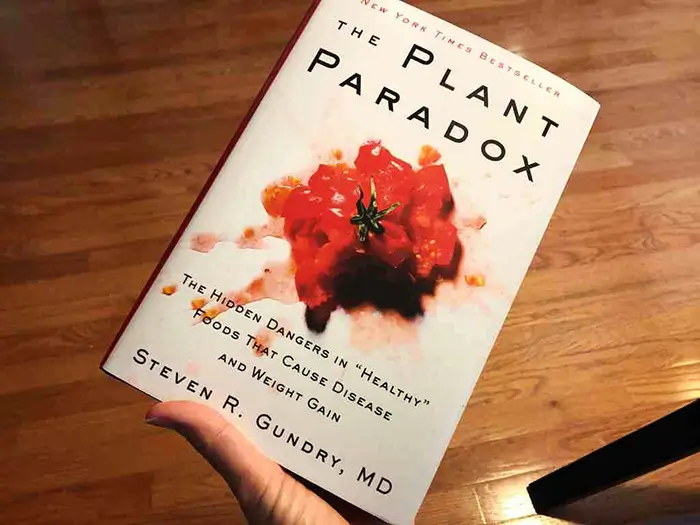
Il y a toujours un “mal“ et une raison pour laquelle les gens devraient éviter de manger tout le régime alimentaire à base de plantes et généralement, ces types de livres sont bien reçus et bien promus par les médias grand public. Après avoir lu le livre "Plant Paradox", quelqu'un pourrait avoir l'idée que manger des aliments végétaux crus pourrait le rendre malade à cause des antinutriments et que la meilleure chose à faire est d'éviter ce type de toxines comme les lectines. Optez pour une viande maigre riche en protéines, droite, et des graisses saines comme le poisson.
La vérité est que le la nourriture est généralement conçue pour être consommée crue par la nature même. Manger des légumes crus est meilleur que cuit, mais manger des haricots crus, par exemple, peut vous tuer. Cinq haricots rouges séchés crus suffisent à provoquer des vomissements, de la diarrhée et des douleurs. C'est parce que les substances appelées lectines, des produits chimiques que les gens au régime paléo trouvent être l'une des causes profondes de tous les maux.
Dans une certaine mesure, ils peuvent avoir raison. Les lectines sont une famille de protéines qui se lient aux hydrates de carbone. Elles se lient aux sucres et se transforment en partie glyco des glycoconjugués dans les membranes cellulaires. Les principaux constituants des membranes cellulaires humaines sont les lipides, les glycoprotéines, les protéines liées aux lipides et les protéines. Elles sont donc présentes en chacun de nous. Il est prouvé que les lectines jouent un rôle différent dans la croissance et la mort des cellules, la régulation des graisses corporelles et les fonctions immunitaires. Certaines d'entre elles ne devraient jamais être consommées. Cependant, certaines d'entre elles sont nécessaires.
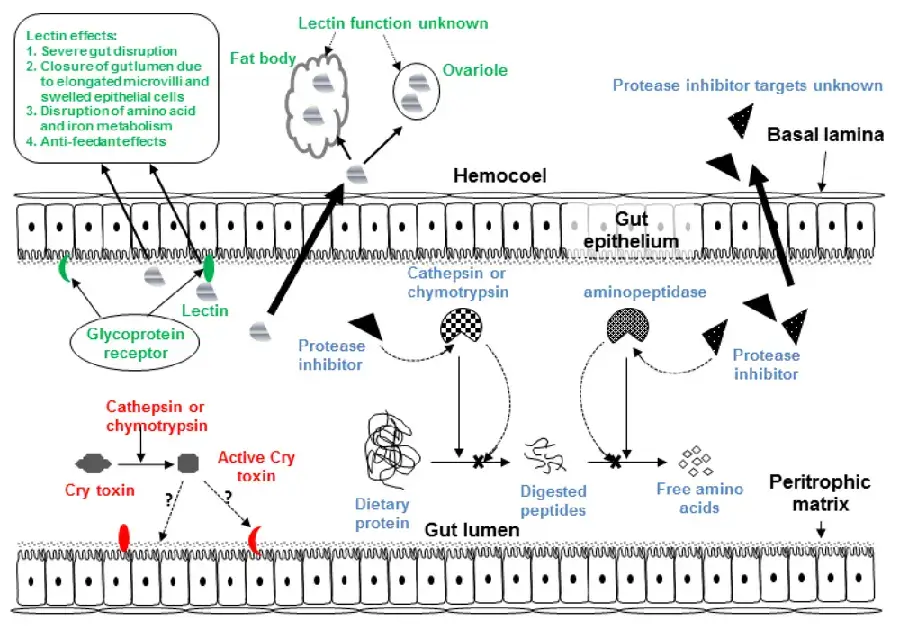
Comme les plantes ne peuvent pas se déplacer, elles utilisent leur chimie naturelle pour se protéger des micro-organismes, des insectes et d'autres animaux. Les lectines constituent l'une de ces substances chimiques défensives. Il ne faut pas les confondre avec la leptine, qui est une hormone peptidique de la satiété produite presque exclusivement dans le tissu adipeux. Les lectines jouent un rôle dans différents systèmes biologiques. Non seulement dans le corps humain, mais aussi chez les animaux, les plantes, les bactéries et même les virus. Certaines sont toxiques, inflammatoires ou les deux à la fois et peuvent avoir une valeur antinutritionnelle. Ils peuvent bloquer l'absorption de certains nutriments. D'autres sont bénéfiques et ont une activité anticancérigène. Il en existe une grande variété.
La plupart d'entre elles sont détruites par la cuisson, mais certaines résistent à la cuisson et aux enzymes digestives. Dans la nature, les graines doivent rester fraîches et prêtes à germer. Elles contiennent donc naturellement des produits chimiques qui tuent toutes les bactéries de putréfaction. Ces produits chimiques peuvent être désactivés par le trempage, qui est le début de la germination. Lorsque la graine commence à germer, elle neutralise les produits chimiques de conservation qui la protègent et qui peuvent avoir des effets nutritifs et toxiques.
Éviter les lectines n'est pas possible ou presque impossible car elles sont présentes dans tous nos aliments. Ils sont abondants dans les légumineuses et les céréales crues et dans certains légumes, mais les lectines les plus problématiques se trouvent principalement dans les légumineuses. Certains dans le blé peuvent aussi être problématiques.
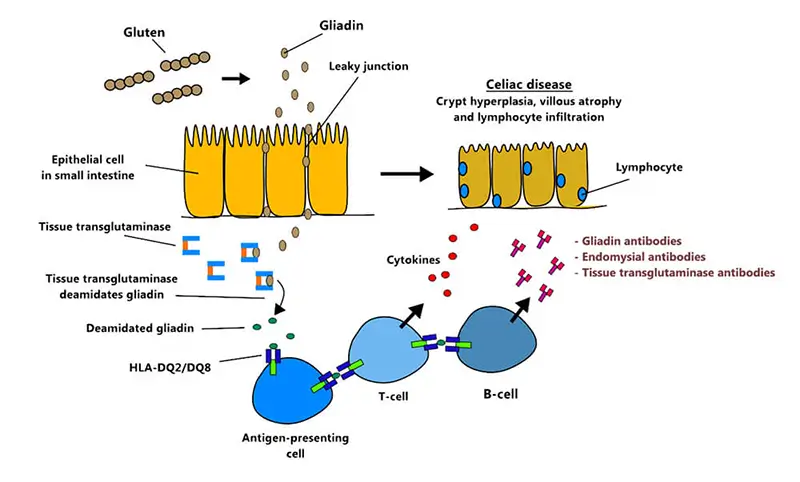
La gliadine du blé, responsable de la maladie cœliaque, est une substance semblable à une lectine qui se lie à la muqueuse intestinale humaine. Depuis plus de 20 ans, la gliadine est considérée comme la toxine de la maladie cœliaque. Comme nous ne digérons pas les lectines, elles passent dans notre circulation sanguine et nous produisons souvent des anticorps contre elles. Tout le monde possède des anticorps contre certaines lectines alimentaires. L'apparition de différentes lectines peut stimuler une réaction du système immunitaire. Toutefois, la réponse peut varier d'un individu à l'autre. Chez certaines personnes, certains types d'aliments peuvent devenir intolérables après une modification du système immunitaire ou après une augmentation de la perméabilité de la ligne intestinale, de sorte que la réponse du système immunitaire devra également augmenter.
Si nous avons développé des anticorps contre eux, cela peut poser un problème non pas à cause de la lectine elle-même, mais à cause de ce que l'on appelle le mimétisme moléculaire. Et cela peut être un véritable cauchemar. Si un produit chimique pénètre dans notre circulation sanguine et que notre système immunitaire fabrique des anticorps contre ce produit chimique, et si le produit chimique est similaire à certaines de nos propres cellules, c'est-à-dire qu'il possède une séquence d'acides aminés identique à la séquence de certaines de nos propres cellules, alors de mauvaises choses vont se produire. Après avoir nettoyé le produit chimique intrus, l'anticorps détectera notre propre cellule comme étant le même produit chimique et attaquera notre propre tissu vivant en nous dévorant de l'intérieur. Lorsque le système immunitaire, par erreur de mimétisme moléculaire, commence à attaquer nos propres cellules, les horreurs de la maladie auto-immune incurable commencent.
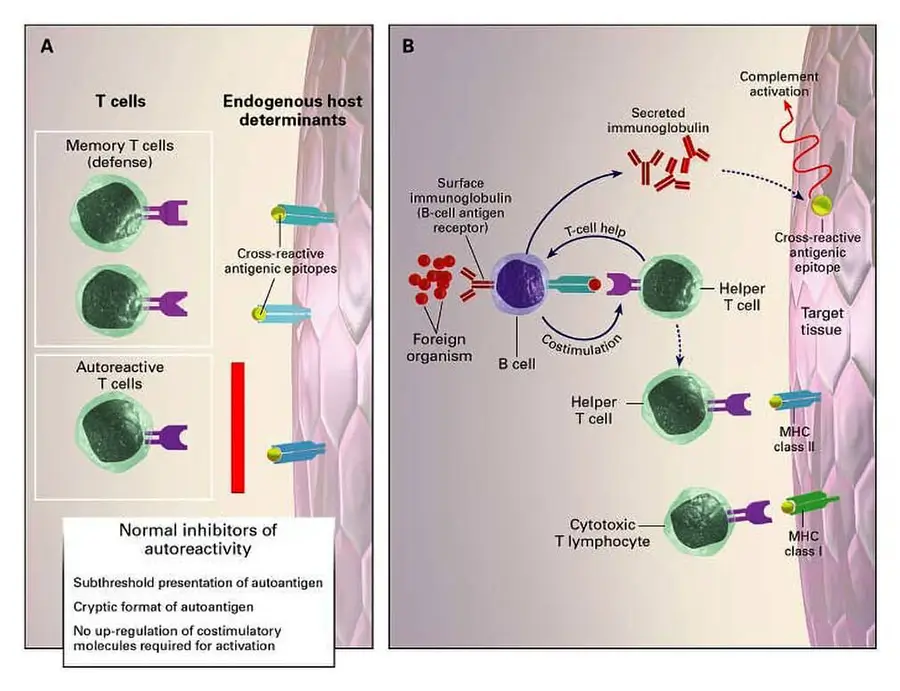
La bonne nouvelle, c'est que les lectines ne sont pas génétiquement similaires aux nôtres, car elles proviennent du règne végétal, dont les cellules sont différentes des nôtres, et qu'elles ne provoquent pas de réactions auto-immunes. Elles peuvent néanmoins provoquer des allergies et des inflammations. De nombreuses lectines sont des allergènes puissants. Par exemple, la prohévéine est le principal allergène du latex. Ces dernières années, une nouvelle souche de tomates génétiquement modifiées a été créée et a ajouté des gènes pour la production de prohévéine en raison de ses propriétés fongistatiques. On peut donc s'attendre à l'avenir à une augmentation des allergies à la tomate chez les personnes sensibles au latex.
Il est particulièrement intéressant de noter que les lectines peuvent stimuler les antigènes HL de classe II sur des cellules qui ne les présentent pas habituellement, comme les îlots pancréatiques et les cellules thyroïdiennes. Le diabète insulinodépendant peut donc être une maladie à lectine potentielle. La polyarthrite rhumatoïde est une autre corrélation possible avec une maladie liée aux lectines. Dans le cas de la polyarthrite rhumatoïde répondant à un régime alimentaire, l'un des aliments déclencheurs les plus typiques est le blé. Certains des effets observés dans l'intestin grêle des rongeurs sont le décapage de la couche muqueuse et l'exposition de la muqueuse nue à une croissance bactérienne anormale. Les lectines stimulent également la sécrétion d'acide en provoquant la libération d'histamine par les mastocytes gastriques. Les trois principaux facteurs pathogènes de l'ulcère gastroduodénal, à savoir l'élimination de la couche de défense muqueuse, la prolifération bactérienne anormale (Helicobacter pylori), puis la libération d'histamine et la stimulation de l'acidité, sont tous théoriquement liés aux lectines.
Cependant, si nous mangeons tous des lectines, pourquoi ne souffrons-nous pas tous d'ulcères gastroduodénaux, de polyarthrite rhumatoïde et de diabète insulinodépendant ? En partie parce que les cellules sont préservées derrière un fin écran de molécules d'acide sialique et en partie parce que les glycoconjugués qui recouvrent nos cellules subissent des changements naturels. Cependant, les molécules d'acide sialique peuvent être arrachées par l'enzyme appelée neuraminidase, présente dans plusieurs micro-organismes tels que les streptocoques et les virus de la grippe. Cela pourrait expliquer pourquoi le diabète et la polyarthrite rhumatoïde ont tendance à se manifester à la suite d'infections. La meilleure chose à faire lorsque vous êtes malade est d'écouter votre corps, pas votre mère, et de ne pas manger.
Ce qui peut arriver de potentiellement dangereux, c'est la situation où les lectines affectent la paroi intestinale et où nous mangeons des aliments du règne animal qui sont génétiquement similaires à nos propres cellules. Les lectines peuvent provoquer une inflammation et endommager la paroi de l'intestin. Si ces dommages ne sont pas régénérés assez rapidement, l'intestin peut devenir perméable, ce qui permet à diverses molécules (y compris des substances que nous ne voulons pas) de passer dans la circulation sanguine, et c'est l'un des principaux facteurs responsables de la création de maladies auto-immunes.
Dans des situations normales pour la plupart des gens, l'inflammation due aux lectines n'est généralement pas dangereuse et ne devrait pas poser de problème, mais si vous êtes allergique à certaines lectines, cela pourrait être le cas. Le cerveau est le cerveau, et le muscle est un muscle, en quelque sorte, donc si nous avons un intestin perméable et que nous mangeons des tissus animaux, des maladies auto-immunes sont théoriquement possibles, en particulier à cause de notre faible niveau d'acidité gastrique qui ne peut pas dissoudre complètement les protéines animales. Les protéines globulaires non digérées provenant de tissus animaux similaires à nos propres tissus et entrant dans notre circulation sanguine en raison de l'inflammation due aux lectines dans l'intestin sont une recette pour les maladies auto-immunes. La seule chose qui soit normale est le passage d'acides aminés individuels. Si nous avons plus d'acides aminés dans la chaîne dans le sang, il s'agit alors d'un envahisseur potentiel qui nage autour de nous et le système immunitaire entre en action.
Pour les personnes souffrant d'un défaut d'étanchéité de l'intestin, de la maladie de Crohn ou de tout autre type de problème de digestion, la consommation de protéines animales est, à mon avis, un pied dans la tombe. Un vrai carnivore dont l'estomac a un pH de 1 n'a pas à s'inquiéter de cela. De plus, lorsque l'on consomme suffisamment de lectines, notre corps peut être amené à évacuer le contenu de l'appareil digestif. Cela se traduit par des vomissements, des crampes et des diarrhées. Elles peuvent en outre induire une réponse globale du système immunitaire, créant une inflammation au fur et à mesure que les défenses de l'organisme se mettent en place pour attaquer les envahisseurs.
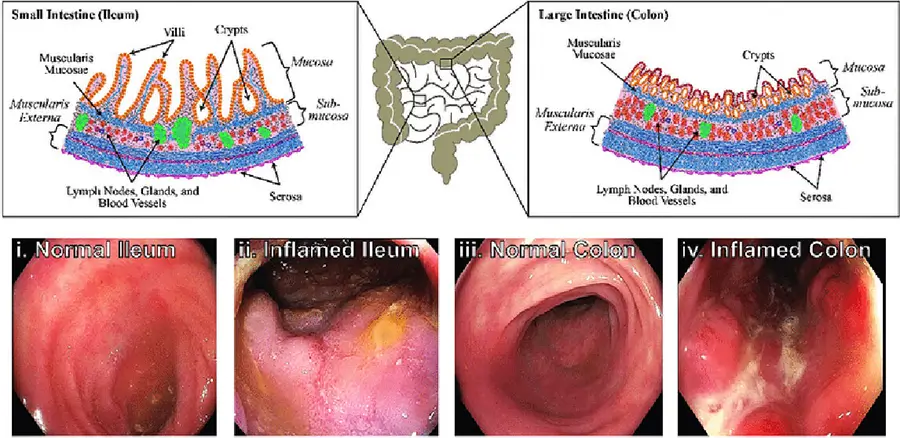
Si vous mangez des protéines animales ou même si vous n'en mangez pas, c'est une bonne idée de faire des tests allergiques pour chaque type d'aliment dès le plus jeune âge, car les allergies alimentaires peuvent se propager dans l'intestin qui fuit, puis dans l'auto-immunité. des maladies comme le diabète type 1 ou sclérose en plaques.
La pire et la plus célèbre des lectines est la ricine produite dans les graines du ricin, Ricinus communis. La ricine a même été utilisée dans le cadre d'un programme militaire expérimental de guerre chimique pendant la Première Guerre mondiale. On a tenté de fabriquer des balles enduites et des bombes à la ricine, mais le programme ne s'est pas avéré particulièrement utile. Il faut précisément 1,78 mg de ricin pour tuer un adulte moyen. Elle peut même être inhalée. C'est à peu près la même quantité que quelques grains de sel de table, auquel la ricine ressemble visuellement. Elle est introuvable dans les examens toxicologiques, car le poison n'est qu'un catalyseur qui déclenche une réaction en chaîne dans l'organisme. Lorsque les premiers symptômes apparaissent, la ricine est déjà détruite et ne peut être détectée dans l'organisme. Elle est au moins dix fois plus toxique que le gaz neurotoxique le plus puissant. Une solution aqueuse à 1 % avec une bombe explosive a la même efficacité que le gaz neurotoxique sarin. Tel est le pouvoir des plantes. Le seul inconvénient de la ricine est le temps nécessaire à la mort des victimes. Si elle est utilisée au combat, elle n'aura pas l'effet tactique rapide d'un gaz neurotoxique comme le sarin, c'est pourquoi elle a été abandonnée comme arme militaire. Toutefois, pour les assassinats clandestins, c'est une substance utile car l'assassin peut s'échapper bien avant que les premiers symptômes d'empoisonnement n'aient été détectés. Le dissident bulgare Georgi Markov a été tué de cette manière en 1978 en pleine rue à Londres, poignardé par derrière avec un parapluie. Le parapluie armé contenait de la ricine et lorsqu'il a été poignardé à la jambe avec ce parapluie, c'était fini. Il est mort quatre jours plus tard. Il n'existe actuellement aucun antidote pour l'empoisonnement à la ricine, seulement des produits expérimentaux qui ne sont pas accessibles au public et qui ne sont pas très fiables parce que l'antidote n'agit que lorsque la ricine est encore dans le sang. En général, lorsque les premiers symptômes apparaissent, il est déjà trop tard. En cas d'exposition, la mort est garantie. Seule la vaccination est possible, et elle n'est efficace que pendant plusieurs mois, en injectant une forme inactive de la chaîne protéique.

La série Breaking Bad a en effet inspiré plusieurs affaires criminelles réelles impliquant un empoisonnement à la ricine. Le gouvernement américain a tout fait pour cacher des copies de ce poison mortel, mais en réalité, j'ai pu en trouver une en quelques minutes. Les graines d'huile de ricin contiennent environ 5 à 10 % de ricine. Il suffit d'enlever l'huile et les fibres et de les filtrer. Même cinq à dix graines de ricin broyées brutes peuvent tuer un adulte sans produire de poison. Et oui, l'huile de ricin est parfaitement sûre, selon la FDA et votre grand-mère, la ricine ne se trouve pas dans l'huile de ricin. Lorsque nous sommes informés de ce genre de choses, il est facile de répandre l'hystérie au sujet des lectines, comme dans le livre Plant Paradox et d'autres ouvrages scientifiques erronés destinés à vendre des produits et des régimes à base de lectines. En outre, les lectines présentes dans l'alimentation ne sont pas spécifiques au groupe sanguin, de sorte que le régime fondé sur le groupe sanguin est tout simplement erroné. Cela me rappelle l'histoire du gluten. L'évitement des lectines peut devenir une nouvelle escroquerie au gluten. Si de nombreux types de lectines sont dangereux, il existe également des lectines bénéfiques pour la santé qui peuvent réduire l'incidence de certaines maladies.
En outre, elles sont nécessaires à certains processus biochimiques essentiels dans lesquels l'organisme utilise les lectines pour remplir de nombreuses fonctions essentielles, notamment la mort cellulaire programmée, la modulation de l'inflammation et l'adhérence entre les cellules. Les lectines qui peuvent poser problème sont celles qui se trouvent dans les haricots et si vous souffrez d'allergies alimentaires, c'est tout. En fait, de faibles doses de lectines sont bénéfiques en améliorant l'obésité, en limitant la croissance des tumeurs et en stimulant la fonction intestinale. En particulier pour le cancer du côlon. La ricine elle-même a fait l'objet de plusieurs expériences en tant que nouveau médicament pour le traitement du cancer. Il existe des lectines qui tuent les cellules cancéreuses tout en n'affectant pas les cellules normales. Il existe même des lectines qui forcent les cellules cancéreuses mutagènes à redevenir des cellules normales sans les tuer. L'intérêt pour les lectines remonte à 1963, après la découverte de leur capacité à distinguer les cellules normales des cellules malignes. Les lectines sont si spécifiques qu'un échantillon de selles peut prédire la présence de polypes et de cancers sur la base de la liaison des lectines aux cellules de la paroi du côlon. Dans une boîte de Pétri, elles ont jusqu'à présent été capables de tuer une grande variété de cancers.
Comme la plupart des lectines se trouvent dans les intestins, les bénéfices pour le cancer colorectal sont les plus élevés, car la plupart d'entre elles entrent en contact avec les cellules du côlon avant d'être absorbées. Les grandes entreprises pharmaceutiques mènent actuellement des recherches sur différentes lectines et l'on s'attend à ce qu'il y ait à l'avenir des médicaments à base de lectines. Les études montrent que la consommation de haricots est associée à un risque plus faible de cancer colorectal, de diabète et de mortalité dans tous les cas. La consommation de céréales complètes a été corrélée à une réduction du risque de maladie cardiaque, d'accident vasculaire cérébral, de diabète, de cancer et de mortalité toutes causes confondues. Il en va de même pour d'autres aliments entiers riches en lectines. Si vous n'êtes pas allergique, la consommation de tomates, de céréales complètes ou de haricots réduira en fait l'inflammation globale dans l'organisme, malgré toutes les lectines inflammatoires qu'ils contiennent. Seules les légumineuses sont toxiques lorsqu'elles sont crues.
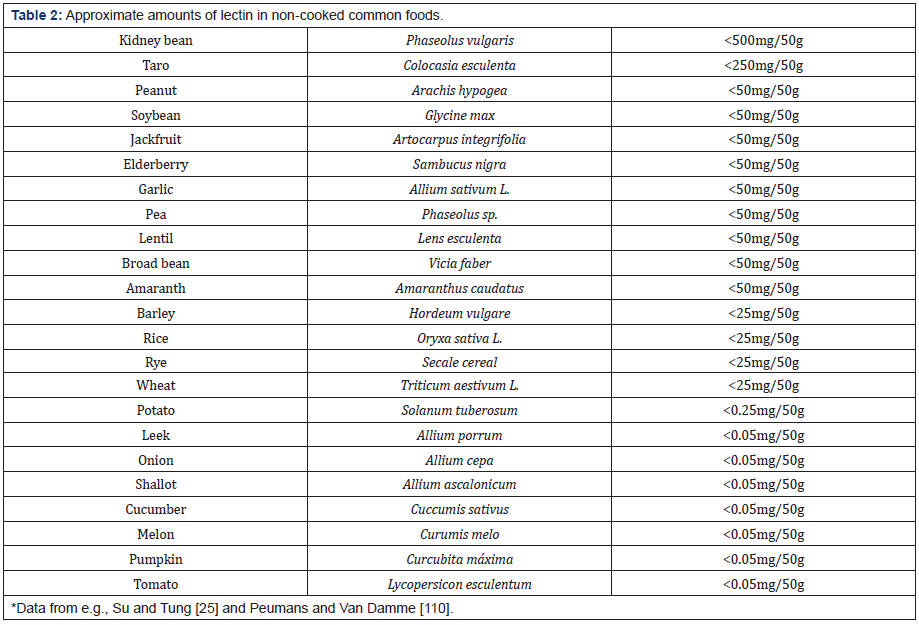
Alors, comment retirer les lectines des haricots ?
Si les haricots sont trempés pendant 5 heures, 15 minutes de cuisson élimineront complètement toutes les lectines qu'ils contiennent. Si vous utilisez un autocuiseur, le temps de cuisson est inférieur à 8 minutes. Avant que les haricots ne deviennent appétissants, les lectines auront disparu depuis longtemps. Si les haricots ne sont pas trempés, environ 45 minutes de cuisson sous pression les élimineront, mais ils seront encore appétissants après 60 minutes. Quoi qu'il en soit, les haricots seront exempts de toutes les lectines s'ils sont appétissants, quel que soit le mode de cuisson. Il est important de noter que les lectines résistent, dans une certaine mesure, à la chaleur sèche telle qu'elle se produit lors de la cuisson. Cuisiner avec de la fleur de légumineuse qui n'a pas été trempée et cuite au préalable n'est pas une méthode traditionnelle, mais n'est pas non plus prudent ou intelligent. La deuxième ligne de défense contre les lectines est constituée par les hydrates de carbone ordinaires, car les lectines se lient instantanément à eux. Les petites quantités de lectines qui subsistent après le trempage et la cuisson se lient aux glucides libres présents dans les aliments et sont désactivées de manière efficace. Seules les personnes suivant un régime alimentaire cru et souffrant de certaines infections aiguës ou chroniques, comme l'intestin perméable ou d'autres affections, peuvent estimer qu'il est nécessaire de minimiser les lectines, mais même dans leur cas, ce n'est pas forcément le cas. Les lectines sont là pour rester, mais il existe d'autres types de toxines naturelles que les lectines et que nous devrions essayer de minimiser.
Références :
Passages sélectionnés à partir d'un livre : Pokimica, Milos. Devenir vegetarien? Examen de la science, partie 1. Kindle éd., Amazone, 2018.
- Aune, Dagfinn et al. "Consommation de grains entiers et risque de maladies cardiovasculaires, de cancer et de mortalité toutes causes et causes spécifiques : examen systématique et méta-analyse dose-réponse d'études prospectives." BMJ (éd. Recherche clinique) vol. 353 i2716. 14 juin 2016, doi:10.1136/bmj.i2716
- Aune, Dagfinn et al. "Consommation de grains entiers et risque de maladies cardiovasculaires, de cancer et de mortalité toutes causes et causes spécifiques : examen systématique et méta-analyse dose-réponse d'études prospectives." BMJ (éd. Recherche clinique) vol. 353 i2716. 14 juin 2016, doi:10.1136/bmj.i2716
- Van Buul, Vincent J. et Fred Brouns. "Effets sur la santé des lectines de blé: un examen." Journal de la science des céréales, vol. 59, non. 2, Elsevier BV, mars 2014, p. 112–17. https://doi.org/10.1016/j.jcs.2014.01.010.
- Chan, Yau Sang et al. "La lectine de haricot blanc exerce des effets anti-prolifératifs et apoptotiques sur les cellules cancéreuses." Journal international des macromolécules biologiques vol. 85 (2016): 335-45. doi:10.1016/j.ijbiomac.2015.12.094
- De Mejía, Elvira González et Valentin I Prisecaru. "Lectines en tant que protéines végétales bioactives: un potentiel dans le traitement du cancer." Revues critiques en science alimentaire et nutrition vol. 45,6 (2005): 425-45. doi:10.1080/10408390591034445
- Hamid, Rabia et Akbar Masood. "Lectines alimentaires en tant que substances toxiques causant des maladies." Journal pakistanais de la nutrition, vol. 8, non. 3, Asian Network for Scientific Information, mars 2009, pp. 293–303. https://doi.org/10.3923/pjn.2009.293.303.
Articles Similaires


Vous avez des questions sur la nutrition et la santé ?
J'aimerais avoir de vos nouvelles et y répondre dans mon prochain post. J'apprécie votre contribution et votre opinion et j'ai hâte d'avoir de vos nouvelles bientôt. Je vous invite également à nous suivre sur Facebook, Instagram et Pinterest pour plus de contenu sur l'alimentation, la nutrition et la santé. Vous pouvez y laisser un commentaire et entrer en contact avec d'autres passionnés de santé, partager vos conseils et expériences, et obtenir le soutien et les encouragements de notre équipe et de notre communauté.
J'espère que ce billet a été instructif et agréable pour vous et que vous êtes prêt à mettre en pratique les connaissances que vous avez acquises. Si vous avez trouvé ce billet utile, veuillez le partager à vos amis et à votre famille qui pourraient également en bénéficier. On ne sait jamais qui peut avoir besoin de conseils et de soutien dans son parcours de santé.
– Vous pourriez aussi aimer –

Extraction d'Huile à Domicile- La Technique Secrète de la Densité Nutritive

Avantages de l’Astaxanthine : L’Antioxydant Naturel le Plus Puissant au Monde
Carence en Vitamine D : Les Stratégies d'Optimisation
Régime Hyperprotéiné et Acidose Métabolique : Corrélations des Risques Pour la Santé

Pesticides, OGM et Surcharge Toxique.

Carnisme- La Psychologie de la Consommation de Viande
Expression Génétique et Epigénétique : Comment l'Alimentation et l'Environnement Façonnent Votre Santé

Anatomie du Cancer - Corrélations Entre Les Risques Pour la Santé

Apprendre la Nutrition

Milos Pokimica est docteur en médecine naturelle, nutritionniste clinique, rédacteur en santé médicale et nutrition et conseiller en sciences nutritionnelles. Auteur de la série de livres Devenir vegetarien ? Examen des sciences, il exploite également le site Web de santé naturelle GoVeganWay.com
Avis de non-responsabilité médicale
GoVeganWay.com vous propose des critiques des dernières recherches liées à la nutrition et à la santé. Les informations fournies représentent l'opinion personnelle de l'auteur et ne sont pas destinées ni implicitement à remplacer un avis médical professionnel, un diagnostic ou un traitement. Les informations fournies sont fournies à titre informatif uniquement et ne sont pas destinées à remplacer la consultation, le diagnostic et/ou le traitement médical d'un médecin ou d'un prestataire de soins de santé qualifié.NE JAMAIS IGNORER LES CONSEILS MÉDICAUX PROFESSIONNELS OU RETARDER LA RECHERCHE DE SOINS MÉDICAUX EN RAISON DE QUELQUE CHOSE QUE VOUS AVEZ LU OU ACCÉDÉ SUR GoVeganWay.com
N'APPLIQUEZ JAMAIS DE CHANGEMENTS AU STYLE DE VIE OU TOUT CHANGEMENT À LA SUITE DE QUELQUE CHOSE QUE VOUS AVEZ LU SUR GoVeganWay.com AVANT DE CONSULTER UN PRATICIEN MÉDICAL AGRÉÉ.
En cas d'urgence médicale, appelez immédiatement un médecin ou le 911. GoVeganWay.com ne recommande ni n'approuve aucun groupe, organisation, test, médecin, produit, procédure, opinion ou autre information spécifique pouvant être mentionné à l'intérieur.
Choix de l'éditeur -
Cancer Choix de l'éditeur Phytochimiques
Pouvoir Anticancéreux des Fruits et Légumes : Preuves in Vivo et Cliniques
Certains extraits végétaux rivalisent avec les principaux médicaments de chimiothérapie et ciblent en même temps plusieurs types différents de cellules cancéreuses.
Antioxydants Choix de l'éditeur ORAC
Les Huiles Essentielles en Tant Que Compléments Antioxydants : Règles et Stratégies
Les huiles essentielles de qualité alimentaire peuvent constituer une stratégie pratique et conviviale pour optimiser la valeur antioxydante et les scores ORAC de notre alimentation.
Antioxydants Choix de l'éditeur ORAC
Régime Riche en Antioxydants : Règles Rénérales et Stratégies
Il existe des stratégies simples et rentables pour optimiser la valeur antioxydante de notre alimentation.
Antioxydants Choix de l'éditeur ORAC
Comprendre les Valeurs ORAC : La Teneur en Antioxydants des Aliments
Lorsque votre principale source d'antioxydants est le café, vous savez que vous avez un sérieux problème.

Antioxydants Choix de l'éditeur ORAC
Avantages de l’Astaxanthine : L’Antioxydant Naturel le Plus Puissant au Monde
L'astaxanthine est l'antioxydant naturel et universel le plus puissant (soluble dans l'huile et dans l'eau) connu de la science. Il s'accumule dans les tissus et ne peut jamais se transformer en pro-oxydant.
Antioxydants Choix de l'éditeur ORAC Phytochimiques
Les Antioxydants : Comprendre les Bases
Il n'y a pas de composés phytochimiques ou d'antioxydants dans les produits d'origine animale. En moyenne, les aliments végétaux contiennent plus de 60 fois plus d'antioxydants que les aliments d'origine animale.
Choix de l'éditeur Régime végétalien
Les Carences en Nutriments Dans le Régime Végétalien : Stratégies de Prévention
Il existe neuf carences nutritionnelles courantes à l'échelle de la population qui affectent les personnes qui suivent un régime à base de plantes. Si elles ne sont pas corrigées à temps, certaines déficiences ont des conséquences terribles et incurables.
Choix de l'éditeur Régime optimal
Déficience en Micronutriments Dans le Régime Alimentaire Américain Standard : Stratégies d'Optimisation
Le profil nutritionnel de notre régime moderne à base de viande, de sucre et d'aliments transformés est totalement incongru avec notre évolution, ce qui entraîne de graves carences en micronutriments.
Choix de l'éditeur Phytochimiques
Photochimie : Comprendre les Bases
Chaque phytochimique qui existe a une action biologique dans le corps humain. Chacun parmi des millions de composés phytochimiques différents.

Choix de l'éditeur Lait Régime optimal
Lait et Produits Laitiers : Corrélations Avec les Risques Pour la Santé
Les associations connues avec la consommation de lait et de produits laitiers sont l'infertilité, le cancer des ovaires et du sein, la leucémie, le diabète de type 1, l'autisme, l'artériosclérose, la cataracte, la polyarthrite rhumatoïde, la sclérose en plaques, l'hyperactivité, la congestion, les boutons, etc.
Cancer Choix de l'éditeur Protéine
Protéine Complète : Signalisation de l'IGF-1 dans la Formation du Cancer
Lorsque vous mangez des protéines animales, vous avez quatre fois plus de chances de développer tous les types de cancer. Lorsque vous fumez, vous avez quatre fois plus de chances de développer un cancer du poumon.

Cancer Choix de l'éditeur Protéine
Anatomie du Cancer - Corrélations Entre Les Risques Pour la Santé
Environ 2 % des cancers sont considérés par la médecine comme étant purement causés par des facteurs génétiques. La même gamme que dans le règne animal. On ne vous a pas dit toute la vérité.
Milos Pokimica est rédacteur spécialisé dans la santé et la nutrition et conseiller en sciences nutritionnelles. Auteur d'une série de livres Devenir vegetarien ? Examen des sciences, il exploite également le site Web de santé naturelle GoVeganWay.com
Derniers articles –

Restriction calorique Longévité
Comment Jeûner : Les Aliments de Jeûne Qui N'interrompent Pas L'Autophagie
Autophagie. Vous êtes-vous déjà demandé ce qui arrive aux cellules de votre corps lorsqu’elles meurent ou sont endommagées ? Est-ce qu'ils s'accumulent et créent des problèmes, ou sont-ils éliminés d'une manière ou d'une autre ? La réponse est que votre corps…

Santé Dentaire La prévention
Sensibilité et Douleur des Dents aux Sucreries : Solution Rapide et Durable
L'huile essentielle de clou de girofle est une solution rapide et facile pour soulager la douleur. C'est un antioxydant puissant et un analgésique qui peut aider à lutter contre les maladies des gencives et les maux de dents.
Les haricots
Haricots Verts : Nutrition et Bienfaits Pour La Santé
Les haricots verts sont pauvres en calories et riches en composés naturels qui peuvent vous aider à contrôler votre glycémie, à réduire votre taux de cholestérol et à lutter contre les radicaux libres.
Régime alimentaire cru Régime végétalien
Peut-on Manger des Champignons Crus : Risques pour la Santé, Nutrition et Sécurité
Les champignons contiennent des toxines sensibles à la chaleur, comme l'hydrazine ou l'agaritine, et des parois cellulaires composées de chitine qui ne peuvent pas être digérées correctement par l'homme.

Régime végétalien
Les Poissons Sont-ils Des Animaux ? Une Perspective Culturelle
Dans certaines cultures, la viande de poisson n'est pas considérée comme de la viande et le poisson est autorisé même pendant le jeûne.

Santé Dentaire La prévention
Rince-bouche naturel fait maison : éprouvé, plus fort et moins toxique
Le bain de bouche naturel fait maison est plus puissant que la chlorhexidine, moins toxique et, s'il est avalé, il peut donner des nausées, mais il a aussi une valeur ORAC élevée.
Santé Dentaire La prévention
Comment Arrêter les Caries Dentaires : Symptômes, Causes et Prévention
La consommation de sucre est la principale cause des caries dentaires, associée à des carences en minéraux, notamment en magnésium, zinc, cuivre et oligo-éléments.
Antioxydants Superaliments
Amla : Avantages Prouvés, Nutrition et Signification Clinique
L'amla est l'un des antioxydants les plus puissants au monde, avec un score ORAC de 261 530. Il s'agit d'une riche source de substances phytochimiques qui ont de nombreux effets bénéfiques sur la santé.
Top Des Nouvelles Sur la Santé - ScienceDaily
- Simple therapies beat drugs for knee arthritis pain reliefle mars 30, 2026
A major analysis of nearly 10,000 patients shows that simple, non-drug treatments like knee braces, hydrotherapy, and exercise can significantly ease knee osteoarthritis symptoms. These approaches not only reduce pain and improve mobility, but also avoid the risks tied to common medications. The findings suggest that low-cost, accessible therapies could play a bigger role in how doctors treat arthritis in the future.
- This overlooked hormone could be why your blood pressure won’t drople mars 30, 2026
A large U.S. study reveals that more than a quarter of people with hard-to-treat high blood pressure may have an overlooked hormone problem. Elevated cortisol—often linked to stress—was found in 27% of these patients, far higher than expected. This hidden condition could explain why standard medications fail. The discovery could lead to new testing and treatments that finally help bring blood pressure under control.
- Powerful cholesterol drug cuts heart attack risk by 31%le mars 30, 2026
A powerful cholesterol-lowering drug may be changing the rules of heart disease prevention. Researchers found that evolocumab, typically used for people who already have cardiovascular disease, can significantly cut the risk of first-time heart attacks and strokes in high-risk patients with diabetes—even before any artery-clogging plaque is detected.
- Just a few minutes of effort could lower your risk of 8 major diseasesle mars 30, 2026
Just a few minutes of getting out of breath each day could dramatically cut your risk of major diseases—including heart disease, dementia, and diabetes. A large study of nearly 100,000 people found that it’s not just how much you move, but how intensely you move that matters. Short bursts of vigorous activity—like rushing for a bus or climbing stairs quickly—were linked to striking reductions in disease risk, especially for inflammatory conditions and brain health.
- Scientists solved the mystery of missing ocean plastic—and the answer is alarmingle mars 29, 2026
Scientists have discovered that the ocean’s “missing” plastic hasn’t vanished—it has broken down into trillions of invisible nanoplastics now spread through water, air, and living organisms. These tiny particles may be everywhere, including inside our bodies, raising serious concerns about their impact.
- Stroke triggers a hidden brain change that looks like rejuvenationle mars 29, 2026
After a stroke, the brain may do something surprisingly hopeful—it can “refresh” parts of itself. Researchers analyzing brain scans from over 500 stroke survivors found that while the damaged side of the brain appears to age faster, the opposite, unaffected side can actually look younger. This unexpected shift seems to reflect the brain’s effort to rewire itself, strengthening healthy regions to compensate for lost function.
- New cholesterol guidelines could change when you get testedle mars 29, 2026
A major new U.S. cholesterol guideline is shifting the focus toward earlier, more personalized prevention of heart disease. It urges people to start screening sooner—sometimes even in childhood—and highlights the importance of tracking not just LDL (“bad”) cholesterol but also genetic risk factors like lipoprotein(a). A new, more advanced risk calculator now uses broader health data to better predict heart attack and stroke risk over decades.
PubMed, #régime-vegan –
- Comparative cross-sectional study of vegan and omnivorous diets and their impact on cardiac function among endurance athletesle mars 30, 2026
Vegan and omnivorous diets are both common in endurance sport; however, the chronic effects of these diets on cardiac function remain uncertain. Therefore, it is of interest to compare echocardiographic, vascular and exercise performance between endurance athletes on vegan or omnivorous diets. Data shows there is comparable systolic function; however, vegans displayed superior diastolic function and arterial compliance; whilst omnivores maintained higher hemoglobin and ferritin levels. Thus, […]
- Environmental Sustainability and Chronic Disease Outcomes Across Four Sustainable Dietary Patternsle mars 29, 2026
Global food consumption patterns have undergone substantial transformation in recent decades, driven by rapid population growth and the consequent intensification of agricultural production. This growth, however, has come at significant environmental cost. As food consumption practices play a central role in shaping these impacts, shifts toward environmentally sustainable diets-typically characterized by greater reliance on plant-based foods-have been proposed as a viable mitigation strategy….
- Plant-Based Dietary Patterns and Neuroimaging Biomarkers of Brain Health: A Scoping Review of Observational and Interventional Evidencele mars 23, 2026
Healthy dietary interventions are well established in cardiovascular disease prevention, but their effects on the brain remain underexplored. This scoping review aims to investigate how adherence to core components of a whole-food plant-based diet (WFPBD) may impact neuroimaging outcomes across different brain conditions. We searched PubMed and MEDLINE for studies published in the past 20 years evaluating the effects of a predominantly or exclusively WFPBD, alone or combined with other […]
- Environmental and economic impact of a vegan versus traditional mediterranean diet: OMNIVEG studyle mars 17, 2026
CONCLUSIONS: Replacing animal products with plant-based foods in a Mediterranean dietary framework can enhance environmental sustainability and reduce food costs. These findings support the promotion of whole plant-based diets as a viable strategy for sustainable and affordable nutrition.
- Culinary Nutrition Programming for Members of a Community-Based Cancer Programle mars 14, 2026
(1) Background: Nutrition research in cancer care has largely focused on disease prevention and management, overlooking the importance of food literacy. Culinary cancer care programs may address this gap by facilitating the practical application of nutrition through culinary skills, fostering social connections over nutrient-dense meals, and supporting individuals during periods of physical and social vulnerability. The Not-Just-Supper Club (NJSC) at Gilda’s Club Toronto (GT) is a…
Messages aléatoires –
Obésité
Facteurs de Risque d'Obésité
Quels sont les facteurs de risque d'obésité associés ? Pour toute vie sur la planète Terre, à l'exception de nous, la nourriture n'est pas un choix.

COVID 19 La prévention Vitamine D
Carence en Vitamine D - Facteurs de Risque
Il n'y a que deux vitamines qui ne sont pas produites par les plantes, la vitamine D et l'autre soi-disant vitamine B12. La carence en vitamine D est un vrai problème.
Choix de l'éditeur La prévention Toxicité
Toxicité Environnementale- C'est Juste Une Chaîne Alimentaire
La toxicité environnementale est la bioaccumulation de toxines. Les organismes sont des filtres. Mais il existe un autre processus encore pire appelé bioamplification dans la chaîne alimentaire.
Café Toxicité
Avantages du Café – Pas Sans Risques
Pensons-nous que la caféine est bonne pour notre cerveau ou mauvaise ou neutre ?
Que fait la caféine réelle?
Antioxydants Superaliments
Amla : Avantages Prouvés, Nutrition et Signification Clinique
L'amla est l'un des antioxydants les plus puissants au monde, avec un score ORAC de 261 530. Il s'agit d'une riche source de substances phytochimiques qui ont de nombreux effets bénéfiques sur la santé.

Médecine allopathique Choix de l'éditeur
Médecine Allopathique - L'essor d'Une Industrie
L'équilibre des branches médicales est resté égal au tournant du XXe siècle environ, lorsque de nouveaux traitements médicaux sont apparus, potentiellement très rentables.
Désintoxication Toxicité
Désintoxication – Une revue scientifique
Il existe des programmes de régime conçus pour aider à réduire l'inflammation et la toxicité globale du corps et à augmenter la désintoxication qui sont soutenus par la science.
Choix de l'éditeur Régime optimal Régime végétalien
Directives Diététiques de l'OMS - Nouvelle Pyramide Alimentaire et Suppression de la Science
Les directives diététiques de l'OMS recommandent une alimentation pauvre en graisses saturées (protéines animales), en sucre et en sel et riche en fruits et légumes pour lutter contre l'augmentation épidémique des maladies chroniques dans le monde.
Cancer Grossesse Toxicité
Aspartame : La Vérité sur les Risques et Dangers
L'une des excitotoxines qui a rendu l'industrie si heureuse est le produit chimique qui fait tout ce que font les excitotoxines, mais contrairement au MSG, il est doux au goût. Il est chimiquement connu sous le nom d'aspartame (Nutra Sweet).
Toxicité
Exposition à l'Arsenic et Consommation de Riz - Le Grain le Plus Toxique de Tous
De toutes les sources alimentaires connues, le riz absorbe la plus forte concentration d'arsenic parmi tous les aliments couramment consommés.

Postes en vedette -
Choix de l'éditeur Régime optimal
Aliments Transformés : Comprendre les Risques
Les aliments transformés signifient que l'on retire quelque chose de l'aliment entier, généralement des fibres, et que l'on ajoute quelque chose, généralement des matières grasses, du sucre, du sel et des glutamate monosodique.
Diabète Choix de l'éditeur
Causes du Diabète et Glucides Raffinés- L'argument Végétalien
Les gens pensent que les glucides raffinés sont associés à des pics d'insuline et sont l'une des causes du diabète. Ils ont raison. Cependant, ils ont également tort.
Cancer Choix de l'éditeur Phytochimiques
Pouvoir Anticancéreux des Fruits et Légumes : Preuves in Vivo et Cliniques
Certains extraits végétaux rivalisent avec les principaux médicaments de chimiothérapie et ciblent en même temps plusieurs types différents de cellules cancéreuses.

Cancer Choix de l'éditeur Toxicité
Exposition des Enfants Aux Pesticides : Tests d'Exposition en Situation Réelle
Les enfants et surtout les femmes enceintes sont plus vulnérables à l'exposition aux pesticides. Si nous analysions les niveaux d'exposition réels dans des scénarios réels, quel serait le résultat ?

Diabète Choix de l'éditeur Régime optimal
Sucre Raffiné : Comprendre les Risques
Les enfants consomment environ un cinquième de leurs besoins totaux en calories uniquement à partir de sucre raffiné. Si nous ajoutons à la liste des matières grasses et le reste des aliments transformés dépourvus de nutriments, cela devient un véritable cauchemar nutritionnel.
Choix de l'éditeur Inflammation
Le Dilemme des Humains Omnivores- Consommation de Viande, Bactéries Probiotiques, Inflammation et Intestin
Les humains sont-ils omnivores au sens propre de l'anatomie ? Il existe une différence fondamentale dans le fonctionnement du tube digestif entre les plantes et les espèces carnivores.

Cancer Choix de l'éditeur Toxicité
Pesticides Dans les Aliments, Exposition Dans le Régime Alimentaire Américain Standard- 80 % de Viande
La plupart des pesticides et en particulier les métaux lourds et autres polluants toxiques que nous obtenons proviennent de la viande. Plus de 80 % de l'exposition aux pesticides dans le régime alimentaire américain standard provient de produits d'origine animale, et non de fruits ou de légumes.

Médecine allopathique Choix de l'éditeur
L'histoire de Big Pharma - IG Farben
La partie du monopole des Rockefeller sur les industries chimiques et médicales est entrée en vigueur après la Seconde Guerre mondiale. La coopération entre Standard Oil et IG Farben en a fait une réalité.
Choix de l'éditeur Régime optimal Régime végétalien
Directives Diététiques de l'OMS - Nouvelle Pyramide Alimentaire et Suppression de la Science
Les directives diététiques de l'OMS recommandent une alimentation pauvre en graisses saturées (protéines animales), en sucre et en sel et riche en fruits et légumes pour lutter contre l'augmentation épidémique des maladies chroniques dans le monde.

Choix de l'éditeur La prévention Régime végétalien
Étude sur la Chine- L'argument Végétalien
Une étude chinoise a montré qu'il n'y a pas de maladie cardiaque, de cancer ou de diabète dans les communautés rurales sous-développées du monde avec des régimes végétaliens à base d'amidon.
Dernières Nouvelles de PubMed, #alimentation végétale –
- Barriers and facilitators for consuming a plant-based diet in patients with knee osteoarthritis: a qualitative studypar Sabine Chmelar le mars 30, 2026
INTRODUCTION: A predominantly plant-based dietary concept was developed in the course of the NUMOQUA study (Nutrition and Movement to Improve Quality of Life in Patients with Knee Osteoarthritis) as part of the interdisciplinary therapeutic intervention for patients with knee osteoarthritis (OA). This study included focus group discussions (FGDs), which aimed to identify perceived barriers and facilitators for following these dietary recommendations.
- Adherence to healthy and sustainable diets and health-related behaviors in a Spanish online university settingpar Maria Pilar Giner le mars 30, 2026
CONCLUSION: Our findings underscore the importance of integrated, gender-sensitive strategies that jointly address diet quality, PA, sleep, and emotional well-being. Online universities represent an important setting for promoting both health and sustainability, especially through targeted actions that support a plant-rich, nutrient-dense dietary pattern, enhance emotional well-being, and encourage more active daily routines.
- Targeting systemic and tumor metabolic balances with ketogenic diets enhance efficacy of therapy in FLT3-ITD acute myeloid leukemiapar Léa Goupille le mars 29, 2026
FMS-like tyrosine kinase 3 (FLT3) mutations in acute myeloid leukemia (AML) are associated with adverse prognosis. FLT3 inhibitors (FLT3i) improve therapeutic response; however, diverse resistance mechanisms, such as adaptations in lipid metabolism, have been identified. We hypothesized that a lipid-rich ketogenic diet (KD) might alter both host and tumoral lipid metabolism, enhancing responses to FLT3i. In FLT3-mutated AML mouse models, 3 weeks of lard- or plant-based KD improved the […]
- Recent evidence on plant-based diets and risk of chronic noncommunicable diseases in adults: A systematic review and meta-analysispar Ana Botelho Moreira le mars 29, 2026
CONCLUSION: Recent observational evidence suggests that plant-based diets are associated with lower odds of hypertension and may also benefit type 2 diabetes and dyslipidemia. The findings support plant-forward dietary guidance, although better standardized prospective studies are still needed.
- Replacing red meat with non-soy legumes alters choline metabolites but not systemic inflammation or proxies of gut barrier function in healthy males in a 6-week RCTpar Tuulia K Pietilä le mars 29, 2026
While the health burden of high red and processed meat intake has been acknowledged in observational studies, studying the effects and mechanisms in controlled settings with healthy participants have generated mixed findings. We aimed to investigate whether a partial replacement of unprocessed and processed red meat (from 760 g/week to 200 g/week) with non-soy legume foods in apparently healthy men (age 37.9 y, BMI 25.5 ± 3.3 kg/m², mean±SD) yields beneficial effects on low-grade […]
- Environmental Sustainability and Chronic Disease Outcomes Across Four Sustainable Dietary Patternspar Jenna Mu le mars 29, 2026
Global food consumption patterns have undergone substantial transformation in recent decades, driven by rapid population growth and the consequent intensification of agricultural production. This growth, however, has come at significant environmental cost. As food consumption practices play a central role in shaping these impacts, shifts toward environmentally sustainable diets-typically characterized by greater reliance on plant-based foods-have been proposed as a viable mitigation strategy….