







Methylenblau: Therapeutische Anwendungen und Klinische Bedeutung
Methylenblau ist ein leistungsstarkes synthetisches Antioxidans. Es verbessert die Funktion der Mitochondrien und die Fähigkeit unserer Zellen, um Energie zu produzieren.
Milos Pokimica
Geschrieben von: Milos Pokimica
Medizinisch Begutachtet Von: Dr. Xiùying Wáng, M.D.
Aktualisiert 4. Januar 2024Die zentralen Thesen:
- Methylenblau ist ein sowohl wasser- als auch öllösliches Antioxidans, das die Blut-Hirn-Schranke überwinden kann.
- Methylenblau ist ein starkes Antioxidans, das die Mitochondrien vor oxidativem Stress schützen kann. Es kann auch die Funktion der Mitochondrien verbessern, indem es ihren Sauerstoffverbrauch und die ATP-Produktion steigert.
- Methylenblau kann einige der Schritte in der mitochondrialen Elektronentransportkette umgehen, die aus einer Reihe von Elektronentransportern besteht, die Elektronen von NADH und FADH2 zu Sauerstoff transportieren. Auf diese Weise kann Methylenblau die Produktion von freien Radikalen verringern und die ATP-Produktion erhöhen.
- Indem es sowohl die Elektronentransportkette als auch den Glukosestoffwechsel ankurbelt, kann Methylenblau die Menge des von den Gehirnzellen produzierten ATP erhöhen. Dies bedeutet mehr Energie für eine bessere Gehirnfunktion, einschließlich Kognition, Stimmung und Gedächtnis.
- Methylenblau kann auch die Gehirnzellen vor oxidativem Stress und Alterung schützen, die ihre Energieproduktion und Funktion beeinträchtigen können.
- Methylenblau hat nachweislich positive Auswirkungen auf verschiedene Erkrankungen und Störungen des Gehirns, wie z. B. die Alzheimer- und die Parkinson-Krankheit, hilft bei Hirnverletzungen und kann auch bei der normalen Alterung des Gehirns helfen, die zu Gedächtnisverlust und kognitivem Abbau führen kann.
- Methylenblau kann die Produktion von Kollagen und Elastin in der extrazellulären Matrix stimulieren. Außerdem kann MB UV-Strahlen absorbieren und durch UVB-Bestrahlung verursachte DNA-Schäden in menschlichen Keratinozyten verhindern.
- Methylenblau kann die Migration und Proliferation von Fibroblasten im Wundheilungsprozess fördern.
- Methylenblau kann den Gehalt an Noradrenalin, Serotonin und Dopamin im Gehirn erhöhen, indem es die Enzyme hemmt, die diese Neurotransmitter abbauen (Alda, 2019).
- Methylenblau hemmt die Aktivität der Monoaminoxidase und der Acetylcholinesterase und erhöht den Katecholamin- und Acetylcholinspiegel.
- Methylenblau verbessert signifikant die Symptome von Depression, Manie, Angst und kognitiven Funktionen.
- Mehrere Studien haben gezeigt, dass MB das Gedächtnis bei verschiedenen Arten von Lernaufgaben und in verschiedenen Bevölkerungsgruppen verbessern kann.
- Methylenblau kann verhindern, dass Tau Fibrillen bildet, indem es seine chemische Struktur verändert (Crowe et al., 2013). Es wird derzeit in klinischen Versuchen als neuartige Behandlung der Alzheimer-Krankheit getestet.
- Methylenblau kann sowohl die motorischen als auch die nicht-motorischen Funktionen bei der Parkinson-Krankheit schützen, indem es die Funktion der Mitochondrien verbessert und den oxidativen Stress reduziert.
- Methylenblau ist ein Nootropikum, das Ihnen helfen kann, besser zu lernen, sich besser zu erinnern, sich glücklicher zu fühlen, leistungsfähiger zu sein und tiefer zu schlafen.
- Im Labor hat Methylenblau antibiotikaresistente Lyme-Bakterien wirksam abgetötet (Feng et al, 2015).
- Studien haben auch gezeigt, dass die Kombination von Methylenblau mit Antibiotika bei der Behandlung anderer Arten von Bartonella-Infektionen wirksamer ist als Antibiotika allein (Zheng et al., 2020).
- Methylenblau kann Plasmodium falciparum, die gefährlichste Form der Malaria, in Labortests, bei Mäusen und Affen abtöten. Es kann auch die Resistenz überwinden, die einige Stämme von P. falciparum und P. vivax gegen andere Malariamittel entwickelt haben.
- Methylenblau hilft bei Pilzinfektionen auf ähnliche Weise wie bei bakteriellen Infektionen.
- Methylenblau zielt auf drei Hauptaspekte von Candida albicans: seine Mitochondrien, seinen Redoxzyklus und seine Membran. Es hindert Candida albicans daran, sich in Hyphen umzuwandeln, und hält ihn in der weniger gefährlichen Hefeform.
Was ist Methylenblau?
Methylenblau ist ein synthetisches Salz, das in verschiedenen Bereichen als Farbstoff und als Medikament verwendet wird. Methylenblau gibt es schon seit mehr als einem Jahrhundert. Es war das erste synthetische Medikament, das jemals von Menschen hergestellt wurde, und wird als das "erste vollständig von Menschen hergestellte Medikament" bezeichnet.
Es hat eine lange Geschichte in der medizinischen Anwendung und Forschung. Es ist auch für seine Fähigkeit bekannt, Gewebe und Flüssigkeiten blau zu färben, was für diagnostische Zwecke nützlich sein kann. Es ist einer der ältesten synthetischen Farbstoffe und eines der vielversprechendsten Nootropika.
Methylenblau wurde erstmals 1876 von einem deutschen Chemiker namens Heinrich Caro synthetisiert, der für das Farbstoffunternehmen BASF arbeitete (Ig Farben). Er nannte es Methylthioninchlorid, aber es wurde bald unter dem Namen Methylenblau bekannt, weil es blau ist und bei Reduktion Methylengruppen bilden kann.
Ursprünglich wurde es als Antiseptikum und zur Behandlung von Malaria verwendet. Es war einer der ersten synthetischen Farbstoffe, die in der Medizin verwendet wurden. Er wurde erstmals 1891 von dem Schweizer Arzt Paul Ehrlich verwendet, der ihn Mäusen injizierte, die mit Milzbrand infiziert waren, und beobachtete, dass er die Bakterien, nicht aber die gesunden Zellen anfärbte. Er färbte damit auch Blutzellen und Malariaparasiten unter dem Mikroskop.
Methylenblau war auch eines der ersten Medikamente, das zur Behandlung von Malaria eingesetzt wurde. Es wurde 1891 von den französischen Chemikern Othmar Zeidler und Alphonse Laveran entdeckt, die feststellten, dass es den Malariaparasiten in vitro abtötet. Sie testeten es auch an menschlichen Patienten und stellten fest, dass es diese von den Malariasymptomen heilte. Seitdem wurde seine Wirkung bei verschiedenen Krankheiten und Störungen untersucht, z. B. bei Alzheimer, Depressionen, Schizophrenie und Zyanidvergiftungen.
Die wichtigste gesundheitliche Eigenschaft von Methylenblau ist, dass es ein sowohl wasser- als auch öllösliches Antioxidans ist, das in der Lage ist, die Blut-Hirn-Schranke mit vielen potenziellen gesundheitlichen Vorteilen, die Antioxidantien als eine Substanz im Allgemeinen haben.
Als ein Antioxidanskann es die Zellen vor oxidativem Stress und Schäden durch freie Radikale schützen und die Reparatur von DNA-Schäden unterstützen. Es besitzt antioxidative, antimalariatische, antiseptische, antidepressive, kardioprotektive und Anti-Aging-Eigenschaften. Methylenblau kann die ATP-Produktion und Sauerstoffverbrauch in der Mitochondriendie die Energiefabriken der Zellen sind. Es kann auch die Gedächtnisbildung und das Erinnerungsvermögen verbessern, indem es die Funktion der Nervenzellen im Gehirn fördert.
Als Hautpflegeprodukt, das Anzeichen der Hautalterung wie Falten, Erschlaffung und Pigmentierung reduzieren kann, indem es die Kollagensynthese stimuliert und DNA-Schäden in den Hautzellen repariert.
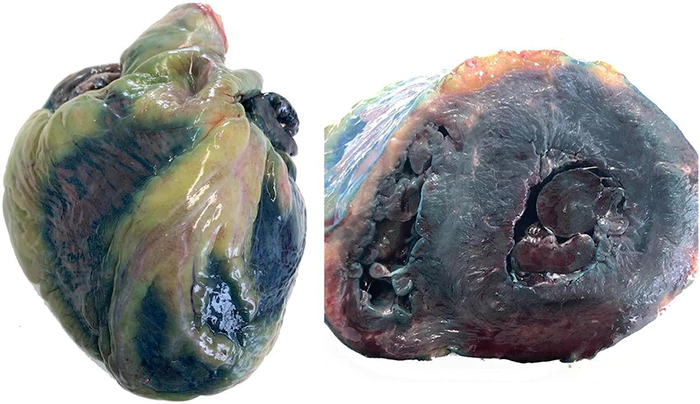
Es ist auch unter den Namen Urelene blue, Provayblue und Proveblue bekannt. Dies sind einige der Markennamen von Methylenblau-Injektionen, die zur Behandlung von Methämoglobinämie eingesetzt werden, einer Erkrankung, bei der das Blut aufgrund der Oxidation von Hämoglobin nicht genügend Sauerstoff transportieren kann.
Zusammenfassung:
Methylenblau ist eine vielseitige Verbindung mit einer langen Geschichte. Ursprünglich wurde sie als Farbstoff und Antiseptikum verwendet, doch inzwischen hat sie sich als Antioxidans und Nootropikum mit potenziellem Nutzen für die Gesundheit des Gehirns, die DNA-Reparatur und sogar für die Hautpflege erwiesen.
Methylenblau für den menschlichen Verzehr.
Methylenblau ist bisher nicht von der FDA zugelassen für den menschlichen Verzehr als Nahrungsergänzungsmittel
Es wird nur noch als Medikament zur Behandlung bestimmter Erkrankungen wie Methämoglobinämie, Zyanidvergiftung und Harnwegsinfektionen eingesetzt. Sie können dieses Produkt immer noch in Geschäften finden oder es über das Internet bestellen. Es ist ein gut erforschtes und sicheres Produkt, aber die FDA besteht immer noch darauf, dass es nur unter der Aufsicht eines Arztes oder einer medizinischen Fachkraft verwendet werden sollte.
Als Antioxidans ist es eines der stärksten, die es gibt, aber seine einzigartigen Eigenschaften sind es, die uns interessieren, wenn wir es als Nahrungsergänzungsmittel verwenden wollen.
Eine bekannte Nebenwirkung ist, dass es nicht zusammen mit bestimmten Medikamenten, Kräutern oder Nahrungsergänzungsmitteln eingenommen werden sollte, die das Immunsystem beeinflussen können. Serotonin Spiegel im Gehirn. In dem Fall, in dem wir es verwenden wollen, muss der Medikamentenspiegel deutlich angehoben oder sogar ganz entfernt werden. Dazu gehören Antidepressiva, Medikamente gegen Angstzustände, Johanniskraut, Tryptophan und andere. Es hat allein schon starke nootropische, antidepressive und antibipolare Wirkungen und im Gegensatz zu Antidepressiva und Medikamenten gegen Angstzustände viel weniger schwere Nebenwirkungen.
Es ist eines der Präparate, die von der FDA nicht als Nahrungsergänzungsmittel anerkannt werden, weil es meiner Meinung nach tatsächlich funktioniert, man kein Rezept braucht (für Injektionen sind Rezepte erforderlich) und es viel weniger toxisch ist als starke antidepressive Medikamente und es ist spottbillig.
Es handelt sich im Grunde nur um einen industriellen Farbstoff, der sich als eines der stärksten Antioxidantien erwiesen hat, das neben anderen Antioxidantien in der Medizin verwendet werden kann. Jüngste Studien deuten darauf hin, dass Methylenblau in niedrigen Dosen als starkes Antioxidans wirken und die Funktion der Mitochondrien und die Fähigkeit unserer Zellen, Energie zu produzieren, verbessern kann. Aus diesem Grund wird es von vielen Menschen als Nootropikum zur Förderung des Gehirns verwendet.
Zusammenfassung:
While a powerful antioxidant and nootropic with research-backed benefits, methylene blue remains unapproved by the FDA for dietary supplement use. Its strong nature necessitates a doctor’s supervision and caution when interacting with medicines affecting serotonin levels.
Methylenblau in der Medizin.
Methylenblau wird hauptsächlich in der Medizin verwendet:
- Es wird zur Behandlung von Methämoglobinämie eingesetzt, einer Erkrankung, bei der das Blut aufgrund der Oxidation von Hämoglobin nicht genügend Sauerstoff aufnehmen kann. Als starkes Antioxidans hat es die Fähigkeit, Methämoglobin durch Elektronenabgabe wieder zu Hämoglobin zu reduzieren.
- Es kann auch als Gegenmittel bei Zyanidvergiftungen wirken, da es die Zellatmung erhöhen kann, indem es als alternativer Elektronenakzeptor in der mitochondrialen Elektronentransportkette fungiert.
- Es wird als Farbstoff zum Anfärben biologischer Proben wie Blutzellen, Bakterien, Pilze, Parasiten und DNA verwendet. Methylenblau kann den Kontrast und die Sichtbarkeit dieser Strukturen unter einem Mikroskop verbessern. Es kann auch seine Farbe von blau nach farblos ändern, wenn es durch bestimmte Stoffe reduziert wird, was es zu einem nützlichen Redox-Indikator macht.
- Es wird als Antidepressivum zur Behandlung von bipolaren Störungen und schweren depressiven Störungen eingesetzt, da es die Aktivität von Neurotransmittern und Enzymen im Gehirn modulieren kann.
- Es wird als Hautpflegeprodukt zur Verringerung von Alterserscheinungen wie Falten, Erschlaffung und Pigmentierung verwendet, indem es die Kollagensynthese anregt (eine der seltenen Substanzen, die dies tatsächlich können) und DNA-Schäden in den Hautzellen repariert. Aufgrund der Erhöhung der Kollagensynthese würde es wahrscheinlich auch bei anderen kollagenbezogenen Problemen und der Heilung außerhalb von Haut und Falten helfen, aber wir wissen es nicht, da die Wissenschaft in diesem Bereich der Forschung noch hinterherhinkt.
Zusammenfassung:
While primarily used to treat methemoglobinemia, methylene blue’s diverse applications include cyanide poisoning antidote, medical dye, antidepressant, and collagen synthesis stimulation. Its powerful antioxidant and electron-donating properties make it a valuable tool in various medical fields.
Methylenblau als Anti-Aging-Mittel.
Methylenblau kann den Alterungsprozess verlangsamen und Gesundheit und Aussehen verbessern.
Altern ist ein komplexes Phänomen, an dem viele Faktoren beteiligt sind, aber einer der Hauptverursacher ist oxidativer Stress. Laut der "Theorie der freien Radikale über die Alterung"Zell- und Gewebealterung sind eine Folge der Angriffe freier Radikale. In menschlichen Zellen, reaktive Sauerstoffspezies (ROS) werden hauptsächlich in den Mitochondrien produziert. Oxidativer Stress ist die Schädigung durch freie Radikale, d. h. instabile Moleküle, die Zellen und DNA schädigen können. Freie Radikale werden durch normale Stoffwechselprozesse gebildet, können aber auch durch Umweltfaktoren ausgelöst werden, z. B. durch Verschmutzung, Strahlung und Rauchen. Im Laufe der Zeit kann oxidativer Stress zu verschiedenen Krankheiten und Störungen führen, wie z. B. Krebs, DiabetesAlzheimer, Parkinson und Arthritis.
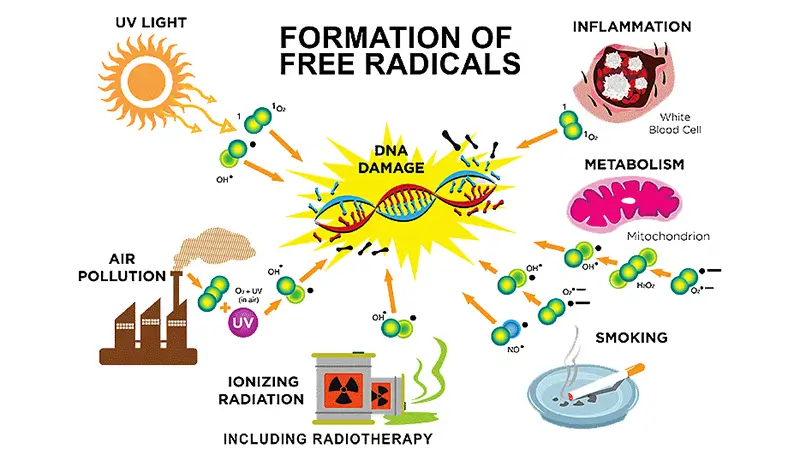
Eine der Zellen, die am meisten von oxidativem Stress betroffen ist, sind die Mitochondrien. Die Mitochondrien sind die Kraftwerke der Zellen, in denen aus Nahrung und Sauerstoff Energie erzeugt wird. Allerdings erzeugen die Mitochondrien als Nebenprodukt ihrer Tätigkeit auch freie Radikale. Wenn die Mitochondrien nicht mehr richtig funktionieren, produzieren sie weniger Energie und mehr freie Radikale, wodurch ein Teufelskreis aus Schäden und Verfall entsteht. Dies wirkt sich auf viele Gewebe im Körper aus, insbesondere auf das Gehirn und die Haut, die in hohem Maße auf Energie und Sauerstoff angewiesen sind.
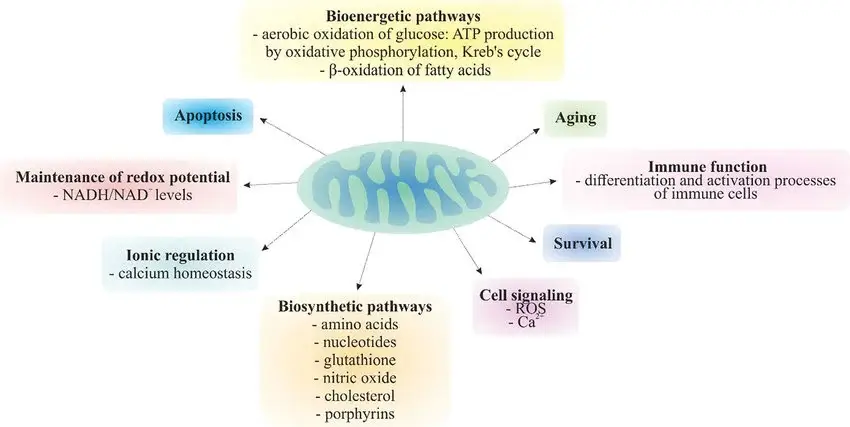
An dieser Stelle kommt Methylenblau ins Spiel. Methylenblau ist ein starkes Antioxidans, das die Mitochondrien vor oxidativem Stress schützen kann. Es kann auch die Funktion der Mitochondrien verbessern, indem es ihren Sauerstoffverbrauch und die ATP-Produktion steigert. ATP ist das Molekül, das Energie in den Zellen speichert und transportiert. Indem es die Leistung der Mitochondrien steigert, kann Methylenblau den Zellstoffwechsel verbessern und die Zeichen der Alterung verringern.
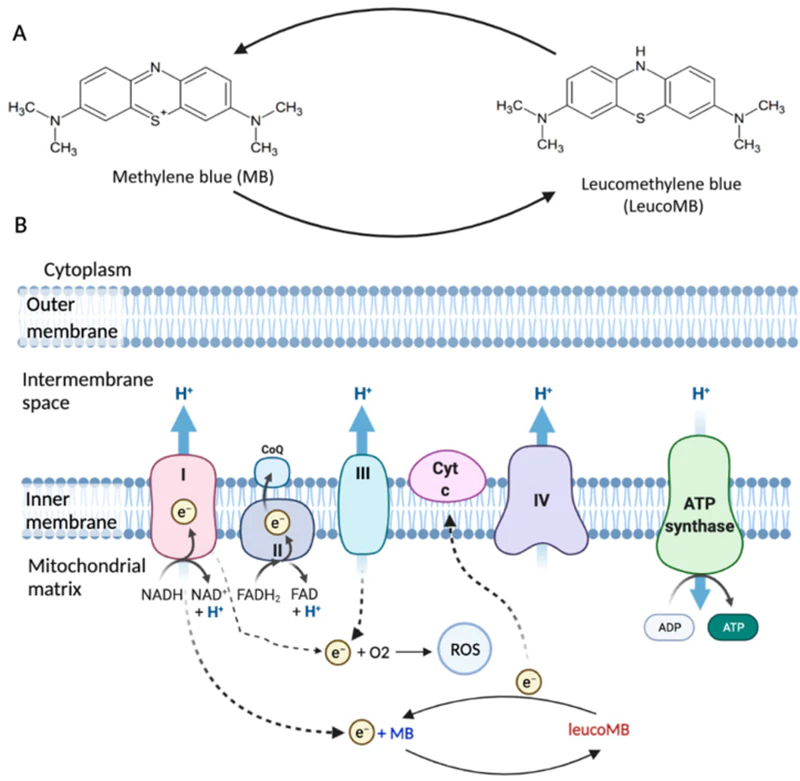
Methylenblau ist eine blau gefärbte Verbindung, die ihre Farbe und Ladung durch Aufnahme oder Abgabe von Elektronen ändern kann. Es kann zu Leuko-Methylenblau reduziert werden, das eine farblose und neutrale Verbindung ist. Methylenblau kann die Zellmembranen leicht durchdringen, da es sowohl ein wasserlösliches als auch ein fettlösliches Antioxidans ist. Dies ist eine sehr seltene Eigenschaft, die nur wenige Antioxidantien besitzen. Ein weiteres Antioxidans, das ebenfalls universell ist, d. h. sowohl wasser- als auch öllöslich, ist Astaxanthin.
Methylenblau hat auch einen niedrigen Redoxpotentialwas bedeutet, dass es leicht Elektronen abgeben oder aufnehmen kann. Diese Eigenschaften machen Methylenblau zu einem perfekten Kandidaten für die Arbeit als katalytischer Redoxcycler in den Mitochondrien.
Methylenblau wirkt als katalytischer Redoxcycler in den Mitochondrien, d. h. es kann durch Elektronenübertragung zwischen seiner oxidierten und reduzierten Form wechseln. Methylenblau kann Elektronen aufnehmen von NADHEs handelt sich dabei um ein Molekül, das Elektronen aus der Nahrung in die Mitochondrien überträgt. Methylenblau kann diese Elektronen dann auf Cytochrom c übertragen, ein Molekül, das Elektronen von den Mitochondrien auf Sauerstoff überträgt.
Auf diese Weise kann Methylenblau einige Schritte in der mitochondrialen Elektronentransportkette umgehen, bei der es sich um eine Reihe von Elektronentransportern handelt, die Elektronen von NADH und FADH2 zu Sauerstoff transportieren. Auf diese Weise kann Methylenblau die Produktion von freien Radikalen verringern und die ATP-Produktion erhöhen.
Zusammenfassung:
Methylene blue’s potent antioxidant and mitochondrial-boosting properties show promise in slowing down aging and improving cellular health, particularly in the brain and skin.
Methylenblau stimuliert auch den Glukosestoffwechsel.
Zusammengenommen bedeutet die Erhöhung der zerebralen Stoffwechselrate durch die gesteigerte Aktivität der mitochondrialen Elektronentransportkette und die Glukoseaufnahme, dass MB den Sauerstoffverbrauch erhöht, was die ATP-Produktion durch Glukose steigert.
Die Elektronentransportkette ist eine Reihe von Reaktionen, die in den Mitochondrien, den Kraftwerken der Zellen, ablaufen. Sie verwendet Sauerstoff und Elektronen, um ATP zu erzeugen, das die Hauptenergiequelle der Zellen ist. MB kann der Elektronentransportkette Elektronen spenden und ihre Effizienz und Geschwindigkeit erhöhen. Es kann auch die Sauerstoffversorgung der Gehirnzellen erhöhen, indem es die Durchblutung verbessert und Entzündungen reduziert.
Der Glukosestoffwechsel ist der Prozess der Umwandlung von Glukose, einer Zuckerart, in ATP. Glukose ist der Hauptbrennstoff für die Gehirnzellen und stammt aus der Nahrung, die Sie zu sich nehmen. MB kann den Glukosestoffwechsel anregen, indem es bestimmte Enzyme und Rezeptoren aktiviert, die den Gehirnzellen bei der Aufnahme von Glukose aus dem Blut helfen.
Indem es sowohl die Elektronentransportkette als auch den Glukosestoffwechsel ankurbelt, kann MB die von den Gehirnzellen produzierte Menge an ATP erhöhen. Dies bedeutet mehr Energie für eine bessere Gehirnfunktion, einschließlich Kognition, Stimmung und Gedächtnis. Es kann die Gehirnzellen auch vor oxidativem Stress und Alterung schützen, die ihre Energieproduktion und Funktion beeinträchtigen können.
Dies ist der Hauptgrund, warum sie neben ihrer antioxidative KraftEs hat sich gezeigt, dass Methylenblau eine positive Wirkung auf verschiedene altersbedingte Krankheiten wie Neurodegeneration, Gedächtnisverlust, Hautalterung und Progerie hat.
Progerie ist eine seltene genetische Störung, die bei Kindern zu einer vorzeitigen Alterung führt. Methylenblau kann einige der Symptome der Progerie umkehren, indem es DNA-Schäden repariert und die normale Zellteilung wiederherstellt. Es kann auch die kognitiven Funktionen und das Gedächtnis älterer Erwachsener verbessern, indem es die Kommunikation zwischen den Nervenzellen im Gehirn fördert. Es kann auch Falten, Erschlaffung und Pigmentierung der Haut verringern, indem es die Kollagensynthese und die Wundheilung anregt.
Zusammenfassung:
Methylene blue’s ability to boost both energy production and cellular metabolism in the brain by promoting the electron transport chain and glucose metabolism holds promise for improved brain function, mood, and memory, and even potential benefits against age-related conditions like neurodegeneration.
Methylenblau bei der Gehirnalterung.
Das Gehirn ist eines der Organe mit dem höchsten Energiebedarf im Körper, und es ist auf die Mitochondrien angewiesen, um die benötigte Energie zu liefern. Die Neuronen Ihres Gehirns sind fast vollständig auf die aus den Mitochondrien gewonnene Energie angewiesen. Eine Störung der Mitochondrienfunktion kann sich auf den Rest des Körpers auswirken, ist aber für das Gehirn besonders schädlich.
Methylenblau kann leicht durch die Blut-Hirn-Schrankedie eine Schutzschicht bildet, die das Blut vom Gehirn trennt. Methylenblau hat außerdem ein niedriges Redoxpotential, was bedeutet, dass es leicht Elektronen abgeben oder aufnehmen kann. Diese Eigenschaften machen Methylenblau zu einem perfekten Kandidaten für die Arbeit als katalytischer Redoxcycler im Gehirn.
Methylenblau hat nachweislich positive Auswirkungen auf verschiedene Erkrankungen und Störungen des Gehirns, wie z. B. die Alzheimer- und die Parkinson-Krankheit.
Methylenblau kann auch bei Hirnverletzungen helfen, d. h. bei physischen Schädigungen des Gehirns durch Trauma, Schlaganfall, Infektion oder Sauerstoffmangel (Watts et al., 2014).
Hirnverletzungen können zu kognitiven Beeinträchtigungen, Verhaltensänderungen oder sogar zum Tod führen. Methylenblau kann bei der Heilung von Hirnverletzungen helfen, indem es den Blutfluss und die Sauerstoffversorgung des Gehirns verbessert. Es kann auch Entzündungen und Schwellungen im Gehirn verringern, indem es ein Enzym namens Stickstoffmonoxid-Synthase (NOS) hemmt, das Stickstoffmonoxid (NO)ein Molekül, das Gefäßerweiterungen und Entzündungen verursacht. Methylenblau hat sich in Tiermodellen und klinischen Studien bei Hirnverletzungen positiv ausgewirkt, aber es sind noch weitere Untersuchungen erforderlich, um seine Sicherheit und Wirksamkeit zu bestätigen.
Methylenblau kann auch bei der normalen Alterung des Gehirns helfen, die zu Gedächtnisverlust und kognitivem Abbau führen kann (Xue et al., 2021).
Es kann die Mitochondrien vor oxidativem Stress schützen, indem es die Produktion freier Radikale reduziert und die Funktion der Mitochondrien verbessert. Es kann auch die Gedächtnisbildung und -erinnerung verbessern, indem es die Funktion der Nervenzellen im Gehirn steigert.
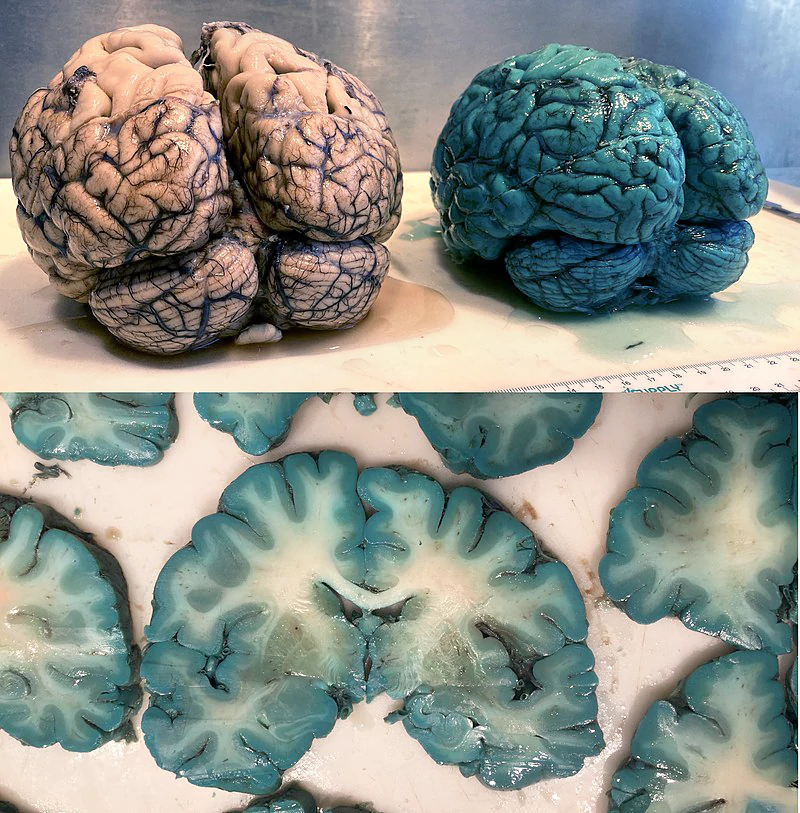
Methylene Blue’s Brain Power:
Steigert die Energie und schützt die Neuronen, was sich bei neurodegenerativen Erkrankungen, Hirnverletzungen und sogar beim altersbedingten kognitiven Abbau als vielversprechend erweist.
Methylenblau als Sirtuin-Aktivator.
Methylenblau ist ein starkes Anti-Aging-Mittel, das Sirtuine aktivieren kann, Enzyme, die die Zellgesundheit und Langlebigkeit regulieren (Shin et al., 2014). Sirtuine sind wesentlich für die Aufrechterhaltung eines gesunden Gleichgewichts von NAD+, einem Molekül, das die zelluläre Energieproduktion und -reparatur antreibt. MB kann das NAD+/NADH-Verhältnis in Leberzellen erhöhen und SIRT1 stimulieren, was wiederum die Acetylierung von PGC-1α reduziert, einem Protein, das die mitochondriale Biogenese und Funktion kontrolliert.
Durch die Verbesserung der Mitochondrienfunktion kann MB auch den Sauerstoffverbrauch und die Energieproduktion in der Leber erhöhen. Es kann auch andere wichtige Stoffwechselwege aktivieren, wie AMPK, CPT-1 und PPARα, die an der Fettsäureoxidation und der Glukosehomöostase beteiligt sind. Die Aktivierung von AMPK durch MB hängt von SIRT1 ab.
Zusammenfassung:
Methylene blue’s ability to activate sirtuin enzymes, key regulators of cellular health and longevity, makes it a promising anti-aging agent in addition to its antioxidant and other beneficial properties. By boosting mitochondrial function and metabolism, it can potentially improve energy levels, protect cells, and even enhance liver function.
Vorteile für die Haut.
Methylenblau kann die Haut vor Alterung und Sonnenschäden schützen, indem es als Antioxidans wirkt, die Mitochondrienfunktion fördert, die Kollagen- und Elastinproduktion anregt und UV-Strahlen absorbiert (Xue et al., 2021). Es kann auch die Wundheilung und Geweberegeneration fördern, indem es die Fibroblastenaktivität erhöht, das Fortschreiten der Nekrose verringert, Mikroben abtötet und überschüssige Feuchtigkeit austrocknet.
Das Altern ist ein natürlicher Prozess, der die Haut auf verschiedene Weise beeinträchtigt. So kann die Haut ihre Elastizität, Dicke, Glätte und Feuchtigkeit verlieren. Außerdem kann die Haut dadurch anfälliger für Schäden, Entzündungen und Infektionen werden.
Mit zunehmendem Alter werden unsere Hautzellen weniger aktiv und produzieren weniger Kollagen und Elastin, die Proteine, die unsere Haut fest und elastisch halten. Außerdem kann die UV-Strahlung der Sonne oxidativen Stress, DNA-Schäden und Entzündungen in unserer Haut verursachen, was zu Falten, Erschlaffung und Pigmentierung führt.
Eine der Möglichkeiten zum Schutz der Haut vor Lichtschäden und oxidativem Stress ist Antioxidantien zu verwendenwie z. B. Methylenblau. Methylenblau ist ein starkes Antioxidans, das die Haut vor freien Radikalen schützen kann, indem es Elektronen abgibt und die Aktivität der Mitochondrien fördert. MB kann den Gehalt an Cytochromoxidase erhöhen, einem Enzym, das den Mitochondrien hilft, Sauerstoff effizienter zu nutzen. Dies kann die Zellatmung um 37-70% verbessern und die Zeichen der Hautalterung umkehren, die durch Umweltgifte.
Es kann auch die Produktion von Kollagen und Elastin in der extrazellulären Matrix (ECM) anregen, dem Fasernetz, das unsere Hautstruktur stützt (Xiong et al., 2017). In einem 3D-Hautgewebemodell verbesserte die MB-Behandlung die Hautdicke und den Feuchtigkeitsgehalt (Xiong et al., 2017). Außerdem kann MB UV-Strahlen absorbieren und DNA-Schäden durch UVB-Bestrahlung in menschlichen Keratinozyten, den Zellen, die die äußere Schicht unserer Haut bilden, verhindern.
Diese Ergebnisse legen nahe, dass MB als natürlicher Sonnenschutz und Anti-Aging-Mittel für unsere Haut wirken kann.
Ein weiterer Vorteil von MB für Ihre Haut ist seine Fähigkeit, die Wundheilung und Geweberegeneration zu beschleunigen. Wenn unsere Haut verletzt ist, brauchen wir unsere FibroblastenDie Zellen, die Kollagen und Elastin produzieren, wandern ein und vermehren sich schnell, um die Wunde zu schließen und die Integrität der Haut wiederherzustellen.
MB kann diesen Prozess unterstützen, indem es die Migration und Proliferation von Fibroblasten im Wundheilungsprozess fördert. In Tiermodellen für Hautverbrennungen reduzierte die MB-Behandlung das Fortschreiten der Nekrose, d. h. sie verhinderte das Absterben von gesundem Gewebe um die Wunde herum. Dies könnte auf die Fähigkeit von MB zurückzuführen sein, oxidativen Stress und Stickstoffmonoxid (NO) zu reduzieren.
MB kann auch die Wundheilung unterstützen, indem es Bakterien und Pilze abtötet, die die Wunde infizieren und Komplikationen verursachen können. Außerdem kann es überschüssige Feuchtigkeit aus der Wunde austrocknen, ohne gesunde Zellen zu schädigen. Dies kann eine Hypergranulation verhindern, bei der zu viel Gewebe über die Wunde wächst und die Heilung verzögert.
Wenn Sie MB auf Ihre Wunden auftragen, können Sie die Heilung beschleunigen, das Infektionsrisiko verringern und die Lebensfähigkeit des Gewebes bei minimaler Reizung verbessern.
Zusammenfassung:
Diese vielseitige Verbindung wirkt sowohl gegen innere als auch gegen äußere Alterungsfaktoren. Sie wirkt als Antioxidans, kurbelt die Mitochondrienfunktion und die Kollagenproduktion an, schützt die Haut vor Sonnenschäden und fördert die Geweberegeneration. Betrachten Sie es als natürlichen Sonnenschutz, Anti-Aging-Mittel und Wundheilungsbeschleuniger in einem!
Methylenblau bei Progerie.
Das Hutchinson-Gilford-Progerie-Syndrom (HGPS) ist eine verheerende Krankheit, die dazu führt, dass Kinder schnell altern und vorzeitig sterben. Es wird durch eine genetische Mutation verursacht, die die Zellen veranlasst, ein fehlerhaftes Protein namens Progerin anstelle eines normalen Proteins namens Lamin A zu produzieren. Progerin haftet an der Kernhülle, der Membran, die den Zellkern umgibt, und bewirkt, dass sie sich verformt und ausbeult. Dies führt zu Veränderungen in gen-expression, Zellstress und mitochondriale Dysfunktion, die Kennzeichen des Alterns sind.
Methylenblau hat nachweislich eine Anti-Aging-Wirkung, indem es als mitochondriales Antioxidans wirkt und die Zellatmung fördert. MB kann die Zellmembran durchdringen und den Zellkern erreichen, wo es Progerin auflösen und die normale Form der Kernhülle wiederherstellen kann (Xiong et al., 2016). Dies kann die Veränderungen der Genexpression umkehren und den zellulären Stress in HGPS-Zellen verringern. MB kann auch die Funktion der Mitochondrien verbessern und oxidative Schäden in HGPS-Zellen verringern.
Abgesehen von dieser seltenen Krankheit könnte MB auch einen potenziellen Nutzen für das normale Altern und andere Krankheiten im Zusammenhang mit mitochondrialer Dysfunktion und oxidativem Stress haben. Wenn es hilft, den Alterungsprozess in so schweren Fällen wie Progerie zu verlangsamen, sollte es logischerweise auch bei normalen Menschen wirken, aber wir brauchen noch mehr Forschung in dieser Hinsicht. Wenn nachgewiesen wird, dass es die gleichen Anti-Aging-Eigenschaften bei normalen Alterungsprozessen ohne Progerie hat, könnte es eines der ersten von der FDA zugelassenen Anti-Aging-Medikamente sein.

Zusammenfassung:
Hutchinson-Gilford Progeria Syndrome (HGPS) causes rapid aging and premature death from a faulty protein, progerin that disrupts the cell’s nucleus. MB tackles progerin in the cell’s core by dissolving the harmful protein and restoring the nucleus to its rightful shape. This in turn, corrects gene expression, reduces stress, and rejuvenates mitochondria within the cell.
Depressionen.
Depressionen sind eine häufige und schwächende psychische Störung, von der weltweit Millionen von Menschen betroffen sind. Sie ist gekennzeichnet durch anhaltende schlechte Stimmung, Interessenverlust und Beeinträchtigung der kognitiven Funktionen. Depressionen können auch mit anderen neuropsychiatrischen Störungen und neurodegenerativen Erkrankungen einhergehen. Die Website Ursachen von Depressionen sind komplex und multifaktoriell und umfassen genetische, umweltbedingte und biologische Faktoren.
MB ist ein vielseitiger Wirkstoff, der auf mehrere Mechanismen einwirken kann, die bei Depressionen und verwandten Störungen eine Rolle spielen. Durch seine Wirkung auf Neurotransmitter, die NO-cGMP-Kaskade und Mitochondrien kann MB antidepressive, anxiolytische und neuroprotektive Effekte haben.
Einigen Studien zufolge kann Methylenblau die Werte von Noradrenalin, Serotonin, Und Dopamin im Gehirn durch Hemmung der Enzyme, die diese Neurotransmitter abbauen (Alda, 2019). Methylenblau hemmt die Aktivität der Monoaminoxidase und der Acetylcholinesterase, wodurch der Gehalt an Katecholaminen und Acetylcholin steigt. Außerdem erhöht es den Serotonin- und Noradrenalinspiegel. Diese Neurotransmitter sind an der Regulierung von Stimmung, Angstzuständen und Gedächtnis beteiligt. Durch die Erhöhung ihres Spiegels kann Methylenblau zur Linderung von Depressionen und zur Verbesserung der kognitiven Funktionen beitragen.
MB könnte eine neuartige und wirksame Behandlung für Depressionen und verwandte Störungen darstellen, da es auf mehrere Signalwege abzielt und auf mehrere Enzyme und Moleküle wirkt, die den Gehalt an Neurotransmittern regulieren. Es kann auch die Stickstoffmonoxid (NO)-cyclisches Guanosinmonophosphat (cGMP)-Kaskade modulieren, die in die Neurobiologie von Depressionen und Psychosen involviert ist (Alda, 2019). Durch die Hemmung der Produktion von NO und cGMP kann MB antidepressive, angstlösende und neuroprotektive Wirkungen haben.
MB kann jedoch mehr als nur Neurotransmitter und Signalmoleküle beeinflussen. Es kann auch als mitochondriales Antioxidans wirken und die Zellatmung verbessern. Funktionsstörungen der Mitochondrien und oxidativer Stress werden mit Depressionen und Neurodegeneration in Verbindung gebracht. Durch die Abgabe oder Aufnahme von Elektronen aus der mitochondrialen Atmungskette kann MB die mitochondriale Funktion wiederherstellen, die neuronale Energieproduktion verbessern und oxidative Schäden verhindern (Yang et al., 2020). Diese Wirkungen können auch zur therapeutischen Wirkung von MB beitragen.
Der Einsatz von MB bei Depressionen mit neurodegenerativen Erkrankungen wie Alzheimer und Parkinson ist ebenfalls eine besonders wichtige Strategie. Indem MB sowohl auf die Neurotransmittersysteme als auch auf die Mitochondrienfunktion abzielt, kann es sowohl die Stimmung als auch die kognitiven Symptome dieser Patienten verbessern.
Die in Studien verwendeten Dosierungen können sehr unterschiedlich sein. In dieser Studie wurden nur 15 mg verwendet (Naylor et al., 1987) und hatten nach ihren Worten eine signifikant größere Verbesserung bei Patienten, die Methylenblau erhielten. In den meisten anderen Studien sind die Dosierungen höher, in dieser Studie wurden zum Beispiel 300 mg mit 15 mg verglichen (Naylor et al., 1986) zwei Jahre lang, ein Jahr lang mit jeder Dosis. Patienten, die 300 mg/Tag erhielten, waren signifikant weniger depressiv als während des Jahres mit 15 mg/Tag, jedoch wurde kein signifikanter Unterschied in der Schwere der manischen Symptome gezeigt.
Zusammenfassung:
Methylene blue’s unique multifaceted approach, targeting neurotransmitters, nitric oxide signaling, and mitochondrial function, shows potential as a novel and effective treatment for depression and related disorders, offering both mood and cognitive benefits.
Bipolare Störung.
Menschen mit bipolare Störung haben oft mit Restsymptomen wie schlechter Stimmung, Angstzuständen und kognitiven Beeinträchtigungen zu kämpfen, selbst wenn sie Medikamente erhalten.
Eine aktuelle Studie von (Alda et al., 2017) untersuchte die Wirkung von MB bei Patienten mit bipolarer Störung, die bereits Lamotrigin, einen Stimmungsstabilisator, einnahmen. Bei der Studie handelte es sich um eine doppelblinde Crossover-Studie, d. h. die Patienten erhielten 12 Wochen lang entweder eine niedrige Dosis (15 mg) oder eine aktive Dosis (195 mg) von MB und wechselten dann für weitere 12 Wochen zur anderen Dosis. In der Studie wurden der Schweregrad der Depression, der Manie, der Angstzustände und der kognitiven Funktionen gemessen.
Die Studie ergab, dass die aktive Dosis von MB die Symptome von Depression und Angst im Vergleich zur niedrigen Dosis deutlich verbesserte. Die Symptome der Manie blieben während der gesamten Studie gering und stabil. Die Auswirkungen von MB auf kognitive Symptome waren nicht signifikant. Das Medikament wurde mit vorübergehenden und leichten Nebenwirkungen gut vertragen.
Diese Ergebnisse deuten darauf hin, dass MB als Zusatzmedikation zur Verbesserung der Restsymptome von Depressionen und Angstzuständen bei Patienten mit bipolarer Störung eingesetzt werden kann. Es könnte auch eine stimmungsstabilisierende Wirkung bei der Langzeitbehandlung der bipolaren Störung haben.
Zusammenfassung:
Methylenblau als Zusatzmedikation bei bipolarer Störung ist vielversprechend, da es die verbleibenden Depressionen und Ängste deutlich reduziert, ohne die Manie zu verschlimmern.
Kognitives Enhancement.
Methylenblau kann Ihr Gedächtnis verbessern und Ihr Gehirn vor Schäden schützen. Dies geschieht, indem es die Stoffwechselfunktion der Gehirnzellen ankurbelt und sie energiegeladener und widerstandsfähiger macht.
Methylenblau kann die Acetylcholin im Gehirn, indem es das Enzym hemmt, das es abbaut, die Acetylcholinesterase. Acetylcholin ist ein Neurotransmitter, der an Gedächtnis, Lernen, Aufmerksamkeit und anderen kognitiven Funktionen beteiligt ist. Indem es den Abbau von Acetylcholin verhindert, kann MB die Verfügbarkeit und Signalisierung dieses Neurotransmitters im Gehirn verbessern. Dies könnte erklären, warum MB nachweislich das Erinnerungsvermögen und die kognitive Leistung bei verschiedenen Aufgaben und Bedingungen verbessert.
MB ist mit keiner anderen Droge vergleichbar, da es nicht auf spezifische Rezeptoren wirkt oder vorhersehbare Wirkungen erzeugt. Es hat eine hormetische Dosis-Wirkung, was bedeutet, dass es bei niedrigen und hohen Dosen entgegengesetzte Effekte hat (Bruchey & Gonzalez-Lima, 2008). In niedrigen Dosen wirkt MB als Elektronendonator in der mitochondrialen Elektronentransportkette, die für die Energiegewinnung aus Sauerstoff verantwortlich ist. Dies verleiht MB unvergleichliche antioxidative und die Zellatmung fördernde Eigenschaften, die das Nervensystem auf verschiedene Weise beeinflussen.
Eine der Hauptwirkungen von MB ist die Erhöhung der Aktivität des Atmungsenzyms Cytochromoxidase, das eine Schlüsselrolle bei der Gedächtniskonsolidierung spielt. MB verbessert die Gedächtniskonsolidierung auf selektive und adaptive Weise, abhängig von der Art und Intensität der Gedächtnisaufgabe. Darüber hinaus wurden niedrige MB-Dosen zur Vorbeugung und Behandlung von Hirnkrankheiten eingesetzt, die mit einer mitochondrialen Dysfunktion einhergehen, wie z. B. die Alzheimer-Krankheit, die Parkinson-Krankheit und Schlaganfälle. MB hat eine einzigartige auto-oxidierende Eigenschaft, die es ihm ermöglicht, mit verschiedenen Gewebeoxidasen zu interagieren und deren Aktivität zu modulieren. Dies erklärt, warum MB bereits bei niedrigen Dosen eine starke neuroprotektive Wirkung hat. In dieser Arbeit (Rojas et al., 2012) prüften sie die Beweise, die eine mechanistische Rolle von niedrig dosiertem MB als vielversprechende und sichere Intervention zur Verbesserung des Gedächtnisses und zur Behandlung akuter und chronischer Erkrankungen, die durch oxidativen Stress, Neurodegeneration und Gedächtnisstörungen gekennzeichnet sind, unterstützen.
Zusammenfassung:
Methylene Blue’s ability to boost both acetylcholine levels (the key enzyme in memory consolidation) and mitochondrial activity in the brain holds potential for enhancing memory and preventing brain disorders like Alzheimer’s and Parkinson’s.
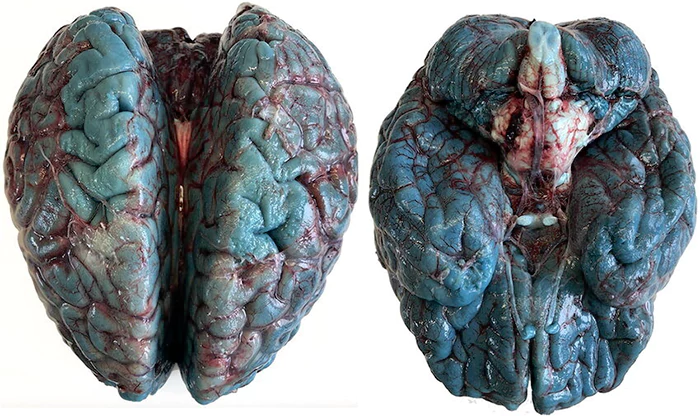
MB kann die Blut-Hirn-Schranke überwinden und nach der Injektion in den Körper selektiv in das Gehirngewebe eindringen. Dies wurde erstmals 1886 von Paul Ehrlich entdeckt, der es als "magische Kugel" bezeichnete, die zur selektiven Behandlung von Krankheiten in vivo eingesetzt werden kann. Dieses Konzept wurde zur Grundlage der modernen Chemotherapie. MB kann die Nervenzellen im Gehirn blau färben und sie so nach der Sektion sichtbar machen. Außerdem kann sich MB im Gehirn in höheren Konzentrationen als im Blut anreichern, was es zu einem geeigneten Kandidaten für die Beeinflussung von Gehirnfunktionen macht.
Mehrere Studien haben gezeigt, dass MB das Gedächtnis bei verschiedenen Arten von Lernaufgaben und in unterschiedlichen Bevölkerungsgruppen verbessern kann. Die gedächtnisfördernde Wirkung von MB wurde erstmals von (Martinez et al., 1978), in der festgestellt wurde, dass die Verabreichung von 1 mg/kg MB unmittelbar nach dem Training die Gedächtnisleistung bei einer hemmenden Vermeidungsaufgabe bei Ratten verbessert. Bei dieser Aufgabe mussten die Tiere lernen, eine dunkle Kammer zu meiden, in der ein leichter Elektroschock verabreicht wurde. (Callaway et al., 2002) fanden heraus, dass MB die Gedächtnisleistung bei der Objekterkennung, die Gewöhnung an eine vertraute Umgebung von einem Tag auf den anderen sowie die räumliche Gedächtnisleistung und das Umkehrlernen im geköderten Lochbrettlabyrinth bei Ratten erhöht. Bei diesen Aufgaben geht es um das Erkennen neuer Objekte oder Orte oder das Erlernen neuer Regeln. (Gonzalez-Lima & Bruchey, 2004) fanden heraus, dass MB die Gedächtnisleistung bei der Löschung der Pawlowschen Angstkonditionierung bei Ratten verbessert. Bei dieser Aufgabe geht es darum zu lernen, eine konditionierte Angstreaktion auf einen Reiz zu unterdrücken, der zuvor mit einem aversiven Ereignis gekoppelt war.
MB verbessert nachweislich die Gedächtnisleistung von Ratten bei verschiedenen Aufgaben, z. B. bei der Suche nach Futter, der Vermeidung von Gefahren, der Erkennung von Gegenständen und der Überwindung von Angst. Doch wie sieht es mit komplexeren Lernaufgaben aus, die wiederholtes Training über mehrere Tage hinweg erfordern? Diese Studie (Wrubel et al., 2007) untersuchten, wie MB das räumliche Unterscheidungsgedächtnis von Ratten beeinflusst, indem sie ein Lochkartenlabyrinth verwendeten. Die Ratten mussten lernen, welche Löcher mit Futter geködert waren und welche nicht. Die Forscher fanden heraus, dass Ratten, die nach jeder Trainingssitzung MB-Injektionen erhielten, schneller und besser lernten als Ratten, denen Kochsalzlösung injiziert wurde. Sie fanden auch heraus, dass MB die Aktivität eines Enzyms namens Cytochromoxidase im Rattenhirn erhöhte, das für die Energiegewinnung aus Sauerstoff verantwortlich ist. Die Aktivität der Cytochromoxidase im Gehirn war in der mit MB behandelten Gruppe um etwa 70% höher als bei den mit Kochsalzlösung behandelten Ratten. Dies deutet darauf hin, dass MB die Gedächtniskonsolidierung fördert, indem es die Energieversorgung der am Lernen beteiligten Gehirnregionen erhöht. Diese Studie zeigt, dass MB ein starker Gedächtnisverstärker ist, der das Lernen über mehrere Tage hinweg verbessern kann, indem er die Stoffwechselkapazität des Gehirns erhöht.
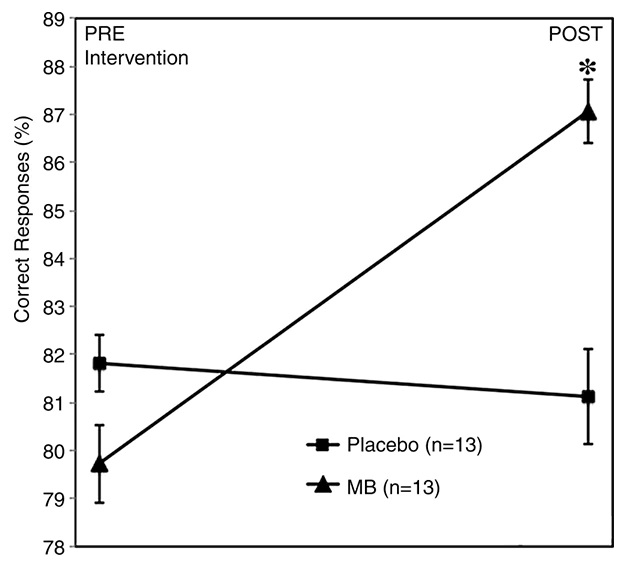
MB kann auch das Gedächtnis bei Menschen mit oder ohne kognitive Beeinträchtigung verbessern. Dies geschieht, indem es die Durchblutung und die Sauerstoffzufuhr zu den Gehirnzellen verbessert, wodurch diese wacher und effizienter werden. MB wurde in einer klinischen Studie getestet (Rodriguez et al. 2016) mit gesunden Freiwilligen, die vor und nach der Einnahme von MB bzw. eines Placebos funktionelle MRT-Scans durchführten. Die Forscher wollten herausfinden, wie sich MB auf die Gehirnregionen auswirkt, die an der anhaltenden Aufmerksamkeit und dem Kurzzeitgedächtnis beteiligt sind. Dauerhafte Aufmerksamkeit ist die Fähigkeit, über einen längeren Zeitraum konzentriert und aufmerksam zu bleiben. Das Kurzzeitgedächtnis ist die Fähigkeit, Informationen für einige Sekunden oder Minuten zu speichern und abzurufen.
Die Ergebnisse waren signifikant. MB erhöhte die Gehirnaktivität im insularen Kortex, einem Teil des Gehirns, der Aufmerksamkeit, Emotionen und Selbstwahrnehmung steuert. Es steigerte auch die Hirnaktivität im präfrontalen, parietalen und okzipitalen Kortex, also in den Teilen des Gehirns, die an der Kodierung, Speicherung und dem Abruf von Erinnerungen beteiligt sind. Auch die Gedächtnisleistung der Probanden verbesserte sich, da sie mehr Informationen korrekt abrufen konnten.
Diese Studie zeigt, dass niedrig dosiertes MB die Gehirnfunktion und die kognitiven Fähigkeiten verbessern kann, indem es die Durchblutung und die Sauerstoffzufuhr zu den Gehirnzellen erhöht. Sie zeigt auch, dass mit funktioneller MRT die Auswirkungen von MB auf das Gehirn in vivo gemessen werden können.
Zusammenfassung:
Methylenblau besitzt die einzigartige Fähigkeit, die Blut-Hirn-Schranke zu überwinden und sich direkt im Hirngewebe anzusammeln. Indem es sowohl die Energie als auch die Durchblutung steigert, zeigt es sowohl bei Tieren als auch bei Menschen mit oder ohne kognitive Beeinträchtigung ein beeindruckendes Potenzial zur Verbesserung der Gedächtnisleistung.
Mögliche Behandlung der Alzheimer-Krankheit.
Methylenblau ist eine vielseitige Substanz, die zur Bekämpfung der Alzheimer-Krankheit (AD) beitragen kann, einer verheerenden Krankheit, von der weltweit Millionen von Menschen betroffen sind. Alzheimer verursacht einen fortschreitenden Gedächtnisverlust, kognitiver Verfallund Verhaltensänderungen aufgrund der Anhäufung abnormaler Proteinablagerungen und der Schädigung von Gehirnzellen. MB wirkt nachweislich einigen der Hauptmerkmale von Alzheimer entgegen, indem es in mehrere zelluläre und molekulare Prozesse eingreift, die an der Krankheit beteiligt sind. MB kann die Bildung von Amyloid-Plaques und neurofibrillären Knäueln verhindern, die das Markenzeichen von Alzheimer sind. Methylenblau hat eine hemmende Wirkung auf den cGMP-Signalweg. MB kann auch die Funktion und den Stoffwechsel der Mitochondrien verbessern. Es kann auch verschiedene Neurotransmittersysteme wie Acetylcholin, Serotonin und Glutamat modulieren, die für Gedächtnis, Stimmung und Lernen wichtig sind. Durch die Beeinflussung dieser verschiedenen Aspekte der Alzheimer-Krankheit kann MB das Fortschreiten der Krankheit verlangsamen und die Lebensqualität von Alzheimer-Patienten verbessern (Oz et al., 2009).
Tau ist ein Protein, das normalerweise dazu beiträgt, die Struktur der Nervenzellen im Gehirn zu stabilisieren. Bei einigen Krankheiten, wie z. B. Alzheimer, wird es jedoch abnormal und bildet Klumpen, sogenannte Fibrillen, die die Zellen schädigen. Wissenschaftler suchen nach Möglichkeiten, Tau an der Bildung von Fibrillen zu hindern und das Gehirn vor Degeneration zu schützen. Eine Möglichkeit besteht darin, kleine Moleküle zu verwenden, die die Fibrillierung von Tau stören können.
MB kann verhindern, dass Tau Fibrillen bildet, indem es seine chemische Struktur verändert (Crowe et al., 2013).
Dies geschieht, indem es Elektronen an die beiden Cysteinreste in Tau abgibt, die Aminosäuren sind, die Schwefel enthalten. Dadurch bildet Tau eine Disulfidbindung, also eine Verbindung zwischen zwei Schwefelatomen. Dadurch wird Tau kompakter und neigt weniger dazu, Fibrillen zu bilden. Dies funktioniert jedoch nur bei einer Art von Tau, dem so genannten 4-R-Tau, das vier Wiederholungen einer bestimmten Sequenz aufweist. Ein anderer Tau-Typ, das so genannte 3-R-Tau, das drei Wiederholungen hat, kann auch nach der Oxidation durch MB noch Fibrillen bilden. Tatsächlich kann MB 3-R-Tau dazu bringen, Dimere zu bilden, d. h. Molekülpaare, die als Keimzellen für die Fibrillenbildung dienen können. MB kann auch Cysteinreste in anderen Molekülen oxidieren, die nicht mit Tau verwandt sind. Dies bedeutet, dass MB unerwünschte Nebenwirkungen auf andere zelluläre Funktionen haben kann.
MB wird derzeit in klinischen Studien als neuartige Behandlung für Alzheimer getestet.
Zusammenfassung:
Methylene Blue’s potential against Alzheimer’s lies in its multi-pronged attack, hindering plaque formation, protecting mitochondria, and even preventing a specific form of harmful Tau protein from clumping, offering hope for slowing disease progression and improving quality of life for patients.
Mögliche Behandlung der Parkinson-Krankheit.
Die Parkinson-Krankheit (PD) ist eine neurodegenerative Erkrankung, von der weltweit Millionen von Menschen betroffen sind. Sie verursacht einen fortschreitenden Verlust von Dopamin produzierenden Neuronen im Gehirn, was zu Symptomen wie Zittern, Steifheit, Verlangsamung der Bewegungen und Gleichgewichtsstörungen führt. Morbus Parkinson wirkt sich auch auf andere Aspekte des Gehirns aus, z. B. auf den Geruchssinn, der in den frühen Stadien der Krankheit oft eingeschränkt ist oder verloren geht.
Eine der Hauptursachen für Parkinson ist oxidativer Stress, d. h. ein Ungleichgewicht zwischen der Produktion und dem Abbau schädlicher Moleküle, der so genannten freien Radikale. Diese freien Radikale können die Mitochondrien schädigen, die Kraftwerke der Zellen, die Energie produzieren. Wenn die Mitochondrien beschädigt sind, können die Zellen nicht mehr richtig funktionieren und sterben schließlich ab.
Wissenschaftler haben nach Möglichkeiten gesucht, die Mitochondrien vor oxidativem Stress zu schützen und ihre Energieproduktion zu steigern. Ein vielversprechender Kandidat ist Methylenblau.
Jüngste Studien haben gezeigt, dass MB den Verlust von Dopamin-Neuronen verhindern oder verringern und die motorischen Funktionen in Tiermodellen von Morbus Parkinson verbessern kann, die Toxinen ausgesetzt sind, die die Krankheit imitieren. In diesen Studien wurden jedoch akute Toxinmodelle verwendet, die die chronische Natur von Parkinson nicht vollständig widerspiegeln. Außerdem wurde in keiner Studie untersucht, ob MB auch die Geruchsfunktion verbessern kann, die ein wichtiges nicht-motorisches Merkmal der Parkinson-Krankheit ist.
Um diese Lücken zu schließen, injizierten die Forscher in dieser Studie Mäusen ein Toxin namens MPTP, das PD-ähnliche Symptome und Neurodegeneration verursacht (Biju et al., 2018). Sie verabreichten den Mäusen zehn Dosen MPTP über einen Zeitraum von 35 Tagen, zusammen mit einem Medikament namens Probenecid, das den Eintritt von MPTP in das Gehirn fördert. Anschließend behandelten sie einige der Mäuse mit niedrigen Dosen von MB in ihrem Trinkwasser, und zwar ab dem Zeitpunkt, an dem sie eine Abnahme ihres Geruchssinns bemerkten.
Die Mäuse, die MB erhielten, zeigten eine deutliche Verbesserung ihrer motorischen Koordination im Vergleich zu den Mäusen, die kein MB erhielten. Sie hatten auch mehr Dopamin-Neuronen in ihrem Gehirn und mehr Dopamin-Terminals in ihrem Striatum, der Region, die die Bewegung kontrolliert. Am wichtigsten ist, dass ihr Geruchssinn durch die MB-Behandlung wiederhergestellt wurde, während er bei den unbehandelten Mäusen beeinträchtigt blieb.
Diese Ergebnisse deuten darauf hin, dass niedrige MB-Dosen sowohl motorische als auch nicht-motorische Funktionen bei Morbus Parkinson schützen können, indem sie die mitochondriale Funktion verbessern und den oxidativen Stress reduzieren.
Dies macht MB zu einer potenziellen Behandlung von Morbus Parkinson, die wirksamer und sicherer sein könnte als die derzeitigen Medikamente, da sie im Gegensatz zu den modernen Medikamenten, die nur die motorischen Symptome bekämpfen und viele Nebenwirkungen haben, auf die eigentliche Ursache der Krankheit abzielt. Außerdem kann MB leicht oral verabreicht werden, ist kostengünstig und wird seit langem klinisch eingesetzt.
Bevor MB jedoch bei Parkinson-Patienten eingesetzt werden kann, sind weitere Studien erforderlich, um seine Sicherheit und Wirksamkeit beim Menschen zu bestätigen.
Zusammenfassung:
Methylene Blue’s ability to shield mitochondria and boost dopamine production holds promise for treating both movement and non-motor symptoms in Parkinson’s disease, potentially offering a safer and more comprehensive approach than existing therapies.
Methylenblau als Nootropikum.
Viele Menschen, die Methylenblau verwenden, sagen, dass es ihnen hilft, komplexe Themen besser und schneller zu verstehen. Sie sagen, dass sie sich leicht an das Gelernte erinnern und es in verschiedenen Situationen anwenden können. Methylenblau scheint das Verständnis und das Behalten von Informationen auf Anhieb zu verbessern. Wenn Sie ein Student sind, sollten Sie es vielleicht einmal ausprobieren.
Viele Menschen berichten auch, dass Methylenblau ihre Stimmung verbessert. Sie sagen, dass es ihnen hilft, die negativen Aspekte ihrer Erfahrungen zu vergessen und sich auf die positiven zu konzentrieren. Methylene Blue kann helfen, Ihr Gehirn neu zu verdrahten, um Stress und Angst zu reduzieren, sogar in niedrigeren Dosierungen.
Manche Menschen sagen, dass sie sich durch Methylenblau energiegeladener und selbstbewusster fühlen. Sie sagen, dass es ihre körperliche Leistungsfähigkeit und Erholung steigert.
Manche Menschen sagen auch, dass es ihre Schlafqualität und -dauer verbessert. Sie sagen, dass sie sich beim Aufwachen erfrischt und bereit für den Tag fühlen. Methylenblau kann helfen, den zirkadianen Rhythmus zu regulieren, den natürlichen Zyklus der Körperuhr.
Methylenblau ist ein Nootropikum, das viele Vorteile für Ihr Gehirn und Ihren Körper bieten kann. Es kann Ihnen helfen, besser zu lernen, sich besser zu erinnern, sich glücklicher zu fühlen, mehr zu leisten und tiefer zu schlafen.
Zusammenfassung:
Methylene Blue’s reported nootropic benefits, ranging from improved learning and mood to enhanced physical performance and sleep, make it a promising candidate for a potential one-stop shop for enhancing both cognitive function and overall well-being.
Lyme-Krankheit und Co-Infektionen.
Die meisten Menschen mit Lyme-Borreliose können mit Antibiotika geheilt werden, aber einige von ihnen leiden dennoch unter langfristigen Komplikationen. Dieser Zustand wird als Post-Treatment-Lyme-Disease-Syndrom (PTLDS) bezeichnet und kann die Lebensqualität der Patienten beeinträchtigen. Der Grund, warum manche Menschen ein PTLDS entwickeln, ist unklar, könnte aber mit dem Fortbestehen der Bakterien zusammenhängen, die die Lyme-Borreliose verursachen. Diese Bakterien, Borrelia burgdorferi genannt, können sich im Körper verstecken und der Wirkung von Antibiotika widerstehen.
Daher besteht ein Bedarf an neuen Medikamenten, die Borrelia burgdorferi wirksamer abtöten und PTLDS verhindern können.
Im Labor hat MB antibiotikaresistente Lyme-Bakterien wirksam abgetötet (Feng et al, 2015). In dieser Studie berichten sie von 113 weiteren Medikamenten, die eine noch höhere Aktivität aufweisen als die derzeit bei Borreliose eingesetzten Antibiotika.
Die Kombination von Methylenblau mit Antibiotika erhöht auch die Wirksamkeit der Antibiotika, die die Borreliose bekämpfen (Horowitz & Freeman, 2022).
Studien haben auch gezeigt, dass die Kombination von Methylenblau mit Antibiotika bei der Behandlung anderer Arten von Bartonella-Infektionen wirksamer ist als Antibiotika allein (Zheng et al., 2020). Bartonella henselae ist ein gramnegatives Bakterium, das durch das Kratzen einer Katze in Gegenwart von Ektoparasiten auf den Menschen übertragen wird. Bei Menschen, die mit B. henselae infiziert sind, können verschiedene klinische Erkrankungen auftreten, darunter lokale Lymphadenopathie und schwerwiegendere systemische Erkrankungen wie persistierende Bakteriämie und Endokarditis. Von allen in der Studie zur Verfügung stehenden Medikamenten waren Methylenblau und Rifampin die aktivsten Wirkstoffe gegen den Biofilm von B. henselae nach 6 Tagen Medikamentenexposition. Antibiotika-Kombinationen (Azithromycin/Ciprofloxacin, Azithromycin/Methylenblau, Rifampin/Ciprofloxacin, Rifampin/Methylenblau) töteten den Biofilm B. henselae nach 6-tägiger Behandlung vollständig ab.
Zusammenfassung:
Methylenblau zeigt sowohl allein als auch in Kombination mit Antibiotika ein vielversprechendes Potenzial zur Ausrottung von antibiotikaresistenten Lyme- und Bartonella-Bakterien. Dies macht es zu einem vielversprechenden Mittel für die Behandlung chronischer Infektionen und der damit verbundenen Komplikationen.
Malaria.
Methylenblau ist eine synthetische Verbindung, die schon seit langem zur Bekämpfung von Malaria eingesetzt wird. Es war das erste von Menschen hergestellte Medikament gegen den tödlichen Parasiten und wurde in den späten 1800er und frühen 1900er Jahren häufig eingesetzt. Doch MB ist nicht nur ein Relikt der Vergangenheit. Neuere Forschungen haben gezeigt, dass MB immer noch eine wirksame Waffe gegen Malaria sein kann, vor allem in Kombination mit anderen Medikamenten. Es kann Plasmodium falciparum, die gefährlichste Art von Malaria, in Labortests, bei Mäusen und Affen abtöten. Es kann auch die Resistenz überwinden, die einige Stämme von P. falciparum und P. vivax gegen andere Malariamittel entwickelt haben. Darüber hinaus kann MB die Übertragung von Malaria reduzieren, indem es die Gametozyten abtötet, das sexuelle Stadium des Parasiten, das die Moskitos infiziert. Dies macht es zu einem vielversprechenden Partner für die Artemisinin-basierte Kombinationstherapie (ACT), die derzeitige Standardbehandlung für Malaria. ACT zielt darauf ab, die Malaria in den endemischen Regionen zu eliminieren, steht jedoch vor Herausforderungen wie Arzneimittelresistenz und schlechter Compliance. MB könnte die Wirksamkeit und Sicherheit von ACT erhöhen, indem es die parasitenabtötende Wirkung verstärkt und die Nebenwirkungen verringert.
Diese Studie (Lu et al., 2018) wertet die bis Anfang 2017 veröffentlichte wissenschaftliche Literatur aus, um einen Überblick über die potenziellen Vorteile und Risiken des Einsatzes von MB zur Behandlung von Malaria zu geben.
Die Studie analysierte 22 Artikel, die über 21 Studien mit 1504 Malariapatienten (zwei Drittel davon waren Kinder) berichteten. Die älteren Studien konzentrierten sich auf MB als Einzelmedikament, während in den neueren Studien MB in Kombination mit anderen Malariamitteln getestet wurde. Die Ergebnisse zeigten, dass MB in verschiedenen Regionen hochwirksam gegen Malaria war und die Übertragung des Parasiten stark reduzierte, indem es die Gametozyten abtötete, das sexuelle Stadium, das die Moskitos infiziert. Außerdem verstärkte es die Wirkung der Artemisinin-basierten Kombinationstherapie (ACT), der derzeitigen Standardbehandlung gegen Malaria. ACT zielt darauf ab, die Malaria in den endemischen Regionen zu eliminieren, steht jedoch vor Herausforderungen wie Arzneimittelresistenz und schlechter Compliance. MB könnte die Wirksamkeit und Sicherheit von ACT verbessern, indem es die parasitenabtötende Wirkung steigert und die Nebenwirkungen verringert.
Die häufigsten Nebenwirkungen von MB waren leichte urogenitale und gastrointestinale Symptome sowie eine Blaufärbung des Urins. Bei Menschen mit Glukose-6-Phosphat-Dehydrogenase (G6PD)-Mangel, einer genetischen Erkrankung, die sich auf die roten Blutkörperchen auswirkt, verursachte MB einen leichten, aber klinisch nicht signifikanten Abfall der Hämoglobinwerte.
Die Studie kam zu dem Schluss, dass weitere Forschungsarbeiten erforderlich sind, um die Auswirkungen von MB auf Malaria außerhalb Afrikas und auf Plasmodium vivax, eine andere Art von Malariaparasiten, zu untersuchen. Die Studie legt auch nahe, dass die Zugabe von MB zu ACT eine wertvolle Strategie zur Verhinderung der Resistenzentwicklung und zur Verringerung der Übertragung in Kontroll- und Eliminierungsprogrammen sein könnte.
Zusammenfassung:
Methylene Blue’s effectiveness in killing resistant malaria parasites and enhancing standard treatment, while reducing transmission, makes it a promising tool for tackling malaria, especially in areas facing resistance.
Methylenblau bei Methämoglobinämie.
Methämoglobinämie ist ein ernsthafter Zustand, der die Sauerstofftransportkapazität des Blutes verringert. Sie tritt auf, wenn einige oder alle Eisenatome in den Hämoglobinmolekülen von der normalen Eisenform [Fe2+] in die anormale Oxidationsform des Eisens [Fe3+] übergehen. Wenn Hämoglobin so oxidiert ist, dass es Eisen in der Eisenform enthält, kann das Eisen keinen Sauerstoff mehr binden und transportieren, da es bereits oxidiert ist, so dass Ihr Blut weniger effizient Sauerstoff an das Gewebe abgeben kann. Die Farbe des Blutes verändert sich deutlich, von normalem Rot zu Dunkelbraun oder Schokolade. Dies verursacht eine funktionelle Anämie, die lebensbedrohlich sein kann. Die Behandlung der Methämoglobinämie umfasst die Beseitigung der Ursache der Erkrankung und die Verabreichung des Gegenmittels Methylenblau (Tetramethylthioninchlorid) (Ludlow, 2022).
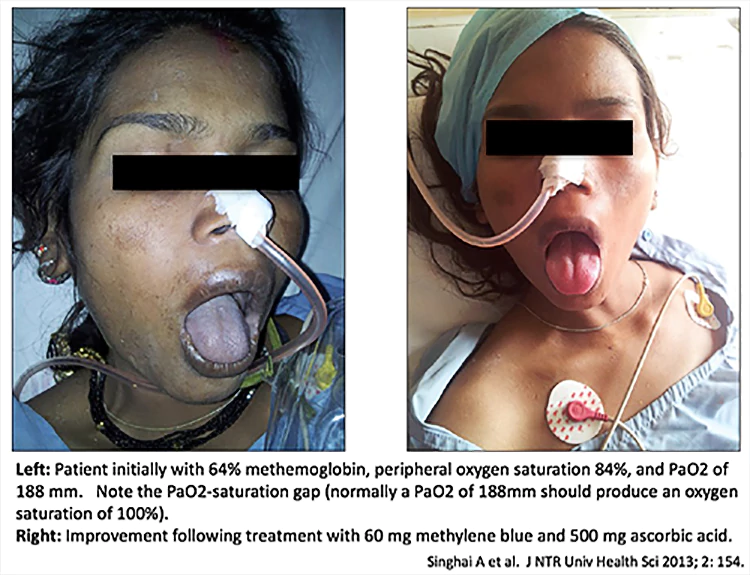
Methylenblau wirkt durch Interaktion mit einem sekundären Stoffwechselweg, der Methämoglobin wieder zu Hämoglobin reduziert. An diesem Weg ist ein Enzym namens NADPH-MetHb-Reduktase beteiligt, das NADPH aus dem G6PD-abhängigen Hexose-Monophosphat-Shunt verwendet, um Methylenblau zu Leukomethylenblau zu reduzieren. Leukomethylenblau fungiert dann als Elektronendonator für die Reduktion von Methämoglobin zu Hämoglobin. Methylenblau ist in der Regel sehr wirksam und schnell bei der Behandlung einer durch äußere Faktoren verursachten Methämoglobinämie. Sie sollten Methylenblau erhalten, wenn Ihr Methämoglobinwert über 20-30% liegt oder wenn Sie Symptome wie Kopfschmerzen, Schwindel, Kurzatmigkeit oder Brustschmerzen haben. Die Dosis von Methylenblau beträgt 1-2 mg/kg (0,1-0,2 ml/kg 1%-Lösung), die über 5 Minuten intravenös verabreicht wird. Möglicherweise benötigen Sie nach 30-60 Minuten eine zweite Dosis, wenn sich Ihre Symptome oder Werte nicht verbessern.
Methylenblau hat einige Nebenwirkungen, über die Sie sich im Klaren sein sollten. Die häufigste ist, dass sich Ihr Urin grün oder blau färbt, aber das ist harmlos und vorübergehend. Methylenblau kann jedoch auch einige ernsthafte Nebenwirkungen haben, da es ein Oxidationsmittel und ein Hemmstoff der Monoaminoxidase A (MAO-A) ist. Als Oxidationsmittel kann Methylenblau paradoxerweise eine Methämoglobinämie verschlimmern oder eine Hämolyse (Zerstörung der roten Blutkörperchen) verursachen, wenn es in besonders hohen Dosen verabreicht oder nicht ordnungsgemäß reduziert wird. Als MAO-A-Hemmer kann Methylenblau mit einigen Medikamenten interagieren, die den Serotoninspiegel beeinflussen, wie z. B. Antidepressiva, und ein Serotoninsyndrom verursachen, wenn es in hohen Dosen verabreicht wird. Methylenblau wird auch nicht für Neugeborene oder schwangere Frauen empfohlen, da sie empfindlicher auf Oxidationsmittel reagieren und Methylenblau den Fötus schädigen kann.
Zusammenfassung:
Wenn sich Ihr Blut bräunlich und Ihr Urin blau verfärbt, besteht der Verdacht auf Methämoglobinämie und Sie sollten sofort einen Arzt aufsuchen, um Methylenblau zu behandeln, ein schnelles und wirksames Gegenmittel.
Methylenblau bei septischem Schock und Vasoplegie.
Methylenblau ist auch ein mögliches Mittel zur Behandlung von septischem Schock, einem lebensbedrohlichen Zustand, der eintritt, wenn die Reaktion des Körpers auf eine Infektion zu niedrigem Blutdruck und Organversagen führt (Puntillo et al., 2020).
Methylenblau blockiert die Produktion von Stickstoffmonoxid, einem Molekül, das die Blutgefäße entspannt und weitet. Auf diese Weise kann Methylenblau Ihren Blutdruck erhöhen und den Blutfluss zu Ihren Organen verbessern. Methylenblau kann Ihnen von Ihrem Arzt verabreicht werden, wenn andere Medikamente, sogenannte Vasopressoren, nicht ausreichend wirksam sind.
Methylenblau kann auch bei anderen Erkrankungen helfen, die mit niedrigem Blutdruck zusammenhängen, z. B. bei Vasoplegie. Vasoplegie ist ein Zustand mit niedrigem Gefäßwiderstand, der nach einer Herzoperation oder bei septischem Schock auftreten kann. Methylenblau kann dazu beitragen, den normalen Tonus und die normale Reaktionsfähigkeit der Blutgefäße wiederherzustellen.
Methylenblau ist jedoch nicht ohne Risiken.
Wenn Sie unter hohem Blutdruck leiden, sollten Sie bei der Einnahme von Methylenblau sehr vorsichtig sein. Methylenblau kann Ihren Blutdruck zu stark erhöhen und ernsthafte Komplikationen verursachen.
Zusammenfassung:
Methylene Blue’s ability to raise blood pressure and improve blood flow makes it a promising treatment for septic shock and other conditions related to low blood pressure, but use caution if you already have high blood pressure.
Pilzinfektionen.
Methylenblau hilft bei Pilzinfektionen auf ähnliche Weise wie bei bakteriellen Infektionen.
Traditionell wird es in der Aquakultur verwendet. Methylenblau ist ein für Aquarien geeignetes Desinfektionsmittel und kann auch zur Behandlung von Ammoniak- und Nitritvergiftungen verwendet werden. In der Aquakultur dient es als Antipilz- und Antiparasitikum. Sie wird üblicherweise zur Behandlung von Fischeiern verwendet, um sicherzustellen, dass sie nicht durch Pilzbefall verloren gehen.
Es wird auch in der Medizin zur Behandlung von Pilzinfektionen beim Menschen eingesetzt. Millionen von Menschen leiden unter Zehennagelpilz, Mundsoor, schwereren Formen von Candida-Infektionen und allen anderen Arten von Pilzinfektionen.
Zehennagelpilz wird durch eine Pilzart namens Trichophyton rubrum verursacht. Zehennagelpilz ist mit herkömmlichen Medikamenten schwer zu behandeln, da diese Nebenwirkungen haben können oder unwirksam sind. Aus diesem Grund erforschen einige Forscher eine neue Methode zur Behandlung von Zehennagelpilz: die photodynamische Therapie (PDT) mit Methylenblau.
Die PDT ist ein Verfahren, bei dem ein Farbstoff und Licht verwendet werden, um Pilzzellen abzutöten. In dieser Studie (Figueiredo Souza et al., 2014) testeten die Forscher die Wirkung der PDT mit MB bei 22 Patienten mit Zehennagelpilz. Sie teilten die Patienten in zwei Gruppen ein: eine Gruppe hatte schweren Zehennagelpilz, die andere Gruppe leichten bis mittelschweren Zehennagelpilz. Sie trugen eine 2%-MB-Lösung auf die betroffenen Nägel auf und bestrahlten sie mit einer Leuchtdiode (LED) mit einer Wellenlänge von 630 nm und einer Energie von 36 J/cm2. Diesen Vorgang wiederholten sie sechs Monate lang alle zwei Wochen.
Alle Patienten mit leichtem bis mittelschwerem Zehennagelpilz wurden durch die PDT mit MB geheilt, während 63,6% der Patienten mit schwerem Zehennagelpilz eine Besserung zeigten. Dies bedeutet, dass die PDT mit MB eine vielversprechende Behandlung für Zehennagelpilz ist, insbesondere für leichte bis mittelschwere Fälle. Es sind jedoch weitere Forschungsarbeiten erforderlich, um die Sicherheit und Wirksamkeit der Behandlung in größeren Studien zu bestätigen.
Candida albicans ist ein weiterer gefährlicherer Pilz, der beim Menschen Infektionen hervorrufen kann, vor allem wenn das Immunsystem geschwächt ist. Diese Infektionen können ernst und sogar lebensbedrohlich sein. Leider kann C. albicans gegen die üblichen Antimykotika resistent werden, was die Behandlung erschwert. Deshalb suchen Forscher nach neuen Wegen zur Bekämpfung dieses Pilzes.
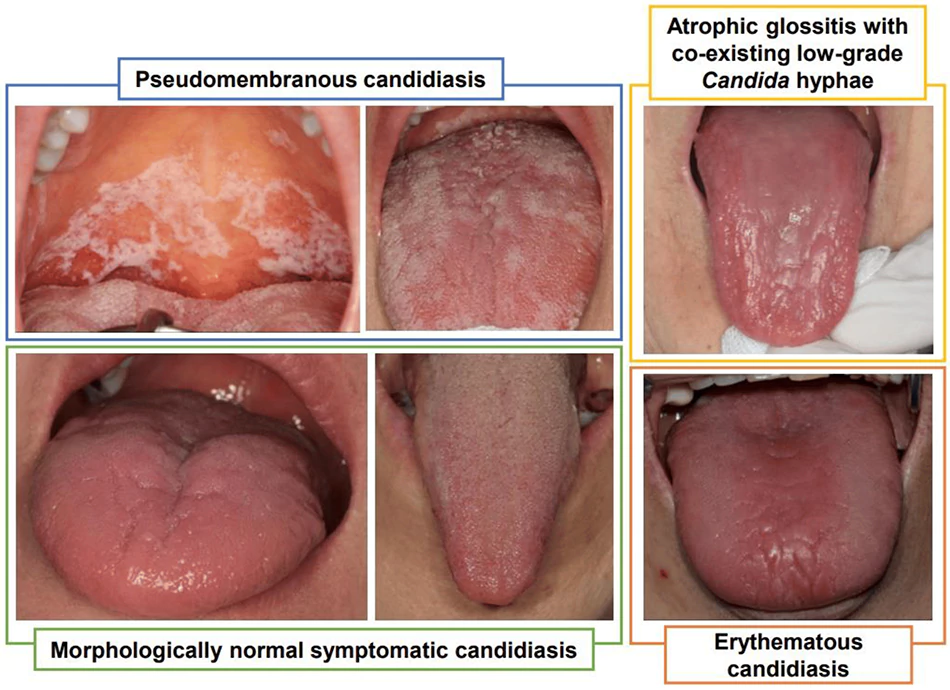
Methylenblau kann auch Pilze wie Candida albicans abtöten, die vaginale Hefeinfektionen verursachen können.
MB zielt auf drei Hauptaspekte von Candida albicans ab: seine Mitochondrien, seinen Redoxzyklus und seine Membran. Mitochondrien sind die Teile der Zelle, die Energie produzieren, und der Redoxzyklus ist der Prozess der Übertragung von Elektronen zwischen Molekülen. MB stört diese beiden Prozesse, so dass die Pilzzellen Energie und Gleichgewicht verlieren. MB schädigt auch die Membran. Es macht die Membran undicht und schwach, was es anderen Medikamenten oder dem Immunsystem erleichtert, die Pilzzellen anzugreifen.
Ein weiteres wichtiges Merkmal von Candida albicans ist seine Fähigkeit, die Form von Hefe zu Hyphen. Hefen sind rund und einzellig, während Hyphen lange und verzweigte Strukturen sind. Mithilfe von Hyphen kann Candida albicans in Gewebe eindringen und dem Immunsystem entkommen, wodurch er ansteckender oder schädlicher wird. MB hindert Candida albicans daran, sich in Hyphen zu verwandeln, und hält ihn so in der weniger gefährlichen Hefeform.
Es kann auch als Antimykotikum wirken, indem es oxidativen Stress in Pilzzellen verursacht. Dies könnte eine nützliche Methode zur Behandlung von Candida albicans-Infektionen und zur Vermeidung von Arzneimittelresistenzen sein, die ein großes Problem bei der Pilztherapie darstellen.
In dieser Studie (Ansari et al., 2016), Sie testeten die Fähigkeit von Methylenblau, Pilzzellen abzutöten, indem sie ihre Mitochondrien und Membranen beschädigen. Sie fanden heraus, dass MB gut gegen C. albicans und zwei andere Arten von Candida wirkt, die ebenfalls Infektionen verursachen können. Sie fanden auch heraus, dass MB nicht durch die Medikamentenpumpen beeinträchtigt wird, die Candida verwendet, um Antimykotika loszuwerden. Sie zeigten, dass mit MB behandelte Candida-Zellen auf einer zuckerfreien Quelle nicht gut wachsen konnten, was bedeutet, dass ihre Mitochondrien beeinträchtigt waren. Sie zeigten auch, dass mit MB behandelte Candida-Zellen empfindlicher auf ein Detergens namens SDS reagierten, das ihre Membranen auflöst. Sie sahen dies unter dem Mikroskop, wo wir Löcher und Risse in den Membranen der mit MB behandelten Candida-Zellen sahen. Sie maßen auch die Menge an Ergosterin, einer Fettart, die für die Membranen der Pilzzellen wichtig ist. Sie fanden heraus, dass MB den Ergosterinspiegel um 66% reduzierte, was bedeutet, dass es die Zusammensetzung der Membranen veränderte. Außerdem zeigte die Studie, dass MB Candida daran hinderte, seine Form von Hefe zu Hyphen zu verändern. Dies ist ein Schlüsselmerkmal für die Virulenz von Candida, d. h. seine Fähigkeit, Krankheiten zu verursachen.
Diese Studie zeigt, dass MB ein vielversprechendes Antimykotikum ist, das auf verschiedene Aspekte des Wachstums und Überlebens von Candida abzielen kann. Es könnte verwendet werden, um Candida-Infektionen wirksamer und sicherer zu behandeln. Es sind jedoch weitere Forschungsarbeiten erforderlich, um den Nutzen und die Risiken dieses Mittels beim Menschen zu bestätigen.
Zusammenfassung:
Methylene Blue’s multifaceted attack on fungal cells, including energy disruption, membrane damage, and shape-shifting prevention, makes it a promising candidate for treating various fungal infections, potentially offering advantages over conventional antifungal drugs.
Verwendung von Methylenblau und Dosierungen.
Die Dosierung von Methylenblau hängt vom Verwendungszweck und dem Produkt ab, das Sie verwenden. Für Methämoglobinämie gibt es zwei verschiedene Stärken von Methylenblau-Injektion: 1% und 0,5%. Die 1%-Injektion wird bei arzneimittelinduzierter Methämoglobinämie verwendet, die 0,5%-Injektion bei erworbener Methämoglobinämie.
Für nootropische Zwecke beträgt die MB-Dosierungsempfehlung 0,5 bis 4 mg/kg Körpergewicht pro Tag. Diese Dosis kann oral oder sublingual (unter der Zunge) eingenommen werden. Manche Menschen ziehen es vor, es in Wasser aufzulösen und es über den Tag verteilt zu trinken.
Die Dosierung von MB für nootropische Zwecke ist nicht gut erforscht, daher sollten Sie mit der niedrigsten Dosis von 0,5 mg/kg beginnen und sehen, wie Sie sich fühlen. Sie können eine weitere Dosis einnehmen, wenn Sie keine Wirkung bemerken.
MB ist wasserlöslich, so dass Sie es nicht mit Nahrung oder Fett einnehmen müssen.
MB hat eine Halbwertszeit von etwa 5 Stunden, so dass Sie es zweimal täglich einnehmen können.
Beachten Sie jedoch, dass es Ihren Mund, Ihre Zähne, Ihren Urin und Ihre Fäkalien blau oder grün färben kann. MB ist dafür bekannt, dass es den Urin blau färbt, aber dies geschieht in der Regel nur bei Dosen von mehr als 500 mcg.

Liposomales Methylenblau.
Liposomen können als Träger für Arzneimittel oder andere Substanzen dienen und diese an bestimmte Ziele im Körper bringen. Liposomales Methylenblau hat einige Vorteile gegenüber freiem Methylenblau, wie z. B.:
- Es kann die zelluläre Aufnahme von Methylenblau verbessern, das sonst nur schlecht von der Zellmembran aufgenommen wird.
- Es kann Methylenblau vor dem Abbau oder der Ausscheidung durch den Körper schützen und seine Wirkungsdauer verlängern.
- Es kann die Nebenwirkungen von Methylenblau, wie z. B. die Blau- oder Grünfärbung der Haut, des Mundes, des Urins und des Stuhls, verringern.
- Es kann die Wirksamkeit von Methylenblau als Mittel der photodynamischen Therapie (PDT) verbessern, einer Technik, bei der Licht und ein Photosensibilisator eingesetzt werden, um schädliche Zellen abzutöten.
Liposomales Methylenblau wurde für verschiedene Anwendungen untersucht, z. B. für
- Behandlung von Pilzinfektionen, wie z. B. Candida albicans, die Mundsoor, vaginale Hefepilzinfektionen oder systemische Infektionen verursachen können. Liposomales Methylenblau kann die Pilzzellwand und den Biofilm durchdringen und bei Lichteinwirkung reaktive Sauerstoffspezies (ROS) erzeugen, die die Pilzzellen schädigen können.
- Behandlung von Krebszellen, wie z. B. Brustkrebszellen, die schnell wachsen und sich ausbreiten können. Liposomales Methylenblau kann Krebszellen angreifen und bei Aktivierung durch Licht die Apoptose oder den programmierten Zelltod auslösen.
Methylenblau Nebenwirkungen.
Methylenblau zeigt eine hermetische Dosis-Wirkung, mit entgegengesetzten Wirkungen bei niedrigen und hohen Dosen.
Mit anderen Worten: Niedrigere Dosen von Methylenblau wirken gut als Nootropikum. Hohe Dosen hingegen nicht. Nebenwirkungen mit Methylenblau sind selten, wenn die Dosis unter 2 mg/kg liegt.
Mögliche Nebenwirkungen von (Bistas, 2023) Methylenblau enthalten:
- Serotonin-Syndrom
- Bluthochdruck
- Allergische Reaktionen
- Kopfschmerzen
- Übelkeit, Erbrechen
- Schwierigkeiten beim Atmen
- Engegefühl in der Brust
- Halsweh
- Ungewöhnliche Blutungen oder Blutergüsse
- Ungewöhnliche Müdigkeit oder Schwäche
- Abbau der roten Blutkörperchen
Methylenblau kann auch Ihre Haut, Ihren Mund, Ihren Urin und Ihre Fäkalien blau oder grün färben. Methylenblau kann auch mit einigen anderen Medikamenten oder Chemikalien wie Wasseraufbereitungsmitteln oder Antibiotika interagieren.
Verwenden Sie Methylenblau nicht, wenn Sie schwanger sind oder stillen. Oder wenn Sie mit irgendeiner Art von Nierenschwäche zu tun haben.
Risiko eines Serotonin-Syndroms.
Methylenblau kann einige schwerwiegende oder tödliche Nebenwirkungen verursachen, insbesondere wenn es in Kombination mit serotonergen Medikamenten verwendet wird. Serotonergika sind Medikamente, die den Serotoninspiegel beeinflussen, einen Neurotransmitter, der Stimmung, Schlaf, Appetit und andere Funktionen reguliert. Einige Beispiele für serotonerge Medikamente sind selektive Serotonin-Wiederaufnahmehemmer (SSRI), Serotonin- und Noradrenalin-Wiederaufnahmehemmer (SNRI) und Monoaminoxidasehemmer (MAOI). Diese Medikamente werden üblicherweise zur Behandlung von Depressionen, Angstzuständen und anderen psychischen Störungen eingesetzt.
Wenn Methylenblau zusammen mit serotonergen Arzneimitteln verwendet wird, kann es zu einem Zustand kommen, der als Serotonin-Syndrom bezeichnet wird. Dabei handelt es sich um eine potenziell lebensbedrohliche Reaktion, die auftritt, wenn zu viel Serotonin im Körper vorhanden ist. Zu den Symptomen des Serotonin-Syndroms gehören Unruhe, Verwirrung, schneller Herzschlag, hoher Blutdruck, Fieber, Schwitzen, Zittern, Muskelzuckungen, Zittern, überaktive Reflexe, schlechte Koordination, Übelkeit, Erbrechen, Durchfall und Halluzinationen. In schweren Fällen kann das Serotonin-Syndrom zu Krampfanfällen, Koma und Tod führen.
Daher sollten Sie Methylenblau nicht zusammen mit serotonergen Arzneimitteln anwenden. Außerdem sollten Sie Ihren Arzt über alle Medikamente und Nahrungsergänzungsmittel informieren, die Sie einnehmen, bevor Sie Methylenblau verwenden. Außerdem sollten Sie sofort einen Arzt aufsuchen, wenn bei Ihnen Symptome eines Serotonin-Syndroms auftreten.
WARNUNG:
Vermeiden Sie es, Methylenblau mit serotonergen Medikamenten (einschließlich Antidepressiva) zu kombinieren, da deren Wechselwirkung eine potenziell tödliche Serotonin-Überdosis auslösen kann; konsultieren Sie Ihren Arzt, bevor Sie es einnehmen, und suchen Sie sofort ärztliche Hilfe auf, wenn Sie beunruhigende Symptome verspüren.
Wechselwirkungen mit Medikamenten.
Einige der Arzneimittelwechselwirkungen von MB sind:
- Serotonerge Medikamente: Dies sind Medikamente, die den Serotoninspiegel beeinflussen, einen Neurotransmitter, der Stimmung, Schlaf, Appetit und andere Funktionen reguliert. Einige Beispiele für serotonerge Medikamente sind selektive Serotonin-Wiederaufnahmehemmer (SSRI), Serotonin- und Noradrenalin-Wiederaufnahmehemmer (SNRI) und Monoaminoxidasehemmer (MAOI). Diese Medikamente werden üblicherweise zur Behandlung von Depressionen, Angstzuständen und anderen psychischen Störungen eingesetzt. Wenn MB zusammen mit serotonergen Arzneimitteln eingenommen wird, kann es ein Serotoninsyndrom auslösen. Dabei handelt es sich um eine potenziell lebensbedrohliche Reaktion, die auftritt, wenn zu viel Serotonin im Körper vorhanden ist. Zu den Symptomen des Serotonin-Syndroms gehören Unruhe, Verwirrung, schneller Herzschlag, hoher Blutdruck, Fieber, Schwitzen, Zittern, Muskelzuckungen, Zittern, überaktive Reflexe, schlechte Koordination, Übelkeit, Erbrechen, Durchfall und Halluzinationen. In schweren Fällen kann das Serotonin-Syndrom zu Krampfanfällen, Koma und Tod führen.
- Acetazolamid: Dies ist ein Medikament, das die Flüssigkeitsmenge im Körper reduziert, indem es die Urinausscheidung erhöht. Es wird zur Behandlung von Glaukom, Ödemen, Epilepsie und Höhenkrankheit eingesetzt. Wenn MB zusammen mit Acetazolamid angewendet wird, kann es das Risiko einer Methämoglobinämie erhöhen. Dies liegt daran, dass Acetazolamid den pH-Wert des Blutes senken und es saurer machen kann. Dies kann die Umwandlung von Hämoglobin in Methämoglobin erhöhen, eine Form von Hämoglobin, die keinen Sauerstoff transportieren kann. Zu den Symptomen der Methämoglobinämie gehören Zyanose (bläuliche Hautfarbe), Kopfschmerzen, Müdigkeit, Kurzatmigkeit, Schwindel und Bewusstlosigkeit. In schweren Fällen kann Methämoglobinämie zum Tod führen. Daher sollten Sie MB nicht zusammen mit Acetazolamid anwenden. Sie sollten Ihren Arzt auch informieren, wenn bei Ihnen in der Vorgeschichte eine Methämoglobinämie oder ein Glukose-6-Phosphat-Dehydrogenase (G6PD)-Mangel aufgetreten ist, da dies Erkrankungen sind, die Sie anfälliger für eine Methämoglobinämie machen.
- Antazida: Dies sind Medikamente, die die Magensäure neutralisieren und Sodbrennen, Verdauungsstörungen und Geschwüre lindern. Einige Beispiele für Antazida sind Calciumcarbonat, Magnesiumhydroxid und Natriumbicarbonat. Wenn MB zusammen mit Antazida eingenommen wird, kann dies die Wirksamkeit von MB verringern. Dies liegt daran, dass Antazida den pH-Wert des Blutes erhöhen und es alkalischer machen können. Dies kann die Umwandlung von Hämoglobin in Methämoglobin verringern, was die gewünschte Wirkung von MB bei der Behandlung von Methämoglobinämie ist. Daher sollten Sie MB nicht zusammen mit Antazida einnehmen. Außerdem sollten Sie mindestens zwei Stunden zwischen der Einnahme von MB und Antazida warten.
- Diuretika: Dies sind Medikamente, die die Urinausscheidung erhöhen und den Blutdruck senken. Sie werden zur Behandlung von Bluthochdruck, Herzinsuffizienz, Ödemen und Nierenerkrankungen eingesetzt. Einige Beispiele für Diuretika sind Furosemid, Hydrochlorothiazid und Spironolacton. Wenn MB zusammen mit Diuretika eingenommen wird, kann dies das Risiko von Nierenschäden erhöhen. Dies liegt daran, dass Diuretika eine Dehydrierung und ein Elektrolyt-Ungleichgewicht verursachen können, was die Nierenfunktion beeinträchtigen kann. Außerdem kann MB in hohen Dosen oder bei längerer Einnahme toxisch für die Nierenzellen sein. Daher sollten Sie MB nicht zusammen mit Diuretika einnehmen. Außerdem sollten Sie während der Einnahme von MB viel Flüssigkeit zu sich nehmen und Ihre Nierenfunktion überwachen.
- Einige Antihistaminika: MB hat eine schwere Wechselwirkung mit Cyproheptadin.
- Einige Opioide: Buprenorphin, Oliceridin und Tapentadol führen zu mäßigen Arzneimittelwechselwirkungen mit MB.
- Johanniskraut: Es hat die gleiche antidepressive Wirkung wie die serotonergen Medikamente.
- Lithium: MB plus Lithium kann zu einem Überschuss an Serotonin führen.
Es kann andere Medikamente oder Chemikalien geben, die mit MB in Wechselwirkung treten können, daher sollten Sie vor der Einnahme von MB immer Ihren Arzt oder Apotheker befragen. Sie sollten auch die Dosierungsanweisungen sorgfältig befolgen und alle Nebenwirkungen oder Symptome Ihrem Arzt mitteilen.
Ich hoffe, dieser Artikel hilft Ihnen, den MB besser zu verstehen. Wenn Sie noch Fragen haben, können Sie sich gerne an mich wenden.
Häufig Gestellte Fragen
Verweise:
- Alda M. (2019). Methylenblau in der Behandlung von neuropsychiatrischen Störungen. CNS drugs, 33(8), 719-725. https://doi.org/10.1007/s40263-019-00641-3
- Yang, L., Youngblood, H., Wu, C., & Zhang, Q. (2020). Mitochondrien als Ziel für Neuroprotektion: Rolle von Methylenblau und Photobiomodulation. Translational Neurodegeneration, 9(1). https://doi.org/10.1186/s40035-020-00197-z
- Naylor, G. J., Smith, A. H., & Connelly, P. (1987). Ein kontrollierter Versuch mit Methylenblau bei schwerer depressiver Erkrankung. Biologische Psychiatrie, 22(5), 657-659. https://doi.org/10.1016/0006-3223(87)90194-6
- Naylor, G. J., Martin, B., Hopwood, S. E., & Watson, Y. (1986). Eine zweijährige doppelblinde Crossover-Studie über die prophylaktische Wirkung von Methylenblau bei manisch-depressiven Psychosen. Biologische Psychiatrie, 21(10), 915-920. https://doi.org/10.1016/0006-3223(86)90265-9
- Alda, M., McKinnon, M., Blagdon, R., Garnham, J., MacLellan, S., O'Donovan, C., Hajek, T., Nair, C., Dursun, S., & MacQueen, G. (2017). Methylenblau-Behandlung für Restsymptome einer bipolaren Störung: randomisierte Crossover-Studie. The British journal of psychiatry : the journal of mental science, 210(1), 54-60. https://doi.org/10.1192/bjp.bp.115.173930
- Martinez, J. L., Jensen, R. A., Vasquez, B. J., McGuinness, T. L., & McGaugh, J. L. (1978). Methylenblau verändert die Beibehaltung von hemmenden Vermeidungsreaktionen. Physiologische Psychologie, 6(3), 387-390. https://doi.org/10.3758/bf03326744
- Callaway, N. L., Riha, P. D., Wrubel, K. M., McCollum, D., & Gonzalez-Lima, F. (2002). Methylenblau stellt die räumliche Gedächtnisleistung wieder her, die durch einen Cytochromoxidase-Inhibitor bei Ratten beeinträchtigt wurde. Neuroscience Letters, 332(2), 83-86. https://doi.org/10.1016/s0304-3940(02)00827-3
- Gonzalez-Lima, F., & Bruchey, A. K. (2004). Extinction memory improvement by the metabolic enhancer methylene blue. Learning & memory (Cold Spring Harbor, N.Y.), 11(5), 633-640. https://doi.org/10.1101/lm.82404
- Wrubel, K. M., Riha, P. D., Maldonado, M. A., McCollum, D., & Gonzalez-Lima, F. (2007). Der Hirnstoffwechselverstärker Methylenblau verbessert das Diskriminationslernen bei Ratten. Pharmakologie, Biochemie und Verhalten, 86(4), 712-717. https://doi.org/10.1016/j.pbb.2007.02.018
- Rojas, J. C., Bruchey, A. K., & Gonzalez-Lima, F. (2012). Neurometabolische Mechanismen für Gedächtnisverbesserung und Neuroprotektion von Methylenblau. Progress in Neurobiology, 96(1), 32-45. https://doi.org/10.1016/j.pneurobio.2011.10.007
- Rodriguez, P., Zhou, W., Barrett, D. W., Altmeyer, W., Gutierrez, J. E., Li, J., Lancaster, J. L., Gonzalez-Lima, F., & Duong, T. Q. (2016). Multimodale, randomisierte funktionelle MR-Bildgebung der Auswirkungen von Methylenblau im menschlichen Gehirn. Radiology, 281(2), 516-526. https://doi.org/10.1148/radiol.2016152893
- Oz, M., Lorke, D. E., & Petroianu, G. A. (2009). Methylenblau und die Alzheimer-Krankheit. Biochemical Pharmacology, 78(8), 927-932. https://doi.org/10.1016/j.bcp.2009.04.034
- Crowe, A., James, M. J., Lee, V. M., Smith, A. B., Trojanowski, J. Q., Ballatore, C., & Brunden, K. R. (2013). Aminothienopyridazine und Methylenblau beeinflussen die TAU-Fibrillierung über Cysteinoxidation. Journal of Biological Chemistry, 288(16), 11024-11037. https://doi.org/10.1074/jbc.m112.436006
- Biju, K. C., Evans, R. C., Shrestha, K., Carlisle, D. C. B., Gelfond, J., & Clark, R. A. (2018). Methylen Blue Ameliorates Olfactory Dysfunction and Motor Deficits in a Chronic MPTP/Probenecid Mouse Model of Parkinson's Disease. Neuroscience, 380, 111-122. https://doi.org/10.1016/j.neuroscience.2018.04.008
- Feng, J., Weitner, M., Shi, W., Zhang, S., Sullivan, D., & Zhang, Y. (2015). Identifizierung zusätzlicher Anti-Persister-Aktivität gegen Borrelia burgdorferi aus einer FDA-Wirkstoffbibliothek. Antibiotics (Basel, Schweiz), 4(3), 397-410. https://doi.org/10.3390/antibiotics4030397
- Feng, J., Weitner, M., Shi, W., Zhang, S., Sullivan, D., & Zhang, Y. (2015). Identifizierung zusätzlicher Anti-Persister-Aktivität gegen Borrelia burgdorferi aus einer FDA-Wirkstoffbibliothek. Antibiotics, 4(3), 397-410. https://doi.org/10.3390/antibiotics4030397
- Zheng, X., Ma, X., Li, T., Shi, W., & Zhang, Y. (2020). Effect of different drugs and drug combinations on killing stationary phase and biofilms recovered cells of Bartonella henselae in vitro. BMC Microbiology, 20. https://doi.org/10.1186/s12866-020-01777-9
- Horowitz, R. I., & Freeman, P. R. (2022). Wirksamkeit einer kurzzeitigen hochdosierten gepulsten Dapson-Kombinationstherapie bei der Behandlung von chronischer Lyme-Borreliose/Post-Treatment Lyme Disease Syndrome (PTLDS) und damit verbundenen Co-Infektionen: Ein Bericht über drei Fälle und Literaturübersicht. Antibiotika, 11(7). https://doi.org/10.3390/antibiotics11070912
- Lu, G., Nagbanshi, M., Goldau, N., Jorge, M. M., Meissner, P., Jahn, A., Mockenhaupt, F. P., & Müller, O. (2018). Wirksamkeit und Sicherheit von Methylenblau bei der Behandlung von Malaria: Eine systematische Übersichtsarbeit. BMC Medicine, 16. https://doi.org/10.1186/s12916-018-1045-3
- Ludlow, J. T. (2022, August 29). Methämoglobinämie. StatPearls - NCBI Bücherregal. https://www.ncbi.nlm.nih.gov/books/NBK537317/
- Puntillo, F., Giglio, M., Pasqualucci, A., Brienza, N., Paladini, A., & Varrassi, G. (2020). Die vasopressorsparende Wirkung von Methylenblau bei schwerer Sepsis und Schock: Ein narrativer Überblick. Advances in therapy, 37(9), 3692-3706. https://doi.org/10.1007/s12325-020-01422-x
- Ansari, M. A., Fatima, Z., & Hameed, S. (2016). Antifungal Action of Methylene Blue Involves Mitochondrial Dysfunction and Disruption of Redox and Membrane Homeostasis in C. albicans. The Open Microbiology Journal, 10, 12-22. https://doi.org/10.2174/1874285801610010012
- Cho, E., Park, Y., Kim, K. Y., Han, D., Kim, H. S., Kwon, J., & Ahn, H. (2021). Klinische Charakteristika und Relevanz von oralen candida-biofilm mit der Zunge verschmiert. Journal of Fungi, 7(2), 77. https://doi.org/10.3390/jof7020077
- Shin, S. Y., Kim, T. H., Wu, H., Choi, Y. H., & Kim, S. G. (2014). SIRT1-Aktivierung durch Methylenblau, ein neu entwickeltes Medikament, führt zu AMPK-vermittelter Hemmung von Steatose und Steatohepatitis. Europäische Zeitschrift für Pharmakologie, 727, 115-124. https://doi.org/10.1016/j.ejphar.2014.01.035
- Xue, H., Thaivalappil, A., & Cao, K. (2021). Das Potenzial von Methylenblau als Anti-Aging-Medikament. Cells, 10(12), 3379. https://doi.org/10.3390/cells10123379
- Talley Watts, L., Long, J. A., Chemello, J., Van Koughnet, S., Fernandez, A., Huang, S., Shen, Q., & Duong, T. Q. (2014). Methylenblau ist neuroprotektiv gegen leichte traumatische Hirnverletzungen. Journal of Neurotrauma, 31(11), 1063-1071. https://doi.org/10.1089/neu.2013.3193
- Xiong, Z. M., O'Donovan, M., Sun, L., Choi, J. Y., Ren, M., & Cao, K. (2017). Anti-Aging-Potenziale von Methylenblau für die Langlebigkeit der menschlichen Haut. Scientific Reports, 7(1), 2475. https://doi.org/10.1038/s41598-017-02419-3
- Xiong, Z. M., Choi, J. Y., Wang, K., Zhang, H., Tariq, Z., Wu, D., Ko, E., LaDana, C., Sesaki, H., & Cao, K. (2016). Methylenblau mildert nukleäre und mitochondriale Anomalien bei Progerie. Aging Cell, 15(2), 279-290. https://doi.org/10.1111/acel.12434
- Bruchey, A. K., & Gonzalez-Lima, F. (2008). Behavioral, Physiological and Biochemical Hormetic Responses to the Autoxidizable Dye Methylene Blue. Amerikanische Zeitschrift für Pharmakologie und Toxikologie, 3(1), 72-79. https://doi.org/10.3844/ajptsp.2008.72.79
Zusammenhängende Posts


Haben Sie Fragen zum Thema Ernährung und Gesundheit?
Ich würde gerne von Ihnen hören und sie in meinem nächsten Beitrag beantworten. Ich schätze Ihren Beitrag und Ihre Meinung und freue mich darauf, bald von Ihnen zu hören. Ich lade Sie auch ein zu Folgen Sie uns auf Facebook, Instagram und Pinterest für weitere Inhalte zu Ernährung und Gesundheit. Sie können dort einen Kommentar hinterlassen und sich mit anderen Gesundheitsbegeisterten austauschen, Ihre Tipps und Erfahrungen teilen und Unterstützung und Ermutigung von unserem Team und unserer Community erhalten.
Ich hoffe, dass dieser Beitrag für Sie informativ und unterhaltsam war und dass Sie bereit sind, die gewonnenen Erkenntnisse anzuwenden. Wenn Sie diesen Beitrag hilfreich fanden, dann es teilen mit Ihren Freunden und Familienangehörigen, die ebenfalls davon profitieren könnten. Man weiß nie, wer auf seinem Weg zur Gesundheit vielleicht etwas Anleitung und Unterstützung braucht.
– Das könnte Ihnen auch gefallen –

Allopathische Medizin- Der Aufstieg einer Branche

Gesundheitsrisiken Durch Alkohol- Das „französische Paradoxon“, „der Wein“ und „in Maßen“
ORAC-Werte Verstehen: Antioxidantienspiegel in Lebensmitteln
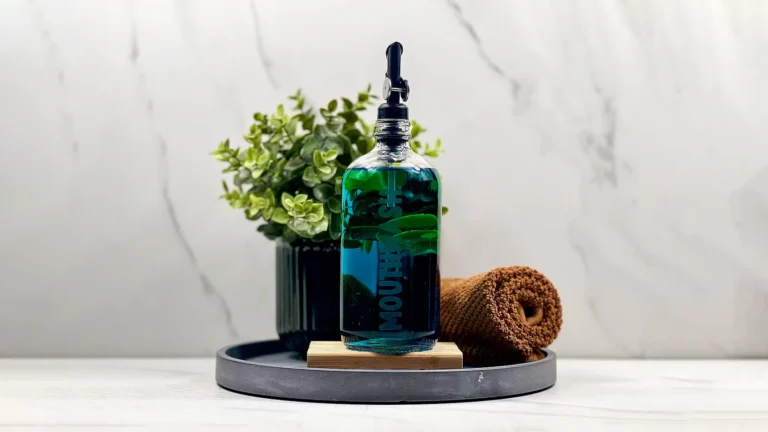
Hausgemachte Natürliche Mundspülung: Bewährt, Stärker und Weniger Giftig

Exzitotoxizität von MSG (Mononatriumglutamat)- Wissenschaftliche Übersicht

Sind Fische Tiere? Eine kulturelle Perspektive

Pestizide in Lebensmitteln, Exposition in der Amerikanischen Standardnahrung - 80 Prozent aus Fleisch
A1-Milch: Diabetes, Autismus und Herzerkrankungen

Über Ernährung Lernen

Milos Pokimica ist Doktor der Naturheilkunde, klinischer Ernährungsberater, Autor für medizinische Gesundheit und Ernährung sowie Berater für Ernährungswissenschaften. Autor der Buchreihe Zum Veganer werden? Rückblick auf die Wissenschafter betreibt auch das Natürliche Gesundheit website GoVeganWay.com
Medizinischer Haftungsausschluss
GoVeganWay.com bietet Ihnen Rezensionen der neuesten Ernährungs- und Gesundheitsforschung. Die bereitgestellten Informationen stellen die persönliche Meinung des Autors dar und sind weder als Ersatz für eine professionelle medizinische Beratung, Diagnose oder Behandlung gedacht noch implizit. Die bereitgestellten Informationen dienen ausschließlich Informationszwecken und sollen nicht als Ersatz für die Beratung, Diagnose und/oder medizinische Behandlung durch einen qualifizierten Arzt oder Gesundheitsdienstleister dienen.Ignorieren Sie niemals professionellen medizinischen Rat oder verzögern Sie die Suche nach medizinischer Behandlung, weil Sie etwas auf GoVeganWay.com gelesen oder über GoVeganWay.com darauf zugegriffen haben
Nehmen Sie NIEMALS Änderungen im Lebensstil oder irgendwelche Änderungen vor, die eine Folge von etwas sind, das Sie auf GoVeganWay.com gelesen haben, bevor Sie einen zugelassenen Arzt konsultieren.
Bei einem medizinischen Notfall rufen Sie sofort einen Arzt oder die Notrufnummer 911 an. GoVeganWay.com empfiehlt oder unterstützt keine bestimmten Gruppen, Organisationen, Tests, Ärzte, Produkte, Verfahren, Meinungen oder andere Informationen, die darin erwähnt werden könnten.
Herausgeber-Tipps –

Krebs Auswahl des Herausgebers Phytochemikalien
Antikrebskraft von Obst und Gemüse: In Vivo und Klinische Beweise
Einige Pflanzenextrakte konkurrieren mit führenden Chemotherapeutika und wirken gleichzeitig auf mehrere verschiedene Arten von Krebszellen.
Antioxidantien Auswahl des Herausgebers ORAC
Ätherische Öle als Antioxidative Nahrungsergänzungsmittel: Regeln und Strategien
Ätherische Öle in Lebensmittelqualität können eine praktische und verbraucherfreundliche Strategie zur Optimierung des Antioxidantienwerts und der ORAC-Werte unserer Ernährung sein.
Antioxidantien Auswahl des Herausgebers ORAC
Antioxidantienreiche Ernährung: Allgemeine Regeln und Strategien
Es gibt einfache und kostengünstige Strategien zur Optimierung des antioxidativen Wertes unserer Ernährung.
Antioxidantien Auswahl des Herausgebers ORAC
ORAC-Werte Verstehen: Antioxidantienspiegel in Lebensmitteln
Wenn Ihre Hauptquelle für Antioxidantien Kaffee ist, wissen Sie, dass Sie ein ernstes Problem haben.

Antioxidantien Auswahl des Herausgebers ORAC
Astaxanthin Vorteile: Das Stärkste Natürliche Antioxidans der Welt
Astaxanthin ist das stärkste natürliche und universelle Antioxidans (sowohl öl- als auch wasserlöslich), das der Wissenschaft bekannt ist. Es reichert sich im Gewebe an und kann sich niemals in ein Prooxidans verwandeln.

Antioxidantien Auswahl des Herausgebers ORAC Phytochemikalien
Antioxidantien: Die Grundlagen Verstehen
Tierische Produkte enthalten keine sekundären Pflanzenstoffe oder Antioxidantien. Pflanzliche Lebensmittel enthalten im Durchschnitt mehr als 60-mal so viele Antioxidantien wie tierische Lebensmittel.
Auswahl des Herausgebers Vegane Diät
Nährstoffmangel Bei Veganer Ernährung: Präventionsstrategien
Es gibt neun bevölkerungsweit verbreitete Nährstoffmängel, die Menschen betreffen, die sich pflanzlich ernähren. Wenn einige Mängel nicht rechtzeitig behoben werden, haben sie schreckliche und nicht behandelbare Folgen.
Auswahl des Herausgebers Optimale Ernährung
Mikronährstoffmangel in der Amerikanischen Standardernährung: Strategien zur Optimierung
Das Nährstoffprofil unserer modernen Ernährung mit Fleisch, Zucker und verarbeiteten Lebensmitteln ist völlig unvereinbar mit unserer Evolution und führt zu schwerem Mikronährstoffmangel.

Auswahl des Herausgebers Phytochemikalien
Phytochemikalien: Die Grundlagen Verstehen
Jeder einzelne existierende sekundäre Pflanzenstoff hat eine biologische Wirkung im menschlichen Körper. Jedes einzelne aus Millionen verschiedener sekundärer Pflanzenstoffe.

Auswahl des Herausgebers Milch Optimale Ernährung
Milch und Milchprodukte: Gesundheitsrisikokorrelationen
Bekannte Zusammenhänge mit Milch und Milchkonsum sind Unfruchtbarkeit, Eierstock- und Brustkrebs, Leukämie, Diabetes Typ 1, Autismus, Arteriosklerose, Katarakt, rheumatoide Arthritis, Multiple Sklerose, Hyperaktivität, Stauung, Pickel und mehr …
Krebs Auswahl des Herausgebers Eiweiß
Komplettes Protein: IGF-1-Signalisierung bei der Krebsentstehung
Wenn Sie tierisches Eiweiß essen, ist die Wahrscheinlichkeit, an allen Krebsarten zu erkranken, viermal höher. Wenn Sie rauchen, besteht ein vierfach erhöhtes Risiko, an Lungenkrebs zu erkranken.

Krebs Auswahl des Herausgebers Eiweiß
Die Anatomie von Krebs - Gesundheitsrisikokorrelationen
Etwa 2 % der Krebserkrankungen werden in der Medizin als rein genetisch bedingt angesehen. Das gleiche Verbreitungsgebiet wie im Tierreich. Dir wurde nicht die ganze Wahrheit gesagt.
Milos Pokimica ist Autor für Gesundheit und Ernährung sowie Berater für Ernährungswissenschaften. Er ist Autor einer Buchreihe. Zum Veganer werden? Rückblick auf die Wissenschafter betreibt auch das Natürliche Gesundheit website GoVeganWay.com
Neueste Artikel –

Kalorienbeschränkung Langlebigkeit
Wie Man Fastet: Fasten-Lebensmittel, Die Die Autophagie Nicht Stören
Autophagie. Haben Sie sich jemals gefragt, was mit den Zellen in Ihrem Körper passiert, wenn sie sterben oder beschädigt werden? Häufen sie sich einfach an und verursachen Probleme, oder werden sie irgendwie entsorgt? Die Antwort ist, dass Ihr Körper...

Zahngesundheit Verhütung
Süßigkeiten Zahnempfindlichkeit & Schmerz: Schnelle Abhilfe & Dauerhafte Lösung
Eine schnelle und einfache Lösung zur Schmerzlinderung ist ätherisches Nelkenöl, ein starkes Antioxidans und Schmerzmittel, das bei Zahnfleischerkrankungen und Zahnschmerzen helfen kann.

Bohnen
Grüne Bohnen: Ernährung und Gesundheitliche Vorteile
Grüne Bohnen sind kalorienarm und reich an natürlichen Stoffen, die Ihnen helfen können, Ihren Blutzucker zu kontrollieren, Ihren Cholesterinspiegel zu senken und freie Radikale abzuwehren.

Rohkostdiät Vegane Diät
Kann Man Pilze Roh Essen: Gesundheitsrisiken, Ernährung und Sicherheit
Pilze enthalten hitzeempfindliche Giftstoffe wie Hydrazin oder Agaritin und Zellwände aus Chitin, die vom Menschen nicht gut verdaut werden können.

Vegane Diät
Sind Fische Tiere? Eine kulturelle Perspektive
In einigen Kulturen wird Fischfleisch nicht als Fleisch betrachtet, und Fisch ist sogar während des Fastens erlaubt.
Zahngesundheit Verhütung
Hausgemachte Natürliche Mundspülung: Bewährt, Stärker und Weniger Giftig
Selbstgemachtes natürliches Mundwasser ist stärker als Chlorhexidin, weniger giftig und kann beim Verschlucken zu Übelkeit führen, hat aber auch einen hohen ORAC-Wert.
Zahngesundheit Verhütung
Wie Man Karies Stoppt: Symptome, Ursachen und Prävention
Der Zuckerkonsum ist die Hauptursache für Karies und Zahnfäule, verbunden mit einem Mangel an Mineralien, insbesondere Magnesium, Zink, Kupfer und Spurenelementen.

Antioxidantien Superlebensmittel
Amla: Bewährte Vorteile, Ernährung und Klinische Bedeutung
Amla ist eines der stärksten Antioxidantien der Welt mit einem ORAC-Wert von 261.530. Sie ist eine reichhaltige Quelle von sekundären Pflanzenstoffen, die verschiedene gesundheitliche Vorteile haben.
Top-Gesundheitsnachrichten – ScienceDaily
- Scientists discover a natural compound that could protect the brain from too much saltam Oktober 18, 2026
Eating too much salt may do more than raise blood pressure. It could also harm memory and social behavior. In a new study, Japanese researchers discovered that a soy-derived compound called LPC70 helped protect mice from several damaging effects of a high-salt diet. Mice given the supplement had lower blood pressure, better memory, and improved social interactions compared with mice consuming excess salt alone.
- Eating blueberries every day may have a surprising effect on your moodam Oktober 18, 2026
Eating blueberries every day could have surprising effects on mood, according to a small study that found greater reductions in depressive symptoms among older adults who consumed the fruit for three months. Researchers also detected changes in gut microbial enzymes, suggesting a possible gut-brain connection, although the mood benefits were not statistically significant compared with a placebo.
- Scientists link a strange sugar in red meat to a 63% higher diabetes riskam Oktober 18, 2026
A study of nearly 90,000 adults found that people consuming the most of a little-known sugar found in red meat had a 63% higher risk of developing type 2 diabetes. Scientists suspect the sugar may trigger chronic inflammation, potentially revealing a hidden connection between red meat and diabetes that goes beyond weight gain.
- Magic mushroom ingredient takes the fight out of aggressive fisham Oktober 18, 2026
A psychedelic compound found in magic mushrooms appears to have an unexpected effect: calming highly aggressive fish. Researchers discovered that low doses of psilocybin significantly reduced aggressive attacks in mangrove rivulus fish without disrupting their normal social interactions. The findings suggest psilocybin may selectively calm escalating aggression rather than simply suppressing all behavior.
- Scientists uncover 3 key brain pathways linked to lasting depression reliefam Oktober 18, 2026
Researchers have uncovered three brain pathways linked to lasting improvements in people receiving deep brain stimulation for severe, treatment-resistant depression. They also discovered that patients who failed to improve after two years shared a striking pattern: insufficient stimulation of a crucial brain connection. The findings suggest that millimeters in electrode placement could make a major difference in treatment outcomes.
- Scientists discover that male and female skin play by different rulesam Oktober 18, 2026
Scientists have uncovered a surprising difference in how male and female skin repairs and renews itself. By tracking individual skin stem cells in living mice for five months, researchers discovered that female cells work together in a highly coordinated way, while male cells operate more independently. This synchronization, driven by sex hormones, helps explain why wounds heal faster in female mice, especially during the first few days.
- Scientists tested 39 sweeteners and uncovered surprising gut effectsam Oktober 18, 2026
Scientists have discovered that many common sweeteners can interfere with gut bacteria, with some combinations involving medications producing surprisingly strong effects. One sweetener mixed with a widely prescribed antidepressant reduced beneficial bacteria and microbial diversity in laboratory experiments, raising new questions about potential effects on gut health and immunity.
PubMed, #Vegane Diät –
Zufällige Beiträge –
Diabetes Auswahl des Herausgebers
Diabetes Ursachen und Gesättigte Fettsäuren- Das Vegane Argument
Wenn der Fettgehalt im Blutkreislauf steigt, sinkt die Fähigkeit des Körpers, Zucker auszuscheiden. Eine der Ursachen für Diabetes ist unsere Fehlanpassung an eine große Fettaufnahme

Allopathische Medizin Auswahl des Herausgebers
Allopathische Medizin- Der Aufstieg einer Branche
Das Gleichgewicht der medizinischen Zweige blieb etwa um die Wende des 20. Jahrhunderts gleich, als neue medizinische Behandlungen aufkamen, die potenziell sehr profitabel waren.

Auswahl des Herausgebers Fettleibigkeit
Essattacken und Hormonregulation: Emotionaler Hunger
Während unserer gesamten Evolution waren wir wie jede andere Spezies auf diesem Planeten ständig hungrig und auf der Suche nach Nahrung. Übermäßiges Essen ist ein Beispiel für eine Fehlanpassung.
Zahngesundheit Verhütung
Süßigkeiten Zahnempfindlichkeit & Schmerz: Schnelle Abhilfe & Dauerhafte Lösung
Eine schnelle und einfache Lösung zur Schmerzlinderung ist ätherisches Nelkenöl, ein starkes Antioxidans und Schmerzmittel, das bei Zahnfleischerkrankungen und Zahnschmerzen helfen kann.

Antioxidantien
Antioxidative Kraft von Vitamin C: Verbesserung der Gesundheit und Langlebigkeit
Vitamin C erfordert keine enzymatische Aktivität, um aus dem Körper entfernt zu werden, und wird nicht zu einem Prooxidans, sondern zu einer reduzierten Form eines schwächeren Antioxidans.

Auswahl des Herausgebers Fettleibigkeit
Supernormale Stimuli: Binge-Eating-Störung und Appetitregulierung
Wenn wir einen Hamburger sehen, sind das übernatürliche Reize. Urtriebe beeinflussen unser Verhalten und zwingen uns zu einer Binge-Eating-Störung.
Antioxidantien Auswahl des Herausgebers ORAC
Astaxanthin Vorteile: Das Stärkste Natürliche Antioxidans der Welt
Astaxanthin ist das stärkste natürliche und universelle Antioxidans (sowohl öl- als auch wasserlöslich), das der Wissenschaft bekannt ist. Es reichert sich im Gewebe an und kann sich niemals in ein Prooxidans verwandeln.
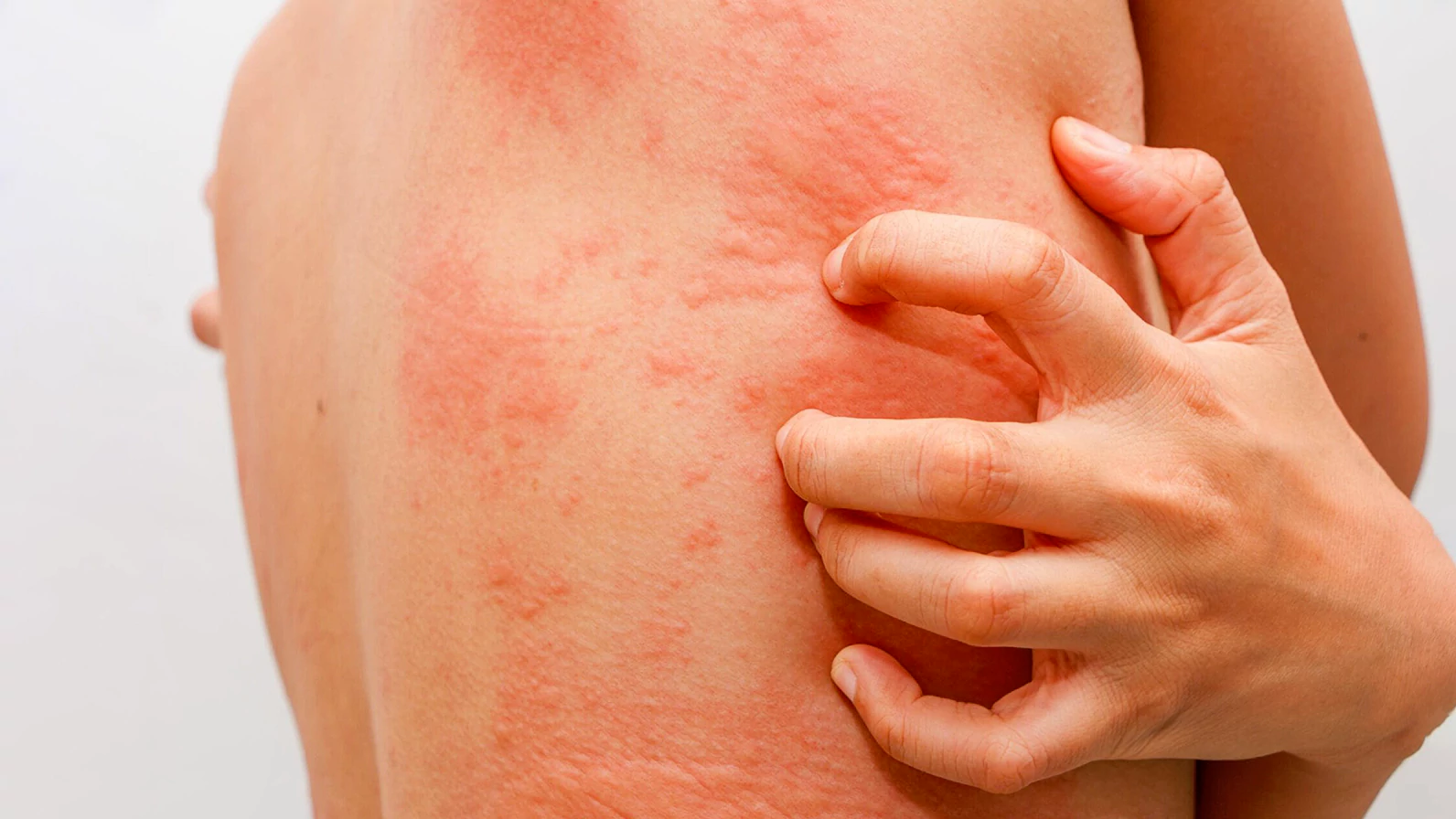
Entzündung
Histaminarme Ernährung und Histaminintoleranz: Vollständiger Gide
Eine Möglichkeit, eine Histaminintoleranz in den Griff zu bekommen, ist eine histaminarme Diät. Das bedeutet, Lebensmittel zu meiden, die einen hohen Histamingehalt haben oder dessen Freisetzung auslösen können.

Krebs Wasser trinken Toxizität
Leitungswassertoxizität- Risikobewertung
Wenn wir in einer Stadt leben, in der wir sicher sind, dass das Leitungswasser rein ist, heißt das noch nicht, dass das Wasser „rein“ ist.

Auswahl des Herausgebers Verhütung Vegane Diät
China Studie- Das Vegane Argument
Eine Studie aus China hat gezeigt, dass es in unentwickelten ländlichen Gemeinden der Welt mit stärkebasierter veganer Ernährung weder Herzkrankheiten noch Krebs oder Diabetes gibt.


Beliebte Beiträge -

Diabetes Auswahl des Herausgebers Optimale Ernährung
Raffinierter Zucker: Die Risiken Verstehen
Kinder decken etwa ein Fünftel ihres Gesamtkalorienbedarfs allein aus raffiniertem Zucker. Wenn wir Fett und den Rest nährstoffarmer verarbeiteter Lebensmittel zur Liste hinzufügen, wird das zu einem kompletten Ernährungs-Albtraum.
Auswahl des Herausgebers Milch Optimale Ernährung
Milch und Milchprodukte: Gesundheitsrisikokorrelationen
Bekannte Zusammenhänge mit Milch und Milchkonsum sind Unfruchtbarkeit, Eierstock- und Brustkrebs, Leukämie, Diabetes Typ 1, Autismus, Arteriosklerose, Katarakt, rheumatoide Arthritis, Multiple Sklerose, Hyperaktivität, Stauung, Pickel und mehr …

Auswahl des Herausgebers Optimale Ernährung
Verarbeitete Lebensmittel: Die Risiken Verstehen
Verarbeitete Lebensmittel bedeuten, dass etwas aus der ganzen Nahrung entfernt wird, in der Regel Ballaststoffe, und etwas hinzugefügt wird, in der Regel Fett, Zucker, Salz und MSG.
Diabetes Auswahl des Herausgebers
Diabetes Ursachen und Raffinierte Kohlenhydrate- Das Vegane Argument
Die Menschen glauben, dass raffinierte Kohlenhydrate mit Insulinspitzen in Zusammenhang stehen und eine der Ursachen für Diabetes sind. Sie haben recht. Allerdings liegen sie auch falsch.

Krebs Auswahl des Herausgebers Toxizität
Pestizide in Lebensmitteln, Exposition in der Amerikanischen Standardnahrung - 80 Prozent aus Fleisch
Die meisten Pestizide und insbesondere Schwermetalle und andere giftige Schadstoffe, die wir aufnehmen, stammen aus Fleisch. Mehr als 80 Prozent der Pestizidbelastung in der amerikanischen Standardernährung stammt aus tierischen Produkten, nicht aus Obst oder Gemüse.

Allopathische Medizin Krebs Auswahl des Herausgebers
Krebs, The Forbidden Cures- Rife Machine, Historischer Rückblick
Die Genesungsrate für Patienten, die an nicht behandelbarem Krebs litten und durch den Einsatz der Rife Machine-Resonanztechnologie für unheilbar krank erklärt wurden, betrug 100 %.

Auswahl des Herausgebers Optimale Ernährung
Optimale Menschliche Ernährung - Chronische Krankheiten, Diätkriege und das Veganer-Argument
Unsere natürlichen optimale menschliche Ernährung eine Diät, die unsere hominin-Vorfahren aßen für die letzten 30 Millionen Jahren, nicht anatomisch modernen Menschen in der Steinzeit.
Auswahl des Herausgebers Vegane Diät
Nährstoffmangel Bei Veganer Ernährung: Präventionsstrategien
Es gibt neun bevölkerungsweit verbreitete Nährstoffmängel, die Menschen betreffen, die sich pflanzlich ernähren. Wenn einige Mängel nicht rechtzeitig behoben werden, haben sie schreckliche und nicht behandelbare Folgen.
Auswahl des Herausgebers Fettleibigkeit
Das Minnesota Hunger Experiment: Warum Diäten dick machen. Die Psychologie des Hungers.
Eine der ersten wissenschaftlichen Studien darüber, welche Auswirkungen Hunger auf den Geist hat, wurde in einer Studie der University of Minnesota aus dem Jahr 1944 beobachtet, die als „Minnesota Starvation Experiment“ bekannt ist.
Krebs Auswahl des Herausgebers Eiweiß
Die Anatomie von Krebs - Gesundheitsrisikokorrelationen
Etwa 2 % der Krebserkrankungen werden in der Medizin als rein genetisch bedingt angesehen. Das gleiche Verbreitungsgebiet wie im Tierreich. Dir wurde nicht die ganze Wahrheit gesagt.