







Régime Paléo- Pas de Viande en Vue
Les humains ont évolué pendant 50 millions d'années à partir de mammifères herbivores. La chasse n'est pas une activité naturelle des hominidés. Le régime paléo n'existe que depuis 200 000 ans.
Milos Pokimica
Écrit par : Milos Pokimica
Examiné Médicalement Par : Dr. Xiùying Wáng, M.D.
Mis à jour le 9 juin 2023Un régime paléo est un régime basé sur les aliments que l'homme a pu consommer au cours de l'ère paléolithique. L'ère paléolithique a duré entre 2,5 millions et 10000 ans. Les fruits, les légumes, les viandes maigres, le poisson, les œufs, les noix et les graines font tous partie d'un régime paléo moderne. Il s'agit d'aliments que les gens pouvaient obtenir autrefois par la chasse et la cueillette. Il exclut les aliments qui sont devenus plus courants après l'avènement de l'agriculture à petite échelle à la suite de la révolution néolithique, il y a environ 10000 ans. Ces aliments comprennent les céréales, les légumineuses et les produits laitiers.
L'objectif d'un régime paléo est de consommer des aliments qui étaient très probablement consommés par les premiers hommes. Ce régime repose sur l'idée que nos gènes ne sont pas bien adaptés aux régimes modernes issus de l'agriculture. L'agriculture a augmenté la disponibilité d'aliments tels que les céréales et les légumineuses. Elle a également introduit les produits laitiers. En outre, l'agriculture a modifié le régime alimentaire des animaux que les hommes consommaient. L'idée qui sous-tend le régime paléo est que ces changements alimentaires ont dépassé la capacité du corps humain à changer ou à s'adapter. Aujourd'hui, on pense que ce décalage contribue à l'obésité, au diabète et aux maladies cardiaques.
Et la logique est excellente, car leur science est utilisée à mauvais escient pour faire avancer l'agenda.
Le problème avec le régime paléo, c'est que les adeptes de ce régime ne comprennent pas que la viande n'était pas une source vitale de calories à l'époque paléo et que le véritable régime paléo est complètement différent de celui qu'ils préconisent.
En outre, l'évolution de l'homme remonte à 50 millions d'années, et les céréales, les légumineuses et surtout les légumes riches en amidon sont consommés depuis longtemps. Nous sommes tellement bien adaptés à la digestion de l'amidon que nous pourrions nous reclassifier comme des "amidonniers" et préconiser d'éviter le maïs, les pois et les pommes de terre blanches relève de la maladie mentale et de l'illusion. Toutes les civilisations humaines de l'histoire n'ont en fait prospéré que grâce aux féculents. Tous nos ancêtres, à l'exception de l'aristocratie qui avait assez d'argent pour manger de la viande, suivaient un régime végétalien à base de féculents. Qu'il s'agisse de riz en Asie, de céréales au Moyen-Orient ou de maïs en Méso-Amérique n'a aucune importance. Toutes les civilisations humaines postérieures à la révolution néolithique ont prospéré grâce à l'amidon, mais ce que les adeptes du paléo ne comprennent pas, c'est que la plupart des humains antérieurs à la révolution néolithique ont également prospéré grâce à l'amidon. La seule différence est qu'à l'époque paléo, les pommes de terre étaient issues de la cueillette et qu'après la révolution néolithique, les pommes de terre étaient cultivées.
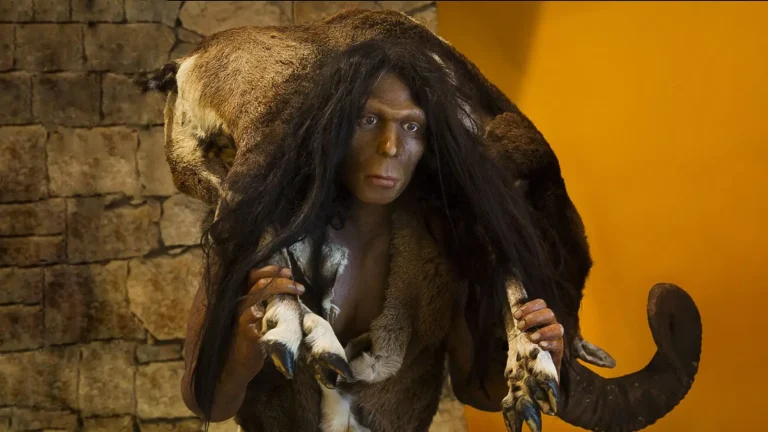
En général, le régime paléo partage de nombreuses caractéristiques avec les régimes alimentaires sains recommandés. La caractéristique du régime paléo est de mettre l'accent sur les fruits et les légumes et d'éviter les aliments transformés. Le problème du régime paléo est qu'il met l'accent sur la viande maigre. Manger de grandes quantités de viande maigre n'est pas un vrai régime paléo. Il pourrait s'agir d'un régime paléo néandertalien, mais même cette hypothèse a été démentie par des études récentes (Des Néandertaliens Végétaliens ? La Vérité sur le Véritable Régime Alimentaire des Néandertaliens).
Qu'est-ce qu'un véritable régime paléo, et la vraie question est de savoir si cela a de l'importance. Il est prouvé que nos ancêtres, et même nous en tant qu'humains modernes, sommes omnivores dans une certaine mesure. Nous pouvons nous adapter à différents environnements pour survivre. Les hominidés ne se sont pas répandus en Afrique, puis dans le monde entier, en utilisant une seule stratégie de recherche de nourriture. Nous l'avons fait en étant flexibles.
La période paléo s'étend d'environ 2,6 millions d'années à 10000 ans. Les adeptes de ce type de régime tentent de simuler les conditions de vie des chasseurs-cueilleurs de l'âge de pierre. Ils essaient d'adopter un régime alimentaire conforme au mode de vie des pseudo-chasseurs-cueilleurs et renoncent aux inventions agricoles modernes et aux aliments transformés.
Les chasseurs-cueilleurs de l'âge de pierre vivaient de la recherche de nourriture et de la chasse. Certains pensent qu'en plus de la recherche de nourriture, la chasse est également une activité humaine naturelle et que notre régime alimentaire naturel correspond à la fois à la chasse et à la recherche de nourriture. Nous devons comprendre la différence entre ces deux types de régime. Il s'agit de deux régimes alimentaires complètement différents.
Pour devenir chasseur, nous devrons être capables de chasser comme le font les chats sauvages. Comme nous ne sommes pas adaptés à la poursuite des proies, et qu'un humain moyen ne sera pas capable de poursuivre un simple écureuil, nous devrons faire appel à une certaine technologie. Si nous ne disposons pas de cette technologie, nous dépendons de la nourriture que nous pouvons trouver.
Logiquement, toute forme de chasse qui assure un approvisionnement constant en nourriture avant la mise au point de lances ou de pièges n'est pas viable. La vérité est que les humains et nos ancêtres hominins ne sont pas des chasseurs anatomiques. Les animaux carnivores sont des chasseurs et sont adaptés à la consommation de viande.
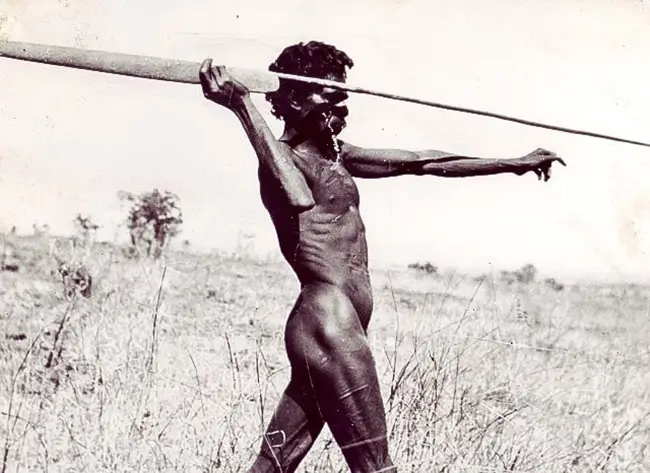
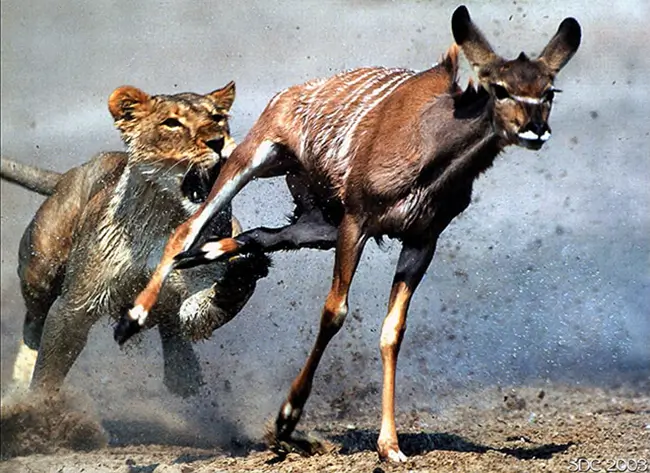
Cela signifie que les animaux carnivores sont conçus pour une alimentation intermittente, alors que nous sommes conçus pour une alimentation constante. Si l'on tient compte du contenu énergétique des aliments naturels, l'homme peut consommer entre 900 et 1 200 calories en une seule fois, ce qui est inférieur à ses besoins caloriques. Cela signifie que nous devons manger plusieurs fois par jour à satiété ou manger de plus petites portions tout au long de la journée. Chaque jour. Lorsque les carnivores mangent, ils consomment suffisamment d'énergie pour tenir une semaine, ce qui est important car ils ne parviendront probablement pas à chasser tous les jours. Ils peuvent manger des charognes sans problème. Avec une acidité de pH1, ils ont un tube digestif stérile. Les vrais omnivores ont également un filtre très résistant et peuvent manger de la viande crue sans risque. L'acidité de 1 est suffisante pour dissoudre non seulement les os, mais aussi une pièce de monnaie en métal.
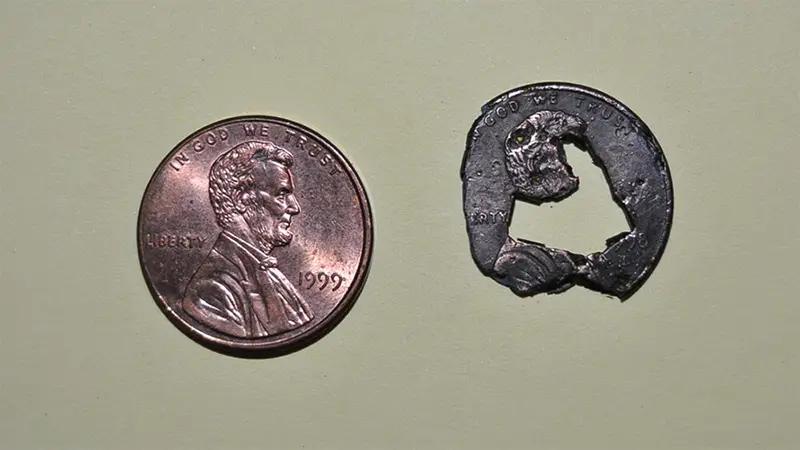
Lorsqu'ils tuent, ils ne se soucient pas des bactéries et des virus et se nourrissent du cadavre en décomposition jusqu'à ce qu'ils attrapent quelque chose d'autre. Pour nous et nos ancêtres homininés, la petite capacité de notre estomac et notre incapacité à manger de la charogne signifient que nous ne pouvons pas récupérer une grande quantité d'énergie d'une seule carcasse avant qu'elle ne pourrisse et qu'une grande quantité d'énergie gaspillée pour attraper cette proie nous mettrait en déficit.
Les humains et les Néandertaliens, même avec la technologie paléo, ne seraient pas plus efficaces à la chasse que les animaux carnivores. Même à l'époque moderne, avec tous les fusils, les chasseurs ne réussissent pas à chaque fois qu'ils vont à la chasse. Sans techniques de préservation, la chasse nous plongera dans un déficit énergétique.
Ce n'est que dans les climats glacés que la chasse aux grands animaux sera énergétiquement excédentaire, car la viande de la carcasse gèlera avant de se dégrader.
C'est la raison pour laquelle les Néandertaliens sont devenus des omnivores dans le nord de l'Europe à partir d'une lignée purement herbivore.
En Afrique, si nous essayons d'attraper quelque chose et qu'après dix jours nous réussissons, nous ne pouvons même pas consommer suffisamment de calories dans ce repas pour remplacer toute l'énergie que nous avons dépensée avant que la viande ne se gâte.
La seule solution est le feu. Avant la torréfaction, il n'y a pas de viande pour nous. Même la viande cuite ne se conserve pas très longtemps. La viande ou la volaille cuite dans le réfrigérateur (40 °F ou moins) a une durée de conservation de 3 à 4 jours. Dans la savane chaude africaine infestée d'insectes, le temps de consommation avant détérioration est beaucoup plus court, et les restes rôtis ne sont que des appâts pour certains grands félins. Si nous n'attrapons rien aujourd'hui et que nous ne mangeons pas, puis que nous n'attrapons rien pendant 10 jours d'affilée, nous serons probablement trop affamés et épuisés pour chasser à nouveau.
Pour obtenir de la viande de manière durable, nous devrons disposer d'un moyen de tuer les proies qui sont rapides et conditionnées pour être poursuivies par des prédateurs rapides. En d'autres termes, nous devrons disposer de pièges ou de lances. Le premier homininé qui aurait pu faire cela est théoriquement l'Homo erectus.
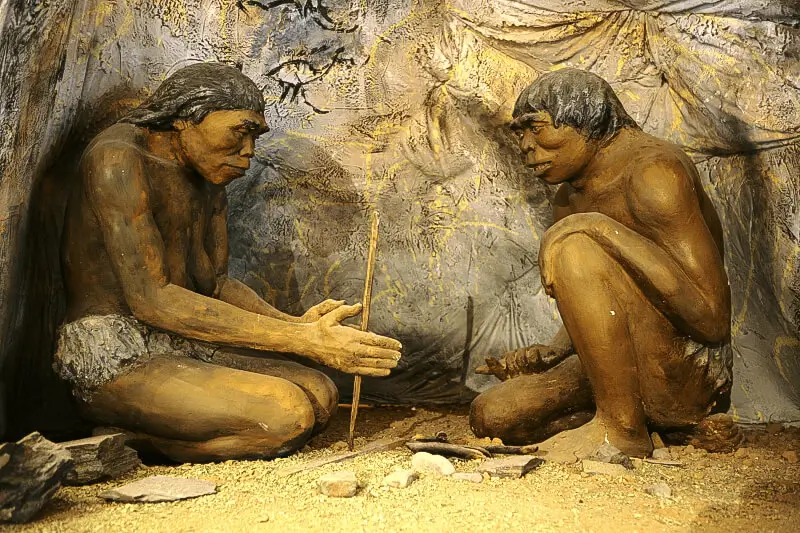
Le problème, c'est qu'il n'existe aucune preuve de l'existence d'une technologie autre que le feu et les outils en pierre. Certains scientifiques soutiennent la thèse selon laquelle l'Homo erectus utilisait le feu pour baguenauder, isoler et tuer les animaux, mais dans ce cas, il devait avoir une intelligence beaucoup plus élevée. Utiliser le feu pour chasser, ce n'est pas utiliser le feu, c'est utiliser le feu de forêt. Les incendies de forêt peuvent se propager dans de vastes zones et dévaster l'habitat et les sources de nourriture végétale, et peuvent brûler l'Homo erectus lui-même, sa grotte et la moitié de l'Afrique. Si nous supposons que l'Homo erectus était suffisamment intelligent pour contrôler l'utilisation des feux de forêt, ce qui pose problème même aux pompiers modernes, nous devrons revoir l'intelligence de l'Homo erectus à la hausse. S'il était capable de faire cela, il devait être capable de créer d'autres technologies comme les pièges. Cela lui aurait permis de se répandre dans des climats froids avec de la neige et de la glace, ce qui n'était pas le cas.
Les outils en pierre et les débris d'os d'animaux ne sont pas synonymes de chasse durable à grande échelle et d'un véritable régime omnivore à base de viande. Il s'agit de récupérer, avec un peu de chance, la viande laissée par les grands prédateurs, d'ouvrir les os et la tête pour manger le cerveau et la moelle osseuse et, à l'occasion, de tuer des animaux jeunes et sans défense ou blessés, etc. Tout cela peut se produire, mais lors d'occasions spéciales et chanceuses, et non dans le cadre d'une chasse quotidienne à grande échelle comme le faisaient les Néandertaliens.
Si je saute sur une gazelle, il y a deux possibilités. La gazelle s'enfuira ou me donnera d'abord un coup de pied dans le ventre avant de s'enfuir. La chasse humaine repose toujours sur des pièges, des arcs, des flèches ou d'autres armes pour tuer ou des lances pour blesser, puis sur la persistance de la chasse jusqu'à ce que l'antilope soit épuisée. Toutes ces méthodes nécessitent l'utilisation de technologies. La chasse persistante n'est pas suffisante en soi, car il faudrait courir des dizaines de kilomètres pour trouver une proie, puis transporter cette proie sur des dizaines de kilomètres et, si nous avons de la chance, ne pas être vus par un autre grand prédateur et devenir nous-mêmes un repas. Même si cela est possible, les carottes ont tendance à courir plus lentement que les lapins. Par conséquent, s'il y a des sources végétales dans les environs, la chasse n'est pas une option si nous comprenons les stratégies optimales de recherche de nourriture. Dès que ces connaissances sont acquises, l'espèce peut se répandre dans les climats plus froids où les sources de nourriture végétale ne sont pas abondantes.
Le premier homininé à avoir réuni ces deux conditions est l'homme de Neandertal, qui s'est répandu dans l'Europe glaciaire avant nous, où il chassait de grandes proies. Autre chose, même lui n'aimait pas cela. Personne n'aime chasser. Nous avons une vision romantique de la chasse, nous pensons qu'il s'agit d'une activité machiste que nous aimons comme nous aimons jouer aux jeux vidéo. En réalité, il s'agit d'un processus extrêmement dangereux qui met la vie en danger et qui existe dans la nature, non seulement pour les prières, mais aussi pour le chasseur. En cas d'échec, il y a une grande perte d'énergie, et même en cas de succès sans blessure, il y a beaucoup de douleur et d'épuisement. À l'ère glaciaire, en Europe, il n'est pas facile de traverser un mètre cinquante de neige, les températures sont froides et on peut mourir de froid ou glisser et tomber et se cogner la tête ou se tordre la cheville ou se briser les os ou encore tomber dans l'eau glacée. En été ou en Afrique, nous pouvons nous faire mordre par un serpent venimeux, entrer en contact avec une plante toxique, tomber dans les sables mouvants d'un marais, ou simplement nous faire attaquer par une meute de lions ou de hyènes, ou nous faire piquer par un essaim d'abeilles sauvages. Cela signifie que si nous avions de la chance et que nous n'entrions pas dans le territoire d'un autre hominien, la nature était dangereuse et dangereuse. À cette époque, la nature était un endroit dangereux et sauvage.
Si un homme moderne qui sait comment survivre dans la nature avec toute notre technologie se perd dans la nature sauvage, la possibilité de survie pour une période prolongée est nulle. Dans la nature sauvage du passé, les possibilités de mort sont infinies. La chasse pour les hominines et les humains est une tactique extrême de survie si rien d'autre n'est disponible. D'un autre côté, si nous cherchons de la nourriture et que nous tombons sur le cadavre frais d'un animal à moitié dévoré, nous avons de la chance.
La consommation de produits animaux était insignifiante à l'échelle de l'adaptation forcée de la physiologie de l'hominidé et de l'homme. Notre régime alimentaire naturel était basé sur les fruits, les fleurs, les feuilles et, plus tard, les légumes, les tubercules, les noix et les graines, ainsi que les céréales. Plus récemment (1 Ma), après l'invention de la cuisine, nous avons mangé des céréales, des légumineuses et d'autres tubercules plus difficiles à digérer, et la consommation de viande ne représentait que quelques pour cent des calories totales.
Les premiers véritables omnivores ont été, dans une certaine mesure, les Néandertaliens, et non les humains. Nous n'avons pas évolué en Europe, nous sommes sortis d'Afrique et avons pénétré en Europe et dans d'autres régions froides il y a environ cent mille ans. C'est une période insignifiante dans l'évolution.
Le seul mode de chasse où les mesures peuvent fonctionner est celui d'une communauté plus large d'humains modernes ou de Néandertaliens avec une division du travail, mais cela nécessite des capacités cognitives élevées avec des structures sociales et une hiérarchie avancées avec le langage, la technologie comme le feu, les lances, les vêtements, et ainsi de suite.
Alors, comment les mesures fonctionneront-elles ? Ca fait plutot comme ca.
Un petit groupe de chasseurs ira à la chasse. Pas tous les hommes, mais de petits groupes. Peut-être un groupe ou deux, selon la taille du village. Si le village est plus grand, ils peuvent être plus nombreux. Ils vont vérifier les pièges pour voir si des animaux plus petits ont été piégés, puis ils vont chasser des animaux plus gros comme l'antilope. La chasse peut consister à tuer directement, à chasser de façon persistante ou à faire une troisième chasse. Cependant, là où la métrique fonctionne, c'est qu'ils ne mangent pas la viande, ils la ramènent au village pour que tout le monde la mange. Par conséquent, même s'ils ont dépensé beaucoup d'énergie et plus que ce qu'ils peuvent consommer en une seule fois, le village entier est excédentaire car l'antilope ne durera pas assez longtemps pour être gâtée - elle sera mangée immédiatement par tout le village. En contrepartie, lorsqu'ils ne réussissent pas, les chasseurs mangent la nourriture ordinaire récoltée par les autres membres de la tribu.
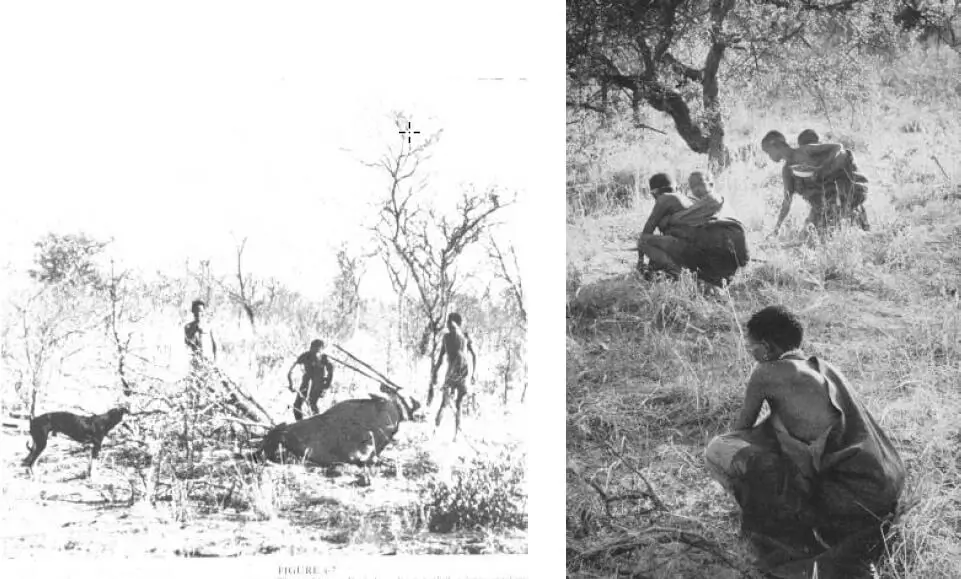
Il s'agit d'une structure sociale complexe. Lorsque nous observons les tribus africaines d'aujourd'hui, comme le peuple Kalahari San, par exemple, nous pouvons voir quelque chose de similaire. Les hommes utilisent des poisons pour tuer les animaux grands et rapides. Les femmes ont des moyens astucieux de rendre comestibles des aliments végétaux de mauvaise qualité. Bien que l'archéologie suggère que les stratégies utilisées par les San ne remontent qu'à quelques milliers d'années et sont quelque peu différentes de celles utilisées par les chasseurs-cueilleurs plus anciens, elles s'inscrivent néanmoins dans une ligne similaire.
Lorsque les anthropologues se penchent sur cette question, ils constatent un schéma qui s'étend sur 250000 ans, jusqu'à l'époque de la révolution néolithique, et ils en concluent que ce comportement est naturel et que nous sommes omnivores en tant qu'ours. Des milliers de livres paraîtront partout sur le régime paléo, qui représente cette courte période de l'évolution humaine comme un état de base de l'humanité. La grande question est de savoir dans quelle mesure ce comportement est normal.
Notre physiologie a évolué à partir de petits mammifères mangeurs de plantes pendant plus de 50 millions d'années, et nous avons utilisé cette stratégie de chasse pendant 200 000 ans. Notre physiologie corporelle s'accommode-t-elle vraiment bien d'une plus grande quantité de viande ?
Russell Henry Chittenden, le père de la biochimie américaine, a écrit en 1904 :
"Nous entendons de toutes parts des opinions très divergentes sur les besoins de l'organisme, sur l'étendue et la nature des besoins alimentaires, des déclarations contradictoires sur les mérites relatifs des aliments d'origine animale et végétale ; en fait, il y a un manque significatif d'accord sur de nombreuses questions fondamentales qui se posent continuellement dans toute considération sur la nutrition du corps humain."
Références :
Passages sélectionnés à partir d'un livre : Pokimica, Milos. Devenir vegetarien? Examen de la science, partie 1. Kindle éd., Amazone, 2018.
- "L'évolution et l'écologie changeante du microbiome oral des hominidés africains." Actes de l'Académie nationale des sciences des États-Unis d'Amérique, vol. 118, non. 20, Académie nationale des sciences, mai 2021, https://doi.org/10.1073/pnas.2021655118.
Articles Similaires

Vous avez des questions sur la nutrition et la santé ?
Je serais ravie d'entendre vos commentaires et d'y répondre dans mon prochain message. J'apprécie votre contribution et votre opinion et j'espère avoir bientôt de vos nouvelles. Je vous invite également à nous suivre sur Facebook, Instagram et Pinterest pour plus de contenu sur l'alimentation, la nutrition et la santé. Vous pouvez y laisser un commentaire et entrer en contact avec d'autres passionnés de santé, partager vos conseils et expériences, et obtenir le soutien et les encouragements de notre équipe et de notre communauté.
J'espère que ce billet a été instructif et agréable pour vous et que vous êtes prêt à mettre en pratique les connaissances que vous avez acquises. Si vous avez trouvé ce billet utile, veuillez le partager à vos amis et à votre famille qui pourraient également en bénéficier. On ne sait jamais qui peut avoir besoin de conseils et de soutien dans son parcours de santé.
– Vous pourriez aussi aimer –
Les Bienfaits du Sulforaphane : Le Pouvoir Détoxifiant du Brocoli
Épuisement du Glycogène - Comment ne Pas Faire d'Exercice
Comment Arrêter les Caries Dentaires : Symptômes, Causes et Prévention
Régime Paléo- Pas de Viande en Vue

Anatomie du Cancer - Corrélations Entre Les Risques Pour la Santé
Bleu de Méthylène : Utilisations Thérapeutiques et Signification Clinique
Jeûne Intermittent vs Restriction Calorique - Y a-t-il Une Différence ?
Régime Pauvre en Histamine et Intolérance à l'Histamine : Guide Complet
Apprendre la Nutrition

Milos Pokimica est docteur en médecine naturelle, nutritionniste clinique, rédacteur en santé médicale et nutrition et conseiller en sciences nutritionnelles. Auteur de la série de livres Devenir vegetarien ? Examen des sciences, il exploite également le site Web de santé naturelle GoVeganWay.com
Avis de non-responsabilité médicale
GoVeganWay.com vous propose des critiques des dernières recherches liées à la nutrition et à la santé. Les informations fournies représentent l'opinion personnelle de l'auteur et ne sont pas destinées ni implicites à se substituer à un avis médical professionnel, un diagnostic ou un traitement. Les informations fournies sont à titre informatif uniquement et ne sont pas destinées à remplacer la consultation, le diagnostic et/ou le traitement médical d'un médecin qualifié ou d'un prestataire de soins de santé.NE JAMAIS IGNORER LES CONSEILS MÉDICAUX PROFESSIONNELS OU RETARDER LA RECHERCHE DE SOINS MÉDICAUX EN RAISON DE QUELQUE CHOSE QUE VOUS AVEZ LU OU ACCÉDÉ SUR GoVeganWay.com
N'APPLIQUEZ JAMAIS DE CHANGEMENTS AU STYLE DE VIE OU TOUT CHANGEMENT À LA SUITE DE QUELQUE CHOSE QUE VOUS AVEZ LU SUR GoVeganWay.com AVANT DE CONSULTER UN PRATICIEN MÉDICAL AGRÉÉ.
En cas d'urgence médicale, appelez immédiatement un médecin ou le 911. GoVeganWay.com ne recommande ni n'approuve aucun groupe, organisation, test, médecin, produit, procédure, opinion ou autre information spécifique pouvant être mentionné à l'intérieur.
Choix de l'éditeur -
Cancer Choix de l'éditeur Phytochimiques
Pouvoir Anticancéreux des Fruits et Légumes : Preuves in Vivo et Cliniques
Certains extraits végétaux rivalisent avec les principaux médicaments de chimiothérapie et ciblent en même temps plusieurs types différents de cellules cancéreuses.
Antioxydants Choix de l'éditeur ORAC
Les Huiles Essentielles en Tant Que Compléments Antioxydants : Règles et Stratégies
Les huiles essentielles de qualité alimentaire peuvent constituer une stratégie pratique et conviviale pour optimiser la valeur antioxydante et les scores ORAC de notre alimentation.
Antioxydants Choix de l'éditeur ORAC
Régime Riche en Antioxydants : Règles Rénérales et Stratégies
Il existe des stratégies simples et rentables pour optimiser la valeur antioxydante de notre alimentation.
Antioxydants Choix de l'éditeur ORAC
Comprendre les Valeurs ORAC : La Teneur en Antioxydants des Aliments
Lorsque votre principale source d'antioxydants est le café, vous savez que vous avez un sérieux problème.
Antioxydants Choix de l'éditeur ORAC
Avantages de l’Astaxanthine : L’Antioxydant Naturel le Plus Puissant au Monde
L'astaxanthine est l'antioxydant naturel et universel le plus puissant (soluble dans l'huile et dans l'eau) connu de la science. Il s'accumule dans les tissus et ne peut jamais se transformer en pro-oxydant.
Antioxydants Choix de l'éditeur ORAC Phytochimiques
Les Antioxydants : Comprendre les Bases
Il n'y a pas de composés phytochimiques ou d'antioxydants dans les produits d'origine animale. En moyenne, les aliments végétaux contiennent plus de 60 fois plus d'antioxydants que les aliments d'origine animale.
Choix de l'éditeur Régime végétalien
Les Carences en Nutriments Dans le Régime Végétalien : Stratégies de Prévention
Il existe neuf carences nutritionnelles courantes à l'échelle de la population qui affectent les personnes qui suivent un régime à base de plantes. Si elles ne sont pas corrigées à temps, certaines déficiences ont des conséquences terribles et incurables.
Choix de l'éditeur Régime optimal
Déficience en Micronutriments Dans le Régime Alimentaire Américain Standard : Stratégies d'Optimisation
Le profil nutritionnel de notre régime moderne à base de viande, de sucre et d'aliments transformés est totalement incongru avec notre évolution, ce qui entraîne de graves carences en micronutriments.
Choix de l'éditeur Phytochimiques
Photochimie : Comprendre les Bases
Chaque phytochimique qui existe a une action biologique dans le corps humain. Chacun parmi des millions de composés phytochimiques différents.
Choix de l'éditeur Lait Régime optimal
Lait et Produits Laitiers : Corrélations Avec les Risques Pour la Santé
Les associations connues avec le lait et la consommation de produits laitiers sont l'infertilité, le cancer de l'ovaire et du sein, la leucémie, le diabète de type 1, l'autisme, l'artériosclérose, la cataracte, la polyarthrite rhumatoïde, la sclérose en plaques, l'hyperactivité, la congestion, les boutons, etc.
Cancer Choix de l'éditeur Protéine
Protéine Complète : Signalisation de l'IGF-1 dans la Formation du Cancer
Lorsque vous mangez des protéines animales, vous avez quatre fois plus de chances de développer tous les types de cancer. Lorsque vous fumez, vous avez quatre fois plus de chances de développer un cancer du poumon.

Cancer Choix de l'éditeur Protéine
Anatomie du Cancer - Corrélations Entre Les Risques Pour la Santé
Environ 2 % des cancers sont considérés par la médecine comme purement causés par des facteurs génétiques. La même gamme que dans le règne animal. On ne vous a pas dit toute la vérité.
Milos Pokimica est rédacteur spécialisé dans la santé et la nutrition et conseiller en sciences nutritionnelles. Auteur d'une série de livres Devenir vegetarien ? Examen des sciences, il exploite également le site Web de santé naturelle GoVeganWay.com
Derniers Articles –
Restriction calorique Longévité
Comment Jeûner : Les Aliments de Jeûne Qui N'interrompent Pas L'Autophagie
L'autophagie. Vous êtes-vous déjà demandé ce qu'il advient des cellules de votre corps lorsqu'elles meurent ou sont endommagées ? S'accumulent-elles et créent-elles des problèmes, ou sont-elles éliminées d'une manière ou d'une autre ? La réponse est que votre corps...
Santé Dentaire La prévention
Sensibilité et Douleur des Dents aux Sucreries : Solution Rapide et Durable
L'huile essentielle de clou de girofle est une solution rapide et facile pour soulager la douleur. C'est un antioxydant puissant et un analgésique qui peut aider à lutter contre les maladies des gencives et les maux de dents.
Les haricots
Haricots Verts : Nutrition et Bienfaits Pour La Santé
Les haricots verts sont pauvres en calories et riches en composés naturels qui peuvent vous aider à contrôler votre glycémie, à réduire votre taux de cholestérol et à lutter contre les radicaux libres.
Régime alimentaire cru Régime végétalien
Peut-on Manger des Champignons Crus : Risques pour la Santé, Nutrition et Sécurité
Les champignons contiennent des toxines sensibles à la chaleur, comme l'hydrazine ou l'agaritine, et des parois cellulaires composées de chitine qui ne peuvent pas être digérées correctement par l'homme.
Régime végétalien
Les Poissons Sont-ils Des Animaux ? Une Perspective Culturelle
Dans certaines cultures, la viande de poisson n'est pas considérée comme de la viande et le poisson est autorisé même pendant le jeûne.

Santé Dentaire La prévention
Rince-bouche Naturel Fait Maison : Éprouvé, Plus Fort et Moins Toxique
Le bain de bouche naturel fait maison est plus puissant que la chlorhexidine, moins toxique et, s'il est avalé, il peut donner des nausées, mais il a aussi une valeur ORAC élevée.
Santé Dentaire La prévention
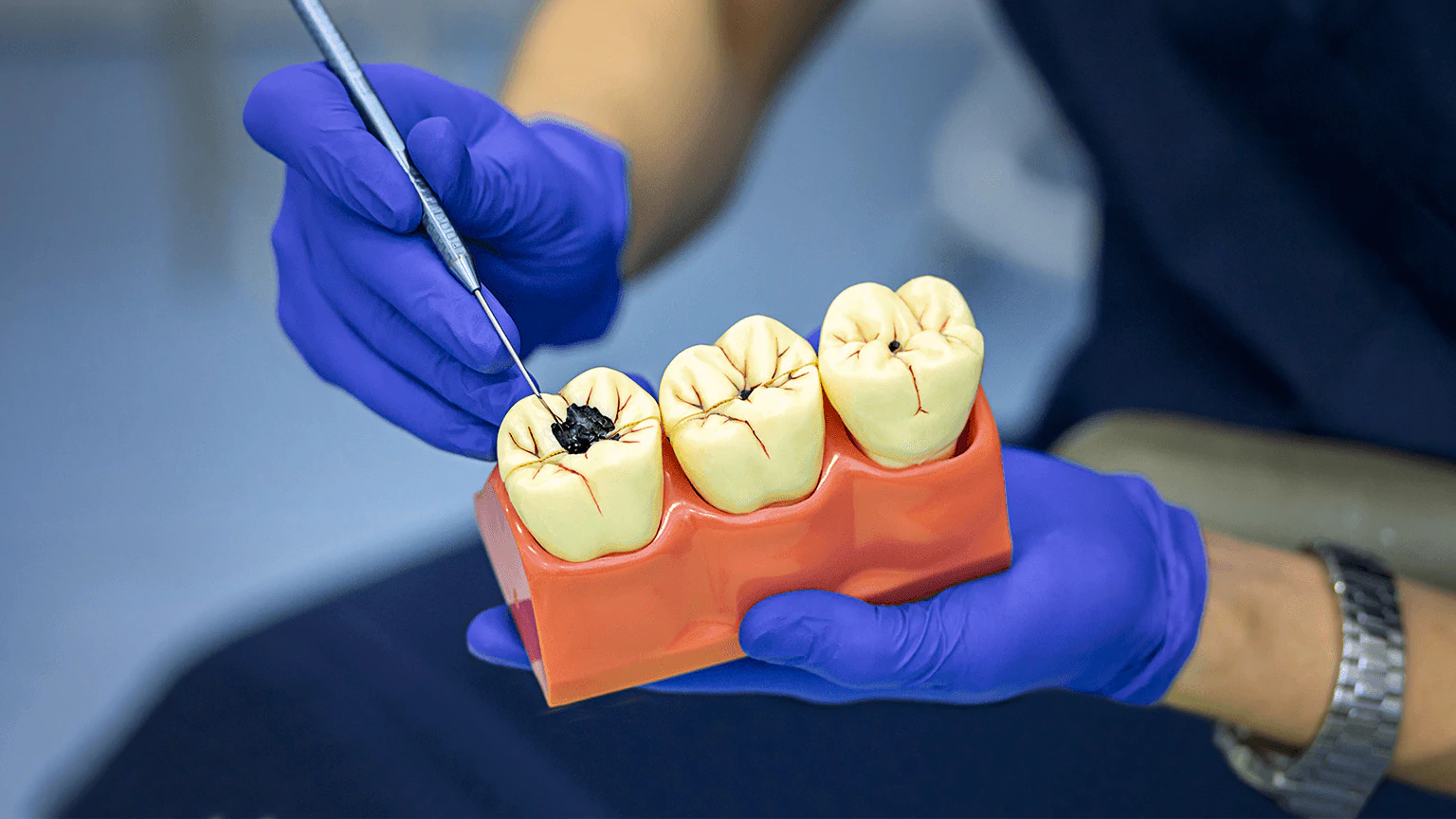
Comment Arrêter les Caries Dentaires : Symptômes, Causes et Prévention
La consommation de sucre est la principale cause des caries dentaires, associée à des carences en minéraux, notamment en magnésium, zinc, cuivre et oligo-éléments.
Antioxydants Superaliments
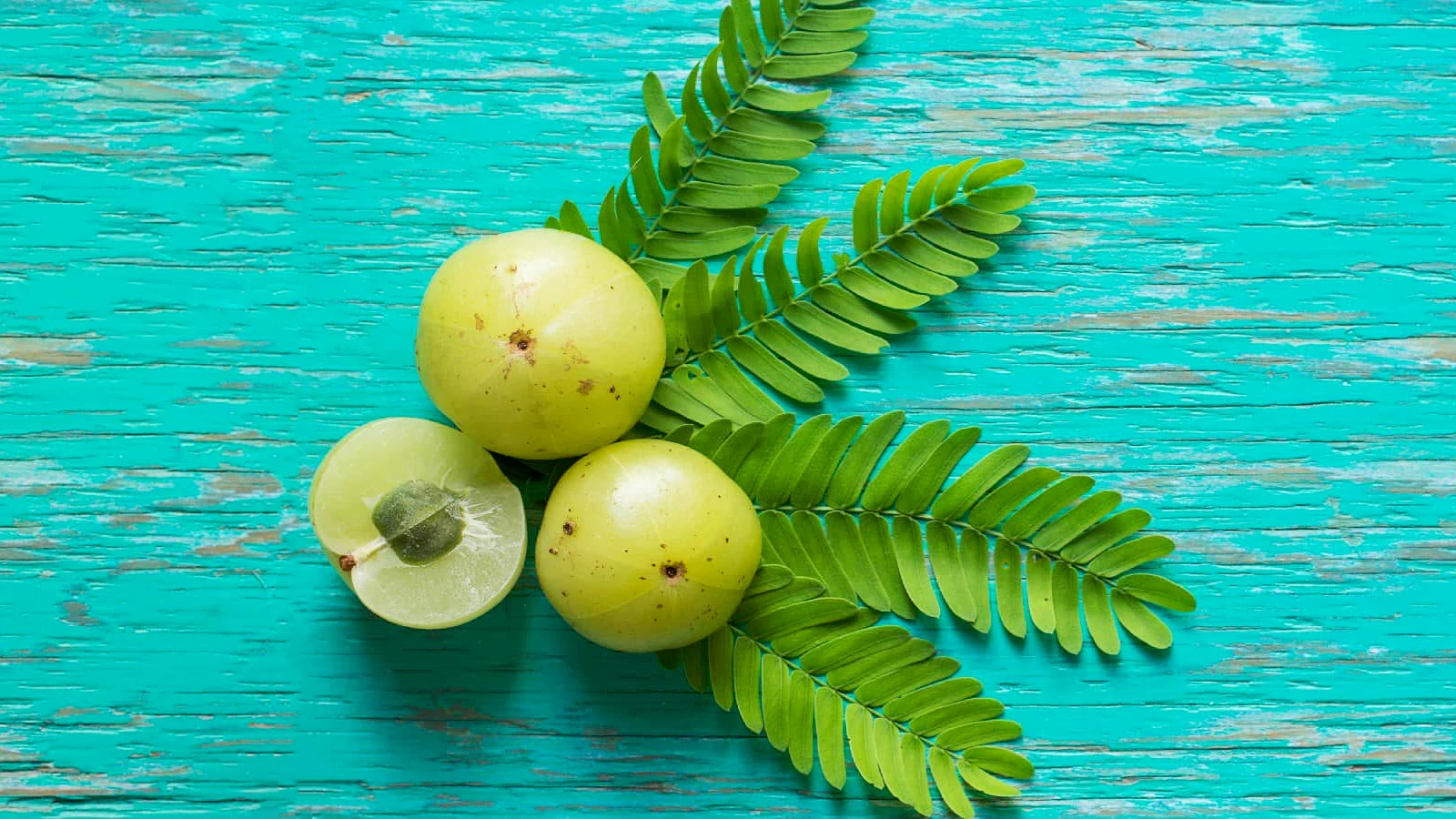
Amla : Avantages Prouvés, Nutrition et Signification Clinique
L'amla est l'un des antioxydants les plus puissants au monde, avec un score ORAC de 261 530. Il s'agit d'une riche source de substances phytochimiques qui ont de nombreux effets bénéfiques sur la santé.
Top Des Nouvelles Sur la Santé - ScienceDaily
- Only one workout helped older adults lose fat and keep musclele octobre 9, 2026
A six-month study suggests that high-intensity interval training (HIIT) may offer older adults a powerful advantage: losing body fat while keeping their muscle. Unlike moderate-intensity workouts, which led to a small loss of lean muscle, HIIT preserved it while also improving body composition around the waist.
- Bacteria turn a virus’ own weapon against itle octobre 9, 2026
Researchers have uncovered a new way bacteria detect viral attacks: a virus-produced enzyme cuts a bacterial sensor protein, triggering a self-destructing immune response. The discovery could lead to more effective phage therapies against antibiotic-resistant bacteria and provide insight into ancient immune mechanisms shared with humans.
- Nearly 30,000 people tested quit-smoking methods. One stood outle octobre 9, 2026
Nicotine e-cigarettes appear to help more smokers quit than patches, gum, and several other common approaches, according to a major review of 80 clinical trials. Researchers say regulated vaping products are not risk-free, but may be a significantly less harmful alternative for people who would otherwise continue smoking.
- Scientists tested 5 natural compounds on cancer cells. One stood outle octobre 9, 2026
Five natural compounds, including curcumin and berberine, were tested for their effects on cancer cells and healthy muscle cells. All disrupted cancer cell energy production and pushed many of the cells into a non-dividing state, with curcumin producing the strongest overall effect. Curcumin also showed a relatively favorable safety profile, while some other compounds caused more toxicity.
- FDA-approved epilepsy drug may help reverse osteoarthritis damagele octobre 8, 2026
Researchers at Yale have identified a promising new approach to osteoarthritis that could do more than simply ease pain. The epilepsy drug lacosamide appears to block a protein involved in both pain signaling and cartilage destruction, helping damaged joints shift back toward repair in preclinical studies.
- Just 7 days of strength training started shrinking fat cells in micele octobre 8, 2026
Just seven strength-training sessions helped obese mice shrink visceral fat cells and reactivate molecular pathways involved in burning stored fat, despite no change in overall body weight. The findings suggest some benefits of resistance exercise may begin long before weight loss becomes visible, though the results still need to be confirmed in humans.
- Scientists warn a popular vitamin D supplement may have a hidden downsidele octobre 8, 2026
Not all vitamin D supplements are created equal, and new research suggests that one popular form may have an unexpected downside. Scientists found that taking vitamin D2 can actually lower the body’s levels of vitamin D3, the form naturally produced by sunlight and more effective at boosting overall vitamin D. Previous studies also suggest that vitamin D3 may provide stronger immune protection against viruses and bacteria.
PubMed, #régime-vegan –
- Characterization of Nutritional Intake in Vegan Pregnant Women and its Association on Birth Weightle octobre 8, 2026
CONCLUSIONS: Vegan women had a higher rate of SGA than non-vegan women, and this increased risk may be partly related to differences in maternal protein intake and composition. In addition, vegan women had lower dietary intakes of calcium, vitamin B12, vitamin D, DHA, and choline, highlighting these nutrients as important considerations in the nutritional assessment and counseling of pregnant women adhering to a strictly vegan diet.
- Changes in ectopic lipids, insulin sensitivity, and beta cell function after a low-fat vegan diet in adults with type 2 diabetes: a 16-week single-arm clinical trialle octobre 8, 2026
CONCLUSIONS: On an ad libitum low-fat plant-based (vegan) dietary intervention, the participants with type 2 diabetes experienced reductions in ectopic fat, particularly visceral and hepatocellular fat, improvements in insulin sensitivity, reductions in AGEs, and improvements in beta-cell function.
- Sustained Regression of Parotid Mucosa-Associated Lymphoid Tissue (MALT) Lymphoma After Nutritional and Nutraceutical Intervention Without Chemoimmunotherapy: A Case Reportle octobre 5, 2026
Extranodal marginal zone lymphoma of mucosa-associated lymphoid tissue (MALT) in the setting of Sjögren’s syndrome (SS) is a well-recognized complication of chronic autoimmune salivary gland inflammation. Standard management options include radiotherapy, immunotherapy, and combination chemoimmunotherapy, with active surveillance reserved for stable, low-burden disease. The potential role of structured nutritional and nutraceutical intervention in this setting has not been previously […]
Messages Aléatoires -
Désintoxication Toxicité
Désintoxication - Une Revue Scientifique
Il existe des programmes de régime conçus pour aider à réduire l'inflammation et la toxicité globale du corps et à augmenter la désintoxication qui sont soutenus par la science.
Antioxydants
La Vitamine C Intraveineuse dans le Traitement de La Grippe : Preuve Vivante de la Pratique Clinique
Lorsque vous voulez que de la vitamine C intraveineuse soit administrée à l'hôpital, vous n'en parlez pas à votre médecin. Au lieu de cela, vous dites à votre avocat de le dire à votre médecin, par écrit.
Choix de l'éditeur Régime optimal Protéine
Besoins en Protéines - Une Vérité Qui Dérange
Lorsque des études anthropologiques ont montré que les hominines vivaient en moyenne de 15 à 20 grammes de protéines par jour, il y a eu un soi-disant « grand fiasco des protéines » dans les années 1970.
Cancer Choix de l'éditeur Phytochimiques
Pouvoir Anticancéreux des Fruits et Légumes : Preuves in Vivo et Cliniques
Certains extraits végétaux rivalisent avec les principaux médicaments de chimiothérapie et ciblent en même temps plusieurs types différents de cellules cancéreuses.
Régime alimentaire cru Régime végétalien
Peut-on Manger des Champignons Crus : Risques pour la Santé, Nutrition et Sécurité
Les champignons contiennent des toxines sensibles à la chaleur, comme l'hydrazine ou l'agaritine, et des parois cellulaires composées de chitine qui ne peuvent pas être digérées correctement par l'homme.
Cancer Choix de l'éditeur Protéine
Anatomie du Cancer - Corrélations Entre Les Risques Pour la Santé
Environ 2 % des cancers sont considérés par la médecine comme purement causés par des facteurs génétiques. La même gamme que dans le règne animal. On ne vous a pas dit toute la vérité.
Médecine allopathique Cancer
Cancer, les Remèdes Interdits - ESSIAC
Dans une petite ville du nord de l'Ontario, en 1922, des rumeurs ont commencé à circuler sur du thé anticancéreux provenant des forêts de l'Ontario. Les Indiens appelaient ce mélange « thé de vie ».
Médecine allopathique Cancer Choix de l'éditeur
Cancer, les Remèdes Interdits - Krebiozen
Il est fort probable que des pouvoirs haut placés influencés par la réputation du Dr Ivy croyaient qu'il avait réellement quelque chose à Krebiozen.

Désintoxication Boire de l'eau Toxicité
L'eau Distillée à Boire - Aide à la Désintoxication ou Poison Mortel ?
Il y a beaucoup de désinformation sur les propriétés détoxifiantes de l'eau et de l'eau distillée en particulier. La purification de l'eau est une grosse affaire. Qu'est-ce que la science a à dire à ce sujet?
Choix de l'éditeur Régime optimal
Déficience en Micronutriments Dans le Régime Alimentaire Américain Standard : Stratégies d'Optimisation
Le profil nutritionnel de notre régime moderne à base de viande, de sucre et d'aliments transformés est totalement incongru avec notre évolution, ce qui entraîne de graves carences en micronutriments.

Postes en Vedette -

Médecine allopathique Choix de l'éditeur Régime optimal
Le Rapport McGovern - Intérêt Spécial et Suppression de la Science
En 1977, la pression pour un changement des directives diététiques (rapport McGovern) vers un végétalien plus végétal a été présentée au Congrès américain.

Médecine allopathique Choix de l'éditeur
L'histoire de Big Pharma - IG Farben
La partie du monopole des Rockefeller sur les industries chimiques et médicales est entrée en vigueur après la Seconde Guerre mondiale. La coopération entre Standard Oil et IG Farben en a fait une réalité.
Choix de l'éditeur Obésité Régime optimal
Cause de l'obésité - Maladaptation ou Dépendance
Quelle est la cause de l'épidémie d'obésité? Pour toute vie sur Terre, la nourriture n'est pas un choix. La chose la plus difficile pour l'animal dans le désert est de prendre du poids.
Choix de l'éditeur Régime optimal
Déficience en Micronutriments Dans le Régime Alimentaire Américain Standard : Stratégies d'Optimisation
Le profil nutritionnel de notre régime moderne à base de viande, de sucre et d'aliments transformés est totalement incongru avec notre évolution, ce qui entraîne de graves carences en micronutriments.

Médecine allopathique Cancer Choix de l'éditeur
Cancer, The Forbidden Cures-Rife Machine, Revue Historique
Le taux de récupération des patients atteints d'un cancer non traitable et déclarés en phase terminale en utilisant la technologie de résonance Rife Machine était de 100 %.
Choix de l'éditeur Inflammation
Le Dilemme des Humains Omnivores- Consommation de Viande, Bactéries Probiotiques, Inflammation et Intestin
Les humains sont-ils omnivores au sens propre de l'anatomie ? Il existe une différence fondamentale dans le fonctionnement du tube digestif entre les plantes et les espèces carnivores.
Antioxydants Choix de l'éditeur ORAC Phytochimiques
Les Antioxydants : Comprendre les Bases
Il n'y a pas de composés phytochimiques ou d'antioxydants dans les produits d'origine animale. En moyenne, les aliments végétaux contiennent plus de 60 fois plus d'antioxydants que les aliments d'origine animale.

Choix de l'éditeur Obésité
Hyperphagie Boulimique - La Psychologie de la Faim
Dans la nature, il n'y a ni sucre raffiné ni graisse. Notre cerveau n'avait jamais été exposé à une combinaison des deux tout à la fois nous forçant à l'hyperphagie boulimique.
Choix de l'éditeur Obésité
Expérience de Famine au Minnesota : Pourquoi les Régimes Nous Font Grossir. La Psychologie de la Faim.
L'une des premières études scientifiques sur les effets de la faim sur l'esprit a été observée dans une étude connue sous le nom de Minnesota Starvation Experiment réalisée par l'Université du Minnesota en 1944.

Choix de l'éditeur Régime optimal Régime végétalien
Directives Diététiques de l'OMS - Nouvelle Pyramide Alimentaire et Suppression de la Science
Les directives diététiques de l'OMS recommandent une alimentation pauvre en graisses saturées (protéines animales), en sucre et en sel et riche en fruits et légumes pour lutter contre l'augmentation épidémique des maladies chroniques dans le monde.
Dernières Nouvelles de PubMed, #alimentation végétale –
- MIND diet-related plasma proteins are associated with Alzheimer’s disease riskpar Shane Fernandez le octobre 9, 2026
INTRODUCTION: Adherence to the Mediterranean-Dietary Approaches to Stop Hypertension Intervention for Neurodegenerative Delay (MIND) diet is associated with reduced dementia risk, but underlying mechanisms remain unclear.
- Nutritional strategies in kidney transplantation: optimising outcomes beyond surgerypar Lara Caldiroli le octobre 9, 2026
Although kidney transplantation (KTx) remains the optimal therapy for end-stage kidney disease, long-term graft survival and patient outcomes continue to be limited by cardiometabolic complications and chronic allograft dysfunction. Nutritional management has evolved from supportive care to a core component of post-transplant follow-up. The early post-transplant phase is marked by catabolism, high-dose immunosuppression, and metabolic instability, leading to increased protein requirements but…
- Analysis of the Provision of Plant-Based, Vegetarian and Omnivorous Meals in UK Care Homes for Older Peoplepar Saffron Whyton le octobre 8, 2026
CONCLUSION: Even though the National Health Service recommends reductions in consumption of red and processed meats with increased consumption of plant-based proteins, this transition is yet to be implemented in care homes. This study suggests that there is potential to improve the health and sustainability of meals provided in care home by increasing the availability of plant-based options, especially those rich in plant-based proteins.
- Weight loss-independent associations of body composition changes with device-derived metabolic age during Mediterranean diet follow-uppar Ahmet Emre Hatır le octobre 8, 2026
CONCLUSION: Favorable changes in Tanita-derived metabolic age were observed during follow-up. The associated body composition changes may partly reflect shared components of the device algorithm because metabolic age is a composite surrogate rather than a direct measure of biological aging. Given the retrospective uncontrolled design, causal effects of the Mediterranean diet cannot be established.
- Changes in ectopic lipids, insulin sensitivity, and beta cell function after a low-fat vegan diet in adults with type 2 diabetes: a 16-week single-arm clinical trialpar Hana Kahleova le octobre 8, 2026
CONCLUSIONS: On an ad libitum low-fat plant-based (vegan) dietary intervention, the participants with type 2 diabetes experienced reductions in ectopic fat, particularly visceral and hepatocellular fat, improvements in insulin sensitivity, reductions in AGEs, and improvements in beta-cell function.
- Connecting digital food literacy and sustainable eating in children and adolescents: a focused mini review of evidence gaps and educational prioritiespar Lu Xing le octobre 7, 2026
Children and adolescents learn about food through digital and physical environments while developing an understanding of dietary effects on human and planetary health. Digital healthy-eating education, food-literacy education, and sustainable-diet education have nevertheless developed along largely separate trajectories. This focused Mini Review examines interventions that combine a substantive digital educational mechanism, a food-literacy capacity, and an explicit sustainability target in…