







Vitamine D- Plus Que des Os
La vitamine D n'est pas une vitamine. C'est une prohormone, un stéroïde ayant une activité semblable à celle d'une hormone qui régule environ 3 % du génome humain.
Milos Pokimica
Écrit par : Milos Pokimica
Examiné Médicalement Par : Dr. Xiùying Wáng, M.D.
Mis à jour le 9 juin 2023Pendant la majeure partie de notre évolution, nous étions minces dans un état de faim constante et d'activité physique constante, nus (c'est-à-dire exposés au soleil avec une production excessive de vitamine D) et mangeons principalement de la nourriture végétalienne. Ce fut le cas pour toutes nos espèces ancêtre et cela signifie la période de 50 millions d'années. L'adaptation est le développement que traverse l'organisme pour s'habituer à un environnement. Elle est liée à l'évolution car c'est un long processus. Celui qui se produit sur plusieurs générations. Le changement génétique est ce qui se produit. Le changement génétique résultant d'une adaptation réussie sera toujours bénéfique pour un organisme. Par exemple, avant que les serpents ne glissent, ils avaient des membres réguliers. Ils ressemblaient à des lézards. Afin de s'insérer dans de petits trous dans le sol dans lesquels ils pourraient se cacher des prédateurs, ils ont perdu leurs jambes. Il peut aussi arriver que l'environnement change très peu et que les espèces n'aient pas du tout besoin de s'adapter. Des exemples de cela peuvent être vus dans les soi-disant fossiles vivants comme les méduses qui ont évolué il y a 550 millions d'années ou les mollusques marins nautile qui sont restés pratiquement inchangés pendant 500 millions d'années. Les biologistes disent que les animaux vivants les plus anciens du monde aujourd'hui sont des cténophores apparus pour la première fois il y a 700 millions d'années. De plus, des variations dans l'habitat peuvent se produire presque immédiatement, entraînant des espèces de moins en moins bien adaptées et finissant par disparaître. Les biologistes disent que les animaux vivants les plus anciens du monde aujourd'hui sont des cténophores apparus pour la première fois il y a 700 millions d'années. De plus, des variations dans l'habitat peuvent se produire presque immédiatement, entraînant des espèces de moins en moins bien adaptées et finissant par disparaître. Les biologistes disent que les animaux vivants les plus anciens du monde aujourd'hui sont des cténophores apparus pour la première fois il y a 700 millions d'années. De plus, des variations dans l'habitat peuvent se produire presque immédiatement, entraînant des espèces de moins en moins bien adaptées et finissant par disparaître.
Il a été émis l'hypothèse que la pigmentation de la peau foncée était la condition d'origine du genre Homo, y compris Homo sapiens (Jablonski et al., 2017). Le problème est survenu lorsque l'Homo sapiens s'est déplacé dans des zones à faible rayonnement UV. La pigmentation claire de la peau n'est rien de plus qu'un mécanisme d'adaptation de notre corps aux pénuries constantes de vitamine D. La vitamine D est une vitamine essentielle avec différentes fonctions, et une seule d'entre elles est le développement du calcium. D'autre part, les personnes à peau claire qui retourneront vivre près de l'équateur auront un risque accru de déplétion en folates. La déplétion en folate est associée à de nombreux types de cancers, en particulier le cancer de la peau, les dommages à l'ADN et les handicaps congénitaux. Le simple fait de monter dans un avion pour se rendre dans un habitat auquel nous ne sommes pas adaptés et de faire des activités comme prendre un bain de soleil sur la plage peut entraîner un risque de cancer de la peau. Ce serait une bonne idée de boire du jus de betterave pendant vos vacances. Il a le plus haut niveau de folate de toutes les autres sources alimentaires et le folate n'est pas la même substance que l'acide folique. Les suppléments contiennent de l'acide folique et les plantes contiennent du folate. Lorsqu'ils ont testé l'acide folique sur des rats, leurs foies ont pu convertir l'acide folique en folate sans aucun problème, mais nous ne sommes pas des rats, et notre foie ne peut convertir qu'un maximum de 400 mg par jour, alors allez avec les betteraves et un 400 mg tablette.
En ce qui concerne la couleur de la peau, trois gènes distincts produisent une peau claire. La peau des Européens et des Asiatiques de l'Est n'a évolué pour être beaucoup plus claire qu'au cours des 8000 dernières années. On suppose que les premiers humains modernes à s'être installés en Europe il y a environ 40000 ans avaient la peau foncée. La peau foncée est bénéfique dans le climat ensoleillé de l'Afrique. Les premiers chasseurs-cueilleurs il y a environ 8500 ans, en Espagne et en Europe centrale avaient également la peau plus foncée. Ce n'est que dans l'extrême nord où les niveaux de lumière sont faibles que l'environnement favorisera la peau pâle.
Lorsque nous regardons les archives fossiles, il y a une image différente des chasseurs-cueilleurs dans le Grand Nord. Lors de l'examen des sept personnes du site archéologique de Motala, vieux de 7700 ans, dans le sud de la Suède (soi-disant "Tombe des crânes engloutis"), toutes avaient des variantes génétiques de la peau claire (Günther et al., 2018). Ils possédaient également un gène spécifique, HERC2/OCA2, responsable des cheveux blonds, de la peau pâle et des yeux bleus.
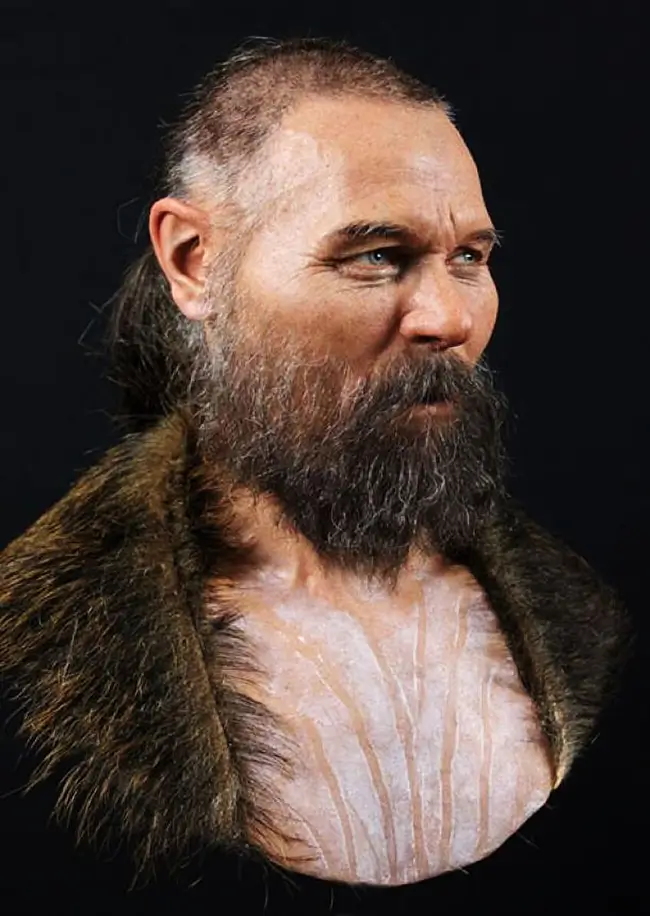
Il y a environ 8000 ans, dans l'extrême nord, les anciens chasseurs-cueilleurs étaient pâles et avaient les yeux bleus, mais tous ces habitants du centre et du sud de l'Europe avaient encore la peau plus foncée. Ce n'est qu'après l'arrivée des premiers agriculteurs du Proche-Orient en Europe que la situation a changé. Ils portaient des gènes pour la peau claire. Comme ils se sont croisés et se sont mélangés avec les chasseurs-cueilleurs indigènes à la peau foncée, l'un de leurs gènes à la peau claire a balayé l'Europe, probablement en raison des conditions environnementales favorables qui manquent du climat ensoleillé de l'Afrique. Ce n'est qu'il y a environ 8000 ans que les habitants du centre et du sud de l'Europe ont commencé à avoir la peau plus claire. Manque de soleil, surtout en hiver, forcé l'adaptation et donc la sélection naturelle a favorisé les adaptations génétiques à ce problème par un pâlissement de la peau qui absorbe plus efficacement les UV. La deuxième ligne dans les adaptations aux climats plus froids était également une faveur de la tolérance au lactose. La vitamine D se trouve naturellement dans une certaine quantité de lait ordinaire.
La vitamine D n'est pas une vitamine. C'est une prohormone, un stéroïde avec une activité semblable à une hormone qui régule environ 3 % du génome humain à partir du métabolisme du calcium, de la fonction musculaire, de la régulation du système immunitaire et de nombreuses autres fonctions essentielles à la vie. (Carlberg, 2019).
Les connaissances médicales actuelles associent la carence en vitamine D à la contribution au développement de dix-sept maladies auto-immunes différentes, des maladies parodontales, des cancers, des handicaps congénitaux, des accidents vasculaires cérébraux et des maladies cardiaques. L'insuffisance en vitamine D et, dans le pire des cas, même la carence, est un problème qui s'est maintenant propagé au niveau mondial. Et pourquoi ? Parce que nous avons changé notre habitat et commencé à porter des vêtements. Si vous êtes une femme musulmane dans un pays de la charia, peu importe si vous vivez dans un climat ensoleillé. Si vous êtes un Africain noir et que vous commencez à vivre le mode de vie moderne, c'est-à-dire à passer la plupart de votre temps à l'intérieur et dans des voitures portant des t-shirts et des casseroles, vous aurez une carence en vitamine D. Malgré une importante disponibilité quotidienne de lumière solaire en Afrique et au Moyen-Orient, les habitants de ces régions sont souvent insuffisants ou carencés en vitamine D allant de 5 % à 80 %. L'insuffisance en vitamine D sévit chez les Afro-Américains. Même les jeunes Noirs en bonne santé n'atteignent pas des concentrations optimales à tout moment de l'année.
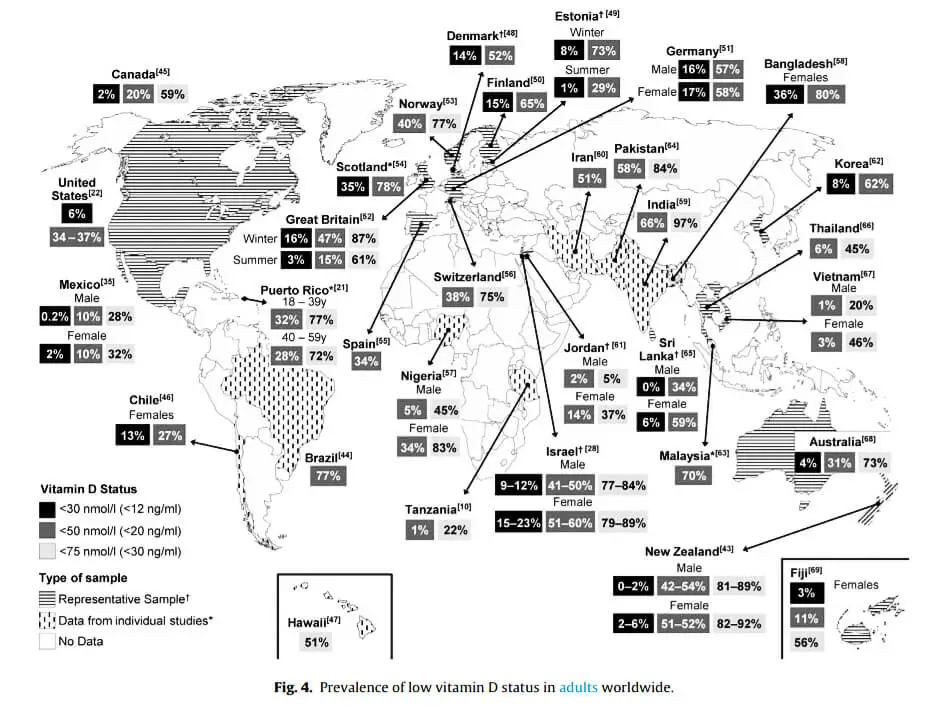
Les Blancs sont plus adaptés au climat nordique. Les Noirs sont plus aptes aux latitudes méridionales. Eh bien au moins avant l'ère moderne. Or nous ne sommes adaptés à aucun climat. Pourquoi ? Parce que nous ne courons pas nus même pendant l'été, nous ne recevons donc pas de vitamine D pendant la majeure partie de l'année. Nous vivons à l'intérieur. Même être nu et exposé au soleil pendant l'été n'était pas suffisant pour que les latitudes géographiques du nord maintiennent des niveaux adéquats de vitamine D pendant toute l'année. Notre physiologie s'adapte en palissant notre peau. Les conditions axées sur la technologie moderne sont 10 fois pires. À l'avenir, nous aurons probablement tous l'albinisme à la suite de l'adaptation si rien n'est changé.
Des groupes de Néandertaliens étaient pâles aussi. Certains d'entre eux avaient plus de pigments, d'autres moins, et certains étaient pâles et avaient les cheveux roux.

Si vous ne le croyez pas, nous deviendrons scientifiques. Il y a le récepteur qui active la mélanine, le pigment qui donne leur couleur à la peau, aux cheveux et aux yeux. Il est connu sous le nom de récepteur peptidique activateur de mélanine mélanocortine 1 (MC1R). Il est présent à la surface des mélanocytes (cellules qui produisent la mélanine). Les mélanocytes peuvent fabriquer deux types différents de mélanine. L'un s'appelle l'eumélanine et l'autre la phéomélanine. MC1R est un récepteur qui décidera quel pigment sera produit. Il agit comme un interrupteur. Il décidera s'il s'agira de phéomélanine à pigment rouge et jaune ou d'eumélanine à pigment noir et brun. Dans une étude génétique, l'équipe scientifique dirigée par Holger Römpler de l'Université de Harvard a extrait et séquencé le gène MC1R des os d'un Néandertalien de 43000 ans d'El Sidrón, en Espagne, et d'un homme de 50000 ans de Monti Lessini, Italie (Lalueza-Fox et al., 2007). Les deux échantillons de Néandertal ont tous deux montré une mutation ponctuelle qui n'est pas présente chez l'homme moderne. Si une telle mutation est induite dans les cellules humaines, elle entraînera une altération de l'activité MC1R. La mutation provoquerait des cheveux roux et une peau pâle chez les humains modernes. Pour s'assurer que la mutation du gène MC1R n'était pas due à une contamination de l'échantillon par des humains modernes, les scientifiques ont testé environ 4000 personnes. Aucune des personnes testées ne l'avait. Cette étude génétique a montré que Homo sapiens et Néandertal avaient atteint la même adaptation génétique par deux voies évolutives différentes. Les anthropologues avaient prédit il y a longtemps qu'en raison de l'environnement, les Néandertaliens auraient pu évoluer pour avoir la peau pâle. Le travail de Römpler et ses collègues offre la première preuve scientifique à l'appui de cette thèse. Ce n'est donc pas que nous avons hérité du gène blond des Néandertaliens, c'est que l'évolution fonctionne de manière similaire dans des conditions similaires. Lorsque les Néandertaliens sont entrés dans les climats nordiques, l'adaptation a fait le reste.
Aujourd'hui, nous avons la technologie moderne, un mode de vie à l'intérieur et tous les autres nouveaux changements fantaisistes dans l'habitat qui ne sont pas conformes à notre physiologie, et des problèmes de santé surviendront à la suite d'une mauvaise adaptation.
Références :
- Jablonski, NG, & Chaplin, G. (2017). Les couleurs de l'humanité : l'évolution de la pigmentation dans la lignée humaine. Transactions philosophiques de la Royal Society B, 372(1724), 20160349. https://doi.org/10.1098/rstb.2016.0349
- Günther , T. , Malmström , H. , Svensson , EM , Omrak , A. , Sanchez-Quinto , F. , Kılınç , GM , Krzewińska , M. , Eriksson , G. , Fraser , M. , Edlund , H. , Munters, AR, Coutinho, A, Simões, LG, Vicente, M, Sjölander, A, Jansen Sellevold, B, Jørgensen, R, Claes, P, Shriver, MD, Valdiosera, C, ... Jakobsson, M. (2018 ). Génomique des populations de la Scandinavie mésolithique : enquête sur les premières voies de migration postglaciaire et l'adaptation aux hautes latitudes. PLoS biology, 16(1), e2003703. https://doi.org/10.1371/journal.pbio.2003703
- En ligneCarlberg C. (2019). Nutrigénomique de la vitamine D. Nutriments, 11(3), 676. https://doi.org/10.3390/nu11030676
- Lalueza-Fox , C , Römpler , H , Caramelli , D , Stäubert , C , Catalano , G , Hughes , D , Rohland , N , Pilli , E , Longo , L , Condemi , S ., de la Rasilla , M. , Fortea, J., Roses, A., Stoneking, M., Schöneberg, T., Bertranpetit, J., & Hofreiter, M. (2007). Un allèle du récepteur de la mélanocortine 1 suggère une pigmentation variable chez les Néandertaliens. Science (New York, N.Y.), 318(5855), 1453–1455. https://doi.org/10.1126/science.1147417
- Palacios, C., & Gonzalez, L. (2014). La carence en vitamine D est-elle un problème majeur de santé publique mondiale ?. Le Journal de la biochimie des stéroïdes et de la biologie moléculaire, 144 Partie A, 138–145. https://doi.org/10.1016/j.jsbmb.2013.11.003
Articles Similaires


Vous avez des questions sur la nutrition et la santé ?
J'aimerais avoir de vos nouvelles et y répondre dans mon prochain post. J'apprécie votre contribution et votre opinion et j'ai hâte d'avoir de vos nouvelles bientôt. Je vous invite également à nous suivre sur Facebook, Instagram et Pinterest pour plus de contenu sur l'alimentation, la nutrition et la santé. Vous pouvez y laisser un commentaire et entrer en contact avec d'autres passionnés de santé, partager vos conseils et expériences, et obtenir le soutien et les encouragements de notre équipe et de notre communauté.
J'espère que ce billet a été instructif et agréable pour vous et que vous êtes prêt à mettre en pratique les connaissances que vous avez acquises. Si vous avez trouvé ce billet utile, veuillez le partager à vos amis et à votre famille qui pourraient également en bénéficier. On ne sait jamais qui peut avoir besoin de conseils et de soutien dans son parcours de santé.
– Vous pourriez aussi aimer –
Cancer, les Remèdes Interdits - Krebiozen
Aliments Transformés : Comprendre les Risques

Rince-bouche naturel fait maison : éprouvé, plus fort et moins toxique
Amla : Avantages Prouvés, Nutrition et Signification Clinique

Sucre Raffiné : Comprendre les Risques
Toxicité Environnementale- C'est Juste Une Chaîne Alimentaire

Régime Alimentaire Humain Optimal- Maladies Chroniques, Guerre des Régimes Alimentaires et Arguments des Végétaliens

Hyperphagie Boulimique - La Psychologie de la Faim

Apprendre la Nutrition

Milos Pokimica est docteur en médecine naturelle, nutritionniste clinique, rédacteur en santé médicale et nutrition et conseiller en sciences nutritionnelles. Auteur de la série de livres Devenir vegetarien ? Examen des sciences, il exploite également le site Web de santé naturelle GoVeganWay.com
Avis de non-responsabilité médicale
GoVeganWay.com vous propose des critiques des dernières recherches liées à la nutrition et à la santé. Les informations fournies représentent l'opinion personnelle de l'auteur et ne sont pas destinées ni implicitement à remplacer un avis médical professionnel, un diagnostic ou un traitement. Les informations fournies sont fournies à titre informatif uniquement et ne sont pas destinées à remplacer la consultation, le diagnostic et/ou le traitement médical d'un médecin ou d'un prestataire de soins de santé qualifié.NE JAMAIS IGNORER LES CONSEILS MÉDICAUX PROFESSIONNELS OU RETARDER LA RECHERCHE DE SOINS MÉDICAUX EN RAISON DE QUELQUE CHOSE QUE VOUS AVEZ LU OU ACCÉDÉ SUR GoVeganWay.com
N'APPLIQUEZ JAMAIS DE CHANGEMENTS AU STYLE DE VIE OU TOUT CHANGEMENT À LA SUITE DE QUELQUE CHOSE QUE VOUS AVEZ LU SUR GoVeganWay.com AVANT DE CONSULTER UN PRATICIEN MÉDICAL AGRÉÉ.
En cas d'urgence médicale, appelez immédiatement un médecin ou le 911. GoVeganWay.com ne recommande ni n'approuve aucun groupe, organisation, test, médecin, produit, procédure, opinion ou autre information spécifique pouvant être mentionné à l'intérieur.
Choix de l'éditeur -
Cancer Choix de l'éditeur Phytochimiques
Pouvoir Anticancéreux des Fruits et Légumes : Preuves in Vivo et Cliniques
Certains extraits végétaux rivalisent avec les principaux médicaments de chimiothérapie et ciblent en même temps plusieurs types différents de cellules cancéreuses.
Antioxydants Choix de l'éditeur ORAC
Les Huiles Essentielles en Tant Que Compléments Antioxydants : Règles et Stratégies
Les huiles essentielles de qualité alimentaire peuvent constituer une stratégie pratique et conviviale pour optimiser la valeur antioxydante et les scores ORAC de notre alimentation.
Antioxydants Choix de l'éditeur ORAC
Régime Riche en Antioxydants : Règles Rénérales et Stratégies
Il existe des stratégies simples et rentables pour optimiser la valeur antioxydante de notre alimentation.
Antioxydants Choix de l'éditeur ORAC
Comprendre les Valeurs ORAC : La Teneur en Antioxydants des Aliments
Lorsque votre principale source d'antioxydants est le café, vous savez que vous avez un sérieux problème.

Antioxydants Choix de l'éditeur ORAC
Avantages de l’Astaxanthine : L’Antioxydant Naturel le Plus Puissant au Monde
L'astaxanthine est l'antioxydant naturel et universel le plus puissant (soluble dans l'huile et dans l'eau) connu de la science. Il s'accumule dans les tissus et ne peut jamais se transformer en pro-oxydant.
Antioxydants Choix de l'éditeur ORAC Phytochimiques
Les Antioxydants : Comprendre les Bases
Il n'y a pas de composés phytochimiques ou d'antioxydants dans les produits d'origine animale. En moyenne, les aliments végétaux contiennent plus de 60 fois plus d'antioxydants que les aliments d'origine animale.
Choix de l'éditeur Régime végétalien
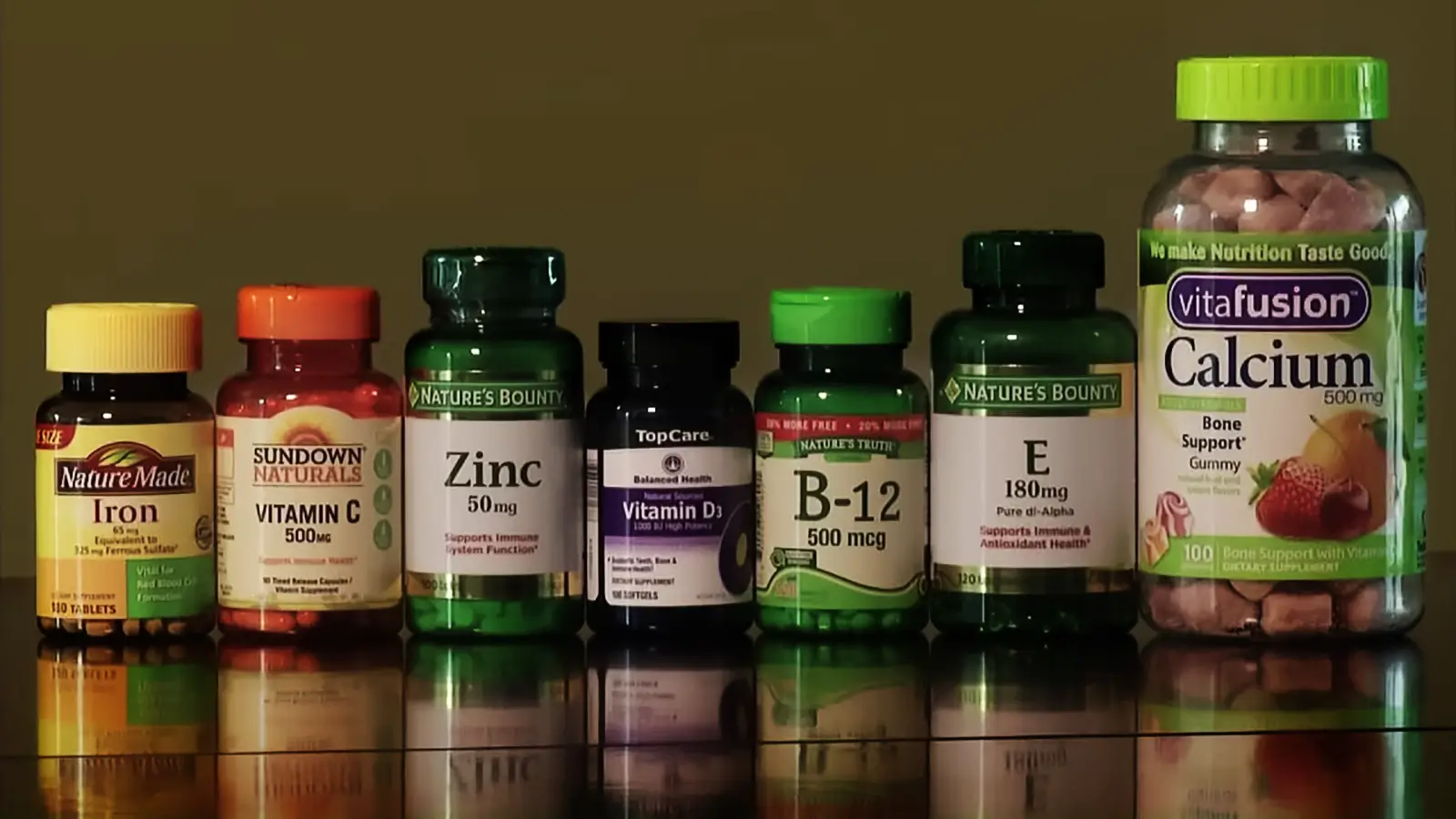
Les Carences en Nutriments Dans le Régime Végétalien : Stratégies de Prévention
Il existe neuf carences nutritionnelles courantes à l'échelle de la population qui affectent les personnes qui suivent un régime à base de plantes. Si elles ne sont pas corrigées à temps, certaines déficiences ont des conséquences terribles et incurables.
Choix de l'éditeur Régime optimal
Déficience en Micronutriments Dans le Régime Alimentaire Américain Standard : Stratégies d'Optimisation
Le profil nutritionnel de notre régime moderne à base de viande, de sucre et d'aliments transformés est totalement incongru avec notre évolution, ce qui entraîne de graves carences en micronutriments.
Choix de l'éditeur Phytochimiques
Photochimie : Comprendre les Bases
Chaque phytochimique qui existe a une action biologique dans le corps humain. Chacun parmi des millions de composés phytochimiques différents.
Choix de l'éditeur Lait Régime optimal
Lait et Produits Laitiers : Corrélations Avec les Risques Pour la Santé
Les associations connues avec la consommation de lait et de produits laitiers sont l'infertilité, le cancer des ovaires et du sein, la leucémie, le diabète de type 1, l'autisme, l'artériosclérose, la cataracte, la polyarthrite rhumatoïde, la sclérose en plaques, l'hyperactivité, la congestion, les boutons, etc.
Cancer Choix de l'éditeur Protéine
Protéine Complète : Signalisation de l'IGF-1 dans la Formation du Cancer
Lorsque vous mangez des protéines animales, vous avez quatre fois plus de chances de développer tous les types de cancer. Lorsque vous fumez, vous avez quatre fois plus de chances de développer un cancer du poumon.
Cancer Choix de l'éditeur Protéine
Anatomie du Cancer - Corrélations Entre Les Risques Pour la Santé
Environ 2 % des cancers sont considérés par la médecine comme étant purement causés par des facteurs génétiques. La même gamme que dans le règne animal. On ne vous a pas dit toute la vérité.
Milos Pokimica est rédacteur spécialisé dans la santé et la nutrition et conseiller en sciences nutritionnelles. Auteur d'une série de livres Devenir vegetarien ? Examen des sciences, il exploite également le site Web de santé naturelle GoVeganWay.com
Derniers articles –

Restriction calorique Longévité
Comment Jeûner : Les Aliments de Jeûne Qui N'interrompent Pas L'Autophagie
Autophagie. Vous êtes-vous déjà demandé ce qui arrive aux cellules de votre corps lorsqu’elles meurent ou sont endommagées ? Est-ce qu'ils s'accumulent et créent des problèmes, ou sont-ils éliminés d'une manière ou d'une autre ? La réponse est que votre corps…
Santé Dentaire La prévention
Sensibilité et Douleur des Dents aux Sucreries : Solution Rapide et Durable
L'huile essentielle de clou de girofle est une solution rapide et facile pour soulager la douleur. C'est un antioxydant puissant et un analgésique qui peut aider à lutter contre les maladies des gencives et les maux de dents.
Les haricots
Haricots Verts : Nutrition et Bienfaits Pour La Santé
Les haricots verts sont pauvres en calories et riches en composés naturels qui peuvent vous aider à contrôler votre glycémie, à réduire votre taux de cholestérol et à lutter contre les radicaux libres.
Régime alimentaire cru Régime végétalien
Peut-on Manger des Champignons Crus : Risques pour la Santé, Nutrition et Sécurité
Les champignons contiennent des toxines sensibles à la chaleur, comme l'hydrazine ou l'agaritine, et des parois cellulaires composées de chitine qui ne peuvent pas être digérées correctement par l'homme.
Régime végétalien
Les Poissons Sont-ils Des Animaux ? Une Perspective Culturelle
Dans certaines cultures, la viande de poisson n'est pas considérée comme de la viande et le poisson est autorisé même pendant le jeûne.

Santé Dentaire La prévention
Rince-bouche naturel fait maison : éprouvé, plus fort et moins toxique
Le bain de bouche naturel fait maison est plus puissant que la chlorhexidine, moins toxique et, s'il est avalé, il peut donner des nausées, mais il a aussi une valeur ORAC élevée.
Santé Dentaire La prévention
Comment Arrêter les Caries Dentaires : Symptômes, Causes et Prévention
La consommation de sucre est la principale cause des caries dentaires, associée à des carences en minéraux, notamment en magnésium, zinc, cuivre et oligo-éléments.
Antioxydants Superaliments
Amla : Avantages Prouvés, Nutrition et Signification Clinique
L'amla est l'un des antioxydants les plus puissants au monde, avec un score ORAC de 261 530. Il s'agit d'une riche source de substances phytochimiques qui ont de nombreux effets bénéfiques sur la santé.
Top Des Nouvelles Sur la Santé - ScienceDaily
- Simple therapies beat drugs for knee arthritis pain reliefle mars 30, 2026
A major analysis of nearly 10,000 patients shows that simple, non-drug treatments like knee braces, hydrotherapy, and exercise can significantly ease knee osteoarthritis symptoms. These approaches not only reduce pain and improve mobility, but also avoid the risks tied to common medications. The findings suggest that low-cost, accessible therapies could play a bigger role in how doctors treat arthritis in the future.
- This overlooked hormone could be why your blood pressure won’t drople mars 30, 2026
A large U.S. study reveals that more than a quarter of people with hard-to-treat high blood pressure may have an overlooked hormone problem. Elevated cortisol—often linked to stress—was found in 27% of these patients, far higher than expected. This hidden condition could explain why standard medications fail. The discovery could lead to new testing and treatments that finally help bring blood pressure under control.
- Powerful cholesterol drug cuts heart attack risk by 31%le mars 30, 2026
A powerful cholesterol-lowering drug may be changing the rules of heart disease prevention. Researchers found that evolocumab, typically used for people who already have cardiovascular disease, can significantly cut the risk of first-time heart attacks and strokes in high-risk patients with diabetes—even before any artery-clogging plaque is detected.
- Just a few minutes of effort could lower your risk of 8 major diseasesle mars 30, 2026
Just a few minutes of getting out of breath each day could dramatically cut your risk of major diseases—including heart disease, dementia, and diabetes. A large study of nearly 100,000 people found that it’s not just how much you move, but how intensely you move that matters. Short bursts of vigorous activity—like rushing for a bus or climbing stairs quickly—were linked to striking reductions in disease risk, especially for inflammatory conditions and brain health.
- Scientists solved the mystery of missing ocean plastic—and the answer is alarmingle mars 29, 2026
Scientists have discovered that the ocean’s “missing” plastic hasn’t vanished—it has broken down into trillions of invisible nanoplastics now spread through water, air, and living organisms. These tiny particles may be everywhere, including inside our bodies, raising serious concerns about their impact.
- Stroke triggers a hidden brain change that looks like rejuvenationle mars 29, 2026
After a stroke, the brain may do something surprisingly hopeful—it can “refresh” parts of itself. Researchers analyzing brain scans from over 500 stroke survivors found that while the damaged side of the brain appears to age faster, the opposite, unaffected side can actually look younger. This unexpected shift seems to reflect the brain’s effort to rewire itself, strengthening healthy regions to compensate for lost function.
- New cholesterol guidelines could change when you get testedle mars 29, 2026
A major new U.S. cholesterol guideline is shifting the focus toward earlier, more personalized prevention of heart disease. It urges people to start screening sooner—sometimes even in childhood—and highlights the importance of tracking not just LDL (“bad”) cholesterol but also genetic risk factors like lipoprotein(a). A new, more advanced risk calculator now uses broader health data to better predict heart attack and stroke risk over decades.
PubMed, #régime-vegan –
- Environmental Sustainability and Chronic Disease Outcomes Across Four Sustainable Dietary Patternsle mars 29, 2026
Global food consumption patterns have undergone substantial transformation in recent decades, driven by rapid population growth and the consequent intensification of agricultural production. This growth, however, has come at significant environmental cost. As food consumption practices play a central role in shaping these impacts, shifts toward environmentally sustainable diets-typically characterized by greater reliance on plant-based foods-have been proposed as a viable mitigation strategy….
- Plant-Based Dietary Patterns and Neuroimaging Biomarkers of Brain Health: A Scoping Review of Observational and Interventional Evidencele mars 23, 2026
Healthy dietary interventions are well established in cardiovascular disease prevention, but their effects on the brain remain underexplored. This scoping review aims to investigate how adherence to core components of a whole-food plant-based diet (WFPBD) may impact neuroimaging outcomes across different brain conditions. We searched PubMed and MEDLINE for studies published in the past 20 years evaluating the effects of a predominantly or exclusively WFPBD, alone or combined with other […]
- Environmental and economic impact of a vegan versus traditional mediterranean diet: OMNIVEG studyle mars 17, 2026
CONCLUSIONS: Replacing animal products with plant-based foods in a Mediterranean dietary framework can enhance environmental sustainability and reduce food costs. These findings support the promotion of whole plant-based diets as a viable strategy for sustainable and affordable nutrition.
- Consumption Habits and Perception of Plant-Based Milk and Dairy Alternatives Among Vegetarians and Omnivores: A Case Study of Consumers in Sloveniale mars 14, 2026
CONCLUSIONS: PBMDA perceptions in Slovenia are strongly segmented by dietary pattern and socio-demographics, supporting the need for clearer nutrition communication.
- Culinary Nutrition Programming for Members of a Community-Based Cancer Programle mars 14, 2026
(1) Background: Nutrition research in cancer care has largely focused on disease prevention and management, overlooking the importance of food literacy. Culinary cancer care programs may address this gap by facilitating the practical application of nutrition through culinary skills, fostering social connections over nutrient-dense meals, and supporting individuals during periods of physical and social vulnerability. The Not-Just-Supper Club (NJSC) at Gilda’s Club Toronto (GT) is a…
Messages aléatoires –
Régime alimentaire cru Régime végétalien
Peut-on Manger des Champignons Crus : Risques pour la Santé, Nutrition et Sécurité
Les champignons contiennent des toxines sensibles à la chaleur, comme l'hydrazine ou l'agaritine, et des parois cellulaires composées de chitine qui ne peuvent pas être digérées correctement par l'homme.
Café Toxicité
Avantages du Café – Pas Sans Risques
Pensons-nous que la caféine est bonne pour notre cerveau ou mauvaise ou neutre ?
Que fait la caféine réelle?

Médecine allopathique Choix de l'éditeur
Médecine Allopathique - La Psychologie de la Peur
Il y a une centaine d'années, la médecine allopathique a finalement réussi à neutraliser les médecins empiriques holistiques. Les médecins allopathes ne traitent pas les maladies, mais les symptômes.
Antioxydants ORAC
Pouvoir Anticancéreux des Fruits et Légumes : Preuves in Vivo et Cliniques
Les clous de girofle, le gingembre, le romarin et le curcuma étouffent considérablement l'inflammation tandis que le poivre noir, le poivre de Cayenne, la cannelle, le cumin, l'origan, le paprika, la sauge et le curcuma chauffé ne font rien.
Inflammation Toxicité
Endotoxémie Bactérienne de la Viande Cuite- Inflammation et Alimentation
Les humains sont-ils omnivores au sens propre de l'anatomie ? Il existe une différence fondamentale dans le fonctionnement du tube digestif entre les plantes et les espèces carnivores.

Choix de l'éditeur Industrie alimentaire
Coca-Cola Company- Revue Historique
Si vous voulez savoir quel est l'ingrédient secret du sirop de Coca-Cola. C'est l'Allemagne nazie, les escadrons de la mort guatémaltèques, le neuromarketing et le travail des enfants.
Choix de l'éditeur Régime paléo Régime végétalien
Taille du Cerveau, Intelligence et Consommation de Viande- L'argument Végétalien
La combinaison d'une certaine quantité de viande fourragée au régime à prédominance végétalienne n'est pas devenue une force pivot dans l'émergence de l'intelligence humaine et de la taille du cerveau.
Choix de l'éditeur La prévention Toxicité
Toxicité Environnementale- C'est Juste Une Chaîne Alimentaire
La toxicité environnementale est la bioaccumulation de toxines. Les organismes sont des filtres. Mais il existe un autre processus encore pire appelé bioamplification dans la chaîne alimentaire.
Désintoxication Grossesse Toxicité
Désintoxication et Risque d'Exposition à la Toxicité Pendant la Grossesse - L'Argument Végétalien
En moyenne, une femme enceinte est polluée par environ 35 produits chimiques différents, y compris des contaminants interdits et contemporains. Les niveaux de cocktails chimiques de bon nombre de ces produits chimiques étaient comparables aux niveaux pouvant avoir des effets indésirables sur le fœtus.
Antioxydants Choix de l'éditeur ORAC
Régime Riche en Antioxydants : Règles Rénérales et Stratégies
Il existe des stratégies simples et rentables pour optimiser la valeur antioxydante de notre alimentation.

Postes en vedette -
Choix de l'éditeur Régime optimal Régime végétalien
Directives Diététiques de l'OMS - Nouvelle Pyramide Alimentaire et Suppression de la Science
Les directives diététiques de l'OMS recommandent une alimentation pauvre en graisses saturées (protéines animales), en sucre et en sel et riche en fruits et légumes pour lutter contre l'augmentation épidémique des maladies chroniques dans le monde.
Antioxydants Choix de l'éditeur ORAC Phytochimiques
Les Antioxydants : Comprendre les Bases
Il n'y a pas de composés phytochimiques ou d'antioxydants dans les produits d'origine animale. En moyenne, les aliments végétaux contiennent plus de 60 fois plus d'antioxydants que les aliments d'origine animale.

Cancer Choix de l'éditeur Toxicité
Exposition des Enfants Aux Pesticides : Tests d'Exposition en Situation Réelle
Les enfants et surtout les femmes enceintes sont plus vulnérables à l'exposition aux pesticides. Si nous analysions les niveaux d'exposition réels dans des scénarios réels, quel serait le résultat ?
Diabète Choix de l'éditeur
Causes du Diabète et Glucides Raffinés- L'argument Végétalien
Les gens pensent que les glucides raffinés sont associés à des pics d'insuline et sont l'une des causes du diabète. Ils ont raison. Cependant, ils ont également tort.

Choix de l'éditeur Régime optimal Protéine
Régime Riche en Protéines- Corrélations des Risques Pour la Santé
La rareté est la règle des protéines dans la nature. En termes d’évolution, les anthropologues ont prouvé que les hominidés vivaient en moyenne de 15 à 25 grammes de protéines par jour. Dans le type occidental moderne de régime riche en protéines, nous consommerions cela…
Antioxydants Choix de l'éditeur ORAC
Comprendre les Valeurs ORAC : La Teneur en Antioxydants des Aliments
Lorsque votre principale source d'antioxydants est le café, vous savez que vous avez un sérieux problème.
Cancer Choix de l'éditeur Protéine
Anatomie du Cancer - Corrélations Entre Les Risques Pour la Santé
Environ 2 % des cancers sont considérés par la médecine comme étant purement causés par des facteurs génétiques. La même gamme que dans le règne animal. On ne vous a pas dit toute la vérité.
Diabète Choix de l'éditeur
Causes du Diabète et Graisses Saturées- L'argument Végétalien
À mesure que le niveau de graisse dans le sang augmente, la capacité du corps à éliminer les gouttes de sucre. L'une des causes du diabète est notre mauvaise adaptation à un apport important en matières grasses
Choix de l'éditeur La prévention Toxicité
Toxicité Environnementale- C'est Juste Une Chaîne Alimentaire
La toxicité environnementale est la bioaccumulation de toxines. Les organismes sont des filtres. Mais il existe un autre processus encore pire appelé bioamplification dans la chaîne alimentaire.

Choix de l'éditeur La prévention Régime végétalien
Étude sur la Chine- L'argument Végétalien
Une étude chinoise a montré qu'il n'y a pas de maladie cardiaque, de cancer ou de diabète dans les communautés rurales sous-développées du monde avec des régimes végétaliens à base d'amidon.
Dernières Nouvelles de PubMed, #alimentation végétale –
- Targeting systemic and tumor metabolic balances with ketogenic diets enhance efficacy of therapy in FLT3-ITD acute myeloid leukemiapar Léa Goupille le mars 29, 2026
FMS-like tyrosine kinase 3 (FLT3) mutations in acute myeloid leukemia (AML) are associated with adverse prognosis. FLT3 inhibitors (FLT3i) improve therapeutic response; however, diverse resistance mechanisms, such as adaptations in lipid metabolism, have been identified. We hypothesized that a lipid-rich ketogenic diet (KD) might alter both host and tumoral lipid metabolism, enhancing responses to FLT3i. In FLT3-mutated AML mouse models, 3 weeks of lard- or plant-based KD improved the […]
- Recent evidence on plant-based diets and risk of chronic noncommunicable diseases in adults: A systematic review and meta-analysispar Ana Botelho Moreira le mars 29, 2026
CONCLUSION: Recent observational evidence suggests that plant-based diets are associated with lower odds of hypertension and may also benefit type 2 diabetes and dyslipidemia. The findings support plant-forward dietary guidance, although better standardized prospective studies are still needed.
- Replacing red meat with non-soy legumes alters choline metabolites but not systemic inflammation or proxies of gut barrier function in healthy males in a 6-week RCTpar Tuulia K Pietilä le mars 29, 2026
While the health burden of high red and processed meat intake has been acknowledged in observational studies, studying the effects and mechanisms in controlled settings with healthy participants have generated mixed findings. We aimed to investigate whether a partial replacement of unprocessed and processed red meat (from 760 g/week to 200 g/week) with non-soy legume foods in apparently healthy men (age 37.9 y, BMI 25.5 ± 3.3 kg/m², mean±SD) yields beneficial effects on low-grade […]
- Environmental Sustainability and Chronic Disease Outcomes Across Four Sustainable Dietary Patternspar Jenna Mu le mars 29, 2026
Global food consumption patterns have undergone substantial transformation in recent decades, driven by rapid population growth and the consequent intensification of agricultural production. This growth, however, has come at significant environmental cost. As food consumption practices play a central role in shaping these impacts, shifts toward environmentally sustainable diets-typically characterized by greater reliance on plant-based foods-have been proposed as a viable mitigation strategy….
- Supplementation of Maize- and Cowpea Seed-Based Artificial Diets with Diverse Pollen Sources Affects the Demographic Features of Leucania loreyi (Duponchel, 1827) (Lepidoptera: Noctuidae)par Maryam Jafari le mars 28, 2026
Leucania loreyi (Duponchel, 1827) is a major lepidopteran pest that infests a wide range of crops worldwide. Effective mass production of insects for pest management programs depends on the availability of suitable artificial diets. Here, we evaluated 14 artificial diets (D1-D14) formulated from maize or cowpea seeds (19.5 g) plus standard diet components and supplemented with 1 g of pollen from different sources (rapeseed, date palm, maize, common hollyhock, saffron, and honey bee), along […]
- Interactions Between Plant Proteins and Gut Microbiota as Determinants of Intestinal Healthpar Aleksandra Szydłowska le mars 28, 2026
Plant proteins are an important component of the human diet and play a key role in shaping the composition and activity of the intestinal microbiota. Increasing evidence shows that interactions between plant-derived protein fractions and intestinal microorganisms have a significant impact on intestinal barrier function, immune response, and host metabolism. Undigested residues of proteins and peptides may constitute a substrate for intestinal bacteria, leading to the formation of metabolites…