




Intravenöses Vitamin C bei der Behandlung von Influenza: Lebende Beweise aus der Klinischen Praxis
Wenn Sie sich im Krankenhaus intravenös Vitamin C verabreichen lassen möchten, sagen Sie es Ihrem Arzt nicht. Stattdessen fordern Sie Ihren Anwalt auf, dies Ihrem Arzt schriftlich mitzuteilen.
Milos Pokimica
Geschrieben von: Milos Pokimica
Medizinisch Begutachtet Von: Dr. Xiùying Wáng, M.D.
Updated Dezember 21, 2025In früheren Zeiten und bis heute gibt es in regulären medizinischen Einrichtungen starken Widerstand gegen jede Form von ergänzenden Antioxidantien. In der Vergangenheit war es so heftig, dass die medizinische Einrichtung alles in ihrer Macht Stehende tat, um Menschen von der Einnahme von Antioxidantien abzuhalten. Heute werden sie aufgrund des Internets alles tun, was sie können, außer körperlicher Misshandlung. Meistens schweigen sie einfach und lassen dich sterben, selbst wenn es eine Möglichkeit gibt, dir zu helfen. Und wenn Sie gebildet sind und darauf bestehen, werden sie Sie körperlich misshandeln, indem sie Ihnen die Behandlung verweigern. Das müssen Sie sich merken. Allopathische Medizin ist nur ein Geschäftsmodell und nichts anderes. Die Resistenz gegen antioxidative Behandlungen in der medizinischen Praxis ist nur ein Beispiel.
Der Hauptgrund oder die Geschichte war, dass Antioxidantien für nichts anderes wichtig sind, als Skorbut oder einen direkten Vitamin-E-Mangel zu verhindern. Alles darüber hinaus war Quacksalberei.
Jahrzehntelang war es ein wissenschaftlicher Kampf, weil allopathische Medizin ist ein Geschäft und würde daher durch spottbillige Lösungen untergraben. Zum Beispiel Curcumin aus Kurkuma kann Krebszellen besser abtöten als die meisten führenden Chemotherapeutika auf dem Markt, ohne dass Nebenwirkungen auftreten. Dies steht im direkten Gegensatz zu Hunderten von Milliarden Dollar Krebs Die Branche profitiert jährlich auf dem Weltmarkt, der nicht nur die Krebsbehandlung, sondern auch Arztgehälter, medizinische Ausrüstung, ergänzende Therapien, Operationen, Medikamente usw. umfasst. Wenn es eine Behandlung wie eine Megadosis von Vitamin C gibt, die spottbillig ist, oder eine andere Art von Antioxidantien, wer wird dann mit patentierten Medikamenten, Chemotherapie, Operationen und allem anderen Geld verdienen? Noch schlimmere Bevölkerungs- und Sozialentwicklungen werden nicht mit dem gewünschten Ergebnis übereinstimmen. Sie sollten mit 60 sterben, nicht mit 130, nachdem Sie Ihre gesamten Ersparnisse für die guten Dienste der modernen Medizin ausgegeben haben. Ich habe bereits einige der Geschichten hinter dem Chemie-Banking-Medizin-Geschäftskartell in entsprechenden Artikeln analysiert.
Selbst heute mit Tausenden von Studien gibt es keine Empfehlung für den täglichen Verzehr von Antioxidantien. Antioxidantien und andere sekundäre Pflanzenstoffe werden nie, und ich möchte das betonen, nie darüber gesprochen oder diskutiert, und selbst wenn Sie zum Beispiel eine Megadosis eines Antioxidans zur Behandlung einer Krankheit verwenden möchten, wird Ihnen der Arzt drohen, Ihnen die Behandlung nicht zu verabreichen, und sogar dich direkt konfrontieren.
Es gab ein gutes Beispiel dafür, als Männer namens Allan Smith im Grunde genommen von den Toten auferstanden sind.
Der 60-Minuten-Dokumentarfilm „Living Proof“, der im August 2010 im neuseeländischen Fernsehen ausgestrahlt wurde, erzählte die Geschichte dieses Ereignisses. Es entwickelte sich zu einem großen Rechtsskandal und endete in den Nachrichten, Fernsehsendungen und Diskussionen im neuseeländischen Parlament. Er war mit der Schweinegrippe infiziert und sein Immunsystem brach zusammen. Er lag im Koma und war lebenserhaltend und konnte nicht selbst atmen. Die Ärzte forderten von seiner Familie, dass ihm die lebenserhaltenden Maßnahmen entzogen werden sollten und dass sie nichts anderes tun könnten und dass er im Grunde bereits tot sei. Die Familie lehnte ab. Da seine Familie von der Arbeit von Luis Pauling und seinem Institut wusste, lehnten sie ab und forderten vom medizinischen Personal, dass ihm direkt eine Megadosis Vitamin C injiziert werden sollte.
Bei Tieren beispielsweise steigt die Produktion von Vitamin C dramatisch an, wenn sie sich mit der Infektion infizieren. Es ist schwer für die Menschen verstehen, wie Antioxidantien wirken können haben eine Wirkung auf Viren, aber die Antwort ist ganz einfach. Wenn man tief genug auf die molekulare Ebene vordringt, ist jedes Virus, jedes Toxin oder irgendetwas wie Sauerstoff oder eine andere Substanz gleich. Sie alle sind nur Elektronenfänger. Sauerstoff, Viren und Toxine üben ihre Wirkung auf molekularer Ebene aus, indem sie anderen Molekülen Elektronen stehlen. Das ist es. Es kann Schlangengift oder Vogelgrippe sein, das spielt keine Rolle. Auf molekularer Ebene versuchen sie lediglich, Elektronen von anderen Molekülen zu übernehmen, und Vitamin C ist ein wasserlösliches Antioxidans, das über dieses eine zusätzliche Elektron verfügt.
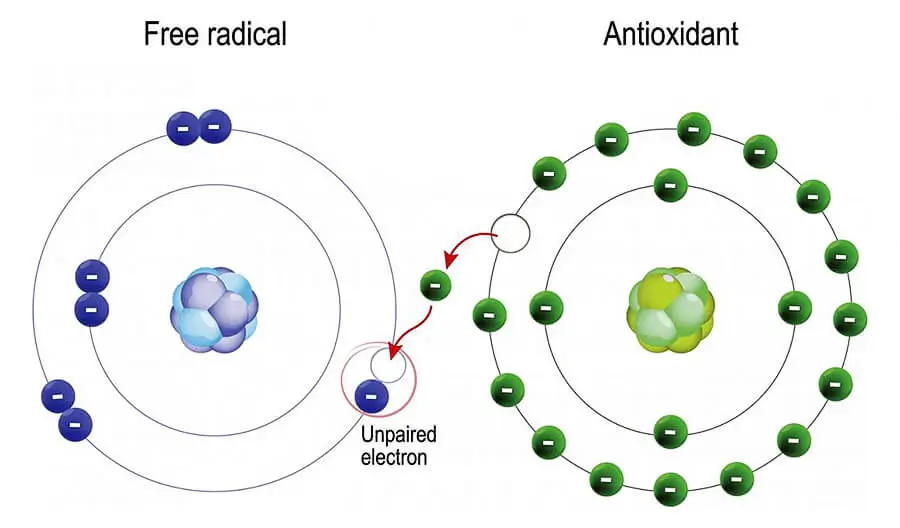
Die Familie von Allan Smith, die das alles wusste, verlangte, dass ihm intravenös eine Megadosis Vitamin C verabreicht werden sollte. Und die Ärzte lehnten ab. Sie waren darüber so wütend, dass sie der Familie sagten, dass sie kein Vitamin C verabreichen und die Maschinen ohne ihre Zustimmung ausschalten würden. Das ist für Ärzte sehr psychologisch und existenziell, denn wenn es ein Heilmittel für so starke Viren wie die Schweinegrippe gibt und dieses Heilmittel nicht patentiert werden kann, dann ist ihr gesamter Beruf überholt und nicht nur das, ihr gesamter Beruf ist schuldig, durch Zurückhaltung Millionen von Menschen ermordet zu haben Therapien, die sie nicht in Rechnung stellen können.
Jedes Mal, wenn Sie dies tun möchten, müssen Sie mit Gewalt in jeder erdenklichen Form rechnen. Ärzte sind nicht nett, sie sind nicht da, um einen zu heilen, und es ist ihnen eigentlich egal, ob man stirbt, solange sie sechsstellige Gehälter bekommen können.
Wo sind die Beweise?
Im Gegensatz zu dem, was wir oft als Nahrungsvitamin C bezeichnen, das ein breites Spektrum an Funktionen von der Kollagenbiosynthese bis zur Absorption von Eisen spielt, wird Ascorbinsäure seit den späten 60er Jahren therapeutisch in pharmakologischen Dosierungen über intravenöse Infusionen in der Medizin eingesetzt.
Dr. Frederick Klennners bahnbrechende Forschung aus dem Jahr 1949 zeigte, wie intravenös verabreichtes Ascorbat Viruserkrankungen wie Hepatitis, Poliomyelitis und Influenza nahezu ausrotten kann, indem es die Virusreproduktion hemmt (KLENNER et al., 1949).
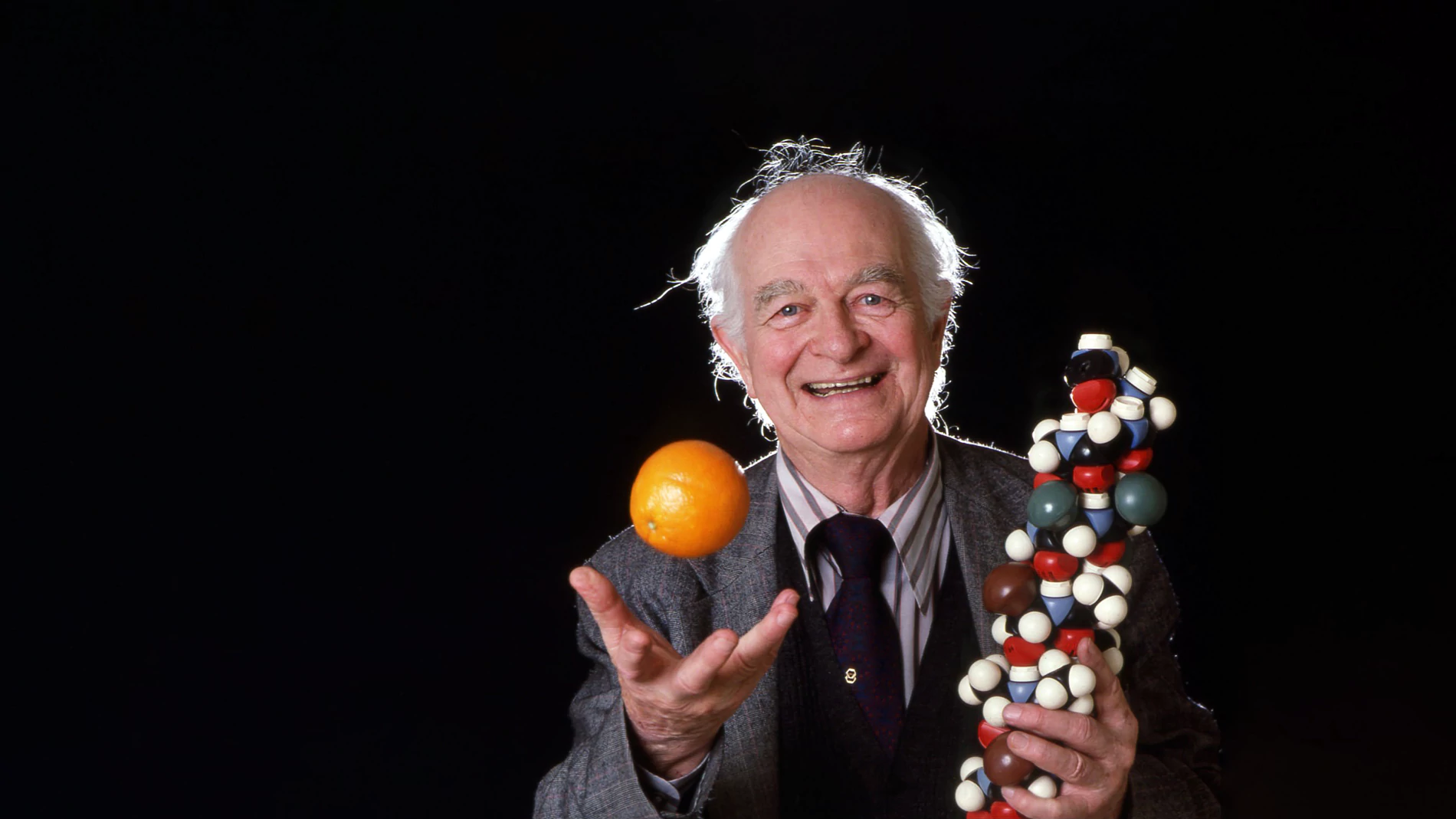
Und ja, sie wissen davon und haben in jedem Krankenhaus Vitamin-C-Injektionen. Vitamin C megadosiert und unnatürlich Konzentrationen werden klinisch als Antioxidans eingesetzt oder als Kurfürstenspender zur Neutralisierung sämtlicher Giftstoffe und Entzündungsformen. Im Vergleich zu anderen existierenden Antioxidantien ist es zwar sehr schwach, aber wenn es als Infusion in den Blutkreislauf verabreicht wird, wird es zu einem ganz anderen Biest. Das wissenschaftliche Genie Linus Pauling war sich des Potenzials von Ascorbinsäure als prophylaktische Strategie bei Viruserkrankungen wie Influenza durchaus bewusst. Linus Pauling ist weithin dafür bekannt, dass er die Verwendung hoher Dosen Vitamin C befürwortet. Er betonte, dass das Virus typischerweise durch die Einnahme von 1 g (1000 mg) des Medikaments pro Stunde zum Zeitpunkt der Infektion eliminiert würde. Das sind 24 Gramm pro Tag. Dies war seine Schätzung, die er durch Neuberechnung der Vitamin-C-Belastung von Primaten und anderen Arten während einer Krankheit erhielt. Die meisten anderen und alle Nichtpflanzenfresserarten produzieren ihr eigenes Vitamin C und Vitamin C ist für sie kein Vitamin. Ein Gramm pro Stunde war eine Schätzung für die Vitamin-C-Produktion von Ziegen. Er berechnete neu, wie viel sie pro Pfund Körpermasse produzieren, wenn sie durch Krankheit gestresst sind, passte den Wert an den Menschen an und berechnete die Werte anschließend durch klinische Praxis neu.
Wenn wir nur Influenzaviren betrachten, haben relativ neue In-vitro-Forschungen (2008) gezeigt, dass Ascorbinsäure und Dehydroascorbinsäure (Ascorbinsäure in ihrer reduzierten Form) in manchen Situationen beide direkte antivirale Wirkungen haben. Der genaue Wirkmechanismus wurde bis vor kurzem nicht vollständig geklärt (Furuya et al., 2008).
In den meisten klinischen Anwendungen hat sich Vitamin C als starkes antivirales Mittel erwiesen, aber nicht nur als Antimykotikum, antibakterielles Mittel, Anti-Melanom-Zell, Anti-Rheuma-Zell und Anti-Leukämie-Zell. Daten, die zeigen, dass längere Plasmaspiegel von Ascorbinsäure beim Menschen schädlich für Tumorzellen sind, wurden erstmals 1995 von Riordan veröffentlicht (Riordan et al., 1995).
Darüber hinaus unterstützt Ascorbinsäure die Produktion von Stresshormonen und ihre bekannteste Eigenschaft sind ihre antioxidativen Eigenschaften.
Die Wirkung einer Megadosierung von Vitamin C kann bei normaler menschlicher Evolution niemals durch den Verzehr über die Nahrung erreicht werden. Sie können nur durch intravenöse Verabreichung erreicht werden. Als Antioxidans reduziert Vitamin C auch Entzündungsmediatoren und steigert die Aktivität und Anzahl der Helfer- und Killerzellen und unterstützt so die Funktion des Immunsystems. Aber auch hier ist die Einnahme von 500 mg nicht dasselbe wie eine intravenöse Injektion.
Die intravenöse Injektion ist die einzige wissenschaftlich erprobte Methode, die in der medizinischen Praxis klinische Bedeutung hat. Wenn Sie versuchen, dies über die Ernährung zu erreichen, wird Ihr Körper darauf reagieren, indem er das überschüssige Vitamin C vollständig ausscheidet, und es kommt zu unkontrollierbarem Durchfall. In einer Situation, in der eine schwere Grippe, Krebs oder eine andere lebensbedrohliche Erkrankung vorliegt, kommen Megadosen oder intravenöse Injektionen von Vitamin C in Betracht. In normalen Situationen ohne lebensbedrohliche Krankheiten, Traumata oder Stress ist die Aufrechterhaltung eines normalen Vitamin-C-Konsums von nicht mehr als ein bis zwei Gramm pro Tag mehr als ausreichend, und eine Megadosierung wird keinen bis geringen Nutzen haben, außer in einer Situation, in der Verstopfung vorliegt . In Situationen, in denen Sie unter Verstopfung leiden, können Sie Ihren Dickdarm durch eine Megadosis Vitamin C auf natürliche Weise durchspülen. Unter normalen Ernährungsbedingungen Vitamin C ist als Antioxidans hilfreich weil sich unser Körper so entwickelt hat, dass er es nutzen kann. Es ist das sicherste und am weitesten verbreitete Antioxidans, das die Biologie kennt. Es ist wasserlöslich und kann in gewissem Umfang zur Wiederverwertung von Vitamin E verwendet werden. Es wird benötigt, um freie Radikale zu neutralisieren, und in diesem Fall ist die maximal tolerierbare Menge an Nahrungsaufnahme optimal. Zu diesen freien Radikalen gehören Stickoxid, Hydroxyl, Superoxid, Peroxynitrit und Lipoperoxide. Wie viel Sie vertragen, hängt von Person zu Person ab, aber ein bis zwei Gramm pro Tag reichen aus. Krebskranke können beispielsweise 20 bis 30 Gramm einnehmen, ohne Durchfall zu bekommen. Wenn Sie eine übermäßige Zufuhr von Vitamin C vertragen, kann dies bedeuten, dass Sie an einer Entzündung, einem Leiden oder einer Krankheit wie Krebs leiden.
Die meisten dieser Probleme treten auf Intensivstationen auf und werden durch Operationen, schwere Infektionen, Traumata, intravenöse Medikamente, Sauerstofftherapie und Stress verursacht. Die Fähigkeit des biologischen Systems, diese Radikale und defekten Schurkenelektronen einzufangen und zu neutralisieren, ist in Fällen, in denen das Immunsystem der Menschen bereits zu schwach ist, praktisch erschöpft. Zum Beispiel schwere Lungenentzündung-ähnliche Schweinegrippe oder COVID. Darüber hinaus hat Vitamin C eine direkte antivirale Wirkung, die durch wissenschaftliche Untersuchungen nachgewiesen wurde. Und aus diesem Grund werden in diesen Situationen intravenöse Injektionen von Vitamin C oder hochdosiertes Vitamin C mit liposomalen Formeln als neutralisierende Wirkung auf bestimmte Toxine, Exotoxine, Virusinfektionen, Endotoxine und Histamin eingesetzt. Und das alles ist durch wissenschaftliche Untersuchungen vor Jahrzehnten bewiesen.
Denken Sie auch daran, dass Vitamin C absolut nichts Einzigartiges oder Besonderes ist. Auf der Potenzskala ist es eines der schwächsten Antioxidantien, die es gibt. Beispielsweise ist Astaxanthin nicht nur stabiler, sondern wurde in klinischen Studien auch als etwa 6.000-mal stärkeres Antioxidans als Vitamin C erwiesen. Wenn Sie jedoch eine intravenöse Injektion verabreichen, kompensieren Sie seine Schwäche durch die bloße Menge. Und da Vitamin C wasserlöslich ist und keiner enzymatischen Entgiftung bedarf und bei keiner Dosierung selbst toxisch ist, wird der Überschuss einfach von den Nieren entfernt.
Aber hör auf, hier gibt es ein Problem.
Vitamin C ist billig, Vitamin C ist ungiftig und Vitamin C kann nicht patentiert werden.
Nach fünfzig Jahren des Studiums und der Forschung tobt die Debatte immer noch, und zwar mit Absicht. Verwirrung ist beabsichtigt. Patienten sterben, weil unser medizinisches System es versäumt hat, Vitamin C intravenös zu verwenden, und es ist ihnen egal. Die Verwendung von intravenöser Ascorbinsäure bleibt „kontrovers und emotional“.
Im klinischen Fall von Allan Smith war Allans Lunge so mit infizierter Flüssigkeit gefüllt, dass er überhaupt keine Luft mehr aufnehmen konnte und in den Augen der Ärzte war er bereits tot. Sie taten, was sie an der medizinischen Fakultät gelernt hatten, und würden aufgrund der Zulassung in der medizinischen Industrie unter keinen Umständen etwas außerhalb der anerkannten Praxis tun. Außerdem müssen sie sich in diesen Situationen immer von der Haftung absichern, falls etwas schief geht. Ihrer Meinung nach hatte er keinerlei Chance auf Genesung, aber sie konnten nichts anderes tun, als auf seinen Tod zu warten. Sie „glaubten“ nicht an die Quacksalberei von Luis Pauling, der von der FDA „bewiesen“ wurde, dass Antioxidantien und Vitamin C nur dazu da seien, Skorbut vorzubeugen, und die Geschichte war erledigt. Keine Diskussion und Sie haben kein Recht, ihnen die Wahrheit zu sagen, denn wer sind Sie?
Nach drei Wochen im Koma wurde bei ihm außerdem Leukämie diagnostiziert und Spezialisten teilten der Familie mit, dass sie die lebenserhaltenden Maßnahmen abschalten würden. Das alles wurde dokumentiert, eine 60-minütige Fernsehsendung hat es geschafft, an die Aufzeichnungen des Auckland Hospitals von der Sitzung zu gelangen, bei der beschlossen wurde, die lebenserhaltenden Maßnahmen abzuschalten. Bis zum heutigen Tag schwieg das Auckland Hospital über den Vorfall und gab nie eine öffentliche Erklärung ab, in der Hoffnung, dass diese Geschichte es tun würde irgendwann vergessen werden.
Als sie seiner Familie sagten, dass sie seinem Leben ein Ende bereiten würden, verlangte die Familie eine Megadosis intravenöses Vitamin C. Sie sagten nein.
Dann wurde die Familie wütend und sagte den Ärzten, sie müssten nichts glauben, es gäbe nichts, was sie verlieren könnten, wenn das nicht klappte, und dass sie einen Anwalt rufen würden, wenn sie sich weigern würden. Dann beschloss der Vorstand von Auckland, noch zwei Tage zu warten, und verabreichte am Donnerstagabend eine Injektion von 25 g Vitamin C und dann am Mittwochmorgen eine weitere Injektion von 25 g. Am Mittwochabend untersuchten sie seine Brust und fanden Lufteinschlüsse. Bei einer Röntgenaufnahme im Abstand von nur zwei Tagen zeigte sich eine dramatische Verbesserung der Lunge, die über alles hinausgeht, was auf natürliche Weise möglich wäre. Das Argument des medizinischen Personals war, dass es ihm besser ging, weil sie ihn einen Tag zuvor auf den Magen gelegt hatten.
In Wirklichkeit waren sie voller Angst und wussten nicht, was sie jetzt tun sollten.
Sie wollten seinem Leben ein Ende setzen, doch jetzt, da sich bei ihm eine dramatische Besserung zeigt, konnten sie es nicht. Gleichzeitig wird dies beweisen, dass sie sich überhaupt geirrt haben. Aber auch hier können sie sich nicht irren, denn dann ist die gesamte Medizinbranche falsch oder, schlimmer noch, ein Betrug, der darauf abzielt, Menschen zu töten. Also erfanden sie die Ausrede, dass Vitamin C damit nichts zu tun habe. Dann fragte die Familie sie, ob das Drehen auf den Bauch zu solch einer dramatischen Verbesserung geführt habe und warum sie das nicht versucht hätten, bevor sie beschlossen hätten, die Maschine auszuschalten. Es gab keine Antwort.
Nach nur fünf Tagen intravenöser Vitamin-C-Gabe ging es Allen so weit besser, dass er selbstständig atmen konnte und die lebenserhaltenden Maßnahmen abgeschaltet werden konnten. Am Freitag wurde er abgesetzt.
Doch nun begann sich sein Zustand erneut zu verschlechtern und er stand kurz davor, wieder lebenserhaltende Maßnahmen ergreifen zu müssen, da seine Lungen mit Flüssigkeit gefüllt waren. Die Familie fand heraus, dass die Ärztekammer einen anderen Berater hinzugezogen hatte und dass ein neuer Berater ihm das Vitamin C entzogen hatte. Der neue Berater war so dagegen, dass er nicht bereit war, noch mehr Vitamin C zu verabreichen, und dass ihm das egal war jede mögliche Klage gegen ihn. Er saß nur auf seinem Stuhl und sagte: Nein, ich werde das nicht tun, nein, ich werde ihn nicht wieder anziehen, nein, du kannst tun, was immer du willst, nein, ich werde ihn nicht wieder anziehen. Dann wurde einer der Allen-Söhne „wütend“ und das Treffen wurde abgebrochen.
Dann setzte ihn der Vorstand wieder ein, aber nur noch 1 Gramm pro Tag. Die Dosis war sehr niedrig, aber zum Unglück der Ärztekammer begann er sich wieder zu erholen, nur langsamer. Dann wurde er in ein anderes Krankenhaus verlegt und die Ärzte dort setzten ihm erneut die niedrige Dosis Vitamin C ab. Dann rief die Familie schließlich einen Anwalt an, reichte Klage gegen das Krankenhaus ein und beschloss, sich an das Oberste Gericht von Neuseeland zu wenden. Dann setzten die Ärzte ihn wieder ein, verabreichten ihm aber wieder eine niedrige Dosis von 2 Gramm pro Tag und die Familie wollte 50 Gramm pro Tag.
Schließlich entdeckte eine Familie, dass man Vitamin C ohne Injektion in großen Mengen oral einnehmen kann. Wenn Sie Vitamin C in Pulverform einnehmen, kann der Körper nicht das gesamte Vitamin C auf einmal aufnehmen, aber es gibt eine Form von Vitamin C, die in einem Lipidmolekül eingefangen wird, um den Körper auszutricksen. Es wird liposomales Vitamin C genannt und wenn der Körper dieses Lipid aufnimmt und beginnt, Lipide abzubauen, wird Vitamin C von innen freigesetzt. Nachdem er aus dem Koma erwacht war, begann die Familie mit der Nahrungsergänzung, und das Krankenhaus war nicht in der Lage, sie auf legale Weise daran zu hindern. Er war aufgewacht und kann aus freien Stücken mit oder ohne Zustimmung des Arztes jede gewünschte Nahrungsergänzung einnehmen. Ihm wurde gesagt, dass es drei Monate dauern würde, bis er laufen könne, und nachdem er aufgewacht war und begonnen hatte, selbst liposomales Vitamin C einzunehmen, war er nach 14 Tagen wieder da. Und als Randbemerkung:
Diese Geschichte wurde in Neuseeland zu einem politischen Thema und war in den Nachrichten. Die Lektion hier ist: Wenn Sie sich oder einem Familienmitglied im Krankenhaus intravenös Vitamin C verabreichen lassen möchten, sagen Sie es nicht Ihrem Arzt. Stattdessen bitten Sie Ihren Anwalt, dies Ihrem Arzt schriftlich mitzuteilen.
Liposomales C ist ein gutes ergänzendes Antioxidans, da der Körper zusätzliche Elektronen zur Neutralisierung von Giftstoffen nutzen und dann die reduzierte oxidierte Form von Vitamin C (Dehydroascorbinsäure) ausscheiden kann. Für unseren Organismus ist es einfach, eine oxidierte Form von Vitamin C und anderen wasserlöslichen Antioxidantien über die Nieren auszuscheiden. Dies hält uns effektiv in einem Überschuss an freien Elektronen. In dieser Studie beispielsweise (Kubin et al., 2003) kamen sie zu dem Schluss, dass eine Operation die Oxidation von AA (Ascorbinsäure) und die Urinausscheidung von DHAA (Dehydroascorbinsäure) aufgrund der verstärkten Bildung freier Radikale erhöht. Bei jeder Belastung des Körpers, nicht nur bei einer Operation, werden einige der freien Elektronen aus übermäßig dosiertem Vitamin C entnommen, um Entzündungen zu neutralisieren. Daher ist dies heute wissenschaftlich erwiesen, wenn eine übermäßige Zufuhr von Antioxidantien erforderlich ist, unabhängig davon, was einige Ärzte sagen predigen, dass eine Megadosis Vitamin C vorteilhaft sei. Wenn Sie es jedoch mit öllöslichen Antioxidantien wie Vitamin E und Beta-Carotin zu tun haben, müssen übermäßige Mengen davon über enzymatische Wege entfernt werden, und das ist viel komplizierter, als sie einfach auszuscheiden. Dies kann ein Grund dafür sein, dass Sie Megadosen von Vitamin C grundsätzlich ohne Zusammenhang mit Krankheiten oder Todesfällen einnehmen können, anders als beispielsweise bei Vitamin E, wo es einen Punkt gibt, an dem die Erträge sinken. Aber auch hier verwenden die meisten Studien eine synthetische Form von Vitamin E und keine natürliche Form, und ich glaube, dass dies mit Absicht geschieht. Regulär Die Medizin mag keine billigen und wirksamen Lösungen, die nicht patentiert werden können. Wenn Sie Antioxidantien oder in diesem Fall Vitamin C gegenüber dem Arzt erwähnen, müssen Sie sich auf einen Hassausbruch einstellen. Sie gefährden ihre sechsstelligen Gehälter und das gefällt ihnen überhaupt nicht.
Professor John Fraser, Leiter der School of Medical Sciences der University of Auckland, sagte gegenüber dem Science Media Centre (Neuseeland):
„Es ist enttäuschend, dass der Journalist nicht versucht hat, Expertenrat zu den Gründen einzuholen, warum die Berater nicht bereit waren, hohe Dosen Vitamin C zu verabreichen. Es gibt in der medizinischen Fachliteratur sicherlich keine Hinweise darauf, dass diese Behandlung insbesondere bei schweren Fällen von Lungenentzündung wirkt.“
Die Berater hatten völlig Recht, sich der Anwendung einer unbewiesenen Behandlung zu widersetzen, und man muss ihnen zugute halten, dass sie den Wünschen der Familie nachgekommen sind, weil sie der Meinung waren, dass dies keinen Schaden anrichten würde. In diesem bemerkenswerten Fall überlebte der Patient zwar, aber es gibt keinen Beweis dafür, dass dies auf Vitamin C zurückzuführen war. Dies ist eine wunderbare Geschichte des persönlichen Überlebens und es ist traurig, dass sie dazu benutzt wurde, jene Fachkräfte zu diskreditieren, die nur versuchten, ihr Leben zu versorgen am besten für einen sehr kranken Patienten. Wenn Vitamin C ihn getötet hätte, wäre die Geschichte anders verlaufen. Das ist das Risiko einer unbewiesenen Behandlung.“
Verweise:
Ausgewählte Passagen aus einem Buch: Ausgewählte Passagen aus einem Buch: Pokimica, Milos. Zum Veganer werden? Rückblick auf die Wissenschaft Teil 3. Kindle-Ausgabe., Amazon, 2020.
- KLENNER FR (1949). Die Behandlung von Poliomyelitis und anderen Viruserkrankungen mit Vitamin C. Medizin und Chirurgie des Südens, 111(7), 209–214.[PubMed]
- Furuya, A., Uozaki, M., Yamasaki, H., Arakawa, T., Arita, M. & Koyama, A. (2008). Antivirale Wirkung von Ascorbinsäure und Dehydroascorbinsäure in vitro. Internationale Zeitschrift für Molekulare Medizin, 22(4), 541–545. [PubMed]
- Riordan, NH, Riordan, HD, Meng, X., Li, Y. & Jackson, JA (1995). Intravenöses Ascorbat als tumorzytotoxisches Chemotherapeutikum. Medizinische Hypothesen, 44(3), 207–213. https://doi.org/10.1016/0306-9877(95)90137-x
- Ely JT (2007). Die Rolle von Ascorbinsäure bei der Eindämmung der weltweiten Vogelgrippepandemie. Experimentelle Biologie und Medizin (Maywood, NJ), 232(7), 847–851. [PubMed]
- Brody, S., Preut, R., Schommer, K. & Schürmeyer, TH (2002). Eine randomisierte kontrollierte Studie mit hochdosierter Ascorbinsäure zur Senkung von Blutdruck, Cortisol und subjektiven Reaktionen auf psychischen Stress. Psychopharmakologie, 159(3), 319–324. https://doi.org/10.1007/s00213-001-0929-6
- Riordan, HD, Hunninghake, RB, Riordan, NH, Jackson, JJ, Meng, X., Taylor, P., Casciari, JJ, González, MJ, Miranda-Massari, JR, Mora, EM, Rosario, N., & Rivera, A. (2003). Intravenöse Ascorbinsäure: Protokoll für ihre Anwendung und Verwendung. Zeitschrift für Gesundheitswissenschaften aus Puerto Rico, 22(3), 287–290.[PubMed]
- Kubin, A., Kaudela, K., Jindra, R., Alth, G., Grünberger, W., Wierrani, F. & Ebermann, R. (2003). Dehydroascorbinsäure im Urin als möglicher Indikator für chirurgischen Stress. Annalen der Ernährung und des Stoffwechsels, 47(1), 1–5. https://doi.org/10.1159/000068905
- Riordan, HD, Riordan, NH, Jackson, JA, Casciari, JJ, Hunninghake, R., González, MJ, Mora, EM, Miranda-Massari, JR, Rosario, N. & Rivera, A. (2004). Intravenöses Vitamin C als Chemotherapeutikum: ein Bericht über klinische Fälle. Zeitschrift für Gesundheitswissenschaften aus Puerto Rico, 23(2), 115–118. [PubMed]
- Chen, Q., Espey, MG, Krishna, MC, Mitchell, JB, Corpe, CP, Buettner, GR, Shacter, E. & Levine, M. (2005). Pharmakologische Ascorbinsäurekonzentrationen töten Krebszellen selektiv ab: Wirkung als Prodrug zur Abgabe von Wasserstoffperoxid an Gewebe. Tagungsband der National Academy of Sciences der Vereinigten Staaten von Amerika, 102(38), 13604–13609. https://doi.org/10.1073/pnas.0506390102
- Klenner, FR (2014). Beobachtungen zur Dosis und Verabreichung von Ascorbinsäure bei Einsatz außerhalb des Vitaminbereichs in der menschlichen Pathologie. Zeitschrift für Orthomolekulare Medizin, 13, 198-210. [PDF]
- Wilson, JX (2009). Wirkmechanismus von Vitamin C bei Sepsis: Ascorbat moduliert die Redoxsignalisierung im Endothel. BioFactors (Oxford, England), 35(1), 5. https://doi.org/10.1002/biof.7
- Nathens, AB, Neff, MJ, Jurkovich, GJ, Klotz, P., Farver, K., Ruzinski, JT, Radella, F., Garcia, I. & Maier, RV (2002). Randomisierte, prospektive Studie zur Antioxidantien-Supplementierung bei kritisch kranken chirurgischen Patienten. Annalen der Chirurgie, 236(6), 814-822. https://doi.org/10.1097/00000658-200212000-00014
- Giladi, AM, Dossett, LA, Fleming, SB, Abumrad, NN und Cotton, BA (2011). Die Verabreichung hochdosierter Antioxidantien ist mit einer Verringerung der posttraumatischen Komplikationen bei kritisch kranken Traumapatienten verbunden. Verletzung, 42(1), 78–82. https://doi.org/10.1016/j.injury.2010.01.104
- Long, CR, Maull, KI, Krishnan, R., Laws, HL, Geiger, JW, Borghesi, L., Franks, WR, Lawson, T. & Sauberlich, HE (2003b). Ascorbinsäuredynamik bei Schwerkranken und Verletzten. Zeitschrift für chirurgische Forschung, 109(2), 144–148. https://doi.org/10.1016/s0022-4804(02)00083-5
- Marik, PE, Khangoora, V., Rivera, R., Hooper, MH und Catravas, J. (2017). Hydrocortison, Vitamin C und Thiamin zur Behandlung schwerer Sepsis und septischem Schock: Eine retrospektive Vorher-Nachher-Studie. Brust, 151(6), 1229–1238. https://doi.org/10.1016/j.chest.2016.11.036
Zusammenhängende Posts
Haben Sie Fragen zum Thema Ernährung und Gesundheit?
Ich würde gerne von Ihnen hören und sie in meinem nächsten Beitrag beantworten. Ich schätze Ihren Beitrag und Ihre Meinung und freue mich darauf, bald von Ihnen zu hören. Ich lade Sie auch ein zu Folgen Sie uns auf Facebook, Instagram und Pinterest für weitere Inhalte zu Ernährung und Gesundheit. Sie können dort einen Kommentar hinterlassen und sich mit anderen Gesundheitsbegeisterten austauschen, Ihre Tipps und Erfahrungen teilen und Unterstützung und Ermutigung von unserem Team und unserer Community erhalten.
Ich hoffe, dass dieser Beitrag für Sie informativ und unterhaltsam war und dass Sie bereit sind, die gewonnenen Erkenntnisse anzuwenden. Wenn Sie diesen Beitrag hilfreich fanden, dann es teilen mit Ihren Freunden und Familienangehörigen, die ebenfalls davon profitieren könnten. Man weiß nie, wer auf seinem Weg zur Gesundheit vielleicht etwas Anleitung und Unterstützung braucht.
– Das könnte Ihnen auch gefallen –
Wie Man Fastet: Fasten-Lebensmittel, Die Die Autophagie Nicht Stören

Amyotrophe Lateralsklerose- Cyanobakterien Algenblüten und BMAA Exposition Uber die Nahrung
Entgiftung und Risiko Einer Schwangerschaftstoxizität- Das Vegane Argument

Vegane Neandertaler? Die Wahrheit Uber die Echte Neandertaler Diät
Krebs, The Forbidden Cures- Rife Machine, Historischer Rückblick
Antioxidative Kraft von Vitamin C: Verbesserung der Gesundheit und Langlebigkeit
Astaxanthin Vorteile: Das Stärkste Natürliche Antioxidans der Welt

China Studie- Das Vegane Argument
Über Ernährung Lernen

Milos Pokimica ist Doktor der Naturheilkunde, klinischer Ernährungsberater, Autor für medizinische Gesundheit und Ernährung sowie Berater für Ernährungswissenschaften. Autor der Buchreihe Zum Veganer werden? Rückblick auf die Wissenschafter betreibt auch das Natürliche Gesundheit website GoVeganWay.com
Medizinischer Haftungsausschluss
GoVeganWay.com bietet Ihnen Rezensionen der neuesten Ernährungs- und Gesundheitsforschung. Die bereitgestellten Informationen stellen die persönliche Meinung des Autors dar und sind weder als Ersatz für eine professionelle medizinische Beratung, Diagnose oder Behandlung gedacht noch implizit. Die bereitgestellten Informationen dienen ausschließlich Informationszwecken und sollen nicht als Ersatz für die Beratung, Diagnose und/oder medizinische Behandlung durch einen qualifizierten Arzt oder Gesundheitsdienstleister dienen.Ignorieren Sie niemals professionellen medizinischen Rat oder verzögern Sie die Suche nach medizinischer Behandlung, weil Sie etwas auf GoVeganWay.com gelesen oder über GoVeganWay.com darauf zugegriffen haben
Nehmen Sie NIEMALS Änderungen im Lebensstil oder irgendwelche Änderungen vor, die eine Folge von etwas sind, das Sie auf GoVeganWay.com gelesen haben, bevor Sie einen zugelassenen Arzt konsultieren.
Bei einem medizinischen Notfall rufen Sie sofort einen Arzt oder die Notrufnummer 911 an. GoVeganWay.com empfiehlt oder unterstützt keine bestimmten Gruppen, Organisationen, Tests, Ärzte, Produkte, Verfahren, Meinungen oder andere Informationen, die darin erwähnt werden könnten.
Herausgeber-Tipps –
Krebs Auswahl des Herausgebers Phytochemikalien
Antikrebskraft von Obst und Gemüse: In Vivo und Klinische Beweise
Einige Pflanzenextrakte konkurrieren mit führenden Chemotherapeutika und wirken gleichzeitig auf mehrere verschiedene Arten von Krebszellen.
Antioxidantien Auswahl des Herausgebers ORAC
Ätherische Öle als Antioxidative Nahrungsergänzungsmittel: Regeln und Strategien
Ätherische Öle in Lebensmittelqualität können eine praktische und verbraucherfreundliche Strategie zur Optimierung des Antioxidantienwerts und der ORAC-Werte unserer Ernährung sein.
Antioxidantien Auswahl des Herausgebers ORAC
Antioxidantienreiche Ernährung: Allgemeine Regeln und Strategien
Es gibt einfache und kostengünstige Strategien zur Optimierung des antioxidativen Wertes unserer Ernährung.
Antioxidantien Auswahl des Herausgebers ORAC
ORAC-Werte Verstehen: Antioxidantienspiegel in Lebensmitteln
Wenn Ihre Hauptquelle für Antioxidantien Kaffee ist, wissen Sie, dass Sie ein ernstes Problem haben.
Antioxidantien Auswahl des Herausgebers ORAC
Astaxanthin Vorteile: Das Stärkste Natürliche Antioxidans der Welt
Astaxanthin ist das stärkste natürliche und universelle Antioxidans (sowohl öl- als auch wasserlöslich), das der Wissenschaft bekannt ist. Es reichert sich im Gewebe an und kann sich niemals in ein Prooxidans verwandeln.
Antioxidantien Auswahl des Herausgebers ORAC Phytochemikalien
Antioxidantien: Die Grundlagen Verstehen
Tierische Produkte enthalten keine sekundären Pflanzenstoffe oder Antioxidantien. Pflanzliche Lebensmittel enthalten im Durchschnitt mehr als 60-mal so viele Antioxidantien wie tierische Lebensmittel.
Auswahl des Herausgebers Vegane Diät
Nährstoffmangel Bei Veganer Ernährung: Präventionsstrategien
Es gibt neun bevölkerungsweit verbreitete Nährstoffmängel, die Menschen betreffen, die sich pflanzlich ernähren. Wenn einige Mängel nicht rechtzeitig behoben werden, haben sie schreckliche und nicht behandelbare Folgen.
Auswahl des Herausgebers Optimale Ernährung
Mikronährstoffmangel in der Amerikanischen Standardernährung: Strategien zur Optimierung
Das Nährstoffprofil unserer modernen Ernährung mit Fleisch, Zucker und verarbeiteten Lebensmitteln ist völlig unvereinbar mit unserer Evolution und führt zu schwerem Mikronährstoffmangel.
Auswahl des Herausgebers Phytochemikalien
Phytochemikalien: Die Grundlagen Verstehen
Jeder einzelne existierende sekundäre Pflanzenstoff hat eine biologische Wirkung im menschlichen Körper. Jedes einzelne aus Millionen verschiedener sekundärer Pflanzenstoffe.
Auswahl des Herausgebers Milch Optimale Ernährung
Milch und Milchprodukte: Gesundheitsrisikokorrelationen
Bekannte Zusammenhänge mit Milch und Milchkonsum sind Unfruchtbarkeit, Eierstock- und Brustkrebs, Leukämie, Diabetes Typ 1, Autismus, Arteriosklerose, Katarakt, rheumatoide Arthritis, Multiple Sklerose, Hyperaktivität, Stauung, Pickel und mehr …
Krebs Auswahl des Herausgebers Eiweiß
Komplettes Protein: IGF-1-Signalisierung bei der Krebsentstehung
Wenn Sie tierisches Eiweiß essen, ist die Wahrscheinlichkeit, an allen Krebsarten zu erkranken, viermal höher. Wenn Sie rauchen, besteht ein vierfach erhöhtes Risiko, an Lungenkrebs zu erkranken.
Krebs Auswahl des Herausgebers Eiweiß
Die Anatomie von Krebs - Gesundheitsrisikokorrelationen
Etwa 2 % der Krebserkrankungen werden in der Medizin als rein genetisch bedingt angesehen. Das gleiche Verbreitungsgebiet wie im Tierreich. Dir wurde nicht die ganze Wahrheit gesagt.
Milos Pokimica ist Autor für Gesundheit und Ernährung sowie Berater für Ernährungswissenschaften. Er ist Autor einer Buchreihe. Zum Veganer werden? Rückblick auf die Wissenschafter betreibt auch das Natürliche Gesundheit website GoVeganWay.com
Neueste Artikel –
Kalorienbeschränkung Langlebigkeit
Wie Man Fastet: Fasten-Lebensmittel, Die Die Autophagie Nicht Stören
Autophagie. Haben Sie sich jemals gefragt, was mit den Zellen in Ihrem Körper passiert, wenn sie sterben oder beschädigt werden? Häufen sie sich einfach an und verursachen Probleme, oder werden sie irgendwie entsorgt? Die Antwort ist, dass Ihr Körper...
Zahngesundheit Verhütung
Süßigkeiten Zahnempfindlichkeit & Schmerz: Schnelle Abhilfe & Dauerhafte Lösung
Eine schnelle und einfache Lösung zur Schmerzlinderung ist ätherisches Nelkenöl, ein starkes Antioxidans und Schmerzmittel, das bei Zahnfleischerkrankungen und Zahnschmerzen helfen kann.
Bohnen
Grüne Bohnen: Ernährung und Gesundheitliche Vorteile
Grüne Bohnen sind kalorienarm und reich an natürlichen Stoffen, die Ihnen helfen können, Ihren Blutzucker zu kontrollieren, Ihren Cholesterinspiegel zu senken und freie Radikale abzuwehren.
Rohkostdiät Vegane Diät
Kann Man Pilze Roh Essen: Gesundheitsrisiken, Ernährung und Sicherheit
Pilze enthalten hitzeempfindliche Giftstoffe wie Hydrazin oder Agaritin und Zellwände aus Chitin, die vom Menschen nicht gut verdaut werden können.
Vegane Diät
Sind Fische Tiere? Eine kulturelle Perspektive
In einigen Kulturen wird Fischfleisch nicht als Fleisch betrachtet, und Fisch ist sogar während des Fastens erlaubt.
Zahngesundheit Verhütung
Hausgemachte Natürliche Mundspülung: Bewährt, Stärker und Weniger Giftig
Selbstgemachtes natürliches Mundwasser ist stärker als Chlorhexidin, weniger giftig und kann beim Verschlucken zu Übelkeit führen, hat aber auch einen hohen ORAC-Wert.
Zahngesundheit Verhütung
Wie Man Karies Stoppt: Symptome, Ursachen und Prävention
Der Zuckerkonsum ist die Hauptursache für Karies und Zahnfäule, verbunden mit einem Mangel an Mineralien, insbesondere Magnesium, Zink, Kupfer und Spurenelementen.
Antioxidantien Superlebensmittel
Amla: Bewährte Vorteile, Ernährung und Klinische Bedeutung
Amla ist eines der stärksten Antioxidantien der Welt mit einem ORAC-Wert von 261.530. Sie ist eine reichhaltige Quelle von sekundären Pflanzenstoffen, die verschiedene gesundheitliche Vorteile haben.
Top-Gesundheitsnachrichten – ScienceDaily
- Glucosamine, a popular joint supplement, linked to faster Alzheimer’s progressionam September 27, 2026
A large health-record analysis found that glucosamine use was associated with a 25% higher likelihood of mild cognitive impairment progressing to dementia. Lab experiments suggest the popular joint supplement may intensify an abnormal sugar-tagging process in the Alzheimer’s brain, although researchers say clinical trials are needed to determine whether it actually causes harm.
- Atrial fibrillation patients saw 69% lower risk with common blood thinnersam September 27, 2026
Direct oral anticoagulants cut the risk of serious clinical events by 69% in atrial fibrillation patients with an intermediate risk of stroke, according to the randomized SINGLE-AF trial. The benefit was driven mainly by fewer ischemic strokes, with no increase in major bleeding.
- One CRISPR treatment cut “bad” cholesterol in half for a full yearam September 27, 2026
A single dose of an experimental CRISPR therapy cut LDL cholesterol and triglycerides by about half in patients with difficult-to-treat lipid disorders. The reductions were still present one year later, with the highest dose lowering LDL by 52.5% and triglycerides by 47.8%.
- Why rheumatoid arthritis pain may persist even when inflammation is under controlam September 27, 2026
Pain and fatigue in rheumatoid arthritis can persist even after inflammation improves, with depression, poor sleep, obesity, smoking, and chronic pain potentially helping sustain symptoms. Researchers say identifying these hidden drivers could prevent unnecessary medication changes and lead to more personalized treatment.
- Scientists say house cats could help unlock better cancer treatments for humansam September 27, 2026
Scientists have mapped the genetics of cat cancer on an unprecedented scale and found surprising similarities with tumors in humans. The findings could help bring precision cancer treatments to cats while also revealing new clues about how human cancers develop and respond to drugs.
- A major risk of breast cancer screening may have been overestimated for decadesam September 26, 2026
A new analysis suggests mammograms may lead to far less breast cancer overdiagnosis than some earlier studies indicated. Researchers reexamined all eight major randomized screening trials and accounted for differences in follow-up time, screening frequency, and screening after trials ended. Their results were consistent with an overdiagnosis rate below 5%, rather than estimates approaching 30% to 50%.
- That fresh cleaning smell could be filling your home with nanoparticlesam September 26, 2026
Researchers found that scented cleaners can react with ozone indoors to create billions or trillions of invisible nanoparticles that can penetrate deep into the lungs. The pollution forms within minutes and, in some cases, may produce an inhaled particle dose comparable to or greater than standing near heavy traffic.
PubMed, #Vegane Diät –
- Plant-Based Diets in Adolescence: Cardiometabolic Benefits, Developmental Risks, and the Role of Fortificationam September 26, 2026
Adolescence is a critical window in which dietary patterns stabilise while nutrient requirements remain high to support growth, bone accrual, and neurodevelopment. Plant-based diets are increasingly adopted by young people, yet paediatric evidence indicates that they should not be treated as a single exposure, because diet quality substantially modifies both benefits and risks. Healthy plant-based patterns-rich in whole grains, legumes, fruits, vegetables, nuts, and unsaturated fats-are…
- Plant-Based Functional Custard Enriched with Vitamin D3: Insight into Technological Properties, Nutrition and Bone Tissue Regenerationam September 26, 2026
A plant-based or vegan diet is considered one of the most important dietary patterns, often followed for religious or health reasons. It should contain vital nutrients such as protein, iron, zinc, calcium, vitamin D, and others. The objective of this study was to produce a plant-based food product with high nutritional value (vegan custard, VC) and fortify it with vitamin D(3) (vegan custard + D(3)). Thirty-five female albino rats, with an average body weight of 160 ± 5 g, were divided […]
- Dietary Patterns, Micronutrient Adequacy, and Metabolic Vulnerability in Alzheimer’s Disease: A Critical Narrative Reviewam September 26, 2026
Dietary factors may influence cognitive aging and Alzheimer’s disease (AD), but observational associations, mechanistic findings, and intervention effects should not be considered equivalent evidence. This critical narrative review examines how dietary patterns, micronutrient adequacy, and metabolic health may modify AD-related vulnerability. A targeted search of PubMed/MEDLINE, Scopus, and Web of Science through April 2026 prioritized systematic reviews, meta-analyses, randomized trials, and…
- A Structured Narrative Review of Contemporary Dietary Strategies Following Acute Coronary Syndromesam September 24, 2026
CONCLUSIONS: A Mediterranean-style diet remains the dietary pattern supported by the strongest evidence for secondary prevention following ACS. Until further pragmatic randomized trials are available, clinicians should continue recommending Mediterranean-style dietary patterns while individualising dietary advice according to patient preferences, cultural practices, and long-term adherence.
- Toward International Dietary Guidance: A Food Guide Pyramid for Human and Planetary Healtham September 23, 2026
Dietary guidelines shape food policy, education, and food systems worldwide. Recent controversies in dietary guideline development, together with rising burdens of diet-related chronic disease and increasing environmental pressures, highlight the need for globally relevant dietary guidance aligned with both human and planetary health. We developed an evidence-informed International Food Guide Pyramid emphasizing optimal carbohydrate-containing staple foods. The International Carbohydrate […]
Zufällige Beiträge –
Diabetes Auswahl des Herausgebers
Diabetes Ursachen und Raffinierte Kohlenhydrate- Das Vegane Argument
Die Menschen glauben, dass raffinierte Kohlenhydrate mit Insulinspitzen in Zusammenhang stehen und eine der Ursachen für Diabetes sind. Sie haben recht. Allerdings liegen sie auch falsch.
Nootropika Phytochemikalien
Theobromin Vorteile: Brain Boosting Ohne Angstzustände
Theobromin ist das Geheimnis hinter der Wirkung von Schokolade auf Ihren Geist und Ihre Gefühle. Es kann Ihre Wahrnehmung verbessern und im Gegensatz zu Koffein Ihren Stresspegel senken.
Krebs Auswahl des Herausgebers Eiweiß
Die Anatomie von Krebs - Gesundheitsrisikokorrelationen
Etwa 2 % der Krebserkrankungen werden in der Medizin als rein genetisch bedingt angesehen. Das gleiche Verbreitungsgebiet wie im Tierreich. Dir wurde nicht die ganze Wahrheit gesagt.
Antioxidantien Auswahl des Herausgebers ORAC
Astaxanthin Vorteile: Das Stärkste Natürliche Antioxidans der Welt
Astaxanthin ist das stärkste natürliche und universelle Antioxidans (sowohl öl- als auch wasserlöslich), das der Wissenschaft bekannt ist. Es reichert sich im Gewebe an und kann sich niemals in ein Prooxidans verwandeln.
Entzündung Toxizität
Endotoxämie Durch Bakterien in Gekochtem Fleisch- Entzündung und Ernährung
Sind Menschen Allesfresser im eigentlichen anatomischen Sinne? Es gibt einen grundlegenden Unterschied in der Funktionsweise des Verdauungstrakts bei pflanzlichen und fleischfressenden Arten.
Antioxidantien Superlebensmittel
Spirulina Vorteile: Phycocyaninreiche Supernahrung
Spirulina hat starke antioxidative, krebshemmende, antivirale und immunmodulatorische Eigenschaften sowie die Fähigkeit, Fettleibigkeit, Diabetes und Cholesterin zu bekämpfen.
Krebs Schwangerschaft Toxizität
Aspartam: Die Wahrheit über seine Gesundheitsrisiken und Gefahren
Eines der Excitotoxine, das die Industrie so glücklich gemacht hat, ist die Chemikalie, die all die Wirkungen von Excitotoxinen hat, aber im Gegensatz zu MSG süß im Geschmack ist. Es ist chemisch als Aspartam (Nutra Sweet) bekannt.
Krebs Entzündung Toxizität
Zuchtfisch- „Cesspool“ Paradies
Zuchtfische enthalten bis zu zehnmal mehr Schadstoffe. Nach der Impfung erhält der Fisch ständig Antibiotika und Pestizide.

Allopathische Medizin Krebs Auswahl des Herausgebers
Krebs, The Forbidden Cures- Rife Machine, Historischer Rückblick
Die Genesungsrate für Patienten, die an nicht behandelbarem Krebs litten und durch den Einsatz der Rife Machine-Resonanztechnologie für unheilbar krank erklärt wurden, betrug 100 %.
Auswahl des Herausgebers Optimale Ernährung
Verarbeitete Lebensmittel: Die Risiken Verstehen
Verarbeitete Lebensmittel bedeuten, dass etwas aus der ganzen Nahrung entfernt wird, in der Regel Ballaststoffe, und etwas hinzugefügt wird, in der Regel Fett, Zucker, Salz und MSG.
Beliebte Beiträge -
Allopathische Medizin Auswahl des Herausgebers
Die Geschichte von Big Pharma- IG Farben
Der Teil des Rockefeller-Monopols auf die Chemie- und Medizinindustrie wurde nach dem Zweiten Weltkrieg erfüllt. Durch die Zusammenarbeit von Standard Oil und IG Farben wurde dies Wirklichkeit.

Auswahl des Herausgebers Verhütung Vegane Diät
China Studie- Das Vegane Argument
Eine Studie aus China hat gezeigt, dass es in unentwickelten ländlichen Gemeinden der Welt mit stärkebasierter veganer Ernährung weder Herzkrankheiten noch Krebs oder Diabetes gibt.
Auswahl des Herausgebers Verhütung Toxizität
Umwelttoxizität- Es Ist Nur Eine Nahrungskette
Unter Umwelttoxizität versteht man die Bioakkumulation von Toxinen. Organismen sind Filter. Aber es gibt noch einen noch schlimmeren Prozess namens Biomagnifikation in der Nahrungskette.
Krebs Auswahl des Herausgebers Eiweiß
Die Anatomie von Krebs - Gesundheitsrisikokorrelationen
Etwa 2 % der Krebserkrankungen werden in der Medizin als rein genetisch bedingt angesehen. Das gleiche Verbreitungsgebiet wie im Tierreich. Dir wurde nicht die ganze Wahrheit gesagt.
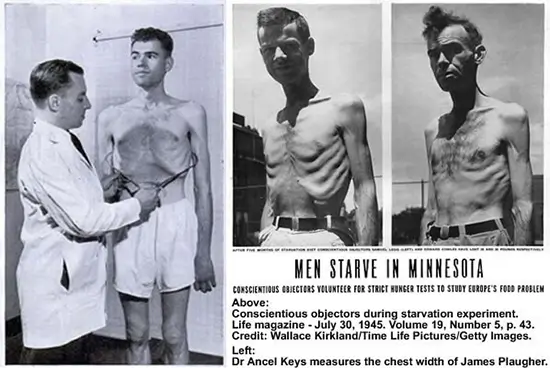
Auswahl des Herausgebers Fettleibigkeit
Das Minnesota Hunger Experiment: Warum Diäten dick machen. Die Psychologie des Hungers.
Eine der ersten wissenschaftlichen Studien darüber, welche Auswirkungen Hunger auf den Geist hat, wurde in einer Studie der University of Minnesota aus dem Jahr 1944 beobachtet, die als „Minnesota Starvation Experiment“ bekannt ist.
Auswahl des Herausgebers Optimale Ernährung
Mikronährstoffmangel in der Amerikanischen Standardernährung: Strategien zur Optimierung
Das Nährstoffprofil unserer modernen Ernährung mit Fleisch, Zucker und verarbeiteten Lebensmitteln ist völlig unvereinbar mit unserer Evolution und führt zu schwerem Mikronährstoffmangel.
Antioxidantien Auswahl des Herausgebers ORAC Phytochemikalien
Antioxidantien: Die Grundlagen Verstehen
Tierische Produkte enthalten keine sekundären Pflanzenstoffe oder Antioxidantien. Pflanzliche Lebensmittel enthalten im Durchschnitt mehr als 60-mal so viele Antioxidantien wie tierische Lebensmittel.
Antioxidantien Auswahl des Herausgebers ORAC
Antioxidantienreiche Ernährung: Allgemeine Regeln und Strategien
Es gibt einfache und kostengünstige Strategien zur Optimierung des antioxidativen Wertes unserer Ernährung.

Krebs Auswahl des Herausgebers Toxizität
Pestizide in Lebensmitteln, Exposition in der Amerikanischen Standardnahrung - 80 Prozent aus Fleisch
Die meisten Pestizide und insbesondere Schwermetalle und andere giftige Schadstoffe, die wir aufnehmen, stammen aus Fleisch. Mehr als 80 Prozent der Pestizidbelastung in der amerikanischen Standardernährung stammt aus tierischen Produkten, nicht aus Obst oder Gemüse.
Auswahl des Herausgebers Phytochemikalien
Phytochemikalien: Die Grundlagen Verstehen
Jeder einzelne existierende sekundäre Pflanzenstoff hat eine biologische Wirkung im menschlichen Körper. Jedes einzelne aus Millionen verschiedener sekundärer Pflanzenstoffe.
Neuestes von PubMed, #pflanzliche Ernährung –
- Long-Term Monitoring of Radioactive Cesium in Commercial Foods and Dietary Intake Estimated by Total Diet Studies in Japan after the Fukushima Daiichi Nuclear Power Plant Accidentvon Hiromi Nabeshi am September 27, 2026
Following the Fukushima Daiichi Nuclear Power Plant accident in 2011, Japan implemented extensive monitoring of radioactive materials in foods and established strict regulatory limits based on an annual effective dose of 1 mSv/year from artificial radionuclides. This review summarizes long-term surveillance data on radioactive cesium (r-Cs) in commercial foods and long-term assessments of dietary intake of r-Cs and strontium-90 (^(90)Sr) using the total diet study (TDS)/market basket (MB)…
- Nutrition and Endometriosis: Current Evidence on Dietary Risk Factors and Clinical Impact – A Narrative Reviewvon Christine Dawczynski am September 27, 2026
Endometriosis (EM) is a severe chronic inflammatory disease characterized by the presence of endometrium-like tissue outside the uterine cavity, causing pain and significantly reducing quality of life. Worldwide, around 10% of women of reproductive age are affected and there is no cure as of now. The limited treatment options focus on hormone therapy, surgery and pain management–without satisfactory long-term effects. Nutritional strategies might support the prevention and treatment of…
- North American and Andean Indigenous Plant-Based Foods and Their Contemporary Scientific Rationale for Health Improvementvon Lena Gálvez Ranilla am September 27, 2026
Plant-based food systems have been an integral part of human ecology since the dawn of domestication across all continents from over 12,000 y ago. This served the needs of human health and wellness from whole plant form to the use of parts in a range of water-based extracts to dry form or fermentation-based applications. This conference paper focuses on some examples of plant-based foods in the Americas that have been used since ancient times among indigenous North American and Andean […]
- Plant-Based Diets in Adolescence: Cardiometabolic Benefits, Developmental Risks, and the Role of Fortificationvon Bianca Simionescu am September 26, 2026
Adolescence is a critical window in which dietary patterns stabilise while nutrient requirements remain high to support growth, bone accrual, and neurodevelopment. Plant-based diets are increasingly adopted by young people, yet paediatric evidence indicates that they should not be treated as a single exposure, because diet quality substantially modifies both benefits and risks. Healthy plant-based patterns-rich in whole grains, legumes, fruits, vegetables, nuts, and unsaturated fats-are…
- Dietary Patterns, Micronutrient Adequacy, and Metabolic Vulnerability in Alzheimer’s Disease: A Critical Narrative Reviewvon Isidora Sierralta am September 26, 2026
Dietary factors may influence cognitive aging and Alzheimer’s disease (AD), but observational associations, mechanistic findings, and intervention effects should not be considered equivalent evidence. This critical narrative review examines how dietary patterns, micronutrient adequacy, and metabolic health may modify AD-related vulnerability. A targeted search of PubMed/MEDLINE, Scopus, and Web of Science through April 2026 prioritized systematic reviews, meta-analyses, randomized trials, and…
- Baseline Ferritin and Body Composition as Correlates of Longitudinal Metabolic Changes During an Energy-Restricted Mediterranean-Style Intervention Across Three Overweight Phlogistic-Related Clinical…von Begoña de Cuevillas am September 26, 2026
CONCLUSIONS: Baseline ferritin and body composition were correlates of heterogeneous inflammatory-metabolic profiles and ferritin changes. These hypothesis-generating associations do not establish causal or mechanistic effects and require controlled confirmation with comprehensive iron-status assessment.