






Вежбање - Зашто Нам је Тачно Потребно?
У здравственој заједници, вежбање има готово митски статус као једна од најбољих ствари које можете учинити за себе, осим избегавања пушења.
Милош Покимица
Написао/ла: Милош Покимица
Медицински прегледао: др Сјујинг Ванг
Updated јун 9, 2023Сви знамо да је тренинг или вежбање било које врсте здраво за нас. Лекари воле много да причају о превенцији, а велики део превенције своди се на вежбање, контролу телесне тежине и избегавање рафинисане хране. Веома је важно да имамо физичку активност у школама. Имамо различите врсте спортова. Имамо фудбалске и кошаркашке професионалне лиге за гледање у слободно време, чак и Олимпијске игре. Величамо професионалне спортисте као узоре нашој деци. Чак се и наш пас узнемири ако не добије своју дневну дозу шетње.
У здравству, вежбање у заједници има готово митски статус као једна од најбољих ствари које можете учинити за себе, осим избегавања пушења. У стварности, када погледамо научне податке, исхрана је убица број један и најважнија здравствена интервенција. Тек након исхране, постоје други фактори ризика повезани са физичком неактивношћу и лошим навикама попут пушења.
Гурање уверења да је физичка неактивност највећи проблем јавног здравља 21. века није потпуно истинито.
Физичка неактивност једва да се налази међу десет водећих узрока смрти у свету. Исхрана је број један, а пушење други. Међутим, то не значи да вежбање није важно. То само значи да постоје важније промене начина живота које озбиљније утичу на квалитет живота.
Исхрана је апсолутно број један. Проблем који имамо је што је храна зависност и прехрамбене навике се не могу тако лако променити. Људи би једноставно одбили да промене своје понашање. Вежбање се промовише као свети грал управо из тог једног разлога. Људи су зависни од хране, а вежбање, за разлику од дијета, може створити много профита, од професионалног спорта до суплемената. Од шаргарепе се не може много зарадити.
Promoting a whole food plant-based diet is everything except a money-making machine. Big pharma is a big business and so is the supplement industry. Exercise is a cost-effective and proven way to reduce mortality. Cost-effective means it does not lower the profits of existing businesses and most importantly a way that people can accept. This doesn’t mean that it is not as important as a preventive measure. In real life, it will provide a substantial benefit. And yes we all should exercise.
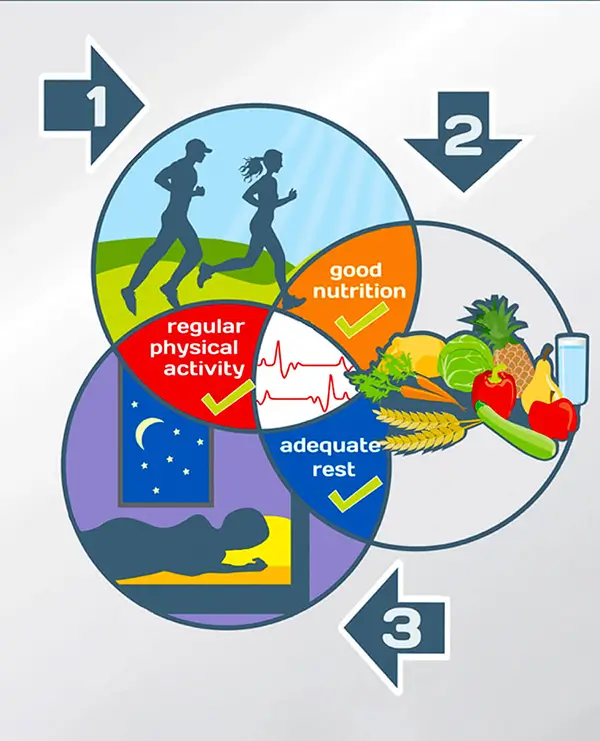
По чему?
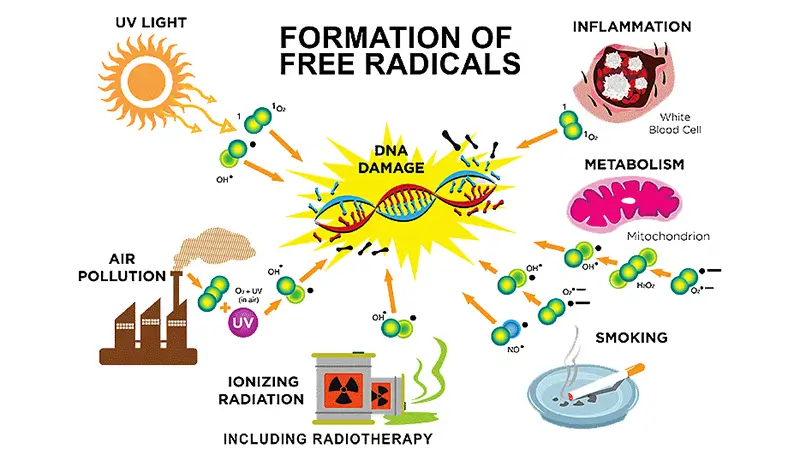
То је прво питање које би требало да знамо. Па, није зато што је вежбање само по себи здраво. То је стресно, болно искуство пуно знојења и могућности повреда које повећава оксидативни стрес и доводи до стварања оштећења ДНК слободним радикалима. Не постоји животињска врста у природи која воли да „вежба“. Нема ничег романтичног у лову или тражењу хране. То је егзистенцијална нужност која је принуђена. Када вежбамо, оно што у суштини радимо јесте да симулирамо окружење у којем су наши преци еволуирали. То је облик самонанесеног бола. Бол који сам по себи није здрав и створиће оштећење ДНК због прекомерне производње слободних радикала услед повећане потрошње кисеоника.
Ако слободни радикали оштећују ДНК, а вежбање доводи до стварања слободних радикала, како је онда могуће да физичка активност може бити здрава?
It is because our hominin ancestors lived by foraging. That created evolutionary adaptations in our biology. Physical activity was an essential component of their survival. You do not forage, you do not find food, and you die. It is that simple. The only reason exercise is healthy is because in a million years of evolution our body adapted to it. Our body expects it as a normal part of life.
Када не вежбамо, нисмо у равнотежи са нашом физиологијом, а када вежбамо, дајемо свом телу оно што очекује. Када идемо у теретану или радимо било коју другу вежбу попут трчања на траци за трчање, оно што радимо јесте да симулирамо услове у станишту наших хоминидних предака.
When we look for scientific research about exercise, what will we find? Does exercise matter or it is just something to help us lose weight more rapidly? What we find is that individuals with low levels of physical activity are at higher risk of many different kinds of diseases like heart disease, cancer, Alzheimer’s disease, and also early death by any cause. Long before that, inactivity increase lower-back pain worsens arthritis symptoms and leads to anxiety. Exercise can help with lowering the risk of early death, high blood pressure, stroke, coronary heart disease, adverse blood lipid profile, type 2 diabetes, metabolic syndrome, colon cancer, breast cancer, depression, and can increase cognitive and mental health, sleep quality, immune system function and longevity.
Постоји неколико главних предности физичке активности. Прва и најважнија је њен утицај на кардиоваскуларни систем. Вероватно радите „кардио“ вежбе у теретани.
Када вежбамо, срце почиње снажно и често да се контрахује. То ће повећати проток крви кроз артерије и омогућити нашим мишићима да користе више кисеоника. Повећање протока крви ће изазвати суптилне промене у аутономном нервном систему, који контролише контракцију и опуштање ових крвних судова. Ова адаптација доводи до снижавања крвног притиска, променљивијег срчаног ритма, што значи способност срца да успори или повећа контракције када је потребно, и нижег срчаног ритма у мировању, што значи повећану ефикасност кардиоваскуларног система са мање откуцаја за пумпање крви кроз тело. Сви аспекти утичу на смањење кардиоваскуларних болести.
Exercise also lowers inflammation associated with the cardiovascular system. Exercise in research was able to cause around a 30 percent dip in C-reactive protein levels, a marker of inflammation. Thirty percent drop is about the same drop that statin (the cholesterol drug) is able to cause. It beefs up the body’s immune system and wards off cancer and other diseases.
One of the main benefits will also be an increase in insulin sensitivity. When someone runs, muscle contractions will increase the production of adenosine monophosphate-activated protein kinase (AMPK). This is an enzyme that promotes the breakdown of fats that can interfere with the cell’s glucose transporters. AMPK can help in preventing type 2 diabetes.
Истраживања на пацовима показују да физичка вежба повећава BDNF (мождани неуротрофични фактор). BDNF је суштински фактор у учењу и памћењу. BDNF помаже пацовима да запамте како да се крећу кроз лавиринте, а слична активност се може претпоставити и код људи.
Вежбање ће помоћи у одржавању коштане масе и смањити ризик од остеопорозе. Кости постају јаче када су приморане да се прилагоде већој тежини него обично.
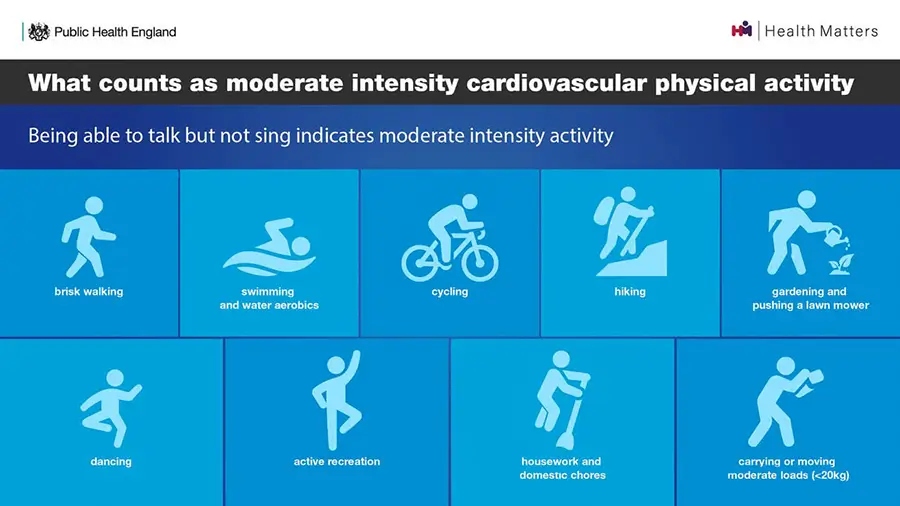
Министарство здравља и социјалних служби (HHS) прати ову врсту истраживања и периодично објављује своје Смернице за физичку активност за Американце. Препоруке су следеће:
“Adults between the ages of 18 and 64 exercise moderately (walking) for at least two hours and 30 minutes or vigorously (running, swimming, or cycling ten mph or faster) for at least an hour and 15 minutes weekly”.

То је око 11 минута трчања дневно на траци за трчање. За људе који не разумеју како да читају овакво саопштење, кључна реч је барем. Што више то боље. Они препоручују оно што мисле да је могуће постићи. Када погледамо њихове графиконе корелације између вежбања и преране смрти, све што можемо да видимо је само сталан линеарни пад.
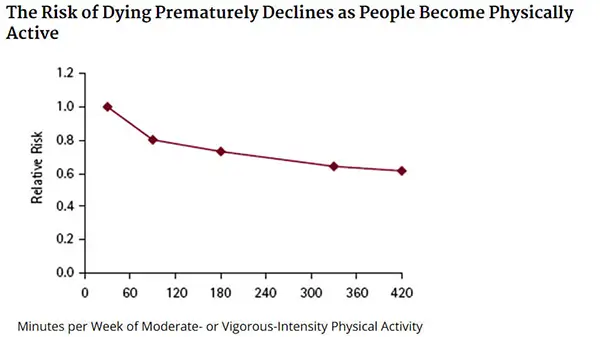
Ако вежбамо 180 минута недељно, имаћемо 27% мањи ризик, али ако вежбамо 420 минута недељно, имаћемо 38,5% мањи ризик, а ова врста корелације је пронађена у свим студијама и систематским прегледима и мета-анализама кохортних студија. У једној студији (Мок и др., 2019) прегледали су 22 студије које су испуњавале критеријуме за укључивање. Студија која је обухватила 977.925 појединаца (334.738 мушкараца и 643.187 жена) открила је да је 2,5 сата недељно (еквивалентно 30 минута дневно током 5 дана у недељи) у поређењу са без активности повезано са смањењем ризика од смртности за 19%, док је 7 сати недељно умерене активности у поређењу са без активности смањило ризик од смртности за 24%.
Закључак је био да:
„Физичка активност смањује ризик од смртности од свих узрока.“
Утврђено је да прелазак са никакве активности на малу количину активности пружа најзначајнију корист.
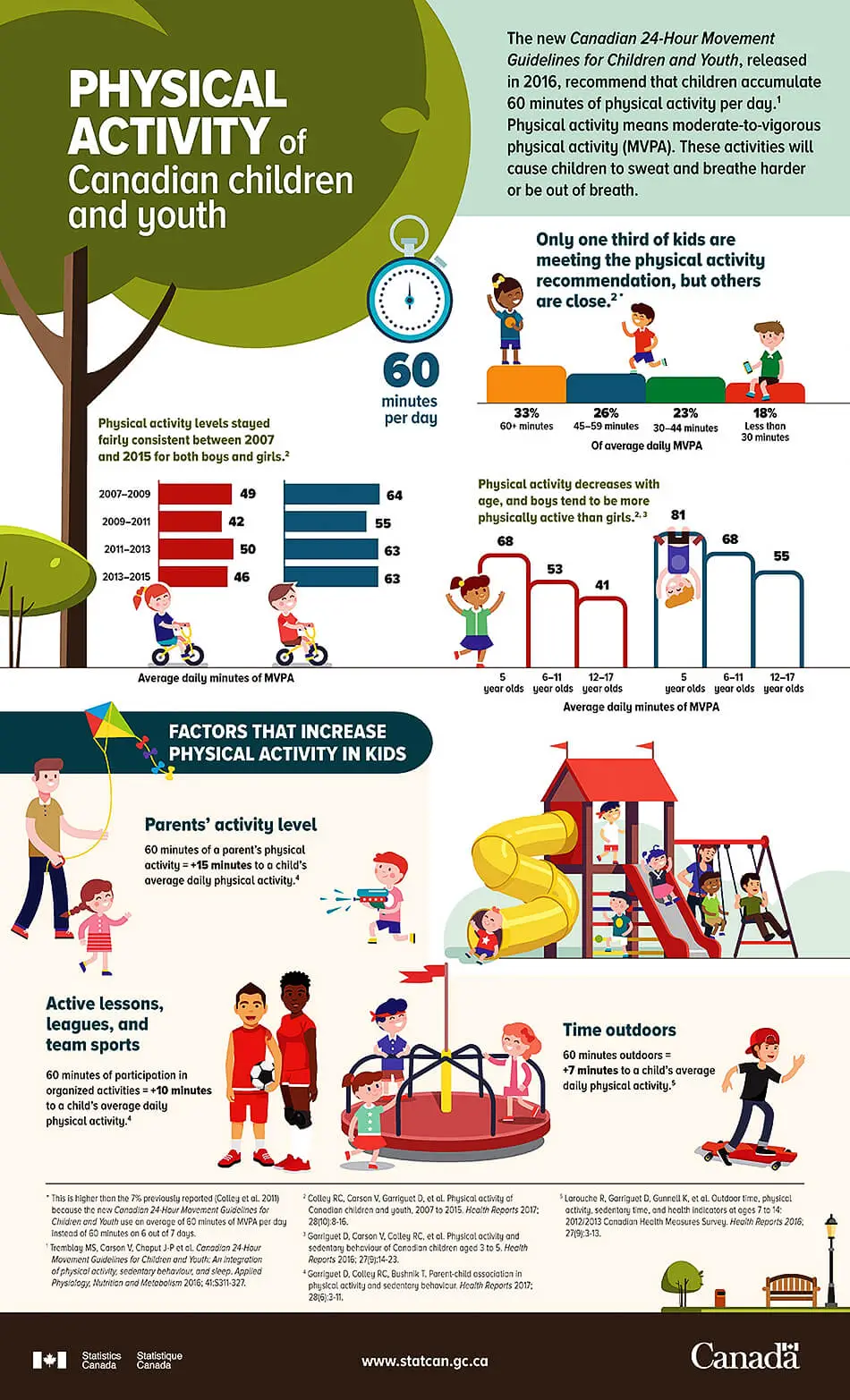
Међутим, то не значи да ако смо активни, нема додатних користи. Чак и при високим нивоима активности, користи се и даље акумулирају од додатне активности. Што више и дуже вежбамо, то је више користи.
Референце:
- Мок, А., Кав, К., Лубен, Р., Верхам, Њу Џерзи и Брејџ, С. (2019). Путање физичке активности и морталитет: популациона кохортна студија. БМЈл2323. https://doi.org/10.1136/bmj.l2323
- Арем, Х., Мур, С.Ц., Пател, А., Хартге, П., Берингтон де Гонзалез, А., Висванатан, К., Кембел, П.Т., Фридман, М., Вајдерпас, Е., Адами, Х.О., Линет, М.С., Ли, И.М. и Метјуз, Ц.Е. (2015). Физичка активност и морталитет у слободно време: детаљна обједињена анализа односа доза-одговор. ЈАМА интерна медицина, 175(6), 959–967. https://doi.org/10.1001/jamainternmed.2015.0533
- Вудкок, Џ., Франко, ОХ, Орсини, Н. и Робертс, И. (2011). Неинтензивна физичка активност и смртност од свих узрока: Систематски преглед и мета-анализа кохортних студија. Међународни часопис за епидемиологију, 40(1), 121-138. https://doi.org/10.1093/ije/dyq104

Имате ли питања о исхрани и здрављу?
Волео бих да чујем ваше мишљење и да на њих одговорим у следећем посту. Ценим ваш допринос и мишљење и радујем се што ћу вас ускоро чути. Такође вас позивам да нас пратите на Фејсбуку, Инстаграму и Пинтересту за више садржаја о исхрани, исхрани и здрављу. Тамо можете оставити коментар и повезати се са другим ентузијастима за здравље, поделити своје савете и искуства и добити подршку и охрабрење од нашег тима и заједнице.
Надам се да вам је овај пост био информативан и пријатан и да сте спремни да примените сазнања која сте стекли. Ако вам је овај пост био од помоћи подели га са пријатељима и породицом којима би такође могло бити од користи. Никад се не зна коме би могло бити потребно вођство и подршка на њиховом здравственом путу.
– Можда ће вам се свидети и –
Антиоксидативна Моћ Зачина: Резултати Ин Виво са Реалним Дозама

Недостатак Витамина Д - Фактори Ризика

Поремећај Преједања - Психологија Глади
Кувано Месо - Мутаген у Залогају, Изложеност Хетероцикличним Аминима
Алопатска Медицина - Успон Индустрије

Витамин Д и Здравље- Више од Кости
Амла: Доказане Користи, Исхрана и Клинички Значај
Антиканцерогена Моћ Воћа и Поврћа: Ин Виво и Клинички Докази

Сазнајте више о исхрани

Милош Покимица је доктор природне медицине, клинички нутрициониста, писац о медицинском здрављу и исхрани и саветник за нутриционистичку науку. Аутор серије књига. Постаните Веган? Преглед Науке, он такође води веб страницу о природном здрављу GoVeganWay.com
Медицинска одрицање одговорности
GoVeganWay.com вам доноси прегледе најновијих истраживања везаних за исхрану и здравље. Информације које су дате представљају лично мишљење аутора и нису намењене нити се подразумевају као замена за професионални медицински савет, дијагнозу или лечење. Дате информације су само у информативне сврхе и нису намењене да служе као замена за консултације, дијагнозу и/или медицински третман квалификованог лекара или здравственог радника.НИКАДА НЕ ЗАНЕМАРУЈТЕ ПРОФЕСИОНАЛНИ МЕДИЦИНСКИ САВЕТИ ИЛИ НЕ ОДЛАЖИТЕ ТРАЖЕЊЕ МЕДИЦИНСКОГ ЛЕЧЕЊА ЗБОГ НЕЧЕГА ШТО СТЕ ПРОЧИТАЛИ НА ИЛИ ПРИСТУПИЛИ ПРЕКО GoVeganWay.com
НИКАДА НЕ ПРИМЕЊУЈТЕ ПРОМЕНЕ НАЧИНА ЖИВОТА ИЛИ БИЛО КАКВЕ ПРОМЕНЕ КАО ПОСЛЕДИЦУ НЕЧЕГА ШТО СТЕ ПРОЧИТАЛИ НА GoVeganWay.com ПРЕ НЕГО ШТО СЕ КОНСУЛТУЈЕТЕ СА ЛИЦЕНЦИРАНИМ ЛЕКАРЕМ.
У случају медицинске хитности, одмах позовите лекара или 911. GoVeganWay.com не препоручује нити подржава било које одређене групе, организације, тестове, лекаре, производе, процедуре, мишљења или друге информације које могу бити поменуте унутра.
Избор уредника –
Рак Избор уредника Фитохемикалије
Антиканцерогена Моћ Воћа и Поврћа: Ин Виво и Клинички Докази
Неки биљни екстракти могу се поредити са водећим лековима за хемотерапију, а истовремено циљају више различитих врста ћелија рака.
Антиоксиданси Избор уредника ORAC
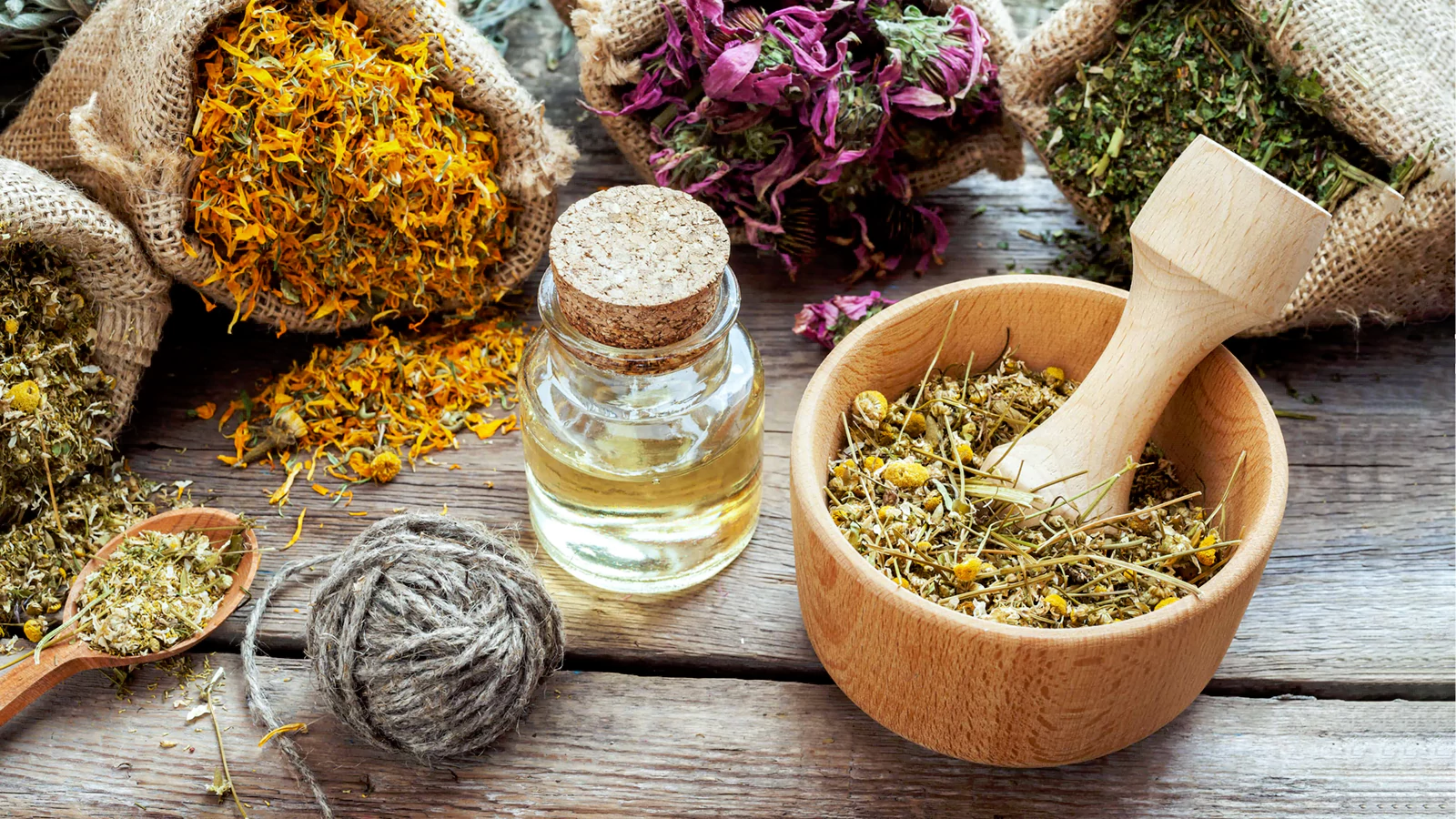
Етерична Уља као Антиоксидативни Додаци: Правила и Стратегије
Етерична уља прехрамбене класе могу бити практична и потрошачима пријатна стратегија за оптимизацију антиоксидативне вредности и ORAC резултата наше исхране.
Антиоксиданси Избор уредника ORAC
Исхрана Богата Антиоксидансима: Општа Правила и Стратегије
Постоје једноставне и исплативе стратегије за оптимизацију антиоксидативне вредности наше исхране.
Антиоксиданси Избор уредника ORAC
Разумевање ORAC Вредности: Нивои Антиоксиданата у Храни
Када је ваш главни извор антиоксиданата кафа, знате да имате озбиљан проблем.

Антиоксиданси Избор уредника ORAC
Предности Астаксантина: Најмоћнијег Природног Антиоксиданса на Свету
Астаксантин је најмоћнији природни и универзални антиоксиданс (и уљани и водорастворљив) познат науци. Акумулира се у ткивима и никада се не може претворити у прооксиданс.
Антиоксиданси Избор уредника ORAC Фитохемикалије
Антиоксиданси: Разумевање Основа
У производима животињског порекла нема фитохемикалија нити антиоксиданата. У просеку, биљна храна садржи више од 60 пута више антиоксиданата него храна животињског порекла.
Избор уредника Веганска дијета
Недостаци Хранљивих Материја у Веганској Исхрани: Стратегије Превенције
Постоји девет уобичајених недостатака хранљивих материја на нивоу популације који погађају људе који једу биљну исхрану. Ако се не исправе на време, неки недостаци имају страшне и неизлечиве последице.
Избор уредника Оптимална дијета
Недостатак Нутријената у Стандардној Исхрани: Стратегије Оптимизације
Нутритивни профил наше модерне исхране засноване на месу, шећеру и прерађеној храни је потпуно неусклађен са нашом еволуцијом, што резултира озбиљним недостатком микронутријената.
Избор уредника Фитохемикалије
Фитохемикалије: Разумевање Основа
Свака фитохемикалија која постоји има биолошко дејство у људском телу. Свака од милиона различитих фитохемикалија.
Избор уредника Млеко Оптимална дијета
Млеко и Млечни Производи: Корелације Здравственог Ризика
Познате повезаности са конзумирањем млека и млечних производа су неплодност, рак јајника и дојке, леукемија, дијабетес типа 1, аутизам, артериосклероза, катаракта, реуматоидни артритис, мултипла склероза, хиперактивност, загушење, бубуљице и још много тога…
Рак Избор уредника Протеини
Комплетан Протеин: ИГФ-1 Сигнализација у Формирању Рака
Када једете животињске протеине, имате четири пута већу шансу да развијете све врсте рака. Када пушите, имате четири пута већу шансу да развијете рак плућа.

Рак Избор уредника Протеини
Анатомија Рака - Корелације Здравственог Ризика
Медицина сматра да је око 2% карцинома узроковано искључиво генетским факторима. Исти распон као и у животињском царству. Није вам речена цела истина.
Милош Покимица је писац о здрављу и исхрани и саветник за нутриционистичку науку. Аутор је серије књига. Постаните Веган? Преглед Науке, он такође води веб страницу о природном здрављу GoVeganWay.com
Најновији чланци –

Ограничење калорија Дуговечност
Како Постити: Храна за Пост Kоја Неће Прекинути Aутофагију
Аутофагија. Да ли сте се икада запитали шта се дешава са ћелијама у вашем телу када умру или се оштете? Да ли се само гомилају и стварају проблеме или се некако одлажу? Одговор је да ваше тело…

Здравље зуба Превенција
Осетљивост на Слаткише и Бол у Зубима: Брзо и Трајно Решење
Брзо и једноставно решење за ублажавање бола је етерично уље каранфилића, моћан антиоксиданс и средство против болова које може помоћи код болести десни и зубобоље.
Пасуљ
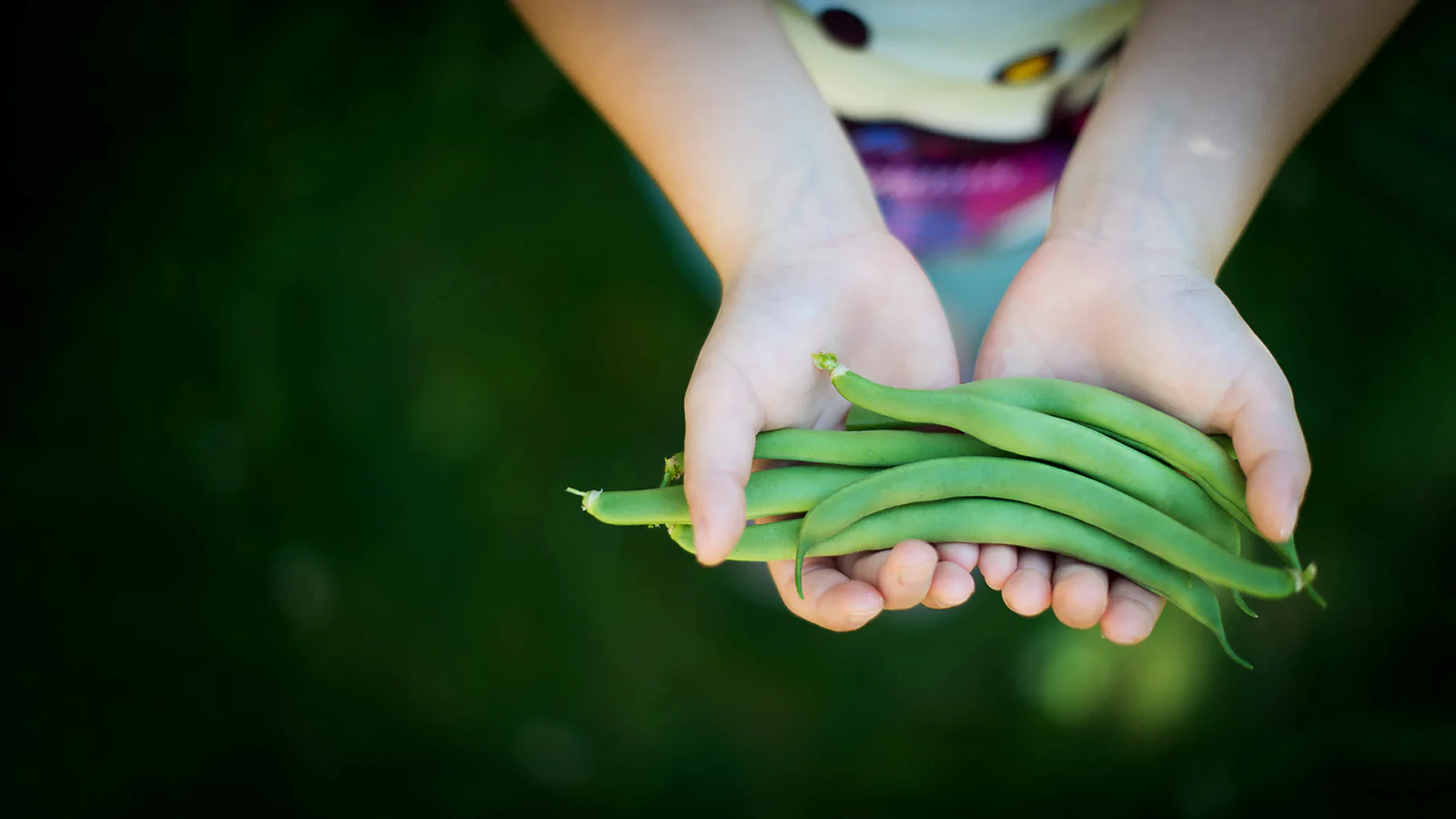
Зелени Пасуљ ( Боранија ): Нутритивне и Здравствене Користи
Зелени пасуљ ( Боранија ) има мало калорија и богат је једињењима која вам могу помоћи да контролишете шећер у крви, смањите холестерол и борите се против слободних радикала.
Исхрана са сировом храном Веганска дијета
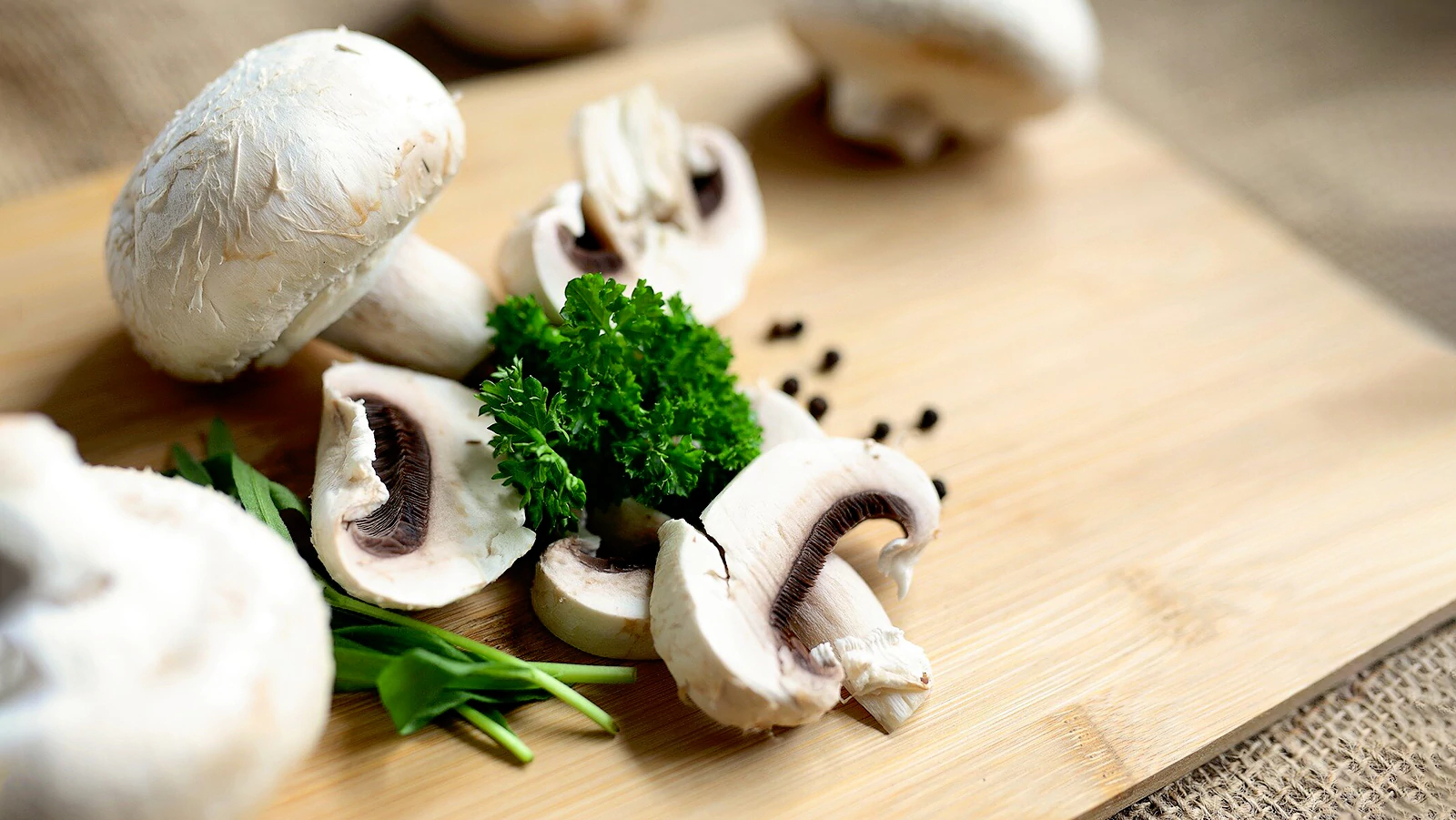
Можете ли Јести Сирове Печурке: Здравствени Ризици, Исхрана и Безбедност
Печурке садрже токсине осетљиве на топлоту попут хидразина или агаритина и ћелијске зидове направљене од хитина које људи не могу добро сварити.
Веганска дијета
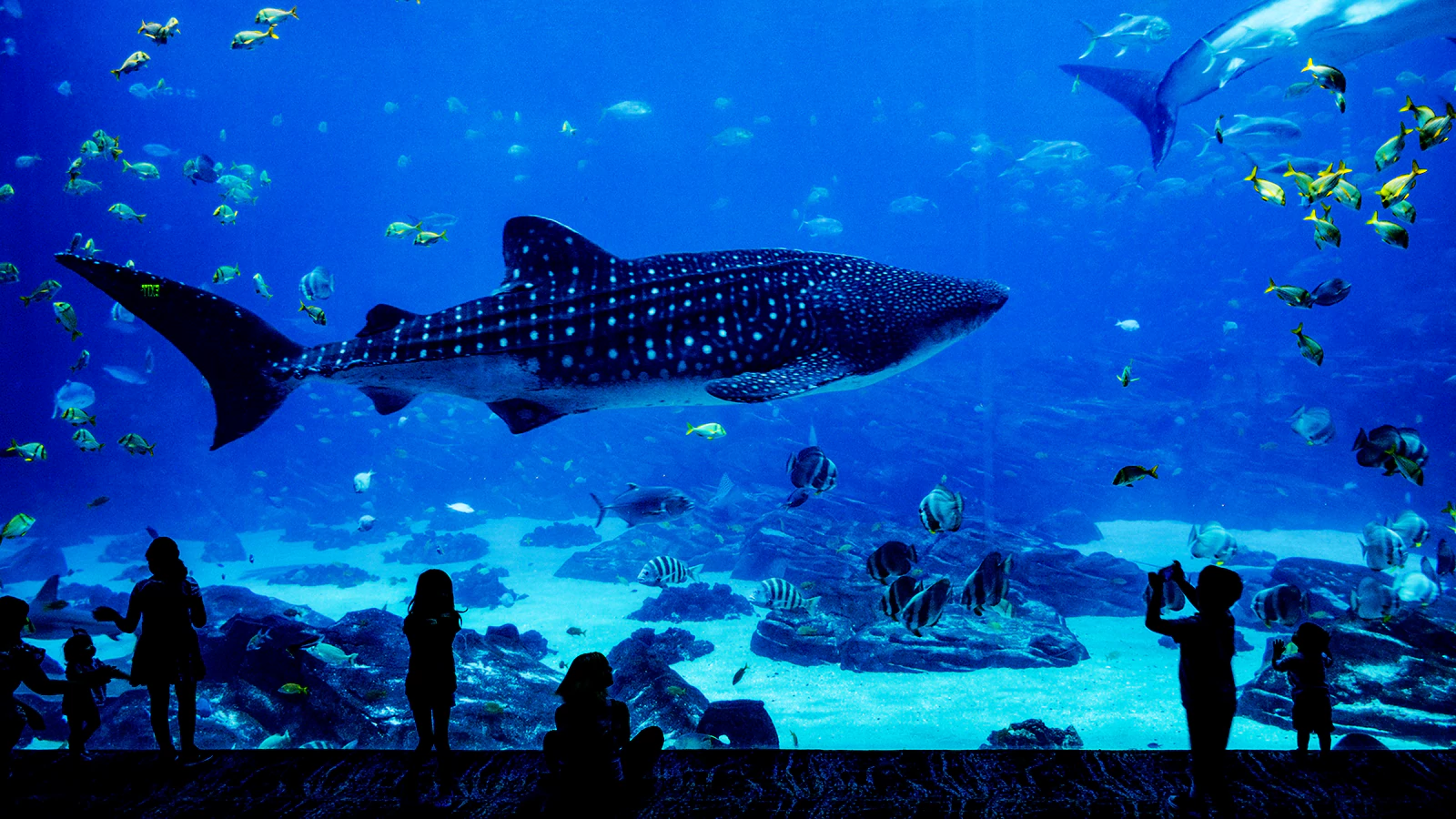
Да ли су Рибе Животиње? Културна Перспектива
У неким културама, рибље месо се не сматра месом, а риба је дозвољена чак и током поста.

Здравље зуба Превенција
Домаћа Природна Течност за Испирање Уста: Доказана, Јача и Мање Токсична
Домаћа природна течност за испирање уста је јача од хлорхексидина, мање токсична и ако се прогута може изазвати мучнину, али и висок нагли пораст ORAC вредности.
Здравље зуба Превенција
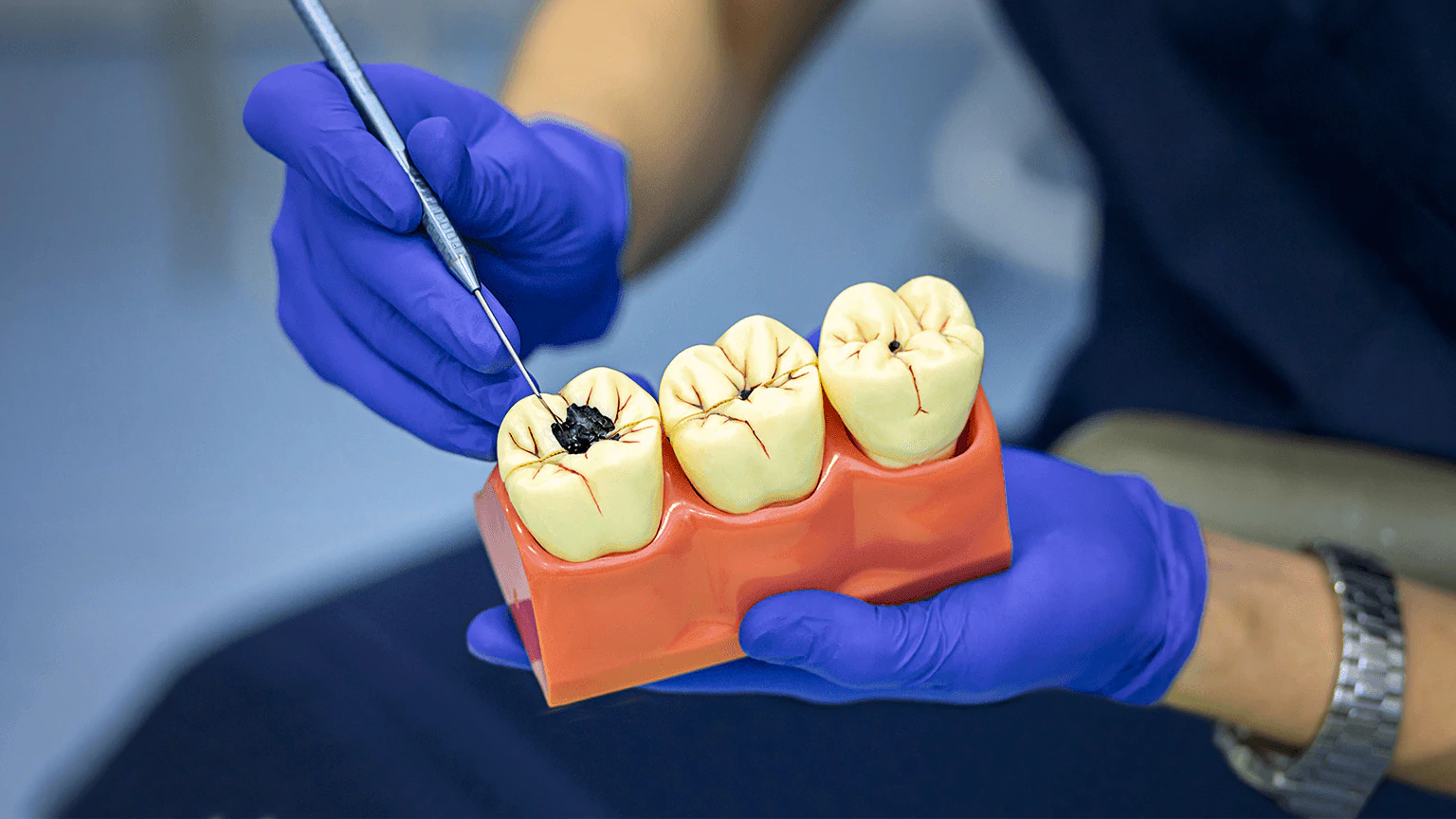
Како Зауставити Каријес: Симптоми, Узроци и Превенција
Конзумирање шећера је главни узрок каријеса и пропадања зуба, у комбинацији са недостатком минерала, посебно магнезијума, цинка, бакра и елемената у траговима.
Антиоксиданси Суперхрана
Амла: Доказане Користи, Исхрана и Клинички Значај
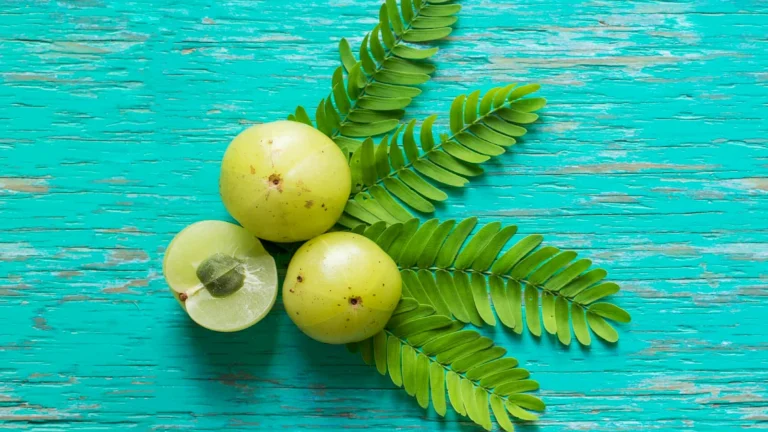
Амла (Индијски огрозд) је један од најмоћнијих антиоксиданата на свету са ORAC резултатом од 261.530. Богат је извор фитохемикалија које имају разне здравствене користи.
Најважније вести из здравља — ScienceDaily
- Diabetes study finds keeping blood sugar too steady may come at a priceon септембар 28, 2026
People with diabetes reported better quality of life after days when their glucose stayed largely within a healthy range, even when levels fluctuated more than usual. The unexpected finding suggests that pursuing extremely tight glucose control may sometimes come with a hidden lifestyle burden.
- Scientists just discovered what coffee really does to your gut and brainon септембар 28, 2026
A new study suggests coffee may influence mood and brain function by changing the activity of microbes in the gut. Both caffeinated and decaf coffee were linked to lower stress, depression, and impulsivity, while also producing measurable changes in gut bacteria and metabolites. Decaf was associated with better learning and memory, while caffeinated coffee appeared to reduce anxiety and improve attention.
- Blood tests reveal why astronauts get constipated in spaceon септембар 28, 2026
Spaceflight may dramatically change the gut within weeks, causing bacteria to break down more protein as food moves more slowly through the intestines. The shift could help explain astronaut constipation and may have wider effects on health, making it an important concern for future missions to Mars.
- Pomegranate compound improves heart function by up to 80% in studyon септембар 28, 2026
A compound the body can make after eating pomegranates, walnuts, and some berries improved measures of heart function by up to 80% in animal models of a difficult-to-treat form of heart failure. Urolithin A helped stiff heart tissue relax and reduced scarring and abnormal enlargement. It also improved relaxation in engineered human heart tissue.
- 160-million-year-old proteins show surprising power against superbugson септембар 28, 2026
Scientists resurrected antimicrobial peptides from mammals that lived millions of years ago and found that some were more potent against drug-resistant bacteria than modern human versions. These evolutionary relics could provide new clues for designing treatments as antibiotic resistance becomes an increasingly serious threat.
- Resetting the body clock could help the brain recover after strokeon септембар 28, 2026
Strengthening the body’s natural daily rhythms helped mice recover after stroke by improving the brain’s waste-clearing system and reducing lingering inflammation. The approach worked even when treatment began three days after the stroke, suggesting circadian-based therapies could eventually offer a new way to support long-term recovery.
- Scientists found a surprising driver of Alzheimer’s outside the brainon септембар 28, 2026
Scientists found that immune cells contributing to Alzheimer’s-related brain damage may be activated in lymph nodes outside the brain before traveling into the nervous system. Blocking this pathway in mice dramatically reduced neurodegeneration and preserved cognitive abilities, pointing to a potentially more accessible treatment target.
PubMed, #веганска-исхрана –
- Plant-Based Diets in Adolescence: Cardiometabolic Benefits, Developmental Risks, and the Role of Fortificationon септембар 26, 2026
Adolescence is a critical window in which dietary patterns stabilise while nutrient requirements remain high to support growth, bone accrual, and neurodevelopment. Plant-based diets are increasingly adopted by young people, yet paediatric evidence indicates that they should not be treated as a single exposure, because diet quality substantially modifies both benefits and risks. Healthy plant-based patterns-rich in whole grains, legumes, fruits, vegetables, nuts, and unsaturated fats-are…
- Plant-Based Functional Custard Enriched with Vitamin D3: Insight into Technological Properties, Nutrition and Bone Tissue Regenerationon септембар 26, 2026
A plant-based or vegan diet is considered one of the most important dietary patterns, often followed for religious or health reasons. It should contain vital nutrients such as protein, iron, zinc, calcium, vitamin D, and others. The objective of this study was to produce a plant-based food product with high nutritional value (vegan custard, VC) and fortify it with vitamin D(3) (vegan custard + D(3)). Thirty-five female albino rats, with an average body weight of 160 ± 5 g, were divided […]
- Dietary Patterns, Micronutrient Adequacy, and Metabolic Vulnerability in Alzheimer’s Disease: A Critical Narrative Reviewon септембар 26, 2026
Dietary factors may influence cognitive aging and Alzheimer’s disease (AD), but observational associations, mechanistic findings, and intervention effects should not be considered equivalent evidence. This critical narrative review examines how dietary patterns, micronutrient adequacy, and metabolic health may modify AD-related vulnerability. A targeted search of PubMed/MEDLINE, Scopus, and Web of Science through April 2026 prioritized systematic reviews, meta-analyses, randomized trials, and…
- A Structured Narrative Review of Contemporary Dietary Strategies Following Acute Coronary Syndromeson септембар 24, 2026
CONCLUSIONS: A Mediterranean-style diet remains the dietary pattern supported by the strongest evidence for secondary prevention following ACS. Until further pragmatic randomized trials are available, clinicians should continue recommending Mediterranean-style dietary patterns while individualising dietary advice according to patient preferences, cultural practices, and long-term adherence.
- Toward International Dietary Guidance: A Food Guide Pyramid for Human and Planetary Healthon септембар 23, 2026
Dietary guidelines shape food policy, education, and food systems worldwide. Recent controversies in dietary guideline development, together with rising burdens of diet-related chronic disease and increasing environmental pressures, highlight the need for globally relevant dietary guidance aligned with both human and planetary health. We developed an evidence-informed International Food Guide Pyramid emphasizing optimal carbohydrate-containing staple foods. The International Carbohydrate […]
Случајне објаве –
Антиоксиданси Ноотропици
Метилен Плаво: Терапеутска Употреба и Клинички Значај
Метилен плаво је моћан синтетички антиоксиданс. Побољшава функцију митохондрија и способност наших ћелија да производе енергију.
Антиоксиданси ORAC Фитохемикалије
Антиоксидативни Суплементи Наспрам Интегралних Намирница: Плаћање за Краћи Живот
Антиоксидативни суплементи не показују примећене здравствене користи исхране богате воћем и поврћем, док витамин Е, селен, бета-каротен и ликопен показују повећан ризик од рака.
Избор уредника Палео дијета Веганска дијета
Вегански Неандерталци? Истина о Правој Неандерталској Исхрани
Типичан приказ неандерталаца их приказује како убијају вунастог мамута. Међутим, зубна плоча говори другачију причу о неандерталској исхрани.
Антиоксиданси Суперхрана
Амла: Доказане Користи, Исхрана и Клинички Значај
Амла (Индијски огрозд) је један од најмоћнијих антиоксиданата на свету са ORAC резултатом од 261.530. Богат је извор фитохемикалија које имају разне здравствене користи.
Избор уредника Гојазност
Преједање и Хормонска Регулација: Емоционална Глад
Током целе наше еволуције, били смо као и све друге врсте на овој планети, у сталној глади и потрази за храном. Преједање је пример лоше адаптације.

Алопатска медицина Рак Избор уредника
Рак, Забрањени Лекови - Рајфова Машина, Историјски Преглед
Стопа опоравка за пацијенте који имају неизлечив рак и који су проглашени терминално болеснима коришћењем резонантне технологије Рајфове машине била је 100%.

COVID-19 Превенција Витамин Д
Недостатак Витамина Д - Фактори Ризика
Постоје само два витамина која биљке не производе, витамин Д и други потенцијални витамин Б12. Недостатак витамина Д је права брига.

Антиоксиданси
Антиоксидативна Моћ Витамина Ц: Побољшање Здравља и Дуговечности
Витамин Ц не захтева ензимску активност да би се уклонио из тела и не постаје прооксидант већ редуковани облик слабијег антиоксиданса.

Ограничење калорија Дуговечност
Интермитентни Пост наспрам Ограничења Калорија - Постоји ли Разлика?
Постоји облик исхране који је првенствено дизајниран за коришћење аутофагије, а то је интермитентни пост. Придржавање дијете са пуним ограничењем калорија је тежак избор.
Упала
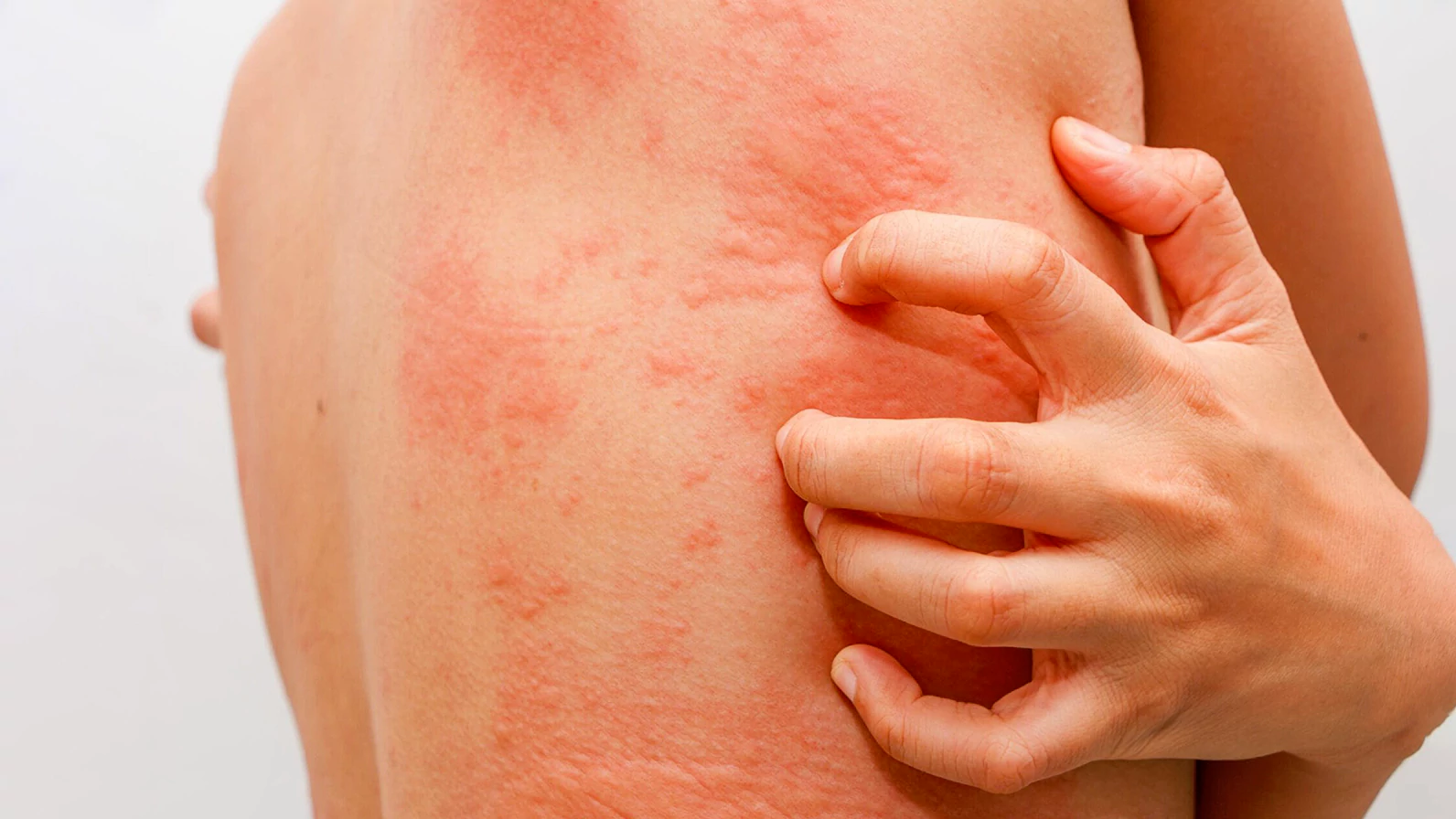
Дијета са Ниским Садржајем Хистамина: Комплетан Водич
Један од начина за управљање нетолеранцијом на хистамин јесте придржавање дијете са ниским садржајем хистамина. То значи избегавање хране која има висок садржај хистамина или која може изазвати његово ослобађање.

Истакнути чланци –
Избор уредника Упала
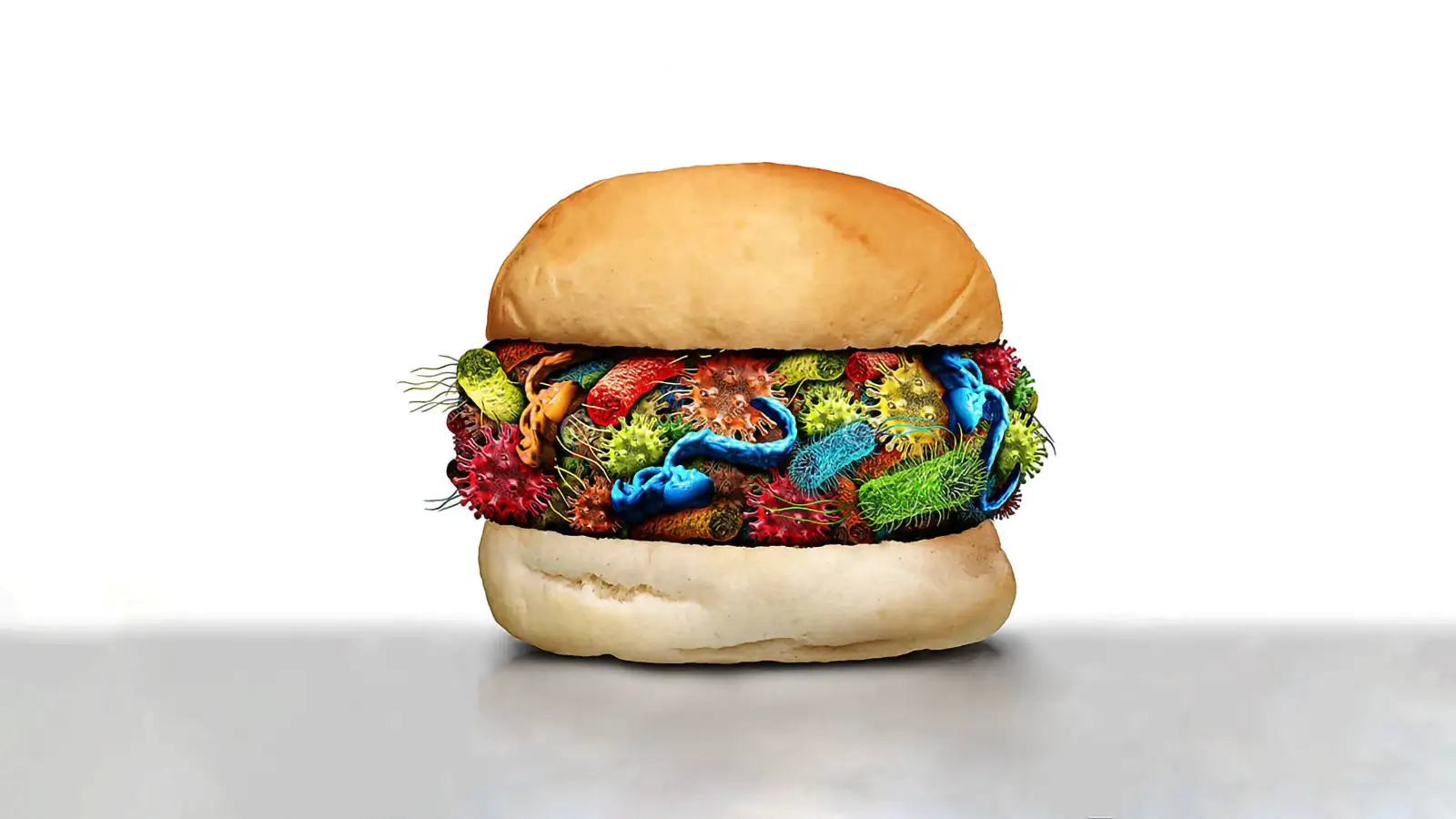
Дилема Људи Сваштоједи - Конзумирање Меса, Пробиотске Бактерије, Упала и Црева
Да ли су људи сваштоједи у правом анатомском смислу? Постоји фундаментална разлика у начину на који функционише дигестивни тракт код биљкоједа у односу на врсте које једу месо.
Избор уредника Млеко Оптимална дијета
Млеко и Млечни Производи: Корелације Здравственог Ризика
Познате повезаности са конзумирањем млека и млечних производа су неплодност, рак јајника и дојке, леукемија, дијабетес типа 1, аутизам, артериосклероза, катаракта, реуматоидни артритис, мултипла склероза, хиперактивност, загушење, бубуљице и још много тога…
Антиоксиданси Избор уредника ORAC Фитохемикалије
Антиоксиданси: Разумевање Основа
У производима животињског порекла нема фитохемикалија нити антиоксиданата. У просеку, биљна храна садржи више од 60 пута више антиоксиданата него храна животињског порекла.
Дијабетес Избор уредника
Узроци Дијабетеса и Засићене Масти - Вегански Аргумент
Како се ниво масти у крвотоку повећава, способност тела да очисти шећер опада. Један од узрока дијабетеса је наша неадаптација на велики унос масти.
Алопатска медицина Рак Избор уредника
Рак, Забрањени Лекови - Рајфова Машина, Историјски Преглед
Стопа опоравка за пацијенте који имају неизлечив рак и који су проглашени терминално болеснима коришћењем резонантне технологије Рајфове машине била је 100%.
Избор уредника Превенција Токсичност
Токсичност из Окружења- То је Само Ланац Исхране
Токсичност за животну средину је биоакумулација токсина. Организми су филтери. Али постоји још један, још гори процес који се зове биомагнификација у ланцу исхране.
Избор уредника Оптимална дијета
Прерађена Храна: Разумевање Ризика
Прерађена храна значи да се нешто из целе хране уклања, обично влакна, а нешто се додаје, обично масти, шећер, со и мононатријум глутамат.
Избор уредника Оптимална дијета Веганска дијета
Смернице СЗО за Исхрану - Нова Пирамида Исхране и Потискивање Науке
Смернице СЗО за исхрану препоручују исхрану са ниским садржајем засићених масти (животинских протеина), шећера и соли, а са високим садржајем воћа и поврћа као услов за сузбијање епидемијског пораста хроничних болести широм света.
Антиоксиданси Избор уредника ORAC
Разумевање ORAC Вредности: Нивои Антиоксиданата у Храни
Када је ваш главни извор антиоксиданата кафа, знате да имате озбиљан проблем.
Дијабетес Избор уредника
Узроци Дијабетеса и Рафинисани Угљени Хидрати - Вегански Аргумент
Људи верују да су рафинисани угљени хидрати повезани са скоковима инсулина и да су један од узрока дијабетеса. У праву су. Међутим, такође греше.
Најновије са PubMed-а, #исхрана на бази биљака –
- Long-Term Monitoring of Radioactive Cesium in Commercial Foods and Dietary Intake Estimated by Total Diet Studies in Japan after the Fukushima Daiichi Nuclear Power Plant Accidentby Hiromi Nabeshi on септембар 27, 2026
Following the Fukushima Daiichi Nuclear Power Plant accident in 2011, Japan implemented extensive monitoring of radioactive materials in foods and established strict regulatory limits based on an annual effective dose of 1 mSv/year from artificial radionuclides. This review summarizes long-term surveillance data on radioactive cesium (r-Cs) in commercial foods and long-term assessments of dietary intake of r-Cs and strontium-90 (^(90)Sr) using the total diet study (TDS)/market basket (MB)…
- Nutrition and Endometriosis: Current Evidence on Dietary Risk Factors and Clinical Impact – A Narrative Reviewby Christine Dawczynski on септембар 27, 2026
Endometriosis (EM) is a severe chronic inflammatory disease characterized by the presence of endometrium-like tissue outside the uterine cavity, causing pain and significantly reducing quality of life. Worldwide, around 10% of women of reproductive age are affected and there is no cure as of now. The limited treatment options focus on hormone therapy, surgery and pain management–without satisfactory long-term effects. Nutritional strategies might support the prevention and treatment of…
- North American and Andean Indigenous Plant-Based Foods and Their Contemporary Scientific Rationale for Health Improvementby Lena Gálvez Ranilla on септембар 27, 2026
Plant-based food systems have been an integral part of human ecology since the dawn of domestication across all continents from over 12,000 y ago. This served the needs of human health and wellness from whole plant form to the use of parts in a range of water-based extracts to dry form or fermentation-based applications. This conference paper focuses on some examples of plant-based foods in the Americas that have been used since ancient times among indigenous North American and Andean […]
- Adherence to the Mediterranean Diet Is Associated With a Lower Risk of Obesity in Children Under 18 Years: A Comprehensive Systematic Review and Meta-Analysisby Maryam Gholami Shahrbabak on септембар 27, 2026
CONCLUSION: This meta-analysis highlights that greater adherence to the MedDiet was associated with lower odds of obesity among children and adolescents. However, these findings should be interpreted cautiously because the evidence was entirely cross-sectional, heterogeneity was substantial across several pooled analyses and some estimates were sensitive to exclusion of individual studies.
- Dietary Patterns, Micronutrient Adequacy, and Metabolic Vulnerability in Alzheimer’s Disease: A Critical Narrative Reviewby Isidora Sierralta on септембар 26, 2026
Dietary factors may influence cognitive aging and Alzheimer’s disease (AD), but observational associations, mechanistic findings, and intervention effects should not be considered equivalent evidence. This critical narrative review examines how dietary patterns, micronutrient adequacy, and metabolic health may modify AD-related vulnerability. A targeted search of PubMed/MEDLINE, Scopus, and Web of Science through April 2026 prioritized systematic reviews, meta-analyses, randomized trials, and…
- Baseline Ferritin and Body Composition as Correlates of Longitudinal Metabolic Changes During an Energy-Restricted Mediterranean-Style Intervention Across Three Overweight Phlogistic-Related Clinical…by Begoña de Cuevillas on септембар 26, 2026
CONCLUSIONS: Baseline ferritin and body composition were correlates of heterogeneous inflammatory-metabolic profiles and ferritin changes. These hypothesis-generating associations do not establish causal or mechanistic effects and require controlled confirmation with comprehensive iron-status assessment.