







Hyperphagie Boulimique et Régulation Hormonale: la Faim Emotionnelle
Durant toute notre évolution, nous étions comme n'importe quelle autre espèce sur cette planète, en constante faim et en quête de nourriture. La suralimentation est un exemple de mauvaise adaptation.
Milos Pokimica
Écrit par : Milos Pokimica
Examiné Médicalement Par : Dr. Xiùying Wáng, M.D.
Mis à jour le 9 juin 2023Pendant toute notre évolution, nous étions comme n'importe quelle autre espèce sur cette planète à la recherche constante de nourriture. Nous n'étions pas obèses mais dans un état de faim constante et d'activité physique constante. Ce fut le cas pour toutes nos espèces ancêtre et cela signifie la période de 50 millions d'années.
Les progrès technologiques réalisés au cours des dernières centaines d'années n'ont pas modifié la physiologie de notre corps. Il s'agit d'un changement brutal en termes d'évolution. La sensation de satiété constante, en revanche, n'est pas naturelle et constitue un exemple d'inadaptation. Nos ancêtres hominins et même homo sapiens ne disposaient pas de technologie et de nourriture à chaque coin de rue. La faim est un sentiment normal pour tous les animaux. En raison de notre conditionnement évolutif et du fonctionnement de notre cerveau, même si nous suivons un régime restrictif, nous ne pouvons pas supporter la sensation de faim constante. Nous voulons avoir une sensation de satiété et il n'y a rien que nous puissions faire pour y remédier. C'est ainsi qu'apparaissent la caféine, les coupe-faim de toutes sortes, les médicaments, les interventions chirurgicales, etc.
D'un point de vue évolutif, il s'agit d'un comportement de protection, car en cas de pénurie extrême de nourriture, se gaver autant que possible est une bonne stratégie de survie. Mais que se passe-t-il lorsque la nourriture est surabondante, ce qui n'a jamais été le cas au cours de notre existence, y compris chez nos ancêtres directs ? Notre évolution n'a pas commencé avec l'espèce humaine moderne, nous sommes simplement devenus un peu plus intelligents. La plupart de nos gènes et de notre corps sont les mêmes, surtout en ce qui concerne les mécanismes de survie de base qui n'ont pas eu à changer pendant des millions d'années.
Tout cela ne devrait pas être un problème, mais l'obésité est tout sauf un problème cosmétique. La plupart des gens le comprennent mais sont incapables de faire quoi que ce soit à ce sujet par peur de mourir de faim. Cette peur est instinctive et l'emporte sur tout comportement logique et, en réalité, nous mangeons toujours trop. La prise de poids se fait lentement et sur une période prolongée. Même si nous ne prenons qu'un peu de poids sur une base mensuelle, avec le temps, ce peu de poids sera trop important.
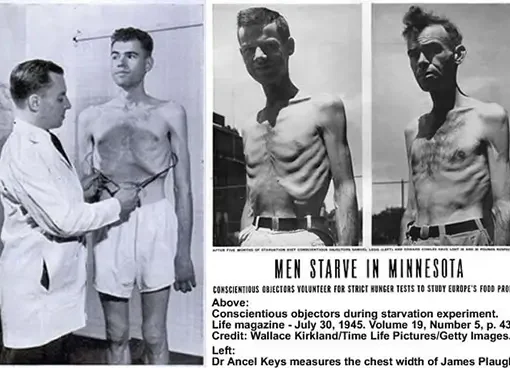
Lorsqu'un individu commence à avoir un régime alimentaire restrictif, la peur instinctive de la famine aura un impact sur le comportement et plus que sur le plan psychologique. Cela déclenchera différentes voies dans le cerveau qui sont responsables du contrôle de l'appétit, de la peur, du mécanisme de récompense (combien de plaisir nous tirons des expériences agréables) et de la plupart de nos fonctions cérébrales. Et cela ne s'arrêtera pas lorsque nous arrêterons le régime, mais continuera comme une histoire sans fin. C'est un effet dit "yo-yo". Même depuis une expérience de famine dans le Minnesota (Kelesidis et al., 2010) les scientifiques ont pris conscience de l'étendue des effets qu'un régime alimentaire restrictif peut avoir sur le comportement d'une personne.

Le cerveau fonctionne selon le mécanisme de la "carotte et du bâton". Le premier serait d'éviter la douleur, et lorsque la douleur est évitée, la recherche du plaisir entre en jeu.
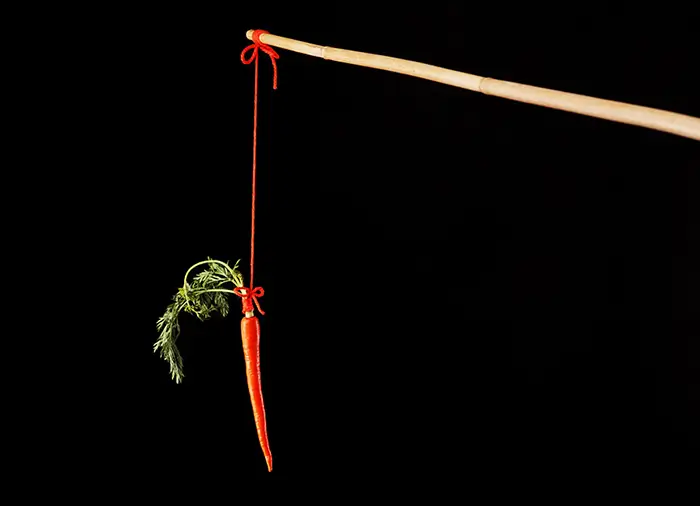
Plus la douleur est forte, plus les changements de comportement sont importants. Le problème est que tant que la douleur n'est pas supprimée, la recherche du plaisir n'existe pas. Par exemple, les participants à l'expérience de famine du Minnesota ne pouvaient, après un certain temps, penser à rien d'autre qu'à la nourriture. Ils ne supportaient pas la douleur d'une faim constante. Après qu'on leur a donné de la nourriture, la peur de mourir de faim n'a jamais disparu et ils se sont mis à manger en excès et à se gaver autant qu'ils le pouvaient, devenant obèses en très peu de temps. Mais ce comportement n'existe que dans une moindre mesure dans le comportement "normal" de tous les jours. La sensation de faim la plus normale est devenue beaucoup plus prononcée parce qu'aujourd'hui nous ne pouvons pas faire face à la faim parce que nous n'avons jamais connu le niveau réel de la famine. C'est la raison pour laquelle la plupart d'entre nous ne peuvent pas vraiment faire face à un régime, car nous n'avons plus de tolérance à la douleur. Et même si c'est le cas, la réaction normale du cerveau sera de se mettre en mode de survie, d'éviter la douleur et de couper tout comportement de recherche de plaisir jusqu'à ce que la faim disparaisse. Il n'est pas possible d'être en état de faim et d'apprécier la vie. D'autant plus que nous sommes désormais éloignés de notre environnement naturel et que nous avons stimuli supranormaux partout. Même une sensation de faim normale est quelque chose que nous ne pouvons plus considérer comme une sensation normale.
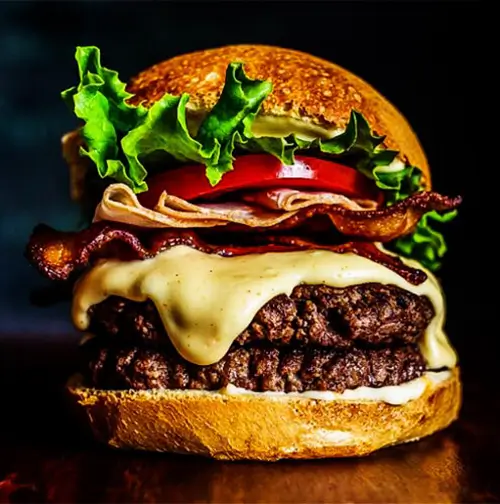
Notre comportement a été conditionné de telle sorte que notre cerveau a régulé à la baisse sa réponse au plaisir. C'est le cas, par exemple, des héroïnomanes. L'héroïne est l'une des drogues les plus puissantes qui existent. Elle procure beaucoup de plaisir. Mais avec le temps, les toxicomanes deviennent plus tolérants aux effets de cette drogue, dans une certaine mesure, parce que leur cerveau s'adapte. La même chose s'est produite dans notre société moderne. Notre cerveau s'est, dans une certaine mesure, adapté aux stimuli anormaux de la nourriture et la faim est devenue une sensation beaucoup plus prononcée qu'elle ne le serait chez les espèces animales normales. En raison de l'absence de pénurie, la nourriture n'est plus une récompense aussi importante qu'auparavant, notamment en raison des concentrations et des combinaisons anormalement élevées de sources d'énergie qui n'existent pas dans la nature.
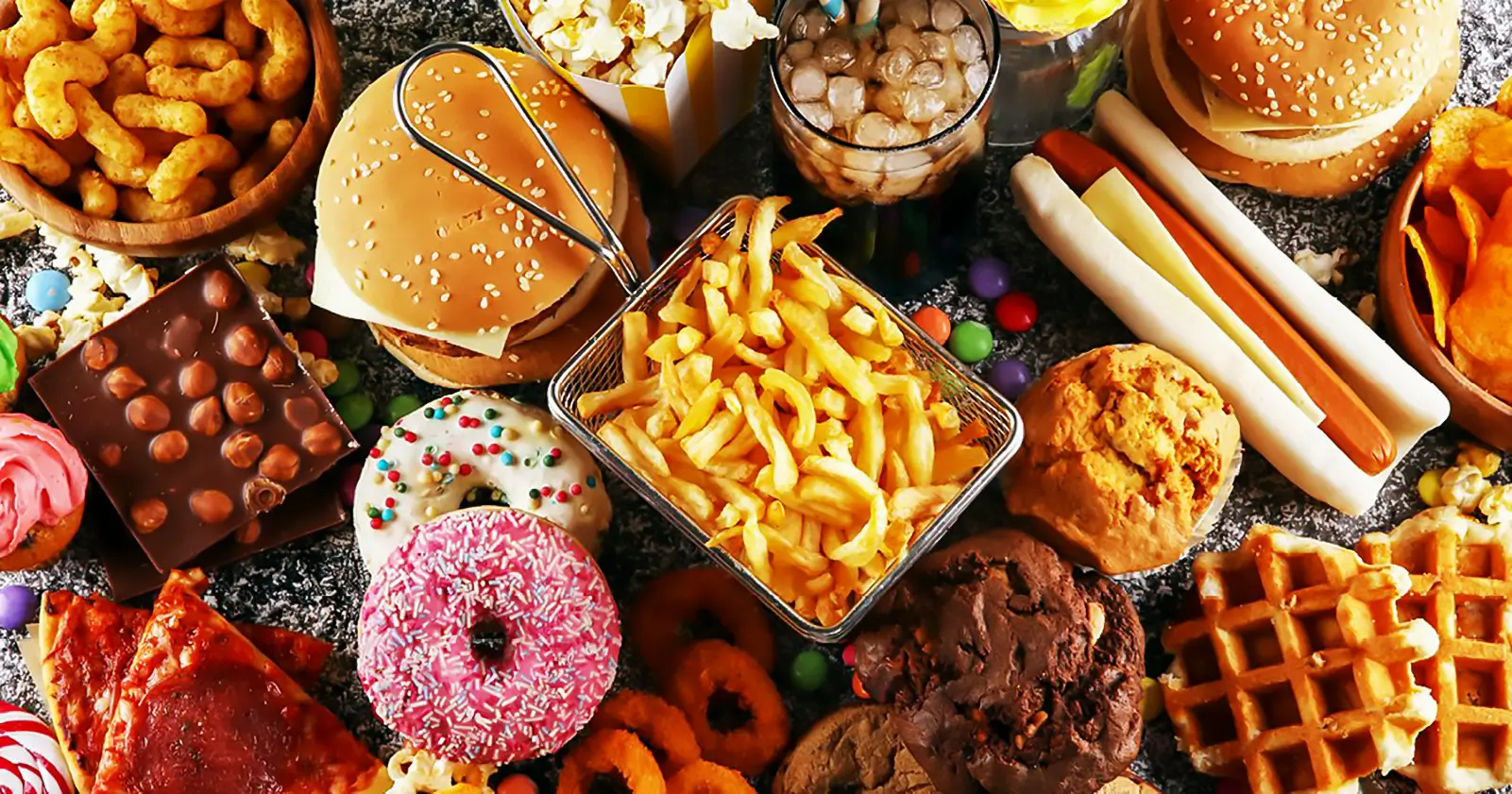
Le sucre extrait et les graisses extraites n'existent pas dans la nature et ils sont digérés beaucoup plus rapidement que dans des circonstances normales à partir de sources alimentaires entières, ce qui nous donne un effet dopamine élevé. Surtout la combinaison de sucre et de matières grasses (Zhang et al., 2005). Cette combinaison n'existe pas dans la nature. À cause de cela, les régimes sont devenus une forme de dépendance bien plus qu'ils ne le seraient dans un environnement naturel.
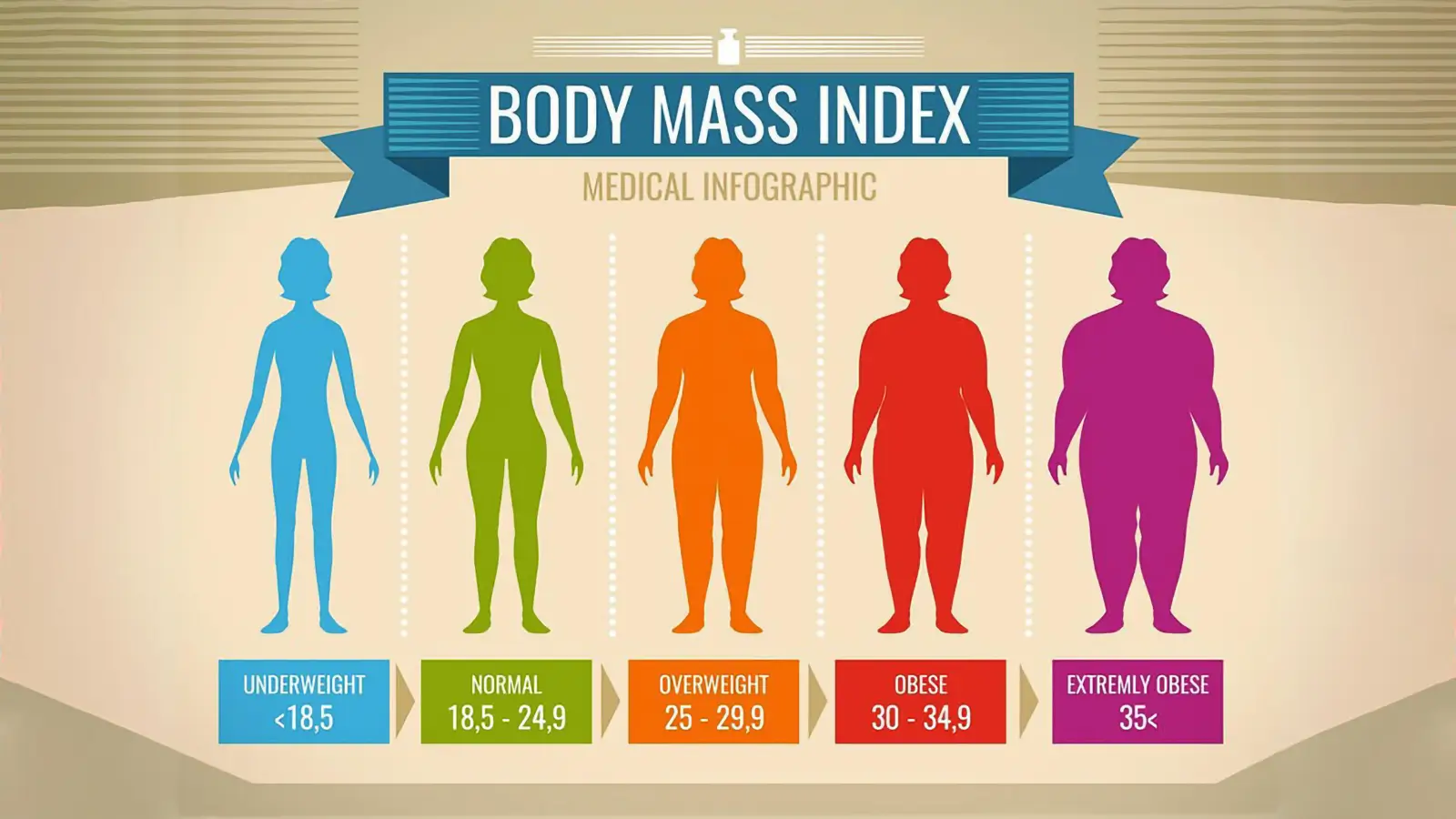
Le résultat est que nous sommes devenus obèses et nous ne pouvons rien y faire. Aujourd'hui, près de 70 % des adultes américains sont en surpoids ou obèses.
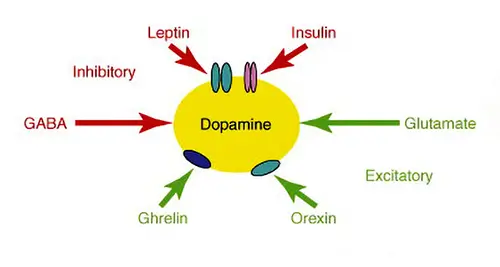
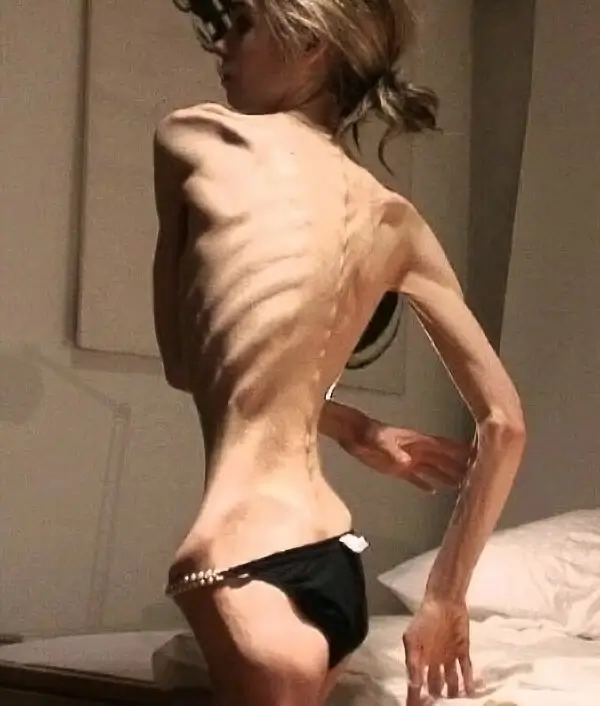
En fait, même les patients atteints d'anorexie mentale sont victimes de la même inadaptation. Ce n'est pas un problème psychologique, c'est un comportement conditionné par les mécanismes de récompense du plaisir et de la douleur. Chez les anorexiques, il y a aussi dysfonctionnement mais en sens inverse. Lorsqu'ils se réalimentent, leur concentration plasmatique de leptine augmente rapidement et atteint des niveaux à peu près normaux bien avant qu'un poids normal ne soit atteint (Obradovic et al., 2021). Les gardant ainsi anorexiques. Ils ressentent beaucoup moins la faim que quelqu'un qui n'a pas cette condition. La production excessive de leptine et son effet sur la sensation de satiété pourraient jouer un rôle permissif dans la pathogenèse de cette affection.
La leptine est l'hormone de la satiété, et elle s'oppose aux actions d'une autre hormone appelée ghréline, l'hormone de la faim. Les deux hormones agissent sur les récepteurs du cerveau pour réguler l'appétit (Zhang et al., 2017). Quand les gens pensent que leur esprit conscient aura un impact sur leur comportement, je leur ai toujours demandé de faire une expérience et d'essayer de retenir leur souffle. Après environ une minute, la douleur sera isolée et la partie inconsciente du cerveau l'emportera sur notre comportement. Le signal est dû au fait que le cerveau est en train de mourir et quoi qu'il arrive, vous devez prendre de l'oxygène ou mourir. Nous serons à bout de souffle, peu importe la force avec laquelle nous résistons. C'est une raison pour laquelle quelqu'un peut se noyer en 20 secondes si la panique s'installe. Les mêmes changements de comportement affectent notre comportement quotidien en ce qui concerne le l'eau que nous buvons, l'air que nous respirons et la nourriture que nous mangeons.
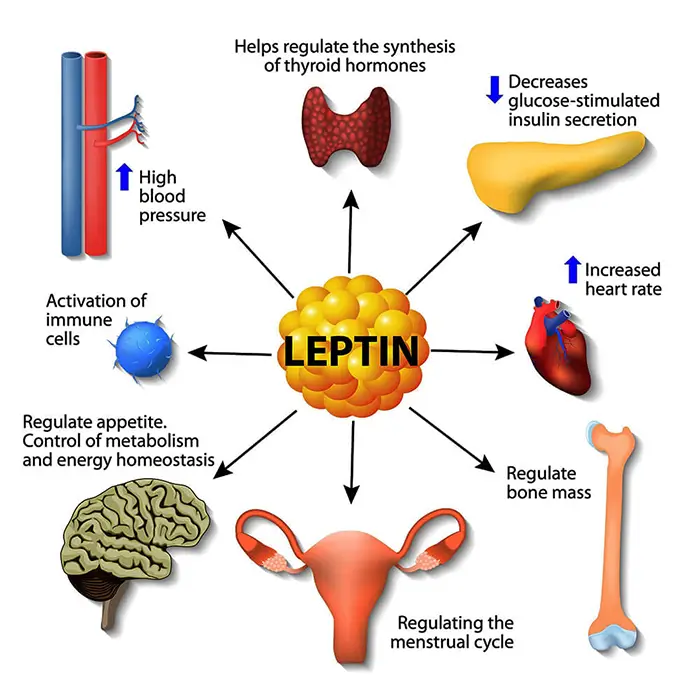
L'équilibre de ces deux hormones est nécessaire pour atteindre un équilibre énergétique global dans le corps. Dans l'obésité, une diminution de la sensibilité à la leptine se produit (Anderberg et al., 2016). Il s'agit d'un gros problème qui se traduira par l'incapacité du cerveau à détecter la satiété malgré les réserves d'énergie élevées dans le reste du corps. Pourquoi cela arrive-t-il ? La base de la résistance à la leptine chez les sujets humains obèses est inconnue. Si les niveaux de leptine restent constamment élevés en raison d'une suralimentation, il peut y avoir une régulation négative des récepteurs de la leptine et donc une diminution de la sensibilité à l'hormone. Chez l'homme, et en fait chez tout autre animal, de faibles niveaux de leptine induits par un régime hypocalorique ont entraîné une diminution de la concentration plasmatique de leptine déclenchant des niveaux élevés de faim constante. Cela peut expliquer le taux d'échec élevé des régimes amaigrissants. De faibles niveaux de leptine sont susceptibles d'être un puissant stimulant pour la prise de poids.
Dans le cas de l'obésité, le système de régulation standard indiquera au cerveau que nous avons des dépôts de graisse stockés pendant une période prolongée et que nous pouvons supporter une petite faim. Le problème est que nous n'avons jamais pu grossir en raison de la pénurie, et que nous n'avons donc jamais développé d'adaptation à l'abondance de nourriture. Notre esprit continue de penser que si nous ne mangeons pas tout ce que nous pouvons, nous mourrons de faim lors de la prochaine sécheresse.
Références :
- Kelesidis, T., Kelesidis, I., Chou, S. et Mantzoros, CS (2010). Revue narrative : le rôle de la leptine dans la physiologie humaine : applications cliniques émergentes. Annales de médecine interne, 152(2), 93–100. https://doi.org/10.7326/0003-4819-152-2-201001190-00008
- Zhang, F., Chen, Y., Heiman, M. et Dimarchi, R. (2005). Leptine : structure, fonction et biologie. Vitamines et hormones, 71, 345–372. https://doi.org/10.1016/S0083-6729(05)71012-8
- Obradovic, M., Sudar-Milovanovic, E., Soskic, S., Essack, M., Arya, S., Stewart, AJ, Gojobori, T. et Isenovic, ER (2021). Leptine et obésité : rôle et implication clinique. Frontières en endocrinologie, 12, 585887. https://doi.org/10.3389/fendo.2021.585887
- Zhang, Y., & Chua, S., Jr (2017). Fonction et régulation de la leptine. Physiologie globale, 8(1), 351–369. https://doi.org/10.1002/cphy.c160041
- Anderberg, RH, Hansson, C., Fenander, M., Richard, JE, Dickson, SL, Nissbrandt, H., Bergquist, F. et Skibicka, KP (2016). La ghréline, une hormone dérivée de l'estomac, augmente le comportement impulsif. Neuropsychopharmacologie : publication officielle de l'American College of Neuropsychopharmacology, 41(5), 1199-1209. https://doi.org/10.1038/npp.2015.297
- Kalm, LM et Semba, RD (2005). Ils se sont affamés pour que les autres soient mieux nourris : rappelez-vous Ancel Keys et l'expérience du Minnesota. The Journal of nutrition, 135(6), 1347–1352. https://doi.org/10.1093/jn/135.6.1347
- Tobey JA (1951). La biologie de la famine humaine. American Journal of Public Health et la santé des Nations, 41(2), 236–237.[PubMed]
- Howick, K., Griffin, BT, Cryan, JF et Schellekens, H. (2017). Du ventre au cerveau : ciblage du récepteur de la ghréline dans la régulation de l'appétit et de l'apport alimentaire. Revue internationale des sciences moléculaires, 18(2), 273. https://doi.org/10.3390/ijms18020273
- Müller, MJ, Enderle, J., Pourhassan, M., Braun, W., Eggeling, B., Lagerpusch, M., Glüer, CC, Kehayias, JJ, Kiosz, D. et Bosy-Westphal, A. ( 2015). Adaptation métabolique à la restriction calorique et réalimentation subséquente : l'expérience de famine du Minnesota revisitée. La revue américaine de nutrition clinique, 102(4), 807–819. https://doi.org/10.3945/ajcn.115.109173
- Dulloo AG (2021). Physiologie de la reprise de poids : leçons de l'expérience classique de famine du Minnesota sur la régulation de la composition du corps humain. Avis sur l'obésité : un journal officiel de l'Association internationale pour l'étude de l'obésité, 22 Supplément 2, e13189. https://doi.org/10.1111/obr.13189
- LASKER GW (1947). Les effets de la famine partielle sur le somatotype : une analyse du matériel de l'expérience de famine du Minnesota. Revue américaine d'anthropologie physique, 5(3), 323–341. https://doi.org/10.1002/ajpa.1330050305
- Dulloo, AG, Jacquet, J., & Girardier, L. (1996). Autorégulation de la composition corporelle lors de la reprise de poids chez l'homme : l'expérience du Minnesota revisitée. Journal international de l'obésité et des troubles métaboliques associés : journal de l'Association internationale pour l'étude de l'obésité, 20(5), 393–405.[PubMed]
- Clés et al. (1950) "La biologie de la famine humaine (2 volumes)". Presse de l'Université du Minnesota.
Articles Similaires


Sources:
Vous avez des questions sur la nutrition et la santé ?
Je serais ravie d'entendre vos commentaires et d'y répondre dans mon prochain message. J'apprécie votre contribution et votre opinion et j'espère avoir bientôt de vos nouvelles. Je vous invite également à nous suivre sur Facebook, Instagram et Pinterest pour plus de contenu sur l'alimentation, la nutrition et la santé. Vous pouvez y laisser un commentaire et entrer en contact avec d'autres passionnés de santé, partager vos conseils et expériences, et obtenir le soutien et les encouragements de notre équipe et de notre communauté.
J'espère que ce billet a été instructif et agréable pour vous et que vous êtes prêt à mettre en pratique les connaissances que vous avez acquises. Si vous avez trouvé ce billet utile, veuillez le partager à vos amis et à votre famille qui pourraient également en bénéficier. On ne sait jamais qui peut avoir besoin de conseils et de soutien dans son parcours de santé.
– Vous pourriez aussi aimer –
Bienfaits Spiruline : Superaliment Riche en Phycocyanine
Exposition à l'Arsenic et Consommation de Riz - Le Grain le Plus Toxique de Tous

Viande Humaine ou Mythe Humain ?- La Cognition Animale
Expression Génétique et Epigénétique : Comment l'Alimentation et l'Environnement Façonnent Votre Santé

Sensibilité et Douleur des Dents aux Sucreries : Solution Rapide et Durable

Jeûne Intermittent vs Restriction Calorique - Y a-t-il Une Différence ?
Amla : Avantages Prouvés, Nutrition et Signification Clinique
Causes du Diabète et Graisses Saturées- L'argument Végétalien

Apprendre la Nutrition

Milos Pokimica est docteur en médecine naturelle, nutritionniste clinique, rédacteur en santé médicale et nutrition et conseiller en sciences nutritionnelles. Auteur de la série de livres Devenir vegetarien ? Examen des sciences, il exploite également le site Web de santé naturelle GoVeganWay.com
Avis de non-responsabilité médicale
GoVeganWay.com vous propose des critiques des dernières recherches liées à la nutrition et à la santé. Les informations fournies représentent l'opinion personnelle de l'auteur et ne sont pas destinées ni implicites à se substituer à un avis médical professionnel, un diagnostic ou un traitement. Les informations fournies sont à titre informatif uniquement et ne sont pas destinées à remplacer la consultation, le diagnostic et/ou le traitement médical d'un médecin qualifié ou d'un prestataire de soins de santé.NE JAMAIS IGNORER LES CONSEILS MÉDICAUX PROFESSIONNELS OU RETARDER LA RECHERCHE DE SOINS MÉDICAUX EN RAISON DE QUELQUE CHOSE QUE VOUS AVEZ LU OU ACCÉDÉ SUR GoVeganWay.com
N'APPLIQUEZ JAMAIS DE CHANGEMENTS AU STYLE DE VIE OU TOUT CHANGEMENT À LA SUITE DE QUELQUE CHOSE QUE VOUS AVEZ LU SUR GoVeganWay.com AVANT DE CONSULTER UN PRATICIEN MÉDICAL AGRÉÉ.
En cas d'urgence médicale, appelez immédiatement un médecin ou le 911. GoVeganWay.com ne recommande ni n'approuve aucun groupe, organisation, test, médecin, produit, procédure, opinion ou autre information spécifique pouvant être mentionné à l'intérieur.
Choix de l'éditeur -
Cancer Choix de l'éditeur Phytochimiques
Pouvoir Anticancéreux des Fruits et Légumes : Preuves in Vivo et Cliniques
Certains extraits végétaux rivalisent avec les principaux médicaments de chimiothérapie et ciblent en même temps plusieurs types différents de cellules cancéreuses.
Antioxydants Choix de l'éditeur ORAC
Les Huiles Essentielles en Tant Que Compléments Antioxydants : Règles et Stratégies
Les huiles essentielles de qualité alimentaire peuvent constituer une stratégie pratique et conviviale pour optimiser la valeur antioxydante et les scores ORAC de notre alimentation.
Antioxydants Choix de l'éditeur ORAC
Régime Riche en Antioxydants : Règles Rénérales et Stratégies
Il existe des stratégies simples et rentables pour optimiser la valeur antioxydante de notre alimentation.
Antioxydants Choix de l'éditeur ORAC
Comprendre les Valeurs ORAC : La Teneur en Antioxydants des Aliments
Lorsque votre principale source d'antioxydants est le café, vous savez que vous avez un sérieux problème.

Antioxydants Choix de l'éditeur ORAC
Avantages de l’Astaxanthine : L’Antioxydant Naturel le Plus Puissant au Monde
L'astaxanthine est l'antioxydant naturel et universel le plus puissant (soluble dans l'huile et dans l'eau) connu de la science. Il s'accumule dans les tissus et ne peut jamais se transformer en pro-oxydant.

Antioxydants Choix de l'éditeur ORAC Phytochimiques
Les Antioxydants : Comprendre les Bases
Il n'y a pas de composés phytochimiques ou d'antioxydants dans les produits d'origine animale. En moyenne, les aliments végétaux contiennent plus de 60 fois plus d'antioxydants que les aliments d'origine animale.
Choix de l'éditeur Régime végétalien
Les Carences en Nutriments Dans le Régime Végétalien : Stratégies de Prévention
Il existe neuf carences nutritionnelles courantes à l'échelle de la population qui affectent les personnes qui suivent un régime à base de plantes. Si elles ne sont pas corrigées à temps, certaines déficiences ont des conséquences terribles et incurables.
Choix de l'éditeur Régime optimal
Déficience en Micronutriments Dans le Régime Alimentaire Américain Standard : Stratégies d'Optimisation
Le profil nutritionnel de notre régime moderne à base de viande, de sucre et d'aliments transformés est totalement incongru avec notre évolution, ce qui entraîne de graves carences en micronutriments.
Choix de l'éditeur Phytochimiques
Photochimie : Comprendre les Bases
Chaque phytochimique qui existe a une action biologique dans le corps humain. Chacun parmi des millions de composés phytochimiques différents.
Choix de l'éditeur Lait Régime optimal
Lait et Produits Laitiers : Corrélations Avec les Risques Pour la Santé
Les associations connues avec le lait et la consommation de produits laitiers sont l'infertilité, le cancer de l'ovaire et du sein, la leucémie, le diabète de type 1, l'autisme, l'artériosclérose, la cataracte, la polyarthrite rhumatoïde, la sclérose en plaques, l'hyperactivité, la congestion, les boutons, etc.
Cancer Choix de l'éditeur Protéine
Protéine Complète : Signalisation de l'IGF-1 dans la Formation du Cancer
Lorsque vous mangez des protéines animales, vous avez quatre fois plus de chances de développer tous les types de cancer. Lorsque vous fumez, vous avez quatre fois plus de chances de développer un cancer du poumon.

Cancer Choix de l'éditeur Protéine
Anatomie du Cancer - Corrélations Entre Les Risques Pour la Santé
Environ 2 % des cancers sont considérés par la médecine comme purement causés par des facteurs génétiques. La même gamme que dans le règne animal. On ne vous a pas dit toute la vérité.
Milos Pokimica est rédacteur spécialisé dans la santé et la nutrition et conseiller en sciences nutritionnelles. Auteur d'une série de livres Devenir vegetarien ? Examen des sciences, il exploite également le site Web de santé naturelle GoVeganWay.com
Derniers Articles –

Restriction calorique Longévité
Comment Jeûner : Les Aliments de Jeûne Qui N'interrompent Pas L'Autophagie
L'autophagie. Vous êtes-vous déjà demandé ce qu'il advient des cellules de votre corps lorsqu'elles meurent ou sont endommagées ? S'accumulent-elles et créent-elles des problèmes, ou sont-elles éliminées d'une manière ou d'une autre ? La réponse est que votre corps...

Santé Dentaire La prévention
Sensibilité et Douleur des Dents aux Sucreries : Solution Rapide et Durable
L'huile essentielle de clou de girofle est une solution rapide et facile pour soulager la douleur. C'est un antioxydant puissant et un analgésique qui peut aider à lutter contre les maladies des gencives et les maux de dents.

Les haricots
Haricots Verts : Nutrition et Bienfaits Pour La Santé
Les haricots verts sont pauvres en calories et riches en composés naturels qui peuvent vous aider à contrôler votre glycémie, à réduire votre taux de cholestérol et à lutter contre les radicaux libres.
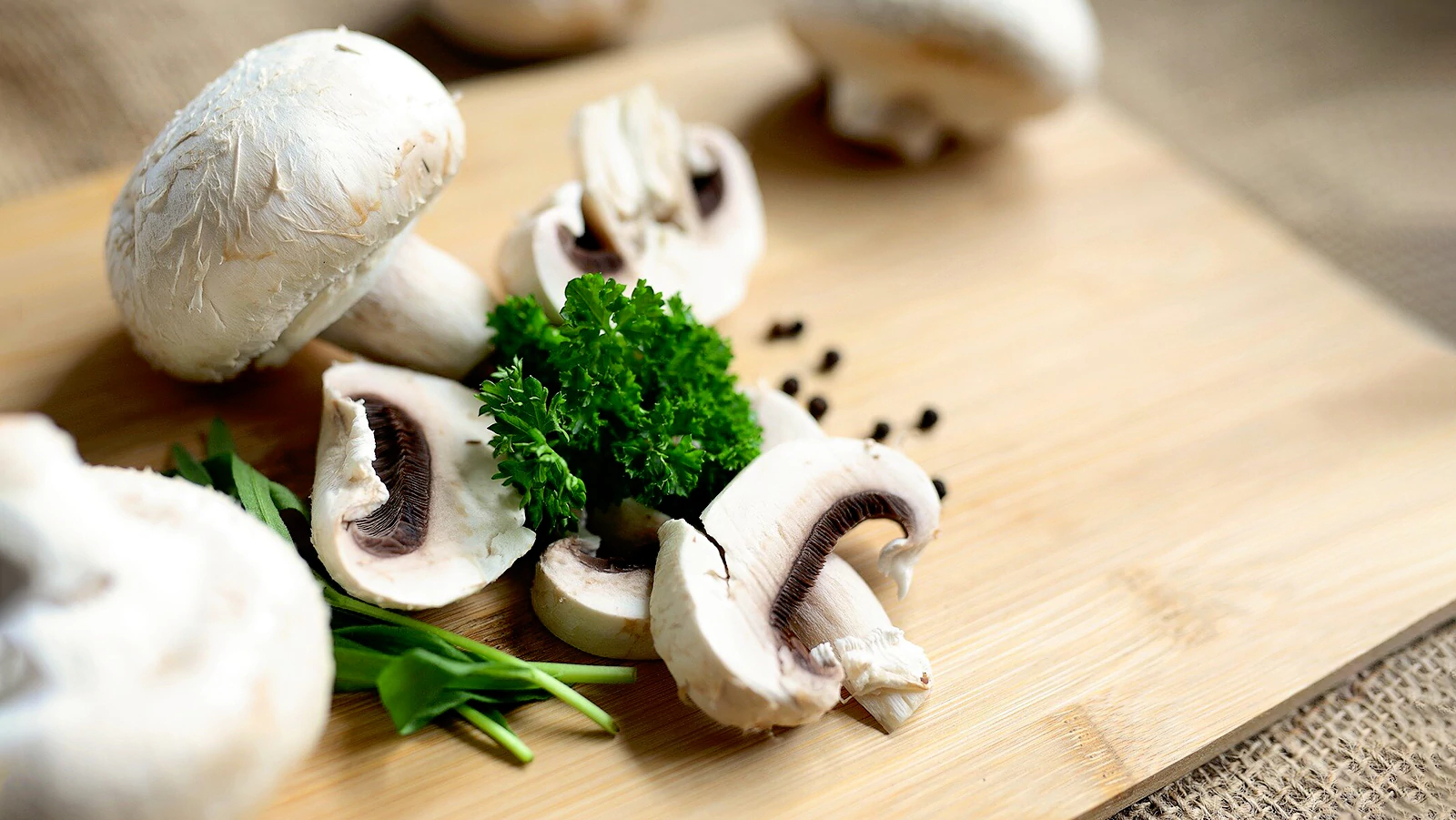
Régime alimentaire cru Régime végétalien
Peut-on Manger des Champignons Crus : Risques pour la Santé, Nutrition et Sécurité
Les champignons contiennent des toxines sensibles à la chaleur, comme l'hydrazine ou l'agaritine, et des parois cellulaires composées de chitine qui ne peuvent pas être digérées correctement par l'homme.
Régime végétalien
Les Poissons Sont-ils Des Animaux ? Une Perspective Culturelle
Dans certaines cultures, la viande de poisson n'est pas considérée comme de la viande et le poisson est autorisé même pendant le jeûne.

Santé Dentaire La prévention
Rince-bouche Naturel Fait Maison : Éprouvé, Plus Fort et Moins Toxique
Le bain de bouche naturel fait maison est plus puissant que la chlorhexidine, moins toxique et, s'il est avalé, il peut donner des nausées, mais il a aussi une valeur ORAC élevée.
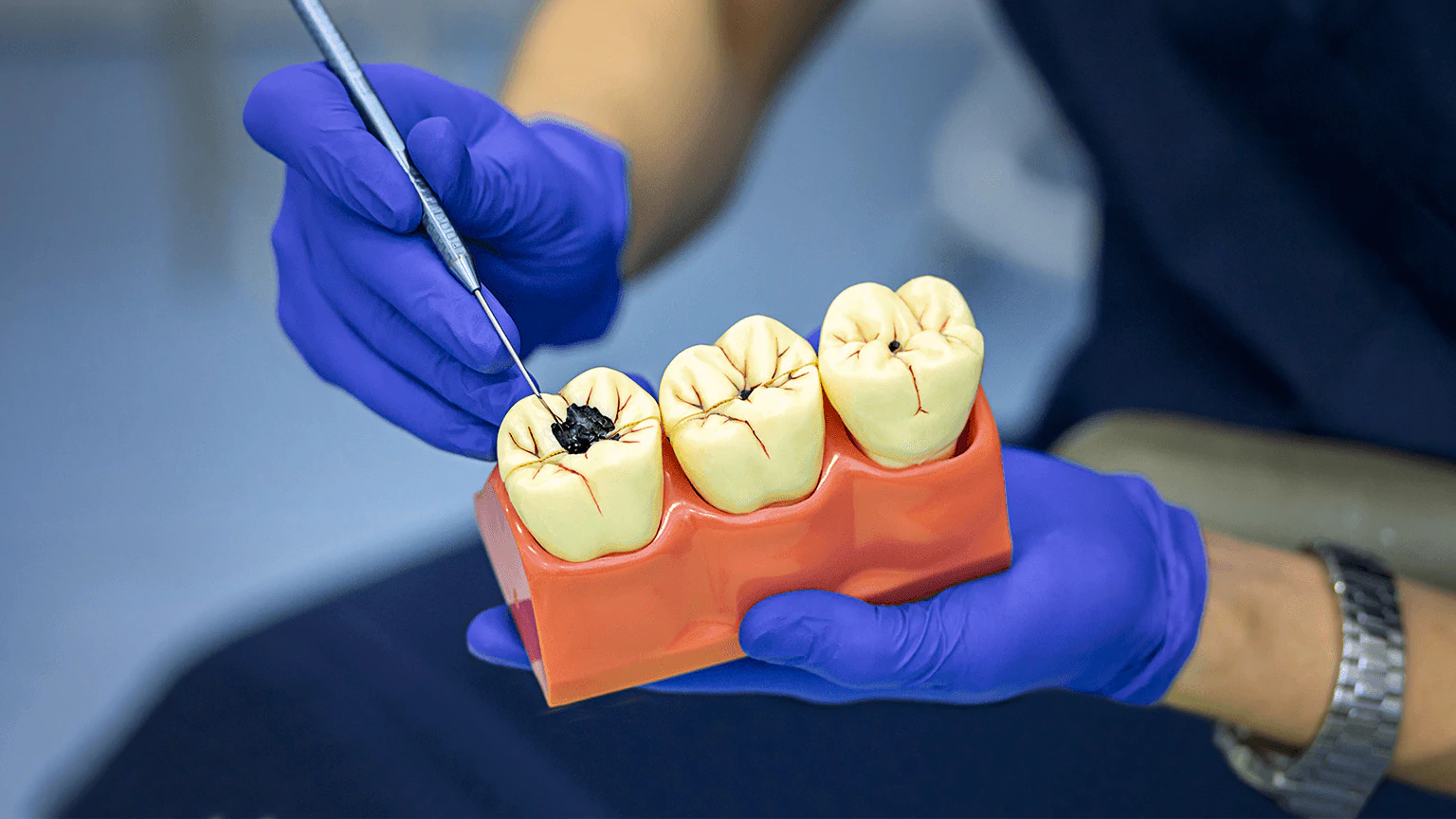
Santé Dentaire La prévention
Comment Arrêter les Caries Dentaires : Symptômes, Causes et Prévention
La consommation de sucre est la principale cause des caries dentaires, associée à des carences en minéraux, notamment en magnésium, zinc, cuivre et oligo-éléments.
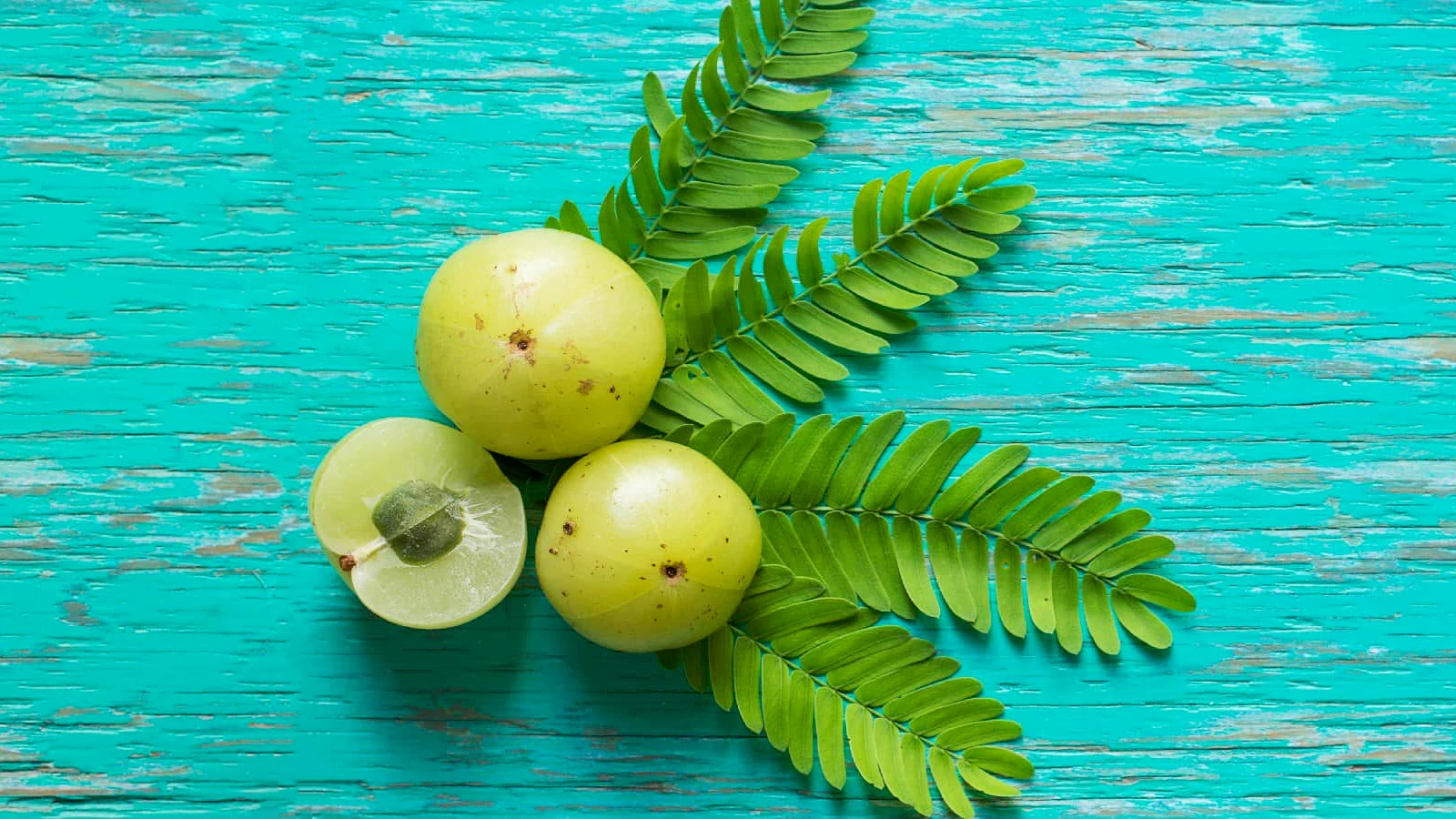
Antioxydants Superaliments
Amla : Avantages Prouvés, Nutrition et Signification Clinique
L'amla est l'un des antioxydants les plus puissants au monde, avec un score ORAC de 261 530. Il s'agit d'une riche source de substances phytochimiques qui ont de nombreux effets bénéfiques sur la santé.
Top Des Nouvelles Sur la Santé - ScienceDaily
- Ozempic may have revealed the brain’s hidden “craving center”le août 12, 2026
Ozempic-like drugs appear to weaken more than hunger—they may also reduce cravings for alcohol and other addictive substances. Scientists are increasingly tracing this effect to the lateral septum, a brain region that helps connect memories and surroundings with rewarding experiences. Packed with GLP-1 receptors, it may act as a crucial control point between thinking about a reward and feeling compelled to pursue it. The discovery could open new approaches to treating addiction as well as […]
- Scientists discover a hidden brain rhythm that could improve Parkinson’s treatmentle août 12, 2026
Scientists have pinpointed a brain network—and its distinctive electrical rhythm—that appears to drive the benefits of deep brain stimulation for Parkinson’s disease. The discovery could lead to more precise, personalized stimulation settings and better results for patients.
- 3,500-year-old skeletons challenge what scientists thought they knew about syphilisle août 12, 2026
Ancient remains from Vietnam suggest diseases like yaws may have been passed from mother to child thousands of years ago, a form of transmission often assumed to indicate syphilis. The discovery could overturn how scientists interpret ancient infections and complicate the long-running mystery of syphilis’s origins.
- The adult brain can repair itself better than scientists thoughtle août 12, 2026
The adult brain may be far better at repairing itself than scientists once believed. In mice, researchers discovered a special group of support cells called astrocytes that respond to damaged brain tissue by rebuilding lost cellular networks. Rather than simply moving into the injured area, these cells perform a remarkable maneuver: they create new nuclei and send them traveling through long cellular extensions to repopulate damaged regions.
- Scientists turn sheep’s wool into a material that helps regrow bonele août 12, 2026
Keratin extracted from sheep’s wool helped damaged bone regenerate in animals, producing tissue that was more organized and structurally similar to healthy bone than tissue grown with conventional collagen scaffolds. The discovery could turn an abundant agricultural byproduct into a promising new material for regenerative medicine.
- MIT neuroscientists discover the brain can reason without wordsle août 11, 2026
MIT neuroscientists have found striking evidence that language and logical reasoning are powered by separate systems in the brain. Even people with severe language impairments caused by stroke were able to solve challenging logic puzzles as well as people without those impairments, while brain scans showed that language-processing regions stayed largely quiet during reasoning tasks.
- Marine heatwaves are harming human health in surprising waysle août 11, 2026
Marine heatwaves are emerging as a threat not just to coral reefs and fisheries, but to human health and well-being. Researchers warn that unusually hot oceans can fuel stronger storms, trigger harmful algal blooms, reduce seafood supplies, disrupt livelihoods, and contribute to anxiety, grief, and depression in coastal communities.
PubMed, #régime-vegan –
- Dietary Quality Along a Plant-Based Continuum: The Role of Added Salt, Oil, and Sugar in Chronic Disease Riskle août 13, 2026
Chronic noncommunicable diseases, including cardiovascular disease (CVD), type 2 diabetes (T2D), and cancer, constitute leading causes of global mortality, with suboptimal diet identified as a primary modifiable risk factor. Plant-based dietary patterns (PBDPs) can be conceptualized along a continuum of quality, with whole-food PBDPs consistently linked to lower risks of CVD, T2D, and all-cause mortality, though much of this evidence derives from studies of vegan or healthy plant-based […]
- Dietary Acid Load Across Vegans, Lacto-Ovo-Vegetarians, Fish-Eaters, and Meat-Eaters, and Its Association with Body Mass Index: A Secondary Analysis from an Italian Survey (The INVITA Study)le août 13, 2026
Diet represents a key determinant of the body’s acid-base balance because foods are metabolized into non-volatile acids or bases. An increase in dietary acid load can elicit low-grade metabolic acidosis, which has been associated with systemic inflammation and the risk of adverse cardiometabolic conditions, including obesity. Potential renal acid load (PRAL) and Net Endogenous Acid Production (NEAP) represent the major markers of dietary acid load. The aim of this secondary analysis was to…
- Effect of Ketogenic Diet Versus Vegan Diet on Obesity-Induced Testicular Dysfunction and Mediating Role of Gut Microbiotale août 13, 2026
Obesity is associated with metabolic dysregulation and impaired male reproductive capacity, where the gut microbiota affects male reproductive function through diverse mechanisms that warrant further elucidation. This study aims to evaluate the effects of ketogenic and vegan dietary interventions in attenuating obesity-associated testicular injury and to examine the extent to which specific gut microbiota profiles mediate their impact. Forty-nine male adult albino rats were assigned to seven…
- Nutrient and Discretionary Food Intake in Vegan Adult Australians: A Cross-Sectional Studyle août 12, 2026
Interest in plant-based diets, including vegan diets is increasing. Yet, there has been limited assessment of the dietary intake of contemporary vegans in Australia. Sixty-six adult Australian vegans completed a four-day, semi-weighed food diary on two occasions. Intake from diet and supplements and diet alone was compared to the Australian Nutrient Reference Values (NRVs) for selected nutrients. Risk of micronutrient inadequacy was assessed using the cut-point method, with comparison to the…
- Similar Muscle Recovery but Greater Soreness in Active Vegans on Low-Protein Diets Compared to High-Protein Omnivores Following Exercise-Induced Damagele août 12, 2026
To assess whether a low-protein vegan diet is associated with differences in recovery from exercise-induced muscle damage (EIMD) in physically active individuals. Physically active vegans (n = 7) and omnivores (n = 7) underwent a lower-body muscle damage protocol consisting of five sets of repetitions to failure using the Smith machine squat and leg press at 85% of one-repetition maximum (1RM). Muscle damage and recovery were assessed at baseline, immediately post-exercise, and at 24, 48, and […]
Messages Aléatoires -
Choix de l'éditeur La prévention Toxicité
Toxicité Environnementale- C'est Juste Une Chaîne Alimentaire
La toxicité environnementale est la bioaccumulation de toxines. Les organismes sont des filtres. Mais il existe un autre processus encore pire appelé bioamplification dans la chaîne alimentaire.

Choix de l'éditeur Régime optimal Régime paléo
Régime Paléo- Pas de Viande en Vue
Les humains ont évolué pendant 50 millions d'années à partir de mammifères herbivores. La chasse n'est pas une activité naturelle des hominidés. Le régime paléo n'existe que depuis 200 000 ans.

Antioxydants
La Vitamine C Intraveineuse dans le Traitement de La Grippe : Preuve Vivante de la Pratique Clinique
Lorsque vous voulez que de la vitamine C intraveineuse soit administrée à l'hôpital, vous n'en parlez pas à votre médecin. Au lieu de cela, vous dites à votre avocat de le dire à votre médecin, par écrit.
Antioxydants Choix de l'éditeur ORAC
Avantages de l’Astaxanthine : L’Antioxydant Naturel le Plus Puissant au Monde
L'astaxanthine est l'antioxydant naturel et universel le plus puissant (soluble dans l'huile et dans l'eau) connu de la science. Il s'accumule dans les tissus et ne peut jamais se transformer en pro-oxydant.
Choix de l'éditeur Inflammation
Le Dilemme des Humains Omnivores- Consommation de Viande, Bactéries Probiotiques, Inflammation et Intestin
Les humains sont-ils omnivores au sens propre de l'anatomie ? Il existe une différence fondamentale dans le fonctionnement du tube digestif entre les plantes et les espèces carnivores.
Antioxydants Superaliments
Amla : Avantages Prouvés, Nutrition et Signification Clinique
L'amla est l'un des antioxydants les plus puissants au monde, avec un score ORAC de 261 530. Il s'agit d'une riche source de substances phytochimiques qui ont de nombreux effets bénéfiques sur la santé.
Diabète Lait
Lait A1 : Diabète, Autisme et Maladies Cardiaques
Des preuves épidémiologiques suggèrent que le lait A1 contenant la variante bêta-caséine a1 est un facteur de risque possible dans le développement du diabète de type 1 chez les enfants, de l'autisme et des maladies cardiaques chez les adultes.

Médecine allopathique Choix de l'éditeur
Médecine Allopathique - La Psychologie de la Peur
Il y a environ 100 ans, la médecine allopathique a finalement réussi à neutraliser les médecins empiriques holistiques. Les médecins allopathiques ne traitent pas les maladies, ils traitent les symptômes.

Désintoxication Boire de l'eau Toxicité
L'eau Distillée à Boire - Aide à la Désintoxication ou Poison Mortel ?
Il y a beaucoup de désinformation sur les propriétés détoxifiantes de l'eau et de l'eau distillée en particulier. La purification de l'eau est une grosse affaire. Qu'est-ce que la science a à dire à ce sujet?
Toxicité
Mercure - Neurotoxine du Poisson
Le mercure est une toxine industrielle et la substance la plus neurotoxique connue. Le plancton l'absorbera de l'eau de mer et initiera la bioaccumulation dans la chaîne alimentaire.

Postes en Vedette -

Choix de l'éditeur Obésité
Hyperphagie Boulimique - La Psychologie de la Faim
Dans la nature, il n'y a ni sucre raffiné ni graisse. Notre cerveau n'avait jamais été exposé à une combinaison des deux tout à la fois nous forçant à l'hyperphagie boulimique.

Médecine allopathique Choix de l'éditeur Régime optimal
Le Rapport McGovern - Intérêt Spécial et Suppression de la Science
En 1977, la pression pour un changement des directives diététiques (rapport McGovern) vers un végétalien plus végétal a été présentée au Congrès américain.
Choix de l'éditeur Régime optimal Protéine
Régime Riche en Protéines- Corrélations des Risques Pour la Santé
Scarcity is the rule of protein in nature. In evolutionary terms, anthropologists have proven that hominins lived an average of 15 to 25 grams of protein a day. In the modern western type of high-protein diet we would consume that…

Choix de l'éditeur La prévention Régime végétalien
Étude sur la Chine- L'argument Végétalien
Une étude chinoise a montré qu'il n'y a pas de maladie cardiaque, de cancer ou de diabète dans les communautés rurales sous-développées du monde avec des régimes végétaliens à base d'amidon.

Cancer Choix de l'éditeur Toxicité
Exposition des Enfants Aux Pesticides : Tests d'Exposition en Situation Réelle
Les enfants et surtout les femmes enceintes sont plus vulnérables à l'exposition aux pesticides. Si nous analysions les niveaux d'exposition réels dans des scénarios réels, quel serait le résultat ?
Choix de l'éditeur Inflammation
Le Dilemme des Humains Omnivores- Consommation de Viande, Bactéries Probiotiques, Inflammation et Intestin
Les humains sont-ils omnivores au sens propre de l'anatomie ? Il existe une différence fondamentale dans le fonctionnement du tube digestif entre les plantes et les espèces carnivores.

Cancer Choix de l'éditeur Toxicité
Pesticides Dans les Aliments, Exposition Dans le Régime Alimentaire Américain Standard- 80 % de Viande
La plupart des pesticides et en particulier les métaux lourds et autres polluants toxiques que nous obtenons proviennent de la viande. Plus de 80 % de l'exposition aux pesticides dans le régime alimentaire américain standard provient de produits d'origine animale, et non de fruits ou de légumes.
Cancer Choix de l'éditeur Protéine
Anatomie du Cancer - Corrélations Entre Les Risques Pour la Santé
Environ 2 % des cancers sont considérés par la médecine comme purement causés par des facteurs génétiques. La même gamme que dans le règne animal. On ne vous a pas dit toute la vérité.
Diabète Choix de l'éditeur
Causes du Diabète et Graisses Saturées- L'argument Végétalien
À mesure que le niveau de graisse dans le sang augmente, la capacité du corps à éliminer les gouttes de sucre. L'une des causes du diabète est notre mauvaise adaptation à un apport important en matières grasses
Choix de l'éditeur Régime optimal
Déficience en Micronutriments Dans le Régime Alimentaire Américain Standard : Stratégies d'Optimisation
Le profil nutritionnel de notre régime moderne à base de viande, de sucre et d'aliments transformés est totalement incongru avec notre évolution, ce qui entraîne de graves carences en micronutriments.
Dernières Nouvelles de PubMed, #alimentation végétale –
- From Diet to Dysbiosis: How Nutritional Factors Shape Gut Microbiota and Drive Airway Inflammation in Pediatric Asthmapar Oana Raluca Temneanu le août 13, 2026
Asthma prevalence in school-age children varies widely by geography, from below 5% in some regions to above 20% in others, averaging 10-12% across industrialized countries, but genetic factors account for less than 40% of disease liability. Gut microbiota is increasingly recognized as a critical intermediary between early-life dietary exposure and immunological trajectories that determine asthma susceptibility. Through the production of short-chain fatty acids (SCFAs), particularly butyrate,…
- Rethinking Mediterranean Diet Adherence and Body Composition: A 3-Year Prospective Observational Study in Patients with Type 2 Diabetes and Arterial Hypertensionpar Dora Bučan Nenadić le août 13, 2026
Background/Objectives: Type 2 diabetes mellitus (T2DM) and arterial hypertension (AH) frequently coexist and are major risk factors for cardiovascular disease (CVD) and chronic kidney disease. Although the Mediterranean diet (MeDi) is widely recommended in cardiometabolic management, longitudinal real-world evidence regarding dietary adherence, body composition, and the role of continuous dietitian-led follow-up remains limited. Methods: This three-year prospective observational study […]
- Nutrition and Hydration Strategies for Heatwave Adaptation: A Narrative Reviewpar Stefania D’Angelo le août 13, 2026
Climate change is increasing the frequency, intensity, and duration of heatwaves, making extreme heat a recurrent public health challenge with important nutritional implications. High ambient temperatures affect human health through thermoregulatory strain, sweating, dehydration, electrolyte imbalance, cardiovascular and renal stress, impaired cognitive and physical performance, and exacerbation of chronic diseases. Diet and hydration may therefore represent modifiable, although still…
- Dietary Patterns, Eating Disorder Risk, Emotional Distress, and Amino Acid Intake in Adults Seeking Weight Losspar Alessia Placanica le août 13, 2026
Background: Diet quality and amino acid intake influence both physical health and psychological well-being, potentially affecting eating disorder risk. This study aimed to investigate the relationship between dietary patterns, amino acid intake, and eating disorder risk. Methods: This cross-sectional study included 130 adults with overweight or obesity. All participants were assessed for eating disorder risk and body image distortion. Dietary intake was assessed using a validated food […]
- Dietary Quality Along a Plant-Based Continuum: The Role of Added Salt, Oil, and Sugar in Chronic Disease Riskpar David M Goldman le août 13, 2026
Chronic noncommunicable diseases, including cardiovascular disease (CVD), type 2 diabetes (T2D), and cancer, constitute leading causes of global mortality, with suboptimal diet identified as a primary modifiable risk factor. Plant-based dietary patterns (PBDPs) can be conceptualized along a continuum of quality, with whole-food PBDPs consistently linked to lower risks of CVD, T2D, and all-cause mortality, though much of this evidence derives from studies of vegan or healthy plant-based […]
- Impact of a Behavioral Lifestyle Intervention on Dietary Habits, Anthropometric and Psychological Outcomes, and Biomarkers of Oxidative Stress and Telomere Length in Adultspar Panagiota Galatoula le août 13, 2026
Background/Objectives: Lifestyle-related behaviors and chronic stress are key determinants of metabolic health, psychological well-being, and biological aging. Structured behavioral interventions that enhance self-awareness and self-regulation may promote sustained improvements across multiple health domains. This study aimed to evaluate the effects of a six-week Pythagorean Self-Awareness Intervention (PSAI) on dietary habits, anthropometric and psychological outcomes, and biomarkers of…