







どういうわけか、私たちはグラス一杯のワインはそれほど悪くないと信じているか、さらに悪いことに、ブドウの抗酸化物質のせいでアルコールが健康を増進するという神話を信じています。
ミロス ポキミカ
によって書かれた: ミロス ポキミカ
医学的に検証した結果 Xiùying Wáng, M.D. 博士。
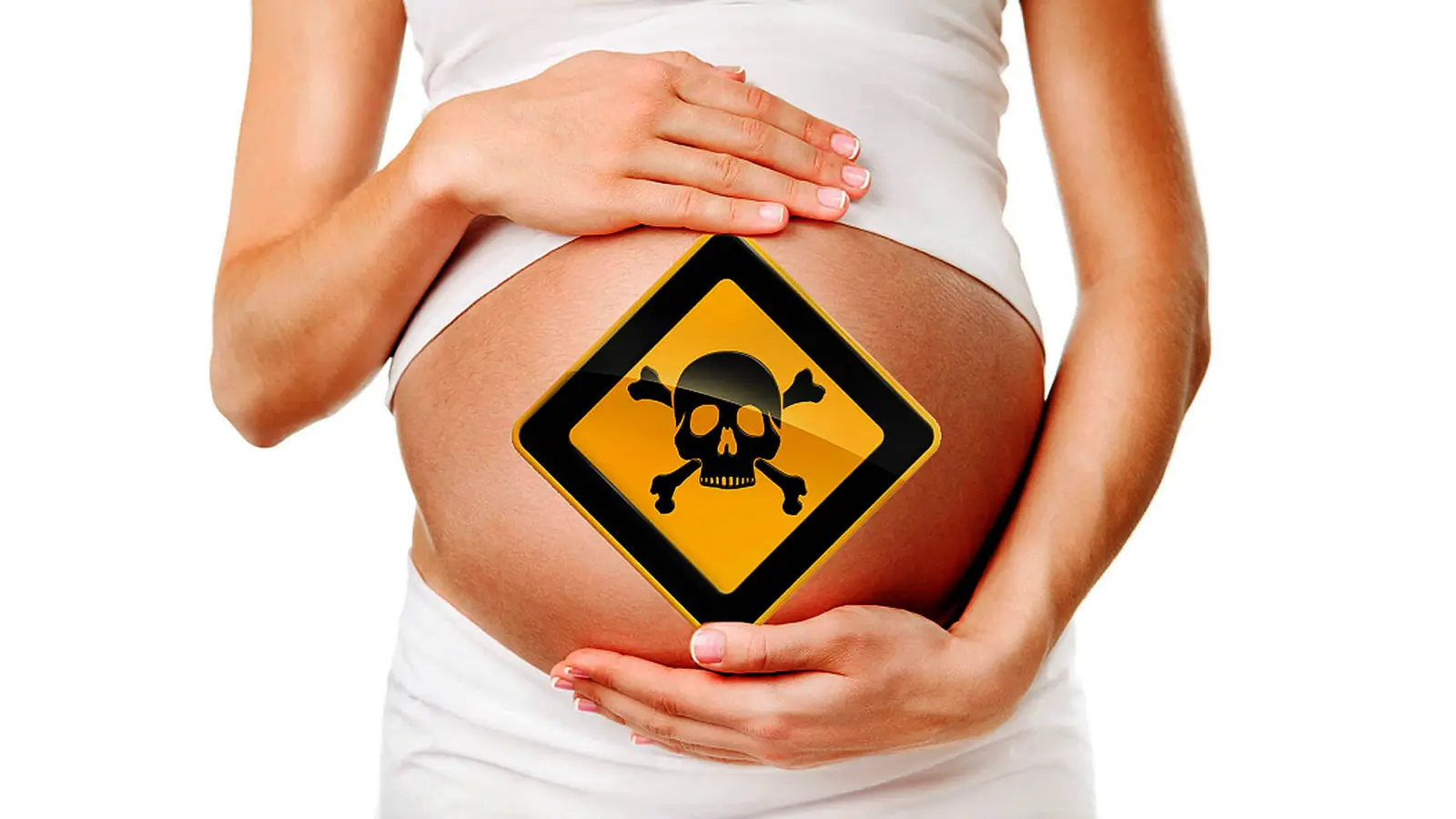
Updated 6月 9, 2023アルコールが私たちにとって有害で有害な物質であり、アルコールによる健康リスクが現実のものであることは誰もが知っています。しかしどういうわけか、私たちは皆、グラス一杯のワインはそれほど悪くなく、実際には良いものであり、ブドウに含まれる抗酸化物質のおかげで何らかの形で健康を促進すると信じています。妊娠中の女性は胎児の発育を理由に飲酒を控えますが、通常、アルコールが脳細胞を殺す以上の効果があることはあまり知られていません。これは、遺伝毒性、癌性、炎症誘発性の変異原です。
発育中の胎児と青年期の脳は主にアルコールの毒性影響を受けやすく、これが妊娠中にアルコールが絶対に禁止される理由です。妊娠中に母親が飲酒すると胎児の発育に悪影響を及ぼします。この一連の疾患の中で最も重篤な状態は、胎児性アルコール症候群 (FAS) として知られています。
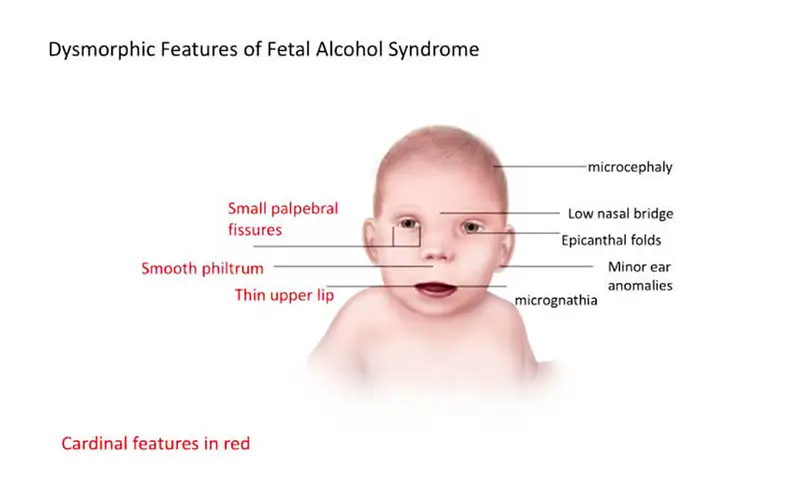
アルコールは催奇形物質として知られており、母体と胎児の酵素をブロックすることで細胞の発育を妨げます。
「アルコールは、活性酸素種(CYP2E1の副産物として生成される)、内因性抗酸化物質レベルの低下、ミトコンドリア損傷、脂質過酸化、神経細胞間接着の破壊、胎盤血管収縮、胎児に必要な補因子の阻害など、さまざまな方法を通じて催奇形性物質として作用する可能性があります。成長と発展。"
(グプタ他、2016)
健康な成人では、アルコールはバソプレシン(ADH)の産生をある程度制限します(ハーパー他、2018)。視床下部で産生され、下垂体後葉から分泌されるホルモンです。飲酒後の脱水症状は、この制限の結果として起こります。これが二日酔いの多少の原因になっている可能性があります。二日酔いだけでは脱水症状ではありません。暴飲暴食中に大量の水分を摂取することで、翌朝の二日酔いを防ごうとするかもしれませんが、それではバソプレシンの制限と脱水症状を完全に防ぐことはできません。
「また、脱水症状のマーカー(バソプレシンなど)は二日酔いの重症度と有意な関連はありませんでした。分析の結果、さまざまなホルモン、電解質、遊離脂肪酸、トリグリセリド、乳酸塩、ケトン体、コルチゾール、ブドウ糖の濃度は、報告されているアルコール二日酔いの重症度と有意な相関がないことが示されました。いくつかの研究では、血中アセトアルデヒド濃度と二日酔いの重症度との間に有意な相関があることが報告されていますが、最も説得力があるのは、免疫因子と二日酔いの重症度の間に有意な関係があるということです。後者は、プロスタグランジン合成の阻害剤によって二日酔いの重症度が軽減される可能性があることを示す研究によって裏付けられています。いくつかの要因はアルコール二日酔いの原因にはなりませんが、重症度を悪化させる可能性があります。これらには、睡眠不足、喫煙、同族体、健康状態、遺伝学、個人差が含まれます。」
(ペニングほか、2010)
1 日に 1 杯以上の標準的な飲み物を定期的に飲む人は、長期的な健康状態に陥るリスクが高くなります。たとえ飲み物の効果を感じなかったとしても、あなたは自分自身に害を与えました。それだけではありません。アルコールを摂取すると、過剰なGABAとドーパミンが放出されます。これらの神経伝達物質が過剰に放出されると、気分がよくリラックスした状態から、心拍数の上昇、息切れ、攻撃性と憂鬱の両方のレベルの上昇、高血圧、妄想、幻覚、夜驚症、けいれんなどに状況が劇的に変化する可能性があります。 (リャンら、2014).
過度の飲酒は肝臓に脂肪を蓄積させ、特にすでに肥満の場合は脂肪肝疾患を引き起こす可能性があります。
「アルコール性肝疾患(ALD)は、世界中で最も蔓延しているタイプの慢性肝疾患です。ALD は、アルコール性脂肪肝 (AFL) から、肝臓の炎症を特徴とするアルコール性脂肪肝炎 (ASH) に進行する可能性があります。慢性ASHは、最終的には線維症や肝硬変、場合によっては肝細胞がん(HCC)を引き起こす可能性があります。さらに、重度のASH(肝硬変の有無にかかわらず)は、肝不全と高い死亡率を伴うALDの急性臨床症状であるアルコール性肝炎を引き起こす可能性があります。1 日あたり 40 g を超えるアルコールを摂取するほとんどの人が AFL を発症します。しかし、より進行した疾患を発症するのは一部の人だけです。」
(Seitz 他、2018)
これらのアルコールの健康リスクはすべてよく知られていますが、アルコールには細胞に対してエストロゲン様作用があるため、1日1杯の飲酒でも乳がんのリスクが4%増加する可能性があることはあまり知られていません。ホルモンに反応するがんは、乳がんなどのホルモンに影響を与える物質に対しても陽性反応を示します。4%程度の増加は、1日あたり少量のアルコール飲料を1杯飲むだけで達成されます(シールドほか、2016).
1 日に 3 杯以上飲むと、乳がんのリスクが 40 ~ 50 パーセント増加します。
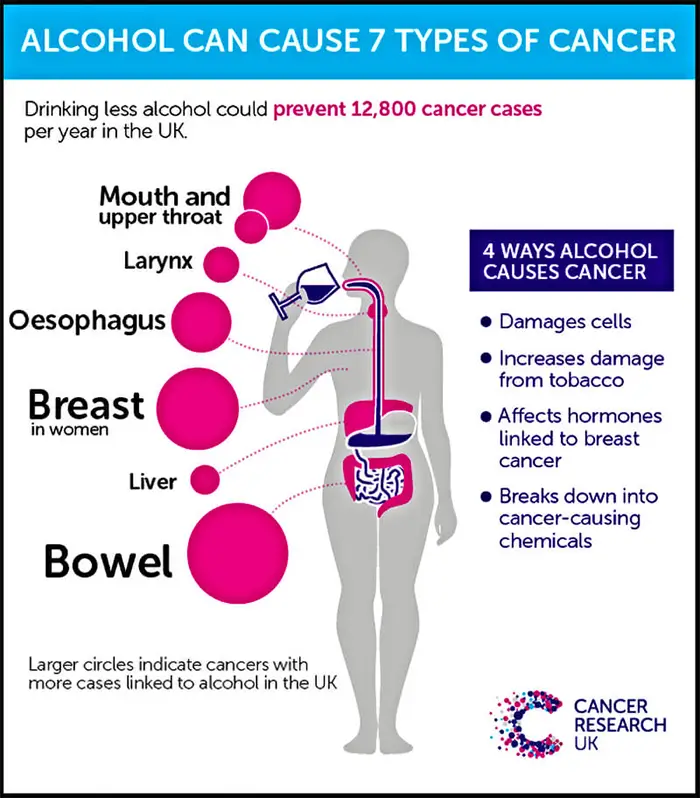
米国のすべての乳がんの約 5 パーセントはアルコール摂取だけが原因であり、約 1 ~ 2 パーセントは軽い飲み物だけが原因であると考えられています。これを、POPs、プラスチック、その他すべての異種エストロゲンのエストロゲン促進効果と組み合わせます。
乳がんのほかに、他の種類のがんの 3.6% は慢性的な飲酒によって直接引き起こされており、これらには肝臓、結腸直腸、上部消化管などが含まれます (Bagnardi 他、2013).
WHO傘下の国連公式機関である国際がん研究機関(IARC)は、エタノールは人間に対する発がん性物質であるとみなしている(グループ1)。エタノールのほかに、アルコール飲料は多成分混合物であり、アセトアルデヒド、アフラトキシン、カルバミン酸エチルなど、いくつかの異なる発がん性化合物が含まれている可能性があります。エタノールはアルコール飲料中の最も重要な発がん物質と考えられていますが、他にも発がん性化合物があります。
アルコール摂取ががんのリスクを高める生物学的メカニズムは完全には理解されていませんが、主なメカニズムには、アセトアルデヒドの遺伝毒性効果、シトクロム P450 2E1 の誘導とそれに関連する酸化ストレス、エストロゲン濃度の増加、アルコールとしての役割が含まれる可能性があります。タバコ発がん物質の溶媒、葉酸代謝の変化、DNA修復の変化。
消化管のがん、特に上部消化管のがんでは、アセトアルデヒド(アルコール飲料を飲むとほぼ瞬時に生成されるアルコール由来の物質)が、可能性が高く重要な原因経路として注目されています。その代謝物は非常に有毒なので恐ろしいです。
結腸直腸がんの場合、アセトアルデヒドの遺伝毒性効果に加えて、葉酸塩が関与している可能性があります。アルコールは、葉酸塩の代謝を通じて、または葉酸塩の摂取量が少ない場合に相乗的に作用する可能性があります。私たちの口の中の細菌は、ほぼ瞬時にエタノールを酸化してアセトアルデヒドに変換します。飲酒していなくても、一口でもアセトアルデヒド濃度が高くなりますが、例えばアルコールうがい薬を使用した場合でも影響はあります。この研究では (リンダーボーグ他、2011)彼らは、強いアルコール飲料を一口5秒間口の中に保持し、その後吐き出すと、口腔内に発がん性濃度のアセトアルデヒドが即座に形成され、その曝露が少なくとも10分間継続することを発見した。したがって、口を洗うことさえも癌を促進することになります。
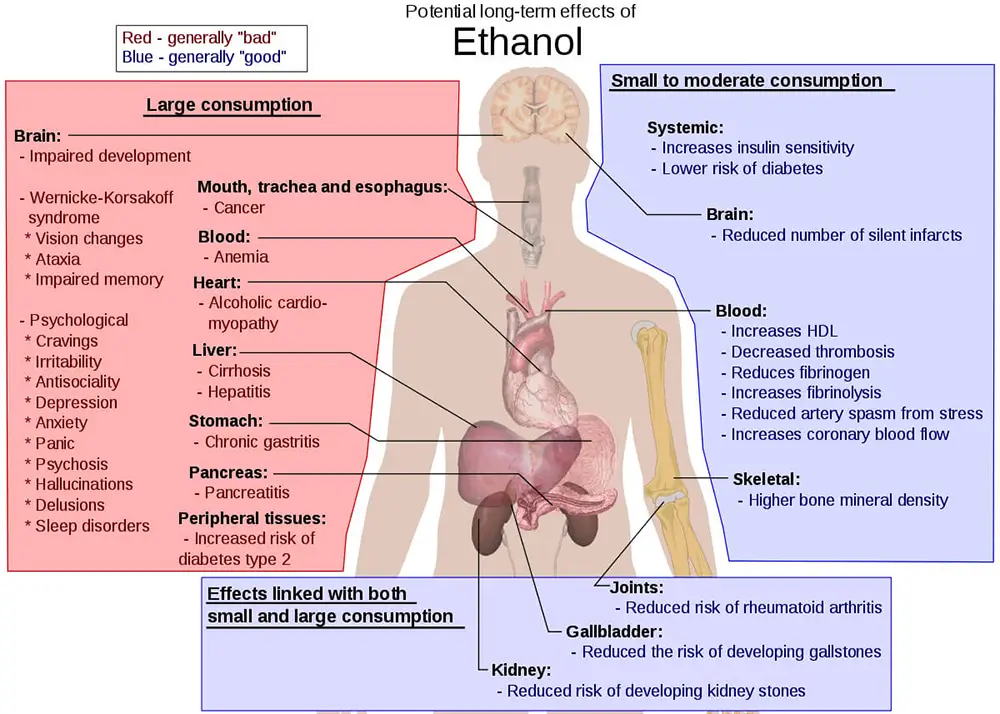
酒には癌以外にもいろいろな病気があります。アルコールは血液中の脂質を上昇させ、血圧も上昇させます。そうなると、コレステロールの上昇、高血圧、脳卒中、心臓発作などのリスクが高まります。心筋症や心筋炎を引き起こし、不整脈も引き起こします。
しかし、待ってください、赤ワインは長い間心臓の健康の万能薬と考えられてきました。私たちは皆、その名前の詐欺を覚えているでしょう フレンチパラドックス.
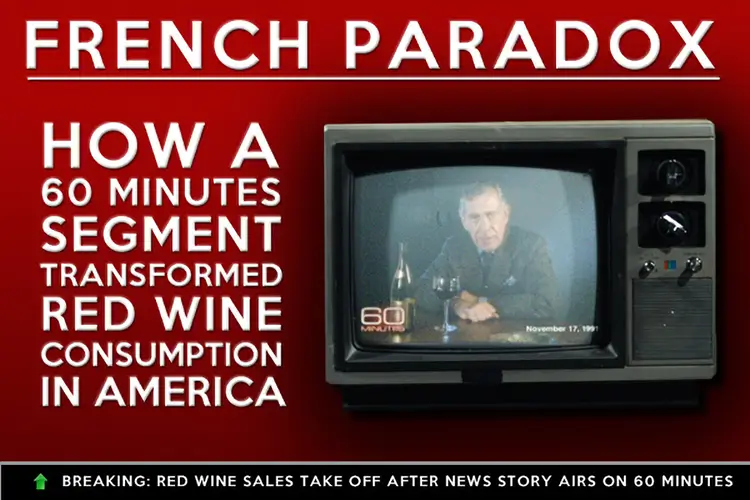
フレンチパラドックスは誰にとっても大好きなものでした。1980年、一部のフランスの科学者は、脂肪摂取量、特に多くの肉や乳製品からの飽和脂肪摂取と、特に英国と比較した場合にフランスの心臓発作率が低いこととの相関関係を説明しようと試みた。これは、コレステロールや肉、卵、チーズのすべてが心臓病を引き起こすわけではないという統計的な証拠であり、たとえもし引き起こしたとしても、食後に美味しい赤ワインを加えるだけで十分です。それ以上何を望むでしょうか。赤ワインはある種のスーパーフードです。しかし、相関関係は因果関係ではありません。無視されていた要因の 1 つは、過去形ですが、もう一度書きますが、当時のフランスの食生活は概して他の国よりも健康的であったということです。彼らは相手国の4倍の量の野菜を食べており、それは半地中海食の一種であった。しかし、それはまったく矛盾ではないことが判明しました。WHOによると、フランスの医師が死亡診断書で心臓病を20%も過小報告していることが判明した。もしその統計的誤りを正してしまうと、ワインには何のメリットもありません。ワインに含まれる唯一の良いものはブドウからの植物化学物質なので、これらが必要な場合は、通常のブドウジュースを飲むのが良い選択肢であり、さらに良い選択肢は新鮮なブドウを食べることです。
他のいくつかの研究は、アルコールの健康リスクと心臓病の関連性を裏付けています。アルコール摂取量が少ないと、高密度リポタンパク質 (善玉コレステロール) と HDL のレベルが上昇する可能性があります。そこで彼らは、適度な飲酒はHDLを上昇させることによって心血管疾患を防ぐという考えを持ちました。これは、すでにコレステロール値が下がっている場合には生物学的に理にかなっています。彼らは時々人々を落ち着かせるためにこの種の研究を必要としています。あるいは、コレステロールを恐れると動物性食品を食べるのをやめます。また、1日1杯のワインなどの少量のアルコール摂取は、血液凝固に影響を与える因子に有益な変化をもたらすことがわかっており、これは脳内の血栓や動脈の閉塞など、あらゆる種類の血栓症の可能性が減少することを意味します。心など。血栓は最も一般的な種類の脳卒中です。酒は化学者が両親媒性と呼ぶものです。石鹸や洗剤などの他の両親媒性物質と同様に、極性分子と非極性分子の両方と良好に相互作用します。そのため、グリースに消毒用アルコールを加えると、アルコールがグリースと混ざり始めます。長い脂肪鎖の間に入り込んでなじみます。血流でも同じことが起こります。
参考文献:
- Gupta, KK、Gupta, VK、白坂 T. (2016)。胎児性アルコール症候群の病因、リスク、治療に関する最新情報。 アルコール依存症、臨床研究および実験研究, 40(8)、1594 ~ 1602 年。 https://doi.org/10.1111/acer.13135
- カプート、C.、ウッド、E.、ジャブール、L. (2016)。胎児のアルコール曝露が身体システムに及ぼす影響:系統的レビュー。 先天性欠損症の研究。パート C、今日のエンブリオ : レビュー, 108(2)、174-180。 https://doi.org/10.1002/bdrc.21129
- ハーパー、KM、ナップ、DJ、クリスウェル、HE、ブリーズ、GR (2018)。バソプレシンとアルコール:多面的な関係。 精神薬理学, 235(12)、3363–3379。 https://doi.org/10.1007/s00213-018-5099-x
- Penning, R.、van Nuland, M.、Fliervoet, LA、Olivier, B.、Verster, JC (2010)。アルコール二日酔いの病理。 現在の薬物乱用のレビュー, 3(2)、68-75。 https://doi.org/10.2174/1874473711003020068
- Liang、J.、オルセン、RW (2014)。アルコール使用障害と現在の薬物療法: GABA(A) 受容体の役割。 Acta pharmacologica Sinica, 35(8)、981–993。 https://doi.org/10.1038/aps.2014.50
- Seitz , HK , Bataller , R , Cortez-Pinto , H , Gao , B , Gual , A , Lackner , C , Mathurin , P , Mueller , S , Szabo , G , & Tsukamoto , H . (2018)。アルコール性肝疾患。 自然のレビュー。疾患プライマー, 4(1), 16. https://doi.org/10.1038/s41572-018-0014-7
- Shield, KD、Soerjomataram, I.、Rehm, J. (2016)。アルコール使用と乳がん: 批判的なレビュー。 アルコール依存症、臨床研究および実験研究, 40(6)、1166–1181。 https://doi.org/10.1111/acer.13071
- Bagnardi, V.、Rota, M.、Botteri, E.、Tramacere, I.、Islami, F.、Fedirko, V.、Scotti, L.、Jenab, M.、Turati, F.、Pasquali, E.、 Pelucchi, C.、Bellocco, R.、Negri, E.、Corrao, G.、Rehm, J.、Boffetta, P.、および La Vecchia, C. (2013)。軽度の飲酒とがん:メタ分析。 Annals of Oncology : 欧州臨床腫瘍学会の公式ジャーナル, 24(2)、301–308。 https://doi.org/10.1093/annonc/mds337
- リンダーボルグ、K.、サラスプロ、M.、ヴェケヴァイネン、S. (2011)。強いアルコール飲料を一口飲むと、口腔内で発がん性濃度のアセトアルデヒドにさらされます。 食品および化学毒性学 : 英国産業生物学研究協会のために発行された国際ジャーナル, 49(9)、2103 ~ 2106 年。 https://doi.org/10.1016/j.fct.2011.05.024
- クリキ、MH、リンゲル、BL (1994)。食事やアルコールでフレンチパラドックスが説明できるでしょうか? ランセット (ロンドン、イギリス), 344(8939-8940)、1719 ~ 1723 年。 https://doi.org/10.1016/s0140-6736(94)92883-5
- ロー、M.、およびウォルド、N. (1999)。フランスの心臓病死亡率が低い理由:タイムラグの説明。 BMJ(臨床研究編), 318(7196)、1471–1476。 https://doi.org/10.1136/bmj.318.7196.1471
- フェリエール J. (2004)。フランスのパラドックス: 他国への教訓。 心臓 (英国心臓協会), 90(1)、107-111。 https://doi.org/10.1136/heart.90.1.107


栄養と健康について何か質問はありますか?
次回の投稿で、皆さんのご意見を伺い、お答えしたいと思います。ご意見、ご感想をお待ちしております。 また、次の投稿もお待ちしています フォローする Facebook、Instagram、Pinterestでダイエット、栄養、健康に関するコンテンツをご覧ください。そこにコメントを残して、他の健康愛好家とつながり、あなたのヒントや経験を共有し、私たちのチームやコミュニティからサポートや励ましを得ることができます。
この投稿があなたにとって有益で楽しいものであり、学んだ洞察を生かす準備ができていることを願っている。この投稿が役に立ったと思われた方は シェアする 友人や家族など、その恩恵にあずかれるかもしれない人たちと一緒に。誰が健康の旅にガイダンスやサポートを必要としているかわからないのですから。
– あなたはおそらくそれも好きでしょう –

ヴィーガンのネアンデルタール人?本物のネアンデルタール人の食事についての真実

ビタミンD欠乏症 - 危険因子
対症療法医療 - 産業の台頭

精製糖: リスクを理解する
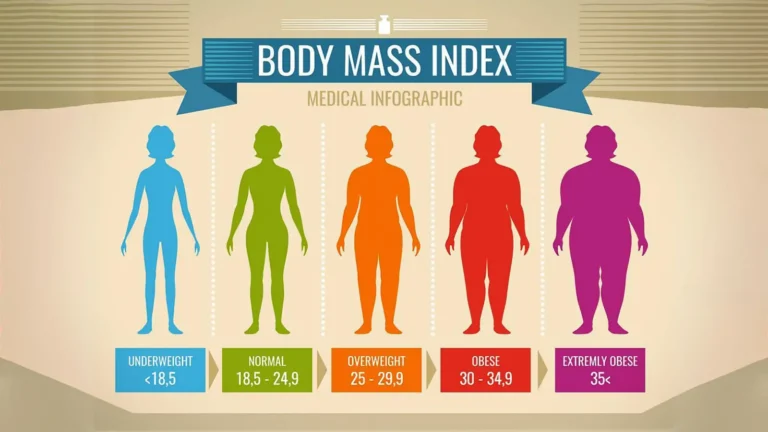
肥満の危険因子
抗酸化物質が豊富な食事: 一般的なルールと戦略
魚の毒性 - 最も有毒な肉
抗酸化機能障害のあるトレーニングへの適応: 筋肉の酸化損傷の防止

栄養について学ぶ

ミロス・ポキミカは、自然医学の医師、臨床栄養士、医療健康と栄養のライター、栄養科学アドバイザーです。書籍シリーズの著者 ビーガンに行きますか?科学の復習また、自然健康サイト「GoVeganWay.com」を運営している。
医療上の免責事項
GoVeganWay.com では、最新の栄養と健康関連の研究のレビューをお届けします。提供される情報は著者の個人的な意見を表すものであり、専門的な医学的アドバイス、診断、または治療に代わることを意図または暗示するものではありません。提供される情報は情報提供のみを目的としており、資格のある医師または医療提供者の相談、診断、および/または治療に代わるものとして機能することを意図したものではありません。GoVeganWay.com で読んだことや GoVeganWay.com を通じてアクセスしたことを理由に、専門家の医学的アドバイスを無視したり、医療治療を受けるのを遅らせたりしないでください。
認可された医師に相談する前に、GoVeganWay.com で読んだ内容の結果としてライフスタイルの変更や変更を決して適用しないでください。
医療上の緊急事態が発生した場合は、直ちに医師または 911 に電話してください。GoVeganWay.com は、内部で言及されている特定のグループ、組織、検査、医師、製品、手順、意見、またはその他の情報を推奨または承認しません。
編集者のおすすめ –
酸化防止剤 編集者のおすすめ オラック
抗酸化サプリメントとしてのエッセンシャルオイル: ルールと戦略
食品グレードのエッセンシャルオイルは、食事の抗酸化値とORACスコアを最適化するための便利で消費者に優しい戦略となり得ます。

酸化防止剤 編集者のおすすめ オラック
アスタキサンチンの利点: 世界で最も強力な天然抗酸化物質
アスタキサンチンは、科学的に知られている最も強力な天然の普遍的な抗酸化物質(油溶性と水溶性の両方)です。それは組織に蓄積しますが、それ自体が酸化促進物質になることはありません。
酸化防止剤 編集者のおすすめ オラック ファイトケミカル
抗酸化物質: 基本を理解する
動物性食品には植物化学物質や抗酸化物質は含まれていません。平均して、植物性食品には動物性食品の 60 倍以上の抗酸化物質が含まれています。
編集者のおすすめ ビーガンダイエット
ビーガン食における栄養素欠乏: 予防戦略
植物ベースの食事を摂取している人々に影響を与える、人口規模での一般的な栄養素欠乏症は 9 つあります。期限内に修正されない場合、一部の欠陥はひどい治療不可能な結果をもたらします。
編集者のおすすめ 最適な食事
標準的なアメリカン・ダイエットにおける微量栄養素の欠乏: 最適化戦略
現代の肉、砂糖、加工食品の栄養プロファイルは、私たちの進化とは完全に矛盾しており、その結果、深刻な微量栄養素欠乏症を引き起こしている。
編集者のおすすめ 牛乳 最適な食事
牛乳と乳製品: 健康リスクの相関関係
牛乳や乳製品の摂取との関連性としては、不妊症、卵巣がん、乳がん、白血病、1型糖尿病、自閉症、動脈硬化、白内障、関節リウマチ、多発性硬化症、多動、うっ血、ニキビなどが知られています…
癌 編集者のおすすめ タンパク質
完全なタンパク質: がん形成における IGF-1 シグナル伝達
動物性タンパク質を摂取すると、あらゆる種類のがんを発症する可能性が 4 倍になります。喫煙すると肺がんを発症する確率が 4 倍になります。

癌 編集者のおすすめ タンパク質
がんの解剖学 - 健康リスクの相関関係
がんの約 2% は、純粋に遺伝的要因によって引き起こされると考えられる医学によるものです。動物界と同じ範囲。あなたには真実のすべてが語られていません。
ミロス・ポキミカは健康・栄養ライターであり、栄養科学アドバイザーである。書籍シリーズの著者。 ビーガンに行きますか?科学の復習また、自然健康サイト「GoVeganWay.com」を運営している。
最新記事 -
カロリー制限 長寿
断食の方法 オートファジーを壊さない断食食品
オートファジー体内の細胞が死んだり傷ついたりしたら、どうなるのだろうと考えたことはないだろうか。ただ積み重なって問題を引き起こすだけなのか、それとも何らかの方法で処分されるのか。答えは、体内で...

ローフードダイエット ビーガンダイエット
キノコは生で食べられるか:健康リスク、栄養と安全性
キノコにはヒドラジンやアガリチンのような熱に弱い毒素があり、キチンからできた細胞壁は人間にはうまく消化できない。


歯の健康 防止
自家製天然マウスウォッシュ: より強力で毒性の少ない、実証済みのマウスウォッシュ
自家製の天然マウスウォッシュは、クロルヘキシジンより強力で毒性も低く、飲み込むと吐き気を催すかもしれないが、ORAC値も高い。
酸化防止剤 スーパーフード
アムラ 証明された効能、栄養と臨床的意義
アムラは世界で最も強力な抗酸化物質のひとつで、ORACスコアは261,530です。さまざまな健康効果をもたらす植物化学物質が豊富に含まれています。
トップヘルスニュース — ScienceDaily
- Popular weight loss drugs linked to a surprising fingernail problem10月 12, 2026 に
Popular GLP-1 weight loss drugs, such as Ozempic and Wegovy, have been linked to unexpectedly high rates of nail detachment, hair loss, and scalp inflammation, with some problems occurring several times more frequently among users. Researchers found that weight loss alone could not fully explain the differences, suggesting there may be more to these overlooked symptoms.
- Scientists find hidden driver of aging and a simple amino acid that fights memory loss in mice10月 12, 2026 に
Scientists discovered that declining levels of a protein called Menin may help drive aging, and restoring it in older mice reversed several age-related changes in just 30 days. Even more surprisingly, supplementing with a simple amino acid called D-serine improved memory and learning, offering a potential new approach to age-related cognitive decline.
- Scientists discover vanilla’s hidden healing potential10月 12, 2026 に
Scientists have discovered that vanillin, the compound that gives vanilla its distinctive flavor, has powerful properties that could help fight infections, reduce inflammation, and promote wound healing. The inexpensive, widely available ingredient could one day become an important component of advanced wound treatments and regenerative medicine.
- Just 10 minutes of daily exercise could unlock deeper sleep10月 12, 2026 に
Getting better sleep might be as simple as moving a little more every day. Researchers at The University of Texas at Austin found that people who exercised more frequently experienced more deep, restorative sleep, which is essential for brain recovery, memory, and emotional well-being. Surprisingly, just 10 minutes of moderate to vigorous exercise per day was associated with measurable benefits, while even light activities like walking and standing breaks were linked to better sleep and mood.
- The hidden math of Alzheimer’s could point to new treatments10月 11, 2026 に
Mathematics may hold unexpected clues to understanding Alzheimer’s disease. Scientists have developed a model showing how common metals like copper and zinc may influence the buildup of proteins associated with the disease, while also exploring possible ways to stop the process. The findings could help researchers identify promising strategies for preventing harmful plaque formation.
- New injection makes fat cells self-destruct10月 11, 2026 に
Scientists have developed an experimental injection that destroys fat cells and significantly reduces dangerous belly fat, potentially opening a new path to treating obesity. Early research also suggests it could help prevent the weight regain that often follows stopping popular weight loss drugs like Ozempic and Wegovy.
- The eye has a hidden cleanup system scientists never knew existed10月 11, 2026 に
Scientists have discovered a hidden cleanup system at the back of the eye that drains fluid and waste through a previously unknown pathway. The surprising finding, demonstrated in mice, could open the door to new treatments for glaucoma, macular degeneration, and other causes of blindness.
パブメッド、 #ビーガンダイエット –
- Toward consensus on complementary feeding recommendations: findings from a national evidence-informed modified Delphi study in Türkiye10月 12, 2026 に
CONCLUSIONS: Integration of quantitative Delphi findings with qualitative thematic analysis revealed that non-consensus primarily stemmed from the practical nuances of clinical execution and contextual adaptation, rather than a fundamental skepticism toward the underlying scientific data. These findings provide an evidence-informed foundation for developing context-sensitive CF recommendations for clinical practice.
- Characterization of Nutritional Intake in Vegan Pregnant Women and its Association on Birth Weight10月 8, 2026 に
CONCLUSIONS: Vegan women had a higher rate of SGA than non-vegan women, and this increased risk may be partly related to differences in maternal protein intake and composition. In addition, vegan women had lower dietary intakes of calcium, vitamin B12, vitamin D, DHA, and choline, highlighting these nutrients as important considerations in the nutritional assessment and counseling of pregnant women adhering to a strictly vegan diet.
- Changes in ectopic lipids, insulin sensitivity, and beta cell function after a low-fat vegan diet in adults with type 2 diabetes: a 16-week single-arm clinical trial10月 8, 2026 に
CONCLUSIONS: On an ad libitum low-fat plant-based (vegan) dietary intervention, the participants with type 2 diabetes experienced reductions in ectopic fat, particularly visceral and hepatocellular fat, improvements in insulin sensitivity, reductions in AGEs, and improvements in beta-cell function.
- Sustained Regression of Parotid Mucosa-Associated Lymphoid Tissue (MALT) Lymphoma After Nutritional and Nutraceutical Intervention Without Chemoimmunotherapy: A Case Report10月 5, 2026 に
Extranodal marginal zone lymphoma of mucosa-associated lymphoid tissue (MALT) in the setting of Sjögren’s syndrome (SS) is a well-recognized complication of chronic autoimmune salivary gland inflammation. Standard management options include radiotherapy, immunotherapy, and combination chemoimmunotherapy, with active surveillance reserved for stable, low-burden disease. The potential role of structured nutritional and nutraceutical intervention in this setting has not been previously […]
ランダムな投稿 –
最適な食事 パレオダイエット タンパク質
高タンパク食と代謝性アシドーシス: 健康リスクの相関関係
低レベルの慢性代謝性アシドーシスは、西洋諸国では一般的な現象です。標準的なアメリカ人の食事を摂っている人のほとんどは慢性アシドーシスの状態にありますが、それに気づいていません。

編集者のおすすめ 肥満 最適な食事
肥満の原因 - 不適応または依存症
肥満の蔓延の原因は何ですか?地球上のすべての生命にとって、食べ物は選択の余地がありません。自然の中で動物にとって最も難しいことは体重が増えることです。
編集者のおすすめ 肥満
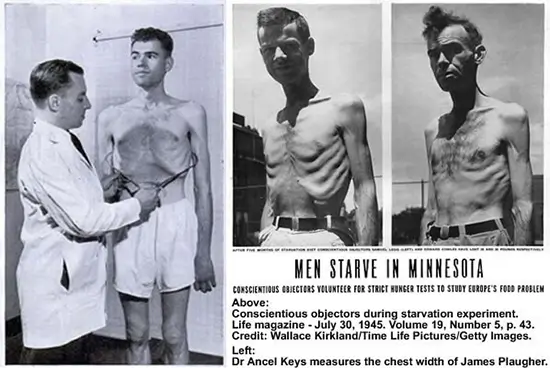
ミネソタ飢餓実験: なぜダイエットをすると太るのか?空腹の心理学
飢餓が心に与える影響に関する最初の科学的研究の 1 つは、1944 年にミネソタ大学によって行われたミネソタ飢餓実験として記憶されている研究で観察されました。

対症療法医学 編集者のおすすめ
大手製薬会社の物語 - IG Farben
化学および医薬品産業に対するロックフェラーの独占の一部は、第二次世界大戦後に実現しました。スタンダード オイルと IG ファーベンの協力により、これが実現しました。

対症療法医学 編集者のおすすめ
対症療法医学 - 恐怖の心理学
約 100 年前、対症療法医学は最終的にホリスティックな経験主義の医師を無力化することができました。対症療法医師は病気を治療するのではなく、症状を治療します。


対症療法医学 癌
がん、禁断の治療法 - ESSIAC
1922 年に遡ることオンタリオ州北部の小さな町で、オンタリオ州の森林から出ている癌を治すお茶の噂が広まり始めました。インディアンはこの混合物を「命のお茶」と呼びました。

おすすめの投稿 -
癌 編集者のおすすめ タンパク質
がんの解剖学 - 健康リスクの相関関係
がんの約 2% は、純粋に遺伝的要因によって引き起こされると考えられる医学によるものです。動物界と同じ範囲。あなたには真実のすべてが語られていません。
編集者のおすすめ 防止 毒性
環境毒性 - それは単なる食物連鎖です
環境毒性は、毒素の生物濃縮です。生物はフィルターです。しかし、食物連鎖には生物濃縮と呼ばれるさらに悪いプロセスがもう 1 つあります。
酸化防止剤 編集者のおすすめ オラック ファイトケミカル
抗酸化物質: 基本を理解する
動物性食品には植物化学物質や抗酸化物質は含まれていません。平均して、植物性食品には動物性食品の 60 倍以上の抗酸化物質が含まれています。
編集者のおすすめ 牛乳 最適な食事
牛乳と乳製品: 健康リスクの相関関係
牛乳や乳製品の摂取との関連性としては、不妊症、卵巣がん、乳がん、白血病、1型糖尿病、自閉症、動脈硬化、白内障、関節リウマチ、多発性硬化症、多動、うっ血、ニキビなどが知られています…

編集者のおすすめ 最適な食事 タンパク質
高たんぱく質の食事と健康リスクの相関関係
希少性は自然界のタンパク質の法則です。進化論的に言えば、人類学者は人類が1日平均15~25グラムのタンパク質を摂取して生きていたことを証明しました。現代の西洋型の高タンパク質の食事では、私たちはそれを摂取します…

癌 編集者のおすすめ 毒性
食品中の農薬、アメリカの標準的な食事における暴露-80%が肉から
私たちが摂取する農薬、特に重金属やその他の有毒廃棄物汚染物質のほとんどは肉から得られます。アメリカの標準的な食生活における農薬暴露の 80 パーセント以上は、果物や野菜ではなく、動物性食品に由来しています。
PubMed の最新情報、 #植物ベースの食事 –
- Dietary modulation of the gut microbiota in type 2 diabetes and obesity: mechanisms, interventions, and clinical perspectivesによって Alicja Kubica 10月 12, 2026 に
Obesity and type 2 diabetes mellitus (T2DM) are associated with heterogeneous changes in gut microbial composition and function, while mechanistic studies support plausible links among diet, microbial metabolism, intestinal barrier function, immune signaling, and host metabolism. This narrative review integrates diet-microbiome mechanisms, dietary-assessment and multi-omics methodology, major dietary patterns, quantitative clinical intervention evidence, treatment-related microbiome […]
- Adherence to the Nordic Nutrition Recommendations 2023 and incidence of type 2 diabetes: a Danish cohort studyによって Mathilde M Nørgaard 10月 12, 2026 に
CONCLUSION: Greater adherence to NNR23 was associated with lower risk of T2D, supporting the potential relevance of the NNR23 for T2D prevention.
- Structure and functional properties of Dendrobium officinale polysaccharide-hemp seed protein gels for dysphagia diets as regulated by alkali concentration and temperatureによって Tingting Ding 10月 10, 2026 に
Dysphagia is highly prevalent among older adults and increases the risks of malnutrition, dehydration, and aspiration pneumonia, highlighting the need for safe and nutritionally adequate texture-modified foods. Polysaccharide-protein gels are promising candidates for this purpose, but precise control of their rheological properties and structural stability remains challenging. Here, we systematically investigated how alkali concentration (Na(2)CO(3), 0.5-2.5%, w/v) and thermal treatment […]
- MIND diet-related plasma proteins are associated with Alzheimer’s disease riskによって Shane Fernandez 10月 9, 2026 に
INTRODUCTION: Adherence to the Mediterranean-Dietary Approaches to Stop Hypertension Intervention for Neurodegenerative Delay (MIND) diet is associated with reduced dementia risk, but underlying mechanisms remain unclear.
- Nutritional strategies in kidney transplantation: optimising outcomes beyond surgeryによって Lara Caldiroli 10月 9, 2026 に
Although kidney transplantation (KTx) remains the optimal therapy for end-stage kidney disease, long-term graft survival and patient outcomes continue to be limited by cardiometabolic complications and chronic allograft dysfunction. Nutritional management has evolved from supportive care to a core component of post-transplant follow-up. The early post-transplant phase is marked by catabolism, high-dose immunosuppression, and metabolic instability, leading to increased protein requirements but…
- Analysis of the Provision of Plant-Based, Vegetarian and Omnivorous Meals in UK Care Homes for Older Peopleによって Saffron Whyton 10月 8, 2026 に
CONCLUSION: Even though the National Health Service recommends reductions in consumption of red and processed meats with increased consumption of plant-based proteins, this transition is yet to be implemented in care homes. This study suggests that there is potential to improve the health and sustainability of meals provided in care home by increasing the availability of plant-based options, especially those rich in plant-based proteins.