







主にビーガンの食事にある程度の採集肉を組み合わせても、人類の知性と脳の大きさの出現において極めて重要な力にはならなかった。
ミロス ポキミカ
によって書かれた: ミロス ポキミカ
医学的に検証した結果 Xiùying Wáng, M.D. 博士。
Updated 6月 9, 2023料理は人間の脳の大きさを発達させる上で重要な部分だったのでしょうか、それとも石器時代の道具を使用したのでしょうか、それともでんぷんが豊富なUSO(地下貯蔵庫)や肉を食事に加えたのでしょうか?
脳の大きさの発達に必要なエネルギーを提供する最も重要なエネルギー源は何でしょうか?
議論は本質的に感情的なものであり、科学が必要とするほど論理的ではありません。それは、現代における大規模な肉消費を正当化するために、肉消費が人類の進化にとって自然なことであることを証明したいという私たちの根底にある願望のためです。このシナリオでは、データが物事の望ましい見方を反映していない場合、科学的および考古学的データが問題になる可能性があります。
科学者も感情的な偏見を免れないわけではありません。日常的に肉を大量に消費するには、2つの基準が満たされなければなりません。
(1) 肉を入手するための実行可能な選択肢が必要です。
(2)それを消化する生理学的能力が必要です。
解剖学的ハンターではなく、遅くて弱く、真の解剖学的ハンターに匹敵することができない人間の最初の基準は、それをあさることです。このオプションはカロリー要件をサポートするものではなく、追加のカロリー源としてはほんの少ししか使用できません。2 番目のオプションでは、火災技術が必要になります。その後、ホモ・エレクトス以前のものは除外されます。一部の科学者は、ホモ・エレクトスですら火を制御する能力はなかったと考えています。それは大きな議論です。
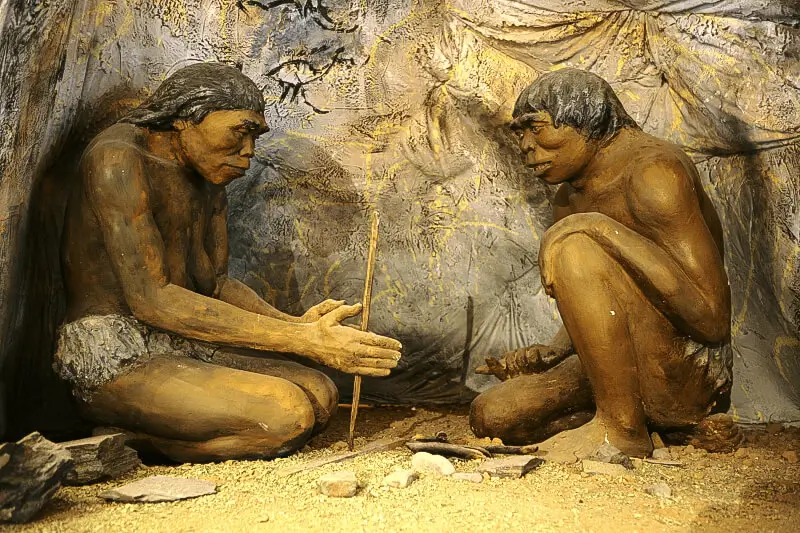
現在、制御された方法で火を燃やした最も初期のよく受け入れられている例は、40万年前にイスラエルのケセム洞窟で出土したものです。
狩猟をせずに木の上で暮らし、食用の葉や果物をあさる必要がある場合、生活は困難になります。そのとき起こったのは、採餌効率を高める形質を強く好む自然選択のプロセスです。したがって、植物性食品が時間の経過とともにますます重要になるにつれて、適応により、現在霊長類の特性と考えられている一連の特徴が徐々に生まれました。これらの形質のほとんどは、樹上での移動と採餌を容易にするために適応されています。
たとえば、適応により、枝をつかんだり、細くて小さな果実や葉を操作したりするのに適した手が生まれました。熟した果実を検出し、樹上生息地での安全な移動を可能にするために、適応のために光学能力(奥行き知覚、鋭い視力、色覚など)の向上が強制されました。林冠の 3 次元空間を移動し、熟した果実や小さな若い葉の外観を素早く判断するには、優れた視力が不可欠です。肉食種はフルカラーの視覚を持っていません。熟した果実を検出する必要はありません。
さらに、このような環境圧力は、植物の食用部分の正体と位置を学習して記憶する能力や、エネルギーを節約するための最適な採餌戦略を計算する能力にも有利に作用し、行動の柔軟性も向上しました。採餌は視覚スキルと認知スキルの向上から恩恵を受けます。その結果、霊長類の起源以来の特徴である異常に大きな脳サイズの発達が促進された。
肉や骨髄を食べることは、脳のサイズが大きくなるのとは何の関係もなかった。植物性食品が異なれば、必要な栄養素も異なります。たとえば、ある植物には、十分なレベルのアミノ酸やビタミンがすべてではなく一部含まれている場合や、たとえ栄養が豊富で繊維が含まれていない場合でも、炭水化物(デンプンや砂糖)の形でエネルギーが不足している場合があります。日々の栄養要求を満たすために主に植物に依存しており、結果として豊富に存在する特定の植物性食物源に適応していない哺乳類は、さまざまな植物からさまざまな補完的な食物源を探さなければなりません。
必要な栄養素をすべて摂取するには、さまざまな種類の食品を組み合わせる必要があります。この需要は食料の収集を非常に複雑にします。それは厳しい人生であり、食べ物を得るために常に苦労し、常に思考を働かせる必要があります。
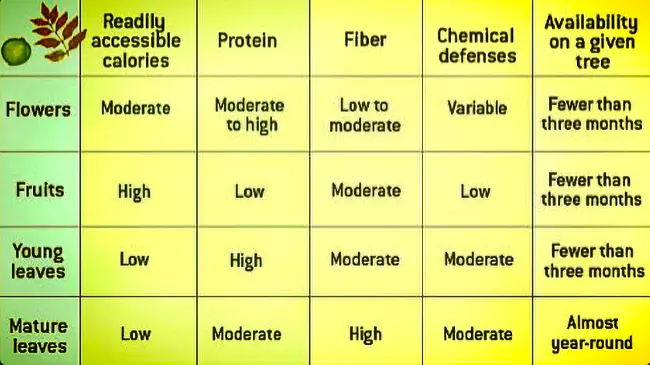
ほとんどの樹上性ヒト科動物やその他の霊長類は、片側の熟した果実と若い葉に集中します。他の種類の餌も食べますが、主なものはこの2つです。果物はフルクトースの形でエネルギーが豊富で、繊維が比較的少ない傾向がありますが、必須アミノ酸のすべてを提供するわけではなく、すべての植物源の中で最も希少である傾向があります。一年の特定の時期に果物が手に入らない場合、この種の不足が事態を複雑にします。その期間中はエネルギー要件が満たされないため、さまざまな植物源でエネルギーを補給する必要があります。葉はタンパク質が豊富でどこにでもありますが、葉の品質は低く、炭水化物が含まれていないため、私たちは葉だけで生きていくことができず、望ましくない有毒化学物質で満たされている傾向があります。
霊長類は繊維を消化するのに適していないため、消化できない硬い古い葉よりも柔らかい若い葉を食べます。木々が果物や若葉の生産量のピークを示すとき、霊長類はそれらをできるだけたくさん食べなければならず、単一の食物の選択に依存することは持続可能ではありません。
進化の観点から見ると、これらの問題に対処するための基本的な戦略は 2 つあります。
1つは効率を上げることです 栄養素の抽出 繊維質の食べ物から。これは草食動物である哺乳類に見られる適応の一形態です。
過去のヒト科、そして霊長類、そして人間にとって、繊維は基本的に変化せずに胃を通過します。
低品質の植物性食品で生存を促進できるもう 1 つの生物学的適応は、時間の経過とともに大きく成長することです。動物が小型の動物に比べて大きくなると、より広範な組織塊を養うために総量がより多くの食物を消費するようになります。しかし、科学では完全には説明できなかった理由により、動物が大きくなるほど、自らを維持し適切な栄養を得るために必要なカロリーが少なくなります。数学的に言えば、体が大きい動物ほど、単位体重あたりに必要なエネルギーが少なくなります。これが意味するのは、大型の動物は食べる量を減らすことができ、エネルギー需要を満たすために低品質の餌を食べることができるということです。
しかし、霊長類は樹上性の動物であるため、大きくなるという選択肢はありません。あまりにも巨大に成長するため、落下して死ぬ危険があります。
もう一つの進化戦略は樹上植物を食べる人々に開かれており、生物学的というよりも行動的なものです。
採集戦略です。 果物は希少であり、熱帯林に非常に散在的に散在しているため、この戦略では、これらの資源を獲得するエネルギーを削減することを約束する実践の実施が必要です。生き残るために、霊長類は持続可能な採餌戦略を立てるためにますます脳を使わなければなりません。記憶力が良ければアプローチは大幅に改善されるでしょう。望ましい果物を生み出す植物の正確な場所と、それらの木が熟した果物を実らせる可能性が高い時期を思い出す能力、およびこれらの木への正確な方向を記憶する能力は、脳の容量を拡大することによって探索と移動のエネルギーコストを削減することにより、エネルギー消費の意味での採餌の収益性を向上させるでしょう。事前に覚えて計画すること。

それに比べて、草食動物は食べ物が身の回りにあり、頭を下げるだけで済むため、脳の発達を必要としません。記憶と採餌戦略への依存により、情報を保存する能力が高い、より大きな脳サイズの選択と開発が促されてきました。霊長類は、集団として常に選択的な摂食と、この戦略を成功裏に実行するための知力に依存してきました。
体のサイズの成長と歯のサイズの減少と組み合わされた脳のサイズの成長は、質の高い食事の概念をサポートします。そしてこれは、過去 660 万年間のすべての霊長類に普遍的な進化的適応です。人間のように遠くへ行った人もいます。私たちの脳は純粋なものを生み出すのに十分に進化しています 精製された白砂糖.
これとは対照的に、他のほとんどの植物を食べる種は、高品質の食物を探すためにエネルギーを投資する必要性を減らすために、繊維をよりよく消化するための生理学的適応に重点を置く傾向があります。脳力の向上を必要とする行動適応により、特定の種は高品質の食物を選択できるようになります。
カロリーの観点から見ると、脳は維持に最も費用がかかる臓器です。それは食物からの膨大な量のエネルギーを引き継ぎ、人間の安静時には約20%を占めます。脳の肥大化から何の利益も得られないのであれば、自然選択は巨大な脳の発達に有利にはならないだろう。大きくて有能な脳を持つ現生人類が出現したのは、自然選択が採餌の効率を重視した適応を好んだためである。これは、霊長類が見つけられる限り最もエネルギー密度が高く、繊維の少ない食餌に集中することを可能にした進化の流れであり、これは重要な言葉です。

希少な環境の中で質の高い食べ物を見つけることが、現代の人類を生み出しました。肉やその他のエネルギーを食べることとはほとんど関係がありませんでした。エネルギーの形式は、エネルギーを取得する方法ほど重要ではありません。言い換えれば、肉が脳力の発達に何らかの関係があるのであれば、今頃この地球上のすべての肉食動物種が銀河系の外縁部に植民地化していることになる。肉には人間の知力の向上に貢献した魔法の栄養素はありません。肉は単なる肉であり、もう一つのエネルギー源です。
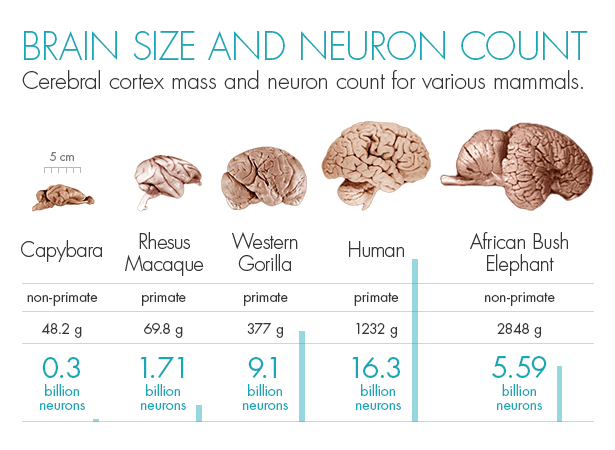
肉食と知能の間に絶対的な相関関係はありません。ある程度の採集肉を主にビーガンの食事と組み合わせるという方法は、現生人類の出現において極めて重要な力にはならなかった。また、脳の大きさとも相関関係はありません。脳の大きさと知能の間には特に強い関係はなく、相関値は 1.0 のうち 0.3 ~ 0.4 です。脳の大きさに関係なく、重要なのは脳内のニューロンの数です(ディッケ&ロス、2016)。人間の脳と皮質のサイズは、たとえばクジラ類やゾウの皮質ニューロンよりもはるかに小さいにもかかわらず(皮質ニューロンの数は100~120億個、あるいはさらに少ない)、人間の脳には最も多くの皮質ニューロン(約150億個)があります。ニューロン)。
参考文献:
- ディッケ、U.、ロス、G. (2016)。高い知能を決定する神経要因。 ロンドン王立協会の哲学的取引。シリーズ B、生物科学, 371(1685), 20150180. https://doi.org/10.1098/rstb.2015.0180
- バー、W. アンドリュー、他 「動物考古学的な肉食の証拠は、動物の出現後も継続的に増加していない」 立っている男の人」 アメリカ合衆国国立科学アカデミーの議事録、vol. 119、いいえ。5、米国科学アカデミー、2022 年 1 月, https://doi.org/10.1073/pnas.2115540119.
栄養と健康について何か質問はありますか?
次回の投稿で、皆さんのご意見を伺い、お答えしたいと思います。ご意見、ご感想をお待ちしております。 また、次の投稿もお待ちしています フォローする Facebook、Instagram、Pinterestでダイエット、栄養、健康に関するコンテンツをご覧ください。そこにコメントを残して、他の健康愛好家とつながり、あなたのヒントや経験を共有し、私たちのチームやコミュニティからサポートや励ましを得ることができます。
この投稿があなたにとって有益で楽しいものであり、学んだ洞察を生かす準備ができていることを願っている。この投稿が役に立ったと思われた方は シェアする 友人や家族など、その恩恵にあずかれるかもしれない人たちと一緒に。誰が健康の旅にガイダンスやサポートを必要としているかわからないのですから。
– あなたはおそらくそれも好きでしょう –
タンパク質の必要量 - 不都合な真実
スパイスの抗酸化力: 現実的な投与量による生体内での結果
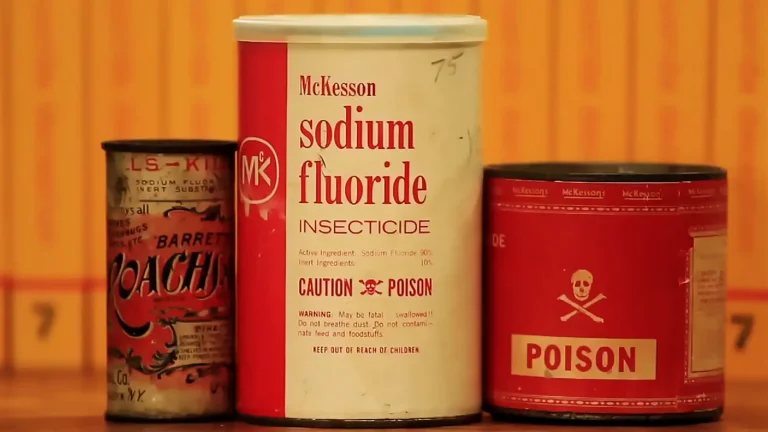
水のフッ素化 - 科学的レビュー
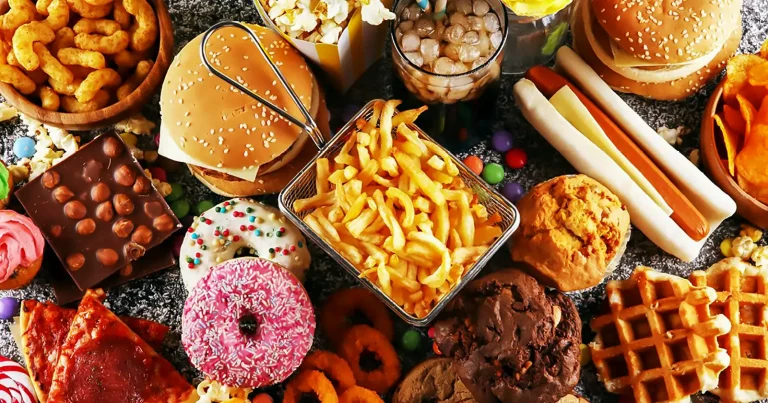
加工食品: リスクを理解する
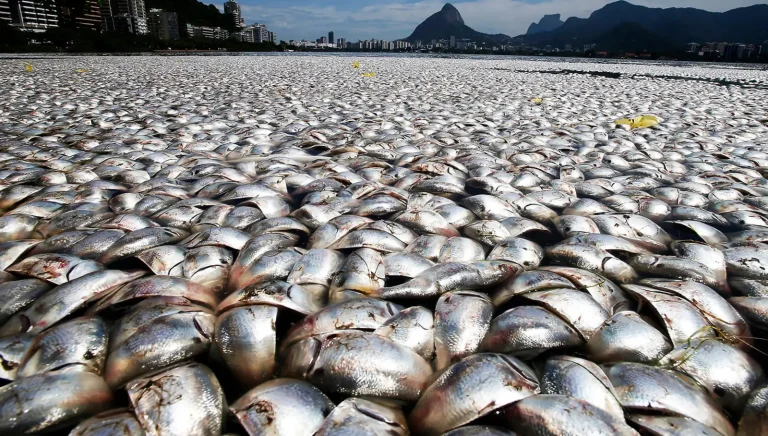
魚の毒性 - 最も有毒な肉
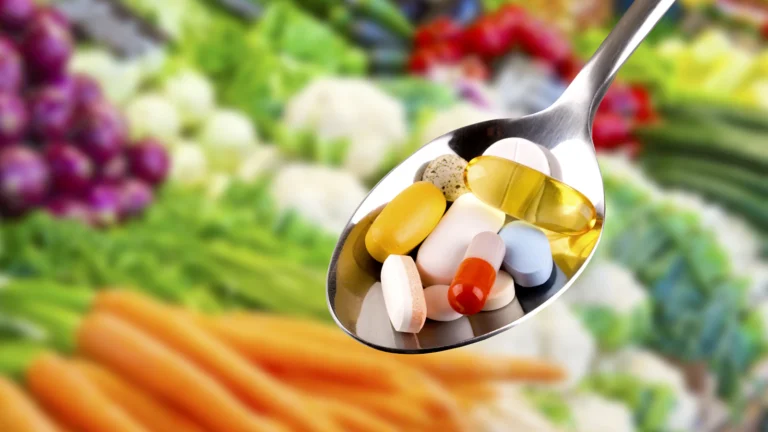
抗酸化サプリメント vs 自然食品: お金を払って寿命を縮める
高たんぱく質の食事と健康リスクの相関関係
アムラ 証明された効能、栄養と臨床的意義

栄養について学ぶ

ミロス・ポキミカは、自然医学の医師、臨床栄養士、医療健康と栄養のライター、栄養科学アドバイザーです。書籍シリーズの著者 ビーガンに行きますか?科学の復習また、自然健康サイト「GoVeganWay.com」を運営している。
医療上の免責事項
GoVeganWay.com では、最新の栄養と健康関連の研究のレビューをお届けします。提供される情報は著者の個人的な意見を表すものであり、専門的な医学的アドバイス、診断、または治療に代わることを意図または暗示するものではありません。提供される情報は情報提供のみを目的としており、資格のある医師または医療提供者の相談、診断、および/または治療に代わるものとして機能することを意図したものではありません。GoVeganWay.com で読んだことや GoVeganWay.com を通じてアクセスしたことを理由に、専門家の医学的アドバイスを無視したり、医療治療を受けるのを遅らせたりしないでください。
認可された医師に相談する前に、GoVeganWay.com で読んだ内容の結果としてライフスタイルの変更や変更を決して適用しないでください。
医療上の緊急事態が発生した場合は、直ちに医師または 911 に電話してください。GoVeganWay.com は、内部で言及されている特定のグループ、組織、検査、医師、製品、手順、意見、またはその他の情報を推奨または承認しません。
編集者のおすすめ –
酸化防止剤 編集者のおすすめ オラック
抗酸化サプリメントとしてのエッセンシャルオイル: ルールと戦略
食品グレードのエッセンシャルオイルは、食事の抗酸化値とORACスコアを最適化するための便利で消費者に優しい戦略となり得ます。

酸化防止剤 編集者のおすすめ オラック
アスタキサンチンの利点: 世界で最も強力な天然抗酸化物質
アスタキサンチンは、科学的に知られている最も強力な天然の普遍的な抗酸化物質(油溶性と水溶性の両方)です。それは組織に蓄積しますが、それ自体が酸化促進物質になることはありません。

酸化防止剤 編集者のおすすめ オラック ファイトケミカル
抗酸化物質: 基本を理解する
動物性食品には植物化学物質や抗酸化物質は含まれていません。平均して、植物性食品には動物性食品の 60 倍以上の抗酸化物質が含まれています。
編集者のおすすめ ビーガンダイエット
ビーガン食における栄養素欠乏: 予防戦略
植物ベースの食事を摂取している人々に影響を与える、人口規模での一般的な栄養素欠乏症は 9 つあります。期限内に修正されない場合、一部の欠陥はひどい治療不可能な結果をもたらします。
編集者のおすすめ 最適な食事
標準的なアメリカン・ダイエットにおける微量栄養素の欠乏: 最適化戦略
現代の肉、砂糖、加工食品の栄養プロファイルは、私たちの進化とは完全に矛盾しており、その結果、深刻な微量栄養素欠乏症を引き起こしている。
編集者のおすすめ 牛乳 最適な食事
牛乳と乳製品: 健康リスクの相関関係
牛乳や乳製品の摂取との関連性としては、不妊症、卵巣がん、乳がん、白血病、1型糖尿病、自閉症、動脈硬化、白内障、関節リウマチ、多発性硬化症、多動、うっ血、ニキビなどが知られています…
癌 編集者のおすすめ タンパク質
完全なタンパク質: がん形成における IGF-1 シグナル伝達
動物性タンパク質を摂取すると、あらゆる種類のがんを発症する可能性が 4 倍になります。喫煙すると肺がんを発症する確率が 4 倍になります。

癌 編集者のおすすめ タンパク質
がんの解剖学 - 健康リスクの相関関係
がんの約 2% は、純粋に遺伝的要因によって引き起こされると考えられる医学によるものです。動物界と同じ範囲。あなたには真実のすべてが語られていません。
ミロス・ポキミカは健康・栄養ライターであり、栄養科学アドバイザーである。書籍シリーズの著者。 ビーガンに行きますか?科学の復習また、自然健康サイト「GoVeganWay.com」を運営している。
最新記事 -

カロリー制限 長寿
断食の方法 オートファジーを壊さない断食食品
オートファジー体内の細胞が死んだり傷ついたりしたら、どうなるのだろうと考えたことはないだろうか。ただ積み重なって問題を引き起こすだけなのか、それとも何らかの方法で処分されるのか。答えは、体内で...

ローフードダイエット ビーガンダイエット
キノコは生で食べられるか:健康リスク、栄養と安全性
キノコにはヒドラジンやアガリチンのような熱に弱い毒素があり、キチンからできた細胞壁は人間にはうまく消化できない。

歯の健康 防止
自家製天然マウスウォッシュ: より強力で毒性の少ない、実証済みのマウスウォッシュ
自家製の天然マウスウォッシュは、クロルヘキシジンより強力で毒性も低く、飲み込むと吐き気を催すかもしれないが、ORAC値も高い。
酸化防止剤 スーパーフード
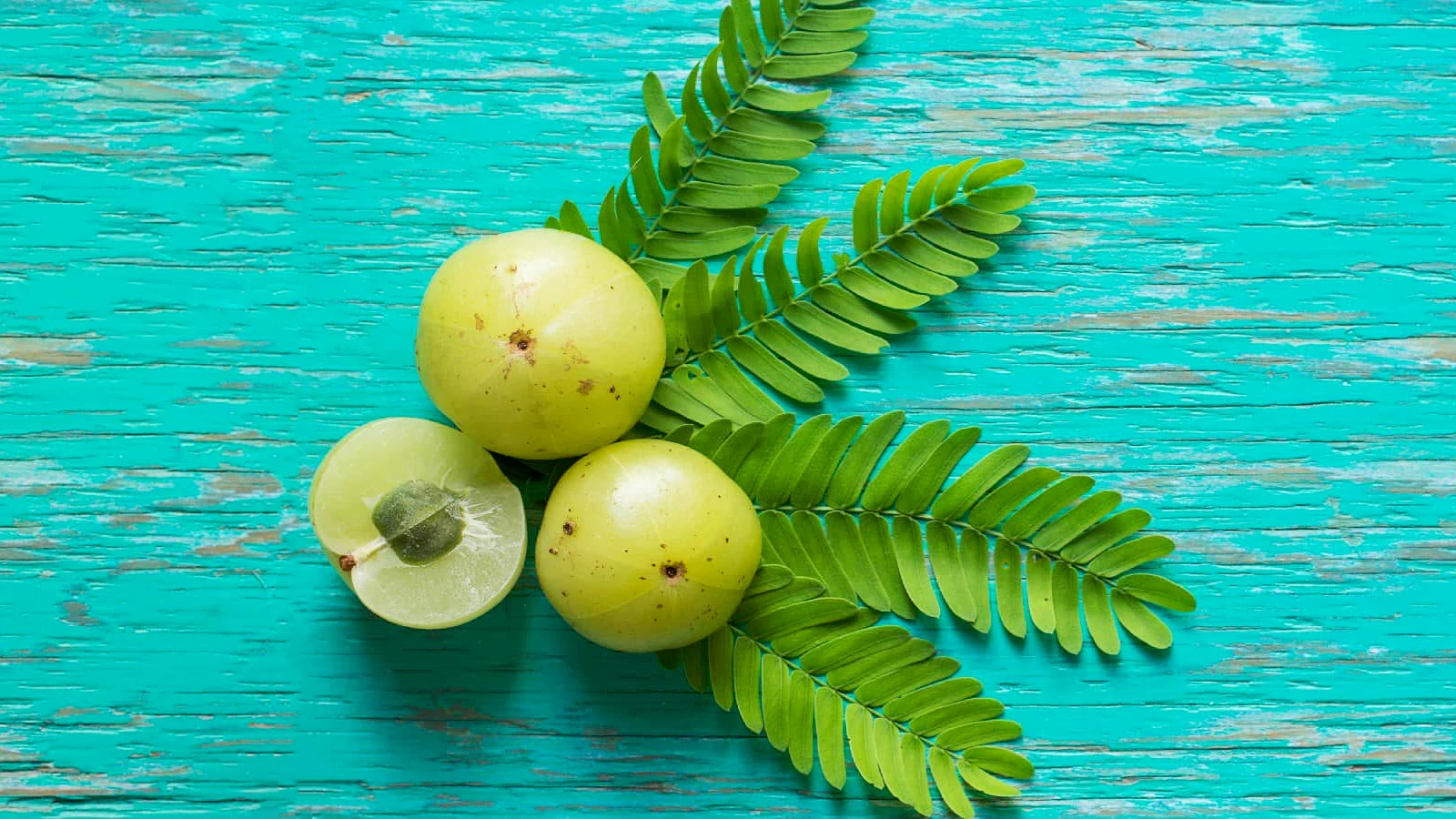
アムラ 証明された効能、栄養と臨床的意義
アムラは世界で最も強力な抗酸化物質のひとつで、ORACスコアは261,530です。さまざまな健康効果をもたらす植物化学物質が豊富に含まれています。
トップヘルスニュース — ScienceDaily
- Glucosamine, a popular joint supplement, linked to faster Alzheimer’s progression9月 27, 2026 に
A large health-record analysis found that glucosamine use was associated with a 25% higher likelihood of mild cognitive impairment progressing to dementia. Lab experiments suggest the popular joint supplement may intensify an abnormal sugar-tagging process in the Alzheimer’s brain, although researchers say clinical trials are needed to determine whether it actually causes harm.
- Atrial fibrillation patients saw 69% lower risk with common blood thinners9月 27, 2026 に
Direct oral anticoagulants cut the risk of serious clinical events by 69% in atrial fibrillation patients with an intermediate risk of stroke, according to the randomized SINGLE-AF trial. The benefit was driven mainly by fewer ischemic strokes, with no increase in major bleeding.
- One CRISPR treatment cut “bad” cholesterol in half for a full year9月 27, 2026 に
A single dose of an experimental CRISPR therapy cut LDL cholesterol and triglycerides by about half in patients with difficult-to-treat lipid disorders. The reductions were still present one year later, with the highest dose lowering LDL by 52.5% and triglycerides by 47.8%.
- Why rheumatoid arthritis pain may persist even when inflammation is under control9月 27, 2026 に
Pain and fatigue in rheumatoid arthritis can persist even after inflammation improves, with depression, poor sleep, obesity, smoking, and chronic pain potentially helping sustain symptoms. Researchers say identifying these hidden drivers could prevent unnecessary medication changes and lead to more personalized treatment.
- Scientists say house cats could help unlock better cancer treatments for humans9月 27, 2026 に
Scientists have mapped the genetics of cat cancer on an unprecedented scale and found surprising similarities with tumors in humans. The findings could help bring precision cancer treatments to cats while also revealing new clues about how human cancers develop and respond to drugs.
- A major risk of breast cancer screening may have been overestimated for decades9月 26, 2026 に
A new analysis suggests mammograms may lead to far less breast cancer overdiagnosis than some earlier studies indicated. Researchers reexamined all eight major randomized screening trials and accounted for differences in follow-up time, screening frequency, and screening after trials ended. Their results were consistent with an overdiagnosis rate below 5%, rather than estimates approaching 30% to 50%.
- That fresh cleaning smell could be filling your home with nanoparticles9月 26, 2026 に
Researchers found that scented cleaners can react with ozone indoors to create billions or trillions of invisible nanoparticles that can penetrate deep into the lungs. The pollution forms within minutes and, in some cases, may produce an inhaled particle dose comparable to or greater than standing near heavy traffic.
パブメッド、 #ビーガンダイエット –
- Plant-Based Diets in Adolescence: Cardiometabolic Benefits, Developmental Risks, and the Role of Fortification9月 26, 2026 に
Adolescence is a critical window in which dietary patterns stabilise while nutrient requirements remain high to support growth, bone accrual, and neurodevelopment. Plant-based diets are increasingly adopted by young people, yet paediatric evidence indicates that they should not be treated as a single exposure, because diet quality substantially modifies both benefits and risks. Healthy plant-based patterns-rich in whole grains, legumes, fruits, vegetables, nuts, and unsaturated fats-are…
- Plant-Based Functional Custard Enriched with Vitamin D3: Insight into Technological Properties, Nutrition and Bone Tissue Regeneration9月 26, 2026 に
A plant-based or vegan diet is considered one of the most important dietary patterns, often followed for religious or health reasons. It should contain vital nutrients such as protein, iron, zinc, calcium, vitamin D, and others. The objective of this study was to produce a plant-based food product with high nutritional value (vegan custard, VC) and fortify it with vitamin D(3) (vegan custard + D(3)). Thirty-five female albino rats, with an average body weight of 160 ± 5 g, were divided […]
- Dietary Patterns, Micronutrient Adequacy, and Metabolic Vulnerability in Alzheimer’s Disease: A Critical Narrative Review9月 26, 2026 に
Dietary factors may influence cognitive aging and Alzheimer’s disease (AD), but observational associations, mechanistic findings, and intervention effects should not be considered equivalent evidence. This critical narrative review examines how dietary patterns, micronutrient adequacy, and metabolic health may modify AD-related vulnerability. A targeted search of PubMed/MEDLINE, Scopus, and Web of Science through April 2026 prioritized systematic reviews, meta-analyses, randomized trials, and…
- A Structured Narrative Review of Contemporary Dietary Strategies Following Acute Coronary Syndromes9月 24, 2026 に
CONCLUSIONS: A Mediterranean-style diet remains the dietary pattern supported by the strongest evidence for secondary prevention following ACS. Until further pragmatic randomized trials are available, clinicians should continue recommending Mediterranean-style dietary patterns while individualising dietary advice according to patient preferences, cultural practices, and long-term adherence.
- Toward International Dietary Guidance: A Food Guide Pyramid for Human and Planetary Health9月 23, 2026 に
Dietary guidelines shape food policy, education, and food systems worldwide. Recent controversies in dietary guideline development, together with rising burdens of diet-related chronic disease and increasing environmental pressures, highlight the need for globally relevant dietary guidance aligned with both human and planetary health. We developed an evidence-informed International Food Guide Pyramid emphasizing optimal carbohydrate-containing staple foods. The International Carbohydrate […]
ランダムな投稿 –

編集者のおすすめ 肥満 最適な食事
肥満の原因 - 不適応または依存症
肥満の蔓延の原因は何ですか?地球上のすべての生命にとって、食べ物は選択の余地がありません。自然の中で動物にとって最も難しいことは体重が増えることです。
編集者のおすすめ 最適な食事
標準的なアメリカン・ダイエットにおける微量栄養素の欠乏: 最適化戦略
現代の肉、砂糖、加工食品の栄養プロファイルは、私たちの進化とは完全に矛盾しており、その結果、深刻な微量栄養素欠乏症を引き起こしている。

編集者のおすすめ 最適な食事 パレオダイエット
パレオダイエット - 肉を一切使わない
人類は植物を食べる哺乳類から5,000万年かけて進化しました。狩猟は人類の自然な活動ではありません。パレオダイエットは過去20万年間にのみ存在しました。

酸化防止剤 編集者のおすすめ オラック ファイトケミカル
抗酸化物質: 基本を理解する
動物性食品には植物化学物質や抗酸化物質は含まれていません。平均して、植物性食品には動物性食品の 60 倍以上の抗酸化物質が含まれています。

おすすめの投稿 -

対症療法医学 癌 編集者のおすすめ
ガン、禁断の治療法-Rifeマシン、歴史的レビュー
Rife Machine 共鳴技術を利用することで、治療不可能な癌を患い、末期症状を宣告された患者の回復率は 100% でした。
編集者のおすすめ 最適な食事 タンパク質
タンパク質の必要量 - 不都合な真実
人類学者の研究で、ヒト族は1日平均15~20グラムのタンパク質を摂取して生きていることが判明したとき、1970年代にはいわゆる「タンパク質の大失敗」が起きた。

編集者のおすすめ 最適な食事 タンパク質
高たんぱく質の食事と健康リスクの相関関係
希少性は自然界のタンパク質の法則です。進化論的に言えば、人類学者は人類が1日平均15~25グラムのタンパク質を摂取して生きていたことを証明しました。現代の西洋型の高タンパク質の食事では、私たちはそれを摂取します…

癌 編集者のおすすめ 毒性
食品中の農薬、アメリカの標準的な食事における暴露-80%が肉から
私たちが摂取する農薬、特に重金属やその他の有毒廃棄物汚染物質のほとんどは肉から得られます。アメリカの標準的な食生活における農薬暴露の 80 パーセント以上は、果物や野菜ではなく、動物性食品に由来しています。

癌 編集者のおすすめ タンパク質
がんの解剖学 - 健康リスクの相関関係
がんの約 2% は、純粋に遺伝的要因によって引き起こされると考えられる医学によるものです。動物界と同じ範囲。あなたには真実のすべてが語られていません。
編集者のおすすめ 肥満 最適な食事
肥満の原因 - 不適応または依存症
肥満の蔓延の原因は何ですか?地球上のすべての生命にとって、食べ物は選択の余地がありません。自然の中で動物にとって最も難しいことは体重が増えることです。
編集者のおすすめ 最適な食事
人間の最適な食生活-慢性疾患、ダイエット戦争、菜食主義者の主張
自然に最適な人間の食事は議会において、当社のhominin祖先が食べ過去30万年前には北環太平洋地域には、気候-植生の石。
PubMed の最新情報、 #植物ベースの食事 –
- Long-Term Monitoring of Radioactive Cesium in Commercial Foods and Dietary Intake Estimated by Total Diet Studies in Japan after the Fukushima Daiichi Nuclear Power Plant Accidentによって Hiromi Nabeshi 9月 27, 2026 に
Following the Fukushima Daiichi Nuclear Power Plant accident in 2011, Japan implemented extensive monitoring of radioactive materials in foods and established strict regulatory limits based on an annual effective dose of 1 mSv/year from artificial radionuclides. This review summarizes long-term surveillance data on radioactive cesium (r-Cs) in commercial foods and long-term assessments of dietary intake of r-Cs and strontium-90 (^(90)Sr) using the total diet study (TDS)/market basket (MB)…
- Nutrition and Endometriosis: Current Evidence on Dietary Risk Factors and Clinical Impact – A Narrative Reviewによって Christine Dawczynski 9月 27, 2026 に
Endometriosis (EM) is a severe chronic inflammatory disease characterized by the presence of endometrium-like tissue outside the uterine cavity, causing pain and significantly reducing quality of life. Worldwide, around 10% of women of reproductive age are affected and there is no cure as of now. The limited treatment options focus on hormone therapy, surgery and pain management–without satisfactory long-term effects. Nutritional strategies might support the prevention and treatment of…
- North American and Andean Indigenous Plant-Based Foods and Their Contemporary Scientific Rationale for Health Improvementによって Lena Gálvez Ranilla 9月 27, 2026 に
Plant-based food systems have been an integral part of human ecology since the dawn of domestication across all continents from over 12,000 y ago. This served the needs of human health and wellness from whole plant form to the use of parts in a range of water-based extracts to dry form or fermentation-based applications. This conference paper focuses on some examples of plant-based foods in the Americas that have been used since ancient times among indigenous North American and Andean […]
- Plant-Based Diets in Adolescence: Cardiometabolic Benefits, Developmental Risks, and the Role of Fortificationによって Bianca Simionescu 9月 26, 2026 に
Adolescence is a critical window in which dietary patterns stabilise while nutrient requirements remain high to support growth, bone accrual, and neurodevelopment. Plant-based diets are increasingly adopted by young people, yet paediatric evidence indicates that they should not be treated as a single exposure, because diet quality substantially modifies both benefits and risks. Healthy plant-based patterns-rich in whole grains, legumes, fruits, vegetables, nuts, and unsaturated fats-are…
- Dietary Patterns, Micronutrient Adequacy, and Metabolic Vulnerability in Alzheimer’s Disease: A Critical Narrative Reviewによって Isidora Sierralta 9月 26, 2026 に
Dietary factors may influence cognitive aging and Alzheimer’s disease (AD), but observational associations, mechanistic findings, and intervention effects should not be considered equivalent evidence. This critical narrative review examines how dietary patterns, micronutrient adequacy, and metabolic health may modify AD-related vulnerability. A targeted search of PubMed/MEDLINE, Scopus, and Web of Science through April 2026 prioritized systematic reviews, meta-analyses, randomized trials, and…
- Baseline Ferritin and Body Composition as Correlates of Longitudinal Metabolic Changes During an Energy-Restricted Mediterranean-Style Intervention Across Three Overweight Phlogistic-Related Clinical…によって Begoña de Cuevillas 9月 26, 2026 に
CONCLUSIONS: Baseline ferritin and body composition were correlates of heterogeneous inflammatory-metabolic profiles and ferritin changes. These hypothesis-generating associations do not establish causal or mechanistic effects and require controlled confirmation with comprehensive iron-status assessment.