







驚異のオリーブオイルとして売り出された地中海ダイエットは、バターやラードの代わりになるという点を除いて、いかなる種類の油とも何の関係もありませんでした。
ミロス ポキミカ
によって書かれた: ミロス ポキミカ
医学的に検証した結果 Xiùying Wáng, M.D. 博士。
Updated 6月 9, 2023古き良き健康的な地中海食。バターやラードのような通常の飽和脂肪のようなさらに悪い選択肢を置き換えることができるという点を除いて、いかなる種類の油とも何の関係もない、不思議なオリーブオイルとして販売されました。まさに地中海食の父でさえもそう考えていました(キーズ、1987)。pubmed.gov にアクセスして地中海ダイエットを検索すると、約 5000 件の結果が表示されます。地中海食は、さまざまな国でさまざまな食事法が行われています。それはモロッコ、ギリシャ、スペイン、イタリア、あるいは他の場所かもしれません。
しかし、地中海食について話すとき、暗示されるのは第二次世界大戦後のクレタ島での食事です。また、次に来るのは大きな疑問です。なぜ地中海では心臓病がまれだったのでしょうか? 第二次世界大戦後のクレタ島の意味。
戦争と社会経済崩壊後の 1948 年、ギリシャ政府は栄養失調と国民の健康状態を懸念していました。彼らは、クレタ島で疫学調査を行うことを目的としてロックフェラー財団を招待することを決定した。1952年、ミネソタ飢餓実験を担当した同じ科学者アンセル・キーズは、心臓病の発生率の低さに感銘を受け、脂肪、特に飽和脂肪と心臓病とのデータを調査した結果、その関連性に注目した。しかし、当時彼はコレステロールを問題とは考えていませんでした。それは動物性食品に罪があることを意味するからです。食事の脂肪と心臓病との関連性は 1930 年代の初めにも観察されており、キーズの研究に影響を与えました。しかし、クレタ島からのデータにより、彼は 1953 年にそれに関する論文を執筆し、公衆演説を行いました。有名な 7 か国調査は、キーズの懸念を調査するために 5 年後の 1958 年に開始される予定でした (www.sevencountriesstudy.com)。1960年代までには、飽和脂肪が心臓病の一因であるという考えが一般的でした。クレタ島の人々の食生活は、後のこの研究のきっかけとなりました。1970 年に初めて 7 か国の研究が発表されました。現在、キーズ自身は100歳まで生きており、当時はコレステロールの混乱が信じてほしいような過激派ではありませんでした。同氏は、魚や鶏肉をもっと食べる代わりに、脂肪、つまり肉の脂肪や卵(少なくとも卵黄)や乳製品などの脂肪全般の摂取を減らすことを推奨した。彼は果物や野菜を単なる補助食品だと考えており、コレステロール値は約 200 でした。この数値は決して健康とは言えませんが、彼は 100 歳まで生きました。問題は、彼が他の医師と同じ体系の医師だったということでした。他の医師。
動脈硬化は病気であり、老化ではありません。クレタ島のような場所に行って、貧しい人々の動脈を調べたり、血圧を測定したりすることができます。キーズさんは、クレタ島での実際の食生活が何であるかについて、本当の真実を見ていませんでした。彼はそれが脂肪であるだけだと考え、動物性タンパク質に問題があるとは考えませんでした。動物 タンパク質の相関 チャートでも無視されていました。彼は脂肪だけを指差して水を濁した。
しかし、それでも十分ではありませんでした。それさえもやり過ぎだった。1966年、ジョージ・キャンベルとトーマス・L・クリーブは「糖尿病、冠状動脈血栓症、サッカリン病」を出版しました。彼らは、心臓病、消化性潰瘍、糖尿病、肥満などの西洋の慢性疾患は、「精製炭水化物疾患」という一つのことによって引き起こされていると主張しました。それは終わりのない物語でした。それは今日に至るまで一度も止まらなかった。すべては嘘であり、その反対の嘘が突き付けられる。人為的に引き起こされたダイエット戦争と混乱。それは、病気を引き起こすお金で一般人を騙し、不幸の悪循環を作ることを除いて、70年間何も変わっていない優れた設計戦略でした。現代でも、それは昔と同じ操作の話です。たとえば、2001 年にサイエンス マガジンに掲載された「栄養学: 食事性脂肪のソフト サイエンス」というタイトルの記事で、ゲイリー トーベスは次のように書いています。
「まだ心臓病のリスクが高くない人が推奨レベルを超えて飽和脂肪を摂取すると、早死にする可能性が高まるのか…それとも何億ドルもの資金を投じて臨床試験で説得力のある証拠を生み出すことができるのかについては、依然として議論の余地がある」健康な人は、脂肪の摂取を減らすことで、寿命を数週間以上延ばすことができます。」
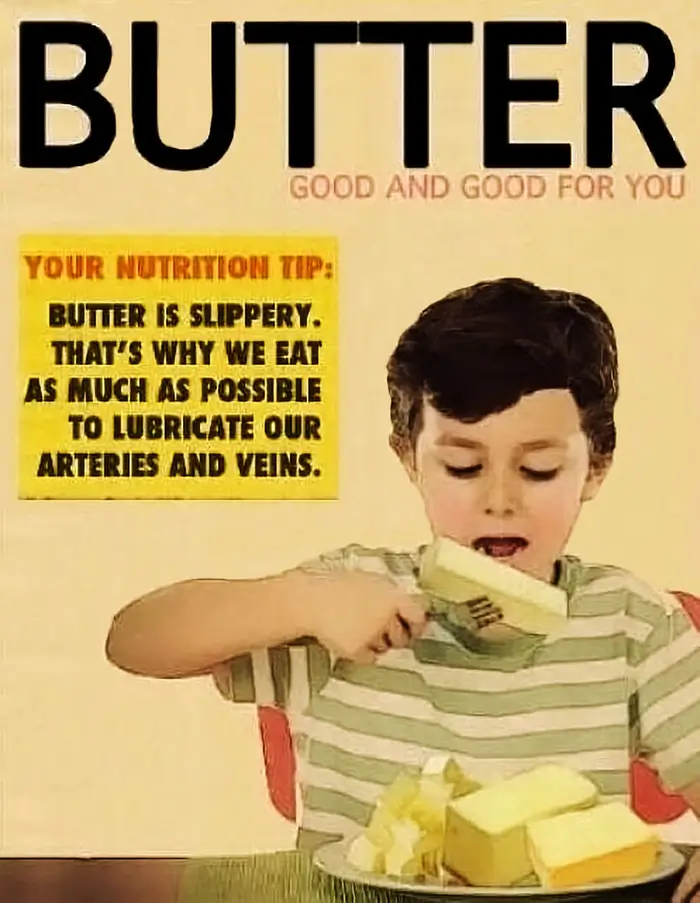
70年後の人々は、地中海食はオリーブオイルのおかげで健康的だと考えています。これは半分の真実を示す優れた例です。イタリア料理レストランは、スパゲッティ カルボナーラとアルコールを組み合わせた健康的な地中海ダイエット料理として宣伝しています。当時のクレタ島の心臓病による死亡率は米国の20分の1、20パーセントではなく20倍以上でした。中国の田舎、クレタ島、沖縄などの場所からのこのデータを統計的に見ると、これらの人々の食事はシンプルで、互いに似ていることがわかります。何が起こっているかの本当の物語を見ないで、私たちはどれほど愚かでなければならないのでしょうか?かなりのレベルの教育を受けた科学者は愚かではありません。彼らは6桁の年収とボーナスを持っています。彼らこそが賢いのです。我々はそうではありません。栄養科学は、地下深部の軍用推進システムの実験室で秘密裏に研究されているわけではありません。栄養学の分野では本当の議論はなく、意図的に本当の混乱を引き起こしているだけです。
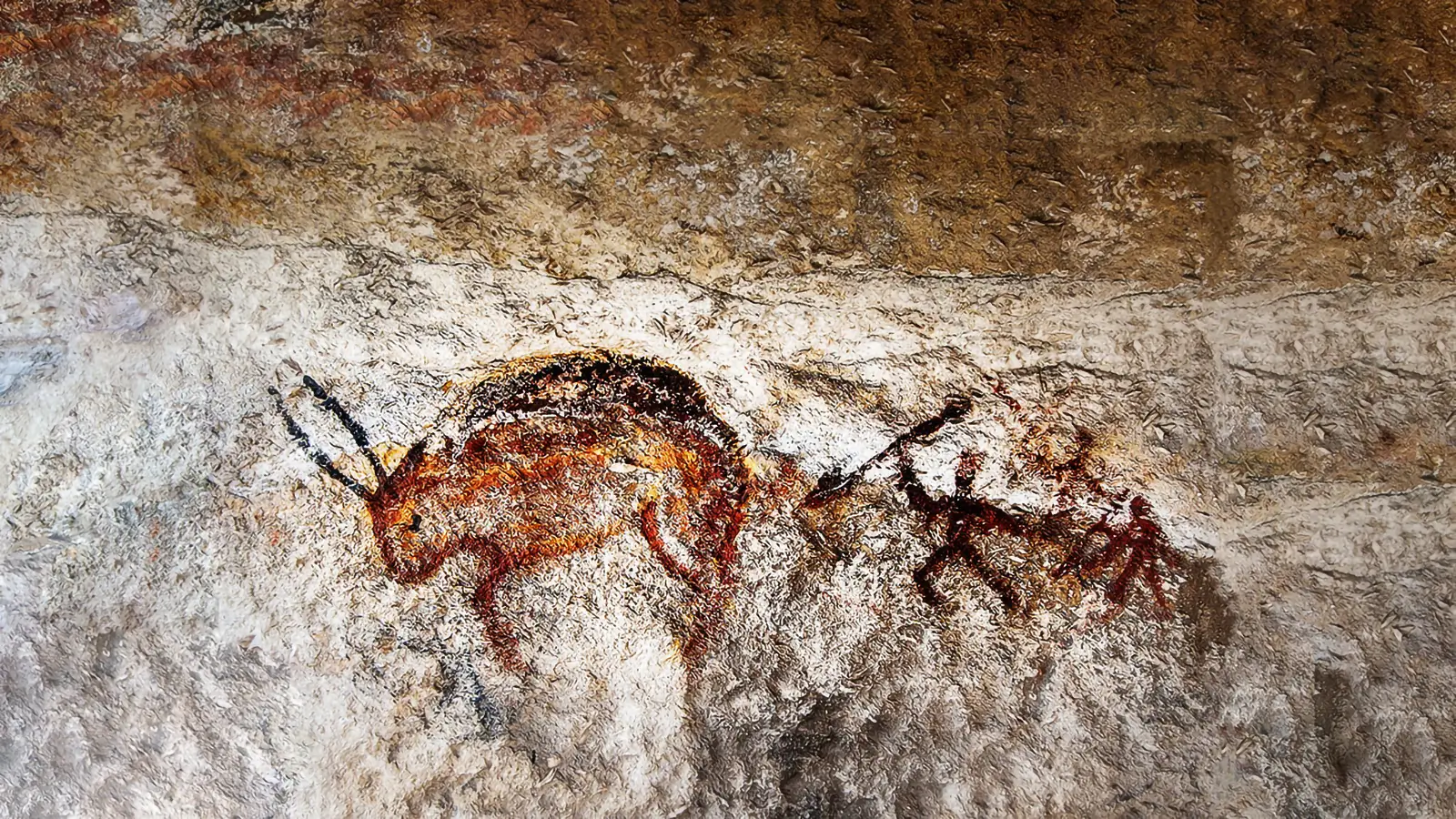
では、第二次世界大戦後のクレタ島では、彼らは何を食べていたのでしょうか? 答えは同じです。肉、卵、乳製品は使用しません。果物や野菜、穀物、ナッツ、豆類などの貧しい人々の食べ物だけです。地元で育つもの。数字で見ると、彼らは90%以上植物由来のものを食べており、肉、魚、乳製品、卵製品を合わせると約7%になります。オリーブはクレタ島で育つため、彼らはオリーブオイルをいくらか食べましたが、それはオリーブオイルダイエットではありません。あるいはワインダイエット。ワインにはブドウ以外に健康に良いものはありません。生のブドウジュースをそのまま飲んだほうがいいでしょう。今日のギリシャを見たら、何が見つかると思いますか? 彼らは子供の肥満に関してヨーロッパでナンバー1のスコアを持っています。クレタ島も含まれます。経済が良くなると、肉、チーズ、砂糖、アルコールがセットになって登場します。そして喫煙も。ギリシャのタバコ消費率は40%を超えています。地中海食は、イタリア料理やギリシャ料理などのような、地元特有の地中海食ではありませんでした。これは肉や卵、乳製品を一切使わない貧困食であり、あらゆる貧困地域や戦争で打撃を受けた場所の食事と同様であり、産業界はこれについて言及することを好まない。ギリシャでは心臓病は珍しいものでした。だった。もう違います。そして、戦争中のクレタ島でさえ、一部の裕福な人々は「普通に」食事をしていました。つまり、2週間に1回ではなく、毎日肉を食べていました。貧困に見舞われた他の一般の人々とは異なり、心臓発作も彼らにとっては普通のことでした。今日、本物の地中海料理を食べる人はもういません。大部分が植物ベースである今日の純粋な地中海食は、本当の自然食品食ではありません。小麦粉、油と塩の摂取、アルコールが大部分を占めます。クレタ島では、彼らは、工場で作られた精製された白いパスタを、抽出油たっぷりのソースとワインのボトルと一緒に食べませんでした。炎症や毒性を無視したとしても、アルコールは乳がんの危険因子であることが知られています。それは健康を増進する食事ではありません。まあ、それを今日のさらに悪い標準的なアメリカの食事と比較しないのであれば、それは健康増進の食事とは言えません。確かに、地中海食は通常の食事よりは健康的ですが、人間の本当の自然な食事ほど健康的ではありません。ホールフードの植物ベースの食事。確かに、地中海食は通常の食事よりは健康的ですが、人間の本当の自然な食事ほど健康的ではありません。ホールフードの植物ベースの食事。確かに、地中海食は通常の食事よりは健康的ですが、人間の本当の自然な食事ほど健康的ではありません。ホールフードの植物ベースの食事。
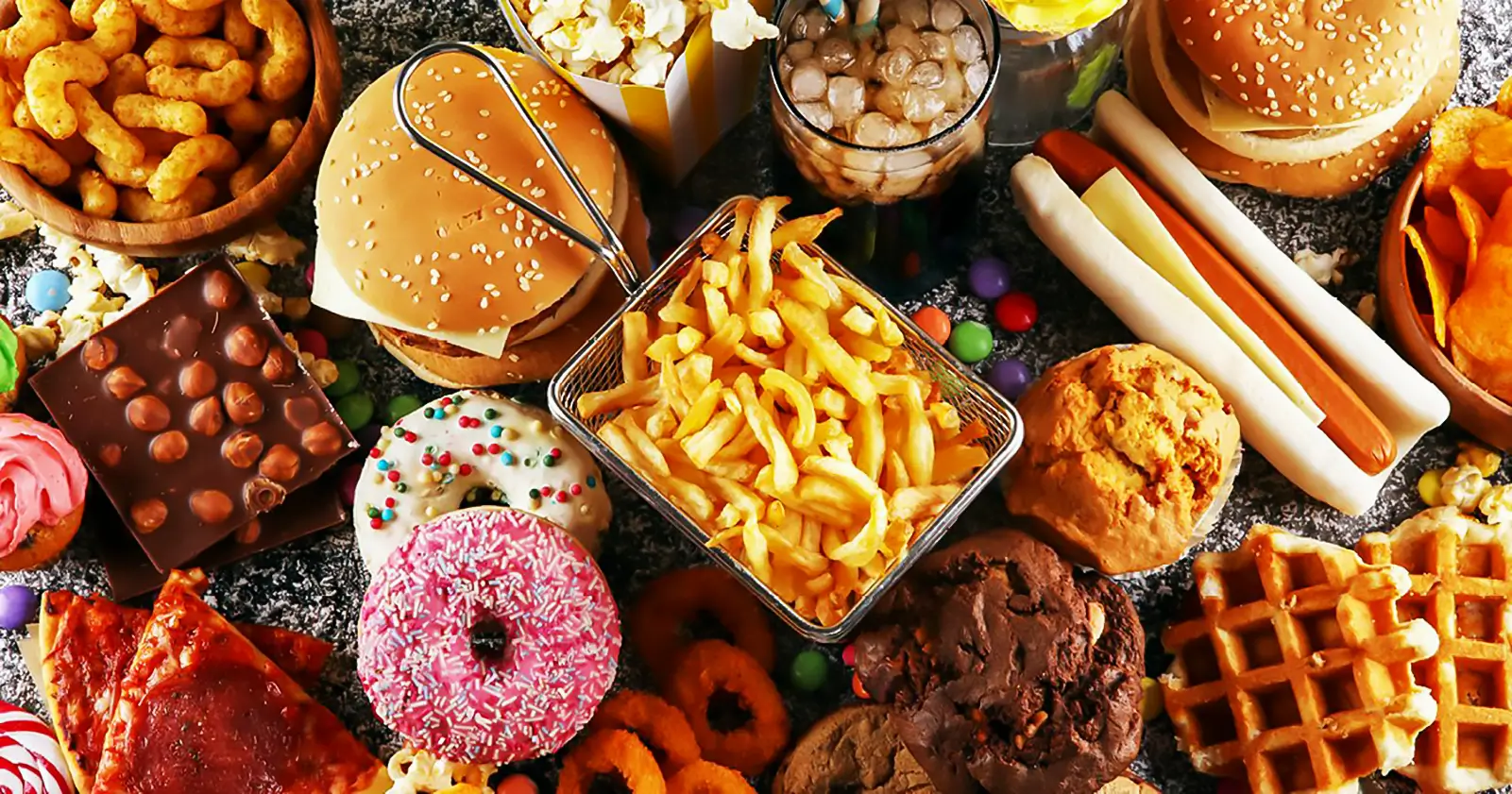
問題は、通常の普通の食べ物は、塩分と油がたっぷり含まれており、精製されていて美味しくないことです。 砂糖 だからそれに固執する人はほとんどいません。子供たちは幼い頃から、私たちが食品とみなすこれらの化学物質をすべて与えられるため、私たちは幼少期にそれらの中毒になり、実際の人間の食べ物が何であるかを比較するための実際の基準がなくなりました。だからこそ、貧しい人々の食事はうまくいくのです。動物性食品に由来するコレステロールや毒素、飽和脂肪を無視し、クレタ島の食事の個々の成分を分析すると、実際には心臓発作を予防するのは穀物ではなかったことがわかります。穀物はより中性であり、繊維を含む自然食品であるため、肥満や糖尿病には影響がありませんでした。地中海食の個々の成分の中で、実際に緑とナッツの摂取が心血管疾患のリスクを下げる効果のほとんどを占めていました。ナッツを食べる菜食主義者は、そうでない人に比べて心血管疾患のリスクが低く、この点についても現在多くの研究が行われています。ここに 1 つあります (グアシュ・フェレほか、2013)「ナッツ摂取頻度の増加は、心血管リスクの高い地中海地域の人々の死亡リスクの大幅な低下と関連していた。」との結論を導き出しました。
ナッツには油分が多く含まれていますが、繊維質も豊富に含まれているため、肉や精製油の脂肪のように油はすぐには吸収されません。また、肉や油とは異なり、ナッツには抗酸化物質やその他の植物化学物質が豊富に含まれています。ナッツのもう1つの利点は、ナッツ油と組み合わせると、すでに健康な野菜に含まれている脂溶性化学物質の植物化学的吸収が増加することです。低脂肪にする必要はなく、ナッツや種子の摂取を避け、主にでんぷんを食べる必要はありません。私たちはでんぷんやナッツ、その他すべての食品を可能な限り幅広い種類で摂取する必要があります。これまで科学は、アレルギーを持つ人を除いて、種子やナッツの多量摂取と肥満を含む病気との相関関係を示していません。ただ反対。それらは、ほとんどどんな状況でも有益です。ブラジルナッツはセレンが豊富で、クルミはガンを予防します。亜麻仁に含まれるリグナンは、乳がんに対する最も防御的な化学物質の 1 つであり、脳の機能を高めるオメガ 3 油も豊富に含まれています。私たちの祖先は長い間、生のナッツや種子を食べていました。それらは、果物や穀物、若葉や他の緑葉野菜と同じように、私たちの自然食品です。
健康的な食事とは、私たちが進化し、食べることに適応してきたものです。それだ。
参考文献:
- キーズ A. (1987)。オリーブオイルと冠状動脈性心臓病。 ランセット (ロンドン、イギリス), 1(8539)、983–984。 https://doi.org/10.1016/s0140-6736(87)90337-0
- グアシュ・フェレ、M.、ブッロ、M.、マルティネス・ゴンザレス、M. Á.、ロス、E.、コレラ、D.、エストルフ、R.、フィト、M.、アロス、F.、ヴェルンバーグ、J. 、フィオル、M.、ラペトラ、J.、ビニョール、E.、ラムエラ=ラベントス、RM、セラ=マジェム、L.、ピント、X.、ルイス=グティエレス、V.、バソラ、J.、サラス=サルバド、 J.、および PREDIMED 研究グループ (2013)。PREDIMED 栄養介入試験におけるナッツ摂取頻度と死亡リスク。 BMC薬, 11, 164. https://doi.org/10.1186/1741-7015-11-164

栄養と健康について何か質問はありますか?
次回の投稿で、皆さんのご意見を伺い、お答えしたいと思います。ご意見、ご感想をお待ちしております。 また、次の投稿もお待ちしています フォローする Facebook、Instagram、Pinterestでダイエット、栄養、健康に関するコンテンツをご覧ください。そこにコメントを残して、他の健康愛好家とつながり、あなたのヒントや経験を共有し、私たちのチームやコミュニティからサポートや励ましを得ることができます。
この投稿があなたにとって有益で楽しいものであり、学んだ洞察を生かす準備ができていることを願っている。この投稿が役に立ったと思われた方は シェアする 友人や家族など、その恩恵にあずかれるかもしれない人たちと一緒に。誰が健康の旅にガイダンスやサポートを必要としているかわからないのですから。
– あなたはおそらくそれも好きでしょう –
養殖魚 - 「セスプール」の楽園

パレオダイエット - 肉を一切使わない
インゲン豆 栄養と健康効果

ビタミンD - 骨だけではありません

高たんぱく質の食事と健康リスクの相関関係

レクチン - 「植物のパラドックス」のパラドックス
ガン、禁断の治療法-Rifeマシン、歴史的レビュー
ターメリック: 健康と臨床上の利点を強化する

栄養について学ぶ

ミロス・ポキミカは、自然医学の医師、臨床栄養士、医療健康と栄養のライター、栄養科学アドバイザーです。書籍シリーズの著者 ビーガンに行きますか?科学の復習また、自然健康サイト「GoVeganWay.com」を運営している。
医療上の免責事項
GoVeganWay.com では、最新の栄養と健康関連の研究のレビューをお届けします。提供される情報は著者の個人的な意見を表すものであり、専門的な医学的アドバイス、診断、または治療に代わることを意図または暗示するものではありません。提供される情報は情報提供のみを目的としており、資格のある医師または医療提供者の相談、診断、および/または治療に代わるものとして機能することを意図したものではありません。GoVeganWay.com で読んだことや GoVeganWay.com を通じてアクセスしたことを理由に、専門家の医学的アドバイスを無視したり、医療治療を受けるのを遅らせたりしないでください。
認可された医師に相談する前に、GoVeganWay.com で読んだ内容の結果としてライフスタイルの変更や変更を決して適用しないでください。
医療上の緊急事態が発生した場合は、直ちに医師または 911 に電話してください。GoVeganWay.com は、内部で言及されている特定のグループ、組織、検査、医師、製品、手順、意見、またはその他の情報を推奨または承認しません。
編集者のおすすめ –
酸化防止剤 編集者のおすすめ オラック
抗酸化サプリメントとしてのエッセンシャルオイル: ルールと戦略
食品グレードのエッセンシャルオイルは、食事の抗酸化値とORACスコアを最適化するための便利で消費者に優しい戦略となり得ます。

酸化防止剤 編集者のおすすめ オラック
アスタキサンチンの利点: 世界で最も強力な天然抗酸化物質
アスタキサンチンは、科学的に知られている最も強力な天然の普遍的な抗酸化物質(油溶性と水溶性の両方)です。それは組織に蓄積しますが、それ自体が酸化促進物質になることはありません。
酸化防止剤 編集者のおすすめ オラック ファイトケミカル
抗酸化物質: 基本を理解する
動物性食品には植物化学物質や抗酸化物質は含まれていません。平均して、植物性食品には動物性食品の 60 倍以上の抗酸化物質が含まれています。
編集者のおすすめ ビーガンダイエット
ビーガン食における栄養素欠乏: 予防戦略
植物ベースの食事を摂取している人々に影響を与える、人口規模での一般的な栄養素欠乏症は 9 つあります。期限内に修正されない場合、一部の欠陥はひどい治療不可能な結果をもたらします。
編集者のおすすめ 最適な食事
標準的なアメリカン・ダイエットにおける微量栄養素の欠乏: 最適化戦略
現代の肉、砂糖、加工食品の栄養プロファイルは、私たちの進化とは完全に矛盾しており、その結果、深刻な微量栄養素欠乏症を引き起こしている。
編集者のおすすめ 牛乳 最適な食事
牛乳と乳製品: 健康リスクの相関関係
牛乳や乳製品の摂取との関連性としては、不妊症、卵巣がん、乳がん、白血病、1型糖尿病、自閉症、動脈硬化、白内障、関節リウマチ、多発性硬化症、多動、うっ血、ニキビなどが知られています…

癌 編集者のおすすめ タンパク質
完全なタンパク質: がん形成における IGF-1 シグナル伝達
動物性タンパク質を摂取すると、あらゆる種類のがんを発症する可能性が 4 倍になります。喫煙すると肺がんを発症する確率が 4 倍になります。

癌 編集者のおすすめ タンパク質
がんの解剖学 - 健康リスクの相関関係
がんの約 2% は、純粋に遺伝的要因によって引き起こされると考えられる医学によるものです。動物界と同じ範囲。あなたには真実のすべてが語られていません。
[rank_math_breadcrumb]
ミロス・ポキミカは健康・栄養ライターであり、栄養科学アドバイザーである。書籍シリーズの著者。 ビーガンに行きますか?科学の復習また、自然健康サイト「GoVeganWay.com」を運営している。
最新記事 -

カロリー制限 長寿
断食の方法 オートファジーを壊さない断食食品
オートファジー体内の細胞が死んだり傷ついたりしたら、どうなるのだろうと考えたことはないだろうか。ただ積み重なって問題を引き起こすだけなのか、それとも何らかの方法で処分されるのか。答えは、体内で...

ローフードダイエット ビーガンダイエット
キノコは生で食べられるか:健康リスク、栄養と安全性
キノコにはヒドラジンやアガリチンのような熱に弱い毒素があり、キチンからできた細胞壁は人間にはうまく消化できない。

歯の健康 防止
自家製天然マウスウォッシュ: より強力で毒性の少ない、実証済みのマウスウォッシュ
自家製の天然マウスウォッシュは、クロルヘキシジンより強力で毒性も低く、飲み込むと吐き気を催すかもしれないが、ORAC値も高い。
酸化防止剤 スーパーフード
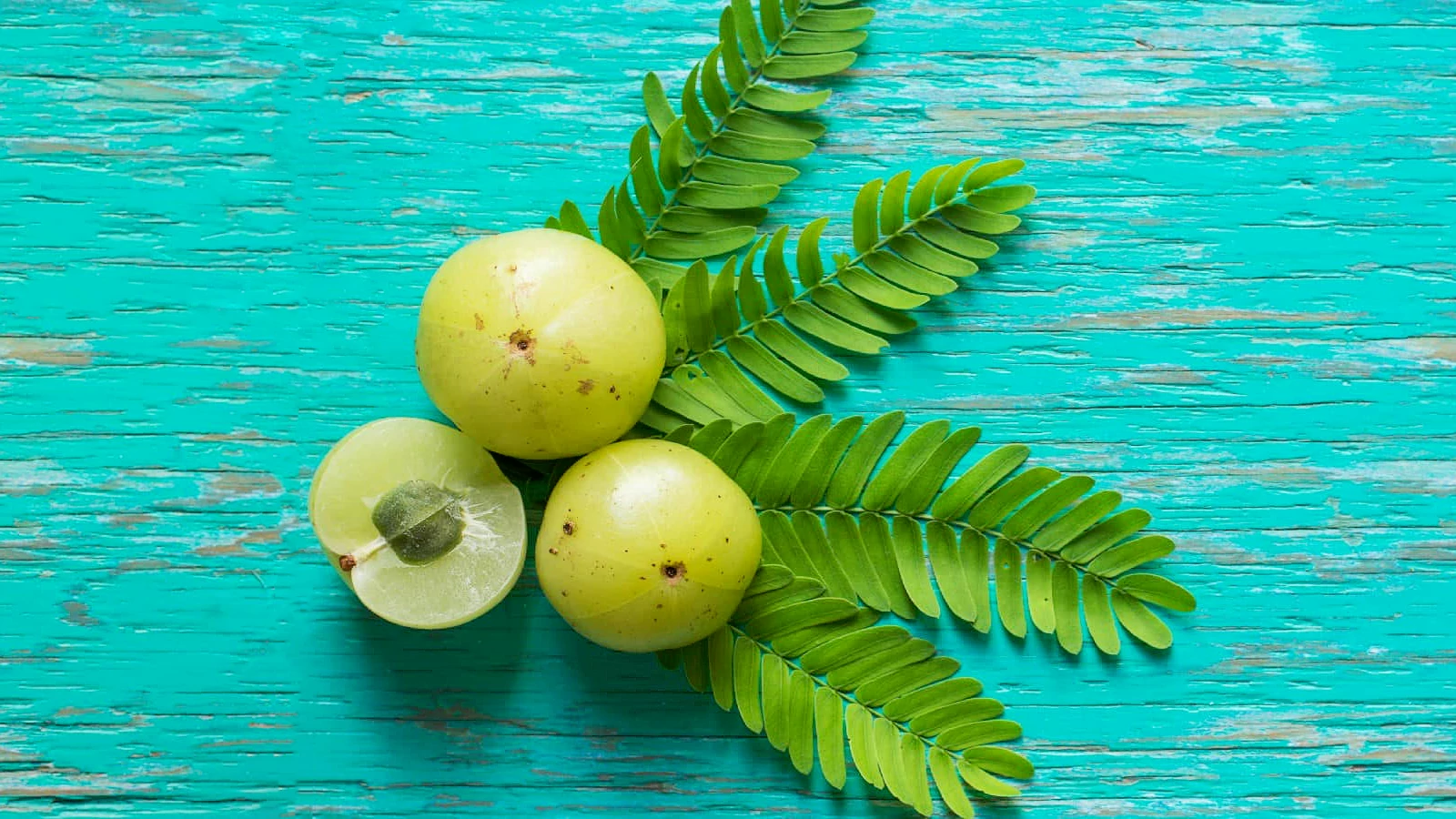
アムラ 証明された効能、栄養と臨床的意義
アムラは世界で最も強力な抗酸化物質のひとつで、ORACスコアは261,530です。さまざまな健康効果をもたらす植物化学物質が豊富に含まれています。
トップヘルスニュース — ScienceDaily
- Without this protein, damaged muscle fills with fat and scar tissue11月 13, 2026 に
Researchers have uncovered a surprising hidden function of a protein that may hold the key to repairing damaged muscles and treating muscular dystrophy. Known for protecting chromosomes, TRF2 also helps muscle stem cells maintain their identity and regenerate injured tissue. When scientists removed the protein in mice, muscles struggled to repair themselves, and muscular dystrophy progressed dramatically faster.
- Animal vs. plant protein reveals a surprising testosterone divide11月 13, 2026 に
A surprising new study suggests that where men get their protein may be linked to their testosterone levels. Researchers studying more than 2,500 men found that higher animal protein intake, particularly from dairy, was associated with lower testosterone, while plant protein was linked to higher levels. The findings raise intriguing questions about how everyday food choices might relate to male hormone levels.
- A surprising brain difference may explain why some kids struggle with math11月 12, 2026 に
Stanford researchers have discovered that children who struggle persistently with math may have underlying differences in how their brains manage problem-solving strategies. Children with developmental dyscalculia were slower to switch strategies, less responsive to changes in difficulty, and less able to improve their approach over time. Distinct patterns of brain activity were linked to these difficulties and could even predict certain math-related abilities.
- Crows can make decisions twice as fast as humans, scientists discover11月 12, 2026 に
Crows may be even smarter than we thought, and their brains are astonishingly fast. Researchers at the University of Tübingen discovered that crows can make visual decisions twice as quickly as humans and monkeys, taking just 235 milliseconds on average to identify the direction of moving dots while maintaining remarkable accuracy.
- Colorectal cancer is rising again after 20 years, and scientists don’t know why11月 12, 2026 に
Colorectal cancer is making an alarming comeback in the United States after more than 20 years of declining rates, and the increase is no longer limited to younger adults. A major new study found rising rates across nearly every age group under 70, including older Americans who have historically benefited most from cancer screening.
- AI-powered bionic eye breakthrough could help the blind see again11月 12, 2026 に
Scientists have developed an AI-powered approach that makes experimental bionic vision technology more precise, helping predict the flashes and shapes of light perceived by a blind man with a brain implant. By learning how an individual’s brain responds to electrical stimulation, the technology could bring researchers closer to restoring some degree of sight to people with blindness.
- Common forever chemicals linked to nearly double the rate of aggressive breast cancer11月 12, 2026 に
An NIH study found that women with high levels of two common “forever chemicals” had up to 93% higher rates of an aggressive form of breast cancer. The discovery raises concerns about the potential health effects of persistent chemicals found in everyday products.
パブメッド、 #ビーガンダイエット –
- Selenium Levels in Brazil Nuts: A Global Review of the Literature11月 11, 2026 に
Brazil nuts (BN, Bertholletia excelsa, Lecythidaceae) are frequently recommended for increasing selenium intake. Many individuals residing in regions with low soil selenium values, particularly including vegetarians, have selenium intakes below the dietary reference values. A literature review of selenium levels in BN was conducted to estimate their average selenium content and the number of BN that could help individuals with low selenium intakes reach dietary reference values. Based on…
- Hospital food retail environment in Poznań, Poland: a one-day audit of protein sources, plant-based options, and cooking methods11月 7, 2026 に
CONCLUSIONS: Hospital retail food offerings in Poznań were predominantly characterised by animal-based food offerings. These findings provide baseline evidence on food availability within hospital retail settings and may inform future efforts to diversify meal offerings and increase the availability of plant-based options in healthcare institutions.
- Effects of vegetarian or vegan diets on cardiovascular metabolic health in patients with cardiovascular disease: a systematic review and meta-analysis11月 5, 2026 に
CONCLUSIONS: Vegetarian or vegan diets, particularly low-fat vegan diets, may improve lipid profiles by reducing TC and LDL-C in patients with established CVD. No significant benefits were observed for blood pressure or triglycerides. These findings suggest that plant-based dietary interventions may serve as a complementary strategy for the management of cardiometabolic risk factors in CVD patients.
- Food literacy competencies and diet quality in youth adhering to vegan, lacto-ovo-vegetarian, pescatarian or omnivorous diets in Sweden11月 5, 2026 に
CONCLUSIONS: Youth, regardless of dietary practice, may need support to increase their food literacy competencies, including GNK, and consume higher quality diets that better align with the NNR2023 food-based dietary guidelines.
- Food and nutrition literacy, knowledge of potentially critical nutrients, and information sources among vegan women of reproductive age in Austria: A cross-sectional survey11月 3, 2026 に
BackgroundPlant-based diets have become popular worldwide especially among women and younger people. Recommendations for well-balanced vegan diets are available, but the risk of nutrient deficiencies among strict vegans is of particular concern, especially among children and pregnant or breast-feeding women.ObjectivesThe aim of this study was to compare food and nutrition literacy, knowledge of selected potentially critical nutrients, and sources of nutritional information between a […]
ランダムな投稿 –

癌 編集者のおすすめ 毒性
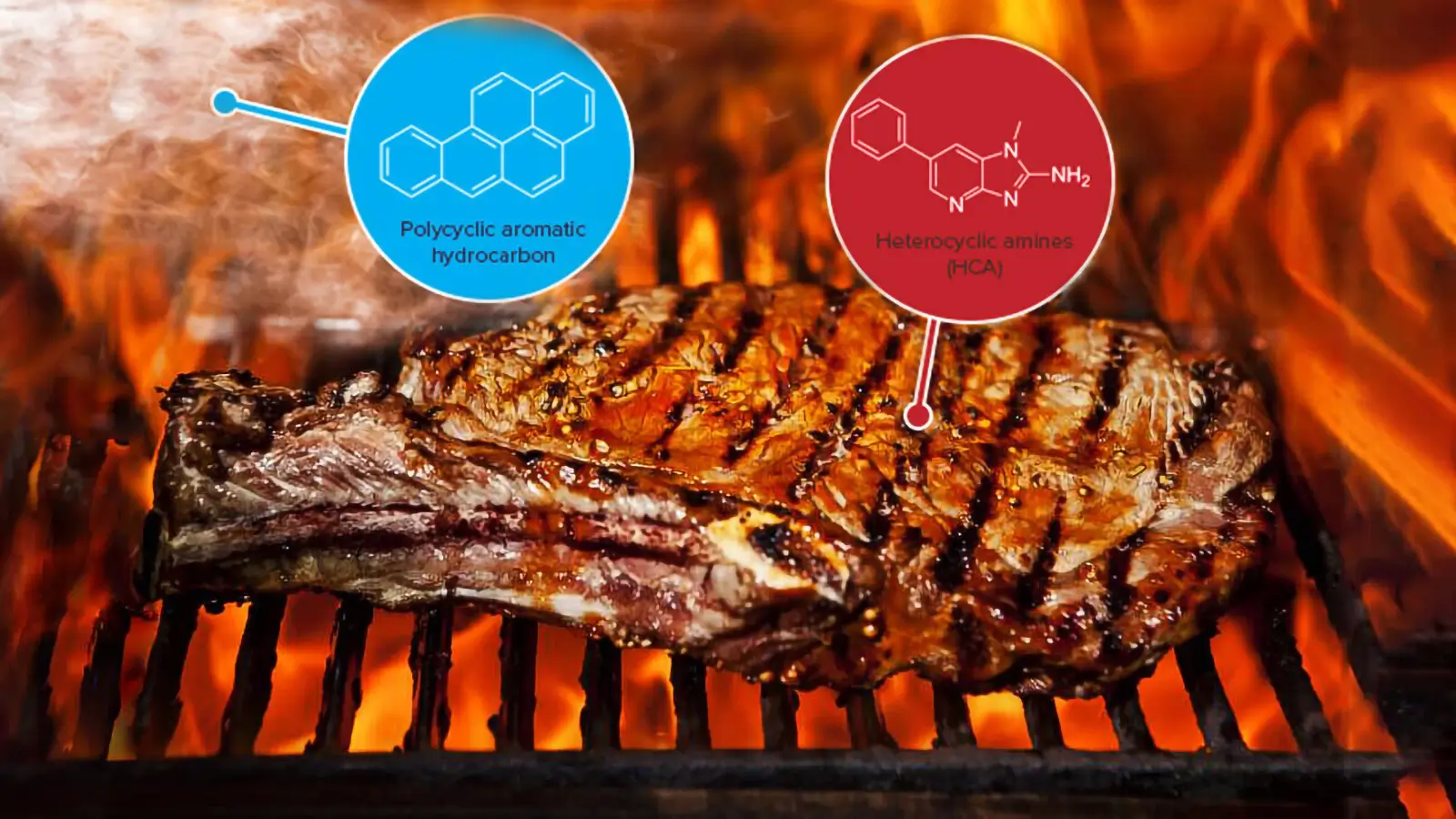
食品中の農薬、アメリカの標準的な食事における暴露-80%が肉から
私たちが摂取する農薬、特に重金属やその他の有毒廃棄物汚染物質のほとんどは肉から得られます。アメリカの標準的な食生活における農薬暴露の 80 パーセント以上は、果物や野菜ではなく、動物性食品に由来しています。

対症療法医学 癌
がん、禁断の治療法 - ESSIAC
1922 年に遡ることオンタリオ州北部の小さな町で、オンタリオ州の森林から出ている癌を治すお茶の噂が広まり始めました。インディアンはこの混合物を「命のお茶」と呼びました。

編集者のおすすめ ビーガンダイエット
ビーガン食における栄養素欠乏: 予防戦略
植物ベースの食事を摂取している人々に影響を与える、人口規模での一般的な栄養素欠乏症は 9 つあります。期限内に修正されない場合、一部の欠陥はひどい治療不可能な結果をもたらします。
癌 炎症 毒性
アルコールの健康リスク - 「フレンチパラドックス」、「ワイン」、そして「適量」
どういうわけか、私たちはグラス一杯のワインはそれほど悪くないと信じているか、さらに悪いことに、ブドウの抗酸化物質のせいでアルコールが健康を増進するという神話を信じています。
編集者のおすすめ 牛乳 最適な食事
牛乳と乳製品: 健康リスクの相関関係
牛乳や乳製品の摂取との関連性としては、不妊症、卵巣がん、乳がん、白血病、1型糖尿病、自閉症、動脈硬化、白内障、関節リウマチ、多発性硬化症、多動、うっ血、ニキビなどが知られています…

おすすめの投稿 -

編集者のおすすめ 最適な食事 タンパク質
高たんぱく質の食事と健康リスクの相関関係
希少性は自然界のタンパク質の法則です。進化論的に言えば、人類学者は人類が1日平均15~25グラムのタンパク質を摂取して生きていたことを証明しました。現代の西洋型の高タンパク質の食事では、私たちはそれを摂取します…

編集者のおすすめ 肥満 最適な食事
肥満の原因 - 不適応または依存症
肥満の蔓延の原因は何ですか?地球上のすべての生命にとって、食べ物は選択の余地がありません。自然の中で動物にとって最も難しいことは体重が増えることです。

編集者のおすすめ 防止 ビーガンダイエット
中国の研究 - ビーガンの議論
中国の研究では、でんぷんベースのビーガン食を実践している世界の未開発の農村地域では、心臓病、がん、糖尿病が発生していないことが示された。
癌 編集者のおすすめ タンパク質
がんの解剖学 - 健康リスクの相関関係
がんの約 2% は、純粋に遺伝的要因によって引き起こされると考えられる医学によるものです。動物界と同じ範囲。あなたには真実のすべてが語られていません。
癌 編集者のおすすめ 毒性
食品中の農薬、アメリカの標準的な食事における暴露-80%が肉から
私たちが摂取する農薬、特に重金属やその他の有毒廃棄物汚染物質のほとんどは肉から得られます。アメリカの標準的な食生活における農薬暴露の 80 パーセント以上は、果物や野菜ではなく、動物性食品に由来しています。

対症療法医学 編集者のおすすめ
大手製薬会社の物語 - IG Farben
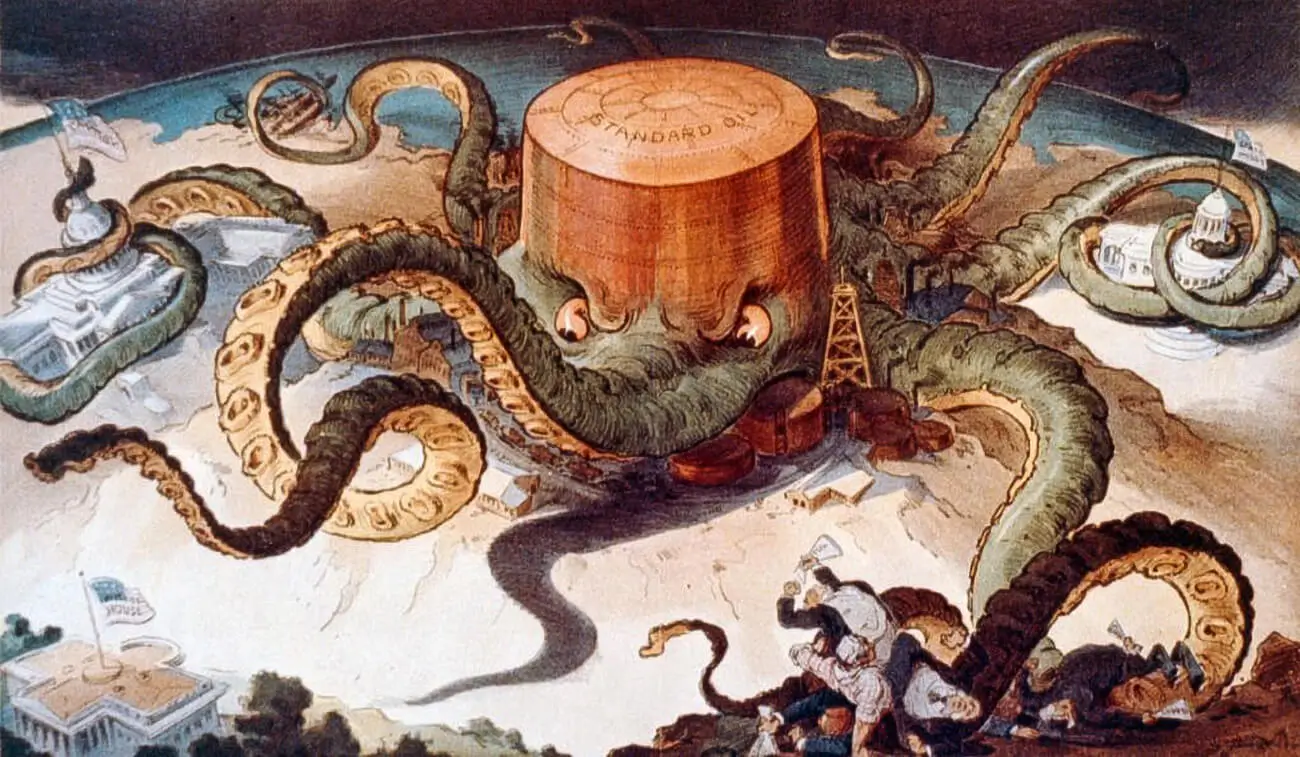
化学および医薬品産業に対するロックフェラーの独占の一部は、第二次世界大戦後に実現しました。スタンダード オイルと IG ファーベンの協力により、これが実現しました。
糖尿病 編集者のおすすめ
糖尿病の原因と精製炭水化物 - ヴィーガンの議論
精製された炭水化物はインスリンの急増に関連しており、糖尿病の原因の 1 つであると人々は信じています。その人たちは正しいです。しかし、それらは間違っています。
PubMed の最新情報、 #植物ベースの食事 –
- Optimising Consumer Acceptance of Plant-Based Protein Foods: a Machine Learning and Response Surface Methodology Approachによって Kritisha Sharma 11月 12, 2026 に
Plant-based meat alternatives (PBMAs), an emerging category of plant-protein foods, offer the potential to support sustainable nutrition and dietary protein diversification. However, studies integrating the complementary perspectives of the Theory of Planned Behaviour (TPB) and the Value-Belief-Norm (VBN) theory to explain consumers’ cognitive, normative, value-driven motivation of PBMA purchase intention remain limited, particularly in developing economies such as India. Building on this…
- Effects of high-protein intake on renal function: a narrative mini reviewによって Zacharias Raptopoulos 11月 12, 2026 に
High-protein diets (HPDs) are increasingly used for weight management, metabolic health, physical performance, and healthy aging, yet their effects on renal function remain uncertain, particularly in individuals with chronic kidney disease (CKD). This narrative mini-review examines the relationship between high dietary protein intake and renal outcomes and critically evaluates the evidence underlying concerns regarding HPD-associated kidney injury. A narrative literature review was conducted…
- Selenium Levels in Brazil Nuts: A Global Review of the Literatureによって Christian Koeder 11月 11, 2026 に
Brazil nuts (BN, Bertholletia excelsa, Lecythidaceae) are frequently recommended for increasing selenium intake. Many individuals residing in regions with low soil selenium values, particularly including vegetarians, have selenium intakes below the dietary reference values. A literature review of selenium levels in BN was conducted to estimate their average selenium content and the number of BN that could help individuals with low selenium intakes reach dietary reference values. Based on…
- Evidence generation for diabetes prevention and treatment through the integration of clinical medicine, nutritional epidemiology, and behavioral scienceによって Megu Y Baden 11月 11, 2026 に
Diet and other lifestyle factors are central to diabetes prevention and management. Effective dietary and lifestyle support requires consideration of differences in pathophysiology, food culture, and living circumstances. This narrative review summarizes our research integrating clinical medicine, nutritional epidemiology, and behavioral science, with a particular focus on diet quality. Analyses of large US cohorts showed that higher-quality plant-based diets were associated with lower risks […]
- Diet Quality Versus Physical Activity and Cardiorespiratory Fitness for Longevity: A Review of Comparative Evidenceによって Glenn A Gaesser 11月 11, 2026 に
Poor diet quality and insufficient physical activity (PA) are major modifiable risk factors for chronic disease and a shortened lifespan. Public health priorities have historically emphasized dietary modification more than increasing PA, and this disproportionate emphasis persists in current initiatives. We searched PubMed for applicable articles to evaluate the relative associations of diet quality, PA, and cardiorespiratory fitness (CRF) with all-cause mortality (ACM). Evidence from…
- Effect of a lacto-vegetarian diet combined with 14-hour time-restricted eating on metabolic outcomes in women with Type 2 diabetes: a 24-week randomized controlled trialによって Anu Mahajan 11月 11, 2026 に
CONCLUSION: A culturally adaptable lacto-vegetarian diet combined with a 14-hour time-restricted fasting regimen safely improves metabolic control and insulin sensitivity in women with Type 2 Diabetes, offering a practical, women-centric strategy that may be implementable within structured clinical nutrition services, although its staffing requirements, cost, and scalability require further evaluation.