







グリコーゲンの枯渇 - 運動をしない方法
運動したり、食事制限をするとどうなるでしょうか? グリコーゲン枯渇とは何ですか?それを避けるべきですか? グリコーゲンを枯渇させると何かメリットがあるのでしょうか?
ミロス ポキミカ
によって書かれた: ミロス ポキミカ
医学的に検証した結果 Xiùying Wáng, M.D. 博士。
Updated 5月 29, 2023運動したり、食事制限をするとどうなるでしょうか? グリコーゲン枯渇とは何ですか?それを避けるべきですか? グリコーゲンを枯渇させると何かメリットがあるのでしょうか?
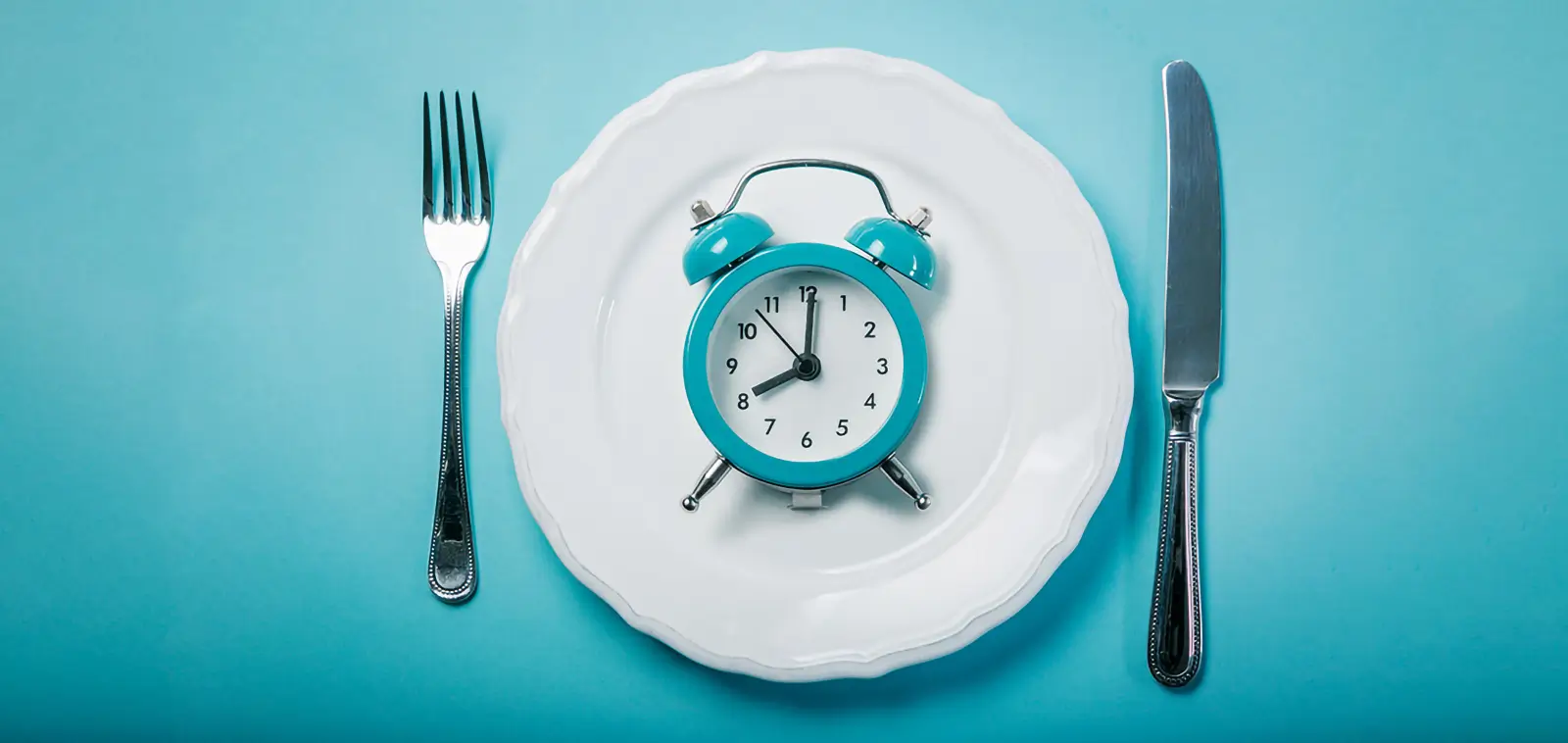
体に何が起こるかというと、(飢餓モードではなく)絶食モードに入るということです。飢餓とは全く異なる状態です。
最初の段階では、体は貯蔵された糖グリコーゲンの形ですぐに利用できるカロリーを燃焼します。脂肪と同じように、私たちの体にはすぐに使用できる糖分(グリコーゲン)が貯蔵されており、簡単に代謝されます。これは瞬時に利用できる素早いエネルギーであり、脂肪とは異なり代謝経路を必要としません。私たちの細胞はグリコーゲンを直接使用します。
糖の大部分は主に肝臓と筋肉の細胞に貯蔵され、水で水分を補給されます。血流で利用可能なエネルギーよりも多くのエネルギーを燃焼し始めると、血糖値が低下します。対策の第一段階では、私たちの体は簡単に入手できる貯蔵エネルギー源、つまり貯蔵されたグリコーゲンを利用します。糖水分子が燃焼するとき、グリコーゲンは細胞内の水で水和されるため、代謝の過剰または副産物です。そのため、最初の段階では水分の重量が若干減ります。
これを知らないと、ダイエット中に水分が失われ、喜んで、後で水分が戻ってきたときに驚くかもしれません。通常、最初の週の劇的な体重減少の原因は、グリコーゲンとナトリウムから放出される水分の損失です。
肝臓では、グリコーゲンの貯蔵量は臓器の肉重の5-6%(成人の場合100-120グラム)まで蓄積される。筋肉ではグリコーゲンの濃度はもっと低く、筋肉総量の1~2%程度である。.
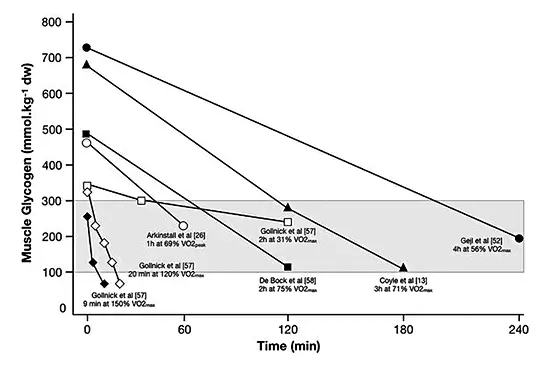
トレーニングを受けていない人は、通常約 400 グラムのグリコーゲンを保持しており、筋肉と肝臓の両方の全身に蓄えられています。訓練されたプロのアスリートはその2倍の量を保持できます。この量のグリコーゲンは、補充なしで数時間の激しい運動を続けるのに十分です。
トレーニングすると体が適応し、状態が改善します。プロのアスリートも、筋内グリコーゲン貯蔵量を増やすことで体を強制的に適応させるために、運動後に炭水化物ローディングと呼ばれるものを行います。これに関してはいくつかの研究が行われています。カフェインを摂取したり、コーヒーを飲んだりすると、グリコーゲンの貯蔵量がより早く補充される傾向があります。
長距離アスリートはグリコーゲンの枯渇を経験することがよくあります。それを「壁にぶつかる」と言います。プロスポーツでは、糖分が枯渇すると疲労が続き、時には動くのが困難になる場合もあるため、影響が大きくなります。スポーツ選手が大騒ぎするのはこれが理由です。ボンキング(グリコーゲン枯渇)とは、ただ疲れているだけの状態ではありません。ボンキングとは、グリコーゲンの貯蔵量が非常に少なくなり、脳がエネルギーを使い果たし、体が停止することです。

初期段階と容易に利用可能なグリコーゲンの貯蔵量の代謝が完了すると、肝臓は脂肪とタンパク質を分解して直ちにエネルギーを形成し始めます。問題は、このプロセスには時間がかかり、糖新生が始まるまでアスリートは低血糖の症状を経験する可能性があることです。そうなれば、プロスポーツ選手が極度の疲労で倒れるケースも珍しくなくなるだろう。
低血糖はめまい、かすみ目、幻覚を伴います。このような状況下では意識喪失も発生する可能性があります。複数の異なるエネルギー源を組み合わせて使用することで、高い筋力出力を長期間維持できるようにすることは、プロスポーツや研究において重要なことです。また、マラソン前に糖新生を利用するためにダイエットをしてから走ることはできません。脂肪だけを燃料源としてマラソンを走ることは現実的ではありません。脂肪をより高い速度で代謝できれば、決して疲れることはなく、無限に走り続けることができます。残念ながら、脂肪代謝のエネルギー効率はそのレベルではありません。
さらに、私たちの体が1時間に処理できる炭水化物の量も限られており、個人の効率にもよるが、30~60グラム程度である。おそらくマラソンをすることはないだろうが、運動したいのであれば、体の仕組みを理解することは不可欠である。.

ボディビルディングにおいては、筋肉量を異化してエネルギーにすることは望ましいことではないため、これは重要なことです。16 時間から 72 時間でグリコーゲンが枯渇すると、体はエネルギー生成のためにアミノ酸とタンパク質の異化に大きく依存します。運動の有無にかかわらず断食を行うとアミノ酸が使用され、筋肉量の一部が失われます。それを最小限に抑えるように努めることはできますが、一部のアミノ酸はエネルギーとして使用されてしまいます。
組織の一部が失われることは、思っているほど深刻ではありません。進化の目的があり、適度に行えば健康上の利点もあります。人間を含むすべての動物が定期的に絶食モードに入るのは正常です。私たちの体は、身体活動に適応してきたのと同じように、進化の過程で断食にも適応してきました。適度な定期的な絶食は、オートファジー (自己食べる) として知られるプロセスで、突然変異して損傷した前がん細胞を浄化するのに役立ちます。細胞が 2 つあり、1 つが損傷し、エネルギーを得るために 1 つを破壊する必要がある場合、体は損傷した細胞を最初に異化して、ある意味自分自身を浄化します。運動や断食を普段の生活に取り入れないと、健康に悪影響を及ぼします。
この初期期間を過ぎると、私たちの代謝はケトーシスに移行し、エネルギーのほぼすべてが脂肪代謝によるケトン体から得られます。基礎代謝も下がり、つまりエネルギーの利用効率が良くなります。ダイエットしたいなら、これはあなたが望んでいる状態です。あなたが対処できる量の永久的なカロリー不足です。マラソンを走ったり、速い状態で激しい運動をしたりすることは、脳に食べ物がなくなり、エネルギーとして自分の筋肉組織を使わざるを得なくなるため、それほど有益ではないかもしれません。これは望ましい結果ではありません。
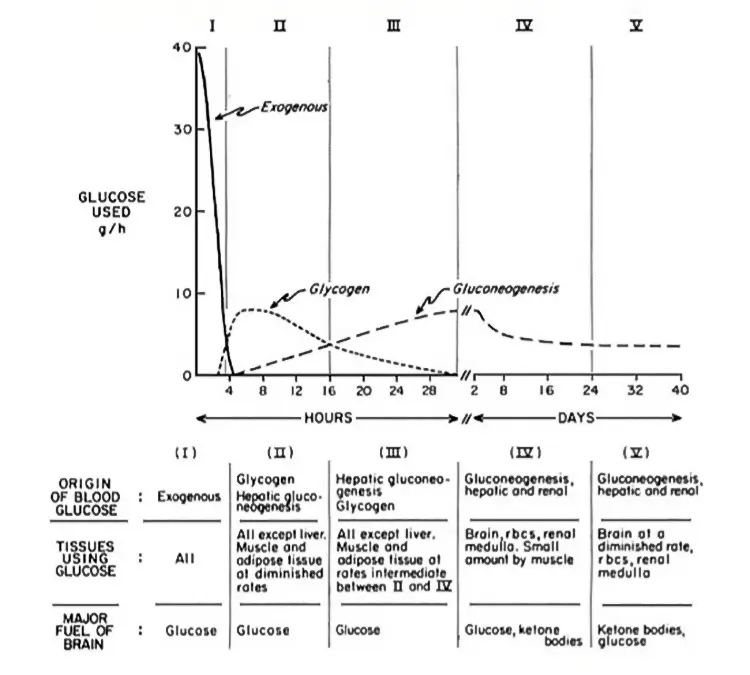
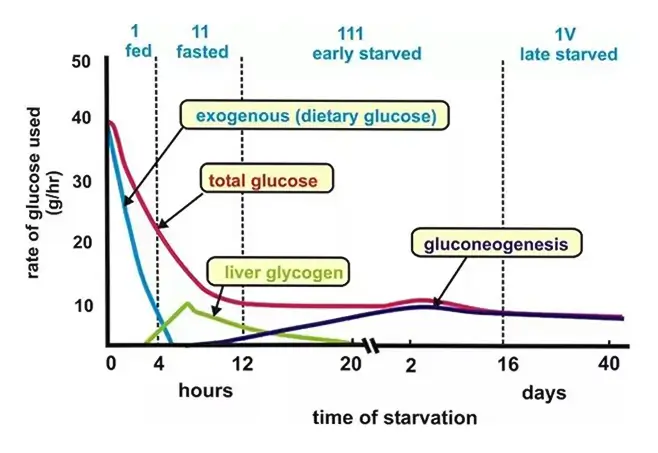
- 摂食-食事中はインスリン濃度が上昇する。これにより、グルコースが筋肉や脳などの組織に吸収され、直接エネルギーとして使われるようになる。余分なグルコースはグリコーゲンとして肝臓に貯蔵される。.
- 吸収後段階は、絶食開始から 6 ~ 24 時間後に起こります。インスリンレベルが低下し始めます。グリコーゲンが分解されてエネルギーとなるブドウ糖が生成されます。グリコーゲンの貯蔵は約24時間持続します。
- 糖新生には24時間から2日かかる。糖新生」として知られるプロセスで、肝臓はアミノ酸から新しいグルコースを作り出す。これは文字通り、“新しいグルコースを作り出す ”と訳される。非糖尿病患者のグルコースレベルは低下するが、正常範囲内にとどまる。.
- ケトーシス-絶食開始から2-3日後-絶食中に到達する低インスリンレベルは、脂肪分解またはエネルギーとしての脂肪の分解を促進する。脂肪の貯蔵形態であるトリグリセリドは、グリセロール骨格と3本の脂肪酸鎖で構成されている。グリセロールは糖新生の過程で使用される。体内の多くの組織は脂肪酸を直接エネルギーとして利用できるが、脳はそうではない。血液脳関門を通過できるケトン体は脂肪酸から合成され、脳で利用される。ケトン体は、4日間の絶食で脳が使用するエネルギーの約75%を供給する。生成されるケトン体の主なものは、β-ヒドロキシ酪酸とアセト酢酸の2種類で、どちらも絶食中に70%以上増加する。.
- タンパク質保存フェーズ。高レベルの成長ホルモンは、筋肉量と無駄のない組織を維持するのに役立ちます。基礎代謝を維持するために必要なエネルギーは、ほぼすべて遊離脂肪酸とケトン体によって供給されます。ノルアドレナリン(アドレナリン)レベルの増加により、代謝率の低下が防止されます。
人間の体には、空腹に対処するためのメカニズムが発達している。要するに、ここで説明しているのは、ブドウ糖の燃焼から脂肪の燃焼に移行するプロセスである。それだけだ。脂肪とは、単に体内に蓄積された食物エネルギーのことである。食べ物が不足すると、その空白を埋めるために蓄積された食べ物が自然に放出される。だから、脂肪の貯蔵がすべてなくなるまで、身体が自らを養うために「筋肉を燃やす」ことはない。糖尿病でなければ、ある程度の異化は許容範囲内です。生存のために低血糖がある状況では、私たちの体は脳細胞が死なないようにすべてを燃やす。低血糖症でなければ、体は筋肉を燃やさず、脂肪を燃やす。.
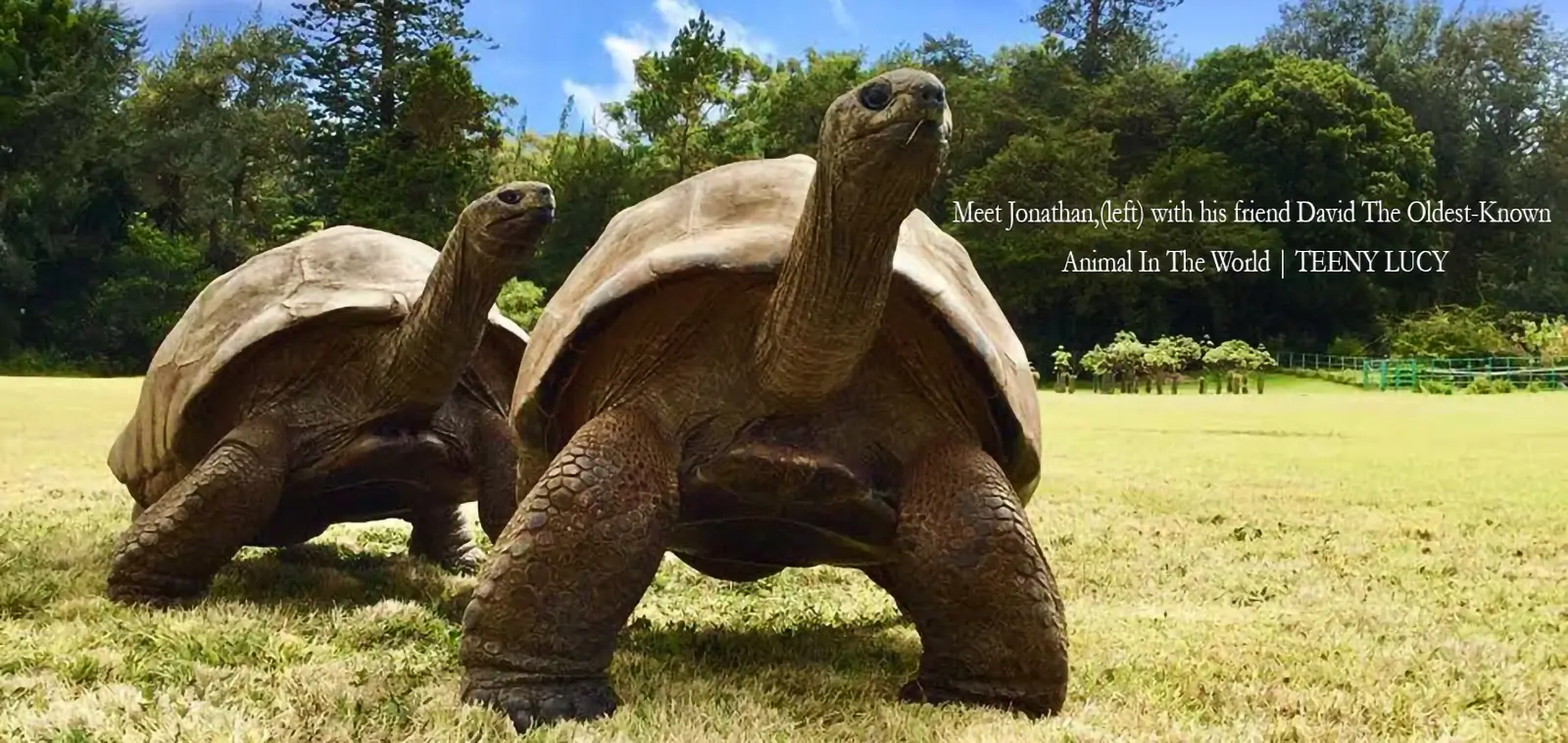
元々の脂肪の量にもよりますが、水を飲むだけで 2.5 ~ 3 か月間生き続けることができます。脂肪が多量にあれば、私たちはずっと長く生きられますが、栄養欠乏が起こります。このため、低カロリーで栄養価が高く、全繊維が豊富な食品があらゆる食事のベースとなります。
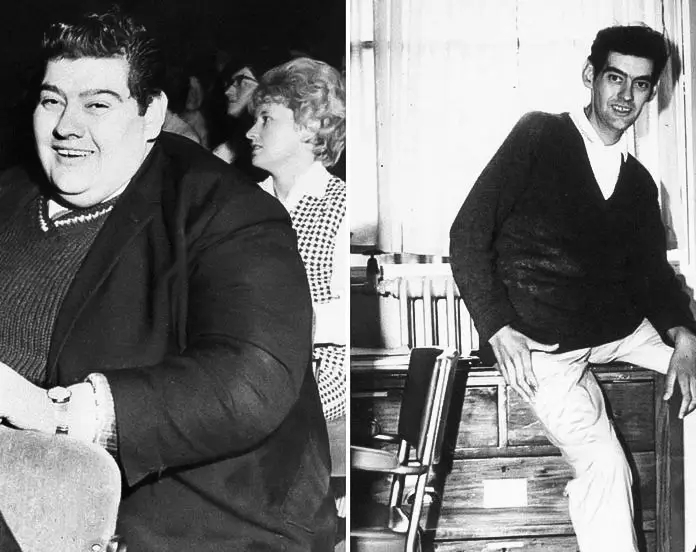
この良い例は、アンガス・バルビエリという男性です。 医師の監督下で1年間水断食をした人 勉強 (スチュワートと 1973年に)。彼にはビタミンサプリメントのみが与えられました。カロリーもプロテインもなし。
参考文献:
- マレー、B.、ローゼンブルーム、C. (2018)。コーチとアスリートのためのグリコーゲン代謝の基礎。 栄養学のレビュー, 76(4)、243–259。 https://doi.org/10.1093/nutrit/nuy001
- SG のインピー、MA のハリス、KM のハモンド、JW のバートレット、J. ルイス、GL のクローズ、JP のモートン (2018)。必要な作業の燃料: 炭水化物のピリオダイゼーションとグリコーゲン閾値仮説の理論的枠組み。 スポーツ医学, 48(5)、1031–1048。 https://doi.org/10.1007/s40279-018-0867-7
- Stewart, W. K., & Fleming, L. W. (1973).382日間にわたる治療的断食の成功の特徴。 大学院医学雑誌, 49(569)、203–209。 https://doi.org/10.1136/pgmj.49.569.203

栄養と健康について何か質問はありますか?
ぜひご意見をいただき、次回の投稿でお答えしたいと思います。皆様のご意見とご意見に感謝しており、すぐにご連絡をお待ちしております。私もあなたを招待します フォローする Facebook、Instagram、Pinterestでダイエット、栄養、健康に関するコンテンツをご覧ください。そこにコメントを残して、他の健康愛好家とつながり、あなたのヒントや経験を共有し、私たちのチームやコミュニティからサポートや励ましを得ることができます。
この投稿があなたにとって有益で楽しいものであり、学んだ洞察を生かす準備ができていることを願っている。この投稿が役に立ったと思われた方は シェアする 友人や家族など、その恩恵にあずかれるかもしれない人たちと一緒に。誰が健康の旅にガイダンスやサポートを必要としているかわからないのですから。
– あなたはおそらくそれも好きでしょう –

コカ・コーラ社 - 歴史的レビュー
抗酸化サプリメント vs 自然食品: お金を払って寿命を縮める

対症療法医療 - 産業の台頭
キノコは生で食べられるか:健康リスク、栄養と安全性
A1 牛乳: 糖尿病、自閉症、心臓病
ヒ素への曝露と米の消費 - それらすべての中で最も有毒な穀物
雑食動物である人間のジレンマ - 肉食、善玉菌、炎症、腸
スルフォラファンの効能: ブロッコリーの解毒作用

栄養について学ぶ

ミロス・ポキミカは、自然医学の医師、臨床栄養士、医療健康と栄養のライター、栄養科学アドバイザーです。書籍シリーズの著者 ビーガンに行きますか?科学の復習また、自然健康サイト「GoVeganWay.com」を運営している。
医療上の免責事項
GoVeganWay.com では、最新の栄養と健康関連の研究のレビューをお届けします。提供される情報は著者の個人的な意見を表すものであり、専門的な医学的アドバイス、診断、または治療に代わることを意図または暗示するものではありません。提供される情報は情報提供のみを目的としており、資格のある医師または医療提供者の相談、診断、および/または治療に代わるものとして機能することを意図したものではありません。GoVeganWay.com で読んだことや GoVeganWay.com を通じてアクセスしたことを理由に、専門家の医学的アドバイスを無視したり、医療治療を受けるのを遅らせたりしないでください。
認可された医師に相談する前に、GoVeganWay.com で読んだ内容の結果としてライフスタイルの変更や変更を決して適用しないでください。
医療上の緊急事態が発生した場合は、直ちに医師または 911 に電話してください。GoVeganWay.com は、内部で言及されている特定のグループ、組織、検査、医師、製品、手順、意見、またはその他の情報を推奨または承認しません。
編集者のおすすめ –
酸化防止剤 編集者のおすすめ オラック
抗酸化サプリメントとしてのエッセンシャルオイル: ルールと戦略
食品グレードのエッセンシャルオイルは、食事の抗酸化値とORACスコアを最適化するための便利で消費者に優しい戦略となり得ます。

酸化防止剤 編集者のおすすめ オラック
アスタキサンチンの利点: 世界で最も強力な天然抗酸化物質
アスタキサンチンは、科学的に知られている最も強力な天然の普遍的な抗酸化物質(油溶性と水溶性の両方)です。それは組織に蓄積しますが、それ自体が酸化促進物質になることはありません。
酸化防止剤 編集者のおすすめ オラック ファイトケミカル
抗酸化物質: 基本を理解する
動物性食品には植物化学物質や抗酸化物質は含まれていません。平均して、植物性食品には動物性食品の 60 倍以上の抗酸化物質が含まれています。
編集者のおすすめ ビーガンダイエット
ビーガン食における栄養素欠乏: 予防戦略
植物ベースの食事を摂取している人々に影響を与える、人口規模での一般的な栄養素欠乏症は 9 つあります。期限内に修正されない場合、一部の欠陥はひどい治療不可能な結果をもたらします。
編集者のおすすめ 最適な食事
標準的なアメリカン・ダイエットにおける微量栄養素の欠乏: 最適化戦略
現代の肉、砂糖、加工食品の栄養プロファイルは、私たちの進化とは完全に矛盾しており、その結果、深刻な微量栄養素欠乏症を引き起こしている。
編集者のおすすめ 牛乳 最適な食事
牛乳と乳製品: 健康リスクの相関関係
牛乳や乳製品の摂取との関連性としては、不妊症、卵巣がん、乳がん、白血病、1型糖尿病、自閉症、動脈硬化、白内障、関節リウマチ、多発性硬化症、多動、うっ血、ニキビなどが知られています…
癌 編集者のおすすめ タンパク質
完全なタンパク質: がん形成における IGF-1 シグナル伝達
動物性タンパク質を摂取すると、あらゆる種類のがんを発症する可能性が 4 倍になります。喫煙すると肺がんを発症する確率が 4 倍になります。

癌 編集者のおすすめ タンパク質
がんの解剖学 - 健康リスクの相関関係
がんの約 2% は、純粋に遺伝的要因によって引き起こされると考えられる医学によるものです。動物界と同じ範囲。あなたには真実のすべてが語られていません。
ミロス・ポキミカは健康・栄養ライターであり、栄養科学アドバイザーである。書籍シリーズの著者。 ビーガンに行きますか?科学の復習また、自然健康サイト「GoVeganWay.com」を運営している。
最新記事 -
カロリー制限 長寿
断食の方法 オートファジーを壊さない断食食品
オートファジー。体の細胞が死んだり損傷したりするとどうなるのか考えたことはありますか? それらは単に積み重なって問題を引き起こすのでしょうか、それとも何らかの方法で処分されるのでしょうか?答えはあなたの体です…
ローフードダイエット ビーガンダイエット
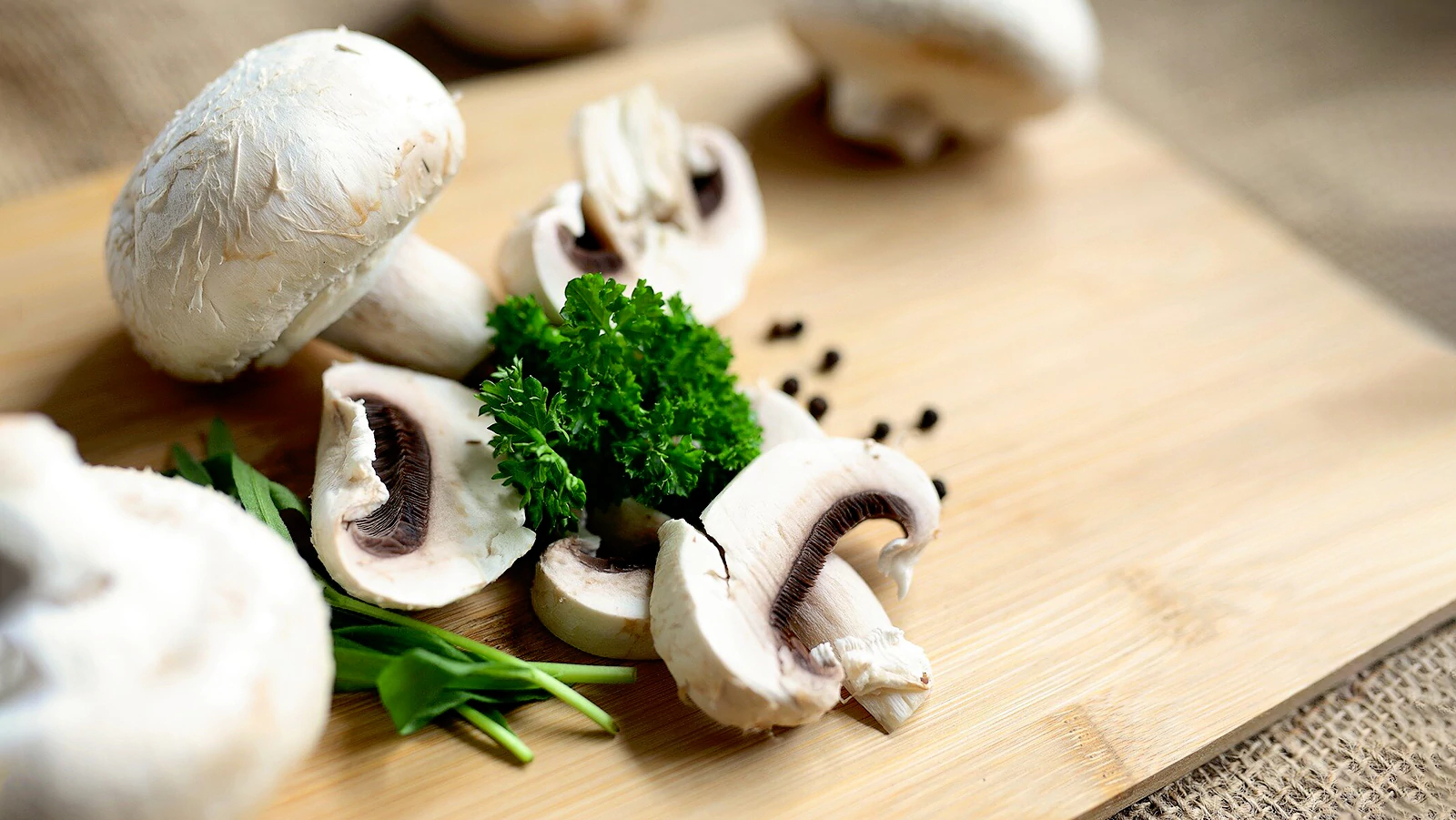
キノコは生で食べられるか:健康リスク、栄養と安全性
キノコにはヒドラジンやアガリチンのような熱に弱い毒素があり、キチンからできた細胞壁は人間にはうまく消化できない。
歯の健康 防止
自家製の天然マウスウォッシュ: 実証済み、より強力で毒性が低い
自家製の天然マウスウォッシュは、クロルヘキシジンより強力で毒性も低く、飲み込むと吐き気を催すかもしれないが、ORAC値も高い。
酸化防止剤 スーパーフード
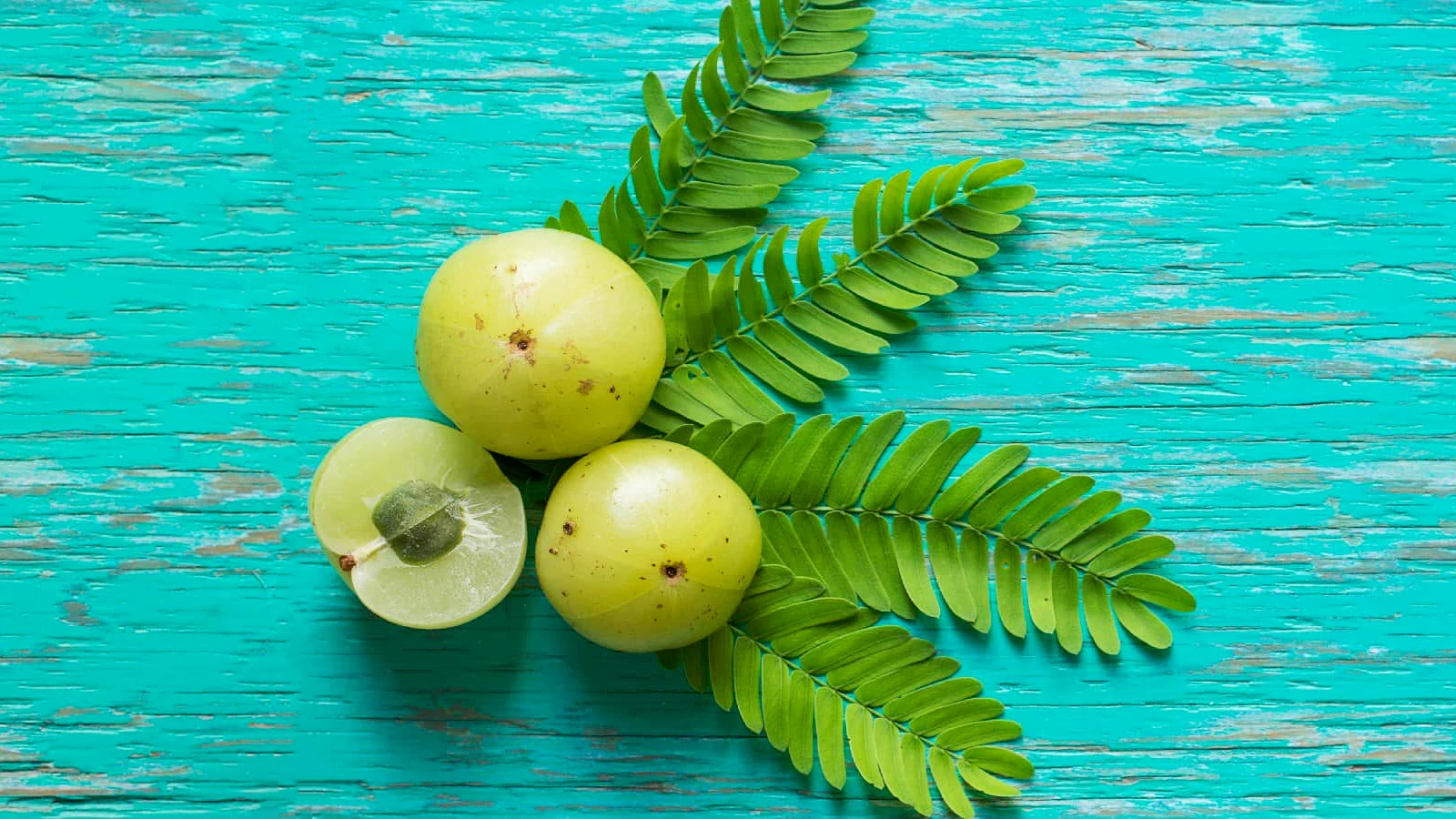
アムラ 証明された効能、栄養と臨床的意義
アムラは世界で最も強力な抗酸化物質のひとつで、ORACスコアは261,530です。さまざまな健康効果をもたらす植物化学物質が豊富に含まれています。
トップヘルスニュース — ScienceDaily
- Scientists find hidden brain nutrient deficit that may fuel anxiety5月 16, 2026 に
A major analysis of brain scans found that people with anxiety disorders have noticeably lower levels of choline, a nutrient crucial for healthy brain function. The strongest evidence appeared in the prefrontal cortex, the region tied to emotional control and decision-making. Researchers say the discovery is the first clear chemical brain pattern linked to anxiety and could eventually lead to new nutrition-based treatments.
- Scientists discover tiny gut particles that may drive aging and chronic disease5月 16, 2026 に
A new study suggests microscopic particles from the gut may actively drive inflammation and chronic diseases associated with aging. Remarkably, gut particles from young animals appeared to counter some aging-related damage in older animals, hinting at new possibilities for future treatments.
- This silent tooth infection could be hurting your whole body5月 16, 2026 に
Scientists are uncovering a surprising link between hidden tooth infections and blood sugar problems. Deep infections around tooth roots can create chronic inflammation that spreads through the body and may interfere with insulin function. Studies found that people who underwent root canal treatment often experienced better blood sugar control and reduced inflammation afterward. The research suggests that treating an infected tooth could have benefits far beyond the mouth.
- Scientists say just 30 minutes of exercise a week could transform your health5月 16, 2026 に
You may not need hours at the gym to boost your health after all. Researchers say just 30 minutes of high-intensity exercise per week — broken into tiny bursts of effort that leave you out of breath — can dramatically improve cardiovascular fitness, lower the risk of dozens of diseases, and even help protect the brain as we age. The key isn’t how long you exercise, but how hard you push yourself.
- Is cannabis safe after 65? Stanford experts reveal 5 risks older adults should know5月 15, 2026 に
Cannabis use among older adults is rising fast, but today’s marijuana is far more potent than many people realize — and experts warn the risks may be underestimated. Stanford Medicine specialists say modern cannabis can increase the chances of heart problems, falls, memory issues, dangerous drug interactions, and even addiction, especially for people over 65.
- Scientists discover vitamin B2 may help cancer cells survive5月 15, 2026 に
Scientists have uncovered a surprising dark side to vitamin B2: it may help cancer cells stay alive. The vitamin supports a cellular shield that protects tumors from ferroptosis, a form of programmed cell death linked to cancer suppression. In lab tests, researchers used a vitamin B2-like compound called roseoflavin to break down that protection and trigger cancer cell death.
- The brain’s “feel good” chemical may be secretly fueling tinnitus5月 15, 2026 に
Scientists have uncovered evidence that serotonin — the same brain chemical boosted by many antidepressants — may actually worsen tinnitus. Using advanced light-based brain stimulation in mice, researchers identified a serotonin-driven circuit linked directly to tinnitus-like behavior. The findings may explain why some people experience louder ringing in their ears while taking SSRIs.
パブメッド、 #ビーガンダイエット –
- Flaxseed Mucilage as a Functional Egg Replacer in the Preparation of Mayonnaise: Stability, Physicochemical, and Sensory Properties5月 15, 2026 に
Mayonnaise is a widely consumed food dressing worldwide. Traditionally, it is prepared by emulsification of oil with egg yolk. However, the use of eggs is limited due to their cholesterol-rich content, allergenicity, and high price, as well as the vegan and healthy dietary preferences of consumers. Flaxseed mucilage, as a natural hydrocolloid gum, exhibits comparable functional properties, especially emulsifying activity, to commercial gums. In this study, egg yolk in mayonnaise was […]
- Severe Hypocalcaemia with Elevated PTH and Normal Vitamin D: A Diagnostic Pitfall due to Chronic Negative Calcium Balance in a Vegan Patient5月 14, 2026 に
CONCLUSION: A chronic negative calcium balance is an under-recognised cause of secondary hyperparathyroidism. Measurement of urinary calcium is a key diagnostic tool in these patients.
- Plant-based diets for human health with implications for cardiometabolic health, gut microbiome, and nutritional adequacy5月 14, 2026 に
Plant-based diets have gained considerable interest in recent times due to their perceived health and environmental benefits. However, the term “plant-based diet” refers to a broad range of diets with a wide range of differences in food quality and nutritional content. This article aims to summarize the available evidence regarding the health and environmental impacts of plant-based diets, including new trends and issues. Epidemiological studies, RCTs, and life cycle assessment studies were…
- The Role of Microbiome and Diet on Disease Activity and Immune-Inflammatory Status in Rheumatoid Arthritis5月 13, 2026 に
Rheumatoid arthritis (RA) is a chronic inflammatory disease of autoimmune background and unknown etiology. The importance of genetic factors in RA development is well-established. Environmental factors have also been extensively researched in relation to risk of RA and managing its symptoms. Smoking, physical activity, diet, and gut microbiota are considered to be the most essential modifiable factors in RA. Among dietary interventions, the most researched is Mediterranean diet, […]
- Comparative development of volatile-oriented multi-SPME and derivatisation-based GC×GC-TOFMS workflows for non-targeted faecal metabolomics5月 13, 2026 に
Gas chromatography-mass spectrometry (GC-MS) remains a key technique in metabolomics, yet most workflows rely on chemical derivatisation to enable the analysis of non-volatile metabolites. Although derivatisation broadens metabolite coverage, it increases sample preparation time and may introduce additional analytical variabilities. In contrast, solid-phase microextraction (SPME) enables rapid, solvent-free sampling of volatile and semi-volatile compounds, representing an attractive […]
ランダムな投稿 –
最適な食事 パレオダイエット タンパク質
高タンパク食と代謝性アシドーシス: 健康リスクの相関関係
低レベルの慢性代謝性アシドーシスは、西洋諸国では一般的な現象です。標準的なアメリカ人の食事を摂っている人のほとんどは慢性アシドーシスの状態にありますが、それに気づいていません。
炎症
低ヒスタミン食とヒスタミン不耐症: 完全ガイド
ヒスタミン不耐症を管理する 1 つの方法は、低ヒスタミン食に従うことです。これは、ヒスタミンを多く含む食品やヒスタミンの放出を引き起こす可能性のある食品を避けることを意味します。
カロリー制限 長寿
断食の方法 オートファジーを壊さない断食食品
オートファジー。体の細胞が死んだり損傷したりするとどうなるのか考えたことはありますか? それらは単に積み重なって問題を引き起こすのでしょうか、それとも何らかの方法で処分されるのでしょうか?答えはあなたの体です…
糖尿病 編集者のおすすめ
糖尿病の原因と精製炭水化物 - ヴィーガンの議論
精製された炭水化物はインスリンの急増に関連しており、糖尿病の原因の 1 つであると人々は信じています。その人たちは正しいです。しかし、それらは間違っています。
編集者のおすすめ 炎症 ビーガンダイエット
炎症と食事 - ヴィーガンの議論
私たちは食事をすると保護用の抗酸化物質を大量に受け取るように進化しましたが、肉には抗酸化物質は存在しません。炎症と食事には高い相関関係があります。
対症療法医学 編集者のおすすめ 最適な食事
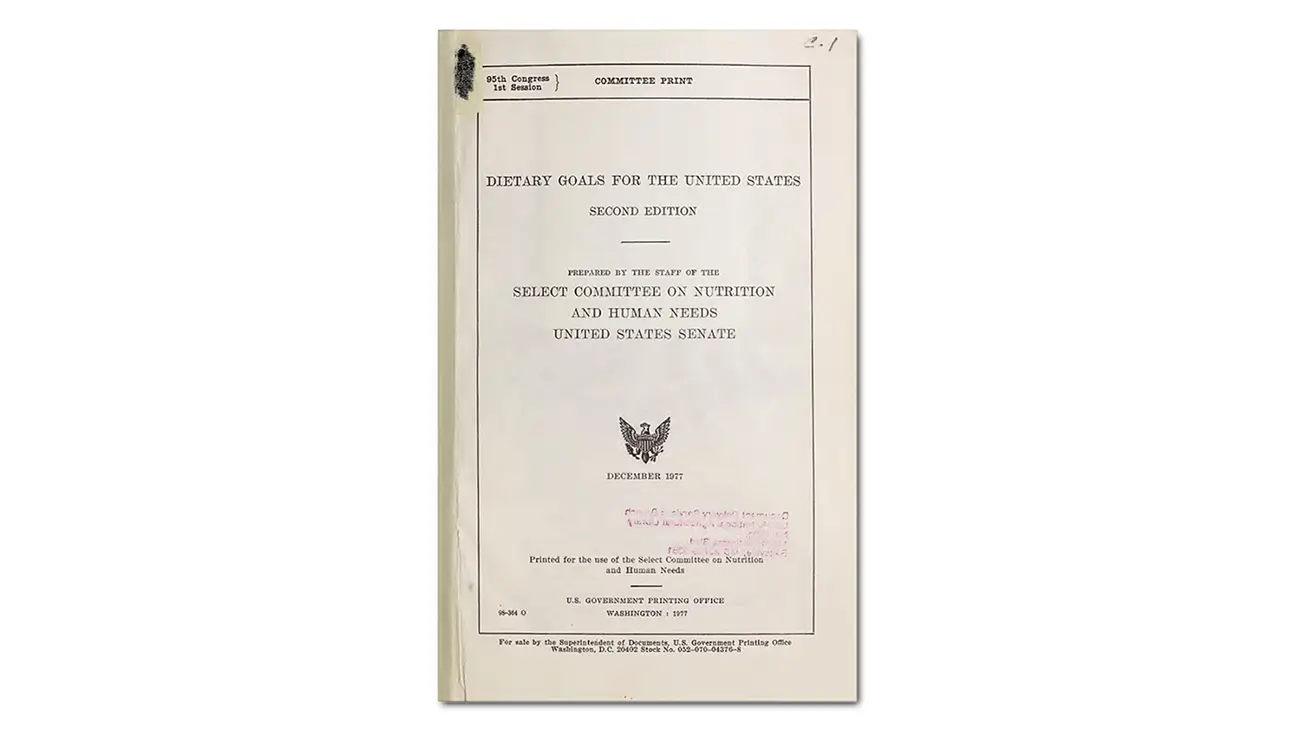
マクガバン報告書 - 特別な関心と科学の抑圧
1977年、食事ガイドライン(マクガバン報告書)をより植物ベースのヴィーガン向けのものに変更するよう求める動きが米国議会に提出された。
癌 解毒 炎症
スルフォラファンの効能: ブロッコリーの解毒作用
スルフォラファンは、科学的に知られている最も強力な天然の第 2 相酵素誘導剤です。スルフォラファンは、発がん物質によって誘発される腫瘍形成の用量依存的阻害剤であることも証明されています。

おすすめの投稿 -

対症療法医学 癌 編集者のおすすめ
ガン、禁断の治療法-Rifeマシン、歴史的レビュー
Rife Machine 共鳴技術を利用することで、治療不可能な癌を患い、末期症状を宣告された患者の回復率は 100% でした。

編集者のおすすめ 最適な食事
標準的なアメリカン・ダイエットにおける微量栄養素の欠乏: 最適化戦略
現代の肉、砂糖、加工食品の栄養プロファイルは、私たちの進化とは完全に矛盾しており、その結果、深刻な微量栄養素欠乏症を引き起こしている。

編集者のおすすめ 防止 ビーガンダイエット
中国の研究 - ビーガンの議論
中国の研究では、でんぷんベースのビーガン食を実践している世界の未開発の農村地域では、心臓病、がん、糖尿病が発生していないことが示された。
編集者のおすすめ 牛乳 最適な食事
牛乳と乳製品: 健康リスクの相関関係
牛乳や乳製品の摂取との関連性としては、不妊症、卵巣がん、乳がん、白血病、1型糖尿病、自閉症、動脈硬化、白内障、関節リウマチ、多発性硬化症、多動、うっ血、ニキビなどが知られています…

編集者のおすすめ 肥満 最適な食事
肥満の原因 - 不適応または依存症
肥満の蔓延の原因は何ですか?地球上のすべての生命にとって、食べ物は選択の余地がありません。自然の中で動物にとって最も難しいことは体重が増えることです。
PubMed の最新情報、 #植物ベースの食事 –
- Association between plant-based diet indices and depressive symptoms among South Korean adults: a cross-sectional study using the 2014 and 2016 Korea National Health and Nutrition Examination Surveysによって Soohyun Park 5月 15, 2026 に
CONCLUSION: Greater adherence to healthy plant-based foods and lower intake of less healthy plant-based foods were associated with fewer depressive symptoms among South Korean adults. These findings highlight the importance of plant-based food quality, rather than quantity alone, in supporting mental health.
- Toward a longevity diet framework: integrating global evidence for healthy aging in the South Korean populationによって Soyoung Jung 5月 15, 2026 に
CONCLUSION: This study presents evidence-based nutritional criteria for a South Korean-adapted longevity diet framework that integrates disease prevention with functional health support to promote healthy aging.
- Plant-based diets: Not always a free choice for rural adultsによって Saadatu Abdul-Rahaman 5月 15, 2026 に
Supporting population-level dietary transitions to plant-based diets (PBDs) for human and environmental health demands a comprehensive understanding of lived experience and human behavior. This study examined how diverse identities shape PBD behavior. Using the Theory of Planned Behavior (TPB) and Intersectionality, we implemented multi-group structural equation models with a national sample of US rural adults (n=1908) to predict adherence to a PBD. In the main model, attitude (β=1.117, p
- Adherence to the eat-lancet planetary health diet and sustainability impacts of the Swiss dietによって Flurina Suter 5月 15, 2026 に
CONCLUSION: A dietary shift decreasing consumption of animal-based protein sources and increasing consumption of plant-based foods would be beneficial for Swiss residents’ health and lower the environmental footprint of the average Swiss diet. Policy measures should incentivize this dietary shift towards a healthier and more sustainable diet, especially among males and individuals following a traditional or Western dietary pattern, as they have the highest potential for improvement.
- Understanding preferences regarding protein-enriched plant-based products of patients with lived experience of (risk of) malnutrition – a grounded theory studyによって Nathalie Gorter 5月 14, 2026 に
CONCLUSION: Patients prefer varied, easy-to-eat plant-based products, avoiding strong smells, unhealthy ingredients, and large portions. Emphasizing shared values of health, sustainability, and animal welfare can promote adoption of plant-based options.