







ヒ素への曝露と米の消費 - それらすべての中で最も有毒な穀物
既知のすべての食物源から、米は一般に食べられるすべての食物の中で最も高濃度のヒ素を吸収します。
ミロス ポキミカ
によって書かれた: ミロス ポキミカ
医学的に検証した結果 Xiùying Wáng, M.D. 博士。
Updated 6月 9, 2023ヒ素は、水、空気、食品、土壌に含まれる天然元素です。また、殺虫剤、さまざまな化学薬品、タバコ、木材防腐剤、金属採掘にも使用されます。
曝露のほとんどは水によるものです。放出された岩石によって水は地下で汚染されます。 砒素。それは地下水、飲料水、湖や貯水池で見つかります。 井戸。
一部の国は他国よりも大きな影響を受けており、一部の地域は他の地域よりも大きな影響を受けています。飲料水中のヒ素は、世界中の多くの国で非常に大きな問題となっています。中国はヒ素による水質汚染という大きな問題を抱えている。インド、バングラデシュ、チリ、ベトナム、台湾、米国。(ナウヨカスほか、2013年) 世界の一部の地域では、水道が非常に汚染されているため、WHO は次のように推定しています。 バングラデシュの深刻な被害を受けた地域では、全死亡者の21.4%以上が飲料水中の高濃度のヒ素に起因すると考えられている (アルゴスほか、2010)。この毒素の問題点は、臭い、味、色がないことです。
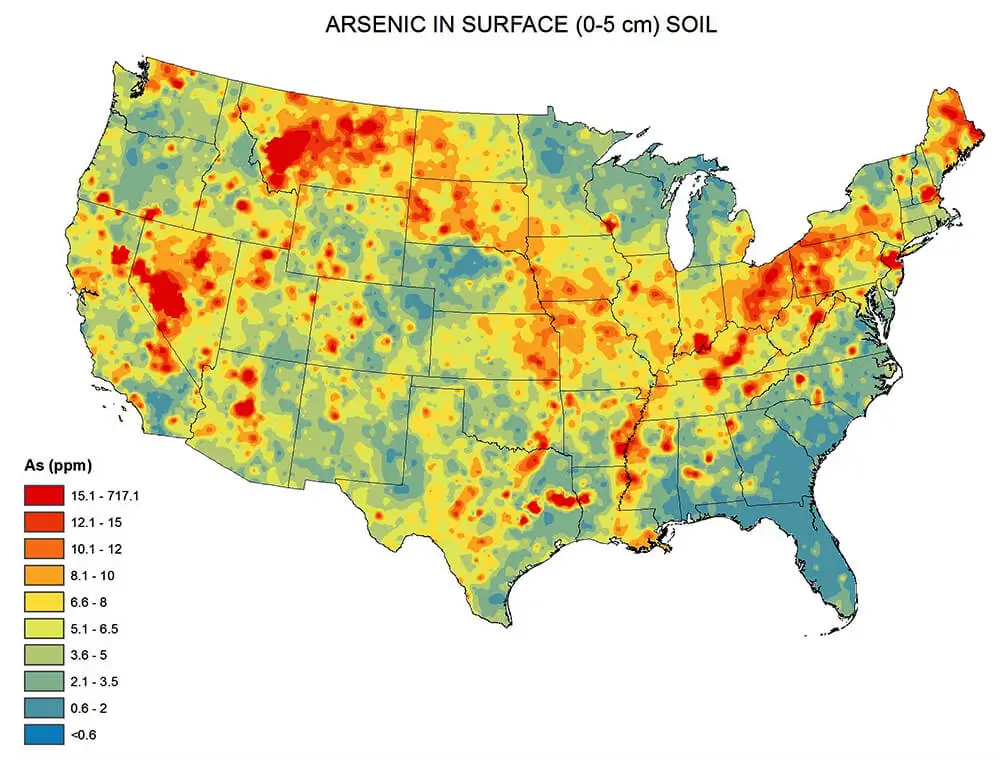
ヒ素は、米や一部の魚などの食品にも含まれる可能性があります。ヒ素を含む粉塵を吸い込むことによって、または皮膚を通じて体内に侵入することもありますが、これは主要な暴露経路ではありません。
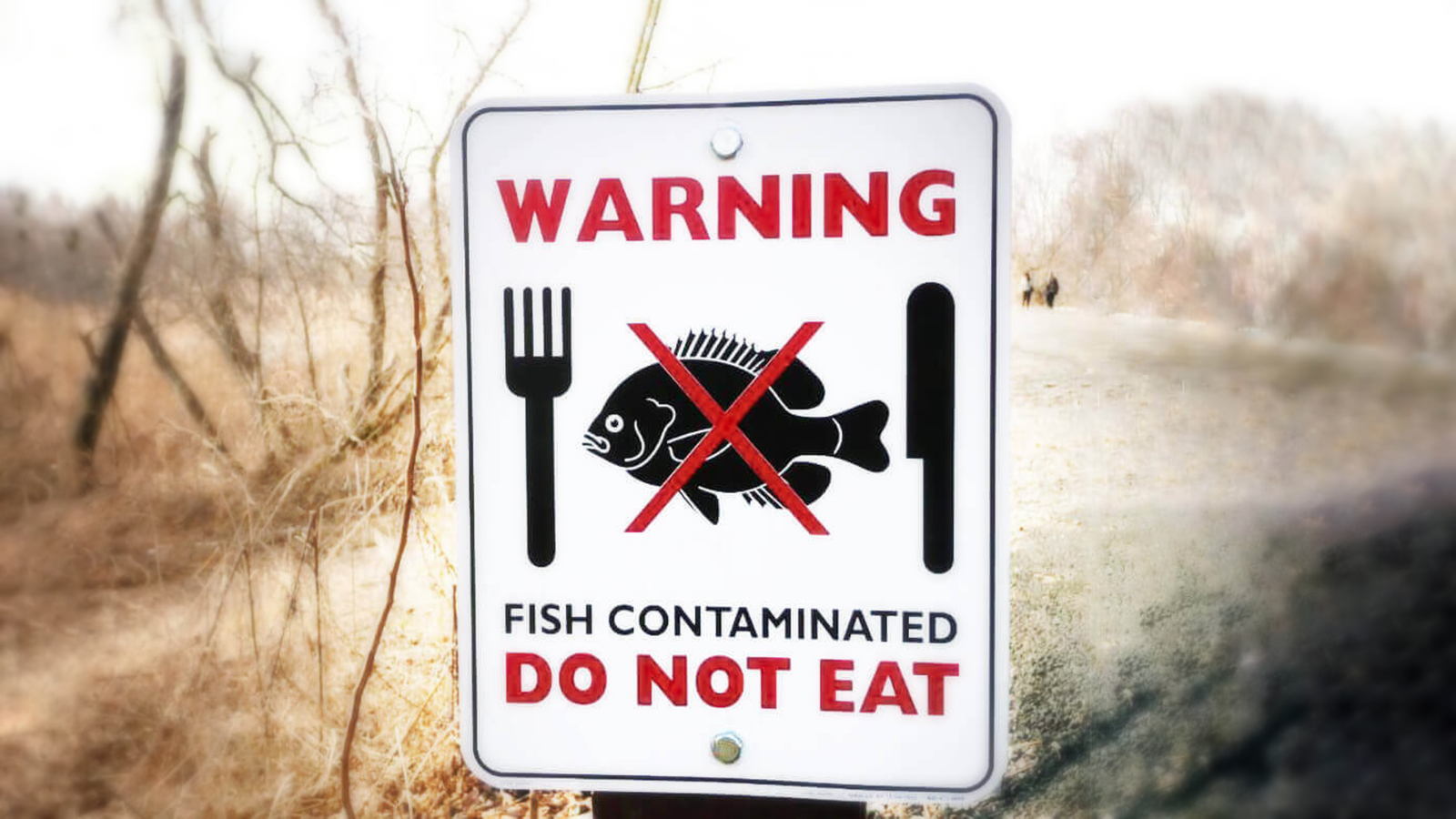
最上位の捕食魚は、既知のすべての食物源からの重要な暴露源ですが、 お米は一般に食べられている食品の中で最も高い濃度を吸収します。たとえば、他の穀物に比べて10倍から20倍のヒ素が含まれています。
米は湛水条件で生育するため、土壌中のヒ素が放出され、より容易に入手可能になります。放出されたヒ素は稲に吸収され、その一部は米粒になります。 ヒ素は土壌中にすでに自然に存在するため、農業の実践に関係なく吸収されます。 お米が有機栽培されている場合でも、水が汚染されている場合は濃度が高くなります。
人々の高い曝露が世界のさまざまな地域、特にアジアと南米の一部で報告されています。中国とバングラデシュは飲料水へのヒ素の浸出の問題を抱えており、伝統的に米中心の食生活を送っている国である。中国とバングラデシュの一部の地域では、飲料水が高レベルのヒ素で徹底的に汚染されています。2004年からEUでは、飲料水中の最大総ヒ素10μg/lというより厳格な予防基準が施行されたが、公平を期すために言うと、EUでは中国のような問題は一度もなかったので、EUにとっては、厳しい基準を採用するのは容易である。そもそも問題はありません。
他の毒と同じように、 子供は通常、単位体重当たりの摂取量が多いため、より多くの曝露を受けます。 また、より特殊な食事パターンがあり、食事の選択肢が限られています。たとえば、米は多くのファーストフードに使用されています。体重1kgあたりの子供の食事によるヒ素曝露量を計算すると、平均して成人の約2~3倍であると推定されます。乳児や幼児に広く使用されているほとんどの米ベースの食品や飲料に高レベルで含まれています。低レベルのヒ素は、成長発達や免疫発達などのさまざまなレベルで胎児や子供に影響を与え、IQ発達にも影響を与えます。2004年にバングラデシュで行われたある研究では、飲料水中のヒ素にさらされた子どもたちの共通テストのスコアが大幅に低下したことが示された。2013年に行われたある研究では、飲料水中のヒ素にたとえ微量でも暴露された妊婦は、出産する子供が呼吸器疾患を発症する可能性が大幅に高いことが示された。スウェーデンでは、国家食糧庁(SNFA)が、6歳未満の子供はいかなる形であっても米、特に餅を摂取しないよう公式勧告している。餅には他の米製品よりも多くのヒ素が含まれており、定期的に米を食べる成人に対しても、餅の摂取量を減らすことが推奨されています。子供は炭水化物源としてさまざまな穀物をベースにしたバランスの取れた食事をとるべきであり、幼児は 餅には他の米製品よりも多くのヒ素が含まれており、定期的に米を食べる成人に対しても、餅の摂取量を減らすことが推奨されています。子供は炭水化物源としてさまざまな穀物をベースにしたバランスの取れた食事をとるべきであり、幼児は 餅には他の米製品よりも多くのヒ素が含まれており、定期的に米を食べる成人に対しても、餅の摂取量を減らすことが推奨されています。子供は炭水化物源としてさまざまな穀物をベースにしたバランスの取れた食事をとるべきであり、幼児は 小さなお子様は、お米、特にお餅やお米の飲み物を一切食べないようにしてください。。成人のヒ素への長期曝露は、心臓病、肺がん、皮膚がん、膀胱がんの増加と関連しています。
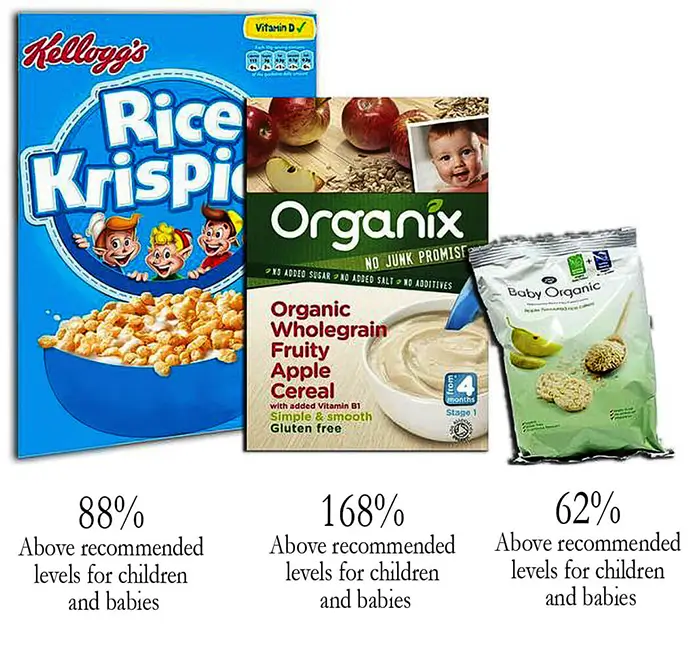
ヒ素含有量を減らすために米を食べたい場合は手順がありますが、それは米の種類、加工方法、栽培された条件や場所、調理方法によって異なります。
最も濃度が高いのはふすまです。米ぬかは決して食べるべきではないため、それから作られた製品、たとえば市販のライスミルクは濃度が高くなります。
お米の仕上がりレベルを下げる炊き方もあります。
一つ目の方法は浸すことです。 米を浸水させると水を吸収しますが、同時に粒子の構造が開くため、水溶性のヒ素の一部が米から液体に浸出します。 お米や豆を浸したら水を捨てます。使用しないでください。
また、お米を炊くとヒ素の一部が水中に溶け出します。したがって、ヒ素がまだそこに残っているため、水を蒸発させないでください。これが伝統的な調理方法です。 お米は適量の水で炊いて捨ててください。
要約すると、浸して水を切り、真水ですすぎ、真水で調理し、もう一度すすぎます。
バスマティ米は他の種類に比べてヒ素の含有量が少ない傾向にありますが、玄米はヒ素の大部分が殻の中に含まれているため、ヒ素の含有量が多くなる傾向があります。
炊飯器で通常通りにご飯を炊いたり、浸水せずに乾燥調理したりしただけでは、84%のヒ素が残留します。
米1に対して水を5の割合で使用すると、最初に米中に検出されたヒ素の43%だけが残ります。
最も良い方法は、浸してからすすぎ、5対1で調理することです。この方法ではヒ素の80%以上が除去される。 また、ヒ素は自然に発生するものであるため、有機農産物を購入しても一概に役立つとは言えない。有機農産物の消費は、必ずしも金属やPOPsのレベルに影響を与えない。土壌にヒ素があったとしても、それは「有機」農産物なのである。.
参考文献:
- ナウジョカス、MF、アンダーソン、B.、アーサン、H.、アポシアン、HV、グラツィアーノ、JH、トンプソン、C.、スーク、ワシントン州 (2013)。慢性ヒ素曝露による広範な健康影響: 世界的な公衆衛生問題に関する最新情報。 環境衛生の観点, 121(3)、295–302。 https://doi.org/10.1289/ehp.1205875
- アルゴス、M.、カルラ、T.、ラトゥーズ、PJ、チェン、Y.、ピアース、B.、パルベス、F.、イスラム、T.、アーメド、A.、ラキブズ・ザマン、M.、ハサン、R. 、Sarwar, G.、Slavkovich, V.、van Geen, A.、Graziano, J.、および Ahsan, H. (2010)。バングラデシュにおける飲料水からのヒ素曝露と全死因および慢性疾患による死亡率(HEALS):前向きコホート研究。 ランセット (ロンドン、イギリス), 376(9737)、252–258。 https://doi.org/10.1016/S0140-6736(10)60481-3


栄養と健康について何か質問はありますか?
ぜひご意見をいただき、次回の投稿でお答えしたいと思います。皆様のご意見とご意見に感謝しており、すぐにご連絡をお待ちしております。私もあなたを招待します フォローする Facebook、Instagram、Pinterestでダイエット、栄養、健康に関するコンテンツをご覧ください。そこにコメントを残して、他の健康愛好家とつながり、あなたのヒントや経験を共有し、私たちのチームやコミュニティからサポートや励ましを得ることができます。
この投稿があなたにとって有益で楽しいものであり、学んだ洞察を生かす準備ができていることを願っている。この投稿が役に立ったと思われた方は シェアする 友人や家族など、その恩恵にあずかれるかもしれない人たちと一緒に。誰が健康の旅にガイダンスやサポートを必要としているかわからないのですから。
– あなたはおそらくそれも好きでしょう –

ビタミンD欠乏症 - 危険因子
ヒ素暴露と肉消費 - 「無毒」家禽法

レクチン - 「植物のパラドックス」のパラドックス
アルコールの健康リスク - 「フレンチパラドックス」、「ワイン」、そして「適量」

パレオダイエット - 肉を一切使わない
ガン、禁断の治療法-Rifeマシン、歴史的レビュー
糖尿病の原因と精製炭水化物 - ヴィーガンの議論
ファイトケミカル: 基本を理解する

栄養について学ぶ

ミロス・ポキミカは、自然医学の医師、臨床栄養士、医療健康と栄養のライター、栄養科学アドバイザーです。書籍シリーズの著者 ビーガンに行きますか?科学の復習また、自然健康サイト「GoVeganWay.com」を運営している。
医療上の免責事項
GoVeganWay.com では、最新の栄養と健康関連の研究のレビューをお届けします。提供される情報は著者の個人的な意見を表すものであり、専門的な医学的アドバイス、診断、または治療に代わることを意図または暗示するものではありません。提供される情報は情報提供のみを目的としており、資格のある医師または医療提供者の相談、診断、および/または治療に代わるものとして機能することを意図したものではありません。GoVeganWay.com で読んだことや GoVeganWay.com を通じてアクセスしたことを理由に、専門家の医学的アドバイスを無視したり、医療治療を受けるのを遅らせたりしないでください。
認可された医師に相談する前に、GoVeganWay.com で読んだ内容の結果としてライフスタイルの変更や変更を決して適用しないでください。
医療上の緊急事態が発生した場合は、直ちに医師または 911 に電話してください。GoVeganWay.com は、内部で言及されている特定のグループ、組織、検査、医師、製品、手順、意見、またはその他の情報を推奨または承認しません。
編集者のおすすめ –
酸化防止剤 編集者のおすすめ オラック
抗酸化サプリメントとしてのエッセンシャルオイル: ルールと戦略
食品グレードのエッセンシャルオイルは、食事の抗酸化値とORACスコアを最適化するための便利で消費者に優しい戦略となり得ます。

酸化防止剤 編集者のおすすめ オラック
アスタキサンチンの利点: 世界で最も強力な天然抗酸化物質
アスタキサンチンは、科学的に知られている最も強力な天然の普遍的な抗酸化物質(油溶性と水溶性の両方)です。それは組織に蓄積しますが、それ自体が酸化促進物質になることはありません。
酸化防止剤 編集者のおすすめ オラック ファイトケミカル
抗酸化物質: 基本を理解する
動物性食品には植物化学物質や抗酸化物質は含まれていません。平均して、植物性食品には動物性食品の 60 倍以上の抗酸化物質が含まれています。
編集者のおすすめ ビーガンダイエット
ビーガン食における栄養素欠乏: 予防戦略
植物ベースの食事を摂取している人々に影響を与える、人口規模での一般的な栄養素欠乏症は 9 つあります。期限内に修正されない場合、一部の欠陥はひどい治療不可能な結果をもたらします。
編集者のおすすめ 最適な食事
標準的なアメリカン・ダイエットにおける微量栄養素の欠乏: 最適化戦略
現代の肉、砂糖、加工食品の栄養プロファイルは、私たちの進化とは完全に矛盾しており、その結果、深刻な微量栄養素欠乏症を引き起こしている。
編集者のおすすめ 牛乳 最適な食事
牛乳と乳製品: 健康リスクの相関関係
牛乳や乳製品の摂取との関連性としては、不妊症、卵巣がん、乳がん、白血病、1型糖尿病、自閉症、動脈硬化、白内障、関節リウマチ、多発性硬化症、多動、うっ血、ニキビなどが知られています…
癌 編集者のおすすめ タンパク質
完全なタンパク質: がん形成における IGF-1 シグナル伝達
動物性タンパク質を摂取すると、あらゆる種類のがんを発症する可能性が 4 倍になります。喫煙すると肺がんを発症する確率が 4 倍になります。

癌 編集者のおすすめ タンパク質
がんの解剖学 - 健康リスクの相関関係
がんの約 2% は、純粋に遺伝的要因によって引き起こされると考えられる医学によるものです。動物界と同じ範囲。あなたには真実のすべてが語られていません。
ミロス・ポキミカは健康・栄養ライターであり、栄養科学アドバイザーである。書籍シリーズの著者。 ビーガンに行きますか?科学の復習また、自然健康サイト「GoVeganWay.com」を運営している。
最新記事 -
カロリー制限 長寿
断食の方法 オートファジーを壊さない断食食品
オートファジー。体の細胞が死んだり損傷したりするとどうなるのか考えたことはありますか? それらは単に積み重なって問題を引き起こすのでしょうか、それとも何らかの方法で処分されるのでしょうか?答えはあなたの体です…
ローフードダイエット ビーガンダイエット
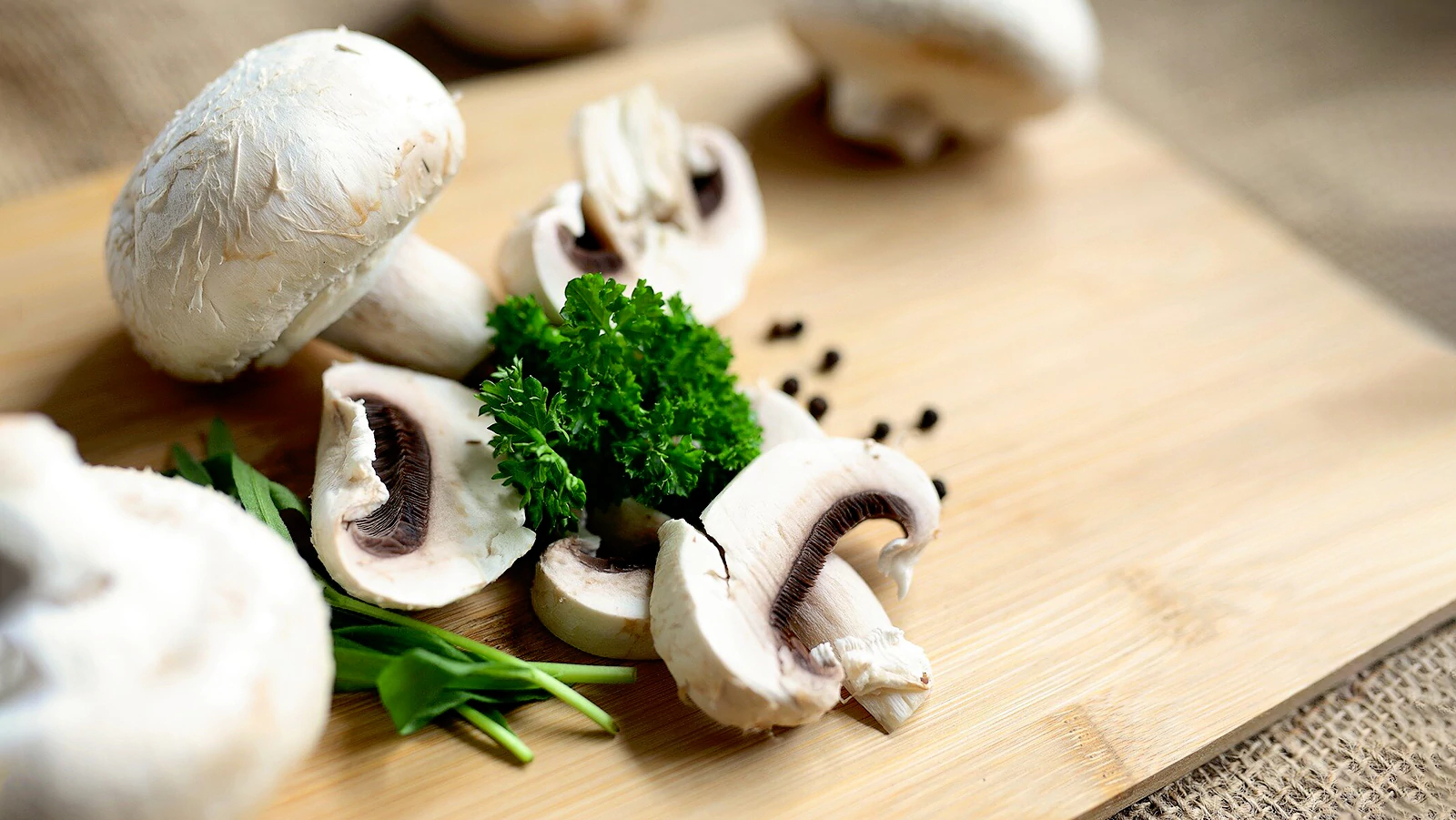
キノコは生で食べられるか:健康リスク、栄養と安全性
キノコにはヒドラジンやアガリチンのような熱に弱い毒素があり、キチンからできた細胞壁は人間にはうまく消化できない。

歯の健康 防止
自家製の天然マウスウォッシュ: 実証済み、より強力で毒性が低い
自家製の天然マウスウォッシュは、クロルヘキシジンより強力で毒性も低く、飲み込むと吐き気を催すかもしれないが、ORAC値も高い。
酸化防止剤 スーパーフード
アムラ 証明された効能、栄養と臨床的意義
アムラは世界で最も強力な抗酸化物質のひとつで、ORACスコアは261,530です。さまざまな健康効果をもたらす植物化学物質が豊富に含まれています。
トップヘルスニュース — ScienceDaily
- New drug could finally stop deadly fatty liver disease5月 27, 2026 に
Scientists at UC San Diego have unveiled a potentially game-changing treatment for MASH, a severe fatty liver disease affecting millions worldwide. The experimental drug, ION224, blocks a liver enzyme that drives fat buildup and inflammation, two key forces behind liver damage. In clinical trials, patients showed striking improvements in liver health, even without losing weight.
- Popular anti-aging drug combo caused severe brain damage in mice5月 27, 2026 に
A drug combo widely explored for anti-aging may actually damage the brain, according to new mouse research showing severe loss of myelin and changes linked to “chemo brain.” Surprisingly, the damaged cells resembled those seen in multiple sclerosis, giving scientists a new lead in understanding—and potentially repairing—the disease.
- New laser heat treatment could stop blindness before it starts5月 27, 2026 に
A new experimental treatment could finally offer hope for millions of people with dry age-related macular degeneration — one of the leading causes of blindness in older adults. Researchers at Aalto University discovered a way to gently heat tissue at the back of the eye using near-infrared light, triggering the cells’ natural “cleanup and repair” systems before major damage occurs.
- Scientists say guava juice could make iron supplements work better5月 27, 2026 に
Researchers found that drinking guava juice may significantly improve anemia by helping the body absorb iron more efficiently. In a review of 17 studies, women and teenage girls who consumed guava juice — especially with iron supplements — experienced noticeable increases in hemoglobin levels. Since guava contains far more vitamin C than oranges, scientists believe it could become a simple, affordable nutrition tool in regions where anemia is widespread.
- Scientists are raising new questions about vitamin B12 and cancer5月 27, 2026 に
Vitamin B12 has long been seen as a health hero, helping the body make red blood cells, repair DNA, and keep nerves functioning properly. But scientists are discovering that the story may be more complicated than simply “more is better.” While too little B12 can damage DNA and raise cancer risk, some studies suggest that extremely high levels — especially from long-term high-dose supplements — may also be linked to certain cancers or poorer outcomes in cancer patients.
- Scientists create supercharged vitamin K that helps the brain heal itself5月 27, 2026 に
Scientists in Japan have created powerful new vitamin K-based compounds that may help the brain regenerate lost neurons — a breakthrough that could one day change how diseases like Alzheimer’s and Parkinson’s are treated. By combining vitamin K with components related to vitamin A, the researchers developed compounds that were about three times more effective at turning neural stem cells into neurons than natural vitamin K alone.
- Scientists say they’ve reversed brain aging with a simple nasal spray5月 26, 2026 に
Researchers at Texas A&M have developed a nasal spray that appears to reverse brain aging by calming inflammation and restoring the brain’s energy systems. After just two doses, memory and cognitive function improved for months, raising hopes for future treatments targeting dementia and brain fog.
パブメッド、 #ビーガンダイエット –
- The Digestibility of Vegan and Vegetarian Diets for Dogs and Cats5月 27, 2026 に
There is growing interest in vegan and vegetarian (veg*n) diets for dogs and cats, due to factors including pet health, environmental sustainability and farmed animal welfare. Such diets should be carefully designed and manufactured in order to be nutritionally sound. Digestibility is a key, although not the only, determinant of this, and it has sometimes been claimed that dogs and cats cannot effectively digest and utilize plant-based proteins. To evaluate this claim, studies assessing […]
- Flexitarian dietary patterns and neuropsychiatric multimorbidity among the oldest-old in China5月 27, 2026 に
CONCLUSION: In this nationally representative sample of older Chinese adults, flexitarian dietary patterns were not associated with better neuropsychiatric health and were instead linked to higher odds of depression, cognitive impairment, and their co-occurrence. These results suggest that plant-forward diets in the oldest-old should place greater emphasis on overall dietary quality and nutrient adequacy.
- Effect of Yoga and Meditation on Human Gut Microbiota: A Systematic Review5月 20, 2026 に
The evidence from the clinical studies on the influence of yoga and meditation on gut microbiota in humans has been summarized in this systematic review. Searches were conducted until November 2023 in four electronic databases: SCOPUS, PubMed, Google Scholar, and Cochrane Controlled Registry of Trials (CENTRAL) to find relevant studies published in English. Studies on the influence of yoga and meditation on gut microbiome in human participants of any age or gender were included in the […]
- Diet and acne: Facts and controversies5月 20, 2026 に
The role of diet and nutrition in acne pathogenesis has long been debated. Acne patients consistently report interest in how food may influence their disease, and observational studies have highlighted associations with high glycaemic load diets, skim/low-fat milk, whey protein supplements and an unbalanced omega-6/omega-3 fatty acid (FA) ratio. In this review, we discuss the potential role of diet on acne pathogenesis, including dairy, omega-3 FAs, low glycaemic load diet, vegan and…
- Flaxseed Mucilage as a Functional Egg Replacer in the Preparation of Mayonnaise: Stability, Physicochemical, and Sensory Properties5月 15, 2026 に
Mayonnaise is a widely consumed food dressing worldwide. Traditionally, it is prepared by emulsification of oil with egg yolk. However, the use of eggs is limited due to their cholesterol-rich content, allergenicity, and high price, as well as the vegan and healthy dietary preferences of consumers. Flaxseed mucilage, as a natural hydrocolloid gum, exhibits comparable functional properties, especially emulsifying activity, to commercial gums. In this study, egg yolk in mayonnaise was […]
ランダムな投稿 –
糖尿病 編集者のおすすめ 最適な食事
精製糖: リスクを理解する
子供たちは総カロリー必要量の約 5 分の 1 を精製砂糖だけで摂取します。脂肪やその他の栄養を奪われた加工食品をリストに加えると、完全な栄養補給の悪夢になってしまいます。

編集者のおすすめ 食品業界
コカ・コーラ社 - 歴史的レビュー
コカ・コーラのシロップの秘密の成分が何であるかを知りたい場合。それはナチスドイツ、グアテマラ暗殺部隊、神経マーケティング、そして児童労働です。
編集者のおすすめ 牛乳 最適な食事
牛乳と乳製品: 健康リスクの相関関係
牛乳や乳製品の摂取との関連性としては、不妊症、卵巣がん、乳がん、白血病、1型糖尿病、自閉症、動脈硬化、白内障、関節リウマチ、多発性硬化症、多動、うっ血、ニキビなどが知られています…
編集者のおすすめ 最適な食事 タンパク質
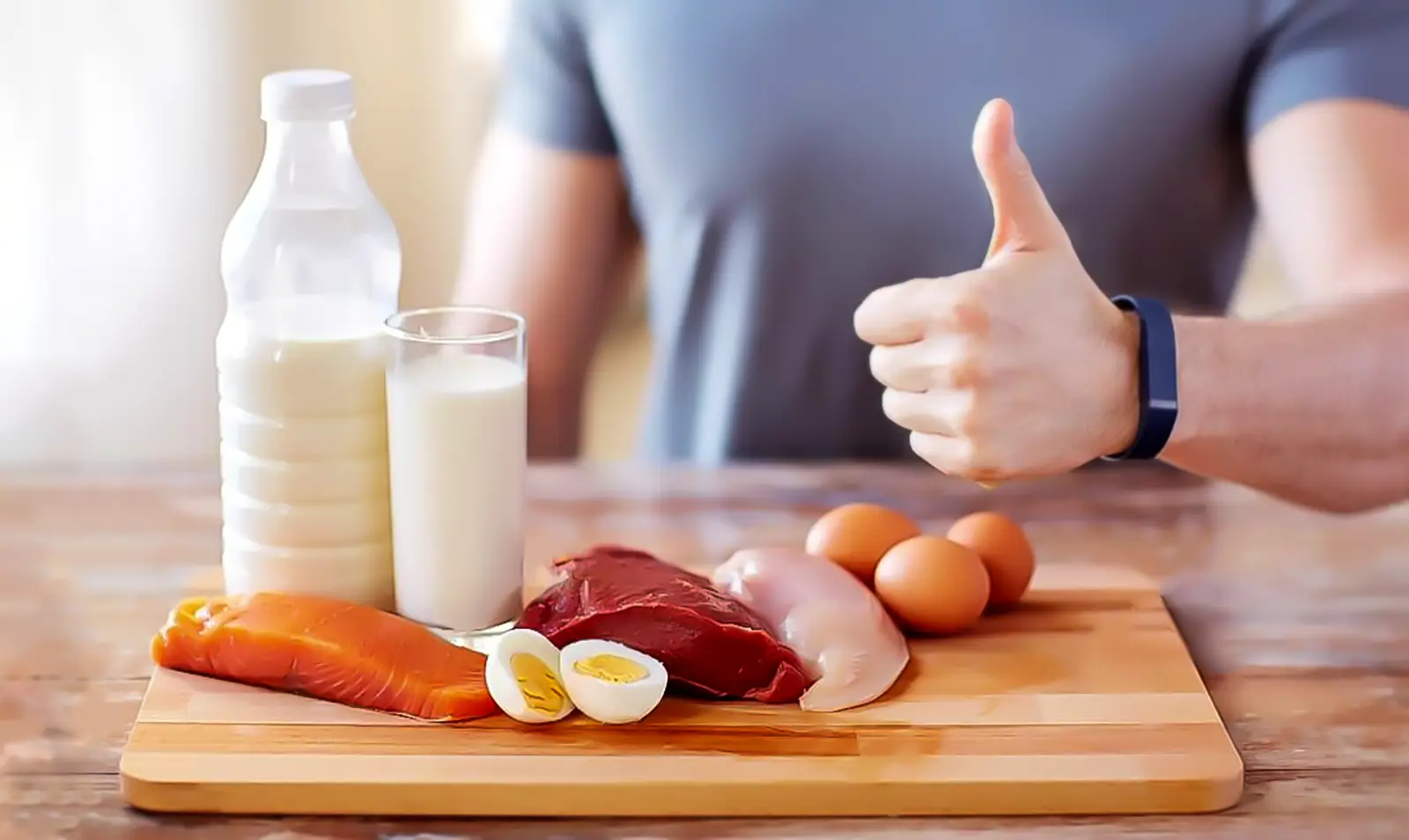
タンパク質の必要量 - 不都合な真実
人類学者の研究で、ヒト族は1日平均15~20グラムのタンパク質を摂取して生きていることが判明したとき、1970年代にはいわゆる「タンパク質の大失敗」が起きた。



おすすめの投稿 -
編集者のおすすめ 牛乳 最適な食事
牛乳と乳製品: 健康リスクの相関関係
牛乳や乳製品の摂取との関連性としては、不妊症、卵巣がん、乳がん、白血病、1型糖尿病、自閉症、動脈硬化、白内障、関節リウマチ、多発性硬化症、多動、うっ血、ニキビなどが知られています…
編集者のおすすめ 最適な食事
標準的なアメリカン・ダイエットにおける微量栄養素の欠乏: 最適化戦略
現代の肉、砂糖、加工食品の栄養プロファイルは、私たちの進化とは完全に矛盾しており、その結果、深刻な微量栄養素欠乏症を引き起こしている。
編集者のおすすめ 最適な食事
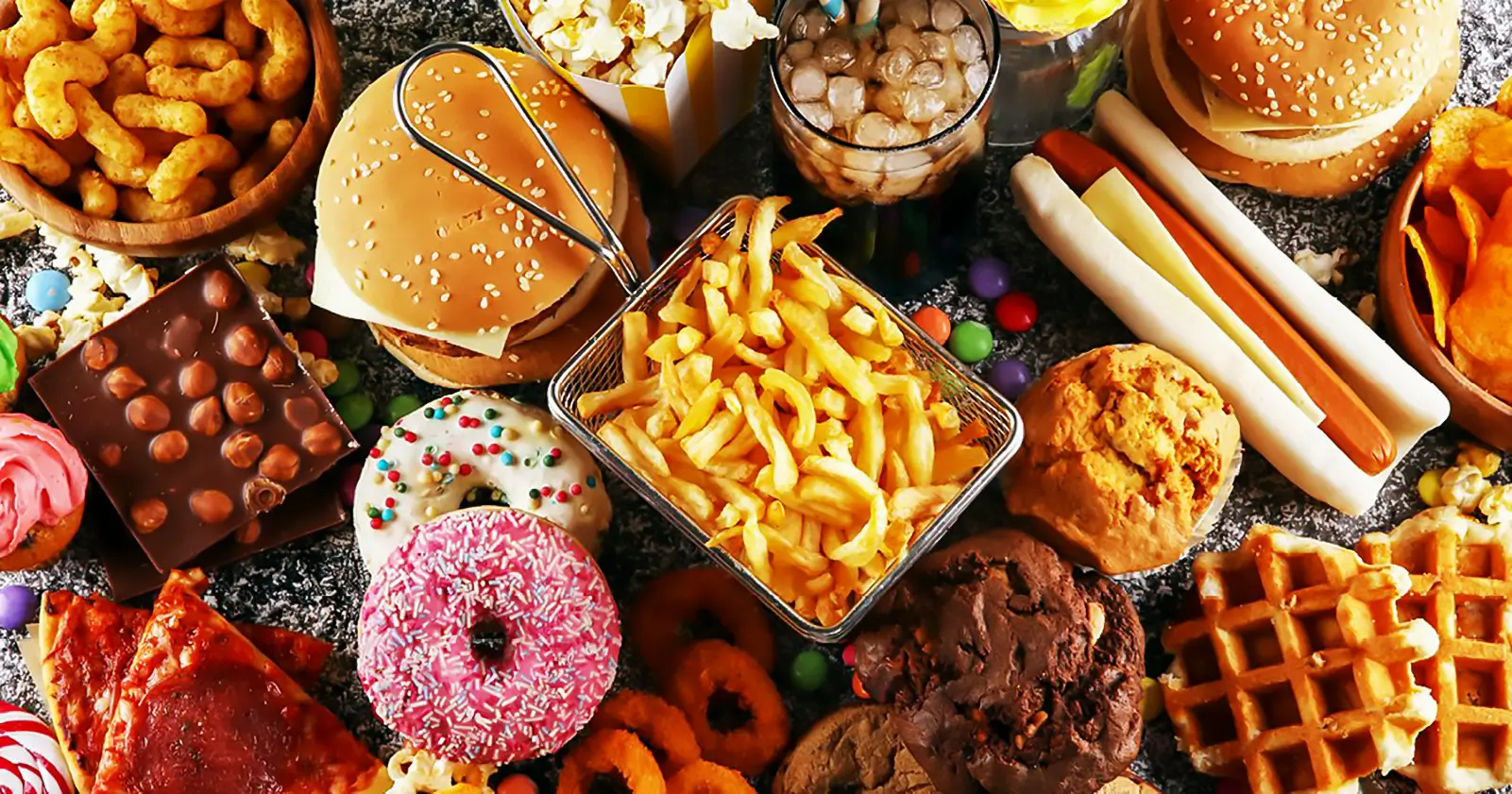
人間の最適な食生活-慢性疾患、ダイエット戦争、菜食主義者の主張
自然に最適な人間の食事は議会において、当社のhominin祖先が食べ過去30万年前には北環太平洋地域には、気候-植生の石。

編集者のおすすめ 肥満 最適な食事
肥満の原因 - 不適応または依存症
肥満の蔓延の原因は何ですか?地球上のすべての生命にとって、食べ物は選択の余地がありません。自然の中で動物にとって最も難しいことは体重が増えることです。
酸化防止剤 編集者のおすすめ オラック ファイトケミカル
抗酸化物質: 基本を理解する
動物性食品には植物化学物質や抗酸化物質は含まれていません。平均して、植物性食品には動物性食品の 60 倍以上の抗酸化物質が含まれています。
癌 編集者のおすすめ タンパク質
がんの解剖学 - 健康リスクの相関関係
がんの約 2% は、純粋に遺伝的要因によって引き起こされると考えられる医学によるものです。動物界と同じ範囲。あなたには真実のすべてが語られていません。

対症療法医学 編集者のおすすめ
大手製薬会社の物語 - IG Farben
化学および医薬品産業に対するロックフェラーの独占の一部は、第二次世界大戦後に実現しました。スタンダード オイルと IG ファーベンの協力により、これが実現しました。
PubMed の最新情報、 #植物ベースの食事 –
- Knowledge of Health Benefits of Fruits, Vegetables, and Antioxidants, Propensity to Sustainability and Adherence to the Mediterranean Diet: An Interrelated Evaluationによって Patrizia Calella 5月 27, 2026 に
Background/Objectives: Beyond health benefits, plant-based diets are increasingly recognized for their contribution to environmental sustainability. This study aimed to evaluate knowledge of the health benefits of fruits, vegetables, and antioxidants, adherence to the Mediterranean Diet (MD), and propensity toward sustainable food purchasing in an adult population from Southern Italy, and to explore the relationships among these factors. Methods: A cross-sectional online survey was conducted…
- Genetic and Dietary Influences on Metabolic Traits in Gilthead Seabream (Sparus aurata)によって Stavroula Oikonomou 5月 27, 2026 に
BACKGROUND/OBJECTIVES: In gilthead seabream, the transition from fish meal/oil-based diets to diets with partial plant-based replacement is gaining ground due to price fluctuations and environmental concerns. Most studies focus on the dietary effects on important commercial traits such as body weight and fat deposition, while metabolic traits and their underlying genetic and transcriptional regulation remain largely unexplored.
- Influence of Parental Lifestyle and Dietary Patterns on Mediterranean Diet Adherence in Children and Adolescents: A Cross-Sectional Studyによって Sevasti Peraki 5月 27, 2026 に
Background/Objectives: Adherence to the Mediterranean diet (MD) is associated with reduced risk of non-communicable diseases but has declined among children, even in traditionally high-adherence settings such as Greece. As parental lifestyle behaviors strongly influence children’s dietary patterns, this study examined the associations between parental lifestyle factors and children’s MD adherence in Crete, Greece. Methods: A total of 760 parent-child dyads participated in this cross-sectional…
- Leveraging Dietary Interventions to Benefit Patients with Hematologic Malignancies and Clonal Hematopoiesisによって Camille Brzechffa 5月 27, 2026 に
Diet is a modifiable factor that influences multiple pathways relevant to hematologic malignancy, including systemic inflammation, immune cell activity, gut microbiota composition, and cancer cell metabolism. Translation of preclinical findings into clinical practice for hematologic malignancies remains nascent, although momentum is building to evaluate dietary interventions as a component of supportive and disease-modifying care. This review examines the mechanistic rationale for dietary…
- Dietary Polyamine Intake Across Age Groups in Spain: A Comprehensive Assessmentによって Natalia Toro-Funes 5月 27, 2026 に
CONCLUSIONS: Overall, estimated polyamine intake in the Spanish population fell below the optimal level of 540 µmol/day proposed in the literature. These findings highlight the need for public health strategies promoting consumption of polyamine-rich foods, particularly vegetables, legumes, whole grains, and fruits, to support healthy aging and reduce the risk of age-related diseases.
- An Examination of the Effect of Yogurt Consumption on Nutrient Quality of the Diets of Canadians Across the Agesによって Hrvoje Fabek 5月 27, 2026 に
BACKGROUND/OBJECTIVES: Dairy yogurts are a source of protein and micronutrients in the Canadian diet. However, Canada’s Food Guide emphasizes the consumption of plant-based foods, which is facilitated by a greater availability of dairy alternatives on the market. The nutritional composition of these products varies and can differ from dairy foods such as yogurt, which contain high-quality protein and micronutrients. The objective of this study was to examine the effect of dairy yogurt…