







人間は真の解剖学的意味で雑食動物なのでしょうか? 植物と肉食の種では、消化管の働きに根本的な違いがあります。
ミロス ポキミカ
によって書かれた: ミロス ポキミカ
医学的に検証した結果 Xiùying Wáng, M.D. 博士。
Updated 6月 9, 2023現代社会の主要な慢性疾患における慢性炎症の新たな役割は、栄養と食事パターンが炎症状態に与える影響に関する研究に火をつけた。ヒトを対象とした研究の大半は、高感度CRP(HS-CRP)、インターロイキン-6(IL-6)、腫瘍壊死因子-α(TNF-)などの全身性炎症マーカーと食事摂取量との関連を明らかにしている。
血糖指数 (GI) と負荷 (GL)、繊維、脂肪酸組成、マグネシウム、カロテノイド、およびフラボノイドについて、食事が重大な影響を与えることが証明されています。ホールフードの植物ベースの食事、または伝統的な地中海食パターンは、一般的に一価不飽和脂肪(MUFA)と飽和脂肪(SFA)、およびω-3からω-6の多価不飽和脂肪酸(PUFA)の比率が高く、豊富な栄養素を供給します。果物、野菜、豆類、穀物は、ほとんどの観察研究および介入研究で、典型的な北米および北欧の食事パターンと比較した場合、抗炎症効果が示されています。 食事によって引き起こされる炎症に影響を与える要因は多岐にわたりますが、抗酸化物質が豊富で栄養価の高いホールフードの食事が、臨床現場で慢性炎症を軽減するための選択肢となる食事となる可能性があります。
軽度の炎症の長期化は、酸化ストレスの増加と、脂肪(脂肪)細胞、筋肉、肝臓におけるグルコースおよび脂質代謝の変化に関連しています。その結果、特定の食事成分がこれらの重要な炎症経路に影響を与える可能性があることが研究によって示されています。
動物性食品の摂取後に炎症の急増を引き起こす要因の 1 つは、内毒素血症として知られるプロセスです。 「食事誘発性の代謝性エンドトキシン血症は、炎症の主な根本原因であると考えられており、これらの経路は健康な老化に有害であると考えられます。」
肉食動物とは異なり、私たち人間はフィルターの抵抗が非常に低いため、生きたバクテリアを食べると炎症を引き起こし、バクテリアが危険な場合は食事によって私たちが死ぬ可能性があります。私たちは生の肉を食べることはできません。肉食動物は、あらゆる生きた微生物を殺すことができる非常に腐食性の胆汁酸を持っており、その消化器系は事実上無菌です。他の草食動物と同様に、私たちもマイルドな胆汁酸と低抵抗フィルターを備えているため、感染症を広める可能性のある肉やその他の食品を調理する必要があります。たとえば、低温殺菌は必須です。
人々が理解していないのは、たとえ肉を調理したとしても、そこに存在していたすべてのバクテリアを魔法のように非物質化するわけではないということです。熱で殺すだけですが、まだそこにいます。肉の中には死んだばかりの微生物がまだ残っています。もう感染の危険はありません。
しかし、それは、それらがもはやリスクをもたらさないという意味ではありません。
死んだ非プロバイオティクス細菌も毒素としてカウントされます。
世界で最も有毒な物質のいくつかは、こうした死肉バクテリアの内毒素である。
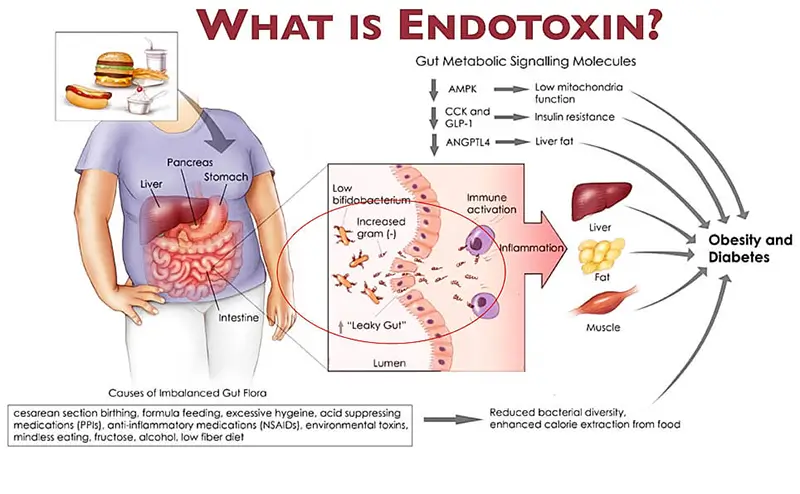
エンドトキシン (ギリシャ語のエンドン、古アイルランド語のインドと同源) として知られるこれらの物質は、熱 (250℃) および化学的に安定しており、非常に有毒です。エンドトキシンは、グラム陰性菌 (大腸菌、腸チフス菌、赤癬菌) の外細胞膜に見られる複合リポ多糖類 (LPS) です。
細菌は細胞死によって大量の内毒素を排出し、体内で内毒素血症状態を作り出す。つまり、細菌は死滅していても、あるいは長い間加熱されていても、内毒素は存在するのだ。内毒素は化学的に非常に安定しており、体内の酸や酵素による分解という最善の試みに耐えることができる。動物性食品から炎症が拡大し、ほとんどの植物性食品からは炎症が拡大しないことを示す何百もの研究の主要な原因の一つは、動物性食品に含まれる死んだバクテリアの内毒素の毒性負荷の結果かもしれない。これらの細菌は死後に内毒素を排出し、それを食べると体内に吸収され、卵や肉、乳製品を食べた後に見られる内毒素血症の炎症を引き起こす。
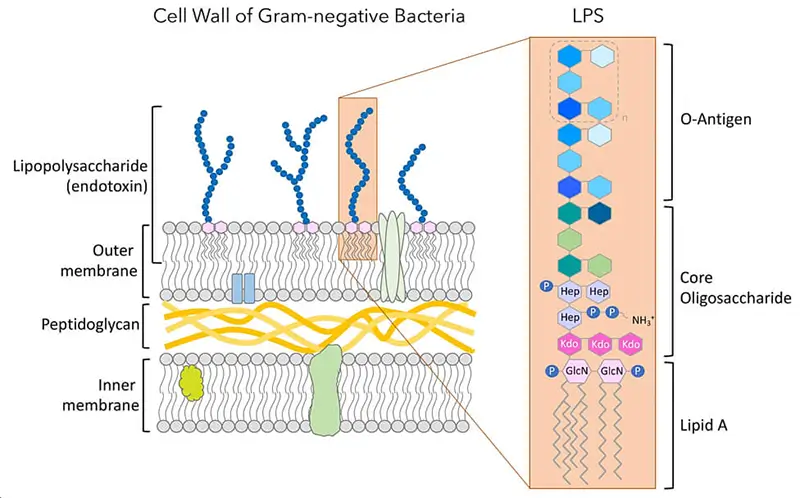
これは私たちの内臓や体全体にダメージを与え、慢性疾患の可能性を高めます(ゴーシュら、1993).
たとえば、アテローム性動脈硬化症などの自己免疫疾患をすでに患っている場合、これは免疫システムをさらに悪化させるだけであり、さらに多くの免疫反応を引き起こすことになります(ストール他、2004).
これは、エンドトキシンへの曝露と 2 型糖尿病との関連性を発見した 1 つの研究です (ハルト他、2012年).
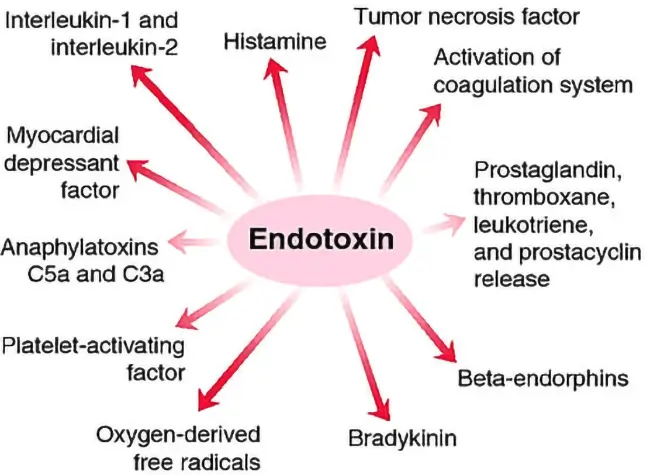
低レベルの慢性内毒素血症炎症が引き起こすことは、他の炎症と同様に、長期間にわたって損傷を引き起こすことです。これはつまり、DNA損傷がより速く、より顕著になり、慢性疾患による死亡率が高くなり、寿命が短くなるということを意味します。
対照的に、植物性食品にはこの特性は見られず、抗酸化物質やその他の抗炎症物質により、実際の摂取量は食後の抗炎症反応と相関関係があります。 ファイトケミカル。肉食動物において肉の摂取がどの程度の炎症を引き起こすかを知ることは興味深いでしょう。これまでのところ、肉食動物の死肉細菌の内毒素血症への曝露を調査した研究は見つかりませんでした。肉食動物に肉が炎症を引き起こさないのであれば、私たち自身の体の同じ炎症を軽減する方法を検討できるかもしれないので、これは潜在的に興味深いかもしれません。
したがって、生きた感染性細菌のリスクを無視したとしても、肉の摂取は炎症の増加と関連しています。このメカニズムは自然かつ正常であり、すべての肉食動物はある程度このメカニズムを備えていますが、それに対処するのがより熟練しています。
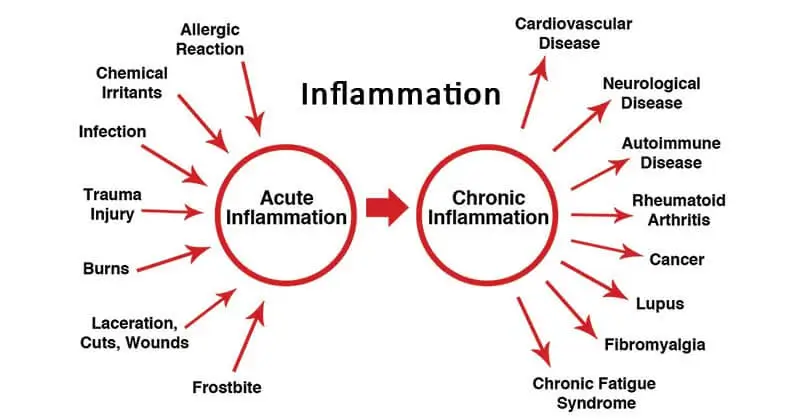
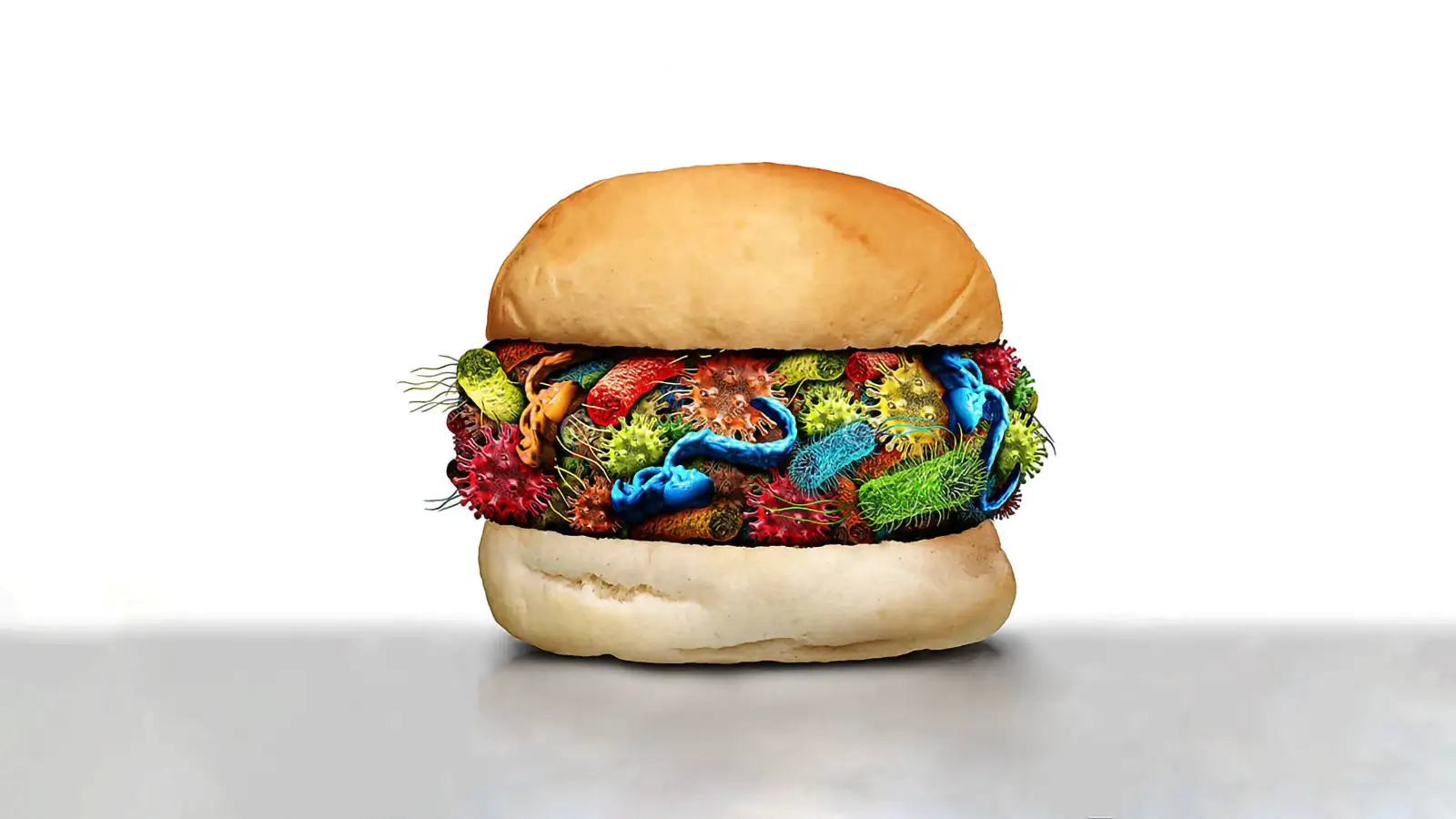
新鮮なハンバーガーには、クォーターパウンダーあたり約 1 億個の細菌が含まれています。細菌性エンドトキシンを多く含む食事を食べると、軽度ではあるが全身性の炎症エピソードが発症し、慢性疾患を発症しやすくなる可能性があります。
同じパッケージに入っている動物性脂肪が、この食後の炎症の発症に関与している可能性があります。エンドトキシンは飽和脂肪に対して強力な誘引力を持っているため、飽和脂肪に付着し、腸壁を通って血流に吸収されます (エリッジ、2011).
植物由来の飽和脂肪を多く含む食品を食べると、このようなことが起こるでしょうか? それはそうなりますが、違いは、植物ベースの食品にはこれらの毒素が高レベルではないということです。たとえば、ココアには脂肪分が多く含まれています。これは、動物界で見られるのと同じ脂肪である飽和脂肪の形でエネルギーを蓄える植物の1つです。しかし、ココアには多数の抗酸化物質も含まれており、研究では常に被験者のC反応性タンパク質(炎症のマーカー)のレベルを低下させます(Erridge 他、2007), (ヘリカ他、2014).
高い 抗酸化物質の含有量 カカオの成分が優勢で、植物内に多く存在しないエンドトキシンの炎症促進効果を中和することができます。Gu 他、2014).
肉の問題は高濃度の細菌です。これは、動物性タンパク質が豊富な標準的な西洋の食事を食べることを意味します。 精糖 そして脂肪は、悪い炎症促進効果を打ち消すために、はるかに高いレベルの抗酸化物質を必要とします。
問題は、これらの発見をどこに活用できるか、そして抗酸化物質が豊富な食品を含む高動物性タンパク質の食事によるベッドの炎症誘発効果を軽減できるかということです。言い換えれば、リスクを避けるために、肉を食べながら、同じ食事に抗酸化作用の高い野菜や果物を加えてもよいでしょうか。バートン=フリーマン、2010).
あるテーマに関して多数の研究が行われ、結論は「はい、可能ですが、ある程度までしか可能ではありません」です。 毒素への曝露を避けることが私たちの主な目標です。どうしても動物性食品を食べなければならない場合は、少なくとも十分な量の抗炎症性食品を取り入れ、最適なORAC(酸素ラジカル吸収能力)摂取量を計算してください。 ORAC 値はここで見つけることができます (ORAC 値)。これでは、死肉細菌の内毒素血症への曝露による毒性が完全に無効になるわけではありません。これらの毒素は非常に強力で、解毒するのが困難です。これらの化合物を解毒するのが難しい、遺伝的に影響を受けやすい人がいます。抗酸化物質が豊富な食品はリスクをある程度まで低下させるため、私のアドバイスは抗酸化物質の摂取量を最適化することです。
最善の行動は、植物ベースの自然食品を食べることです。 最適なレベルの ORAC ユニットがある すべての必須微量栄養素が適切なレベルで含まれる幅広い炎症誘発性食品源。
British Journal of Nutritionはこれについて次のように述べています。
「食後(摂食時)の状態は酸化促進状態である。食後は、酸化的代謝が活発になり、活性酸素(フリーラジカル)が形成される時期である。食後状態が慢性疾患の重要な一因であるという証拠が増えつつある。第一に、食後の代謝管理における植物性食品、特に複合型および単純型フェノール化合物を豊富に含む果物の役割は何か、第二に、健康を維持し、疾病のリスクを低下させるための実践的な戦略として、食事とともにこれらの果物を摂取することを支持するエビデンスはあるか、ということである。収集されたデータから、フェノール豊富な果物の摂取は血液中の抗酸化力を高め、高脂肪・高炭水化物の "抗酸化・炎症促進 "食事と一緒に摂取することで、その悪影響が相殺される可能性が示唆される。西洋の食事における脂肪と炭水化物の含有量と利用可能性を考えると、フェノールに富む食品を、特に食事と一緒に定期的に摂取することは、酸化バランスと健康を維持するための賢明な戦略であるように思われる。"
参考文献:
- ゴーシュ、S.、ラティマー、RD、グレイ、BM、ハーウッド、RJ、およびオドゥロ、A. (1993)。エンドトキシン誘発性臓器損傷。 救命救急医療, 21(2 補足)、S19 ~ S24。 https://doi.org/10.1097/00003246-199302001-00005
- ストール、LL、デニング、GM、ワイントラウブ、ニュージャージー州 (2004)。アテローム性動脈硬化症の炎症誘発性メディエーターとしてのエンドトキシンの潜在的な役割。 動脈硬化、血栓症、および血管生物学, 24(12)、2227–2236。 https://doi.org/10.1161/01.ATV.0000147534.69062.dc
- Harte, A. L., Varma, M. C., Tripathi, G., McGee, K. C., Al-Daghri, N. M., Al-Attas, O. S., Sabico, S., O'Hare, J. P., Ceriello, A., Saravanan, P., Kumar, S., & McTernan, P. G. (2012).高脂肪摂取は2型糖尿病患者において食後急性エンドトキシン暴露を引き起こす。 糖尿病ケア, 35(2)、375–382。 https://doi.org/10.2337/dc11-1593
- エリッジ C. (2011)。in vitro でヒト単球の自然免疫活性化を誘導する食品の能力は、Toll 様受容体 2 および 4 の刺激物質の食物含有量に依存します。 英国栄養学雑誌, 105(1)、15~23。 https://doi.org/10.1017/S0007114510003004
- Erridge, C.、Attina, T.、Spickett, CM、および Webb, DJ (2007)。高脂肪食は軽度の内毒素血症を誘発する:食後炎症の新たなメカニズムの証拠。 アメリカの臨床栄養学雑誌, 86(5)、1286–1292。 https://doi.org/10.1093/ajcn/86.5.1286
- Herieka、M.、Erridge、C. (2014)。高脂肪食は食後の炎症を引き起こしました。 分子栄養学と食品研究, 58(1)、136–146。 https://doi.org/10.1002/mnfr.201300104
- Gu, Y.、Yu, S.、Park, JY、Harvatine, K.、Lambert, JD (2014)。食事性ココアは、高脂肪食マウスの代謝性エンドトキシン血症と脂肪組織の炎症を軽減します。 栄養生化学ジャーナル, 25(4)、439–445。 https://doi.org/10.1016/j.jnutbio.2013.12.004
- バートン-フリーマン B. (2010)。食後の代謝イベントと果物由来のフェノール類:科学のレビュー。 英国栄養学雑誌, 104 補足 3、S1〜S14。 https://doi.org/10.1017/S0007114510003909
関連記事
栄養と健康について何か質問はありますか?
ぜひご意見をいただき、次回の投稿でお答えしたいと思います。皆様のご意見とご意見に感謝しており、すぐにご連絡をお待ちしております。私もあなたを招待します フォローする Facebook、Instagram、Pinterestでダイエット、栄養、健康に関するコンテンツをご覧ください。そこにコメントを残して、他の健康愛好家とつながり、あなたのヒントや経験を共有し、私たちのチームやコミュニティからサポートや励ましを得ることができます。
この投稿があなたにとって有益で楽しいものであり、学んだ洞察を生かす準備ができていることを願っている。この投稿が役に立ったと思われた方は シェアする 友人や家族など、その恩恵にあずかれるかもしれない人たちと一緒に。誰が健康の旅にガイダンスやサポートを必要としているかわからないのですから。
– あなたはおそらくそれも好きでしょう –

カロリー制限、オートファジー、長寿、筋肉量の減少
WHO の食事ガイドライン - 新たな食糧ピラミッドと科学の抑圧
遺伝子発現とエピジェネティクス: 食事と環境が健康をどのように形作るか
抗酸化機能障害のあるトレーニングへの適応: 筋肉の酸化損傷の防止
ビーガン食における栄養素欠乏: 予防戦略
加工食品: リスクを理解する
炎症と食事 - ヴィーガンの議論
ファイトケミカル: 基本を理解する

栄養について学ぶ

ミロス・ポキミカは、自然医学の医師、臨床栄養士、医療健康と栄養のライター、栄養科学アドバイザーです。書籍シリーズの著者 ビーガンに行きますか?科学の復習また、自然健康サイト「GoVeganWay.com」を運営している。
医療上の免責事項
GoVeganWay.com では、最新の栄養と健康関連の研究のレビューをお届けします。提供される情報は著者の個人的な意見を表すものであり、専門的な医学的アドバイス、診断、または治療に代わることを意図または暗示するものではありません。提供される情報は情報提供のみを目的としており、資格のある医師または医療提供者の相談、診断、および/または治療に代わるものとして機能することを意図したものではありません。GoVeganWay.com で読んだことや GoVeganWay.com を通じてアクセスしたことを理由に、専門家の医学的アドバイスを無視したり、医療治療を受けるのを遅らせたりしないでください。
認可された医師に相談する前に、GoVeganWay.com で読んだ内容の結果としてライフスタイルの変更や変更を決して適用しないでください。
医療上の緊急事態が発生した場合は、直ちに医師または 911 に電話してください。GoVeganWay.com は、内部で言及されている特定のグループ、組織、検査、医師、製品、手順、意見、またはその他の情報を推奨または承認しません。
編集者のおすすめ –
酸化防止剤 編集者のおすすめ オラック
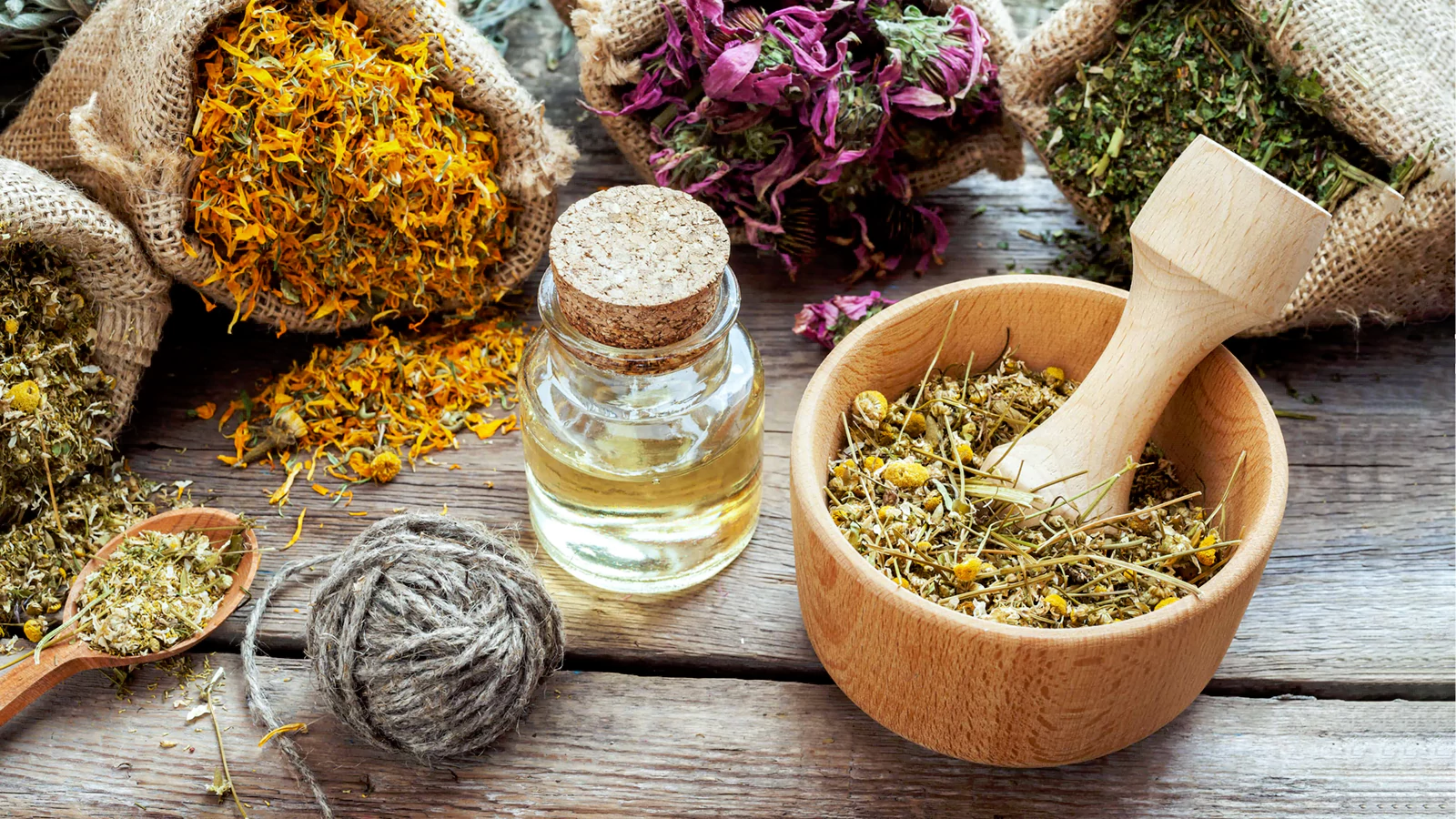
抗酸化サプリメントとしてのエッセンシャルオイル: ルールと戦略
食品グレードのエッセンシャルオイルは、食事の抗酸化値とORACスコアを最適化するための便利で消費者に優しい戦略となり得ます。

酸化防止剤 編集者のおすすめ オラック
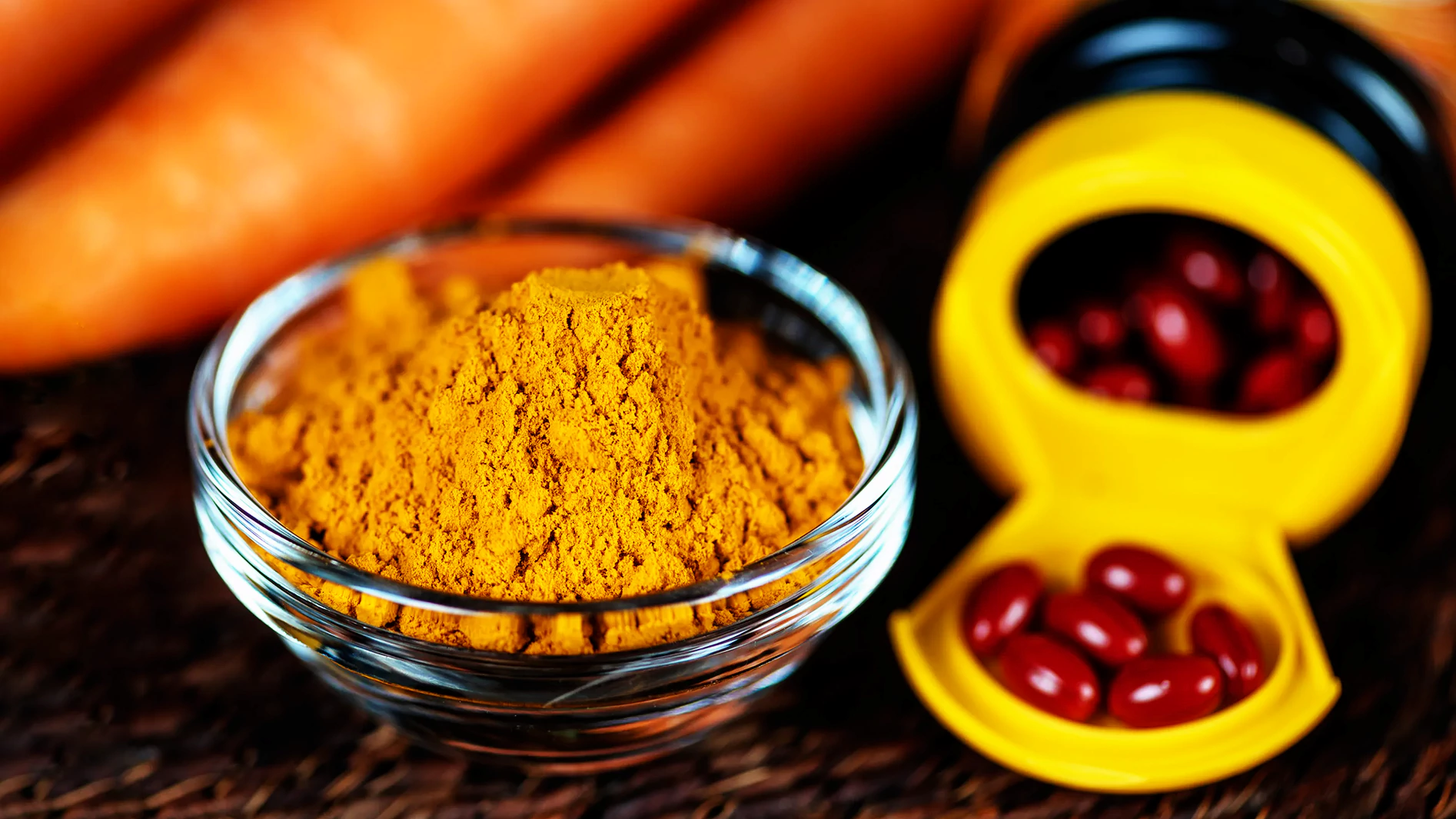
アスタキサンチンの利点: 世界で最も強力な天然抗酸化物質
アスタキサンチンは、科学的に知られている最も強力な天然の普遍的な抗酸化物質(油溶性と水溶性の両方)です。それは組織に蓄積しますが、それ自体が酸化促進物質になることはありません。
酸化防止剤 編集者のおすすめ オラック ファイトケミカル
抗酸化物質: 基本を理解する
動物性食品には植物化学物質や抗酸化物質は含まれていません。平均して、植物性食品には動物性食品の 60 倍以上の抗酸化物質が含まれています。
編集者のおすすめ ビーガンダイエット
ビーガン食における栄養素欠乏: 予防戦略
植物ベースの食事を摂取している人々に影響を与える、人口規模での一般的な栄養素欠乏症は 9 つあります。期限内に修正されない場合、一部の欠陥はひどい治療不可能な結果をもたらします。
編集者のおすすめ 最適な食事
標準的なアメリカン・ダイエットにおける微量栄養素の欠乏: 最適化戦略
現代の肉、砂糖、加工食品の栄養プロファイルは、私たちの進化とは完全に矛盾しており、その結果、深刻な微量栄養素欠乏症を引き起こしている。
編集者のおすすめ 牛乳 最適な食事
牛乳と乳製品: 健康リスクの相関関係
牛乳や乳製品の摂取との関連性としては、不妊症、卵巣がん、乳がん、白血病、1型糖尿病、自閉症、動脈硬化、白内障、関節リウマチ、多発性硬化症、多動、うっ血、ニキビなどが知られています…
癌 編集者のおすすめ タンパク質
完全なタンパク質: がん形成における IGF-1 シグナル伝達
動物性タンパク質を摂取すると、あらゆる種類のがんを発症する可能性が 4 倍になります。喫煙すると肺がんを発症する確率が 4 倍になります。

癌 編集者のおすすめ タンパク質
がんの解剖学 - 健康リスクの相関関係
がんの約 2% は、純粋に遺伝的要因によって引き起こされると考えられる医学によるものです。動物界と同じ範囲。あなたには真実のすべてが語られていません。
ミロス・ポキミカは健康・栄養ライターであり、栄養科学アドバイザーである。書籍シリーズの著者。 ビーガンに行きますか?科学の復習また、自然健康サイト「GoVeganWay.com」を運営している。
最新記事 -
カロリー制限 長寿
断食の方法 オートファジーを壊さない断食食品
オートファジー。体の細胞が死んだり損傷したりするとどうなるのか考えたことはありますか? それらは単に積み重なって問題を引き起こすのでしょうか、それとも何らかの方法で処分されるのでしょうか?答えはあなたの体です…
ローフードダイエット ビーガンダイエット
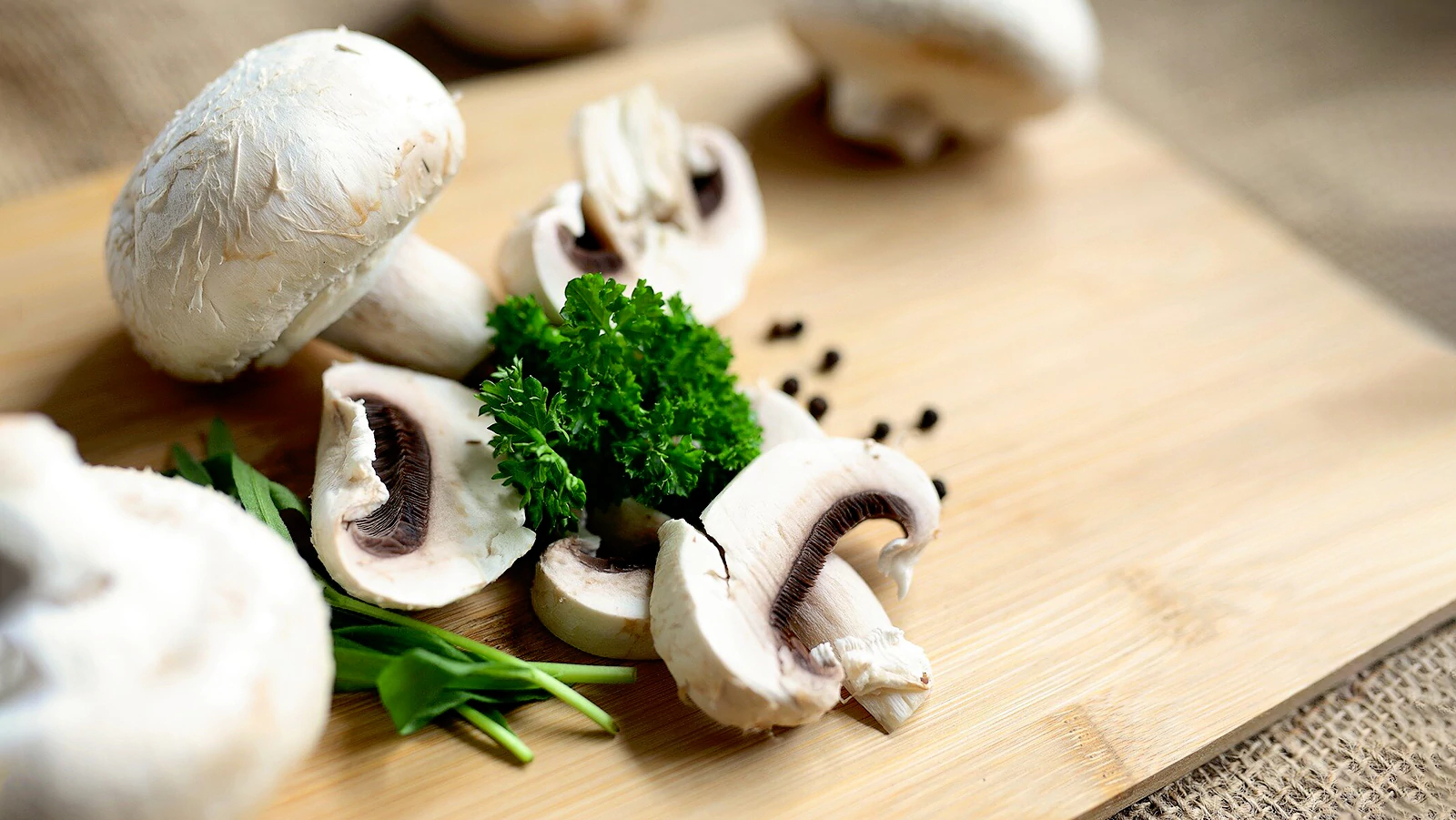
キノコは生で食べられるか:健康リスク、栄養と安全性
キノコにはヒドラジンやアガリチンのような熱に弱い毒素があり、キチンからできた細胞壁は人間にはうまく消化できない。

歯の健康 防止
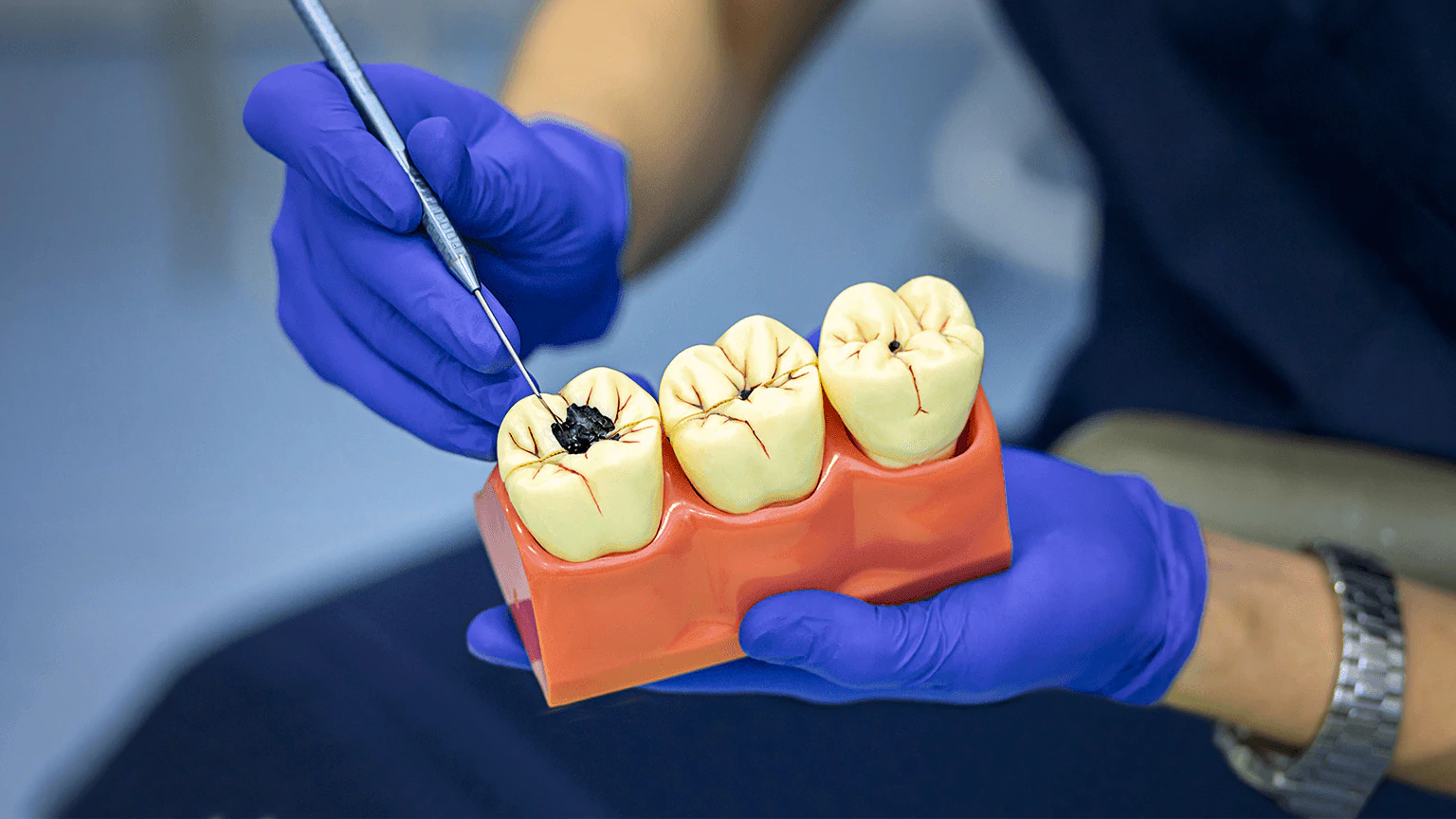
自家製の天然マウスウォッシュ: 実証済み、より強力で毒性が低い
自家製の天然マウスウォッシュは、クロルヘキシジンより強力で毒性も低く、飲み込むと吐き気を催すかもしれないが、ORAC値も高い。
酸化防止剤 スーパーフード
アムラ 証明された効能、栄養と臨床的意義
アムラは世界で最も強力な抗酸化物質のひとつで、ORACスコアは261,530です。さまざまな健康効果をもたらす植物化学物質が豊富に含まれています。
トップヘルスニュース — ScienceDaily
- Scientists found a surprising way to make exercise work better3月 9, 2026 に
Exercise normally boosts the body’s ability to use oxygen, a key marker of health and longevity — but high blood sugar can block that benefit. Researchers found that a ketogenic diet helped mice normalize blood sugar and dramatically improved how their muscles responded to exercise. Their muscles became better at using oxygen and built more endurance fibers. The results suggest diet and exercise may work together in surprising ways to improve metabolic health.
- Popular pre-workout supplements linked to dangerous sleep loss3月 9, 2026 に
Pre-workout supplements promising extra energy for workouts may come with a hidden cost: severely reduced sleep. A study of people aged 16–30 found users were more than twice as likely to sleep five hours or less per night. Many of these products pack huge doses of caffeine and stimulants that can linger for hours. Researchers say the findings raise concerns about the impact on young people’s health and development.
- Parents’ stress may be quietly driving childhood obesity, Yale study finds3月 9, 2026 に
A Yale study found that lowering parent stress can help protect young children from obesity. When parents practiced mindfulness and stress-management skills, their kids showed healthier eating patterns and avoided the weight gain seen in families that only focused on diet and exercise.
- Brain scans reveal how ketamine quickly lifts severe depression3月 8, 2026 に
A new brain-imaging study has revealed how ketamine produces its fast antidepressant effects in people with treatment-resistant depression. Researchers tracked changes in a critical brain receptor that helps neurons communicate and found that ketamine reshapes its activity in specific brain regions tied to mood and reward. These shifts strongly matched improvements in patients’ symptoms. The findings could help scientists develop better ways to predict who will benefit from ketamine therapy.
- 165,000 dementia patients reveal hidden stroke risk from common drug3月 8, 2026 に
A massive UK study of more than 165,000 dementia patients has uncovered troubling new evidence about risperidone, a commonly used drug for severe agitation. Researchers found the antipsychotic increases stroke risk in dementia patients across the board—including those with no prior heart disease or stroke—challenging the long-held belief that some patients might be safer candidates than others. Because risperidone is the only drug of its type licensed for dementia, doctors often use it as a […]
- Scientists say this simple diet change could transform your gut health3月 8, 2026 に
A growing trend called “fibermaxxing” is putting dietary fiber in the spotlight—and for good reason. Fiber plays a powerful role in keeping the body healthy, from supporting digestion and feeding beneficial gut microbes to helping regulate blood sugar and cholesterol. Researchers say getting enough fiber may even lower the risk of conditions like obesity, diabetes, and certain cancers.
- A new “magic mushroom” drug could treat depression without psychedelic hallucinations3月 8, 2026 に
Scientists are exploring a new way to harness the medical promise of psychedelic compounds without the mind-bending side effects. Researchers created modified versions of psilocin — the active form of psilocybin from “magic mushrooms” — that still target key serotonin pathways linked to depression and other brain disorders but appear to cause far fewer psychedelic-like effects.
パブメッド、 #ビーガンダイエット –
- A gradient risk of cognitive impairment with vegetarian diets in older adults: highest for vegan and potential benefit for pescatarian2月 28, 2026 に
CONCLUSION: Strict vegetarian diets are associated with elevated cognitive impairment risk in older adults, especially in rural areas. These findings highlight the need for careful consideration of dietary patterns in ageing populations and suggest that less restrictive vegetarian diets may be preferable for cognitive health.
- Three-Tier Plate, Triple Win: Health, Sustainability, and Equity in the Slovenian Nutrition Guidelines 20252月 27, 2026 に
The prevalence of diet-related noncommunicable diseases (NCDs; e.g., obesity, type 2 diabetes, cardiovascular disease, and certain cancers) is increasing globally, while food systems are also driving climate change and biodiversity loss. Transitioning to predominantly plant-based (“plant-forward”) dietary patterns can improve health and lower environmental impacts. We present the Slovenian Nutrition Guidelines 2025 (SNG2025)-their methodology, development, and core recommendations. Developed […]
- Precision Nutrition in Type 2 Diabetes Prevention Through Molecular Nutrigenomic and Epigenetic Modulation of Insulin Signaling and Glucose Metabolism2月 27, 2026 に
Precision nutrition has emerged as a promising strategy for the prevention of type 2 diabetes mellitus (T2DM) by targeting molecular pathways underlying insulin resistance and impaired glucose metabolism. Accumulating evidence indicates that dietary patterns, caloric intake, and specific nutrients can modulate gene expression and epigenetic mechanisms involved in insulin signaling, inflammation, and energy homeostasis. This narrative review synthesizes recent human and experimental studies…
- Simulated Gastrointestinal Digestion Modulates Anticholinesterase, Antioxidant, and Anti-Inflammatory Activities of Vegan Soups Rich in Natural Cholinesterase Inhibitors2月 27, 2026 に
CONCLUSIONS: Overall, gastrointestinal digestion and microbial activity markedly reshape the bioactivity of plant-based soups, indicating that the colonic phase is critical for realistic evaluation of functional food potential and supporting digestion-aware assessment of dietary strategies relevant to cognitive and inflammatory health.
ランダムな投稿 –


編集者のおすすめ 最適な食事 ビタミンD
ビタミンD - 骨だけではありません
ビタミンDはビタミンではありません。これはプロホルモン、つまりヒトゲノムの約 3% を制御するホルモン様の活性を持つステロイドです。

対症療法医学 編集者のおすすめ
大手製薬会社の物語 - IG Farben
化学および医薬品産業に対するロックフェラーの独占の一部は、第二次世界大戦後に実現しました。スタンダード オイルと IG ファーベンの協力により、これが実現しました。
歯の健康 防止
自家製の天然マウスウォッシュ: 実証済み、より強力で毒性が低い
自家製の天然マウスウォッシュは、クロルヘキシジンより強力で毒性も低く、飲み込むと吐き気を催すかもしれないが、ORAC値も高い。

長寿 最適な食事 ビーガンダイエット
B12 欠乏症と認知機能低下: ホモシステイン最適化戦略
ホモシステインレベルを調節するビタミンは、B12、葉酸、B6です。ほとんどの非ビーガンは十分なビタミンB12を摂取していますが、葉酸は十分ではありませんが、ビーガンはより多くの葉酸を摂取していますが、サプリメントを摂取しなければビタミンB12を摂取できません。


COVID 19 防止 ビタミンD
ビタミンD欠乏症 - 危険因子
植物によって生成されないビタミンはビタミン D の 2 つだけで、もう 1 つはビタミン B12 と考えられます。ビタミンD欠乏症は本当に懸念されています。


おすすめの投稿 -
編集者のおすすめ 最適な食事 タンパク質
高たんぱく質の食事と健康リスクの相関関係
自然界におけるタンパク質のルールは希少性である。進化論的に言えば、人類学者はヒト科の動物が1日平均15グラムから25グラムのタンパク質を摂取していたことを証明している。現代の西洋型の高タンパク質食では、私たちはそれを消費することになる。
糖尿病 編集者のおすすめ
糖尿病の原因と精製炭水化物 - ヴィーガンの議論
精製された炭水化物はインスリンの急増に関連しており、糖尿病の原因の 1 つであると人々は信じています。その人たちは正しいです。しかし、それらは間違っています。

糖尿病 編集者のおすすめ 最適な食事
精製糖: リスクを理解する
子供たちは総カロリー必要量の約 5 分の 1 を精製砂糖だけで摂取します。脂肪やその他の栄養を奪われた加工食品をリストに加えると、完全な栄養補給の悪夢になってしまいます。

編集者のおすすめ 防止 ビーガンダイエット
中国の研究 - ビーガンの議論
中国の研究では、でんぷんベースのビーガン食を実践している世界の未開発の農村地域では、心臓病、がん、糖尿病が発生していないことが示された。
編集者のおすすめ 最適な食事
標準的なアメリカン・ダイエットにおける微量栄養素の欠乏: 最適化戦略
現代の肉、砂糖、加工食品の栄養プロファイルは、私たちの進化とは完全に矛盾しており、その結果、深刻な微量栄養素欠乏症を引き起こしている。
対症療法医学 編集者のおすすめ 最適な食事
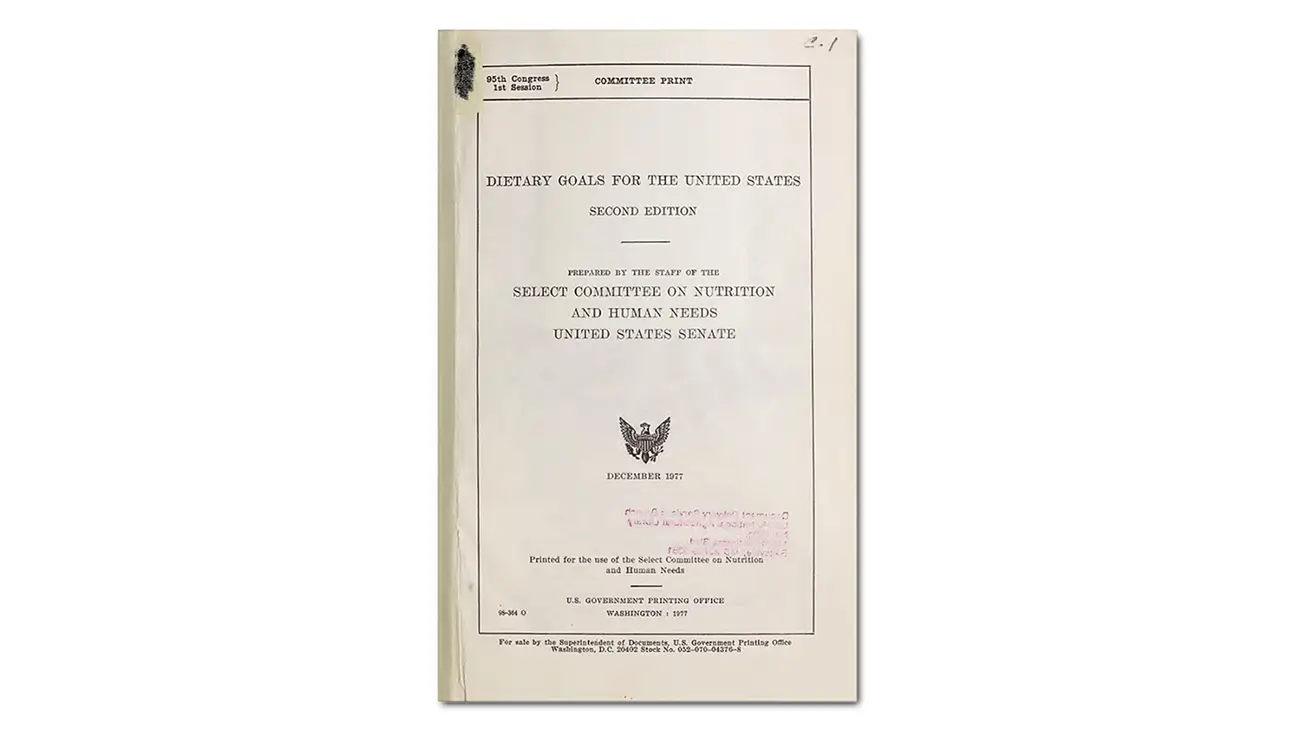
マクガバン報告書 - 特別な関心と科学の抑圧
1977年、食事ガイドライン(マクガバン報告書)をより植物ベースのヴィーガン向けのものに変更するよう求める動きが米国議会に提出された。


編集者のおすすめ 牛乳 最適な食事
牛乳と乳製品: 健康リスクの相関関係
牛乳や乳製品の摂取との関連性としては、不妊症、卵巣がん、乳がん、白血病、1型糖尿病、自閉症、動脈硬化、白内障、関節リウマチ、多発性硬化症、多動、うっ血、ニキビなどが知られています…
PubMed の最新情報、 #植物ベースの食事 –
- Are European diets healthy and sustainable? Evidence from nine countries using the planetary health diet frameworkによって Agustin R Miranda 3月 7, 2026 に
CONCLUSION: European diets show systematic deviations from the PHD. Targeted and multilevel policies are needed to promote healthy and sustainable diets.
- Broccoli and Other Botanicals in the Prevention and Treatment of Premenstrual Syndromeによって Amin Gasmi 3月 6, 2026 に
Pre-menstrual syndrome (PMS) consists of a range of physical, mental, and behavioral changes that can affect women at various stages during their menstrual cycle. These changes are caused by fluctuations in hormone levels, which play a significant role in PMS. Diet, along with other practices, can help reduce the symptoms related to PMS. Even small dietary changes like increased intake of certain foods and less caffeine consumption may help to mitigate or regulate PMS symptoms. This study […]
- The Association Between Plant-Based Diet and Gallstone Disease: A Case-Control Studyによって Mohammad Hossein Ebrahimizadeh 3月 6, 2026 に
CONCLUSION: Our study revealed that a healthy plant-based diet is associated with a reduced risk of GD, whereas an unhealthy plant-based diet may contribute to a greater susceptibility to disease, emphasizing the importance of diet quality in plant-based nutritional approaches. Further studies are needed to confirm these findings.
- The influence of a plant-based diet on the composition and functions of the human gut microbiota: a reviewによって Erika Egas-Montenegro 3月 5, 2026 に
The human gut microbiota represents a highly diverse ecosystem, with its composition and functions influenced by dietary, biological, and environmental factors. This research aimed to analyze how diet significantly impacts microbial dynamics, particularly through the consumption of dietary fiber, micronutrients, and bioactive compounds. A comprehensive review of major scientific databases was conducted to identify and evaluate studies that explored the relationship between diet and gut…
- Micronutrient intake and status of adults consuming plant-based meat analogues or animal-based meats as primary protein source: An 8-week randomized controlled trialによって Amanda Simin Fu 3月 5, 2026 に
CONCLUSION: While the fortification of certain micronutrients like folate and vitamin B12 may improve the nutritional status, calcium and iron supplementation did not translate to observable changes in circulating micronutrient status. Future PBMA development must prioritize bioavailability and physiological factors such as digestion, absorption, bioavailability and utilization to truly achieve both human health and environmental sustainability goals. The trial is registered at www.