







精製された炭水化物はインスリンの急増に関連しており、糖尿病の原因の 1 つであると人々は信じています。その人たちは正しいです。しかし、それらは間違っています。
ミロス ポキミカ
によって書かれた: ミロス ポキミカ
医学的に検証した結果 Xiùying Wáng, M.D. 博士。
Updated 6月 9, 2023ほとんどの人は、白米のような精製された炭水化物はひどいものであり、精製された炭水化物はインスリンのスパイクに関連しており、糖尿病の原因の1つであると信じています。その人たちは正しいです。
しかし、それらは同時に間違っています。精製炭水化物と糖尿病の全体像を見ていかなければなりません。
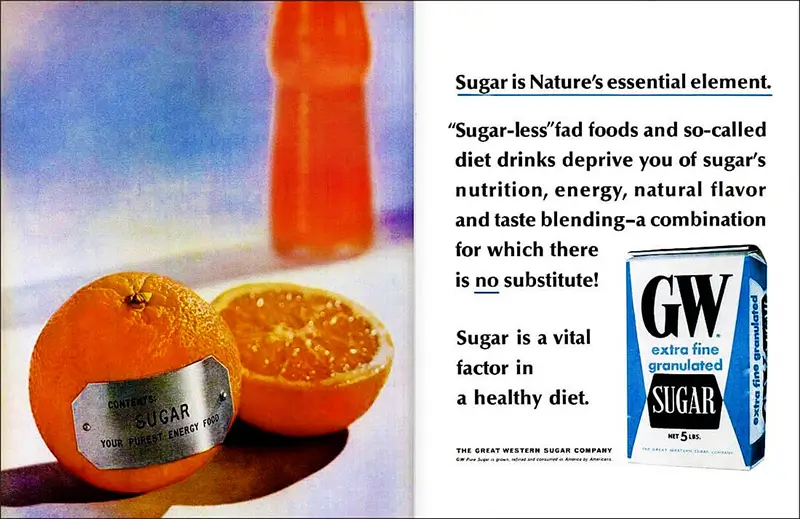
米や穀物を精製すると、ぬかが除去されます。消費者は、繊維が歯の間にくっついて不味くなる、柔らかくて美味しいパンや米を好みます。しかし、食物繊維は消化を遅らせ、水を吸収するため、食物繊維のない米の炭水化物はより急速に吸収され、不自然なインスリンスパイクを引き起こし、私たちの体内で不自然な反応を引き起こします。この反応は、インスリン受容体のダウンレギュレーションによって代償として適応します。これはインスリン抵抗性を引き起こしており、糖尿病患者が食事から排除しなければならない多くの要因の 1 つです。
別の要因は、インスリン受容体のシグナル伝達をブロックする細胞間脂肪です。それで 精製された炭水化物と砂糖 大量かつ不自然な量のカロリーを迅速に消化します。私たちは糖の吸収が速いので、血流中のカロリーが多すぎるため、すべてのカロリーが消費されず、一部は脂肪として蓄積されてしまいます。さらに悪いことに、消化が終わり、糖分がすべて血中から排出されるとすぐに、私たちは再び空腹感を感じ始めます。したがって、繊維の欠乏は、肥満とインスリン受容体のダウンレギュレーションを引き起こす継続的な過食と相関しています。そして、肥満が独立して、以前にすでに書いたすべての悪いことを引き起こし、ループは終了します。歯にふすまがくっつくのは嫌だというような、たった 1 つの小さな介入が、連鎖的な影響を引き起こす可能性があります。医学界の大部分は、炭水化物がすべての悪と今日私たちが抱えているすべての病気の原因であることを認識しています。これは、パレオダイエットやアトキンスダイエットなどのダイエット法の根拠となります。ここには悪いロジックはありません。ここのところ。

業界はプロテインパウダーやサプリメント、そして特に赤身の肉であれば、あらゆる肉を販売することができます。古き良き鶏の胸肉や、マグロのような健康的な脂肪を含むものもあります。糖尿病患者の多くがこのような食事をとり始めると、症状が悪化する可能性があります。たとえば、中国と日本における現代の糖尿病の蔓延は白米の消費と関連しているが、これも半分真実である。したがって、それが『中国研究』が人々を苛立たせる理由である。
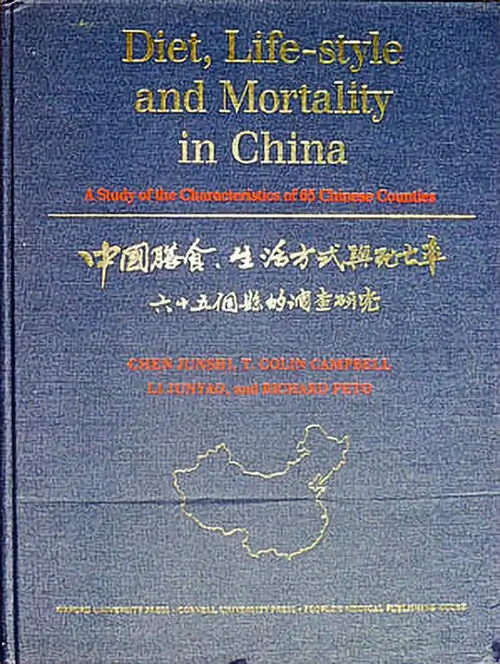
現在、米は世界人口のほぼ半数を養っていますが、人々がさらに多くの米を食べていたほんの数十年前よりも糖尿病率を大幅に下げるにはどうすればよいでしょうか? この研究では、たとえば (胡他、2012) 白米の摂取量の増加は、特にアジア人 (中国人と日本人) において、2 型糖尿病の可能性が大幅に高まることと相関していました。また、これは小規模な研究ではなく、352,384 人の参加者が参加し、追跡期間は 4 年から 22 年にわたる。これを総人口数で統計的に分析すると、用量反応メタ分析では、1 日あたりの食事に白米摂取量を加えた場合、2 型糖尿病の相対リスクは 1.11 となり、リスクが 11% 増加することが示されました。現在、中国の糖尿病率は約10%で、肥満率が7分の1であるにもかかわらず、米国の約11%と同じだ。白米は肥満、心臓発作、脳卒中と相関関係はなく、糖尿病とのみ相関しているようだ。
しかし、もう一度中国研究を見ると、米を中心とした田舎の植物ベースの食事は、糖尿病、がん、心臓病のリスクが低いと関連していました。糖尿病有病率のこの 10% は、たまたま起こったことです。2000 年、中国は世界で最も糖尿病率が低い国の 1 つでした。これはわずか 20 年の間に起こった劇的な変化です。
どうしたの?
まあ、生活水準が上がると、どの国でも同じことが起こります。 肉の消費量は40%も増加し、米の消費量は30%減少した。そして今、問題が発生しています。 肉の消費量が増加し、米の消費量が減少し、糖尿病のリスクが上昇し、同時に米の摂取量単独が糖尿病のリスクと相関している場合、何が起こっているのでしょうか? お米だけですか?
もっと古風な食生活をして、米を全部減らすべきでしょうか?それが彼らが私たちに言うことです。精製された炭水化物は糖尿病や肥満と相関しています。答えは簡単です。何が起こるかというと、動物性たんぱく質が米をさらに悪くしているのです。これはぜひ読んでいただきたい研究の 1 つです (ガリフォードら、1989)。発行日は1989年10月です。
まさに「新しい」医療の進歩です。6人の非インスリン依存性糖尿病被験者は、ジャガイモまたはスパゲッティのいずれかとして炭水化物25gを含む食事を摂取していた。それは白米と同じ食事です。真っ白な小麦粉パスタとでんぷんたっぷりの低繊維ポテト。次に、インスリン反応を測定し、25 g のタンパク質を追加した食事と 25 g の脂肪を含むもう 1 回の食事を繰り返しました。血液中の糖レベルとインスリン反応を、試験食後 4 時間測定しました。タンパク質を添加すると、インスリン反応が劇的に増加しました。これは、誰かに砂糖とタンパク質を与え、インスリン反応を測定する「最先端の」科学です。
そうです。答え。それは栄養の聖杯です。
プロテイン。
グラフを見ると、タンパク質を添加するとジャガイモの状態がちょうど 2 倍悪化することがわかります。150から300まで。
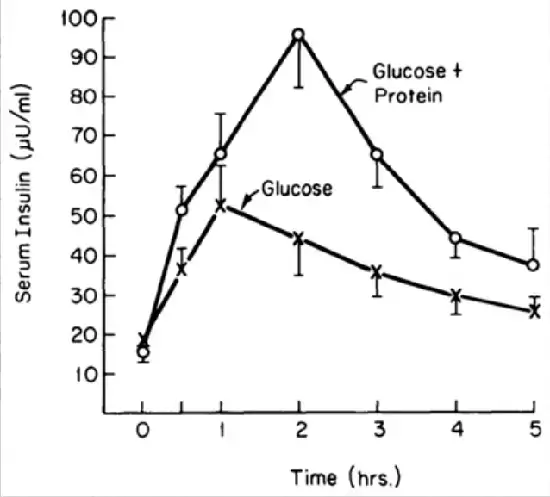
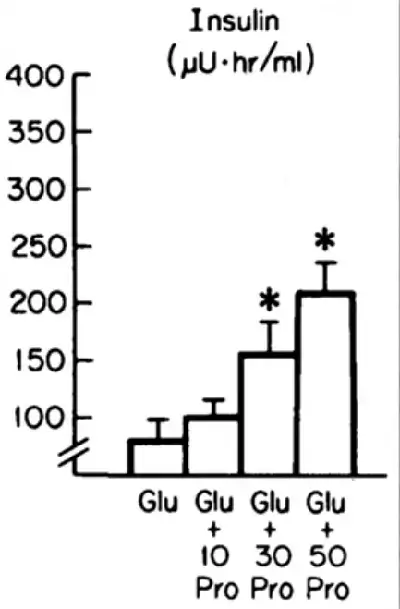
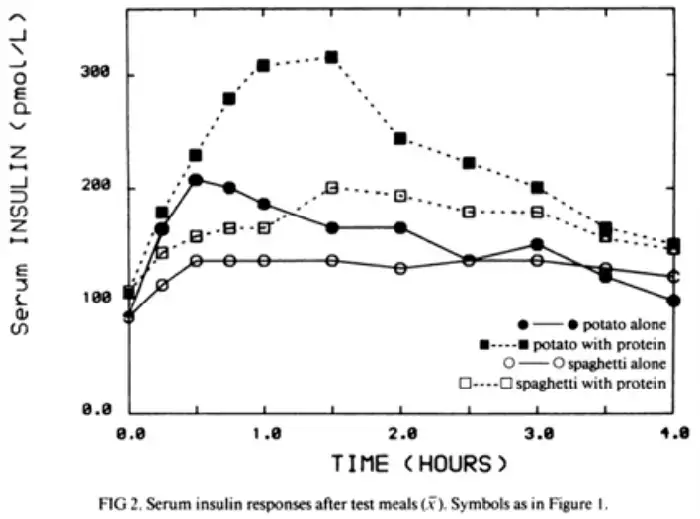
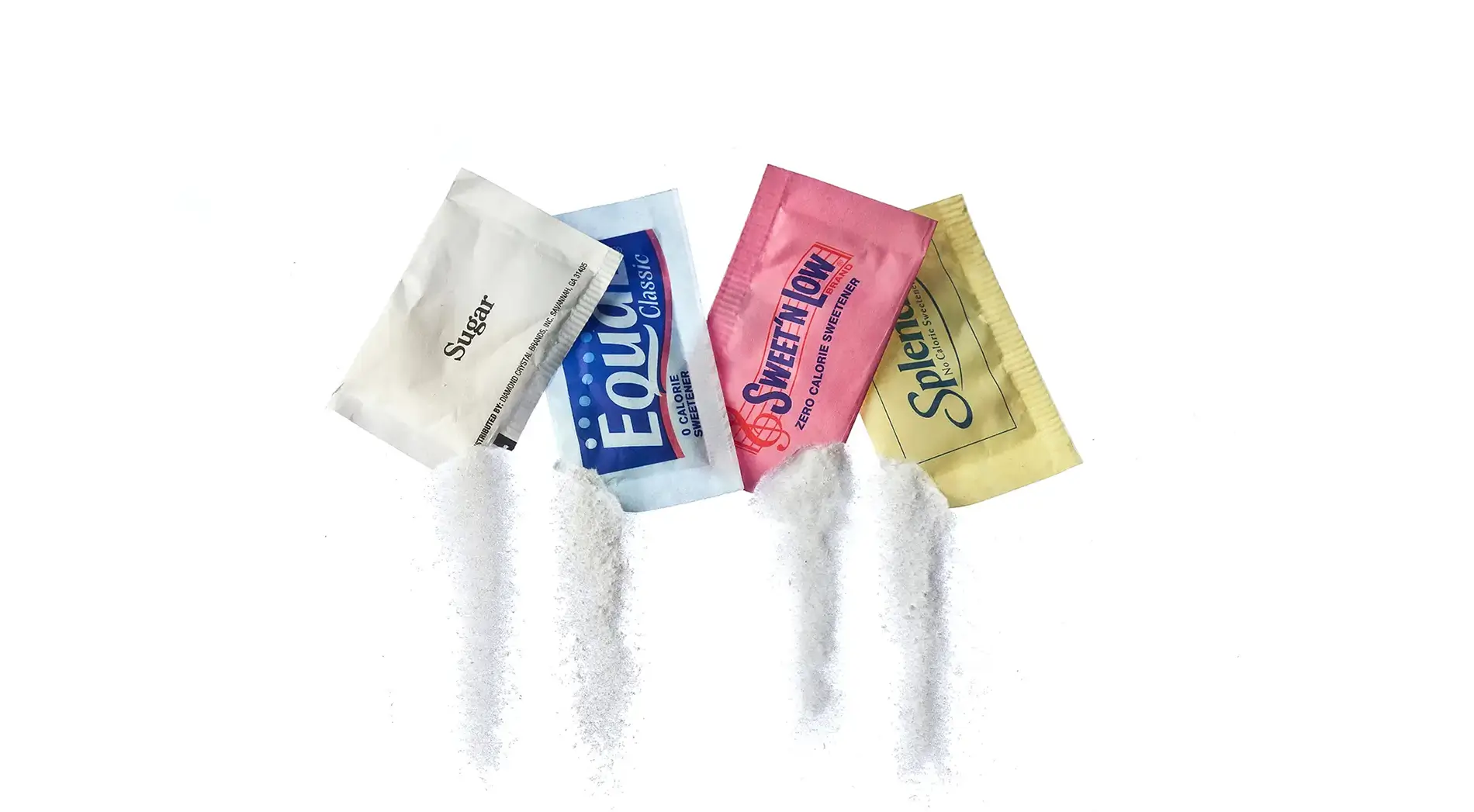
砂糖水でもできますよ。50から100へ。肉を追加すればするほど、品質は悪化します。タンパク質が50gに達すると、非常に不自然で病気の原因となるインスリンの急増が引き起こされます。動物性タンパク質は、炭水化物の摂取によって引き起こされるインスリン分泌を大幅に増強します。 そして私たちはずっと、糖尿病の原因は白米と白い小麦粉と砂糖だと言われてきました。そしてそれは部分的には正しいです。本当の真実はもっと複雑です。 糖尿病の主な原因は、新しい食事への不適応です。
繊維は全粒小麦パスタと同様にインスリン反応を低下させますが、100パーセントのレベルではありません。でんぷんに肉を加えるのは問題がある。この組み合わせは不自然です。ローストした鶏の胸肉を全粒粉のパンと一緒に食べるのは、油の有無にかかわらず、通常の白い小麦粉のようなポモドーロパスタを同じ量食べるよりも、インスリン反応がはるかに悪く、ほぼ2倍悪くなります。
このように考えてみてください。 他の動物で、さまざまな食べ物で構成される定期的な昼食をとっている動物はいますか?
肉食動物は肉だけを食べます。プラントイーターは植物だけを食べます。雑食動物はどうですか? クマが魚を捕まえて、その後デザートを食べるためにその魚を蜂の巣に持っていくために、昼食が来るまでしばらくそれを食べないと思いますか?
同じ食事で異なる食品を組み合わせるのは100%不自然であり、現代人の発明です。. そして、このインスリンの急増は不適応です.
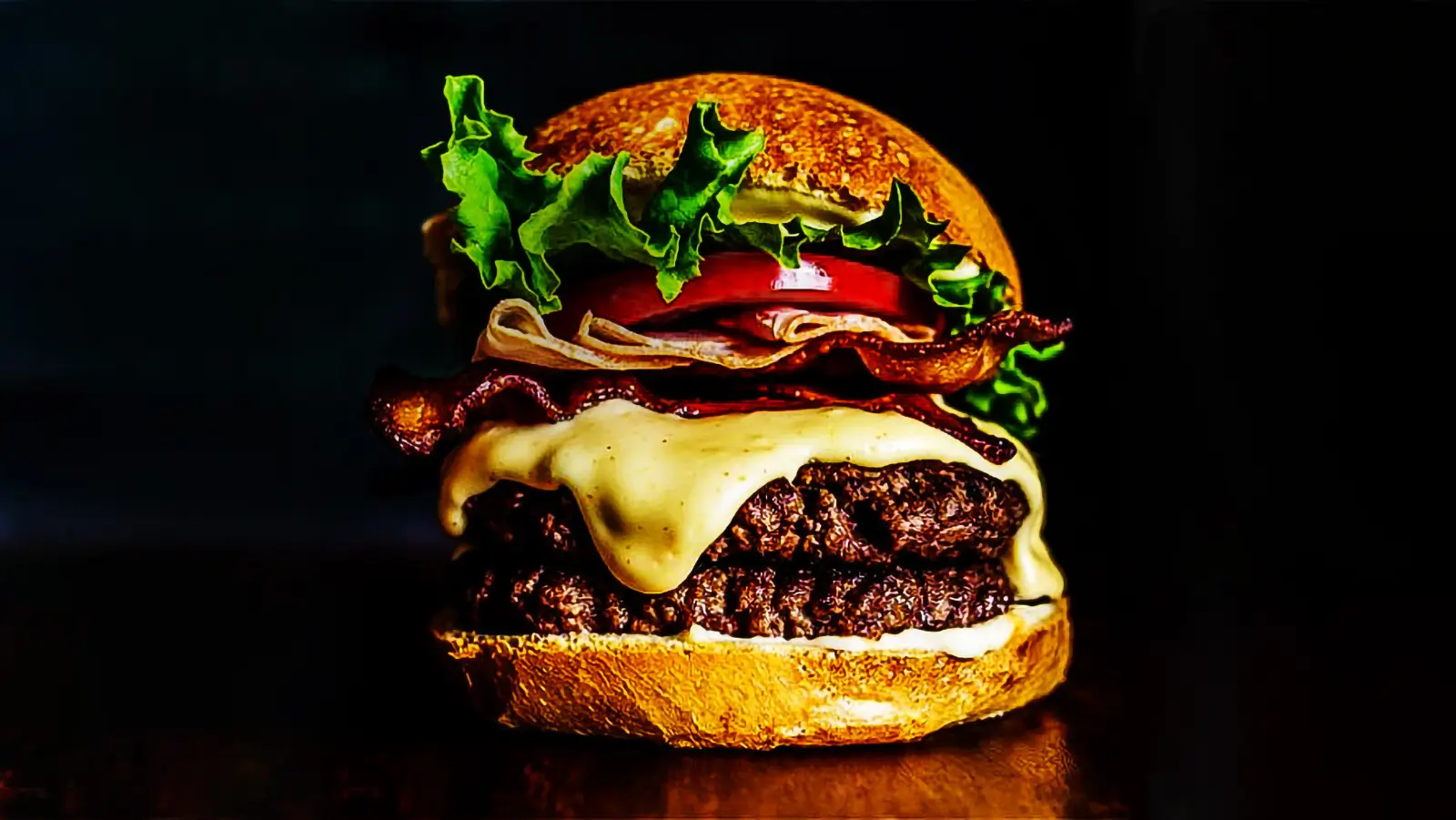
私はこう尋ねます。パンなしで肉だけ食べてもいいですか?脂っこいソーセージをそのまま食べてみませんか?バンズを使わずにハンバーガーの肉だけを楽しみますか?これは脂肪と炭水化物(砂糖)の混合物で、脳内のドーパミンシグナル伝達や、この場合の異常なインスリン反応など、他の多くのことを異常に引き起こします。これと繊維摂取量の少なさが組み合わさると、悲惨な結果を招くことになります。さまざまな食品を組み合わせるのは自然な食事の形ではありませんが、楽しいものなので、できる限り最善の方法で対処する必要があります。
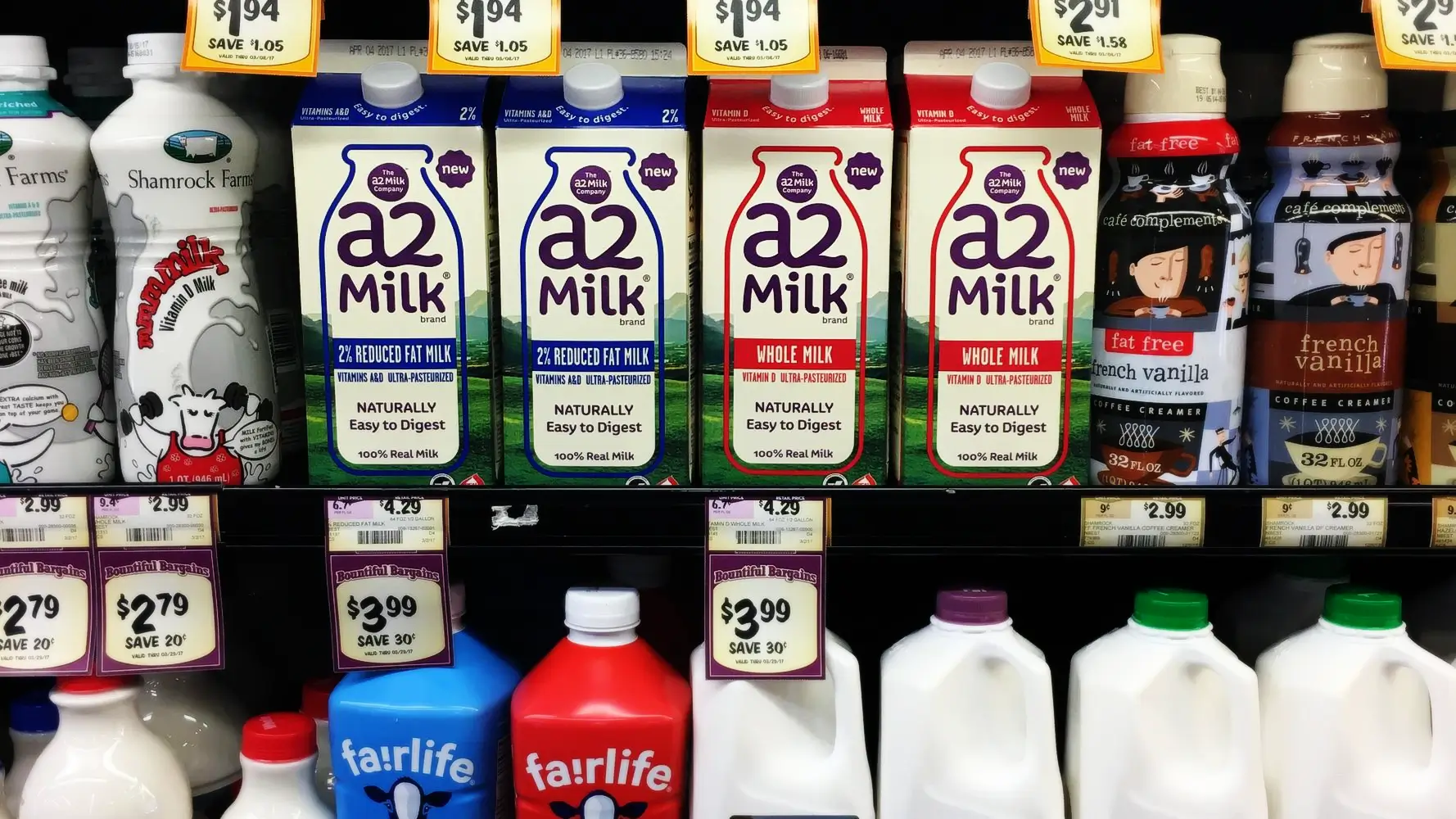
2 型糖尿病はある程度まで治療可能です。実際はとてもシンプルです。運動と減量を考慮すると、動物性タンパク質を摂取しないことが第一になります。2番目は食物繊維です。それは毎食にたくさん含まれることを意味します。肉を食べなければならず、他に選択肢がない場合は、思い切って肉を食べてください。ただの肉。パン、ご飯、砂糖は一切入れません。砂糖とは、通常の砂糖、フルクトース、またはあらゆる形態の炭水化物を意味します。サラダも何もありません。たぶんチーズかな。牛乳はありません。牛乳には砂糖や乳糖が含まれています。
糖分とタンパク質を組み合わせて摂取する必要がある場合は、オオバコの殻や通常の小麦ふすまを加えて、食後にスプーンで食べると良いでしょう。そうするとある程度消化が遅くなります。オオバコハスクにはカロリーがありません。100パーセント繊維です。お腹の中で食事をかさばって飽和感を高めたい場合は、ダイエットに使用できますが、液体の段ボールのような味がします。
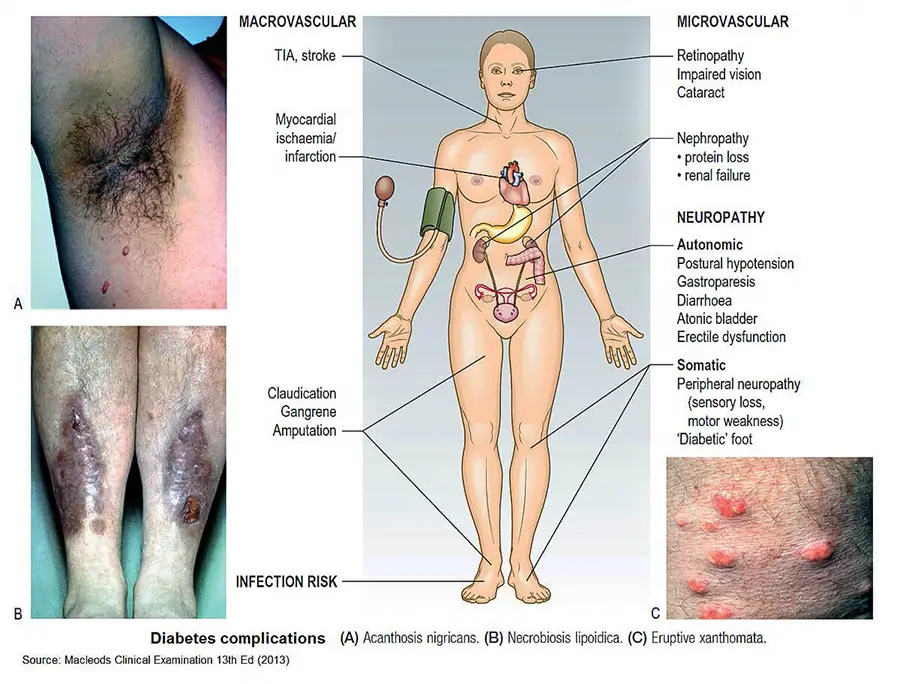
3番目はレジスタントスターチ、つまり豆です。家族に糖尿病がいる場合、大量のパンと大量のアルコールと一緒にソーセージを食べれば、おそらく対処は完了します。10人に1人が糖尿病であるという数字を見ると、それは控えめな表現です。実際の数は先進国では3人に1人です。彼らは目に見える症状がなく、インスリン抵抗性が前糖尿病として知られる範囲内にあるため、そのことに気づいていないだけかもしれません。前糖尿病はそれ自体が病気であり、長期的には何らかの悪影響も引き起こす可能性があります。10人に1人の割合で本格的な糖尿病にエスカレートします。CDC は、世界の未開発地域の工業化が進むにつれて、これらの数字は主に世界規模で今後も増加すると推定しています。前糖尿病がある場合、特に心臓、血管、
参考文献:
- ヒュー、EA、パン、A.、マリク、V.、サン、Q. (2012)。白米の摂取と2型糖尿病のリスク:メタアナリシスと系統的レビュー。 BMJ(臨床研究編), 344、e1454。 https://doi.org/10.1136/bmj.e1454
- MC ガリフォード、EJ ビックネル、JH スカルペロ (1989 年)。インスリン非依存性糖尿病被験者における高血糖指数炭水化物と低血糖指数炭水化物に対する血糖反応に対するタンパク質と脂肪の摂取の異なる影響。 アメリカの臨床栄養学雑誌, 50(4)、773–777。 https://doi.org/10.1093/ajcn/50.4.773

栄養と健康について何か質問はありますか?
次回の投稿で、皆さんのご意見を伺い、お答えしたいと思います。ご意見、ご感想をお待ちしております。 また、次の投稿もお待ちしています フォローする Facebook、Instagram、Pinterestでダイエット、栄養、健康に関するコンテンツをご覧ください。そこにコメントを残して、他の健康愛好家とつながり、あなたのヒントや経験を共有し、私たちのチームやコミュニティからサポートや励ましを得ることができます。
この投稿があなたにとって有益で楽しいものであり、学んだ洞察を生かす準備ができていることを願っている。この投稿が役に立ったと思われた方は シェアする 友人や家族など、その恩恵にあずかれるかもしれない人たちと一緒に。誰が健康の旅にガイダンスやサポートを必要としているかわからないのですから。
– あなたはおそらくそれも好きでしょう –

人道的な肉か人道的な神話? - 動物の認知
スピルリナの効能: フィコシアニンが豊富なスーパーフード

アドベンチスト健康調査 - ビーガンの議論
雑食動物である人間のジレンマ - 肉食、善玉菌、炎症、腸
アムラ 証明された効能、栄養と臨床的意義
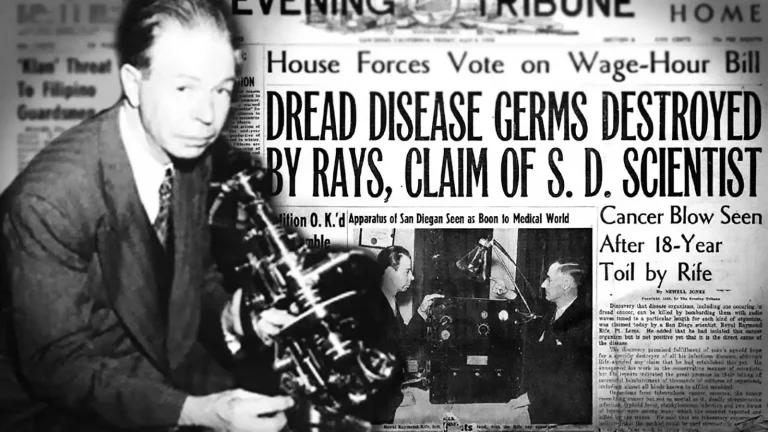
ガン、禁断の治療法-Rifeマシン、歴史的レビュー
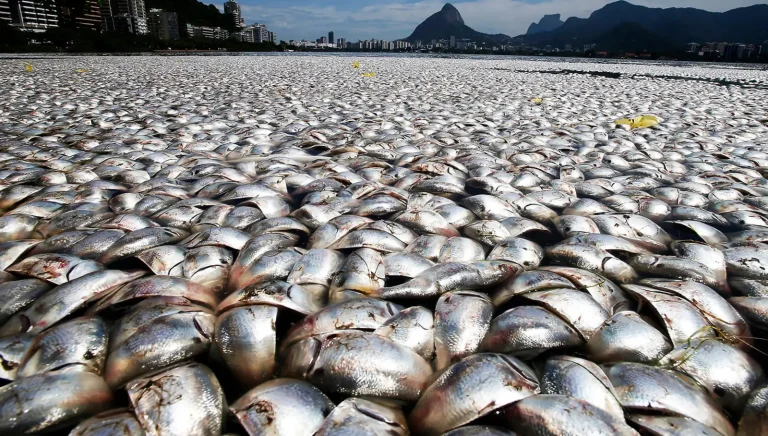
魚の毒性 - 最も有毒な肉

対症療法医学 - 恐怖の心理学

栄養について学ぶ

ミロス・ポキミカは、自然医学の医師、臨床栄養士、医療健康と栄養のライター、栄養科学アドバイザーです。書籍シリーズの著者 ビーガンに行きますか?科学の復習また、自然健康サイト「GoVeganWay.com」を運営している。
医療上の免責事項
GoVeganWay.com では、最新の栄養と健康関連の研究のレビューをお届けします。提供される情報は著者の個人的な意見を表すものであり、専門的な医学的アドバイス、診断、または治療に代わることを意図または暗示するものではありません。提供される情報は情報提供のみを目的としており、資格のある医師または医療提供者の相談、診断、および/または治療に代わるものとして機能することを意図したものではありません。GoVeganWay.com で読んだことや GoVeganWay.com を通じてアクセスしたことを理由に、専門家の医学的アドバイスを無視したり、医療治療を受けるのを遅らせたりしないでください。
認可された医師に相談する前に、GoVeganWay.com で読んだ内容の結果としてライフスタイルの変更や変更を決して適用しないでください。
医療上の緊急事態が発生した場合は、直ちに医師または 911 に電話してください。GoVeganWay.com は、内部で言及されている特定のグループ、組織、検査、医師、製品、手順、意見、またはその他の情報を推奨または承認しません。
編集者のおすすめ –
酸化防止剤 編集者のおすすめ オラック
抗酸化サプリメントとしてのエッセンシャルオイル: ルールと戦略
食品グレードのエッセンシャルオイルは、食事の抗酸化値とORACスコアを最適化するための便利で消費者に優しい戦略となり得ます。

酸化防止剤 編集者のおすすめ オラック
アスタキサンチンの利点: 世界で最も強力な天然抗酸化物質
アスタキサンチンは、科学的に知られている最も強力な天然の普遍的な抗酸化物質(油溶性と水溶性の両方)です。それは組織に蓄積しますが、それ自体が酸化促進物質になることはありません。
酸化防止剤 編集者のおすすめ オラック ファイトケミカル
抗酸化物質: 基本を理解する
動物性食品には植物化学物質や抗酸化物質は含まれていません。平均して、植物性食品には動物性食品の 60 倍以上の抗酸化物質が含まれています。
編集者のおすすめ ビーガンダイエット
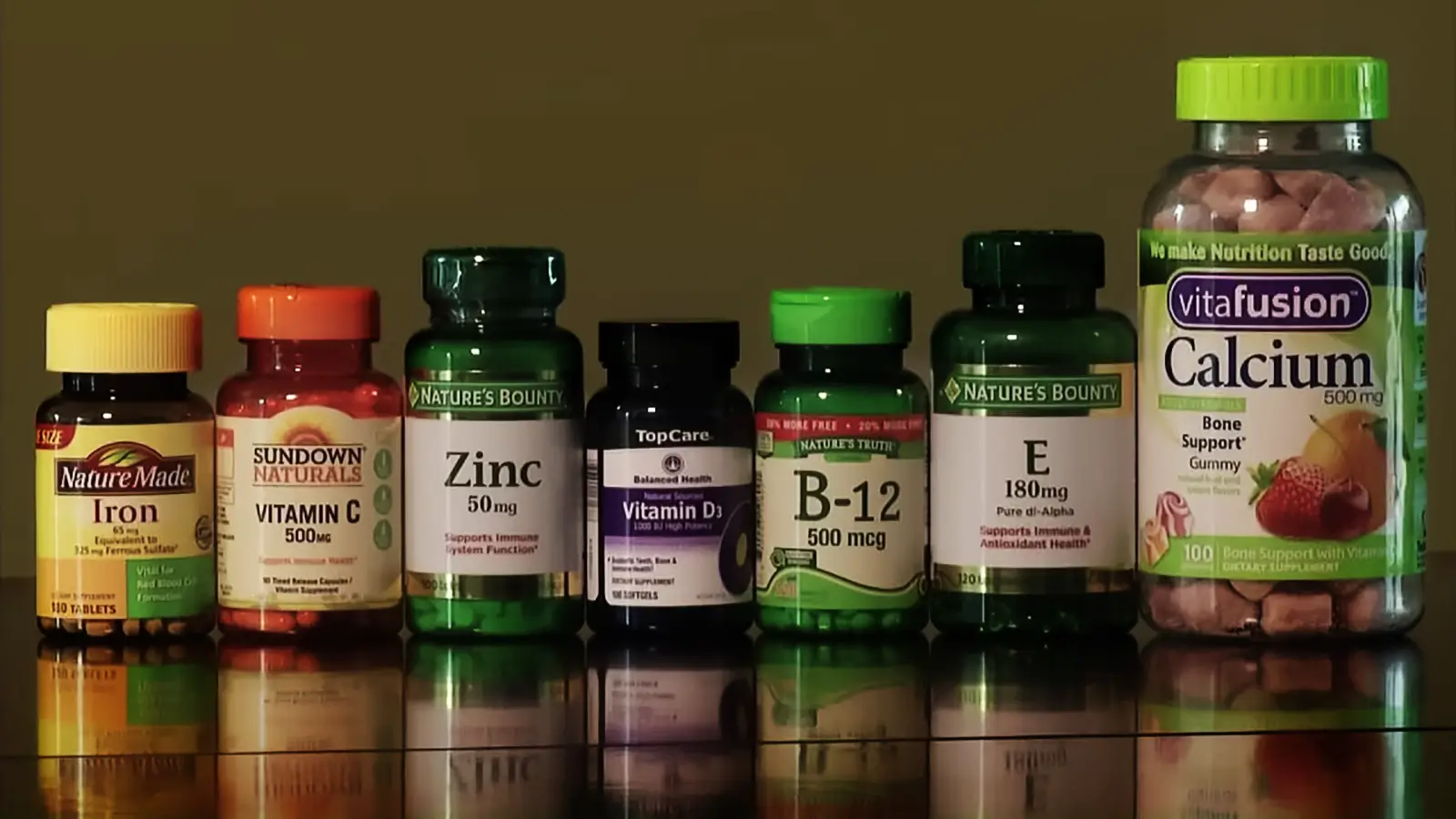
ビーガン食における栄養素欠乏: 予防戦略
植物ベースの食事を摂取している人々に影響を与える、人口規模での一般的な栄養素欠乏症は 9 つあります。期限内に修正されない場合、一部の欠陥はひどい治療不可能な結果をもたらします。
編集者のおすすめ 最適な食事
標準的なアメリカン・ダイエットにおける微量栄養素の欠乏: 最適化戦略
現代の肉、砂糖、加工食品の栄養プロファイルは、私たちの進化とは完全に矛盾しており、その結果、深刻な微量栄養素欠乏症を引き起こしている。
編集者のおすすめ 牛乳 最適な食事
牛乳と乳製品: 健康リスクの相関関係
牛乳や乳製品の摂取との関連性としては、不妊症、卵巣がん、乳がん、白血病、1型糖尿病、自閉症、動脈硬化、白内障、関節リウマチ、多発性硬化症、多動、うっ血、ニキビなどが知られています…
癌 編集者のおすすめ タンパク質
完全なタンパク質: がん形成における IGF-1 シグナル伝達
動物性タンパク質を摂取すると、あらゆる種類のがんを発症する可能性が 4 倍になります。喫煙すると肺がんを発症する確率が 4 倍になります。

癌 編集者のおすすめ タンパク質
がんの解剖学 - 健康リスクの相関関係
がんの約 2% は、純粋に遺伝的要因によって引き起こされると考えられる医学によるものです。動物界と同じ範囲。あなたには真実のすべてが語られていません。
ミロス・ポキミカは健康・栄養ライターであり、栄養科学アドバイザーである。書籍シリーズの著者。 ビーガンに行きますか?科学の復習また、自然健康サイト「GoVeganWay.com」を運営している。
最新記事 -
カロリー制限 長寿
断食の方法 オートファジーを壊さない断食食品
オートファジー体内の細胞が死んだり傷ついたりしたら、どうなるのだろうと考えたことはないだろうか。ただ積み重なって問題を引き起こすだけなのか、それとも何らかの方法で処分されるのか。答えは、体内で...
ローフードダイエット ビーガンダイエット
キノコは生で食べられるか:健康リスク、栄養と安全性
キノコにはヒドラジンやアガリチンのような熱に弱い毒素があり、キチンからできた細胞壁は人間にはうまく消化できない。

歯の健康 防止
自家製天然マウスウォッシュ: より強力で毒性の少ない、実証済みのマウスウォッシュ
自家製の天然マウスウォッシュは、クロルヘキシジンより強力で毒性も低く、飲み込むと吐き気を催すかもしれないが、ORAC値も高い。
酸化防止剤 スーパーフード
アムラ 証明された効能、栄養と臨床的意義
アムラは世界で最も強力な抗酸化物質のひとつで、ORACスコアは261,530です。さまざまな健康効果をもたらす植物化学物質が豊富に含まれています。
トップヘルスニュース — ScienceDaily
- Cambridge scientists create a $10 chip that could put a medical lab on your wrist10月 23, 2026 に
Cambridge researchers have created a groundbreaking $10 optical sensor that delivers the precision of laboratory equipment in a device small enough for wearable technology. It identified foods, plastics, and medicines with 100% accuracy in tests and demonstrated the ability to monitor blood glucose, alcohol, and other health markers without invasive procedures.
- Scientists discover a hidden immune weapon against deadly lung cancer10月 23, 2026 に
Researchers have uncovered a hidden immune defense capable of attacking small cell lung cancer, an extremely aggressive disease that often escapes conventional treatments. The specialized immune cells can recognize and destroy cancer cells even when tumors have disguised themselves from the immune system.
- Millions take fish oil for brain health. A two-year study found no benefit10月 22, 2026 に
A surprising two-year clinical trial found that fish oil supplements successfully delivered omega-3s to the brain but failed to improve memory or protect against Alzheimer’s-related brain shrinkage. Researchers suspect that getting these nutrients through a healthy diet may offer benefits that supplements alone cannot provide.
- Oxford scientists discover how viruses build themselves without a blueprint10月 22, 2026 に
Scientists have captured virus-like particles assembling themselves step by step, revealing how a surprisingly simple process of trial and error produces complex structures with remarkable precision. The discovery uncovers a crucial molecular turning point that speeds up assembly and could lead to new ways to disrupt viruses and develop vaccines.
- A revolutionary new microscope could reveal the hidden machinery of life10月 22, 2026 に
Researchers have developed a revolutionary microscope that uses an incredibly powerful laser to make previously invisible cellular structures easier to see. The technology dramatically improves image clarity, allowing scientists to examine small proteins that conventional electron microscopes struggle to capture. It could eventually reveal how tiny molecular machines interact inside cells, providing an unprecedented look at the hidden workings of life.
- Coffee calories have jumped nearly 40%. Sugar isn’t the biggest culprit10月 22, 2026 に
Your morning coffee may be packing more calories than you realize, and sugar isn’t the biggest reason. A study of 30,000 Americans found that non-dairy creamer has overtaken sugar and milk as the leading source of added coffee calories, helping drive a nearly 40% increase between 2003 and 2018.
- Scientists discover a surprising secret behind the human brain’s wrinkles10月 22, 2026 に
Scientists have discovered why common marmosets have unusually small, smooth brains despite starting development much like other primates. The secret lies in subtle changes to brain-building cells that slow neuron production, revealing new clues about how the large, folded human brain evolved.
パブメッド、 #ビーガンダイエット –
- Common questions and misconceptions about diets: what does the scientific evidence really show?10月 15, 2026 に
The study of diet and nutrition is often filled with numerous myths and misconceptions. A Google Scholar search of “diets health” yields over 4 million results. This review examines frequently asked questions about diets and dietary habits. These questions include the following: 1) Is a caloric surplus necessary for building skeletal muscle? 2) Is it possible to lose body mass or fat mass without caloric restriction? 3) Is intermittent fasting better than chronic caloric restriction for […]
- Toward consensus on complementary feeding recommendations: findings from a national evidence-informed modified Delphi study in Türkiye10月 12, 2026 に
CONCLUSIONS: Integration of quantitative Delphi findings with qualitative thematic analysis revealed that non-consensus primarily stemmed from the practical nuances of clinical execution and contextual adaptation, rather than a fundamental skepticism toward the underlying scientific data. These findings provide an evidence-informed foundation for developing context-sensitive CF recommendations for clinical practice.
- Characterization of nutritional intake in vegan pregnant women and its association on birth weight10月 8, 2026 に
CONCLUSIONS: Vegan women had a higher rate of SGA than non-vegan women, and this increased risk may be partly related to differences in maternal protein intake and composition. In addition, vegan women had lower dietary intakes of calcium, vitamin B12, vitamin D, DHA, and choline, highlighting these nutrients as important considerations in the nutritional assessment and counseling of pregnant women adhering to a strictly vegan diet.
- Changes in ectopic lipids, insulin sensitivity, and beta cell function after a low-fat vegan diet in adults with type 2 diabetes: a 16-week single-arm clinical trial10月 8, 2026 に
CONCLUSIONS: On an ad libitum low-fat plant-based (vegan) dietary intervention, the participants with type 2 diabetes experienced reductions in ectopic fat, particularly visceral and hepatocellular fat, improvements in insulin sensitivity, reductions in AGEs, and improvements in beta-cell function.
ランダムな投稿 –


カロリー制限 癌 長寿
カロリー制限、オートファジー、長寿、筋肉量の減少
私たちは皆、より多く食べることができるように、十分な量の筋肉量と速い代謝を望んでいますが、オートファジーは進化生物学と一致しています。
酸化防止剤 オラック
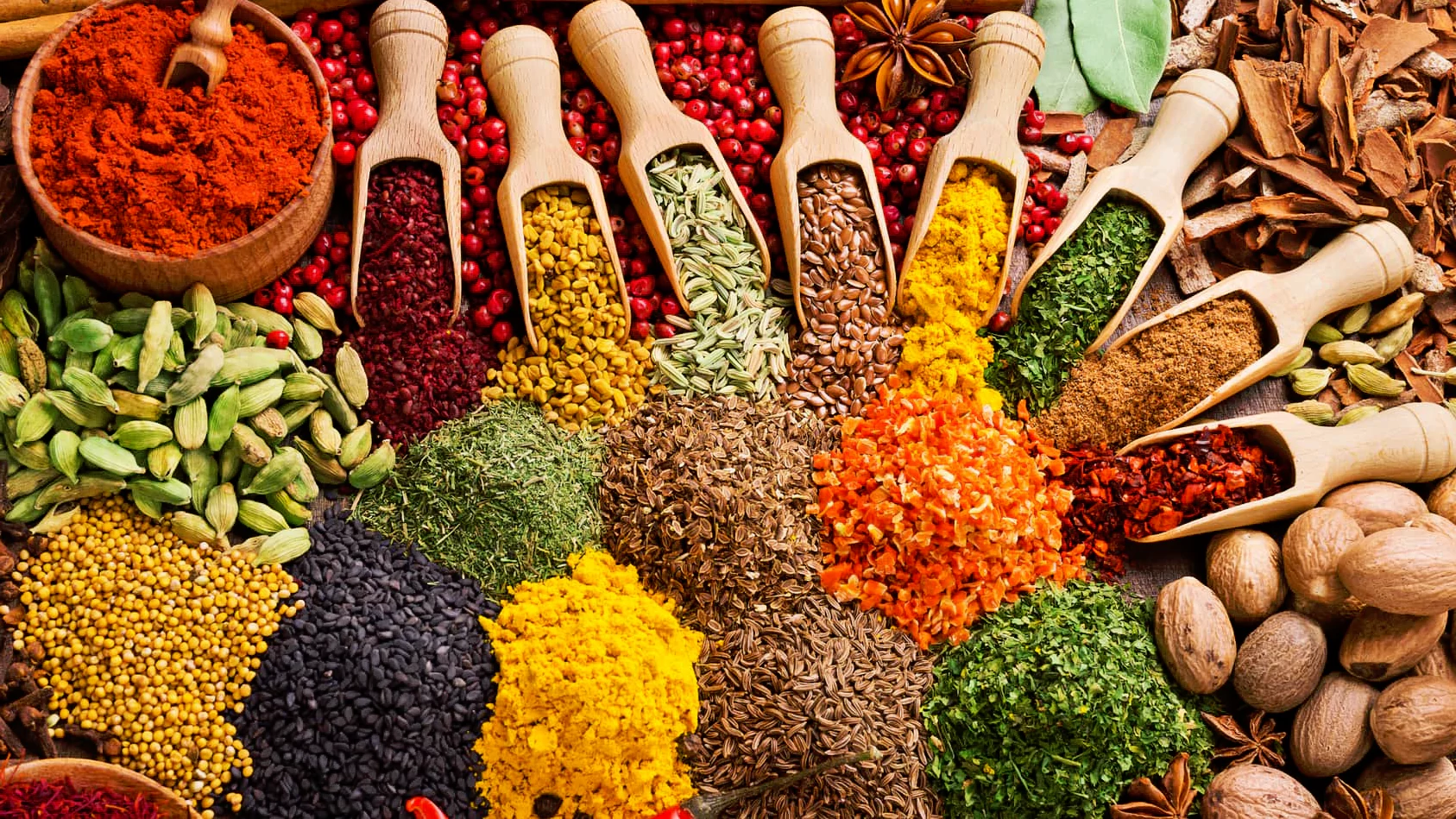
スパイスの抗酸化力: 現実的な投与量による生体内での結果
クローブ、ショウガ、ローズマリー、ターメリックは炎症を大幅に抑制しますが、ブラックペッパー、カイエン、シナモン、クミン、オレガノ、パプリカ、セージ、加熱したターメリックは何も効果がありません。
癌 妊娠 毒性
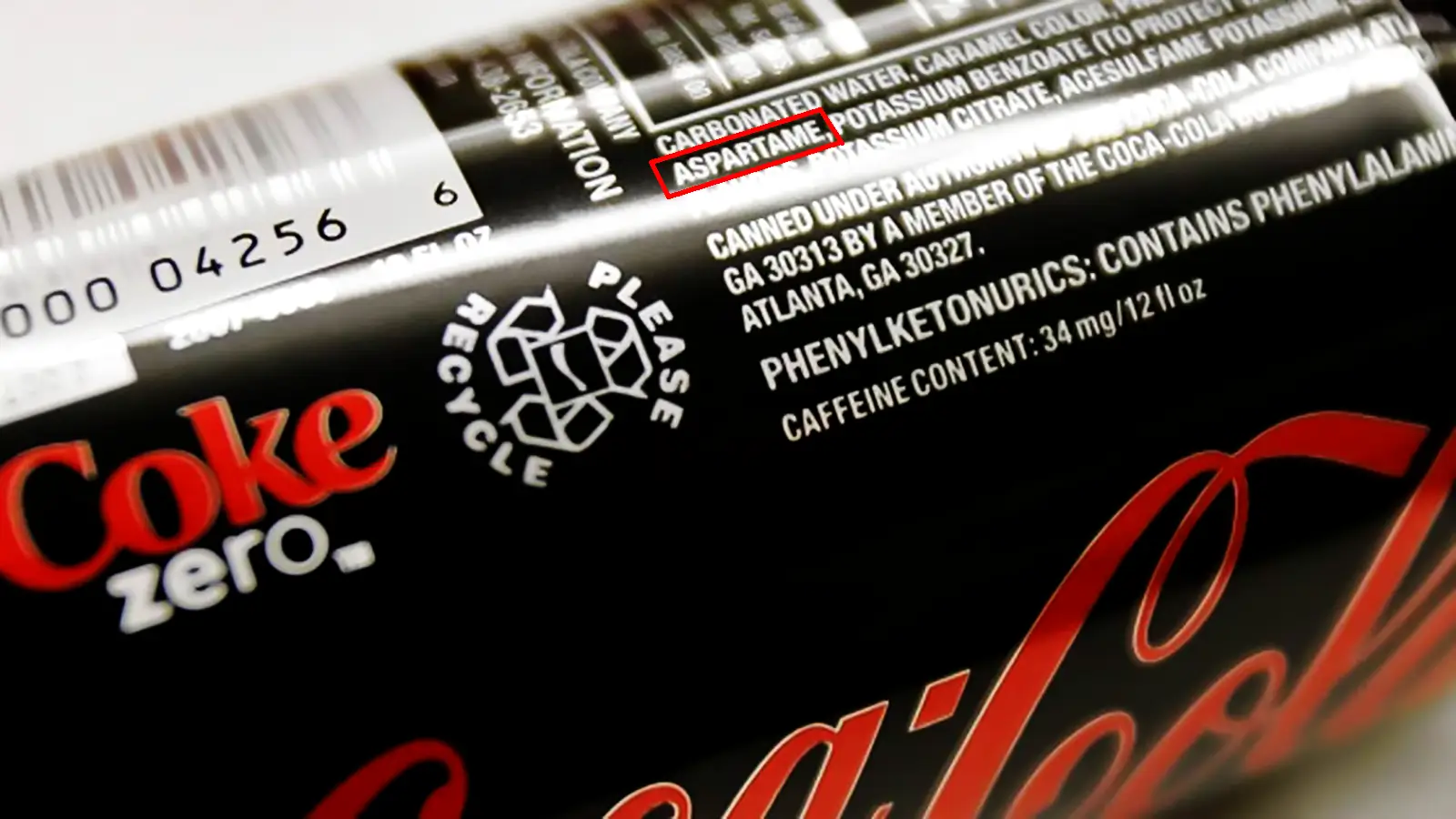
アスパルテーム: アスパルテームの健康リスクと危険性の真実
業界を大いに喜ばせた興奮毒素の 1 つは、興奮毒素が行うすべての機能を果たしますが、MSG とは異なり味が甘い化学物質です。化学的にはアスパルテーム(ニュートラスウィート)として知られています。

編集者のおすすめ 最適な食事
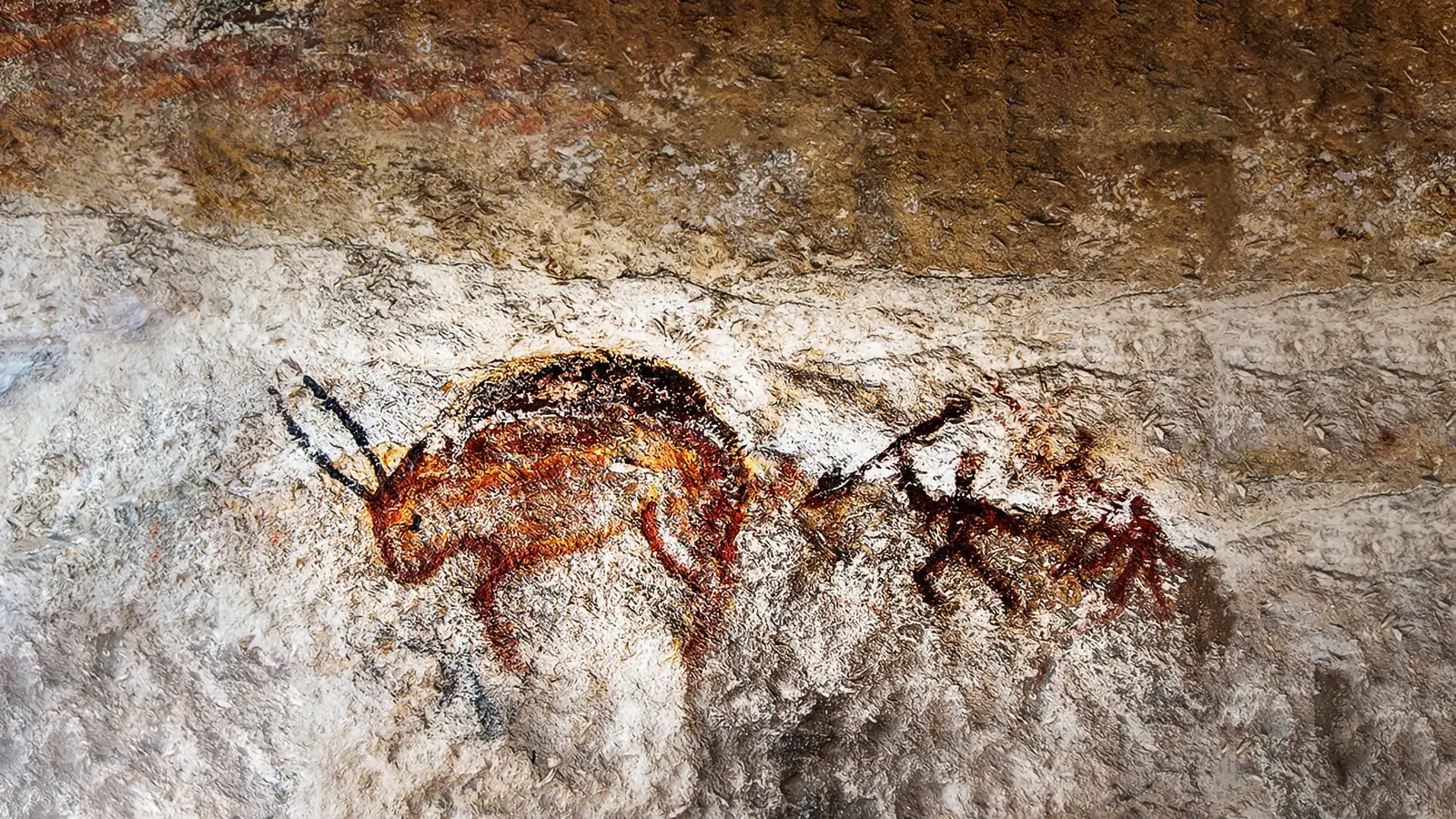
人間の最適な食生活-慢性疾患、ダイエット戦争、菜食主義者の主張
自然に最適な人間の食事は議会において、当社のhominin祖先が食べ過去30万年前には北環太平洋地域には、気候-植生の石。

おすすめの投稿 -

癌 編集者のおすすめ 毒性
食品中の農薬、アメリカの標準的な食事における暴露-80%が肉から
私たちが摂取する農薬、特に重金属やその他の有毒廃棄物汚染物質のほとんどは肉から得られます。アメリカの標準的な食生活における農薬暴露の 80 パーセント以上は、果物や野菜ではなく、動物性食品に由来しています。
編集者のおすすめ ビーガンダイエット
ビーガン食における栄養素欠乏: 予防戦略
植物ベースの食事を摂取している人々に影響を与える、人口規模での一般的な栄養素欠乏症は 9 つあります。期限内に修正されない場合、一部の欠陥はひどい治療不可能な結果をもたらします。
糖尿病 編集者のおすすめ 最適な食事
精製糖: リスクを理解する
子供たちは総カロリー必要量の約 5 分の 1 を精製砂糖だけで摂取します。脂肪やその他の栄養を奪われた加工食品をリストに加えると、完全な栄養補給の悪夢になってしまいます。

編集者のおすすめ 肥満
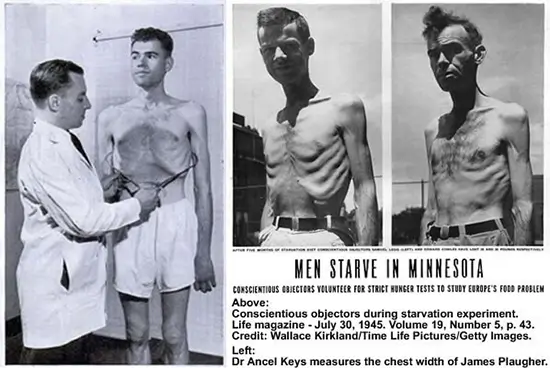
ミネソタ飢餓実験: なぜダイエットをすると太るのか?空腹の心理学
飢餓が心に与える影響に関する最初の科学的研究の 1 つは、1944 年にミネソタ大学によって行われたミネソタ飢餓実験として記憶されている研究で観察されました。

対症療法医学 癌 編集者のおすすめ
ガン、禁断の治療法-Rifeマシン、歴史的レビュー
Rife Machine 共鳴技術を利用することで、治療不可能な癌を患い、末期症状を宣告された患者の回復率は 100% でした。
対症療法医学 編集者のおすすめ 最適な食事
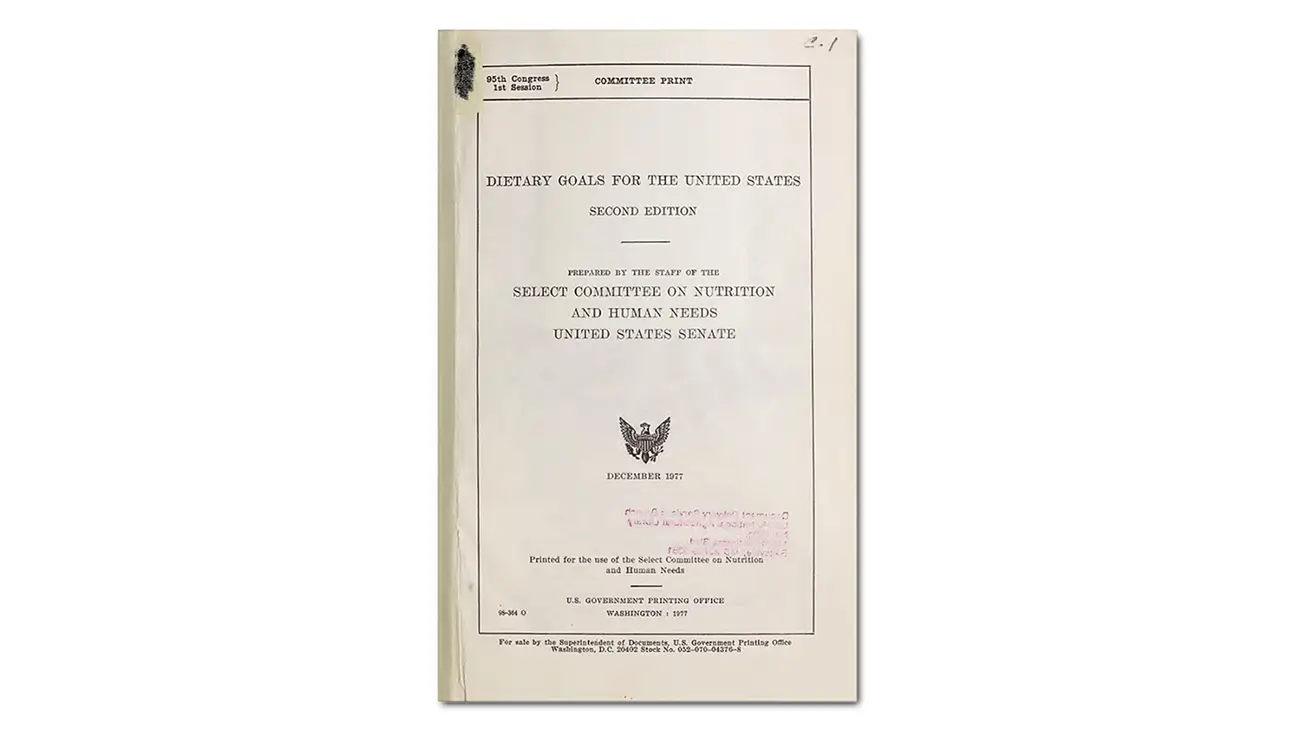
マクガバン報告書 - 特別な関心と科学の抑圧
1977年、食事ガイドライン(マクガバン報告書)をより植物ベースのヴィーガン向けのものに変更するよう求める動きが米国議会に提出された。
PubMed の最新情報、 #植物ベースの食事 –
- Opportunities and Challenges for Promoting Sustainable Diets within “Food is Medicine” Programs in the United States: A Qualitative Research Studyによって Katherine Consavage Stanley 10月 23, 2026 に
CONCLUSIONS: The FIM movement offers promising opportunities to promote collaboration among food and health system actors, but challenges require coordinated actions within and across sectors. Future FIM programs could identify potential areas of human and planetary health cobenefit and incorporate sustainable diet principles into program design and evaluation.
- Perspective: The Place of Milk, Yogurt, and Cheese in Sustainable Healthy Diets in Franceによって Adam Drewnowski 10月 23, 2026 に
The 4 pillars of sustainable healthy diets are health, economics, society, and the environment. The place of milk, yogurt, and cheese in the sustainability framework was examined using publicly available government agency databases from France. Nutrient composition data came from CIQUAL (Centre d’Information sur la Qualité des Aliments). Data on greenhouse gas emissions (GHGE) and total environmental impact of foods came from Agribalyse. Data on food costs came from published reports. […]
- Arginine Supplementation for Juvenile Florida Pompano (Trachinotus carolinus) in Practical Plant-Based Dietsによって Trinh H V Ngo 10月 22, 2026 に
This study aimed to evaluate the effects of dietary arginine (Arg) supplementation on juvenile Florida pompano (Trachinotus carolinus). Diet formulation was based on the Arg requirement reported for golden pompano (Trachinotus ovatus), 2.73% of diet. Eight isonitrogenous (40% crude protein) and isolipidic (8% crude lipid) diets were formulated with varying levels of L-arginine supplementation (0%, 0.05%, 0.1%, 0.2%, 0.3%, 0.4%, 0.5%, and 0.65%), resulting in dietary Arg concentrations ranging…
- Antibody-based sensing of pesticide residues and mycotoxins in plant-derived foods: A narrative review of ELISA, lateral-flow immunoassays and immunosensorsによって Harsh Kumar 10月 22, 2026 に
Cereals and their products, as well as fruits and vegetables, form a major constituent of the human diet worldwide. These food items can become contaminated with mycotoxins during farming, transportation, or storage. They are exposed to pesticides mostly during cultivation and also during storage and transportation, where pesticides are applied to prevent pest infestation. Exposure to pesticides and mycotoxins can have detrimental health effects on humans. Hence, there is an urgent need for…
- Plant-based dietary patterns and frailty in older adults: a multicohort longitudinal study with within-between decomposition and network analysisによって Jiaci Lin 10月 22, 2026 に
CONCLUSION: Higher overall plant-based diet scores were associated with lower frailty risk, whereas unhealthful plant-based diets were associated with higher risk, underscoring the importance of diet quality.
- The Burden of Early-Onset Gastric Cancer From 1990 to 2021: A Systematic Analysis for the Global Burden of Disease Study 2021によって Xinye Cui 10月 22, 2026 に
CONCLUSION: Since 1990, the global ASDR, ASIR, and ASR for EOGC have consistently declined. However, substantial disparities persist across regions, countries, age groups, and genders. Tailored prevention and intervention strategies, informed by regional characteristics and risk factors, are essential to effectively reduce the global EOGC burden.