







養殖魚には最大10倍の汚染物質が含まれています。ワクチン接種後、魚には常に抗生物質と殺虫剤が投与されます。
ミロス ポキミカ
によって書かれた: ミロス ポキミカ
医学的に検証した結果 Xiùying Wáng, M.D. 博士。
Updated 6月 9, 2023魚介類や魚の需要が高まっていること、そして海全体で魚が枯渇しつつあるという事実のため、完全ではないにしても、原則としてほとんどが養殖魚になるでしょう。現在、魚全体の半数以上が養殖魚です。世界銀行は、2030年までに全魚介類の約3分の2が養殖されると推定している。最も一般的な養殖魚は、ティラピア、サケ、ナマズ、スズキ、タラです。
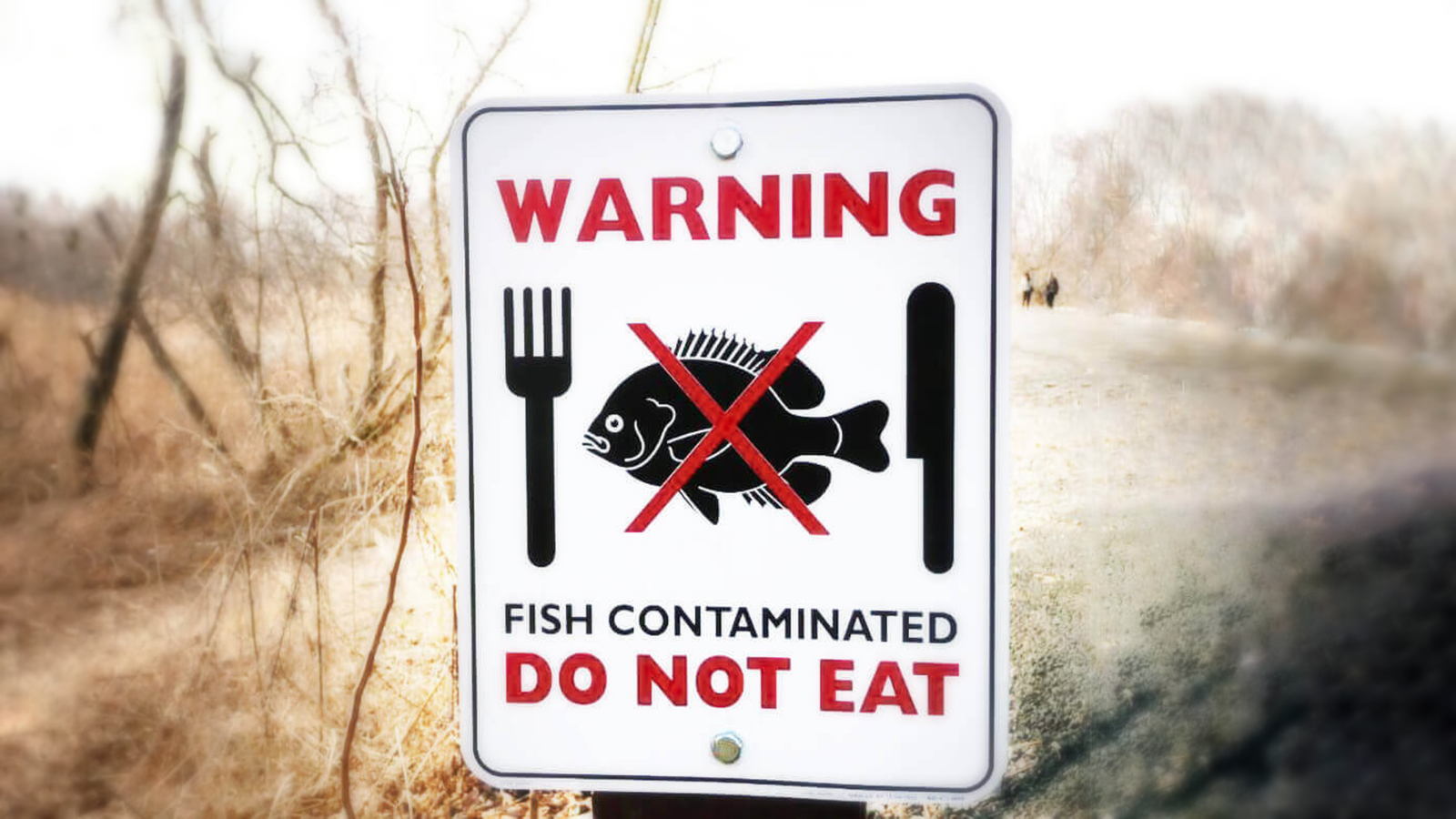
養殖魚には最大10倍の汚染物質が含まれています。
養殖サーモンのサンプルでは、野生サーモンと比較して8倍のレベル、市販の牛肉の4倍レベル、そして他の魚介類の3.5倍のレベルのPCBが含まれていることが示されています。いくつかの研究で、彼らは世界中の 700 以上のサケのサンプルを分析しました。これらの毒素のほとんどは魚の脂肪に蓄えられます。
狩猟肉と養殖動物の肉を比較する場合も同じです。
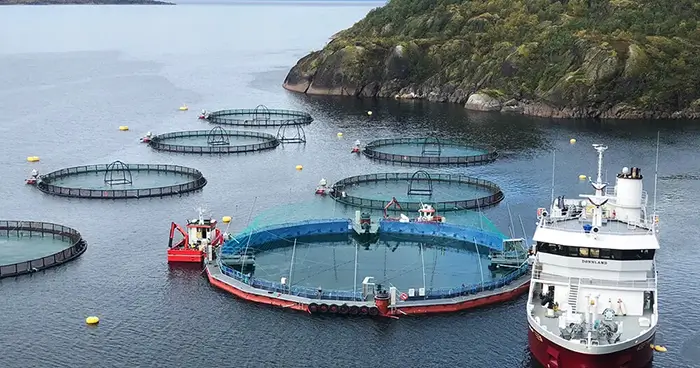
汚染物質の多くは養殖魚に与えられる餌に由来する。餌は他の家畜の餌と同じで、鶏肉や豚肉にPOPs(残留性有機汚染物質)が生物蓄積している場合、魚も同様ですが、魚は水槽に囲まれているため、魚が汚染物質を蓄積し始めるため、状況はさらに悪化します。水も同様に。
魚の排泄物や食べ残した飼料は、これらの養殖場の下の底に落ちて、腐敗し始めます。
平均的な規模のサケ養殖場では、人口 1 万人の都市の下水に相当する量の排泄物が排出されます。それは酸素を消費するバクテリアの繁殖地であり、酸素は海洋動物、特に貝類やその他の底生生物にとって不可欠です。また、 動物の排泄物自体が魚の餌として使用されます。
鶏は飼料から得られる栄養素の最大 30 パーセントしか使用しません。つまり、栄養素の70パーセントが糞の中に残っているということになります。魚はそれらの糞を食べ、残りのタンパク質、炭水化物、ビタミン、ミネラルをすべて吸収します。これらの糞も食べなければ落ちて底に沈殿します。その後、時間の経過とともに昆虫の幼虫が発生し、魚自身が排泄物からの汚染物質で満たされた幼虫を食べるようになります。それだけでなく、豚の排泄物の移送も一般的に行われています。 これは経済的に健全な設計手法として知られています。 畜魚一貫養殖。鶏、アヒル、豚から出る排泄物は、 養殖場に直接移される。ティラピアや鯉のような魚はプランクトンを主食としている。適量であれば、堆肥はプランクトンの成長を大幅に促進する。この魚のポンドの肥料化は、魚の成長と毒性レベルを劇的に改善する。.
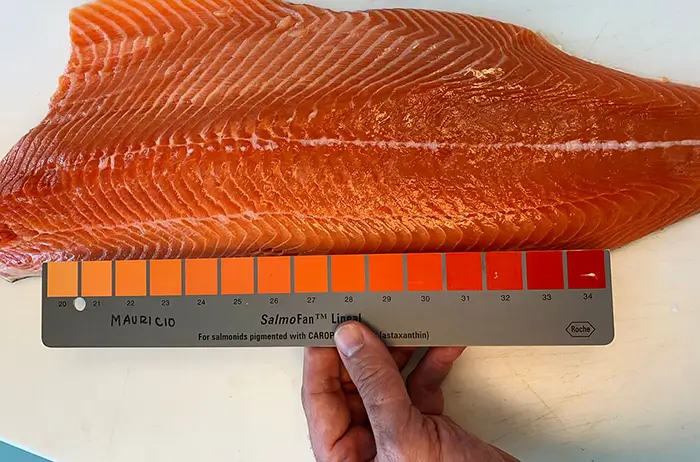
なぜなら、養殖場では魚は野生の餌を食べず、足りない餌だけを食べるからです。 アスタキサンチン。アスタキサンチンは藻類からの赤い色素で、藻類が紫外線からの防御として使用し、最も強力な色素の 1 つです。 抗酸化物質 海洋生息地で。サーモンのピンク色や、たとえばピンクのフラミンゴのピンク色は、アスタキサンチンの摂取の結果です。ピンクのフラミンゴは生まれつき白です。養殖環境では、魚にはさまざまな栄養素が不足しています。 ファイトケミカル 海で自然に食べるため、染料が与えられています。養殖サーモンには定期的に染料が添加されています。ダイは、着色剤として使用される合成的に生成されたカロテノイド アスタキサンチンです。RocheのカロフィルピンクからBASFのルカンチンピンクまで、さまざまな色合いもあります。これらの染料は詐欺です。彼らには目的がありません。彼らの唯一の仕事は、消費者であるあなたをだまして、その製品が自然に見え、健康的で風味豊かであると思わせることです。
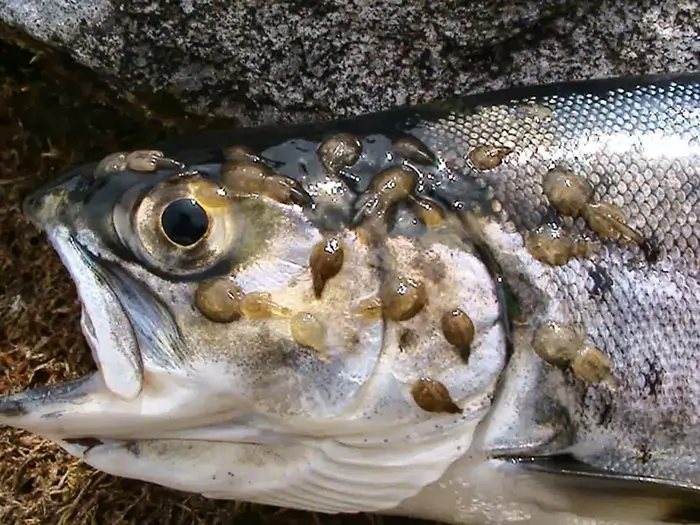
養殖廃棄物に加えて、これらの魚が混雑した環境に置かれているため、病気にもかかりやすくなります。 これは、感染症や寄生虫の温床となる通常の農業にたとえることができます。海では魚が散在しており、通常、感染は最小限のレベルで存在します。密集した海洋の飼育場では、病気や寄生虫が蔓延する可能性があります。これらの状況に対処するために、養殖魚にはミノーとしてワクチン接種が行われます。 ワクチン接種後、魚は常に抗生物質と殺虫剤を服用している。業界にとって最も重大な問題の 1 つは、 フナムシ。通常、野生ではまったく問題ありませんが、水槽ではまったく別の話になります。発生の最初の兆候が現れると、農家は飼料に大量の農薬を追加します。
魚の餌を与えられているため、オメガ3脂肪酸も不足しています。野生の魚は藻類からオメガ3を摂取します。魚の飼料は、粉砕した魚粉と植物性タンパク質を小麦などの結合剤の助けを借りて混ぜ合わせたものにすぎません。調査したすべての種類の魚において、オメガ 3 脂肪の量は天然魚の方がかなり多かった。一般に、養殖魚は安価で、天然魚よりも脂肪が10〜30%多く含まれています(そして、それはプロパガンダが吐き出すようなオメガ3脂肪酸ではなく、すでに過剰に摂取している脂肪にすぎません)。毒性のレベル、およびオメガ 3 のすべてが存在する場合はそれよりも低いレベル 酸。
解決策はクローズドシステムだ。水を処理し、再利用することで、近隣の野生生息地を汚染することはないが、そのような魚の生産方法ははるかに高価であり、野生の魚はそれだけで汚染されていることを忘れていた。その 清潔で汚染されていない魚は、それだけで炎症を起こす可能性が、ハンバーガーやポークベーコンよりもはるかに高いのです。また、それに加えて汚染もあります。
サーモンを食べることが健康に良いと思うなら、ベーコンを食べるのもいいかもしれません。養殖魚やエビはすべて毒です。エビやティラピアは最も汚いものの一つです。市場や店で見かけるエビやティラピアのほとんどは養殖場からのものです。
参考文献:
本からの抜粋ポキミツァ、ミロス ビーガンに行きますか?科学の復習パート 2. Kindle版、 アマゾン、2018年。
- Mo, Wing Yin et al. “Use of food waste, fish waste and food processing waste for China's aquaculture industry:ニーズと課題”.” トータル環境の科学 巻。613-614 (2018): 635-643。 土井:10.1016/j.scitotenv.2017.08.321
- ドレア、ホセ G.「動物飼料中の魚粉と、持続的な生体蓄積性および有毒物質への人間の曝露。」 食品保護ジャーナル 巻。69,11 (2006): 2777-85。 土井:10.4315/0362-028x-69.11.2777
- コスタ、ルシオ G. 「魚の汚染物質: リスクと利益の考慮事項」 労働衛生と毒性学のアーカイブ 巻。58,3 (2007): 367-74。 土井:10.2478/v10004-007-0025-3
- Cabello、Felipe C. 「水産養殖における予防的抗生物質の多量使用: 人間と動物の健康、そして環境にとってますます問題となっています。」 環境微生物学 巻。8,7 (2006): 1137-44。 土井:10.1111/j.1462-2920.2006.01054.x
関連記事




栄養と健康について何か質問はありますか?
ぜひご意見をいただき、次回の投稿でお答えしたいと思います。皆様のご意見とご意見に感謝しており、すぐにご連絡をお待ちしております。私もあなたを招待します フォローする Facebook、Instagram、Pinterestでダイエット、栄養、健康に関するコンテンツをご覧ください。そこにコメントを残して、他の健康愛好家とつながり、あなたのヒントや経験を共有し、私たちのチームやコミュニティからサポートや励ましを得ることができます。
この投稿があなたにとって有益で楽しいものであり、学んだ洞察を生かす準備ができていることを願っている。この投稿が役に立ったと思われた方は シェアする 友人や家族など、その恩恵にあずかれるかもしれない人たちと一緒に。誰が健康の旅にガイダンスやサポートを必要としているかわからないのですから。
– あなたはおそらくそれも好きでしょう –
WHO の食事ガイドライン - 新たな食糧ピラミッドと科学の抑圧

ビタミンD - 骨だけではありません
糖尿病の原因と精製炭水化物 - ヴィーガンの議論
飲料用蒸留水-解毒補助剤か猛毒か?

ガン、禁断の治療法-Rifeマシン、歴史的レビュー
抗酸化物質が豊富な食事: 一般的なルールと戦略
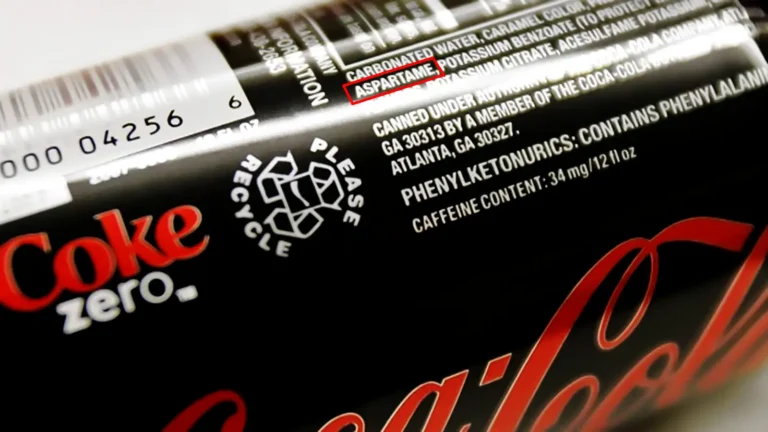
アスパルテーム: アスパルテームの健康リスクと危険性の真実
ファイトケミカル: 基本を理解する

栄養について学ぶ

ミロス・ポキミカは、自然医学の医師、臨床栄養士、医療健康と栄養のライター、栄養科学アドバイザーです。書籍シリーズの著者 ビーガンに行きますか?科学の復習また、自然健康サイト「GoVeganWay.com」を運営している。
医療上の免責事項
GoVeganWay.com では、最新の栄養と健康関連の研究のレビューをお届けします。提供される情報は著者の個人的な意見を表すものであり、専門的な医学的アドバイス、診断、または治療に代わることを意図または暗示するものではありません。提供される情報は情報提供のみを目的としており、資格のある医師または医療提供者の相談、診断、および/または治療に代わるものとして機能することを意図したものではありません。GoVeganWay.com で読んだことや GoVeganWay.com を通じてアクセスしたことを理由に、専門家の医学的アドバイスを無視したり、医療治療を受けるのを遅らせたりしないでください。
認可された医師に相談する前に、GoVeganWay.com で読んだ内容の結果としてライフスタイルの変更や変更を決して適用しないでください。
医療上の緊急事態が発生した場合は、直ちに医師または 911 に電話してください。GoVeganWay.com は、内部で言及されている特定のグループ、組織、検査、医師、製品、手順、意見、またはその他の情報を推奨または承認しません。
編集者のおすすめ –

酸化防止剤 編集者のおすすめ オラック
抗酸化サプリメントとしてのエッセンシャルオイル: ルールと戦略
食品グレードのエッセンシャルオイルは、食事の抗酸化値とORACスコアを最適化するための便利で消費者に優しい戦略となり得ます。

酸化防止剤 編集者のおすすめ オラック
アスタキサンチンの利点: 世界で最も強力な天然抗酸化物質
アスタキサンチンは、科学的に知られている最も強力な天然の普遍的な抗酸化物質(油溶性と水溶性の両方)です。それは組織に蓄積しますが、それ自体が酸化促進物質になることはありません。
酸化防止剤 編集者のおすすめ オラック ファイトケミカル
抗酸化物質: 基本を理解する
動物性食品には植物化学物質や抗酸化物質は含まれていません。平均して、植物性食品には動物性食品の 60 倍以上の抗酸化物質が含まれています。
編集者のおすすめ ビーガンダイエット
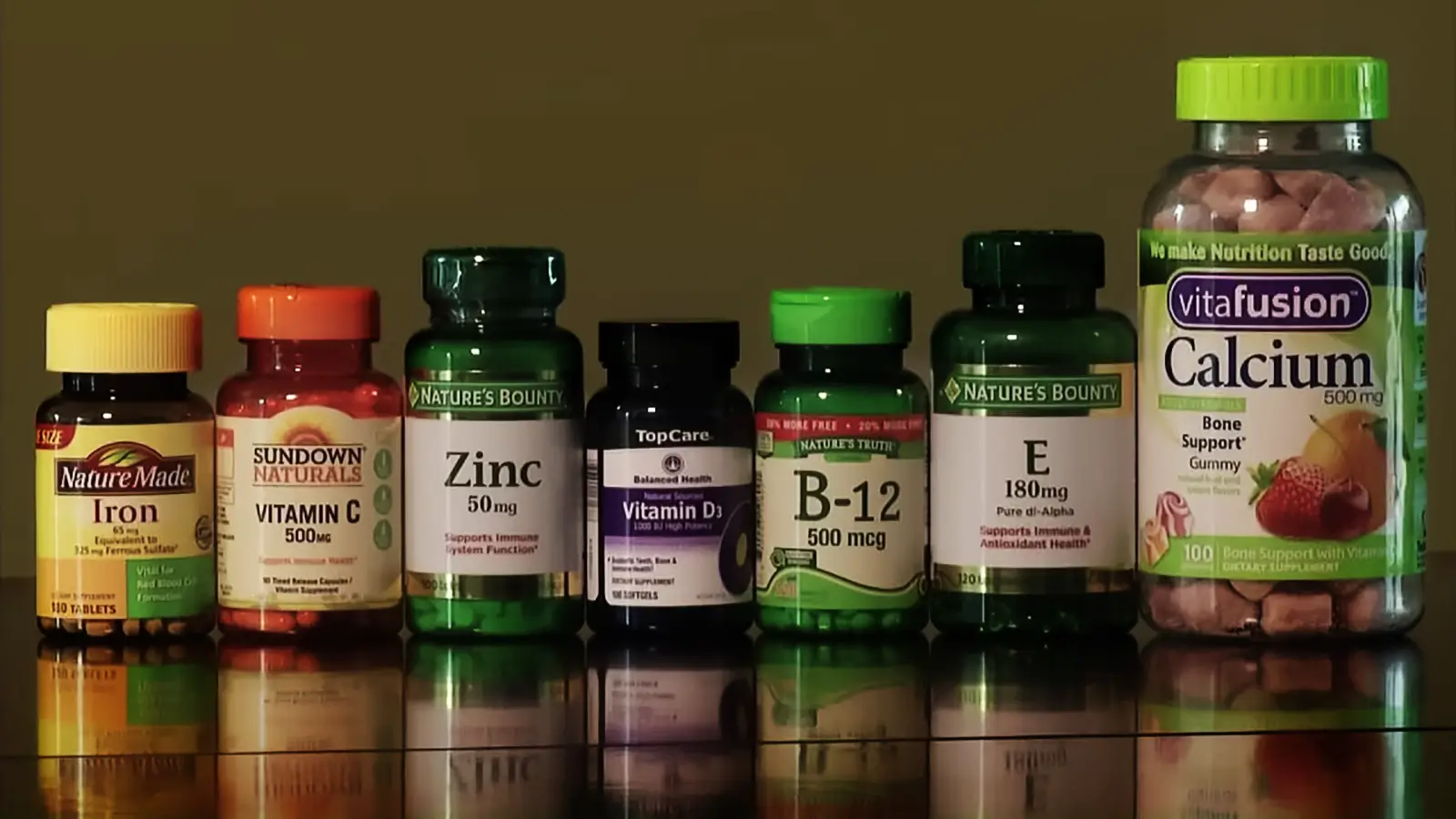
ビーガン食における栄養素欠乏: 予防戦略
植物ベースの食事を摂取している人々に影響を与える、人口規模での一般的な栄養素欠乏症は 9 つあります。期限内に修正されない場合、一部の欠陥はひどい治療不可能な結果をもたらします。
編集者のおすすめ 最適な食事
標準的なアメリカン・ダイエットにおける微量栄養素の欠乏: 最適化戦略
現代の肉、砂糖、加工食品の栄養プロファイルは、私たちの進化とは完全に矛盾しており、その結果、深刻な微量栄養素欠乏症を引き起こしている。
編集者のおすすめ 牛乳 最適な食事
牛乳と乳製品: 健康リスクの相関関係
牛乳や乳製品の摂取との関連性としては、不妊症、卵巣がん、乳がん、白血病、1型糖尿病、自閉症、動脈硬化、白内障、関節リウマチ、多発性硬化症、多動、うっ血、ニキビなどが知られています…

癌 編集者のおすすめ タンパク質
完全なタンパク質: がん形成における IGF-1 シグナル伝達
動物性タンパク質を摂取すると、あらゆる種類のがんを発症する可能性が 4 倍になります。喫煙すると肺がんを発症する確率が 4 倍になります。

癌 編集者のおすすめ タンパク質
がんの解剖学 - 健康リスクの相関関係
がんの約 2% は、純粋に遺伝的要因によって引き起こされると考えられる医学によるものです。動物界と同じ範囲。あなたには真実のすべてが語られていません。
ミロス・ポキミカは健康・栄養ライターであり、栄養科学アドバイザーである。書籍シリーズの著者。 ビーガンに行きますか?科学の復習また、自然健康サイト「GoVeganWay.com」を運営している。
最新記事 -

カロリー制限 長寿
断食の方法 オートファジーを壊さない断食食品
オートファジー。体の細胞が死んだり損傷したりするとどうなるのか考えたことはありますか? それらは単に積み重なって問題を引き起こすのでしょうか、それとも何らかの方法で処分されるのでしょうか?答えはあなたの体です…
ローフードダイエット ビーガンダイエット
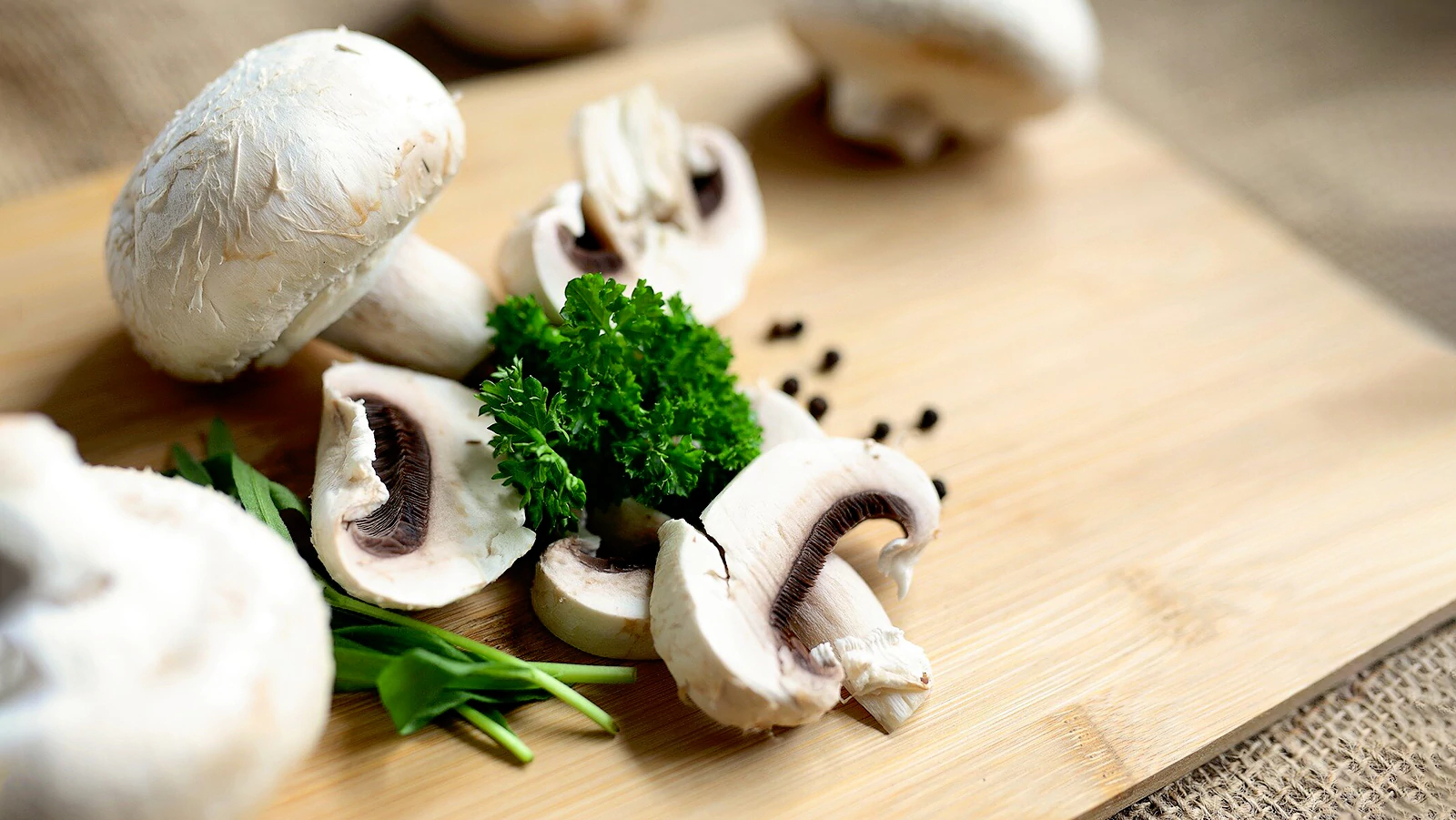
キノコは生で食べられるか:健康リスク、栄養と安全性
キノコにはヒドラジンやアガリチンのような熱に弱い毒素があり、キチンからできた細胞壁は人間にはうまく消化できない。

歯の健康 防止
自家製の天然マウスウォッシュ: 実証済み、より強力で毒性が低い
自家製の天然マウスウォッシュは、クロルヘキシジンより強力で毒性も低く、飲み込むと吐き気を催すかもしれないが、ORAC値も高い。

酸化防止剤 スーパーフード
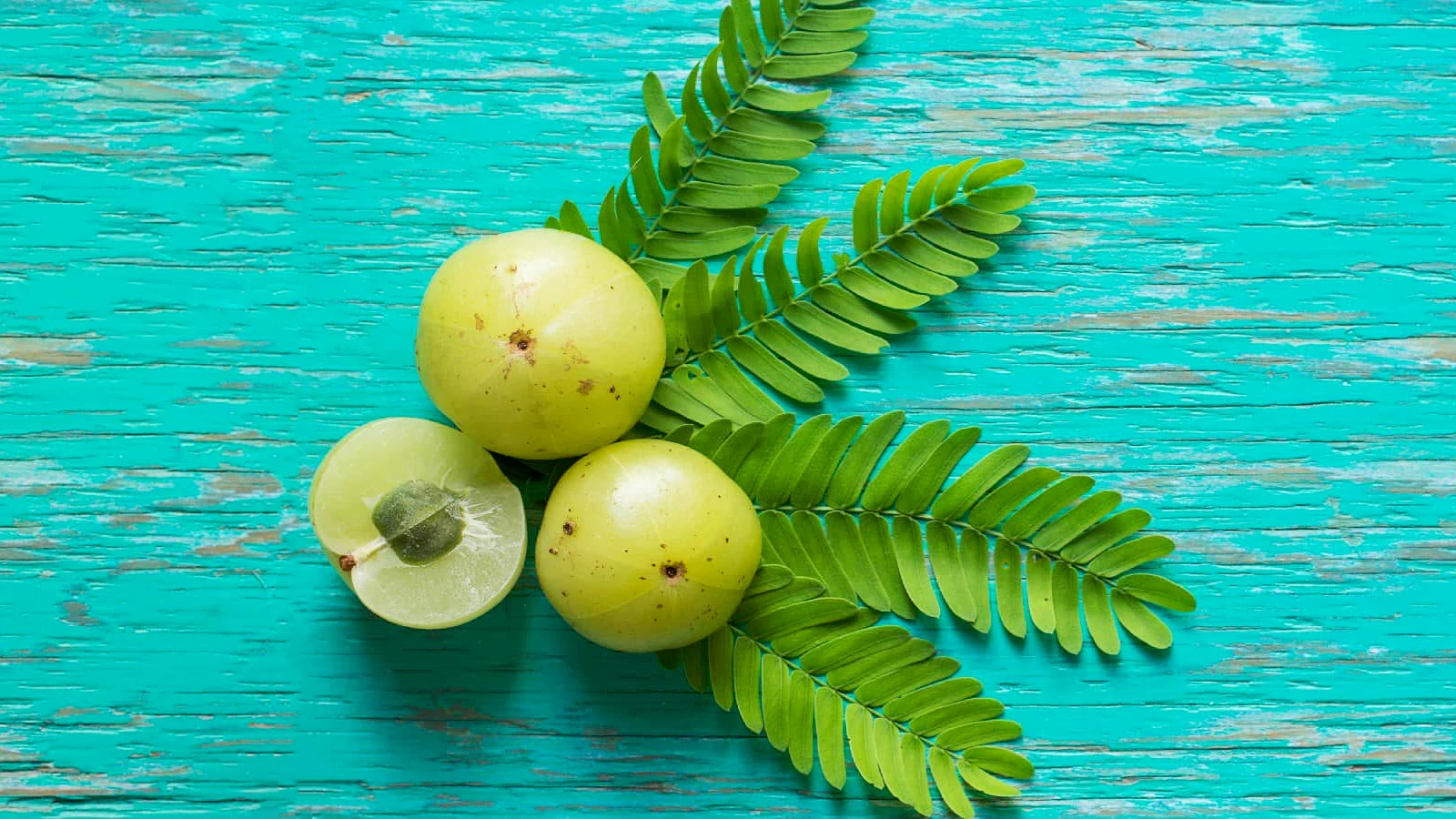
アムラ 証明された効能、栄養と臨床的意義
アムラは世界で最も強力な抗酸化物質のひとつで、ORACスコアは261,530です。さまざまな健康効果をもたらす植物化学物質が豊富に含まれています。
トップヘルスニュース — ScienceDaily
- Simple therapies beat drugs for knee arthritis pain relief3月 30, 2026 に
A major analysis of nearly 10,000 patients shows that simple, non-drug treatments like knee braces, hydrotherapy, and exercise can significantly ease knee osteoarthritis symptoms. These approaches not only reduce pain and improve mobility, but also avoid the risks tied to common medications. The findings suggest that low-cost, accessible therapies could play a bigger role in how doctors treat arthritis in the future.
- This overlooked hormone could be why your blood pressure won’t drop3月 30, 2026 に
A large U.S. study reveals that more than a quarter of people with hard-to-treat high blood pressure may have an overlooked hormone problem. Elevated cortisol—often linked to stress—was found in 27% of these patients, far higher than expected. This hidden condition could explain why standard medications fail. The discovery could lead to new testing and treatments that finally help bring blood pressure under control.
- Powerful cholesterol drug cuts heart attack risk by 31%3月 30, 2026 に
A powerful cholesterol-lowering drug may be changing the rules of heart disease prevention. Researchers found that evolocumab, typically used for people who already have cardiovascular disease, can significantly cut the risk of first-time heart attacks and strokes in high-risk patients with diabetes—even before any artery-clogging plaque is detected.
- Just a few minutes of effort could lower your risk of 8 major diseases3月 30, 2026 に
Just a few minutes of getting out of breath each day could dramatically cut your risk of major diseases—including heart disease, dementia, and diabetes. A large study of nearly 100,000 people found that it’s not just how much you move, but how intensely you move that matters. Short bursts of vigorous activity—like rushing for a bus or climbing stairs quickly—were linked to striking reductions in disease risk, especially for inflammatory conditions and brain health.
- Scientists solved the mystery of missing ocean plastic—and the answer is alarming3月 29, 2026 に
Scientists have discovered that the ocean’s “missing” plastic hasn’t vanished—it has broken down into trillions of invisible nanoplastics now spread through water, air, and living organisms. These tiny particles may be everywhere, including inside our bodies, raising serious concerns about their impact.
- Stroke triggers a hidden brain change that looks like rejuvenation3月 29, 2026 に
After a stroke, the brain may do something surprisingly hopeful—it can “refresh” parts of itself. Researchers analyzing brain scans from over 500 stroke survivors found that while the damaged side of the brain appears to age faster, the opposite, unaffected side can actually look younger. This unexpected shift seems to reflect the brain’s effort to rewire itself, strengthening healthy regions to compensate for lost function.
- New cholesterol guidelines could change when you get tested3月 29, 2026 に
A major new U.S. cholesterol guideline is shifting the focus toward earlier, more personalized prevention of heart disease. It urges people to start screening sooner—sometimes even in childhood—and highlights the importance of tracking not just LDL (“bad”) cholesterol but also genetic risk factors like lipoprotein(a). A new, more advanced risk calculator now uses broader health data to better predict heart attack and stroke risk over decades.
パブメッド、 #ビーガンダイエット –
- Comparative cross-sectional study of vegan and omnivorous diets and their impact on cardiac function among endurance athletes3月 30, 2026 に
Vegan and omnivorous diets are both common in endurance sport; however, the chronic effects of these diets on cardiac function remain uncertain. Therefore, it is of interest to compare echocardiographic, vascular and exercise performance between endurance athletes on vegan or omnivorous diets. Data shows there is comparable systolic function; however, vegans displayed superior diastolic function and arterial compliance; whilst omnivores maintained higher hemoglobin and ferritin levels. Thus, […]
- Environmental Sustainability and Chronic Disease Outcomes Across Four Sustainable Dietary Patterns3月 29, 2026 に
Global food consumption patterns have undergone substantial transformation in recent decades, driven by rapid population growth and the consequent intensification of agricultural production. This growth, however, has come at significant environmental cost. As food consumption practices play a central role in shaping these impacts, shifts toward environmentally sustainable diets-typically characterized by greater reliance on plant-based foods-have been proposed as a viable mitigation strategy….
- Plant-Based Dietary Patterns and Neuroimaging Biomarkers of Brain Health: A Scoping Review of Observational and Interventional Evidence3月 23, 2026 に
Healthy dietary interventions are well established in cardiovascular disease prevention, but their effects on the brain remain underexplored. This scoping review aims to investigate how adherence to core components of a whole-food plant-based diet (WFPBD) may impact neuroimaging outcomes across different brain conditions. We searched PubMed and MEDLINE for studies published in the past 20 years evaluating the effects of a predominantly or exclusively WFPBD, alone or combined with other […]
- Environmental and economic impact of a vegan versus traditional mediterranean diet: OMNIVEG study3月 17, 2026 に
CONCLUSIONS: Replacing animal products with plant-based foods in a Mediterranean dietary framework can enhance environmental sustainability and reduce food costs. These findings support the promotion of whole plant-based diets as a viable strategy for sustainable and affordable nutrition.
- Culinary Nutrition Programming for Members of a Community-Based Cancer Program3月 14, 2026 に
(1) Background: Nutrition research in cancer care has largely focused on disease prevention and management, overlooking the importance of food literacy. Culinary cancer care programs may address this gap by facilitating the practical application of nutrition through culinary skills, fostering social connections over nutrient-dense meals, and supporting individuals during periods of physical and social vulnerability. The Not-Just-Supper Club (NJSC) at Gilda’s Club Toronto (GT) is a…
ランダムな投稿 –
編集者のおすすめ ビーガンダイエット
ビーガン食における栄養素欠乏: 予防戦略
植物ベースの食事を摂取している人々に影響を与える、人口規模での一般的な栄養素欠乏症は 9 つあります。期限内に修正されない場合、一部の欠陥はひどい治療不可能な結果をもたらします。
酸化防止剤 編集者のおすすめ オラック
抗酸化サプリメントとしてのエッセンシャルオイル: ルールと戦略
食品グレードのエッセンシャルオイルは、食事の抗酸化値とORACスコアを最適化するための便利で消費者に優しい戦略となり得ます。

長寿 最適な食事 ビーガンダイエット
B12 欠乏症と認知機能低下: ホモシステイン最適化戦略
ホモシステインレベルを調節するビタミンは、B12、葉酸、B6です。ほとんどの非ビーガンは十分なビタミンB12を摂取していますが、葉酸は十分ではありませんが、ビーガンはより多くの葉酸を摂取していますが、サプリメントを摂取しなければビタミンB12を摂取できません。
ローフードダイエット ビーガンダイエット
キノコは生で食べられるか:健康リスク、栄養と安全性
キノコにはヒドラジンやアガリチンのような熱に弱い毒素があり、キチンからできた細胞壁は人間にはうまく消化できない。

対症療法医学 編集者のおすすめ
大手製薬会社の物語 - IG Farben
化学および医薬品産業に対するロックフェラーの独占の一部は、第二次世界大戦後に実現しました。スタンダード オイルと IG ファーベンの協力により、これが実現しました。
歯の健康 防止
自家製の天然マウスウォッシュ: 実証済み、より強力で毒性が低い
自家製の天然マウスウォッシュは、クロルヘキシジンより強力で毒性も低く、飲み込むと吐き気を催すかもしれないが、ORAC値も高い。
癌 解毒 炎症
スルフォラファンの効能: ブロッコリーの解毒作用
スルフォラファンは、科学的に知られている最も強力な天然の第 2 相酵素誘導剤です。スルフォラファンは、発がん物質によって誘発される腫瘍形成の用量依存的阻害剤であることも証明されています。

おすすめの投稿 -
対症療法医学 編集者のおすすめ
大手製薬会社の物語 - IG Farben
化学および医薬品産業に対するロックフェラーの独占の一部は、第二次世界大戦後に実現しました。スタンダード オイルと IG ファーベンの協力により、これが実現しました。

編集者のおすすめ 最適な食事
人間の最適な食生活-慢性疾患、ダイエット戦争、菜食主義者の主張
自然に最適な人間の食事は議会において、当社のhominin祖先が食べ過去30万年前には北環太平洋地域には、気候-植生の石。

対症療法医学 編集者のおすすめ 最適な食事
マクガバン報告書 - 特別な関心と科学の抑圧
1977年、食事ガイドライン(マクガバン報告書)をより植物ベースのヴィーガン向けのものに変更するよう求める動きが米国議会に提出された。

編集者のおすすめ 最適な食事 タンパク質
高たんぱく質の食事と健康リスクの相関関係
自然界におけるタンパク質のルールは希少性である。進化論的に言えば、人類学者はヒト科の動物が1日平均15グラムから25グラムのタンパク質を摂取していたことを証明している。現代の西洋型の高タンパク質食では、私たちはそれを消費することになる。
編集者のおすすめ 最適な食事
標準的なアメリカン・ダイエットにおける微量栄養素の欠乏: 最適化戦略
現代の肉、砂糖、加工食品の栄養プロファイルは、私たちの進化とは完全に矛盾しており、その結果、深刻な微量栄養素欠乏症を引き起こしている。
PubMed の最新情報、 #植物ベースの食事 –
- Barriers and facilitators for consuming a plant-based diet in patients with knee osteoarthritis: a qualitative studyによって Sabine Chmelar 3月 30, 2026 に
INTRODUCTION: A predominantly plant-based dietary concept was developed in the course of the NUMOQUA study (Nutrition and Movement to Improve Quality of Life in Patients with Knee Osteoarthritis) as part of the interdisciplinary therapeutic intervention for patients with knee osteoarthritis (OA). This study included focus group discussions (FGDs), which aimed to identify perceived barriers and facilitators for following these dietary recommendations.
- Adherence to healthy and sustainable diets and health-related behaviors in a Spanish online university settingによって Maria Pilar Giner 3月 30, 2026 に
CONCLUSION: Our findings underscore the importance of integrated, gender-sensitive strategies that jointly address diet quality, PA, sleep, and emotional well-being. Online universities represent an important setting for promoting both health and sustainability, especially through targeted actions that support a plant-rich, nutrient-dense dietary pattern, enhance emotional well-being, and encourage more active daily routines.
- Targeting systemic and tumor metabolic balances with ketogenic diets enhance efficacy of therapy in FLT3-ITD acute myeloid leukemiaによって Léa Goupille 3月 29, 2026 に
FMS-like tyrosine kinase 3 (FLT3) mutations in acute myeloid leukemia (AML) are associated with adverse prognosis. FLT3 inhibitors (FLT3i) improve therapeutic response; however, diverse resistance mechanisms, such as adaptations in lipid metabolism, have been identified. We hypothesized that a lipid-rich ketogenic diet (KD) might alter both host and tumoral lipid metabolism, enhancing responses to FLT3i. In FLT3-mutated AML mouse models, 3 weeks of lard- or plant-based KD improved the […]
- Recent evidence on plant-based diets and risk of chronic noncommunicable diseases in adults: A systematic review and meta-analysisによって Ana Botelho Moreira 3月 29, 2026 に
CONCLUSION: Recent observational evidence suggests that plant-based diets are associated with lower odds of hypertension and may also benefit type 2 diabetes and dyslipidemia. The findings support plant-forward dietary guidance, although better standardized prospective studies are still needed.
- Replacing red meat with non-soy legumes alters choline metabolites but not systemic inflammation or proxies of gut barrier function in healthy males in a 6-week RCTによって Tuulia K Pietilä 3月 29, 2026 に
While the health burden of high red and processed meat intake has been acknowledged in observational studies, studying the effects and mechanisms in controlled settings with healthy participants have generated mixed findings. We aimed to investigate whether a partial replacement of unprocessed and processed red meat (from 760 g/week to 200 g/week) with non-soy legume foods in apparently healthy men (age 37.9 y, BMI 25.5 ± 3.3 kg/m², mean±SD) yields beneficial effects on low-grade […]
- Environmental Sustainability and Chronic Disease Outcomes Across Four Sustainable Dietary Patternsによって Jenna Mu 3月 29, 2026 に
Global food consumption patterns have undergone substantial transformation in recent decades, driven by rapid population growth and the consequent intensification of agricultural production. This growth, however, has come at significant environmental cost. As food consumption practices play a central role in shaping these impacts, shifts toward environmentally sustainable diets-typically characterized by greater reliance on plant-based foods-have been proposed as a viable mitigation strategy….