







私たちは食事をすると保護用の抗酸化物質を大量に受け取るように進化しましたが、肉には抗酸化物質は存在しません。炎症と食事には高い相関関係があります。
ミロス ポキミカ
によって書かれた: ミロス ポキミカ
医学的に検証した結果 Xiùying Wáng, M.D. 博士。
Updated 6月 9, 2023原因が何であれ(毒素、フリーラジカル、ウイルスなど)、DNAがダメージを受けると、目に見える効果として炎症が増加する。炎症反応は、私たちの体の防御機構である。これは感染症とは異なるもので、人は通常この2つを一緒にしてしまう。病原体は、私たちの体の免疫システムからの防御反応として炎症を起こすが、炎症の原因ではない。炎症と食事にも相関関係がある。炎症の原因はDNAの損傷である。病原体、フリーラジカル、さまざまな種類の有害物質など、私たちの細胞を傷つけるものはすべて、炎症を引き起こす。私たちの免疫システムが誤作動を起こし、私たち自身の細胞を攻撃し始めると、目に見える効果として炎症が増加する。.
私たちは皆、常にある程度の炎症を起こしており、常にDNAの損傷に悩まされている。医師が体内の炎症マーカーについて語るのはそのためである。炎症マーカーには正常とされる範囲がある。自然細胞のエネルギー代謝の結果である酸化ダメージがあり、免疫系が日常的に対処する病原体のレベルが低く、体内には常に何らかの毒素が存在する。この ’正常な “炎症が、私たちが老化現象として知っている病気を引き起こす。.
これに加えて、私たちは皆、さまざまな理由で急性(短期間の)炎症を起こす可能性があります。たとえば、細菌感染症にかかる可能性があります。それは痛みや他の症状を引き起こし、私たちはそれを認識します。
しかし、別の種類の炎症もあります。その両方を兼ね備えたタイプです。そして、それは通常許容されるレベルを超える慢性(永続的な)炎症であり、長期間にわたって痛みや目に見える影響を伴わずに存在する可能性があります。それはまだ存在しており、DNA損傷が増加し、その結果、最終段階では何らかの病気を引き起こすことになるでしょう。たとえば、がんになったり、老化率が上昇したりする可能性があります。
全体的な炎症が大きくなるほど、DNA損傷が多くなり、寿命が短くなり、病気の可能性が高くなります。理想的には、炎症や DNA 損傷がなく、永遠に生きられるはずですが、正常な細胞代謝のためそれは不可能です。
がんから自己免疫疾患、糖尿病、心血管疾患に至るまで、ほとんどすべての慢性疾患は慢性炎症に関連しており、基本的にこれまでに検査されたほとんどの疾患がそれに関連しています。
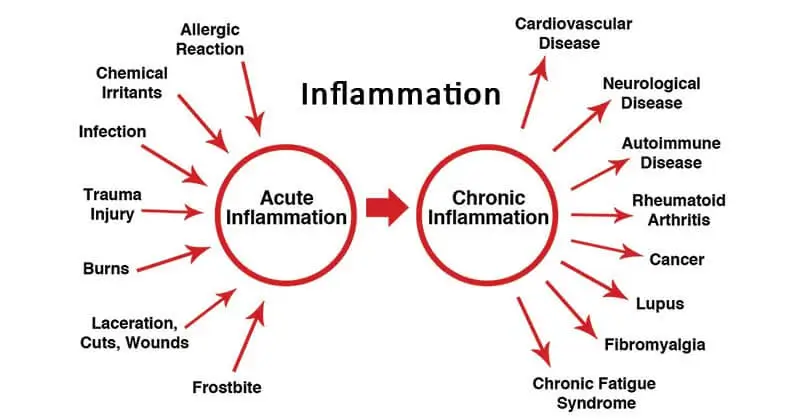
というのも、人々はこのことを理解していないが、炎症はそれ自体が病気ではないからだ。身体の防御反応にすぎない。私たちのDNAがどれだけ破壊されているかを示すバイオマーカーなのだ。抗炎症薬で人工的に下げることができる免疫システムの反応なのだ。自己免疫疾患や免疫システムの機能不全に対処しないのであれば、人工的に炎症を下げても、事態を悪化させるだけだ。インフルエンザにかかったときに体温を下げるのと同じことだ。それでインフルエンザウイルスがいなくなるのだろうか、それとも免疫システムの防御機構が弱まるだけなのだろうか?
慢性炎症に対処する場合、炎症だけでなく DNA 損傷の根本原因を除去する必要があります。
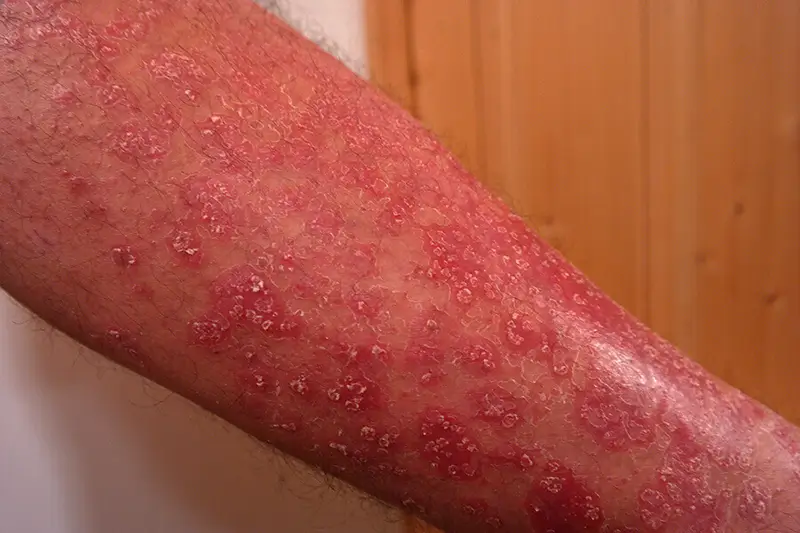
食事が炎症の増加を引き起こす原因は主に 2 つあります。
- それ自体が炎症促進性であり、毒素、化学物質、死んだ細菌、突然変異原が含まれていることを意味します。
- それ自体が炎症の急増を引き起こさない限り、炎症を防ぐこともできません。
動物性食品は両方の影響を引き起こします。
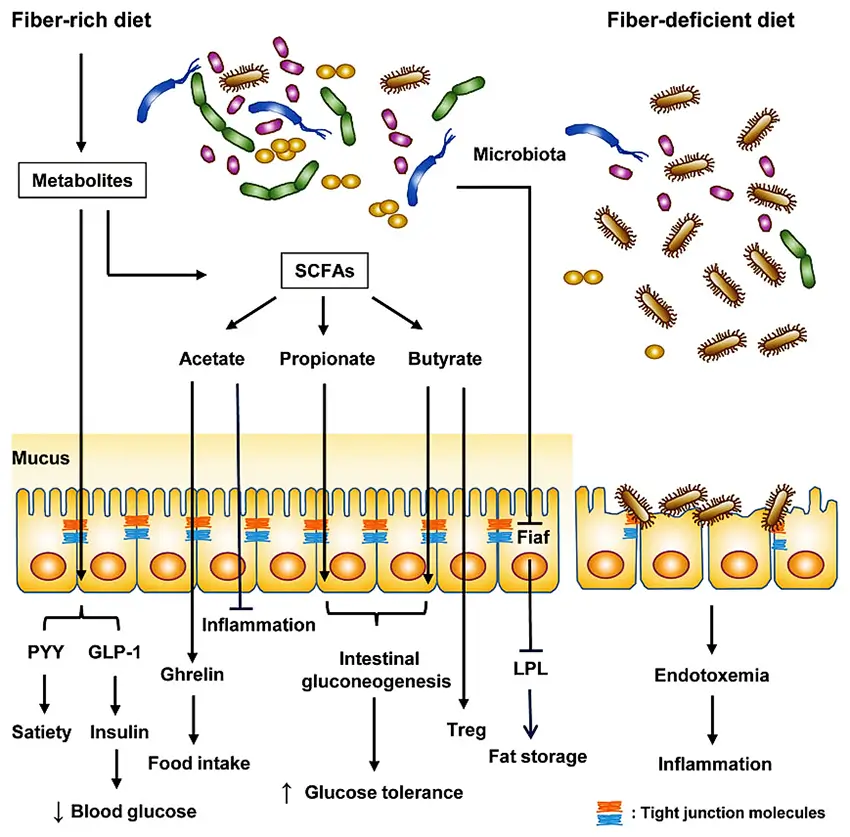
私たちの免疫システムの大きな部分は、腸とリンパ節のほとんどにあります。私たちの腸内には何千もの異なる種類の細菌が存在しますが、その中には主に 2 つの基本的な種類があります。2 つの主要なグループは互いに異なります。プロバイオティクスとは、食物繊維を代謝して私たちの体と共生するものや、肉を分解するものです。バクテリアが肉を食べるとしたら、私たちの組織も肉の塊です。肉食動物とは異なり、私たちは何百万年もの進化の中で、繊維が豊富な植物性食品を丸ごと食べるように進化してきました。私たちが繊維を食べると、プロバイオティックバクテリアの餌となり、プロバイオティックバクテリアが増殖します。
彼らは私たちの生体に対してそれほど攻撃的ではありません。免疫系はそれらと戦うのが容易になり、危険なエンドトキシンが血流に分泌されなくなり、全体的なダメージが減り、炎症が軽減されます。アウィカほか、2018), (テレ・ハンセンほか、2018)。繊維を摂取すると健康状態が改善され、炎症が軽減されますが、動物性食品は肉を腐敗させる細菌の餌となり、炎症を悪化させます。肉や動物性たんぱく質を食べると、そのメカニズムだけで腸内でより高いレベルの炎症が引き起こされます。

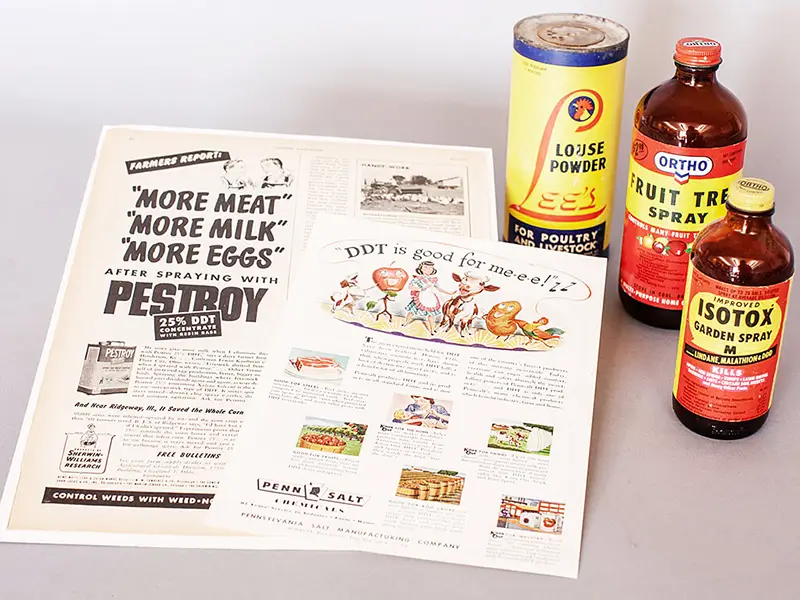
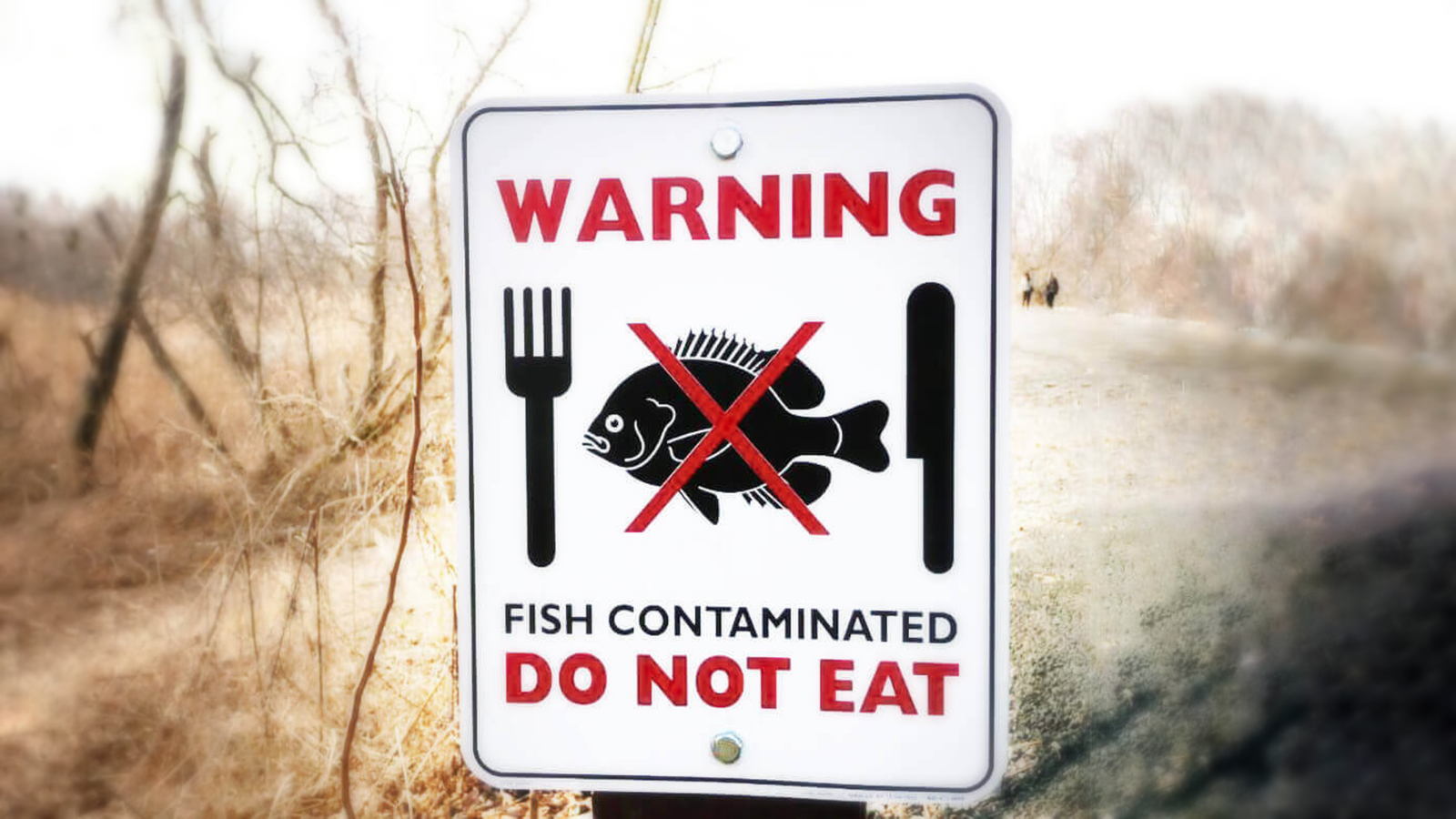
さらに、食物連鎖における生物濃縮により、肉の中にいくつかの毒素や汚染物質が存在します。人為的に作られたものであるかどうかに関係なく、環境中に存在し、耐熱性および化学的に安定な毒素はすべて生物蓄積します。生物はフィルターのようなものです。彼らは、善も悪も存在するすべてのものをフィルタリングします。状況はそれほど悪くはありませんが、生物濃縮と呼ばれるもう 1 つのプロセスがあります。マグロに水銀が蓄積していることは誰もが知っています(ウーら、2019)、マイクロプラスチック (バルボーザほか、2018)、または農薬 (ゼネック、2018)。組織内に蓄積する、これまでに知られているさまざまな残留性環境汚染物質が数十万種類あります。食物連鎖を理解すると、上に進むにつれて毒素の蓄積が何百倍も悪化します(ガスルら、2011)。つまり、小さな魚が大きな魚に食べられると、その毒素がすべて大きな魚に受け渡されるということです。植物性食品を食べることは、基本的に、禁煙やアルコールやその他の有毒物質の回避などのライフスタイル介入に加えて、有毒物質の負荷を軽減する唯一の方法です。私たちが食事から摂取するすべての農薬の 70% 以上が、肉食を通じて摂取されていますが、人々はこのことを理解していません。動物の飼料も散布され、殺虫剤は動物の組織に蓄積され、熱に耐性があります。動物性食品が中心の食生活をしている場合、リンゴを洗って食べないようにしても効果はありません。これらの残留毒素は脂溶性であり、代謝または分解できません。
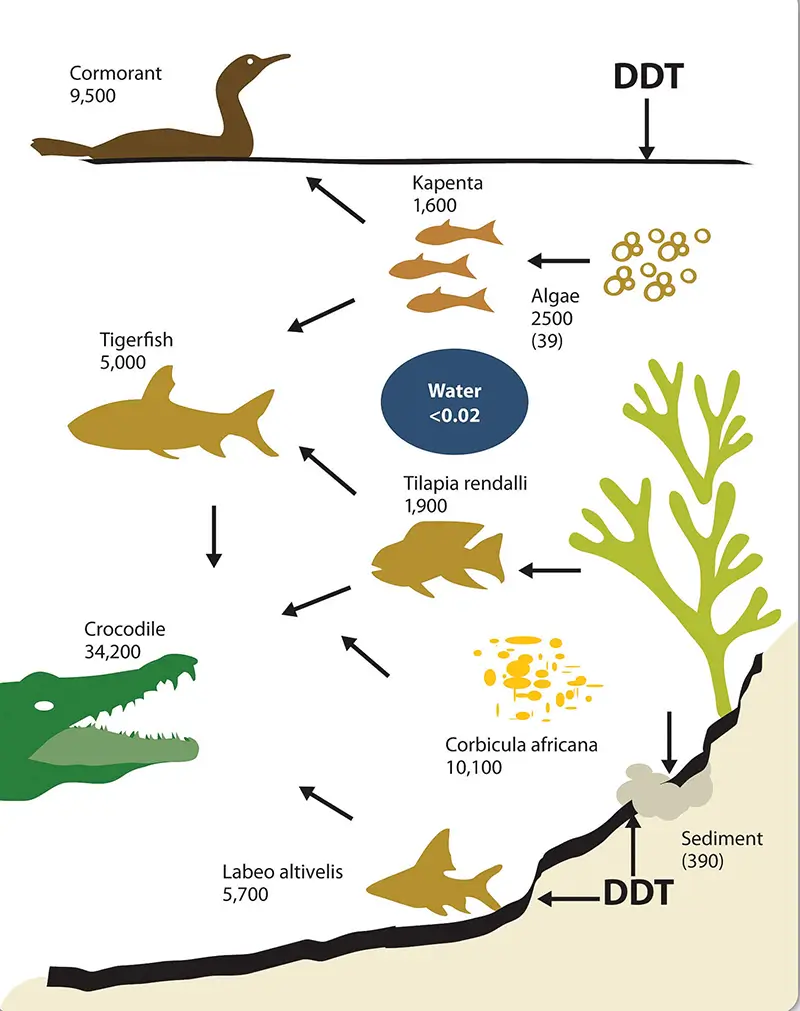
したがって、ビーガンの食事、言い換えれば、食物連鎖の低い位置にある食事を食べることは、食物連鎖の低い位置に行くと有毒負荷が減り、DNA損傷が減少し、炎症が軽減されるため、身を守る効果があります。
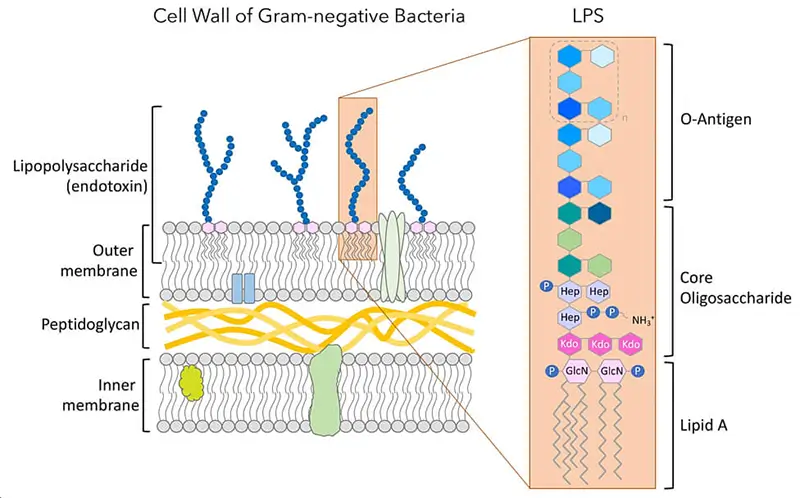
植物性食品ではなく動物性食品が炎症を起こしやすいもう一つの理由は、死んだバクテリアである。肉には腐敗しやすい細菌が多く含まれており、調理によって細菌を死滅させたとしても、まだ有毒であることが理解されていない。バクテリアは破壊されるが完全ではなく、その塊は残り、それ以上調理することはできない。世界で最も危険な毒物のいくつかは、このような死肉細菌の内毒素である。これらは脂溶性で、肉を食べた後に体内に吸収され、炎症を引き起こす(ロペス・モレノほか、2017).
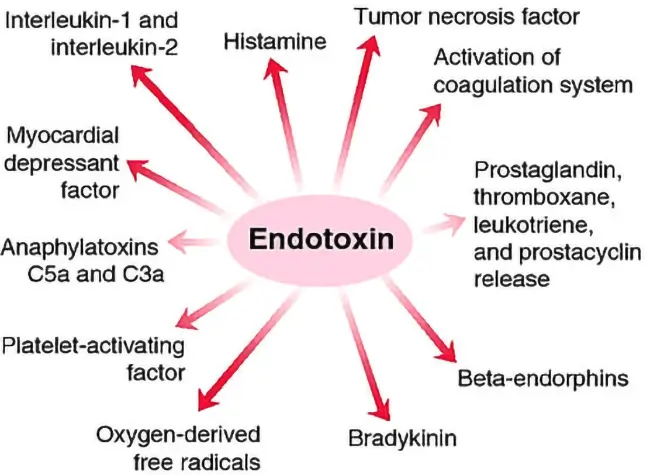
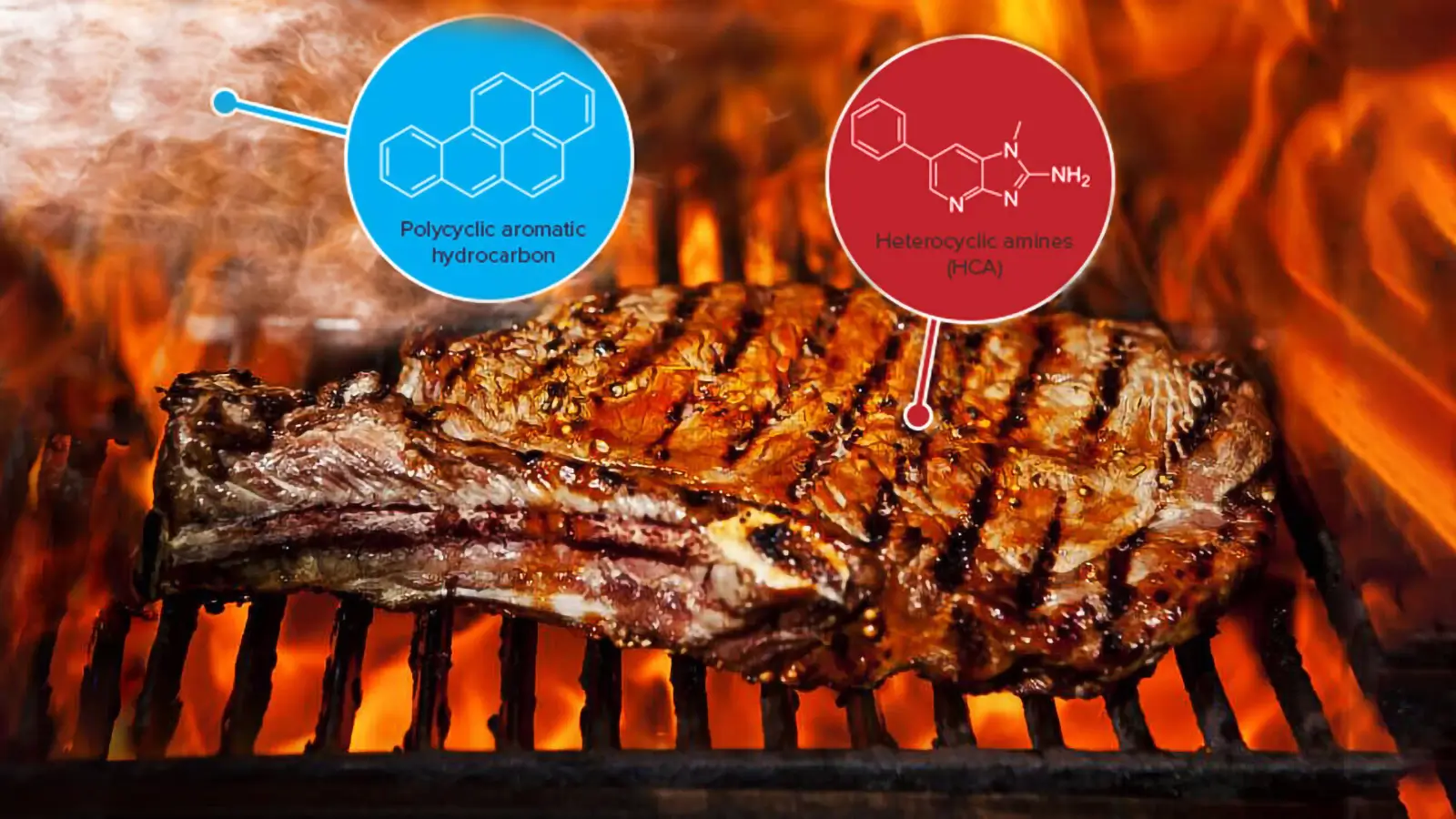
さらに、肉や動物性たんぱく質を調理する過程で、アミノ酸の分子構造が壊れることで、それだけで変異原物質が生成され、炎症を引き起こします。
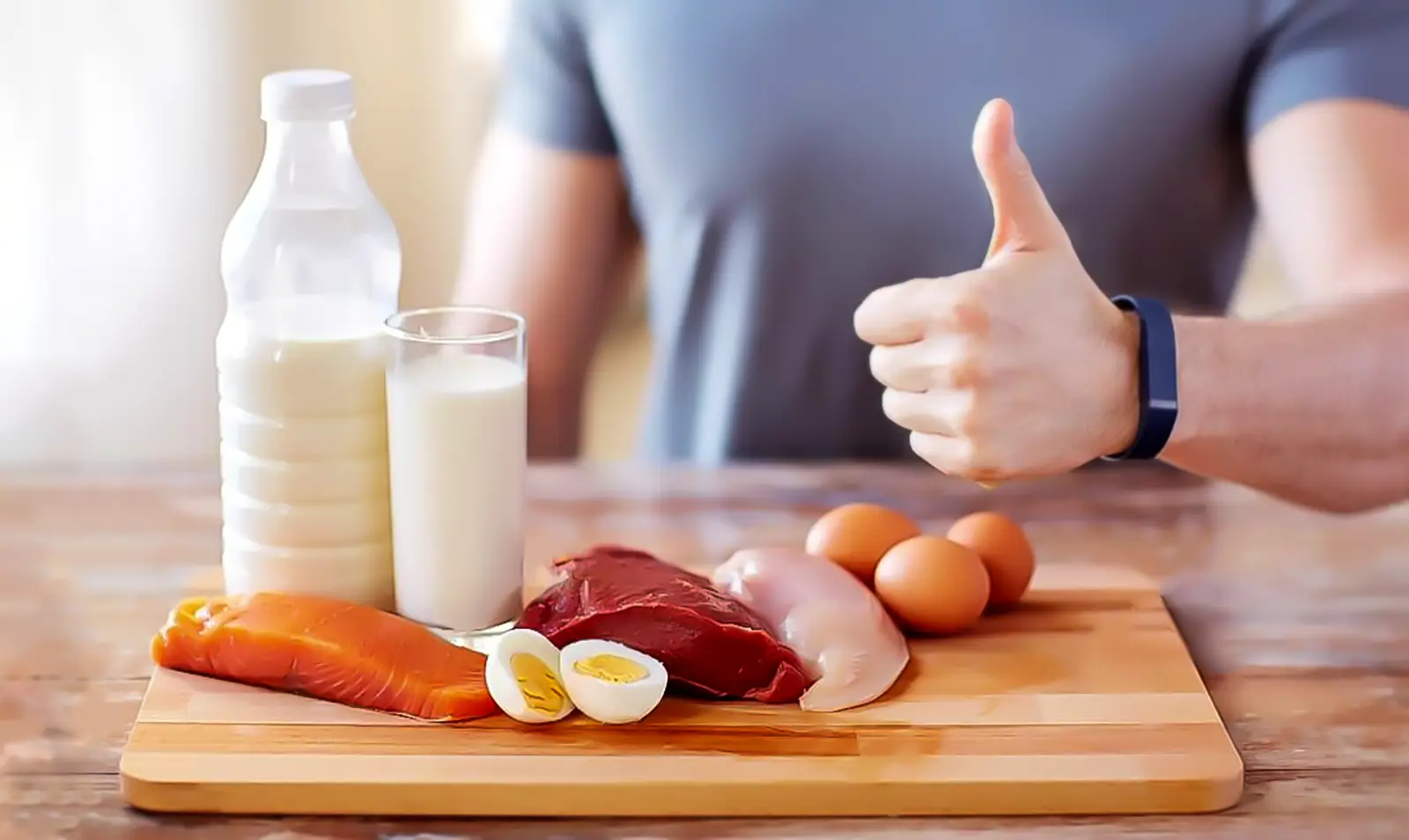
動物性食品が炎症を引き起こす2番目に大きな理由は、それ自体が炎症を促進することに加えて、抗炎症性の抗酸化物質やその他の植物化学物質が含まれていないことです。私たちの体は、食べるたびに抗酸化物質が大量に分泌されることを期待するように進化してきました。当然のことながら、食品はパッケージ取引であり、ホールフードにはカロリーだけでなく、繊維、ビタミンやミネラルなどの微量栄養素、および多くの抗酸化物質が含まれています。私たちの体は、食事をするたびに保護用の抗酸化物質を大量に受け取るように進化してきましたが、動物性食品には抗酸化物質は存在しません。最終的な結果は、食後(食事後)に炎症が増加することです(ミーセンら、2019).
標準的なアメリカの肉中心の食事とは異なり、ビーガンの食事は通常は中立的であり、直接的な損害を与えることはありません。例えば、 精糖、でんぷん、精製小麦粉、精製油はすべてビーガンであり、重度の炎症の急増を直接引き起こすことはありません。腸内に危険な細菌を与えることはありません。これらは肉と同じレベルで直接炎症を促進するわけではありませんが、同時に炎症を防ぐこともできません。定期的な細胞代謝と体内のフリーラジカル損傷の生成により、食後に酸化損傷が増加する可能性があります。私たちの体が毒素やフリーラジカル DNA 損傷と戦うために進化してきた方法は、食品に含まれる抗酸化物質やその他の栄養素を利用することです。私の推奨事項は、ビーガンの場合はORACスケールで1日あたり少なくとも25,000ユニットの抗酸化物質を摂取することです。非ビーガンの場合は、すべての動物性食品による食後の酸化ダメージの増加と戦うためだけでも、それよりもはるかに多くの量が必要になります。食べること。それから、 環境中の毒素 変異原物質に加えて、私たちのほとんどは喫煙や飲酒などの悪い習慣を持っています。この記事は、人々がこれらの問題について基本的な理解を得るために、この主題についての入門として書かれています。
単なる食事療法としてのビーガンダイエットは、まったくのジャンクです。油と砂糖は両方ともビーガン製品です。最適なレベルの微量栄養素を含む植物ベースのホールフード食事は、慢性炎症を軽減し、さまざまな病気を予防するのに役立つ唯一の食事です。
癌の非常に重要な危険因子は、私たちの第 2 の死因であり、慢性炎症と免疫系の障害です。今日、人口のほとんどは高レベルの慢性炎症を患っています。さらに、広範囲の人口規模で、いくつかの必須微量栄養素(カロリーではなく、必須および一部の重要な非必須微量栄養素)と抗酸化物質が不足しています。
一方では、炎症性化合物、毒素、変異原物質が存在しますが、他方では微量栄養素や抗酸化物質が不足しています。また、IGF-1やエストロゲンなどの癌促進ホルモンが慢性的に上昇します。
参考文献:
- アウィカ、JM、ローズ、DJ、シムセク、S. (2018)。穀物と豆類のポリフェノールと食物繊維の慢性炎症と腸の健康に対する相補的な効果。 食と機能, 9(3)、1389 ~ 1409 年。 https://doi.org/10.1039/c7fo02011b
- VH テレ・ハンセン、KB ホルヴェン、SM ウルヴェン (2018)。人間の腸内微生物叢と全身性炎症に対する健康的な食事パターンの影響。 栄養素, 10(11), 1783. https://doi.org/10.3390/nu10111783
- Wu, P.、Kainz, MJ、Bravo, AG、Åkerblom, S.、Sonesten, L.、および Bishop, K. (2019)。メチル水銀の生物濃縮における遠洋食物網基地への生物濃縮の重要性: メタ分析。 トータル環境の科学, 646、357–367。 https://doi.org/10.1016/j.scitotenv.2018.07.328
- Barboza、LGA、Dick Vethaak、A.、Lavorante、BRBO、Lundebye、AK、Guilhermino、L. (2018)。海洋マイクロプラスチック破片: 食品の安全性、食品の安全性、人間の健康にとって新たな問題となっています。 海洋汚染速報, 133、336–348。 https://doi.org/10.1016/j.marpolbul.2018.05.047
- Zennegg M. (2018).食肉中のダイオキシン類とPCB - それでも懸念すべき問題か?. 化学, 72(10)、690–696。 https://doi.org/10.2533/chimia.2018.690
- Gasull, M.、Bosch de Basea, M.、Puigdomènech, E.、Pumarega, J.、Porta, M. (2011)。人間の残留性有機汚染物質濃度に対する食事の影響に関する実証分析: スペインで実施されたすべての研究の系統的レビュー。 環境国際, 37(7)、1226–1235。 https://doi.org/10.1016/j.envint.2011.05.008
- ロペス=モレノ、J.、ガルシア=カーペンター、S.、ヒメネス=ルセナ、R.、ハロ、C.、ランゲル=スニガ、OA、ホワイト=レッド、R.、ユベロ=セラーノ、EM、ティナホーネス、FJ、シン-リスト、J.、ペレス-マルティネス、P.、ロシュ、HM、ロペス-ミランダ、J.、およびカマルゴ、A. (2017)。エンドトキシン血症に対する食事脂質の影響は食後の炎症反応に影響を与えます。 農業および食品化学のジャーナル, 65(35)、7756–7763。 https://doi.org/10.1021/acs.jafc.7b01909
- メーセン、ECE、ヴァルムブルン、MV、ニュードルプ、M、およびソーテルス、MR (2019)。人間の食後の栄養代謝と軽度の炎症: 解説レビュー。 栄養素, 11(12), 3000. https://doi.org/10.3390/nu11123000
関連記事



栄養と健康について何か質問はありますか?
ぜひご意見をいただき、次回の投稿でお答えしたいと思います。皆様のご意見とご意見に感謝しており、すぐにご連絡をお待ちしております。私もあなたを招待します フォローする Facebook、Instagram、Pinterestでダイエット、栄養、健康に関するコンテンツをご覧ください。そこにコメントを残して、他の健康愛好家とつながり、あなたのヒントや経験を共有し、私たちのチームやコミュニティからサポートや励ましを得ることができます。
この投稿があなたにとって有益で楽しいものであり、学んだ洞察を生かす準備ができていることを願っている。この投稿が役に立ったと思われた方は シェアする 友人や家族など、その恩恵にあずかれるかもしれない人たちと一緒に。誰が健康の旅にガイダンスやサポートを必要としているかわからないのですから。
– あなたはおそらくそれも好きでしょう –
A1 牛乳: 糖尿病、自閉症、心臓病

対症療法医学 - 恐怖の心理学
養殖魚 - 「セスプール」の楽園
メチレンブルー:治療と臨床的意義

家庭での油抽出 - 栄養濃度の秘密の技術
超常的刺激-むちゃ食い障害と食欲調節

過食症 - 空腹の心理
加工食品: リスクを理解する

栄養について学ぶ

ミロス・ポキミカは、自然医学の医師、臨床栄養士、医療健康と栄養のライター、栄養科学アドバイザーです。書籍シリーズの著者 ビーガンに行きますか?科学の復習また、自然健康サイト「GoVeganWay.com」を運営している。
医療上の免責事項
GoVeganWay.com では、最新の栄養と健康関連の研究のレビューをお届けします。提供される情報は著者の個人的な意見を表すものであり、専門的な医学的アドバイス、診断、または治療に代わることを意図または暗示するものではありません。提供される情報は情報提供のみを目的としており、資格のある医師または医療提供者の相談、診断、および/または治療に代わるものとして機能することを意図したものではありません。GoVeganWay.com で読んだことや GoVeganWay.com を通じてアクセスしたことを理由に、専門家の医学的アドバイスを無視したり、医療治療を受けるのを遅らせたりしないでください。
認可された医師に相談する前に、GoVeganWay.com で読んだ内容の結果としてライフスタイルの変更や変更を決して適用しないでください。
医療上の緊急事態が発生した場合は、直ちに医師または 911 に電話してください。GoVeganWay.com は、内部で言及されている特定のグループ、組織、検査、医師、製品、手順、意見、またはその他の情報を推奨または承認しません。
編集者のおすすめ –
酸化防止剤 編集者のおすすめ オラック
抗酸化サプリメントとしてのエッセンシャルオイル: ルールと戦略
食品グレードのエッセンシャルオイルは、食事の抗酸化値とORACスコアを最適化するための便利で消費者に優しい戦略となり得ます。

酸化防止剤 編集者のおすすめ オラック
アスタキサンチンの利点: 世界で最も強力な天然抗酸化物質
アスタキサンチンは、科学的に知られている最も強力な天然の普遍的な抗酸化物質(油溶性と水溶性の両方)です。それは組織に蓄積しますが、それ自体が酸化促進物質になることはありません。
酸化防止剤 編集者のおすすめ オラック ファイトケミカル
抗酸化物質: 基本を理解する
動物性食品には植物化学物質や抗酸化物質は含まれていません。平均して、植物性食品には動物性食品の 60 倍以上の抗酸化物質が含まれています。
編集者のおすすめ ビーガンダイエット
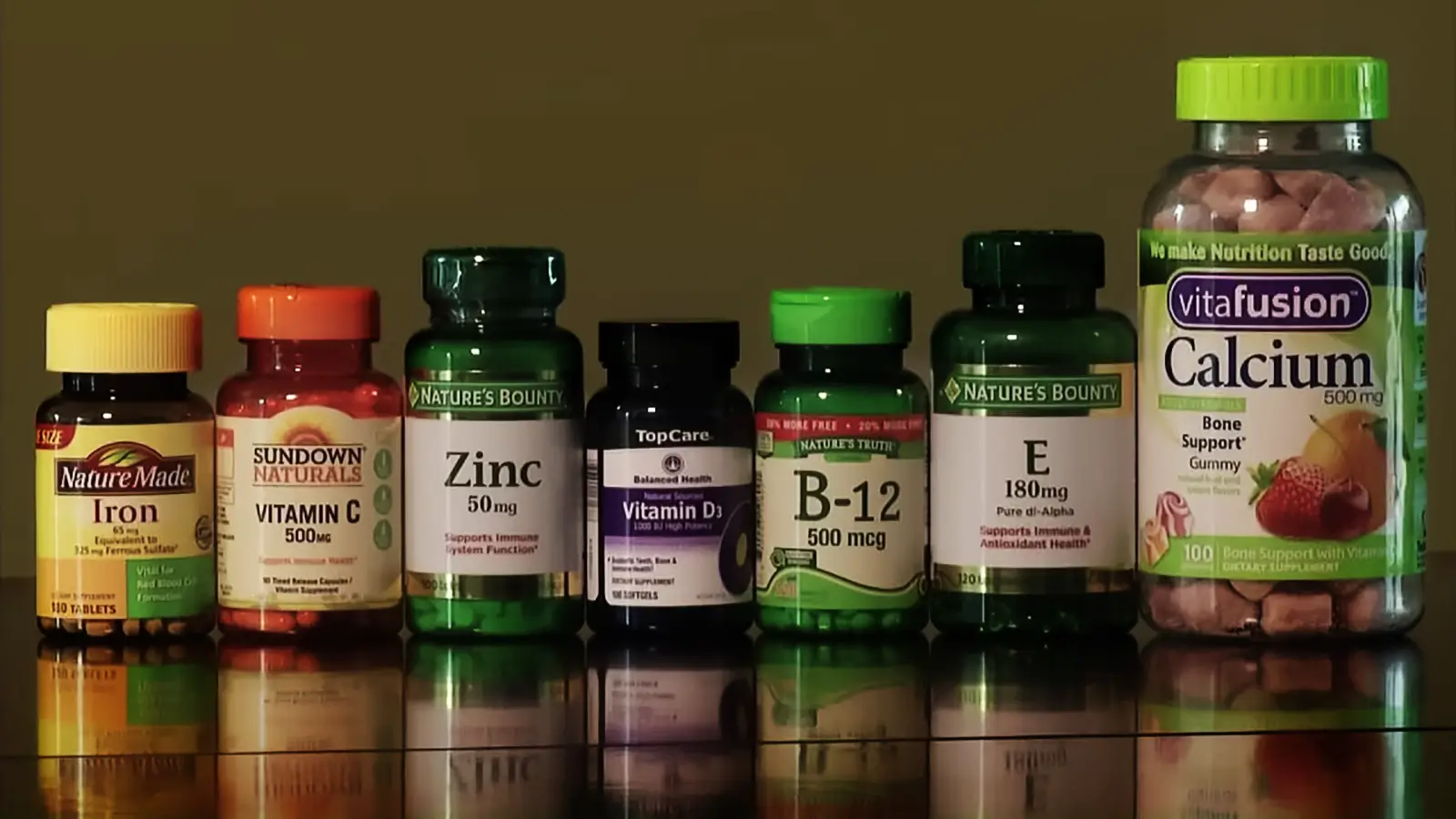
ビーガン食における栄養素欠乏: 予防戦略
植物ベースの食事を摂取している人々に影響を与える、人口規模での一般的な栄養素欠乏症は 9 つあります。期限内に修正されない場合、一部の欠陥はひどい治療不可能な結果をもたらします。
編集者のおすすめ 最適な食事
標準的なアメリカン・ダイエットにおける微量栄養素の欠乏: 最適化戦略
現代の肉、砂糖、加工食品の栄養プロファイルは、私たちの進化とは完全に矛盾しており、その結果、深刻な微量栄養素欠乏症を引き起こしている。
編集者のおすすめ 牛乳 最適な食事
牛乳と乳製品: 健康リスクの相関関係
牛乳や乳製品の摂取との関連性としては、不妊症、卵巣がん、乳がん、白血病、1型糖尿病、自閉症、動脈硬化、白内障、関節リウマチ、多発性硬化症、多動、うっ血、ニキビなどが知られています…
癌 編集者のおすすめ タンパク質
完全なタンパク質: がん形成における IGF-1 シグナル伝達
動物性タンパク質を摂取すると、あらゆる種類のがんを発症する可能性が 4 倍になります。喫煙すると肺がんを発症する確率が 4 倍になります。

癌 編集者のおすすめ タンパク質
がんの解剖学 - 健康リスクの相関関係
がんの約 2% は、純粋に遺伝的要因によって引き起こされると考えられる医学によるものです。動物界と同じ範囲。あなたには真実のすべてが語られていません。
ミロス・ポキミカは健康・栄養ライターであり、栄養科学アドバイザーである。書籍シリーズの著者。 ビーガンに行きますか?科学の復習また、自然健康サイト「GoVeganWay.com」を運営している。
最新記事 -
カロリー制限 長寿
断食の方法 オートファジーを壊さない断食食品
オートファジー。体の細胞が死んだり損傷したりするとどうなるのか考えたことはありますか? それらは単に積み重なって問題を引き起こすのでしょうか、それとも何らかの方法で処分されるのでしょうか?答えはあなたの体です…

ローフードダイエット ビーガンダイエット
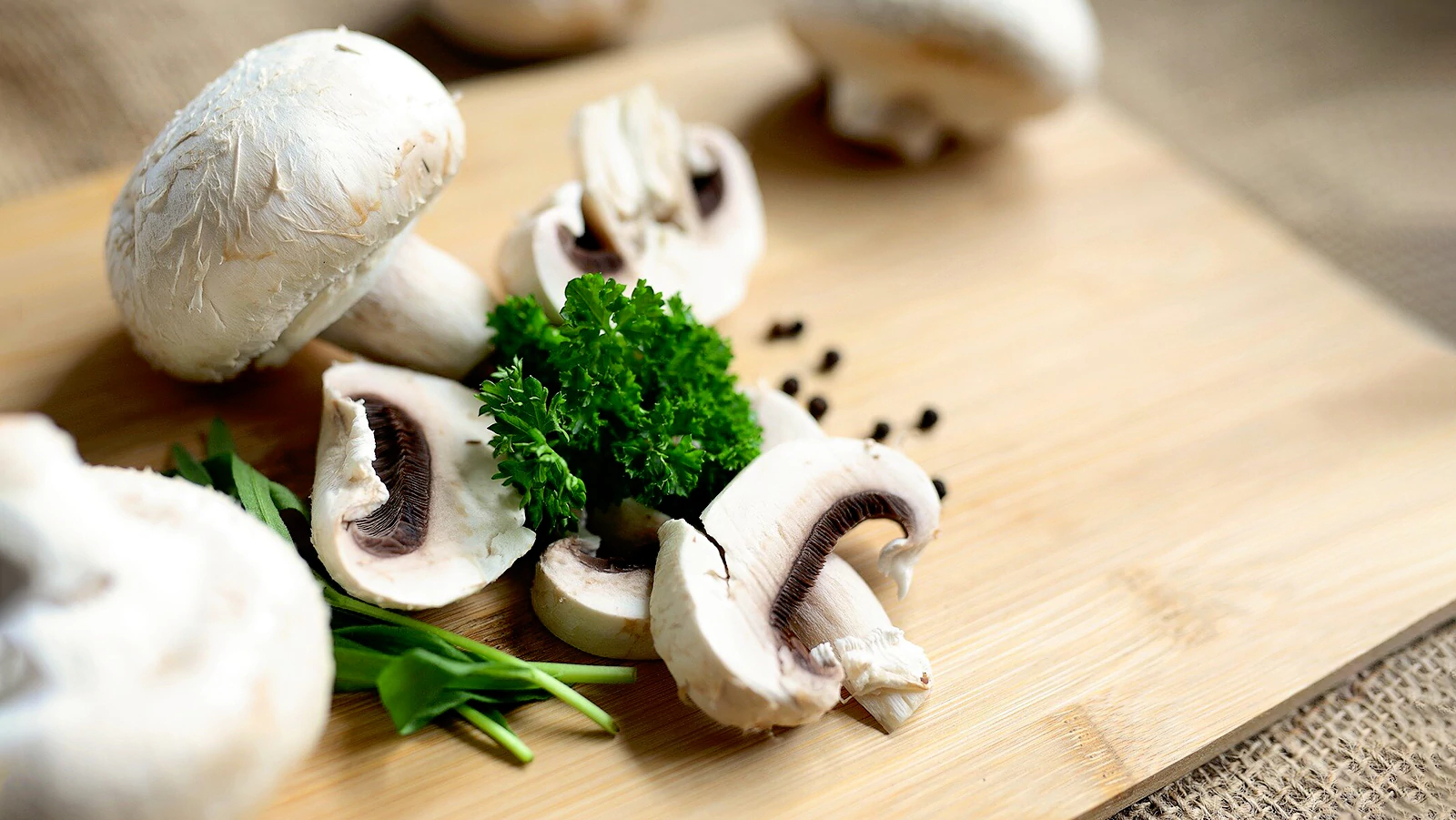
キノコは生で食べられるか:健康リスク、栄養と安全性
キノコにはヒドラジンやアガリチンのような熱に弱い毒素があり、キチンからできた細胞壁は人間にはうまく消化できない。


歯の健康 防止
自家製の天然マウスウォッシュ: 実証済み、より強力で毒性が低い
自家製の天然マウスウォッシュは、クロルヘキシジンより強力で毒性も低く、飲み込むと吐き気を催すかもしれないが、ORAC値も高い。
酸化防止剤 スーパーフード
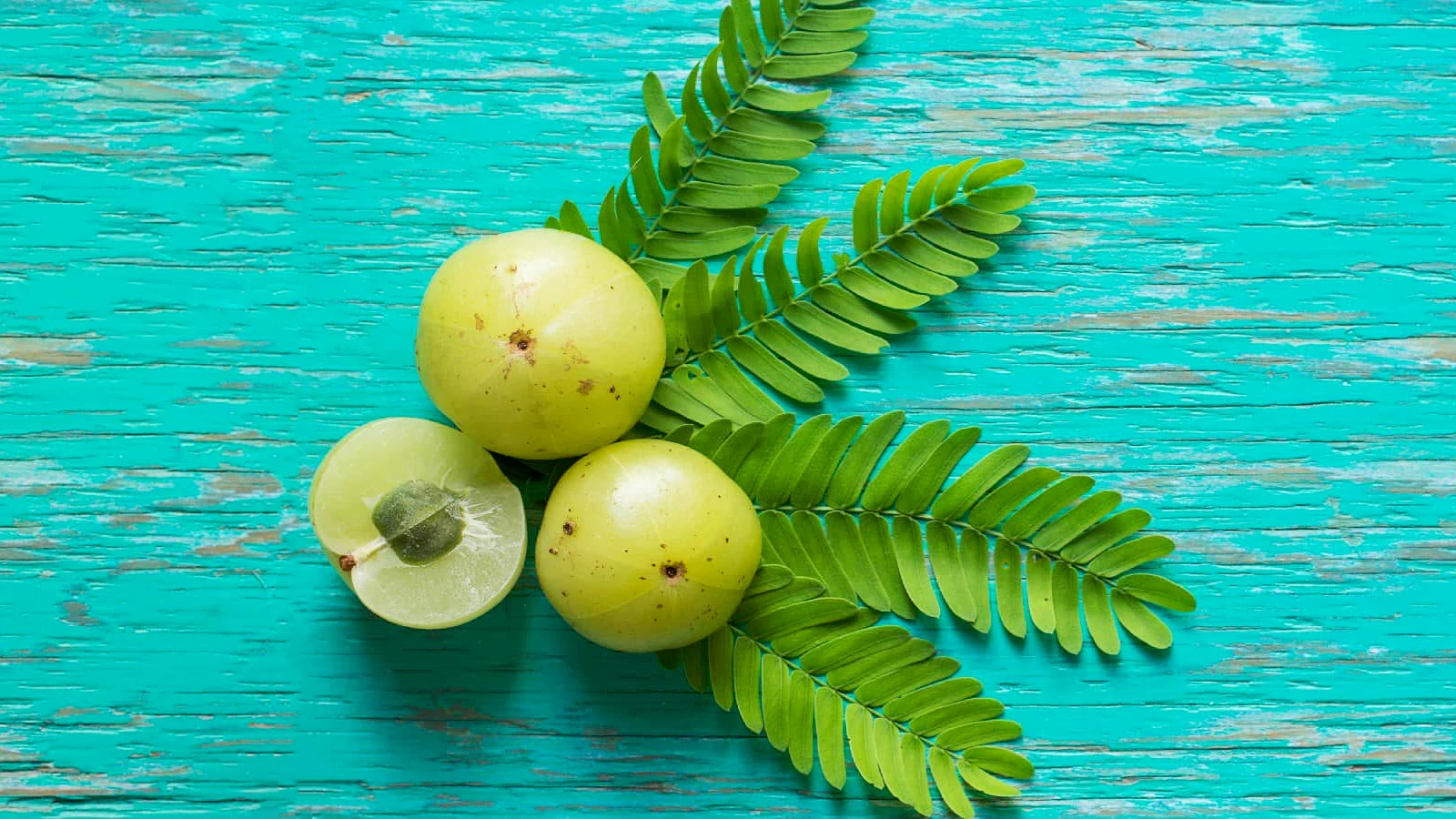
アムラ 証明された効能、栄養と臨床的意義
アムラは世界で最も強力な抗酸化物質のひとつで、ORACスコアは261,530です。さまざまな健康効果をもたらす植物化学物質が豊富に含まれています。
トップヘルスニュース — ScienceDaily
- This new carbon material could make carbon capture far more affordable3月 28, 2026 に
Scientists have created a new kind of carbon material that could make carbon capture much cheaper and more efficient. By carefully controlling how nitrogen atoms are arranged, they found certain structures capture CO2 better and release it using far less heat. One version works at temperatures below 60 °C, meaning it could run on waste heat instead of costly energy. The discovery offers a powerful new blueprint for next-generation climate technology.
- Popular sugar substitute linked to brain damage and stroke risk3月 28, 2026 に
A widely used sugar substitute found in everything from keto snacks to diet drinks may not be as harmless as it seems. New research shows that erythritol can disrupt brain blood vessel cells, reducing their ability to relax, increasing harmful oxidative stress, and impairing the body’s ability to break down clots. These changes create conditions that could raise stroke risk, even at typical consumption levels.
- Scientists discover why your appetite suddenly disappears when you’re sick3月 28, 2026 に
Scientists have uncovered how your body actually tells your brain to stop eating when you’re sick. In a new study, researchers found that specialized cells in the gut detect parasites and send signals that ultimately trigger the brain to suppress appetite. This process builds over time, explaining why you may feel fine at first but then suddenly lose interest in food as an infection takes hold.
- Scientists discover a hidden system that turns brown fat into a calorie burner3月 28, 2026 に
Scientists have identified a key biological system that helps brown fat burn energy by building the networks it needs to function. A protein called SLIT3 splits into two parts, with each piece guiding the growth of blood vessels and nerves inside brown fat. These structures allow the tissue to pull in nutrients and rapidly convert them into heat instead of storing them as fat.
- This popular supplement may increase risk of birth defects, study finds3月 27, 2026 に
A new study reveals that high doses of antioxidants—often seen as harmless or beneficial—may actually impact future generations. Male mice given common supplements like NAC produced offspring with subtle but significant facial and skull changes. Researchers believe this is tied to altered sperm DNA, even though the fathers showed no outward health issues.
- Scientists discover why cancer drugs don’t work for everyone3月 27, 2026 に
Scientists have uncovered a hidden reason why cancer treatments don’t work equally well for everyone. Certain drugs can become trapped inside lysosomes within tumor cells, forming slow-release reservoirs that create uneven drug distribution. This means some cancer cells are heavily exposed while others are barely affected. Understanding this process could help doctors better tailor treatments and improve outcomes.
- Scientists find gut bacteria inject proteins that control your immune system3月 27, 2026 に
Gut bacteria aren’t just passive passengers—they can actively send proteins straight into our cells. Using microscopic injection systems, even harmless microbes can influence immune responses and metabolic pathways. Researchers found these interactions may play a role in inflammatory diseases like Crohn’s. It’s a major shift in how scientists understand the microbiome’s power over human health.
パブメッド、 #ビーガンダイエット –
- Plant-Based Dietary Patterns and Neuroimaging Biomarkers of Brain Health: A Scoping Review of Observational and Interventional Evidence3月 23, 2026 に
Healthy dietary interventions are well established in cardiovascular disease prevention, but their effects on the brain remain underexplored. This scoping review aims to investigate how adherence to core components of a whole-food plant-based diet (WFPBD) may impact neuroimaging outcomes across different brain conditions. We searched PubMed and MEDLINE for studies published in the past 20 years evaluating the effects of a predominantly or exclusively WFPBD, alone or combined with other […]
- Environmental and economic impact of a vegan versus traditional mediterranean diet: OMNIVEG study3月 17, 2026 に
CONCLUSIONS: Replacing animal products with plant-based foods in a Mediterranean dietary framework can enhance environmental sustainability and reduce food costs. These findings support the promotion of whole plant-based diets as a viable strategy for sustainable and affordable nutrition.
- Consumption Habits and Perception of Plant-Based Milk and Dairy Alternatives Among Vegetarians and Omnivores: A Case Study of Consumers in Slovenia3月 14, 2026 に
CONCLUSIONS: PBMDA perceptions in Slovenia are strongly segmented by dietary pattern and socio-demographics, supporting the need for clearer nutrition communication.
- Culinary Nutrition Programming for Members of a Community-Based Cancer Program3月 14, 2026 に
(1) Background: Nutrition research in cancer care has largely focused on disease prevention and management, overlooking the importance of food literacy. Culinary cancer care programs may address this gap by facilitating the practical application of nutrition through culinary skills, fostering social connections over nutrient-dense meals, and supporting individuals during periods of physical and social vulnerability. The Not-Just-Supper Club (NJSC) at Gilda’s Club Toronto (GT) is a…
- Fatty acid composition of ground-beef products and their plant-based meat substitutes available in Hungary3月 13, 2026 に
CONCLUSION: The findings indicate that plant-based meat alternatives (except those containing coconut oil) have lower saturated and higher polyunsaturated fatty acid compositions than beef-based products, leading to more beneficial nutritional value. Further analytical and clinical studies are necessary to provide a more comprehensive understanding of the long-term health effects of these foods.
ランダムな投稿 –
癌 解毒 炎症
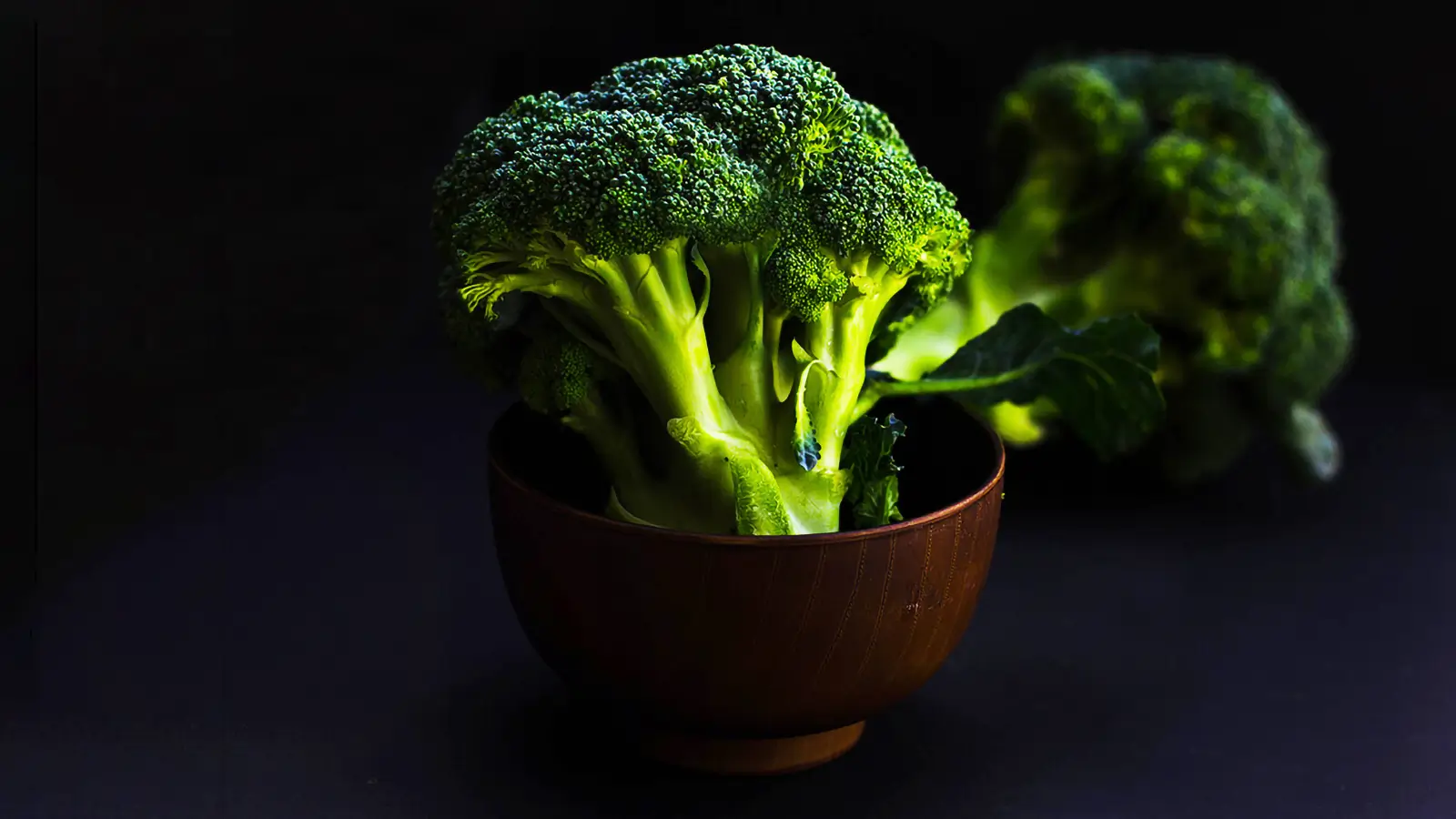
スルフォラファンの効能: ブロッコリーの解毒作用
スルフォラファンは、科学的に知られている最も強力な天然の第 2 相酵素誘導剤です。スルフォラファンは、発がん物質によって誘発される腫瘍形成の用量依存的阻害剤であることも証明されています。

COVID 19 防止 ビタミンD
ビタミンD欠乏症 - 危険因子
植物によって生成されないビタミンはビタミン D の 2 つだけで、もう 1 つはビタミン B12 と考えられます。ビタミンD欠乏症は本当に懸念されています。


糖尿病 編集者のおすすめ 最適な食事
精製糖: リスクを理解する
子供たちは総カロリー必要量の約 5 分の 1 を精製砂糖だけで摂取します。脂肪やその他の栄養を奪われた加工食品をリストに加えると、完全な栄養補給の悪夢になってしまいます。
解毒 水を飲んでいる
アルカリ水 - 健康上の利点とリスク
健康と栄養のコミュニティでは、「イオン水」または「アルカリ水」の利点について多くの健康に関する話が行われています。科学は何を言っているのでしょうか?
酸化防止剤 編集者のおすすめ オラック
抗酸化サプリメントとしてのエッセンシャルオイル: ルールと戦略
食品グレードのエッセンシャルオイルは、食事の抗酸化値とORACスコアを最適化するための便利で消費者に優しい戦略となり得ます。

癌 編集者のおすすめ タンパク質
完全なタンパク質: がん形成における IGF-1 シグナル伝達
動物性タンパク質を摂取すると、あらゆる種類のがんを発症する可能性が 4 倍になります。喫煙すると肺がんを発症する確率が 4 倍になります。

おすすめの投稿 -
対症療法医学 編集者のおすすめ 最適な食事
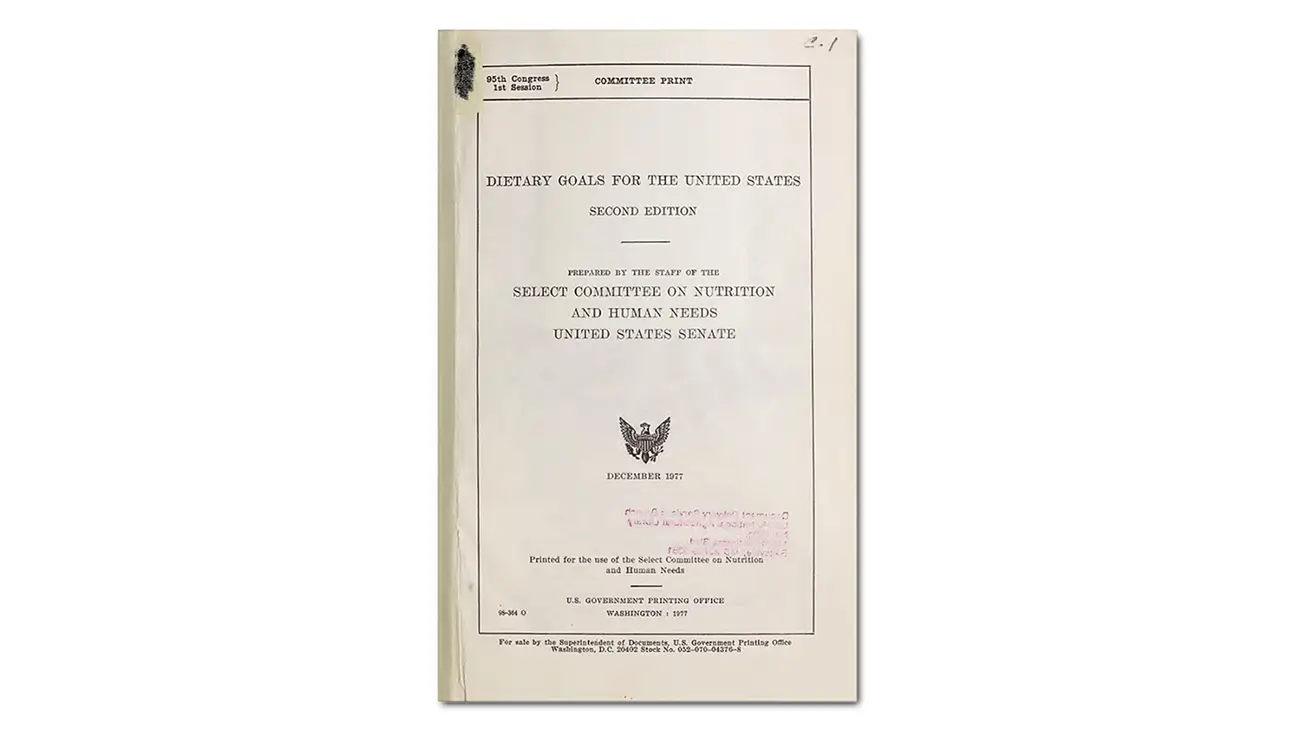
マクガバン報告書 - 特別な関心と科学の抑圧
1977年、食事ガイドライン(マクガバン報告書)をより植物ベースのヴィーガン向けのものに変更するよう求める動きが米国議会に提出された。
酸化防止剤 編集者のおすすめ オラック ファイトケミカル
抗酸化物質: 基本を理解する
動物性食品には植物化学物質や抗酸化物質は含まれていません。平均して、植物性食品には動物性食品の 60 倍以上の抗酸化物質が含まれています。

編集者のおすすめ 防止 ビーガンダイエット
中国の研究 - ビーガンの議論
中国の研究では、でんぷんベースのビーガン食を実践している世界の未開発の農村地域では、心臓病、がん、糖尿病が発生していないことが示された。
編集者のおすすめ 牛乳 最適な食事
牛乳と乳製品: 健康リスクの相関関係
牛乳や乳製品の摂取との関連性としては、不妊症、卵巣がん、乳がん、白血病、1型糖尿病、自閉症、動脈硬化、白内障、関節リウマチ、多発性硬化症、多動、うっ血、ニキビなどが知られています…
編集者のおすすめ 最適な食事
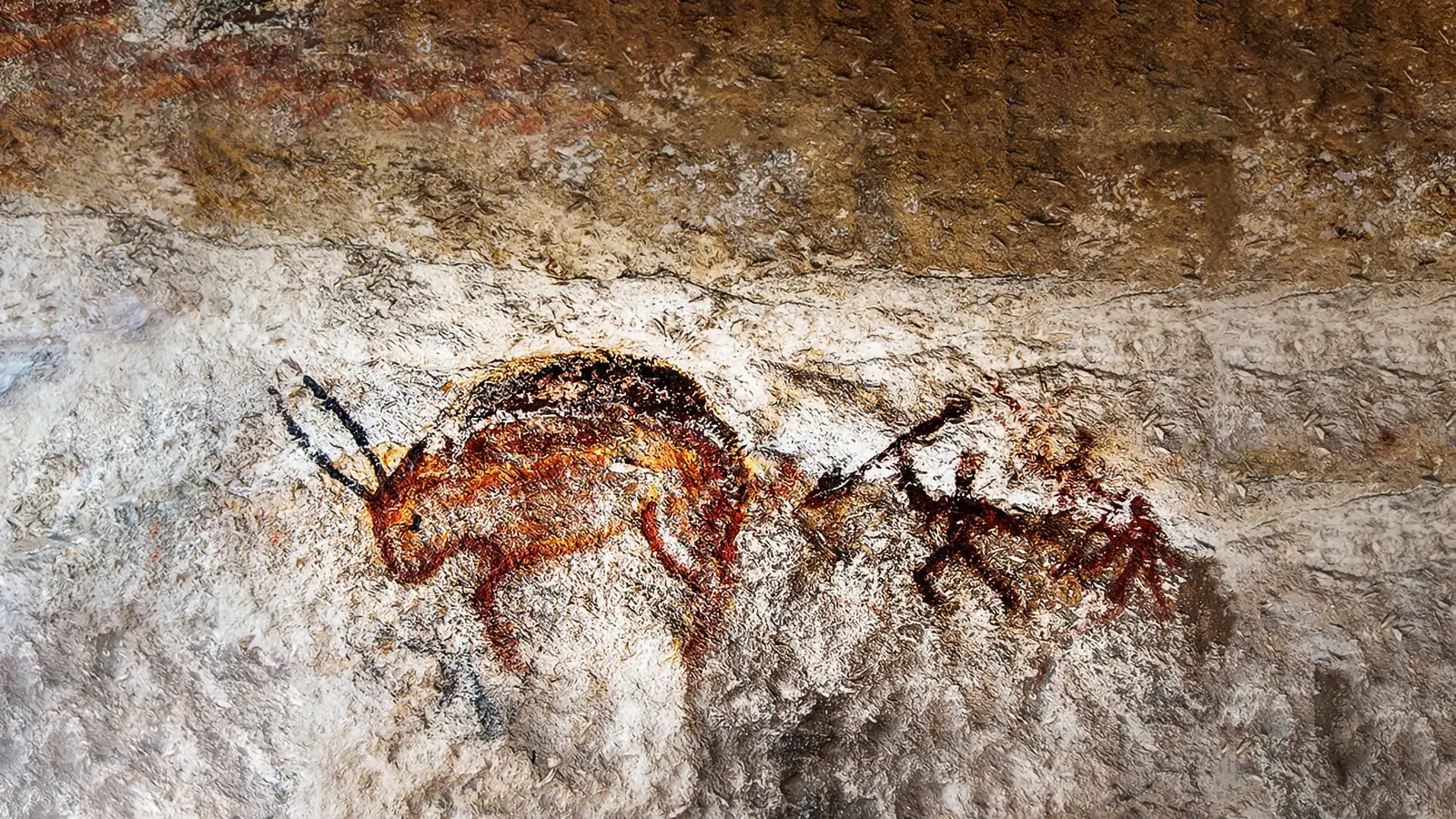
人間の最適な食生活-慢性疾患、ダイエット戦争、菜食主義者の主張
自然に最適な人間の食事は議会において、当社のhominin祖先が食べ過去30万年前には北環太平洋地域には、気候-植生の石。
編集者のおすすめ 肥満
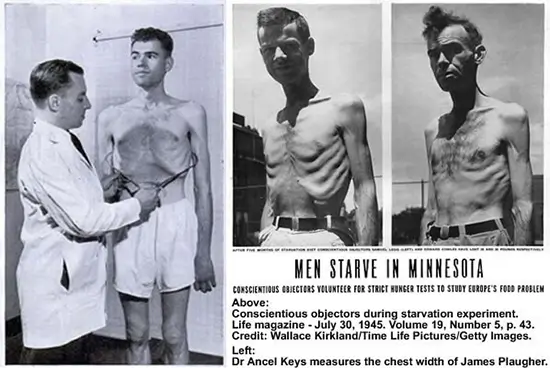
ミネソタ飢餓実験: なぜダイエットをすると太るのか?空腹の心理学
飢餓が心に与える影響に関する最初の科学的研究の 1 つは、1944 年にミネソタ大学によって行われたミネソタ飢餓実験として記憶されている研究で観察されました。
PubMed の最新情報、 #植物ベースの食事 –
- Role of Mediterranean Diet Adherence on Endothelial Dysfunction in Autosomal Dominant Polycystic Kidney Disease Patientsによって Luca Salomone 3月 28, 2026 に
Autosomal dominant polycystic kidney disease (ADPKD) is a genetic disorder characterized by progressive kidney enlargement by cyst formation. Endothelial dysfunction significantly contributes to chronic kidney disease (CKD). The Mediterranean diet (Med-diet) may reduce endothelial dysfunction in ADPKD patients, but its effect was not investigated in these patients. Our aim was to assess the relationship between Med-diet adherence and endothelial function biomarkers such as nitric oxide (NO) […]
- Food as Friend or Foe: A Decadal Narrative Review of Dietary Patterns as Determinants of Gastrointestinal Pathophysiology and Clinical Outcomes (2015-2025)によって Lavinia Cristina Moleriu 3月 28, 2026 に
Diet is a major modifiable determinant of gastrointestinal (GI) health, influencing disease risk and progression through coordinated effects on the gut microbiome, immune regulation, epithelial barrier integrity, oxidative balance, and epigenetic mechanisms. This narrative review synthesizes epidemiological, mechanistic, and clinical evidence from the past decade to examine bidirectional relationships between dietary patterns and seven common GI disorders: celiac disease, irritable bowel…
- Anti-Inflammatory Diets in Metabolic Syndrome and Obesity: Multi-Omics Perspectives on the Interplay Between Gut Microbiota, DNA Methylation, and Adipokine Regulation-A Narrative Reviewによって Karol Makiel 3月 28, 2026 に
An anti-inflammatory dietary pattern represents a key component of non-pharmacological management in obesity and metabolic syndrome (MetS), as it targets chronic low-grade inflammation, adipose tissue dysfunction, insulin resistance, and disturbances of the gut-metabolic axis. In the present work, we outline a framework for an “omics-based” approach that integrates data on gut microbiota composition and function (metagenomics), adipokine profiles, nutrigenomics, epigenetics, and related…
- Interactions Between Plant Proteins and Gut Microbiota as Determinants of Intestinal Healthによって Aleksandra Szydłowska 3月 28, 2026 に
Plant proteins are an important component of the human diet and play a key role in shaping the composition and activity of the intestinal microbiota. Increasing evidence shows that interactions between plant-derived protein fractions and intestinal microorganisms have a significant impact on intestinal barrier function, immune response, and host metabolism. Undigested residues of proteins and peptides may constitute a substrate for intestinal bacteria, leading to the formation of metabolites…
- Supplementation of Maize- and Cowpea Seed-Based Artificial Diets with Diverse Pollen Sources Affects the Demographic Features of Leucania loreyi (Duponchel, 1827) (Lepidoptera: Noctuidae)によって Maryam Jafari 3月 28, 2026 に
Leucania loreyi (Duponchel, 1827) is a major lepidopteran pest that infests a wide range of crops worldwide. Effective mass production of insects for pest management programs depends on the availability of suitable artificial diets. Here, we evaluated 14 artificial diets (D1-D14) formulated from maize or cowpea seeds (19.5 g) plus standard diet components and supplemented with 1 g of pollen from different sources (rapeseed, date palm, maize, common hollyhock, saffron, and honey bee), along […]
- Adherence to the Mediterranean Diet and Its Association with LDL-Cholesterol and Subendocardial Viability Ratio in Individuals with Familial Hypercholesterolemia: A Cross-Sectional Studyによって Nicoletta Miano 3月 28, 2026 に
Background/Objectives: An intensive lipid-lowering therapy is needed in familial hypercholesterolemia (FH) subjects; however, the adherence to the Mediterranean diet (MD) and its effects have not been fully evaluated in FH subjects. This study aimed to evaluate the impact of the MD on metabolic and vascular profiles in FH subjects. Methods: In this cross-sectional study 253 genetically confirmed FH subjects were included. Adherence to MD was assessed by the validated Pyramid-based MD Score…